.jpg "10 Jaw-Dropping ’70s Figures Who Vanished from the Global Spotlight")
Hey there, history buffs and pop culture fanatics! Get ready to take a wild ride back to the 1970s, a decade often remembered for its vibrant disco beats, unforgettable fashion statements, and, let’s be real, a whole lot of *stuff* going down across the globe. Seriously, historians now see this period as a “pivot of change” in world history, emphasizing the economic upheavals that dramatically followed the end of the post-war boom. It was also a time when social progressive values, like increasing political awareness and economic liberty for women, really gained traction – pretty monumental!
Beyond the surface-level vibes of bell bottoms and big hair, the ’70s were an absolute whirlwind of political upheaval, dramatic downfalls, and some seriously seismic shifts in power. We’re not just talking minor political squabbles; this era was defined by frequent coups, intense domestic conflicts, and a global struggle between major alliances. From Southeast Asia to Africa, many regions were engulfed in high-intensity conflict, making for a truly tumultuous backdrop to everyday life.
This era wasn’t just about cultural trends; it was a period where strong leaders and influential figures—the true “superstars” of their political and social landscapes—faced intense, often life-altering challenges. For many, the public spotlight they once commanded dimmed, or was extinguished entirely, right in the heart of the ’70s. We’re diving deep into stories of presidents resigning under immense pressure, ancient emperors being unceremoniously overthrown, and national leaders facing incredibly brutal fates. The world was watching, and for these powerful individuals, their time at the top was dramatically cut short.
So, buckle up, because we’ve rounded up 10 incredibly prominent figures from the 1970s who, for various shocking reasons, literally vanished from the global spotlight. In this first part of our exclusive deep dive, we’re bringing you six compelling, often heartbreaking, stories of power, scandal, and abrupt goodbyes. Trust us, these tales are wilder than any reality TV show, and they definitely left their indelible mark on the course of human history. Let’s get right into the action and uncover some truly unforgettable exits!
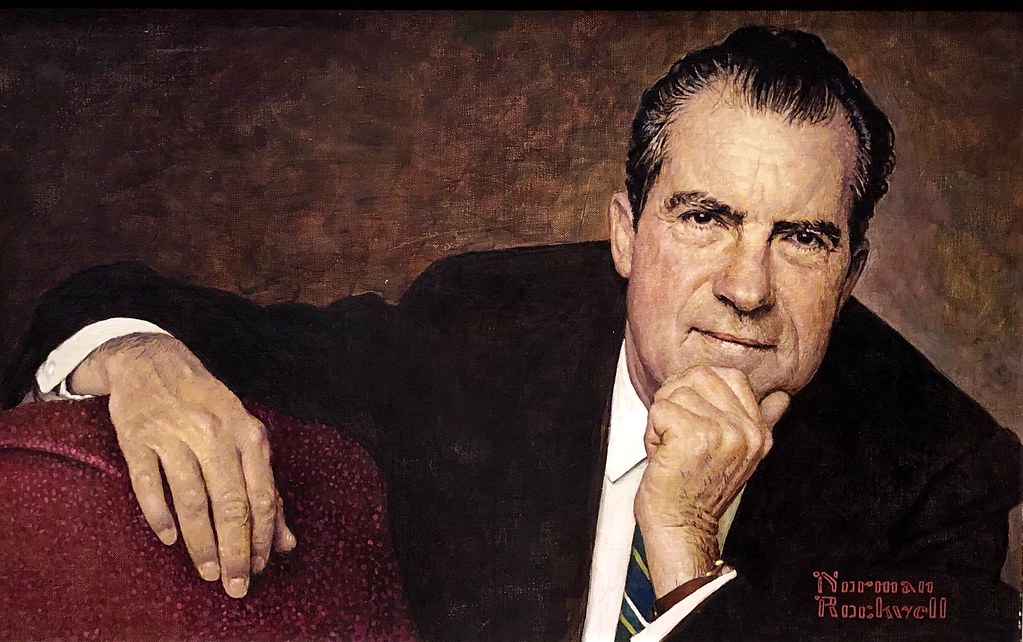
1. **Richard Nixon: The Presidential Exit Heard ‘Round the World**You simply can’t talk about the 1970s without bringing up one of its most infamous figures, U.S. President Richard Nixon. The decade began with the United States still deeply entangled in the Vietnam War, a conflict that heavily influenced his administration. As the early years progressed, revelations, like those leaked by The New York Times, only heightened public scrutiny and intensified anti-war sentiments across the nation.
This mounting pressure eventually led to America’s withdrawal from the war in 1973, a significant event that profoundly shaped Nixon’s presidency. However, it was the infamous Watergate scandal that truly sealed his fate and etched his name into the annals of political drama. This political maelstrom spiraled, leading to charges for impeachment against the President.
The sheer weight of the controversy, coupled with relentless investigations and dwindling support, became insurmountable. On August 9, 1974, in a move that sent shockwaves across the nation and reverberated globally, President Richard Nixon resigned from office. It was an unprecedented act for a U.S. President, marking a definitive “disappearance” from the most prominent political spotlight.
The image of Nixon doing the V for Victory sign as he departed the White House for the last time as president has become iconic. It powerfully symbolizes the dramatic and sudden end of his time in power, marking an unparalleled moment in American history. His departure underscored a pivotal shift in political accountability, showing that even the leader of the free world could not escape public and political pressure.
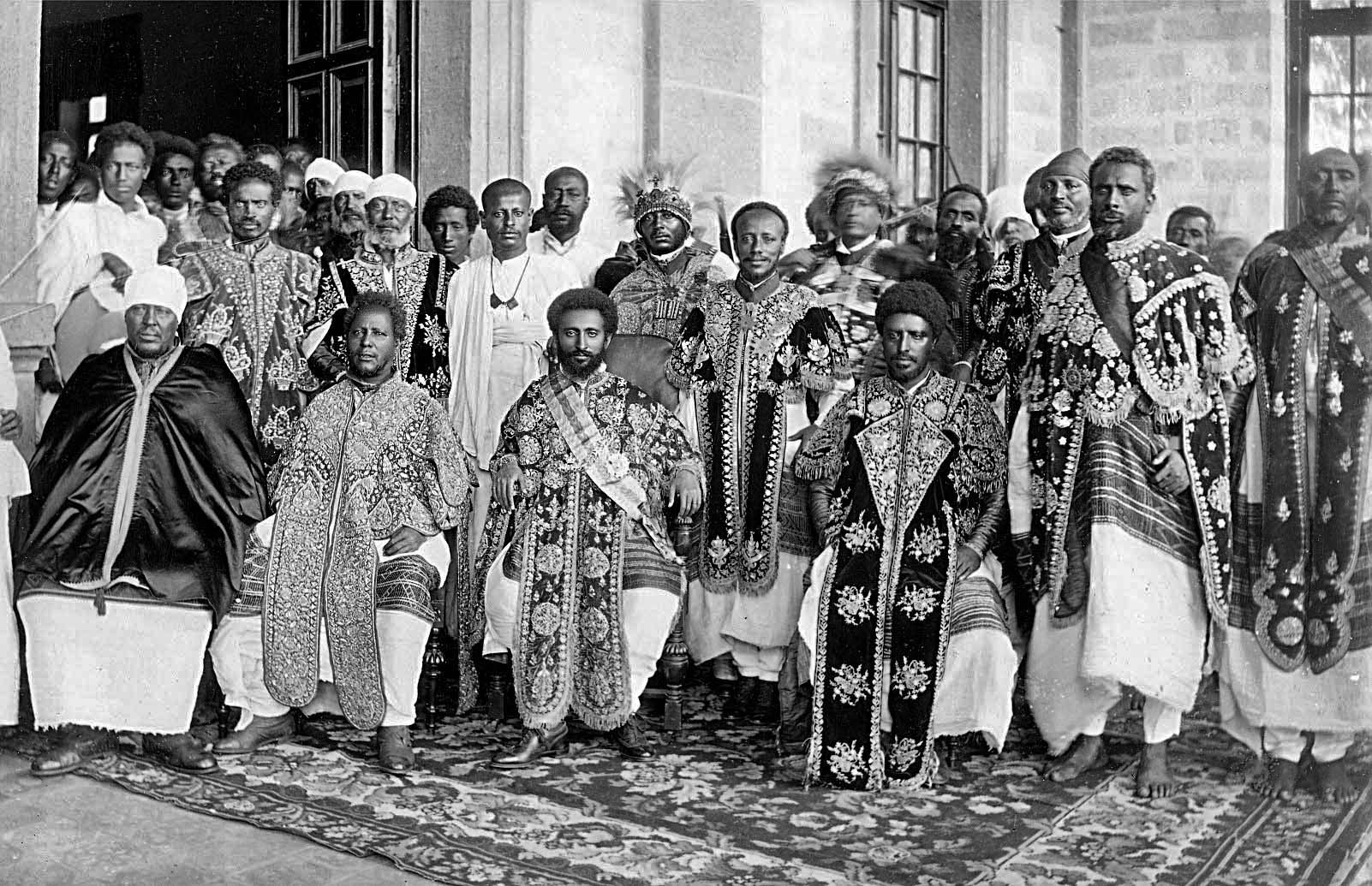
2. **Haile Selassie: The Emperor’s Final Bow**Moving from the bustling halls of Washington D.C. to the ancient lands of Ethiopia, the 1970s proved to be a decade of equally dramatic transitions, especially for long-reigning figures. Here we encounter Emperor Haile Selassie, a historical titan whose rule spanned an incredible duration, representing one of the longest-lasting monarchies in world history. His imperial reign, however, was destined to meet a brutal and unexpected end right in the middle of this turbulent decade.
Despite his long tenure, internal pressures and growing discontent began to mount within Ethiopia. Then, in 1974, a military coup dramatically led to the overthrowing of Haile Selassie. This wasn’t merely a change in government leadership; it was the abrupt and forceful collapse of an imperial system that had endured for centuries.
The communist junta, spearheaded by figures like General Aman Andom and Mengistu Haile Mariam, swiftly seized power, sending shockwaves throughout Africa and across the global political landscape. For Selassie, a man who had been a constant fixture on the international stage, this meant a sudden, complete, and irreversible exit from the throne and the commanding public eye he had held for so long.
His removal signaled the definitive end of an era, not just for Ethiopia but for the very concept of traditional monarchy in a rapidly modernizing and often politically radicalized world. The coup served as a stark, undeniable reminder that even deeply entrenched power structures were incredibly vulnerable to the rising tide of internal conflict and political revolution that characterized much of the 1970s, particularly in post-colonial Africa.
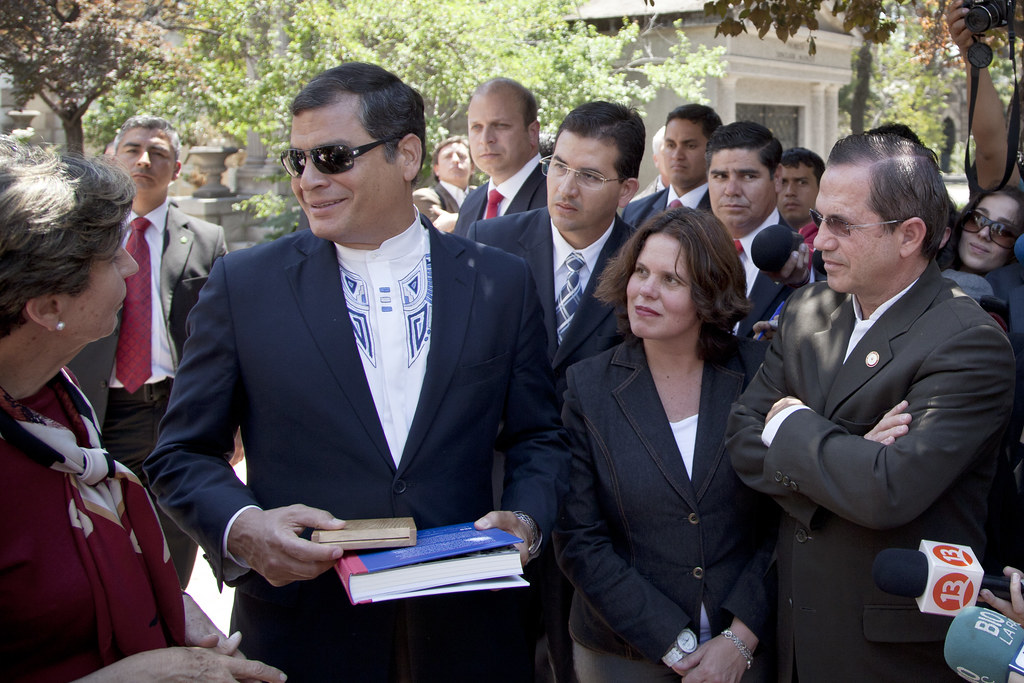
3. **Salvador Allende: A Socialist Dream Crushed**Journeying across continents to Latin America, the 1970s also witnessed its share of intense political dramas, perhaps none more poignant and devastating than the tragic end of Chilean President Salvador Allende. He was a socialist leader who had remarkably risen to power through democratic means, representing a truly unique and ambitious political experiment in the region. His progressive vision for Chile, however, was ultimately crushed under the immense weight of Cold War politics and fierce internal opposition.
On September 11, 1973, Chile was plunged into a brutal coup d’état. This was no ordinary, peaceful transition of power; it was a full-scale, violent military attack directly on the presidential palace. During this relentless assault, Salvador Allende was overthrown and, heartbreakingly, killed. The context explicitly notes this as a pivotal moment, marking the violent and definitive end of his leadership and, tragically, his life.
Crucially, this coup was far from an isolated domestic incident. The context highlights that it was carried out with the direct assistance of the Central Intelligence Agency (CIA) of the United States. This revelation showcased the deep, often covert, entanglement of powerful international players in the internal affairs of smaller nations during the intense ideological struggles of the Cold War era.
Immediately following Allende’s violent overthrow, Augusto Pinochet, a military general backed by the newly formed military junta, swiftly seized power. Allende’s violent removal therefore represented not only the brutal suppression of a burgeoning socialist movement but also the forceful elimination of a democratically elected leader from the international spotlight, replaced by an authoritarian regime that would cast a long, dark shadow over Chilean history.

4. **Sheikh Mujibur Rahman: A Nation’s Tragic Loss**The tumultuous and unpredictable landscape of the 1970s spared no region from its dramatic shifts, and South Asia, still grappling with the complex aftermath of decolonization, saw its own profound share of shocking political departures. In Bangladesh, a nation only recently born from immense struggle, the country experienced a deep tragedy with the assassination of its President, Sheikh Mujibur Rahman. His sudden and violent demise dramatically removed him from the national and international spotlight he had so recently occupied.
Sheikh Mujibur Rahman was truly a pivotal figure in the arduous Bangladesh Liberation War of 1971, a conflict that also tragically involved the 1971 Bangladesh genocide. After the war, he emerged as the leader and became President of Bangladesh, a country literally forged from immense conflict and sacrifice. His leadership represented the collective hopes and aspirations of a brand-new, independent nation, a powerful symbol of self-determination.
However, the promise of his leadership was tragically cut short just a few years into his presidency. On August 15, 1975, the young nation was rocked by an unthinkable event. In the early hours of that fateful day, a rogue group of Bangladesh Army personnel went to his residence and brutally killed him and almost his entire family. This horrific act occurred during a coup d’état, illustrating the intense instability and internal power struggles that often plagued many newly independent states in the post-colonial era.
The assassination of Sheikh Mujibur Rahman was not just a political event; it was a national trauma, shaking the very foundations of Bangladesh. His “disappearance” from leadership was a direct, violent act that profoundly underscored the fragility of nascent democratic institutions and the constant, ever-present threat of military intervention and factionalism that loomed over various parts of the world during this particularly volatile decade. This devastating event not only removed the revered founding father of Bangladesh from the political scene but also plunged the entire nation into a prolonged period of profound uncertainty, political turmoil, and instability.
%2C_R23930288.jpg/440px-Idi_Amin_-Archives_New_Zealand_AAWV_23583%2C_KIRK1%2C_5(B)%2C_R23930288.jpg)
5. **Idi Amin: The Ugandan Dictator’s Downfall**Shifting our gaze back to the African continent, the 1970s presented another stark and chilling example of a powerful, yet undeniably brutal, figure whose reign came to an abrupt and decisive end. We’re talking about Idi Amin, a man who rose to power in Uganda through a military coup in 1971. He quickly became infamous globally for his incredibly brutal dictatorship, a tenure marked by widespread human rights abuses and international condemnation. His time in the international spotlight, though mostly marked by notoriety and fear, would eventually conclude with his dramatic and definitive overthrow.
Amin’s regime was notoriously characterized by the systematic persecution of any opposition to his tyrannical rule. He also pursued a deeply racist agenda, most notably orchestrating the forced removal of Asians from Uganda, particularly targeting those of Indian descent who had arrived and settled during British colonial rule. These shocking actions garnered widespread international condemnation and painted a grim, terrifying picture of political tyranny.
The beginning of the end for Amin’s iron grip on power arrived in 1978, when he made the ill-fated decision to initiate the Ugandan–Tanzanian War. This ambitious military conflict, undertaken in an alliance with Libya, was based on an expansionist agenda, with Amin openly aiming to annex territory from neighboring Tanzania. However, this aggressive military gambit ultimately backfired spectacularly, leading to Uganda’s humiliating defeat and exposing the weaknesses of his regime.
The Ugandan defeat at the hands of Tanzania directly resulted in Amin’s swift overthrow in 1979, bringing a conclusive end to his brutal eight-year rule. His “disappearance” from the public eye was not just a change of leadership; it was a definitive end to a reign of terror and a significant moment for the region. It vividly illustrated how even the most entrenched and seemingly invincible dictators could ultimately be brought down by a potent combination of internal dissent, military miscalculation, and decisive external military action.
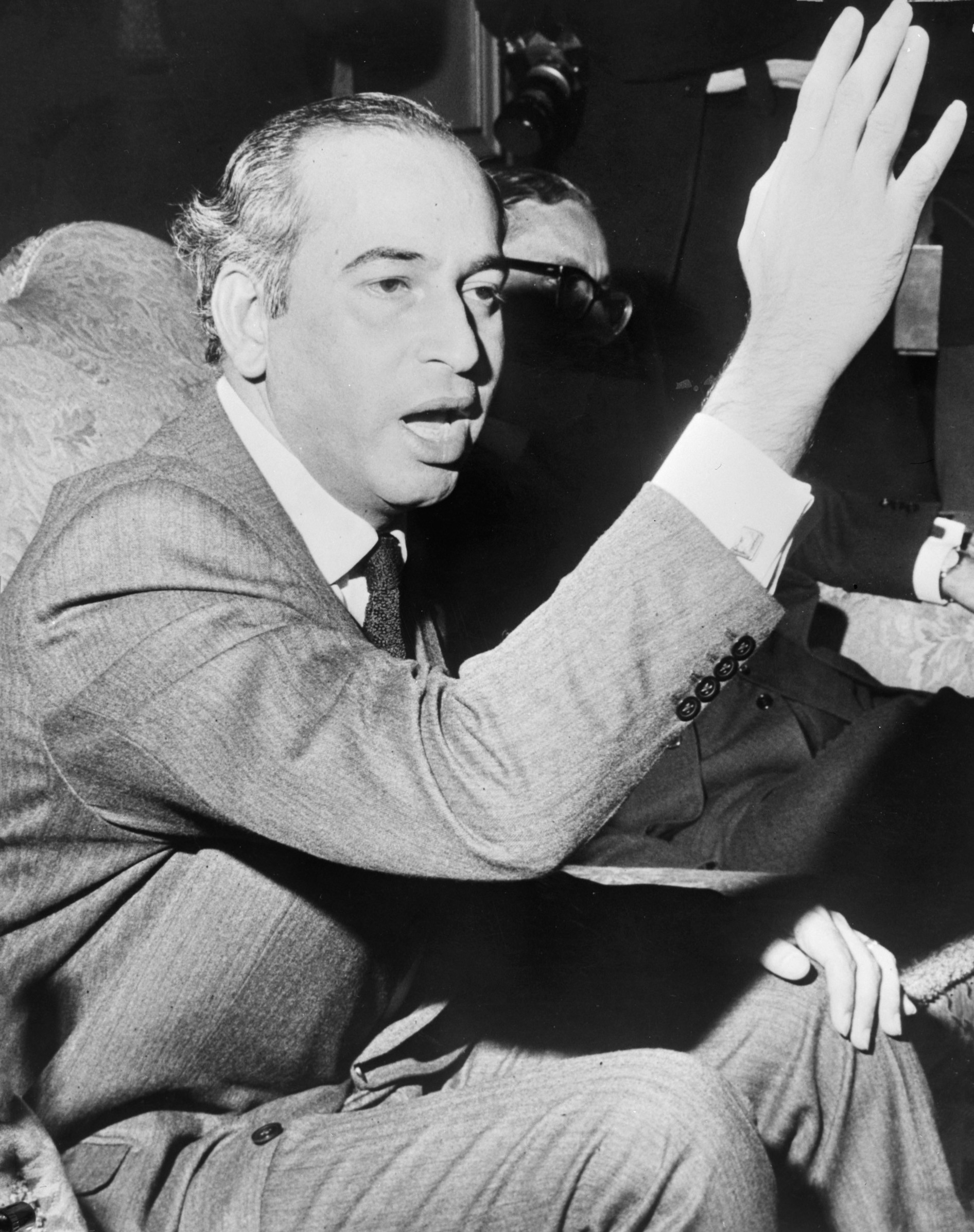
6. **Zulfikar Ali Bhutto: From Power to Persecution**In the complex political tapestry of Pakistan, the 1970s saw another highly influential leader, Zulfikar Ali Bhutto, navigate an incredibly turbulent political landscape only to face a stark and ultimately tragic end. His story stands as a poignant example of the precarious and often dangerous nature of power in a decade defined by frequent coups and pervasive political instability across the South Asian region. His abrupt removal from public life marked a profound “disappearance” under the most severe circumstances.
While the provided context doesn’t delve into the specifics of his ascent to power, it very clearly outlines his dramatic and devastating downfall. In 1977, Pakistan was rocked by a significant military coup, an event that reshaped the nation’s political trajectory. As a direct and immediate consequence of this upheaval, numerous political leaders, crucially including Zulfikar Ali Bhutto, were arrested. This arrest was a critical turning point, stripping him of his considerable power and effectively removing him from the national spotlight he had once commanded with such authority.
Following the coup, martial law was swiftly declared throughout Pakistan. This move signified a complete and authoritarian shift in governance, effectively suspending civilian rule and concentrating power in the hands of the military. For Bhutto, this declaration meant not only immediate imprisonment but also the grim onset of a deeply unjust legal process that would, tragically, lead to his ultimate demise.
The context also chillingly notes the ultimate conclusion of his story: in 1979, Zulfiqar Ali Bhutto was hanged in jail. This final, brutal act cemented his “disappearance” from the public stage in the most tragic and permanent way possible, serving as a stark warning about the dangers of political dissent in authoritarian regimes. His story serves as a powerful and grim testament to the extreme risks and perilous fates often faced by political leaders in a decade characterized by frequent military coups, brutal crackdowns on dissent, and violent power struggles.
Alright, history lovers, are you still with us? Because if you thought the first six stories were wild, you haven’t seen anything yet! The 1970s kept dishing out the drama, and for many, their time at the top came to an abrupt, often shocking, close. We’re about to dive into six more incredible tales of leaders whose reigns ended dramatically, proving once again that in the ’70s, nothing was ever really set in stone.
From a lavish monarch facing a popular revolution to a charismatic cult leader whose dark vision ended in tragedy, these next figures truly experienced the full force of the decade’s instability. Get ready for more political earthquakes, a devastating cult event, and the fall of more authoritarian rule. This is where the spotlight truly faded for some unforgettable personalities!
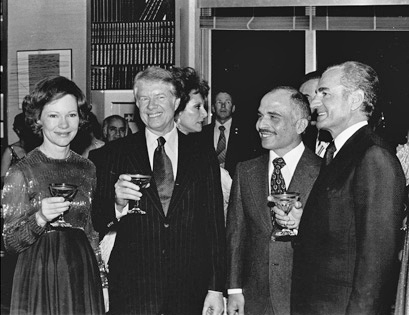
7. **Mohammad Reza Pahlavi: The Shah’s Imperial Eclipse**Let’s jet over to Iran, where another deeply entrenched figure, Shah Mohammad Reza Pahlavi, saw his long-standing, pro-Western monarchy crumble right at the close of the decade. For years, he symbolized a powerful, modernizing force in the Middle East, a key U.S. ally, but beneath the surface, profound discontent was brewing, a simmering revolution ready to boil over.
His rule, while aiming for modernization, was perceived by many as autocratic, and his close ties to Western powers fueled a growing nationalist and religious opposition. This tension built throughout the 1970s, culminating in a popular uprising that few outside Iran initially anticipated would reach such a dramatic crescendo. The sheer scale of the opposition was immense.
The year 1979 brought the Iranian Revolution, a transformative event that completely upended Iran’s political landscape. The context tells us this revolution literally ‘ousted Mohammad Reza Pahlavi,’ replacing his imperial rule with a theocratic Islamist government. It was an abrupt and forceful end to a dynasty that had shaped Iran for decades.
His removal from power wasn’t just a political change; it was a societal overhaul, changing Iran from a monarchy to an Islamic republic under Ayatollah Ruhollah Khomeini’s leadership. For the Shah, who had been a prominent fixture on the global stage, this was the ultimate ‘disappearance’ from the spotlight, marking the end of an entire era for Iran and sending ripples across the international community.
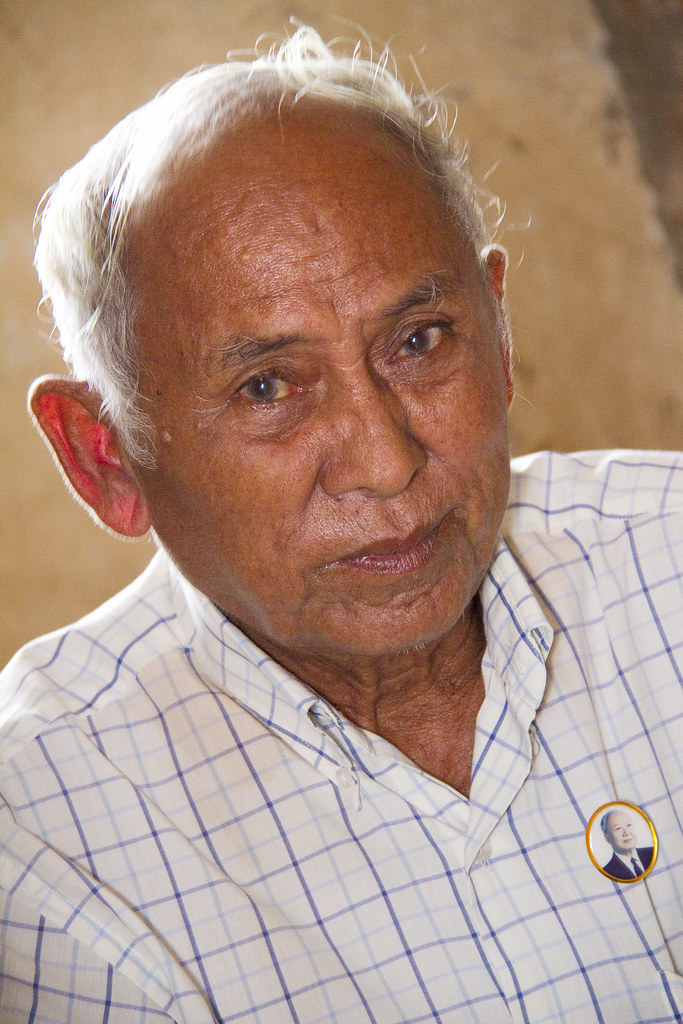
8. **Pol Pot: The Brutal End of a Radical Regime**Next up, we’re taking a chilling detour to Cambodia, where the 1970s delivered one of its most horrifying chapters under the leadership of Pol Pot and his Khmer Rouge regime. While Pol Pot initially rose to power in 1975 after the Cambodian Civil War, his brutal rule, and indeed his direct public influence, met its own dramatic and forceful end right at the close of the decade.
The Khmer Rouge’s agenda was radical, to say the least. They forced people out of cities, aiming to establish a Marxist agrarian society, which led to widespread suffering. The context explicitly highlights the ‘Cambodian genocide,’ noting that ‘as many as 3 million people may have died,’ with Buddhist priests, educated individuals, and even those wearing glasses targeted. It was a reign of terror unlike almost any other.
The sheer brutality of this regime could not last forever without external intervention. At the start of 1979, Vietnam invaded Cambodia, decisively ‘overthrowing the Khmer Rouge’ and replacing them with a satellite government. This intervention brought a definitive end to Pol Pot’s direct command over the nation, though the scars of his leadership would linger for decades.
For Pol Pot, this military defeat by Vietnam marked his forced ‘disappearance’ from the helm of power, transforming him from an internationally reviled leader to a figure operating from the shadows. His regime’s collapse in 1979 was a monumental event, bringing an end to one of the most extreme experiments in authoritarian rule and marking a turning point, however painful, for the Cambodian people.
Read more about: From the Headlines to History Books: 13 ’70s Figures Whose Legacies Took Wildly Unexpected Turns!
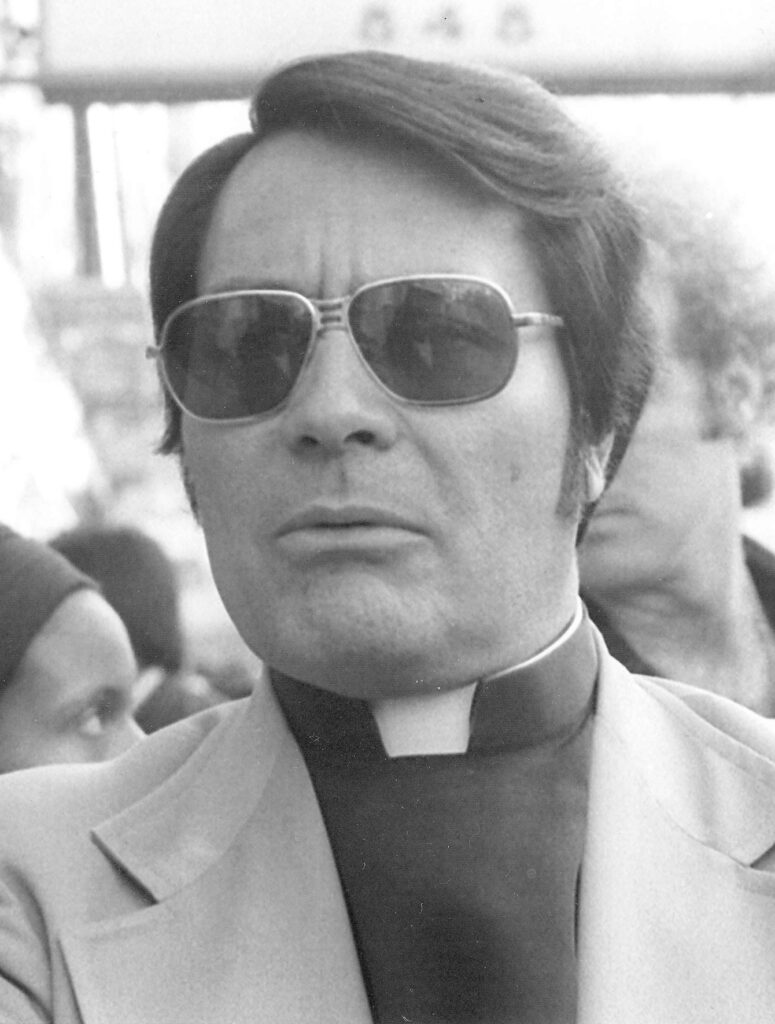
9. **Jim Jones: The Cult Leader’s Catastrophic End in Jonestown**Now, prepare yourselves for a truly chilling story, a stark reminder that ‘disappearance’ from the spotlight can sometimes be the most tragic and final kind. In November 1978, the world watched in horror as Rev. Jim Jones, the charismatic but increasingly erratic leader of the People’s Temple, orchestrated a mass murder-suicide in the remote jungle commune of Jonestown, Guyana.
Jones had led several hundred followers from California to establish a ‘Utopian Marxist commune,’ but allegations of severe ‘corruption, mental, ual, and physical abuse’ quickly surfaced. The outside world started paying attention when a Congressional committee, including Congressman Leo Ryan, and journalists decided to visit Jonestown to investigate.
This visit turned catastrophic. As the congressional delegation and some disillusioned members tried to leave, they ‘were attacked and shot by Jones’ guards at the airport,’ with Congressman Ryan tragically among those killed. What followed was an unthinkable act that forever stained the decade.
The demented Jones then issued his horrifying order: everyone in the commune was to ‘kill themselves.’ Over 900 people, including many children, tragically perished after being ‘forced to drink, cyanide-laced fruit punch.’ Jones himself died from a self-inflicted gunshot. His ‘disappearance’ from the world stage was not just an exit from power but a horrific, complete, and permanent end to a life marked by manipulation and ultimate devastation, leaving an indelible, dark mark on history.

10. **Francisco Macías Nguema: Equatorial Guinea’s Tyrant Executed**Our journey through the ’70s political landscape takes us next to Equatorial Guinea, where Francisco Macías Nguema ruled with an iron fist, earning the grim title of a ‘brutal dictator.’ His reign, which started in 1969, perfectly encapsulates the kind of long-held authoritarian rule that often met a dramatic, decisive end during this tumultuous decade.
Nguema’s tenure was marked by extreme repression and human rights abuses, creating an environment of fear and suffering for the people of Equatorial Guinea. While the context doesn’t detail every atrocity, the description ‘brutal dictator’ paints a vivid picture of the sheer terror and lack of liberty under his prolonged leadership.
However, even the most entrenched dictatorships have their limits. The context plainly states that Nguema ruled ‘until his overthrow and execution in 1979.’ This dramatic turn of events brought a definitive and conclusive end to his tyrannical grip on power, signaling a moment of profound change for the small African nation.
His ‘disappearance’ from the public eye was absolute, not just a removal from office but a termination of his life, serving as a stark reminder of the extreme fates faced by leaders in the politically volatile 1970s. Nguema’s execution was a powerful symbol that even absolute power could not guarantee immunity from the decade’s pervasive winds of change and reckoning.
Wow, what a journey through the ’70s! From the hallowed halls of power in Washington D.C. to the remote jungles of Guyana, and across the vast landscapes of Africa and Asia, this decade truly was a crucible for leadership. These 10 figures, once at the absolute peak of their influence, each experienced a profound ‘disappearance’ from the global spotlight, whether through resignation, assassination, military coup, revolution, or the most tragic cult event imaginable. The 1970s wasn’t just about disco and bell-bottoms; it was a defining period where the world watched as old orders crumbled and new, often turbulent, realities took hold, leaving an undeniable mark on the course of human history. These stories remind us that power is fleeting, and the currents of change, especially in such a transformative decade, can sweep even the mightiest from their pedestals. What an incredible, often heartbreaking, testament to an era of relentless transformation!