
Ever seen white smoke billowing from your exhaust pipe or felt your engine struggling to keep up? It’s not just your car throwing a tantrum—it could be a blown head gasket, often dubbed the silent killer of engines. Ignore these critical warning signs, and you could be looking at a repair bill that’ll make your wallet weep, potentially costing upwards of $1000 or even thousands more. Catching these problems early can be the difference between a repair and a full engine replacement.
The head gasket, also referred to as the cylinder head gasket, is a key part of your engine, creating an essential seal sandwiched between your engine’s block and the cylinder head. Its main role is to keep the combustion chamber sealed, making sure fuel, air, and spark stay where they belong, while simultaneously stopping oil and coolant, two fluids vital for engine health, from mixing together or leaking into the wrong places. Built to handle extreme heat and pressure, this small but mighty component plays such a vital role in your car’s performance, enduring constant changes as the engine expands, contracts, and moves.
When this crucial seal fails, it can create all kinds of problems, from severe overheating to oil leaks and major engine performance issues. The good news is that the first signs often show up early if you know exactly what to look for. In this in-depth guide, we’ll uncover the 13 most revealing symptoms of a blown head gasket, explained with real examples so you can spot them fast and take action before minor issues turn into catastrophic failures.
1. **Persistent Thick White Exhaust Smoke**One of the earliest and easiest signs of a blown head gasket is persistent thick white smoke coming out of the exhaust pipe. This isn’t the normal, thin wisps of steam you might see on a cold morning. Instead, it’s a visibly thicker, heavier smoke that often continues to billow even after the engine has warmed up to operating temperature.
What happens here is that coolant leaks into the combustion chamber and burns along with the fuel, creating that unmistakable white smoke. If you notice the smoke has a sweet smell, which we’ll discuss next, it’s an even stronger hint that coolant is indeed burning. Many drivers often confuse this with normal condensation, but true gasket failure creates steady smoke that does not go away, emphasizing why paying close attention to how long it lasts is important. If it lingers and grows stronger, it is not just harmless vapor.
Ignoring this sign can lead to serious consequences. The longer the leak continues, the more coolant you will lose, which can severely overheat the engine and cause even more serious problems. White smoke should never be ignored because it is a direct warning sign that the head gasket is no longer sealing the cylinders as it should. Quick action can save you from a much bigger disaster later. When you see this kind of smoke, avoid driving the car for long distances, as the engine is already under stress; forcing it to keep going can warp the cylinder head or damage the engine block. It is best to check coolant levels and take the car to a trusted mechanic right away.
Read more about: Planning on Trouble? The 14 Engines and Models Most Likely to Leave You Stranded Before 100,000 Miles
2. **Sweet Smell from Exhaust Fumes**Beyond the visual cue of white smoke, your nose can also provide a critical warning sign: a sweet smell emanating from your exhaust fumes. If you notice the smoke has a sweet scent, it is a very strong hint that coolant, specifically ethylene glycol, is burning alongside the fuel.
This distinct odor is a chemical signature of the coolant itself, which contains glycol. Unlike typical exhaust smells, such as the acrid scent of burning oil or the rich aroma of unburnt fuel, this sweet aroma immediately tells you that fluids are mixing where they shouldn’t be. This directly points to a breach in the head gasket’s integrity, allowing coolant to enter the combustion chambers and be expelled through the exhaust.
When you detect this sweet, sickly smell, don’t dismiss it as just an odd exhaust note or a passing odor. It’s an undeniable olfactory clue that your engine is consuming coolant. This symptom often accompanies the persistent white smoke, reinforcing the diagnosis of a failing head gasket. Recognizing this smell early can prompt quicker investigation and prevent more extensive engine damage.
3. **Engine Overheating (High Temperature Gauge)**One of the most frequent and alarming symptoms of head gasket failure is engine overheating. A blown head gasket allows coolant to leak or escape from the sealed cooling system, which means the engine is no longer cooled properly. Without enough coolant circulating through the system, heat builds up quickly, causing the temperature gauge on your dashboard to climb higher than normal.
You may notice the needle staying unusually close to the red zone, or sometimes it may move up and down erratically, signaling an unstable cooling system. This consistent or sudden spike in temperature is a primary indicator that the critical thermal management of your engine is compromised. It’s a direct visual alert that your engine is under severe stress and could be on the verge of significant damage.
A compromised head gasket allows coolant to leak into cylinders or even outside the engine, leading to a low coolant level and making the entire cooling system ineffective, even if you keep topping it up. Furthermore, combustion gases escaping into the coolant can create air pockets that circulate, triggering hot spots and making the overheating worse. This whole process quickly overloads the cooling system, resulting in further rapid rises in temperature.
There’s a dangerous cycle at play: as the engine overheats, more pressure builds inside, putting even more stress on the gasket. Each spike in temperature warps the gasket and nearby parts, multiplying failures and leaks. If your car overheats often, you should not keep topping off coolant without checking why it is disappearing. Ignoring this can lead to complete engine failure; it is always better to find the cause early instead of waiting until the engine shuts down.

4. **Car Heater Not Blowing Warm Air**Often overlooked as a sign of head gasket trouble, a car heater that stops blowing warm air properly can be a significant clue. This internal symptom occurs because coolant levels within the system drop to a point where there isn’t enough hot coolant circulating to adequately heat both the engine and the cabin heater.
The heater core, which is essentially a small radiator tucked away in your dashboard, relies on hot engine coolant to warm the air circulating into your cabin. If the head gasket is leaking coolant, the overall level in the system drops. When coolant levels are critically low, the heater core is one of the first components to suffer from insufficient flow, resulting in cold air blowing when you expect warmth.
Many drivers might initially dismiss this as a problem with the heater itself, perhaps a faulty fan or thermostat specific to the HVAC system. However, when combined with other symptoms like engine overheating or unexplained coolant loss, a lack of warm air from the heater is a critical clue to internal coolant loss caused by a failing head gasket. This symptom is a direct indication that your engine’s cooling system is severely compromised and warrants immediate attention.
Read more about: Beyond the Blockbuster Budget: 10 Iconic Movie Props That Secretly Starred in Multiple Films
5. **Milky or Frothy Oil on Dipstick/Cap**One of the most clear and visible signs of a blown head gasket is when engine oil turns milky or frothy. Normally, motor oil should look smooth and appear amber, brown, or black, depending on its age and type. But if coolant mixes with it, the oil takes on a creamy, opaque texture, almost like coffee with milk or a milkshake. This happens because coolant leaks into the oil system through the broken gasket, contaminating the lubricant.
When coolant mixes with oil, it profoundly destroys the oil’s ability to protect the engine. Oil is designed to reduce friction between moving parts and to keep them operating smoothly and efficiently. Once it is watered down with coolant, it loses its strength and its essential lubricating properties are severely compromised. The engine then suffers from poor lubrication, which can cause bearings, camshafts, and other critical internal parts to wear out rapidly and suffer catastrophic damage.
Checking under the oil cap and on the dipstick is an easy way to spot this problem. If you see the milky texture on the underside of the oil cap or on the dipstick, you can be sure coolant and oil are mixing. This is one of the clearest and most alarming signs of a blown gasket and should not be ignored for even a short time. Driving with milky oil is extremely dangerous; not only can it quickly damage the engine, but it also means the coolant system is losing fluid, leading to overheating. That is why this sign should push you to take action immediately before the damage spreads irreversibly.
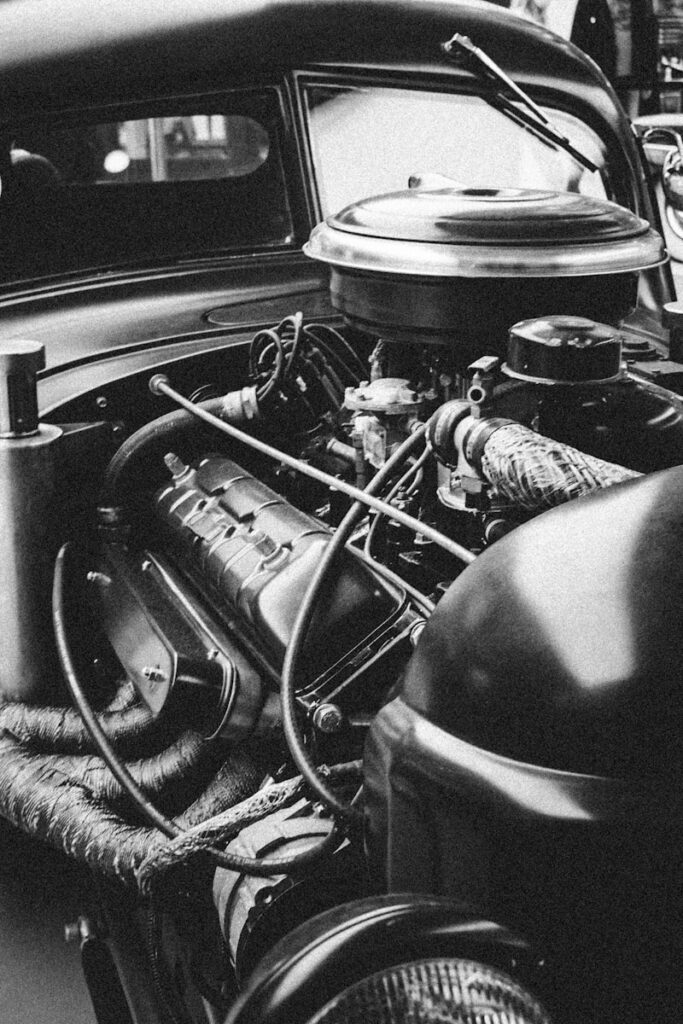
6. **Visible Bubbles in Coolant Reservoir/Radiator**Another distinctive sign of a blown head gasket can be spotted by watching for visible bubbles in the radiator or coolant overflow tank. Under normal operating conditions, coolant should sit still and circulate quietly within the system. However, if exhaust gases escape into the cooling system due to a compromised head gasket, they create bubbles that you can often see when the radiator cap is removed (when the engine is cool) or in the overflow reservoir.
These bubbles mean that combustion gases, which are under high pressure within the cylinders, are leaking past the gasket seal and entering the coolant passages. This is a strong and undeniable signal of gasket failure because gases from the combustion process should never mix with coolant. When they do, it significantly lowers the cooling system’s ability to keep the engine cool and can create hot spots, drastically increasing the risk of severe overheating.
Sometimes, the pressure from these exhaust gases can be so great that you may even notice coolant being pushed out of the overflow tank or hear a distinct gurgling noise, which we will discuss as our next point. This pressure buildup is abnormal and directly linked to the head gasket’s failure to contain combustion. If bubbles appear every time you rev the engine or check the coolant, it is time for a professional test; a mechanic can check for combustion gases in the coolant with a chemical test kit, which offers a definitive confirmation of the issue.
7. **Gurgling Noises from Cooling System**While visible bubbles in the coolant reservoir are a clear sign, a failing head gasket can also make itself known through distinct auditory warnings. You may begin to hear gurgling noises emanating from the cooling system, often from the radiator or coolant overflow tank. This isn’t the gentle hum of circulating fluid, but rather sounds akin to water boiling or air passing through liquid, indicating a significant disturbance within the system.
This gurgling isn’t just air; it’s exhaust gases being forced into the coolant passages by the high pressure of combustion. As these gases move through the liquid, they create distinct bubbling and gurgling sounds, particularly noticeable when the engine is running, or sometimes even after it’s been turned off and the pressure equalizes. The presence of exhaust gases compromises the cooling system’s efficiency, making it less effective at dissipating heat and leading to the potential for overheating.
Such noises are a clear auditory indication that the head gasket has failed to maintain its seal, allowing exhaust gases to contaminate the cooling system. This internal pressure buildup is not only a symptom but also contributes to further stress on the system, often leading to more rapid coolant loss and overheating. Listening for these unusual sounds can provide an early, undeniable clue that something is seriously wrong and requires immediate professional inspection to prevent more severe engine damage.
Read more about: When Life’s Final Chapters Unfold: Understanding the Profound Signs and Cultural Tapestries of Dying

8. **Unexplained Coolant Loss**One of the most elusive yet critical warning signs of a blown head gasket is when your vehicle keeps needing coolant, but you don’t see any puddles under it. This puzzling symptom points to an internal leak, where coolant is escaping the system without leaving visible traces on the ground. Such a leak means coolant is seeping into the engine’s cylinders, mixing with oil, or burning off in the combustion process, making it incredibly hard to spot without a closer look.
When the head gasket fails, it can allow coolant to leak internally into the combustion chambers. This results in the coolant being consumed or vaporized, leading to steadily dropping coolant levels over time. Because the fluid isn’t escaping externally, drivers often overlook this issue, mistakenly believing their cooling system is intact while the engine is slowly being deprived of its vital heat-dissipating fluid.
Persistent coolant loss without an external leak is a strong indicator of head gasket failure. This internal leakage can quickly lead to an overheating engine, as the cooling system runs dry. Even if you regularly top up the coolant, the underlying problem persists, creating a dangerous cycle where the engine can still overheat and suffer further damage, emphasizing why immediate investigation is paramount.
Read more about: Beyond the Hype: 14 Notorious Electric Car Failures, Battery Blunders, and Range Misses That Hindered EV Adoption
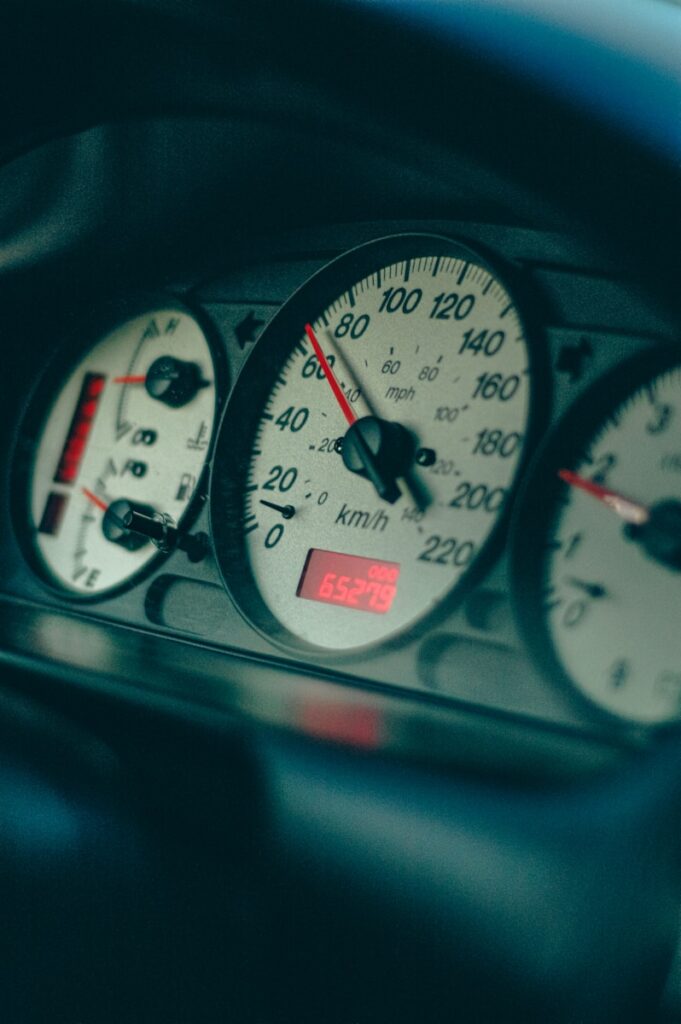
9. **Loss of Engine Power**When the head gasket is compromised, a noticeable drop in your engine’s performance often follows. You might feel your car struggling to accelerate, especially when climbing hills or carrying heavy loads, where it simply doesn’t deliver the usual strength. The vehicle feels weaker and less responsive, and even if you press the gas pedal harder, the expected power isn’t there, signaling a significant issue under the hood.
This loss of power happens because the head gasket’s primary role is to seal the combustion chambers properly, ensuring maximum compression. When the gasket fails, combustion gases can leak past the seal, leading to a loss of cylinder compression. Without proper compression, the engine cannot create the same power, directly impacting acceleration and overall engine output, making driving less efficient and potentially unsafe.
A leaking head gasket allows vital pressure to escape, meaning your engine isn’t working as efficiently as it should. This reduced efficiency not only makes your car feel sluggish but also puts more stress on other engine components as they try to compensate for the lost power. Ignoring this symptom can lead to even greater mechanical strain, accelerating wear and increasing the likelihood of more severe damage over time.
Read more about: 14 Brand Rebrands and Logo Disasters That Had Everyone Talking (and Cringing!)

10. **Misfires and Rough Idle**Beyond a general loss of power, a failing head gasket can manifest through distinct misfires and a noticeably rough idle. Instead of a smooth, steady hum, your engine might shake or vibrate, particularly when it’s just sitting still. This unsettling sensation and the uneven engine rhythm are direct indicators that the combustion process within your cylinders is being severely disrupted.
These misfires occur if coolant or oil leaks into the cylinders when the gasket blows, contaminating the precise air-fuel mixture. When this happens, the spark plug may fail to ignite the mixture properly, resulting in an incomplete combustion event or no combustion at all. This disruption creates an imbalance in cylinder firing, causing the engine to run roughly and often leading to noticeable vibrations felt throughout the vehicle.
Such uneven combustion cycles not only make for an uncomfortable driving experience but also significantly impact engine health. The engine is designed to operate with synchronized, powerful strokes, and any deviation can create undue stress on various components. Recognizing these misfires and a rough idle as more than just a minor hiccup is crucial, as they are strong signals of an internal breach caused by a faulty head gasket.
Read more about: From Spark Plugs to Blown Gaskets: The 10 Biggest Truck Engine Blunders That Angered Owners and Destroyed Reputations
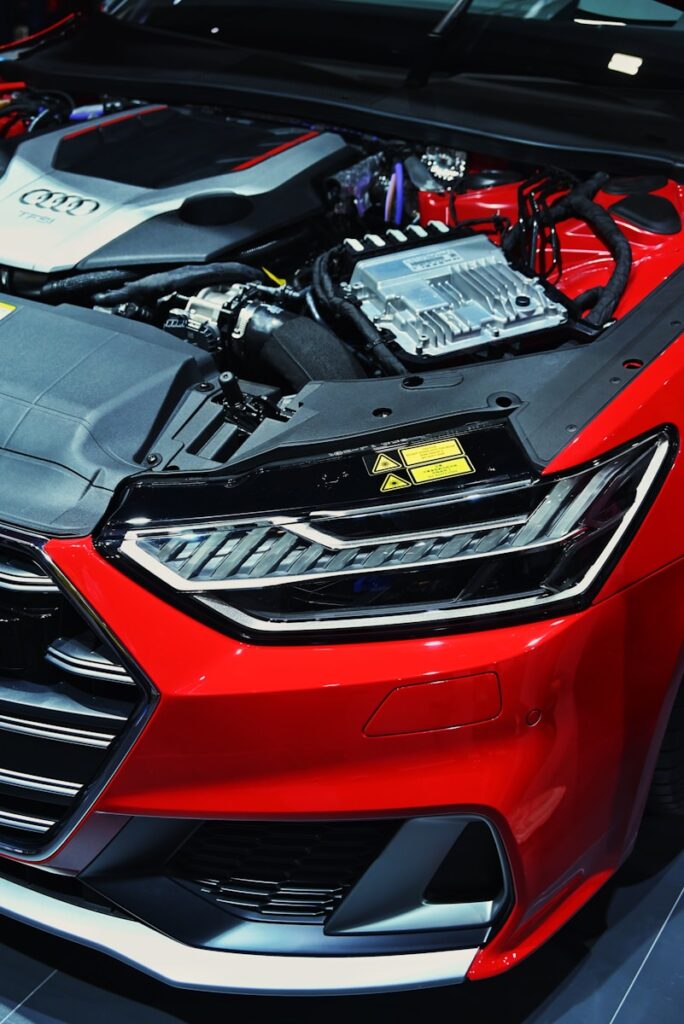
11. **Check Engine Light Illumination**One of the most universal signals that something is amiss with your vehicle’s engine is the illumination of the “Check Engine” light on your dashboard. While this light can indicate a wide array of issues, it frequently accompanies problems stemming from a blown head gasket. When the car’s onboard diagnostic system detects an abnormality related to engine performance, emissions, or component function, it triggers this warning.
With a failing head gasket, the “Check Engine” light often comes on due to detected misfires, low cylinder compression, or issues with the air-fuel ratio that result from coolant or oil entering the combustion chambers. The engine’s computer, unable to maintain optimal operating conditions, registers these anomalies as faults. Specific diagnostic codes stored in the system can then pinpoint the exact nature of these performance compromises, often leading directly to a head gasket diagnosis.
While the “Check Engine” light itself doesn’t specify a blown head gasket, it serves as a critical overarching warning that demands immediate attention. When combined with other symptoms like white smoke, overheating, or a rough idle, the illuminated light strongly reinforces the suspicion of a head gasket problem. Getting the diagnostic codes read by a professional is the fastest way to confirm the underlying cause and prevent further damage.
Read more about: From Spark Plugs to Blown Gaskets: The 10 Biggest Truck Engine Blunders That Angered Owners and Destroyed Reputations
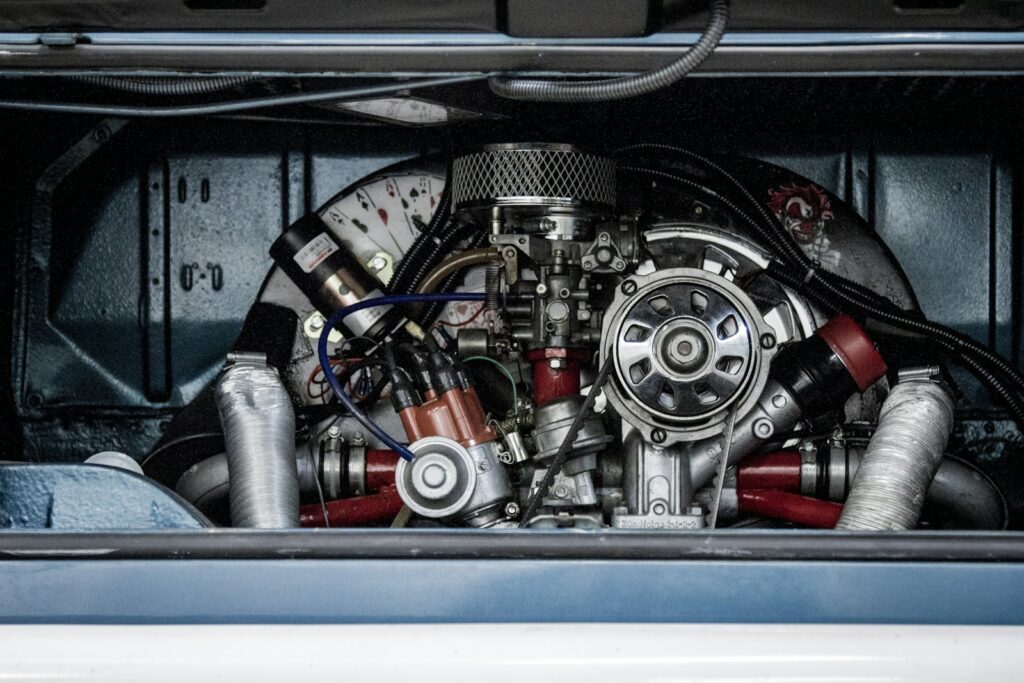
12. **External Coolant Leaks**Sometimes, the signs of a blown head gasket are far more overt, manifesting as visible coolant leaks outside the engine. You might spot bright green, orange, or pink fluid dripping under your car or pooling on the ground after you’ve parked. These telltale puddles are a clear indication that the head gasket has failed to maintain its seal, allowing coolant to escape directly onto external engine components or the ground below.
These external leaks typically appear around the seam where the engine block and cylinder head meet, precisely where the head gasket is situated. You might notice a wet spot or a dried, crusty residue, often white or greenish, forming along this joint. Even if the leak appears small, it signifies a compromised seal that can worsen quickly under the engine’s operating pressure and heat, leading to rapid coolant loss.
Unlike leaks from a faulty hose or a cracked radiator, an external head gasket leak points to a more fundamental internal engine problem. Continuing to drive with such a leak will inevitably lead to critically low coolant levels, making engine overheating a certainty. Catching these visible leaks early allows for prompt intervention, potentially preventing more widespread and expensive damage that comes with a completely dry cooling system.
Read more about: From Spark Plugs to Blown Gaskets: The 10 Biggest Truck Engine Blunders That Angered Owners and Destroyed Reputations

13. **Oil Contamination in Coolant**While milky oil on your dipstick indicates coolant has entered the oil system, another equally serious symptom of a blown head gasket is the presence of oil *in* your coolant reservoir or radiator. Instead of seeing clean, colored coolant, you might notice an oily film floating on the surface, or the coolant itself might appear unusually dark, sludgy, or discolored. This distinct visual cue confirms that the vital separation between these two fluids has failed.
This contamination occurs when the head gasket’s seal breaks down between the oil passages and the cooling system passages. Engine oil, which is under pressure, is then forced into the coolant, polluting the system. The presence of oil in the coolant severely degrades the cooling system’s ability to dissipate heat effectively, as the oil can clog passages and reduce the coolant’s heat-transfer properties.
Spotting contaminated coolant is a definitive sign of a compromised head gasket and should not be ignored. You can often check for this by carefully opening your radiator cap (only when the engine is completely cool) or inspecting the coolant overflow reservoir. If you observe any oily residue or a strange, dark discoloration, it’s a clear signal that your head gasket is failing, and immediate professional inspection is required to prevent catastrophic engine damage.
**Final Thoughts and Preventative Measures**
A blown head gasket stands as one of the most serious and financially daunting engine problems a driver can encounter. However, the truly good news is that this catastrophic failure almost always gives clear early warnings if you know exactly what to look for. The persistence of white exhaust smoke, a sweet smell from the tailpipe, engine overheating, a car heater blowing cold air, milky oil, visible bubbles, gurgling noises, unexplained coolant loss, a drop in engine power, misfires, a lit “Check Engine” light, external leaks, or oil in your coolant — all are unmistakable clues.
Acting swiftly upon noticing any of these symptoms can be the decisive factor between a manageable repair and a full-blown engine replacement that could cost thousands of dollars. Ignoring these critical signals, even for short trips, pushes your engine closer to irreversible damage, increasing repair bills exponentially. Think of these signs as your engine’s desperate pleas for help; paying attention now will save you immense heartache and expense later.
Preventing head gasket failure largely revolves around vigilant maintenance of your vehicle’s cooling system. Regularly checking your coolant levels and ensuring you use the correct type, mixed according to manufacturer recommendations, is paramount. Old, dirty, or improperly mixed coolant can degrade faster and lose its protective qualities, contributing to gasket wear and potential failure.
Crucially, never ignore an overheating engine. If your temperature gauge starts to climb, or a warning light appears, pull over safely and investigate immediately. Overheating is the number one enemy of head gaskets, causing metal parts to warp and seals to fail, accelerating the path to a blown gasket. Promptly addressing any cooling system issues—be it a faulty radiator hose, a struggling water pump, or a clogged radiator—is an investment in your engine’s longevity.
Read more about: The $500 Repair Trap: The One Critical Mistake You Must Avoid with Your Car’s Timing Belt
Making a habit of routine visual checks under the hood, listening for unusual engine sounds, and promptly addressing minor repairs will keep your head gasket—and indeed, your entire engine—running stronger for longer. Early detection and proactive maintenance are your best defense against the dreaded $1000+ repair bill. Stay alert, stay informed, and drive with confidence, knowing you’re protecting your engine’s heart.