Alright, movie lovers, let’s be real for a sec. We all head to the cinema (or, let’s be honest, settle onto our couches) looking for an escape. We crave dazzling visuals, heart-pounding action, laugh-out-loud moments, or maybe even a good cry. For a couple of hours, we want to lose ourselves in another world, forget our worries, and just get totally absorbed in what’s unfolding on that big (or small) screen. That’s the dream, right?
But here’s the thing about dreams: sometimes they turn into a snooze. Not every film manages to hit that sweet spot of captivating an audience. In fact, some movies are so incredibly *not* that, they become infamous for being, well, boring. Like, legitimately, put-you-to-sleep boring. We’re talking about films that stretch time with slow pacing, convoluted plots, or just a touch too much artistic indulgence, leaving you glancing at the clock more than the screen. And trust us, you are absolutely not alone if you’ve felt this way.
Now, before you come at us, remember that everyone’s taste is subjective! What one person finds to be a profound cinematic experience, another might find a five-hour lullaby. We’ve dug deep into the discussions, the votes, and the collective sighs of viewers everywhere to bring you a list of movies that have been called out for testing the limits of audience patience. So, grab your popcorn (or maybe a strong coffee), because we’re about to dive into the first half of films that will make you wish you were watching dry paint… or maybe even doing your laundry. Let’s do this!
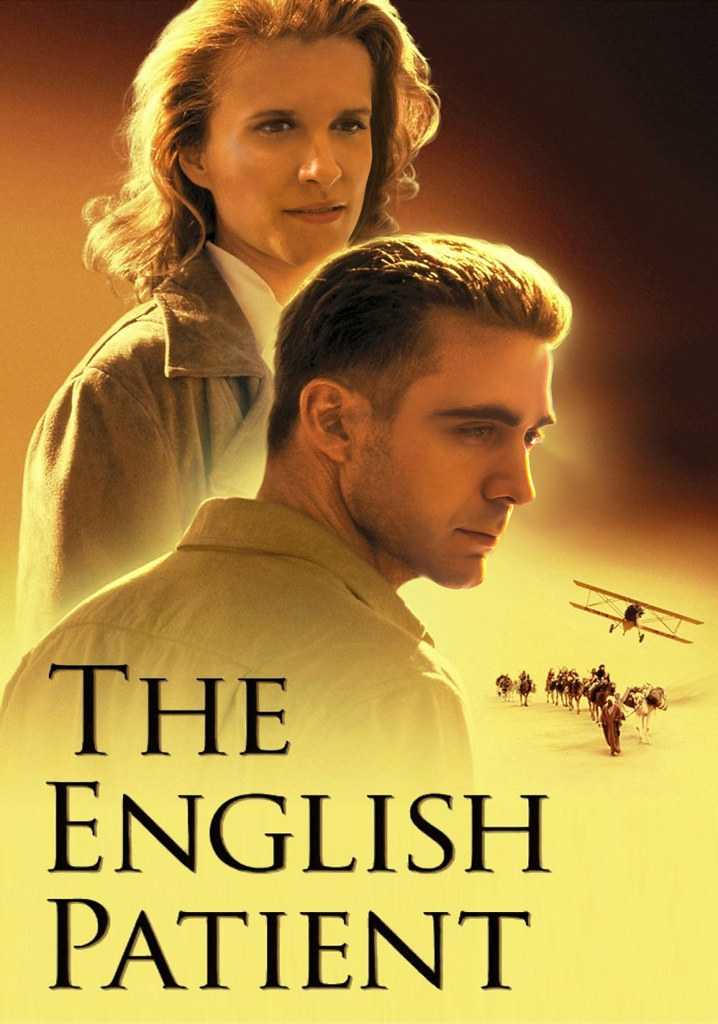
1. **The English Patient (1996)**Ah, “The English Patient.” This film swept the Oscars, nabbing a whopping nine awards, and it’s often hailed as a sweeping epic of romance and tragedy. Released in 1996 and directed by Anthony Minghella, it tells the story of Almásy (played by the always intense Ralph Fiennes), a badly burned patient in a medical facility during WWII. As a nurse (Juliette Binoche) cares for him, he struggles to recall his past, sharing fragmented memories of who he was and how he came to be injured. It sounds incredibly rich, doesn’t it?
People were absolutely drawn to this movie because it promised a grand narrative, full of intrigue, and a passionate, tragic love story. The setting itself is varied and captivating, taking viewers on a journey from war-torn Italy to the mysterious, vast landscapes of North Africa. With a cast that included Willem Dafoe and Kristin Scott Thomas alongside Fiennes and Binoche, it certainly looked like a cinematic experience that simply couldn’t be missed. It had all the ingredients for a masterpiece that would transport you.
However, for many, “The English Patient” became an exercise in extreme patience. The film heavily and expertly employs non-linear storytelling, which, while aiming to immerse viewers in Almásy’s disoriented state as he pieces together his memories, often disorients and bores casual audiences instead. The constant shifting between plot points, coupled with a relative lack of action in the present-day storyline, simply runs the risk of losing its grip on viewers. It’s a slow burn that, for some, just burned out.
The film’s lengthy runtime, combined with its deliberate pacing and complex narrative structure, meant that while critics lauded its artistic merits, many ordinary filmgoers struggled to stay awake. It’s a testament to how even a critically acclaimed, award-winning film can divide audiences, with some finding its depth profoundly engaging and others simply finding it profoundly dull. It seems the beautiful tragedy was just too slow for some to truly appreciate.
Read more about: Angelina Jolie: A Journey of Art, Advocacy, and Evolution in the Public Eye
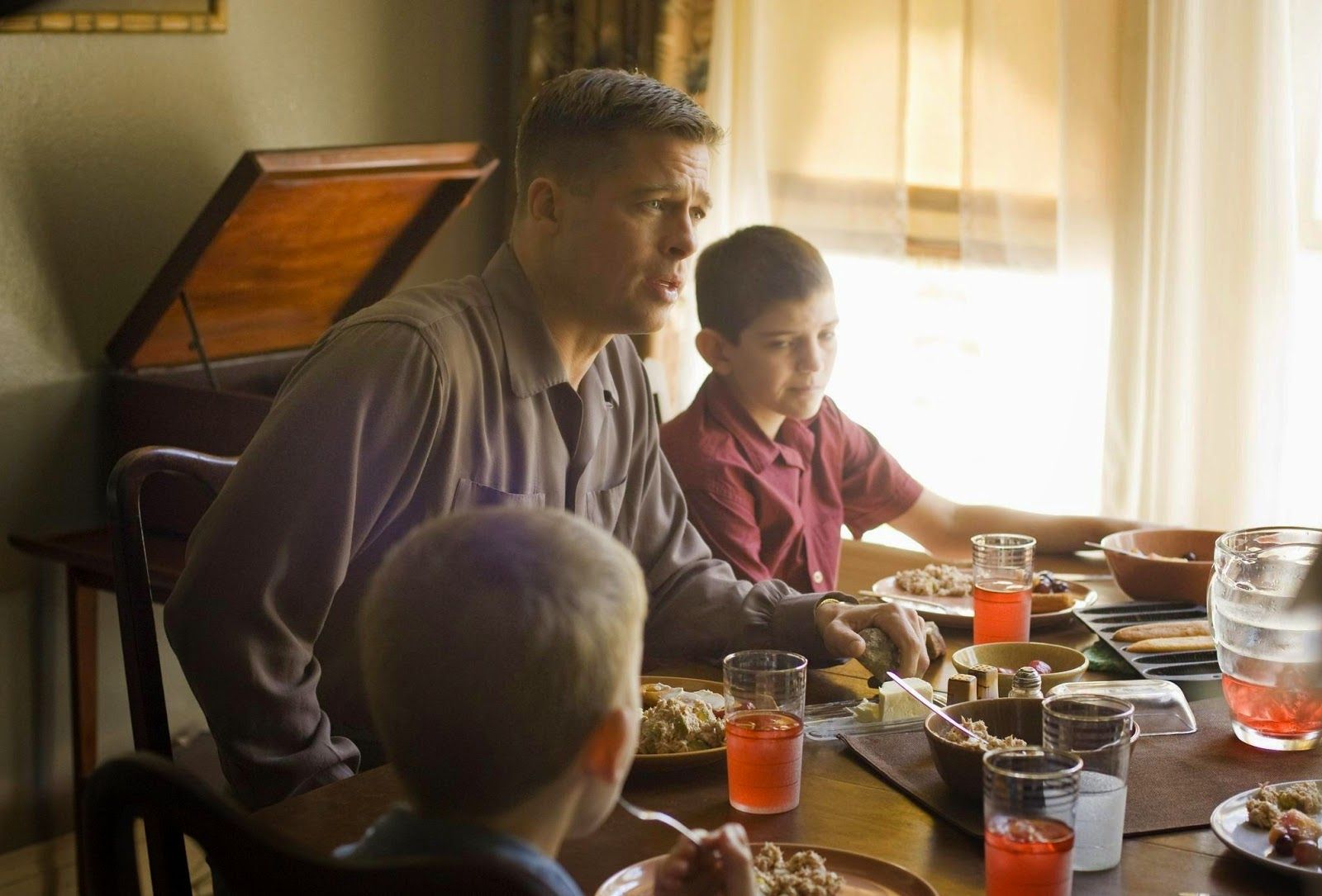
2. **The Tree of Life (2011)**Next up, we have Terrence Malick’s “The Tree of Life,” a film that truly aims for the stars in its ambition. Premiering in 2011, this movie ventures beyond a simple family drama, attempting to explore profound themes of loss, desire, and forgiveness across several decades. It follows the O’Brien family, with Mr. and Mrs. O’Brien (Brad Pitt and Jessica Chastain) and their children in the mid-1900s, intertwining their personal journeys with the struggles of their son, Jack O’Brien (Sean Penn), in 2010. Sounds like a lot, right?
Many viewers were compelled to watch “The Tree of Life” precisely because of its immense ambition. Terrence Malick, known for his distinctive style, deftly blends the raw drama of a family grappling with the loss of a child and their search for self-identity with deep philosophical dialogue and breathtaking cosmic imagery. The film takes a truly unique approach to exploring familial relationships and the very nature of human existence, promising an intellectual and spiritual journey unlike most others.
But here’s where the philosophical depth might have gone a little too deep for some. Despite its stunning visuals and grand philosophical scope, “The Tree of Life” is often cited for its languid pacing and abstract narrative. The narrative itself, centered on grief and acceptance, isn’t groundbreaking, as numerous films have covered these themes. The film’s presentation, particularly its imagery, often comes across as either too ambiguous for viewers to grasp or, conversely, too obvious in its symbolism, depending on who you ask.
The result is a cinematic experience that is undoubtedly heavy on theme and artistic intent, yet frequently fails to engage many viewers on an emotional or narrative level. Malick’s characteristic style, which emphasizes visual storytelling and introspection over traditional plot progression, meant that while some found it a mesmerizing contemplation, others found it simply a long, drawn-out experience that tested their limits. The star power of Brad Pitt and Sean Penn couldn’t entirely save it from being a snooze for a significant portion of its audience.
Read more about: Get Ready to Rewatch! 8 R-Rated Sci-Fi Movies That Are Just Plain Awesome
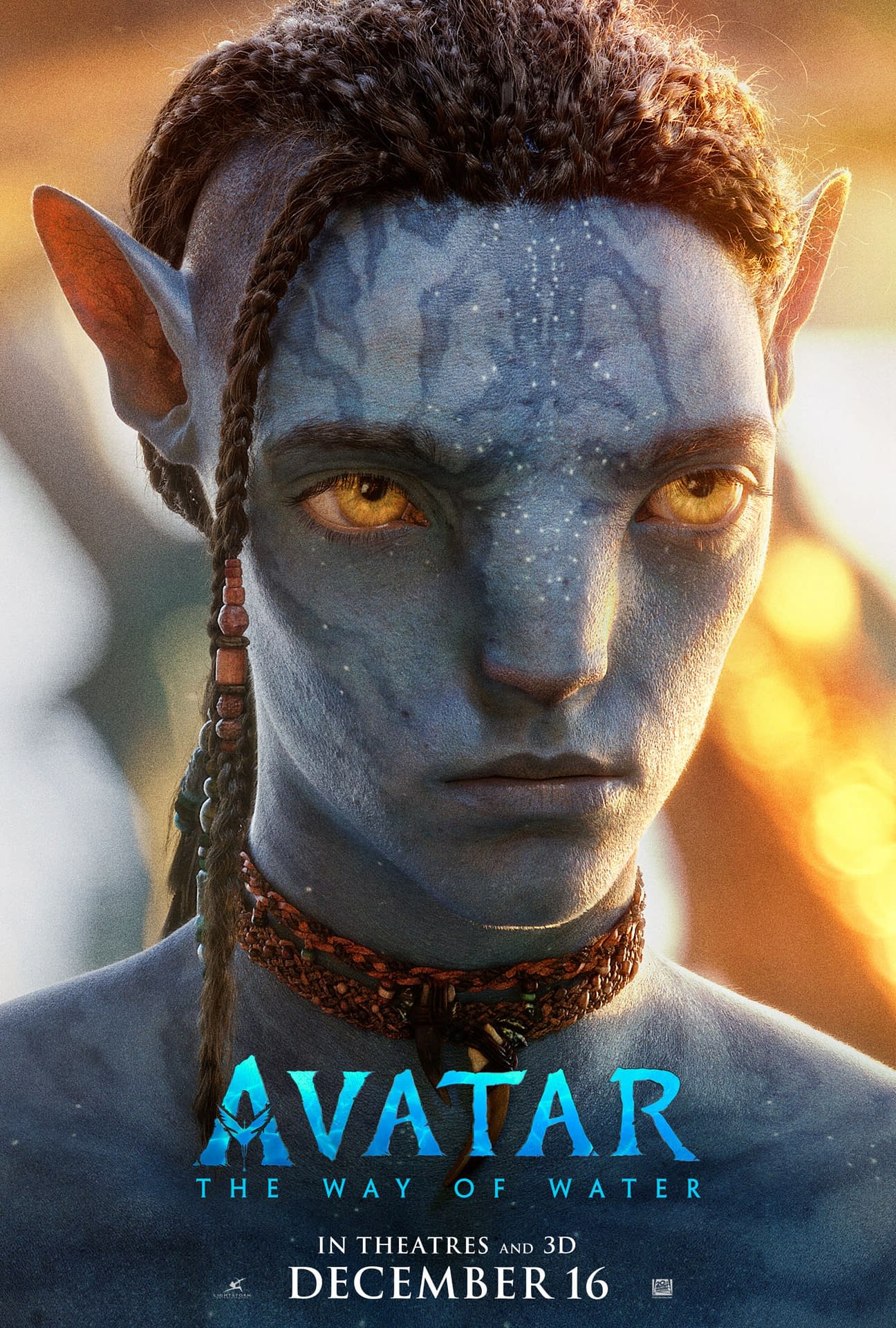
3. **Avatar (2009 & 2022)**When we talk about movies that were massive, groundbreaking spectacles, James Cameron’s “Avatar” instantly springs to mind. The original 2009 film and its much-anticipated 2022 sequel, “Avatar: The Way of Water,” were both billed as visual marvels, pushing the boundaries of special effects and immersing audiences in the fantastical world of Pandora. The premise of Jake Sully (Sam Worthington) and Neytiri (Zoe Saldaña) resisting human colonization promised epic conflict and breathtaking alien landscapes. What’s not to love?
Undoubtedly, people flocked to see these films for the sheer visual experience. “Avatar” was a mega-blockbuster phenomenon, and both installments received massive praise for their groundbreaking special effects and stunning CGI. You simply had to see Pandora brought to life on the big screen, with its vibrant flora, majestic creatures, and the intricate culture of the Na’vi. These movies were designed to dazzle, to transport you entirely, and to make you believe in the possibility of a world beyond our own.
However, here’s where the awe factor started to wear thin for many. Both “Avatar” films, particularly “The Way of Water,” are notorious for their considerable length, with the sequel clocking in at over three hours. While James Cameron is no stranger to long runtimes (hello, “Titanic”), such an extended experience is a serious test of patience for most audiences. There’s a point where even the most incredible visuals can’t hold your attention indefinitely, and viewers start squirming, wondering when the story will actually wrap up.
For a significant number of people, the immersive beauty of Pandora eventually gave way to a feeling of sluggishness. The pacing, especially in the first “Avatar,” felt too slow for many viewers, despite the visual feast. It’s a classic case where the technical achievements overshadow the narrative engagement, leading to a film that is visually spectacular but dramatically inert for an audience hoping for a faster-paced story. Sometimes, even flying dragons and glowing forests can’t make up for a plot that moves at a glacial pace, leaving you feeling like it’s just dragging on.
Read more about: Beyond the Screen: The Most Infamous Cinematic Moments That Ignited Chaos in Theaters and Triggered Real-World Turmoil
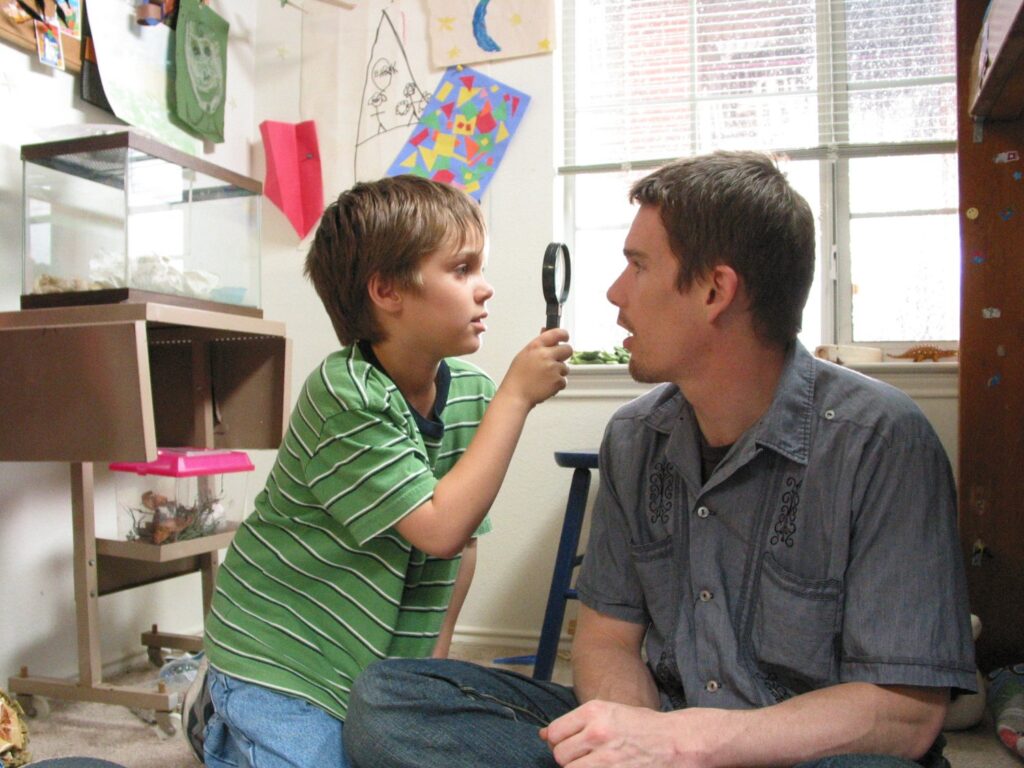
4. **Boyhood (2014)**Richard Linklater’s “Boyhood,” released in 2014, arrived with an astonishing premise that instantly made it a talking point in cinematic circles. The film follows the life of Mason Evans Jr. (Ellar Coltrane) over an incredible 12-year period, chronicling his growth and the challenges faced by him and the people around him. It’s a coming-of-age story unlike almost any other, simply because of how it was made. What’s the big deal? Well, it was filmed in real time.
The film’s biggest draw, its absolute novel approach, was the reason everyone wanted to see it. Instead of casting different actors to portray Mason at various ages, Linklater opted to have a single actor portray Mason from age 6 to 18, extending the filming process over 12 years to capture the true, unadulterated passage of time. This commitment to authenticity in depicting growth was revolutionary and promised an intimate, deeply personal portrait of childhood and adolescence, making it seem like a must-watch cinematic experiment.
Yet, despite this groundbreaking production method, the actual narrative of “Boyhood” often felt, to many viewers, surprisingly familiar and a bit… sleepy. The coming-of-age narrative, while universally relatable, has been explored countless times in other conventionally-shot films. Linklater himself stated that the film is just as much about the struggles of Mason’s divorced parents (Patricia Arquette, Ethan Hawke) as it is about Mason himself, and while compelling, this storyline also feels quite familiar.
Ultimately, for a segment of the audience, the only truly novel thing about “Boyhood” was the “gimmick” of how it was created. Once the initial wonder of the real-time filming wore off, the everyday struggles and growth portrayed, while authentic, didn’t always translate into a consistently engaging or dynamic story. It became a film that, despite its unique production, could feel like a long, drawn-out observation of ordinary life, leading some to lose interest as the years (and the film) slowly passed by.
Read more about: The Perpetual Motion Machine: Why Hollywood Can’t Quit Its ‘It Boy’ Obsession and the Seven Faces Dominating Your Screens

5. **2001: A Space Odyssey (1968)**Stanley Kubrick’s “2001: A Space Odyssey,” a science fiction masterpiece from 1968, remains one of the most talked-about and analyzed films of all time. Its premise follows astronauts as they journey to find the origin of a mysterious monolithic structure discovered on the moon, all while grappling with their onboard supercomputer, HAL 9000, which makes some rather controversial choices to prioritize the mission above all else. This sounds like prime sci-fi goodness, a true classic, right?
People are drawn to “2001” because of its groundbreaking vision and the way it masterfully executes suspense and mystery. It boldly tackles profound existential themes like the human condition, evolution, and artificial intelligence, elements that continue to hold an enduring appeal in the sci-fi genre. The film’s influence on cinema is undeniable, setting a benchmark for scientific realism and philosophical depth in science fiction. It’s a film that promises to make you think, to challenge your perceptions, and to deliver an unparalleled journey into the unknown.
However, it’s precisely Kubrick’s characteristic style that, for some, makes this film an epic test of endurance. “2001” relies heavily on visuals with minimal dialogue, featuring long stretches of time held on certain shots – think minutes spent watching a spaceship dock or a primate interacting with a monolith. While this approach effectively builds unease and atmosphere in some of Kubrick’s other works, in “2001: A Space Odyssey,” the results are far more mixed for many viewers.
Some scenes undeniably instill a sense of fear and introspection, drawing you into its cosmic mysteries. Yet, for others, these very same scenes feel incredibly, overwhelmingly long, pushing the boundaries of artistic indulgence. While cinephiles might adore the ambiguous nature of its largely visual storytelling, including its undeniably strange and iconic ending, a significant portion of the audience finds it inaccessible, confusing, and ultimately, quite dull. It’s a film that can be revered as genius or dismissed as a cure for insomnia, depending on your cinematic tolerance.
Read more about: The 10 Legendary Directors Who Shaped Cinema: An In-Depth Look at Their Enduring Impact
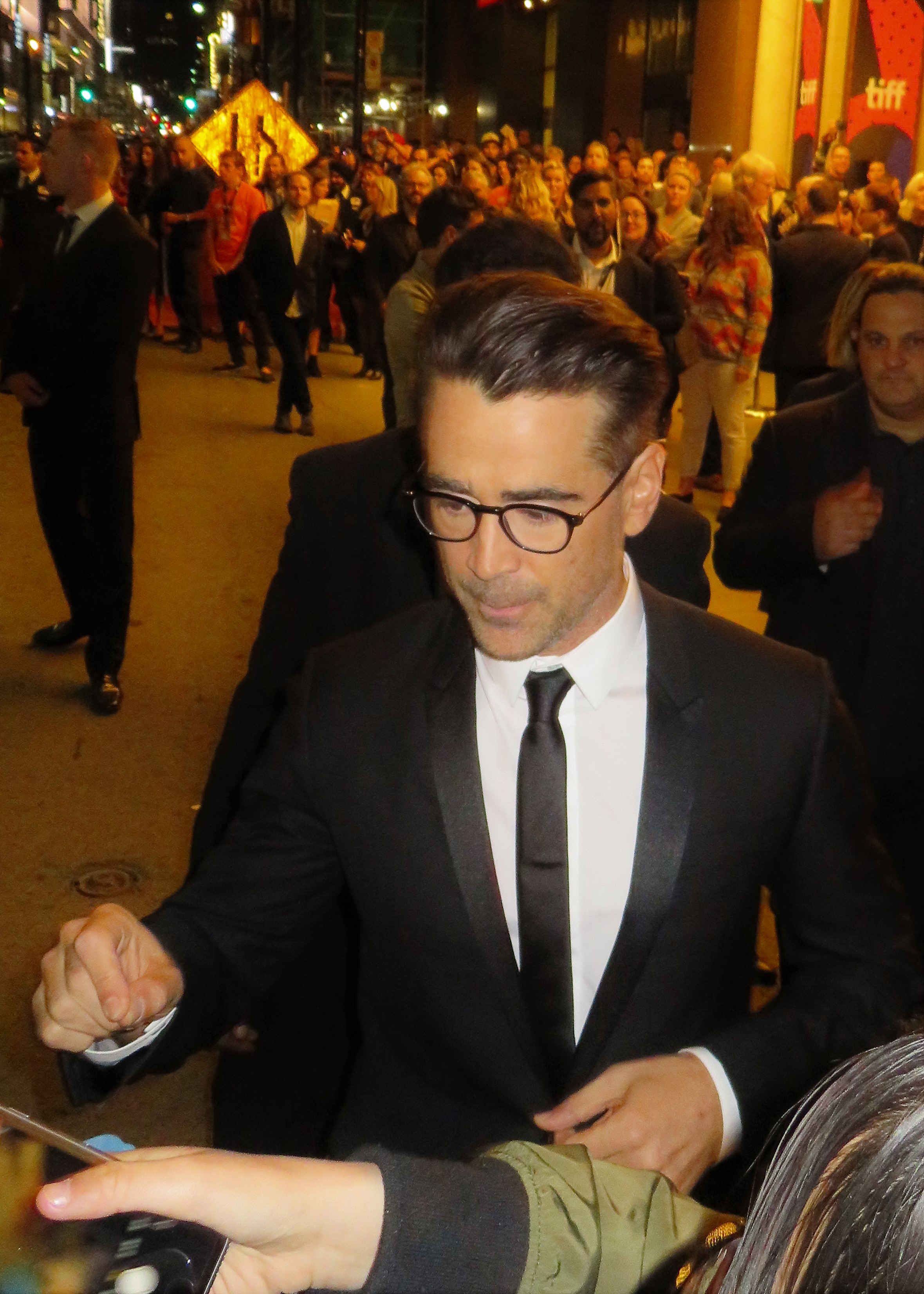
6. **The Killing of a Sacred Deer (2017)**Now, prepare yourselves for Yorgos Lanthimos’s 2017 offering, “The Killing of a Sacred Deer.” This film is described as a surreal psychological thriller that is as unsettling as it is meticulously paced. It stars Colin Farrell and Nicole Kidman and tells a darkly bizarre story that delves into themes of morality, revenge, and the breakdown of a family. It’s definitely not your average popcorn flick, but it promises to get under your skin in a way few films do.
Many viewers are drawn to Lanthimos’s work because of his unique, unsettling vision and his ability to craft films that linger long after the credits roll. “The Killing of a Sacred Deer” has a reputation for being confusing yet strangely addictive, challenging audiences with its deliberate pacing and its enigmatic narrative. It’s the kind of movie that makes you feel like you’re solving a complex puzzle in the dark, constantly throwing new twists at you, and ensuring you won’t quite know what to expect. This is definitely a film for those who appreciate unconventional cinema.
Yet, for all its meticulous pacing and surreal twists, this film can be a tough watch, even for those who appreciate its artistic merits. The meticulously paced narrative and the deadpan, unnatural dialogue create an atmosphere that can be profoundly alienating rather than engaging. The sense of dread is palpable, but it builds so slowly and methodically that many casual viewers find their patience wearing thin long before any resolutions (or lack thereof) arrive.
Watching “The Killing of a Sacred Deer” has been likened to solving a Rubik’s Cube in the dark – confusing, yes, but often frustrating more than fascinating. Just when you think you’ve figured it out, it throws another twist that will surely leave you scratching your head, or perhaps just wanting to check your phone. Its unconventional approach and deliberate ambiguity make it a film that is certainly thought-provoking for some, but for others, it’s a slow, unsettling journey that eventually just becomes boring.
Alright, buckle up, because we’re not done with the cinematic yawners just yet! We’ve already navigated through some heavy-hitters that stretched our patience, but the journey through the land of ‘boring’ continues. This next batch of films will take us through convoluted plots that made our brains hurt, minimalist styles that made us question if anything was happening, and even some entries from beloved genres or franchises that just… well, they just couldn’t keep us hooked.
So, if you thought you could finally put your feet up, think again! Grab another cup of coffee (or maybe a whole pot) because these next six movies are ready to test the limits of your attention span. Let’s dive back into the deep end of the snooze pool and uncover more films that made us wish we were watching literally anything else.
Read more about: The Perpetual Motion Machine: Why Hollywood Can’t Quit Its ‘It Boy’ Obsession and the Seven Faces Dominating Your Screens
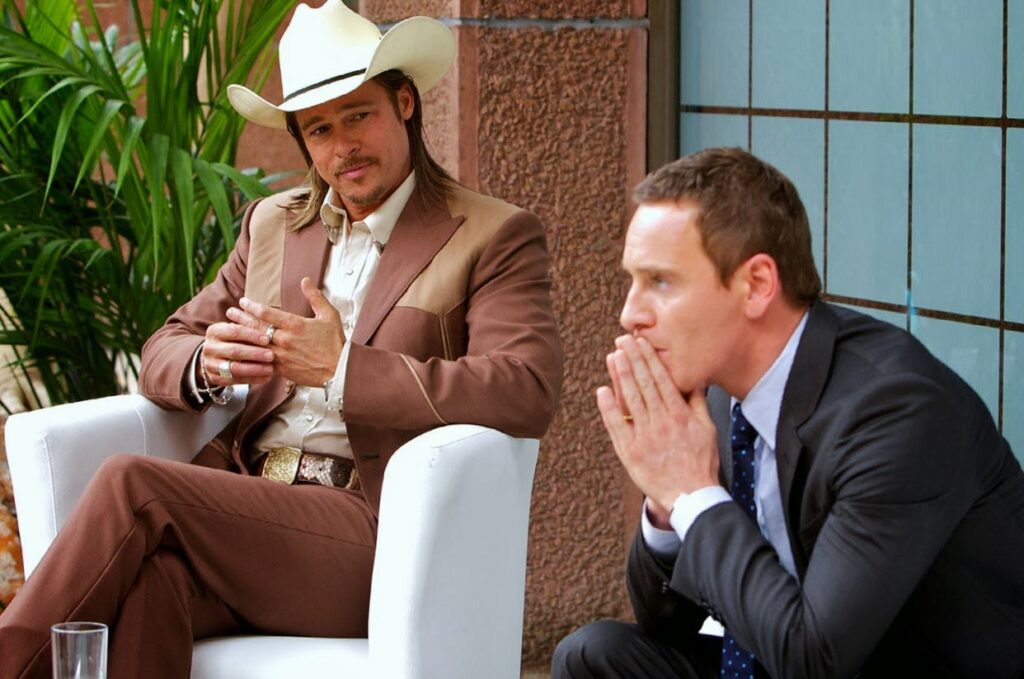
7. **The Counselor (2013)**Okay, so picture this: you’ve got Michael Fassbender, Penélope Cruz, Javier Bardem, Cameron Diaz, and Brad Pitt all starring in a crime thriller directed by Ridley Scott. Sounds like an absolute dream team, right? You’d be forgiven for thinking “The Counselor” was a guaranteed hit, a gritty, intellectual dive into the dark underbelly of crime. The trailers probably promised something intense, stylish, and utterly captivating.
People were understandably hyped for “The Counselor” because of its sheer star power and the reputable names behind the camera. With a cast like that, expectations were through the roof for a taut, suspenseful thriller that would keep you on the edge of your seat. It seemed like all the ingredients for a modern classic were there, blending action, moral dilemmas, and sharp dialogue from Cormac McCarthy.
However, despite all that A-list talent and a legendary director, the film managed to become a tangled mess for many. The dialogue, written by McCarthy himself, was often praised by critics for its philosophical depth, but for regular moviegoers, it felt overly verbose, abstract, and just plain confusing. Instead of insightful, the conversations felt like endless, meandering soliloquies that didn’t move the plot forward in any discernible way.
The plot itself was notoriously convoluted, filled with disjointed scenes and characters whose motivations were as clear as mud. It felt less like a carefully constructed narrative and more like a series of grim, intellectual vignettes. The pacing dragged significantly, making the film feel far longer than its actual runtime, leaving many audience members wishing for a more straightforward story instead of an academic exercise in despair.
Read more about: The Kim K Effect: Unveiling Her Beauty Empire and How She Redefined Contouring for the Everyday Trendsetter

8. **A Ghost Story (2017)**Have you ever wondered what it’s truly like to watch paint dry, but with a side of existential dread and a sheet-wearing ghost? Well, David Lowery’s “A Ghost Story” delivers exactly that, and then some. This indie darling from 2017 promised a unique, profound take on grief, loss, and the passage of time, all centered around a spectral figure haunting its former home.
The premise alone was enough to pique curiosity: a recently deceased man (Casey Affleck) returns as a white-sheeted ghost to silently observe his grieving wife (Rooney Mara) and the world moving on without him. It sounded like a deeply emotional and artistic exploration of what it means to be left behind, wrapped in a minimalist, contemplative package. For those seeking something truly unconventional, it felt like a must-see.
But here’s the thing: “minimalist” is an understatement. The film is famous (or infamous) for its incredibly long, lingering shots that can last for several minutes with little to no dialogue or significant action. There’s a particular scene where Rooney Mara eats an entire pie, unedited, that became a benchmark for the film’s extreme pacing. It’s designed to make you feel the slow, agonizing passage of time, but it often just makes you feel incredibly antsy.
For many viewers, this experimental style transcended artistic contemplation and veered straight into full-blown boredom. The slow pace and quiet introspection, while intended to be meditative, could easily feel like nothing was happening at all. It’s a film that truly tests your endurance, making you wonder if you’re experiencing profound cinema or just silently begging for the spectral fast-forward button.
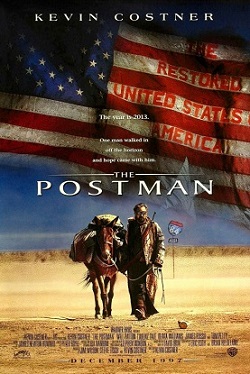
9. **The Postman (1997)**Ah, the late 90s, when Kevin Costner was still riding high on his “Waterworld” wave of post-apocalyptic ambition. “The Postman” arrived in 1997, promising another grand, sweeping epic, this time set in a future where civilization has crumbled and a lone drifter (Costner) revitalizes hope by impersonating a postal worker. It aimed for a heartwarming tale of community and heroism against a desolate backdrop.
Audiences were drawn to “The Postman” largely due to Costner’s star power and the promise of another large-scale adventure from the actor-director, reminiscent of his previous successes. The idea of rebuilding society through something as mundane yet vital as a postal service was intriguing, hinting at a story of resilience and the human spirit shining through the ruins. It had that big-budget, prestige feel.
However, this post-apocalyptic saga is more often remembered for its grand ambition and epic failure than its actual narrative. Clocking in at over three hours, the film became a laborious watch, riddled with unnecessary subplots that went nowhere and dialogues that felt tedious rather than engaging. It’s the kind of film where you feel the minutes ticking by, wondering if the mail will ever actually get delivered.
Despite its sprawling scope and an earnest performance from Costner, the film failed to deliver the excitement or emotional impact it aimed for. Critics and audiences alike largely dismissed it, finding that its immense length and disjointed storytelling made it feel less like an inspiring journey and more like a never-ending, convoluted postal route with no truly exciting deliveries. It was a clear case of more not always being better.
Read more about: Beyond Cartoons: 15 Adult Animated Films That Absolutely Redefined What’s Possible on Screen!
10. **The Lord of the Rings: The Fellowship of the Ring (2001)**Now, before you reach for your elven blades or hobbit-sized pitchforks, hear us out! “The Lord of the Rings: The Fellowship of the Ring” is, without a doubt, a cinematic masterpiece for millions around the globe. It’s revered for its epic scope, groundbreaking special effects, and Peter Jackson’s masterful adaptation of J.R.R. Tolkien’s beloved fantasy world. It’s an adventure, a quest, a cultural phenomenon!
People flocked to theaters in droves for this film, drawn by the promise of an immersive fantasy world brought to life like never before. The rich lore, the diverse characters (Elves, Dwarves, Hobbits, Wizards!), and the ultimate battle between good and evil were irresistible. It became an instant classic, setting the bar for epic storytelling and world-building on the big screen.
However, for a significant portion of the audience – especially those who weren’t already die-hard Tolkien fans – the sheer length and dense exposition of the first installment could be an endurance test. Clocking in at nearly three hours (and even longer in its extended edition), “Fellowship” spends a considerable amount of time establishing its world, characters, and the daunting journey ahead. There’s a lot of walking, talking, and lore-dumping before the action really kicks into high gear.
For some, the slow, methodical pace of the Fellowship’s journey across Middle-earth, filled with detailed descriptions and dramatic pronouncements, felt less like an epic adventure and more like a very long, scenic hike. While essential for building the foundation of the trilogy, this initial installment could feel like an intolerably boring setup for casual viewers, proving that even beloved fantasy epics can test the patience of those not fully invested in every step of the journey.
Read more about: From Hidden Gems to Iconic Ensembles: 15 Movies Where the Cast Made All the Difference
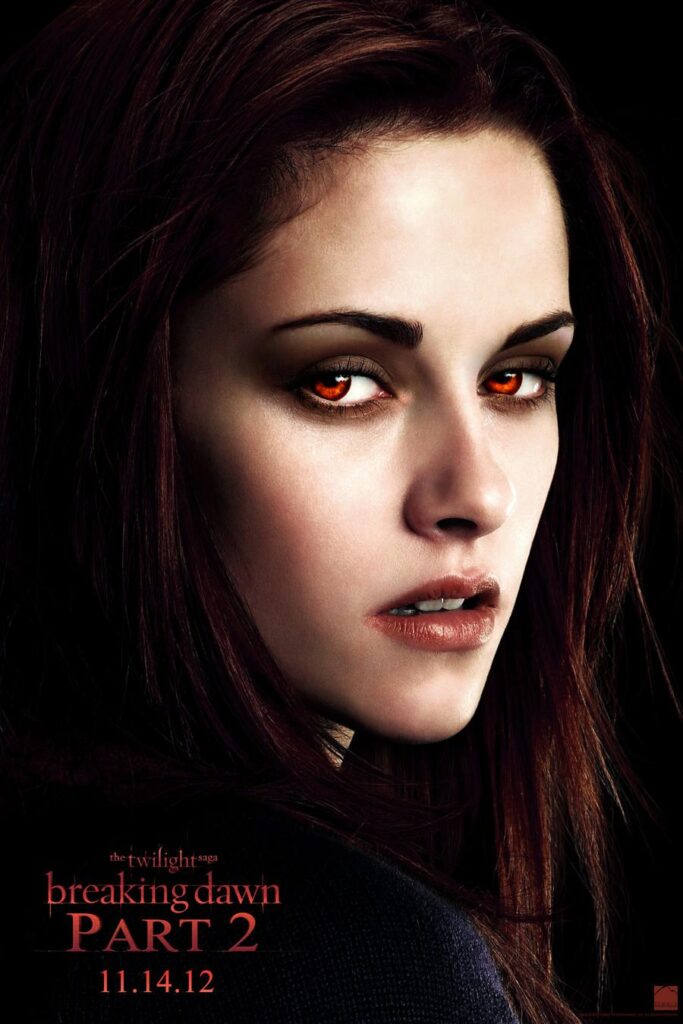
11. **Twilight (2008)**Ah, “Twilight.” A cultural juggernaut, a teen sensation, and a film that launched a thousand fan theories (and countless debates about sparkly vampires). This 2008 phenomenon, based on Stephenie Meyer’s wildly popular novel, promised a dark, alluring romance between an ordinary high school girl, Bella Swan (Kristen Stewart), and a mysterious, brooding 108-year-old vampire, Edward Cullen (Robert Pattinson). What’s not to be obsessed with, right?
Millions of fans, particularly teenagers, were absolutely enchanted by the “Twilight” books, eagerly anticipating their silver screen adaptation. The allure of forbidden love, supernatural drama, and the intense emotional connection between Bella and Edward was a powerful draw. It offered a dreamy escape into a world where vampires and werewolves walked among us, making everyday high school life feel infinitely more exciting.
Yet, despite its massive fandom, the first “Twilight” movie often found itself labeled as incredibly boring by those outside the target demographic. A significant portion of the film is dedicated to intense, brooding stares, whispered declarations of love, and a slow, almost agonizing buildup of the central romance. The pacing is deliberate, emphasizing mood and emotion over action or plot development for long stretches.
For viewers who weren’t already captivated by the “will-they-won’t-they” angst of Bella and Edward, the movie’s focus on lingering glances, dramatic sighs, and minimal action became a serious test of patience. Many felt that the film’s 122-minute runtime felt like 108 years, making it a cinematic experience where the supposed romance translated into a long, drawn-out exercise in emotional melodrama, with little to truly engage the uninitiated.
Read more about: Leaving Scars: 14 Iconic War Films That Still Haunt Audiences Decades Later

12. **Pearl Harbor (2001)**Let’s round out our list with another epic that aimed for the stars but crashed back to earth for many viewers: Michael Bay’s “Pearl Harbor.” Released in 2001, this historical war drama boasted a massive budget, a stellar cast including Ben Affleck, Kate Beckinsale, and Josh Hartnett, and the promise of a sweeping romance set against the devastating backdrop of one of America’s most pivotal historical moments. It sounded like an unmissable cinematic event.
People were absolutely geared up for “Pearl Harbor” because it had all the makings of a blockbuster: a dramatic historical event, a high-stakes love triangle, and Michael Bay’s signature explosive action sequences. The trailers promised a powerful blend of human drama and breathtaking spectacle, recreating the attack on Pearl Harbor with unparalleled intensity. It was designed to be an emotional rollercoaster, blending history with Hollywood romance.
However, for all its grand intentions and explosive moments, “Pearl Harbor” ultimately felt long, noisy, and dramatically inert for a significant portion of its audience. Clocking in at over three hours, the film struggled to balance its historical narrative with a rather melodramatic and often clichéd love triangle between its three lead characters. Many felt the romantic subplot overshadowed the gravity and importance of the actual historical events.
The battle scenes, while visually spectacular and undeniably loud, often blended into one another, losing their impact after a while. The sheer length, combined with repetitive dramatic beats and a sense that the film was trying to do too much, left many viewers exhausted and disengaged. It became a prime example of how even a massive budget, big stars, and historical significance can’t save a film from feeling bloated, tedious, and ultimately, quite boring.
Read more about: Beyond the Blockbuster: 12 Gritty War Movies That Critics Call the Most Realistic—Have You Seen Them All?
And there you have it, folks! Our deep dive into the movies that often leave us glancing at our watches, wondering if dry paint is actually more thrilling. From philosophical ponderings that lost us in space to epic romances that forgot the ‘story’ part, these films prove that even with the biggest budgets, star-studded casts, or critical acclaim, not every movie can keep every audience member on the edge of their seat. But hey, it’s all subjective, right? So, which one of these had you reaching for the snooze button? Let us know!