The greatest conflict motion pictures have opening scenes that pull viewers in and will not let go, letting the viewers know it’s a masterpiece from the beginning. This statement perfectly encapsulates the power and importance of a film’s introduction, particularly within the war genre. Struggle motion pictures have lengthy been a major a part of Hollywood historical past, depicting everything from the World Wars to Vietnam, the Civil Struggle, and, extra just lately, Afghanistan and Iraq. These narratives are not just about battles; they are profound explorations of the human spirit under extreme pressure, often beginning with an immediate, visceral impact that resonates throughout the entire viewing experience.
Opening sequences in war films serve as a critical lens through which audiences can engage with the narrative, setting the tone for the emotional and psychological journey that follows. These sequences are not merely introductions; they are powerful statements that encapsulate the themes of sacrifice, heroism, and the brutal realities of conflict. A well-crafted opening can immerse viewers in the chaos and intensity of war, establishing a visceral connection that resonates deeply with the core message of the film.
By presenting a snapshot of the horrors and complexities of battle, filmmakers can evoke empathy and provoke thought, compelling audiences to reflect on the human experience in times of strife. Moreover, these opening scenes often serve as a microcosm of the larger narrative, foreshadowing key events and character arcs. They can introduce central conflicts, highlight moral dilemmas, and set up the stakes for the characters involved, drawing viewers into the story with a sense of urgency and gravity. As such, they play a pivotal role in shaping audience expectations and framing the subsequent exploration of themes such as camaraderie, loss, and the psychological toll of warfare. The effectiveness of these openings can elevate a war film from mere entertainment to a profound commentary on the human condition.
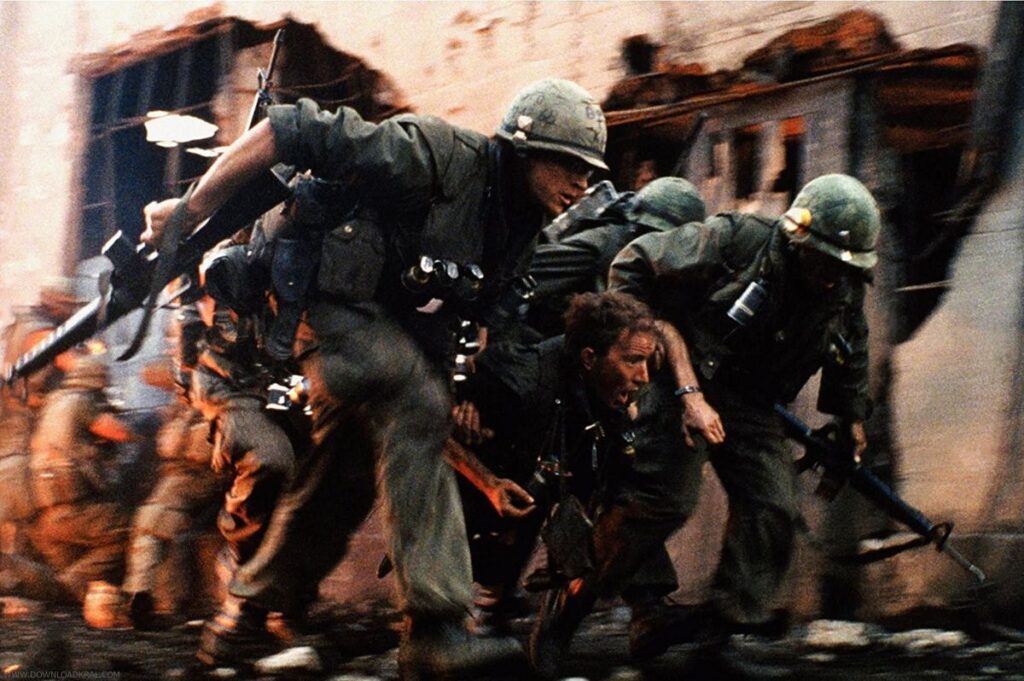
1. **Full Metal Jacket**Stanley Kubrick’s “Full Metal Jacket” opens not with battlefield combat, but with an intense, unsettling look at the psychological warfare of basic training. Kubrick’s entire focus is on how conflict destroys the boys who fight in it, often from within, as recruits arrive at fundamental training only to be browbeaten by their drill instructor, Gunnery Sergeant Hartman. This immediate plunge into dehumanization sets a stark tone for the film, clearly signaling its anti-war message from the very first frames.
The complete scene is uneasy to observe, particularly in today’s society, as Gunnery Sergeant Hartman (R. Lee Ermey) employs offensive and derogatory language to demean each recruit. His stated aim is to beat them into loyal troopers, yet the tragic irony is that he ultimately drives a number of them to their deaths, highlighting the brutal and often self-destructive nature of this indoctrination. This relentless verbal assault is crucial in establishing the dehumanizing nature of military training, where young men are molded into soldiers through harsh discipline and psychological manipulation.
Kubrick masterfully uses this sequence to display how this singular moment that opens the film molds the troopers into either animalistic killing machines, or, in the case of Private Leonard, to the choice to die by suicide. The meticulous attention to detail creates an unsettling atmosphere as viewers witness the transformation of these recruits, their initial innocence giving way to submission. This stark contrast underscores the film’s powerful critique of war and its impact on identity, serving as a microcosm for the larger narrative and foreshadowing the internal conflicts that will arise as these soldiers confront the realities of combat. Through this powerful opening, Kubrick invites audiences to reflect on the psychological toll of war and the loss of self that often accompanies it.
Read more about: Attention, Movie Buffs! If You Loved ‘Saving Private Ryan,’ You NEED To See These 15 Jaw-Dropping Military Films!
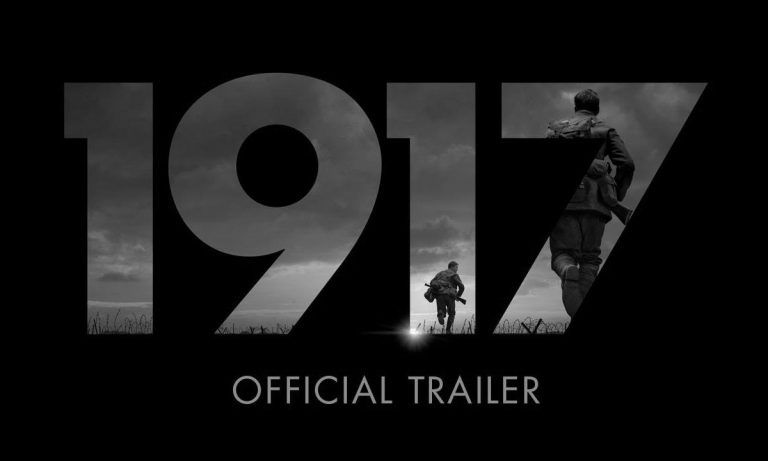
2. **1917**The opening scene of “1917” was brilliantly shot and successfully set the stage for what fans could anticipate from the conflict film, immediately grabbing attention with its cinematic ambition. The first selling point of the movie was that cinematographer Roger Deakins wished “1917” to appear as if it had been all achieved in a single continuous shot, and that groundbreaking technique began right with the film’s opening moments.
Directed by Sam Mendes, the opening shot of “1917” initially showed Lance Corporal Schofield leaning against a tree with his eyes closed, presenting a fleeting moment of peace. However, this tranquility quickly shatters as he’s sent on his mission, initiating a relentless, continuous journey that he never stops until the film ends. Ironically, he is once again leaning against a tree, but this time, utterly exhausted, a powerful mirror to his starting point.
Tying the film’s opening and closing scenes together with a similar shot provided a poignant bookend to the entire narrative. Nevertheless, seeing the peaceful moment that swiftly gives way to unending conflict battles, which never cease throughout the film, proved an excellent way to open this impactful war film, immersing viewers directly into the soldier’s ceaseless plight.
Read more about: San Antonio-Built Hybrids Drive Toyota’s 2024 Sales Surge Amidst Shifting Market Dynamics
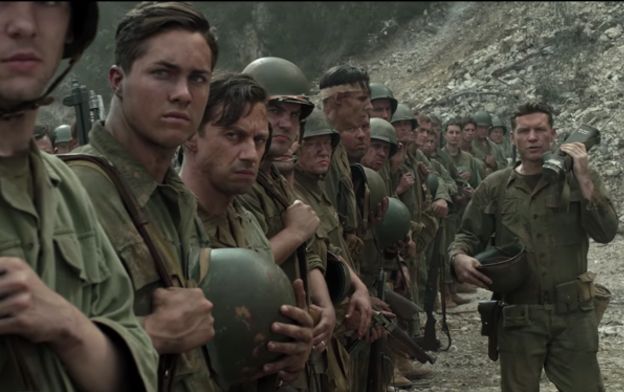
3. **Hacksaw Ridge**”Hacksaw Ridge” introduced itself as an intense conflict film, starring Andrew Garfield as a combat medic with an unwavering refusal to pick up any weapon. This steadfast conviction made him the first conscientious objector to be awarded the Medal of Honor, a distinction earned through his courageous actions during the brutal Battle of Okinawa, setting a unique premise from the start.
The film immediately plunges viewers into the horror of war, opening with a chilling scene of lifeless troopers lying across a battlefield, quickly followed by explosions and more troopers dying as they push forward. It’s a horrific and unflinching look at conflict, setting the stage for a story deeply rooted in the tragedy of soldiers sacrificing their lives in the name of war. This visceral introduction was an excellent way to prepare audiences for a narrative centered on a conscientious objector’s journey.
Witnessing people dying in explosions and troopers running while engulfed in fire profoundly demonstrates why this combat medic was so committed to avoiding the horrors of conflict and dedicating himself solely to helping others. “Hacksaw Ridge” had a masterful opening that undeniably confirmed why war is hell, effectively taking viewers into the eyes of a medic grappling with its brutal realities.
Read more about: Attention, Movie Buffs! If You Loved ‘Saving Private Ryan,’ You NEED To See These 15 Jaw-Dropping Military Films!
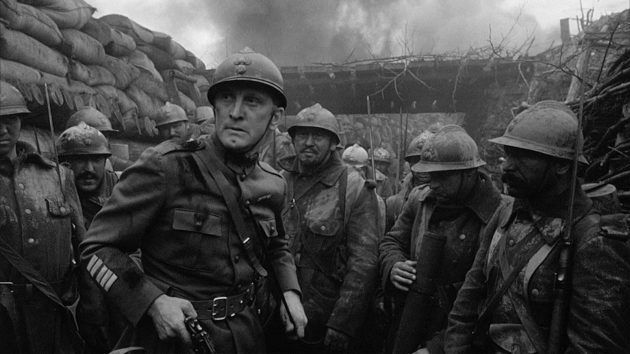
4. **Paths Of Glory**”Paths of Glory” featured a groundbreaking opening scene that depicted a battle sequence, which later influenced iconic motion pictures such as “Saving Private Ryan.” The opening of this Stanley Kubrick film revealed troopers ordered into what was, in essence, a suicide mission by a commander ill-equipped for his critical function. When the mission inevitably failed, the commander tragically and unjustly blamed his own troopers.
While initially appearing to be an intense conflict film set within the brutal trenches, “Paths of Glory” soon evolves into an equally intense anti-war drama, almost taking the form of a courtroom procedural. Kirk Douglas plays the soldier tasked with representing the accused troopers, who face accusations of cowardice that could result in their execution. Their grim fates had been, in a tragic sense, decided even before the court battle commenced, a grim reality the opening scene meticulously established.
The brilliance of the opening lay in its powerful juxtaposition with the film’s subsequent narrative direction. It began with the raw intensity of trench warfare, only to transition into a gripping anti-war drama that questions command and morality. Without this masterful opening, the sheer weight of these men’s predetermined tragic destinies would not have resonated so deeply or heavily with the audience, making its initial impact absolutely critical.
Read more about: The Hidden Vault: 10 Golden Age Legends Whose On-Screen Careers Elegantly Vanished After Their Final Roles
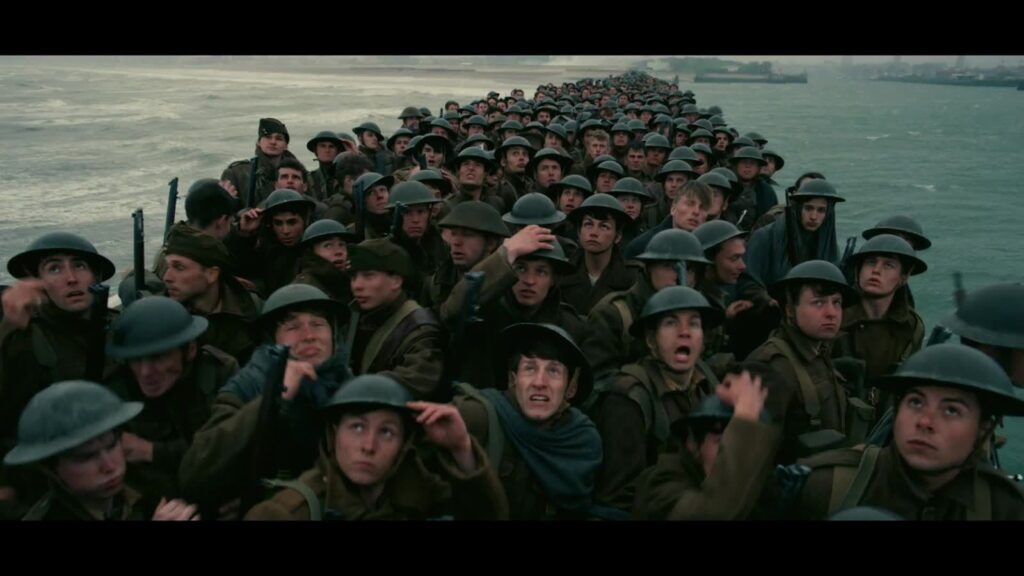
5. **Dunkirk**Christopher Nolan’s “Dunkirk” delivers one of the greatest opening scenes in conflict film historical past, immediately immersing viewers in the chaotic and urgent evacuation of Allied troops from Dunkirk, France. The film focuses on a British private named Tommy, dodging enemy fire on the streets before being ordered to retreat to the beach, instantly establishing a relentless narrative where survival is paramount. This intense sequence sets up a devastating story of soldiers constantly on their heels, fighting to stay alive against an omnipresent enemy.
Nolan masterfully employs a non-linear narrative structure, interweaving multiple perspectives to create a palpable sense of urgency and tension. Propaganda leaflets flying across the streets provide an additional, poignant touch, further illustrating the pervasive horrors of the conflict. The opening scene, an evacuation itself, demonstrates Nolan’s masterful control of this complex narrative, immediately thrusting audiences into a chaotic environment that captures both the desperation and heroism displayed by soldiers and civilians alike.
The cinematic experience is heightened by Nolan’s skillful use of sound design, where a relentless ticking clock serves as a constant reminder of time running out for those trapped on the beach. Cinematography captures both sweeping aerial shots and intimate close-ups, allowing viewers to witness both the immense scale of the evacuation and its profound personal toll on individuals. This powerful opening sequence not only establishes the film’s themes of resilience and sacrifice but also serves as a testament to human courage in times of crisis, compelling audiences to reflect on collective memory and heroism during wartime.
Read more about: The Ultimate Cinematic Showdown: Are Your Favorites Among These 15 Unforgettable War Films?
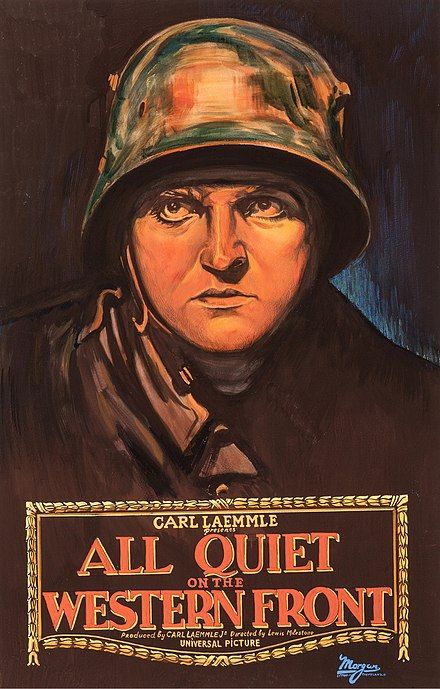
6. **All Quiet On The Western Front (2022)**The 2022 Netflix release of “All Quiet on the Western Front” marked a significant return to the screen for this brilliant German novel, bringing its powerful anti-war message to a new generation. The conflict film meticulously follows the Germans fighting in World War I, with a particular focus on one young soldier as he desperately attempts to stay alive in a conflict that becomes increasingly senseless and brutal as the narrative progresses.
In a harrowing introduction, the film opens with the young soldier already fighting fiercely in the trenches, making his way across a ravaged battlefield amidst relentless combat. He bravely dodges enemy fire and, in a moment of desperate survival, even uses a trench shovel to strike an enemy. However, what truly elevated this opening to masterful status was its shocking juxtaposition with a subsequent scene: a school where German youngsters were being enthusiastically educated about patriotism.
This deliberate contrast served as an ideal solution to profoundly demonstrate the utter mindlessness of the conflict, directly juxtaposing the brutal realities of the battlefield with the idealized beliefs being hammered into young, impressionable minds. It powerfully highlights why so many young men, like the protagonist, eagerly rushed into the conflict, only to realize, much too late, that they had been tragically misled all along.
The article continues our exploration of cinematic genius, diving into more war films that immediately hook their audience with unparalleled opening sequences. These scenes don’t just set the stage; they define the very soul of the movies, leaving an indelible mark long after the credits roll.
Read more about: Beyond the Castle: Unpacking Disney’s Surprisingly Robust History of R-Rated Cinema and Its Streaming Future

7. **Inglourious Basterds (2009)**Quentin Tarantino’s “Inglourious Basterds” famously boasts one of cinema’s all-time greatest opening scenes, a true masterpiece that transcends the war genre. It’s a testament to Tarantino’s unique brilliance, allowing a single, masterful actor to command the screen with dialogue while the camera expertly builds an almost unbearable tension. This isn’t just an introduction; it’s a meticulously crafted theatrical experience.
The scene unfolds with Christoph Waltz, in his iconic role, delivering a chilling monologue to a French farmer. Unbeknownst to the farmer, Jewish refugees are desperately hiding beneath his floorboards, their lives hanging precariously on every word spoken. This drawn-out, conversational exchange culminates in a sudden, brutal mass execution by the Nazis, an act of sheer evil that only one young girl manages to escape, setting her on a path of future revenge.
Witnessing a Nazi killer engage in such a calm, measured conversation before coldly ordering an atrocity profoundly showcases the depths of their depravity. It immediately establishes the narrative’s central conflict and fuels the audience’s fervent anticipation for justice. This masterful setup ensures viewers are emotionally invested, eagerly awaiting the moment these villains receive their just desserts, defining the film’s vengeful spirit from its very beginning.
Read more about: Attention, Movie Buffs! If You Loved ‘Saving Private Ryan,’ You NEED To See These 15 Jaw-Dropping Military Films!
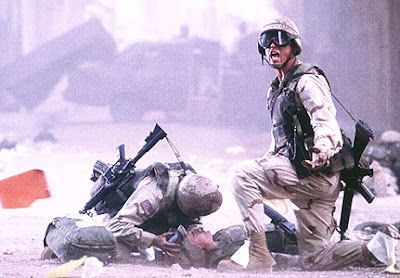
8. **Black Hawk Down (2001)**Ridley Scott’s “Black Hawk Down” blasts off with an opening scene that immediately thrusts viewers into non-stop action, setting a relentless pace that never truly lets up. The film’s initial moments depict a Black Hawk chopper soaring over a village, a quick but potent visual that immediately establishes the tactical advantage of the American forces. This sets the stage for a film steeped in the chaotic urgency of modern warfare in Somalia.
However, this sense of advantage is quickly challenged as the scene pivots to show the cowering residents below, terrorized by the rebel groups on the ground. Crucially, the enemy soldiers are portrayed as utterly fearless of the American choppers above, openly displaying their ground-to-air missiles. This stark contrast and ominous display serve as a chilling premonition, perfectly foreshadowing the tragic events that unfold later when the choppers are inevitably shot down.
The entire film is a desperate rescue mission, and this inaugural scene expertly primes the audience for the brutal realities ahead. It graphically demonstrates that even with superior firepower, the American soldiers face a formidable foe in the militants on the ground, who are prepared to die for their cause. This powerful introduction vividly illustrates the unpredictability and sheer danger inherent in such combat situations.
Read more about: Attention, Movie Buffs! If You Loved ‘Saving Private Ryan,’ You NEED To See These 15 Jaw-Dropping Military Films!
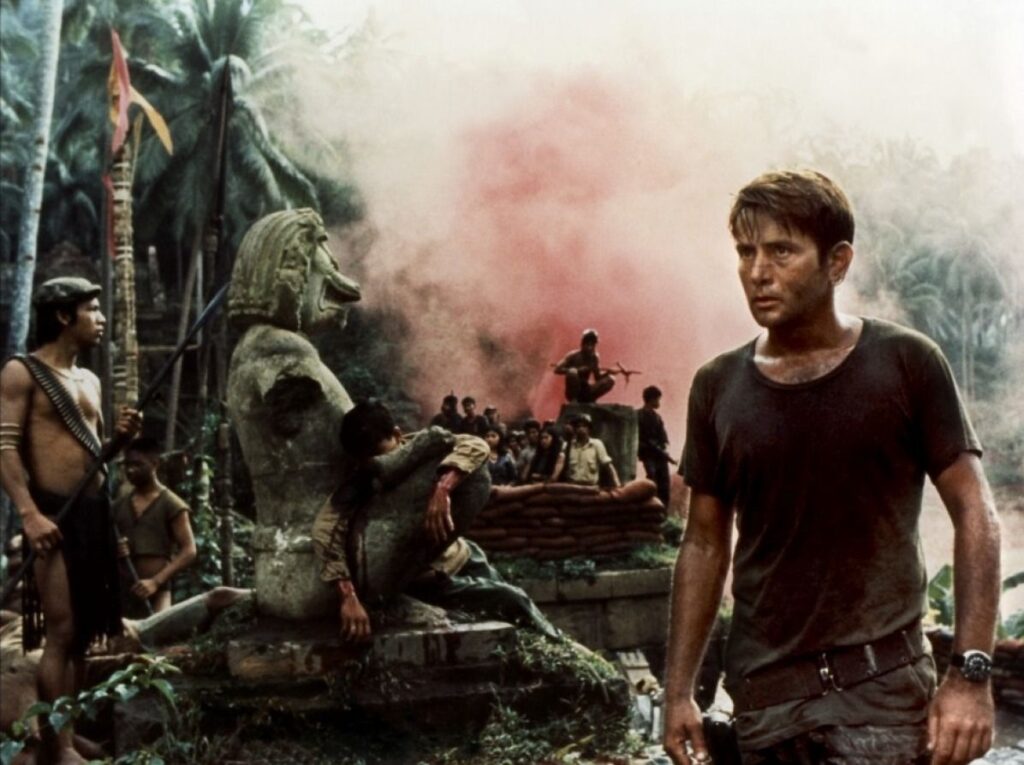
9. **Apocalypse Now (1979)**Francis Ford Coppola’s “Apocalypse Now” opens with one of the most iconic and haunting sequences in war film history, an entry that is quietly devastating before erupting into chaos. The scene begins with an almost serene view of timber surrounding the dense jungle, a moment of deceptive calm. Then, wisps of smoke begin to rise, and as The Doors’ iconic song “The End” swells over the soundtrack, explosions violently rip through the tranquil trees.
This entire sequence unfolds without immediate explanation, presenting a raw, unadulterated vision of destruction wrought by American forces pushing deep into Vietnam. It gradually fades to a powerful image of Martin Sheen’s Willard lying down, gazing upwards, an intensely stylized moment that feels almost more like a groundbreaking music video than a conventional film opening. This surreal blend of sound and imagery immerses the viewer in a disorienting, dreamlike state.
Coppola, a true master filmmaker, meticulously edited and shot this piece, creating an opening that is nothing short of perfection. It serves as an unequivocal promise to the audience of the escalating weirdness and horror that will define the narrative. From this stunning beginning, the film only spirals further into the bizarre and the brutal, yet the initial impact of this opening remains utterly indelible, shaping expectations for the profound journey ahead.
Read more about: Attention, Movie Buffs! If You Loved ‘Saving Private Ryan,’ You NEED To See These 15 Jaw-Dropping Military Films!
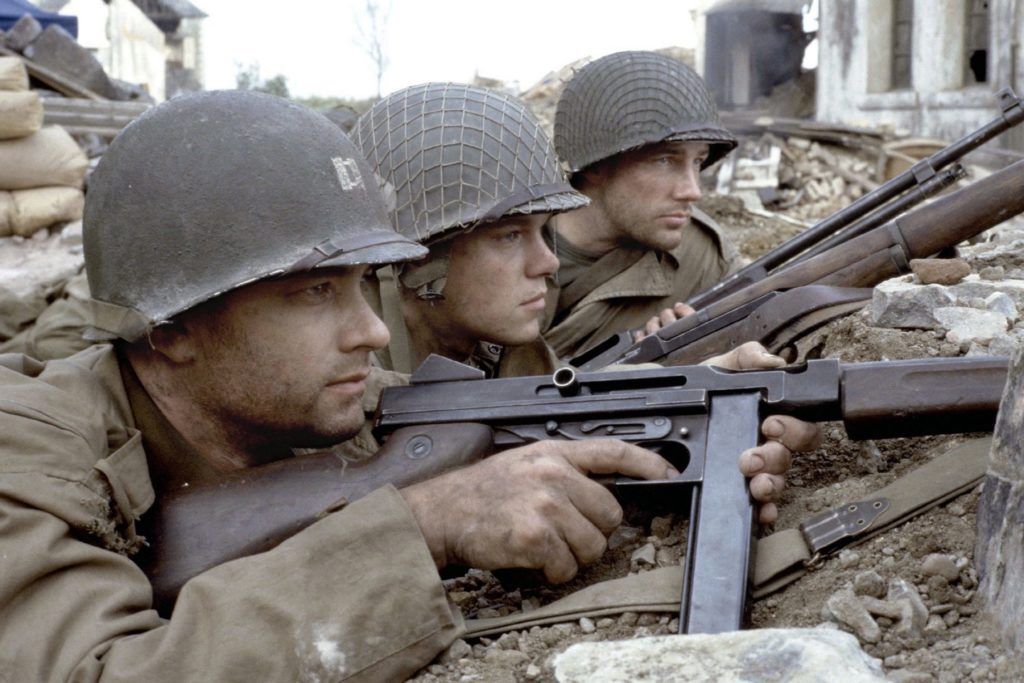
10. **Saving Private Ryan (1998)**Steven Spielberg’s “Saving Private Ryan” is renowned for possessing one of the most intense and disturbing opening sequences ever committed to film within the war genre. This masterpiece plunges viewers directly into the harrowing reality of the Allied troops landing on Normandy during D-Day. While the overarching mission is to bring home a soldier named Private Ryan, the opening scene itself is a colossal, self-contained testament to the horrors of war.
The sheer visceral terror begins even before landing, as bullets mercilessly rip through the boats carrying the soldiers towards Normandy. Upon hitting the water, countless more bullets tear through the waves, slaughtering troops in vast numbers as they desperately struggle to reach the beach. It is an unflinching, horrific, yet breathtakingly action-packed depiction of conflict, pushing the boundaries of what had been shown on screen.
This scene is so impactful that it deserves to be studied by any aspiring filmmaker wishing to portray battle with authenticity and raw power. It is relentless, continuous, and brutally demonstrates that the chaos of war cares for no individual, as a single bullet can instantly end a man’s life. This profound and indiscriminate brutality sets the overarching theme that permeates this groundbreaking and emotionally resonant war film, leaving an unforgettable mark on its audience.
Read more about: The 10 Legendary Directors Who Shaped Cinema: An In-Depth Look at Their Enduring Impact
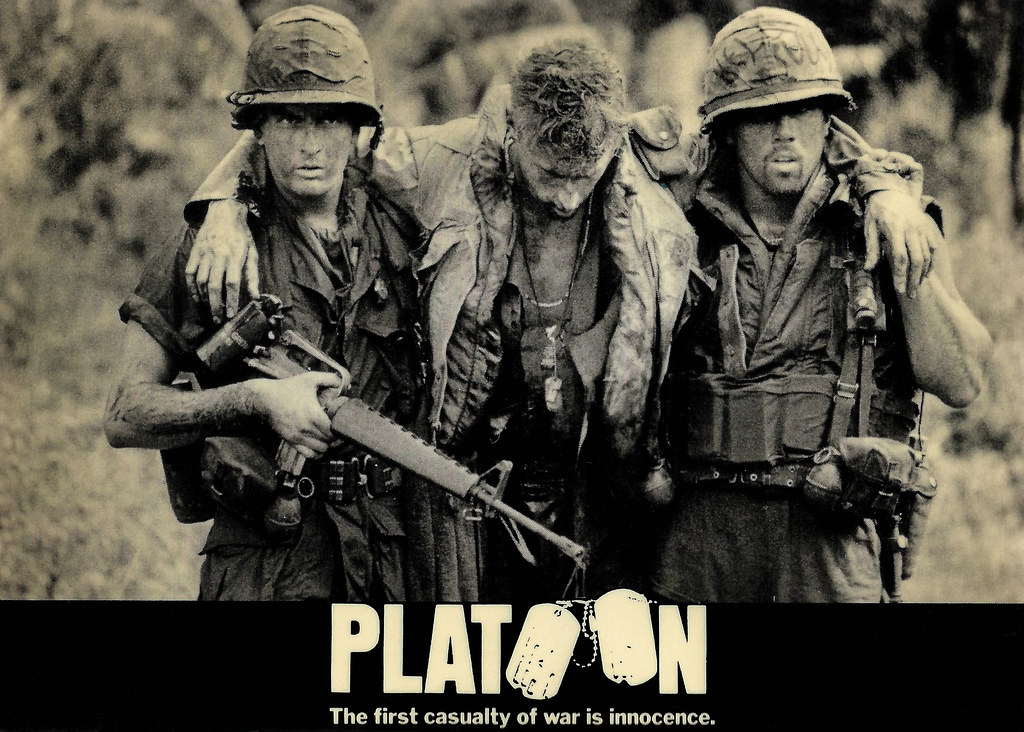
11. **Platoon: The Arrival in Vietnam (1986)**Oliver Stone’s “Platoon” delivers a deeply poignant opening that captures both the raw anticipation and palpable trepidation of soldiers as they first arrive in Vietnam. Stepping into an unfamiliar world fraught with unimaginable danger, this initial sequence is not just about visual storytelling; it resonates with a profound emotional depth, immediately drawing viewers into the soldiers’ personal journeys. It’s a cinematic welcome to hell.
As the young soldiers disembark from helicopters, taking their tentative first steps onto Vietnamese soil, the audience is introduced to a landscape of stark duality. It is a place of lush, captivating beauty, yet simultaneously menacing and teeming with hidden threats – a perfect reflection of the conflict itself. Stone masterfully uses his camera to immerse viewers in this alien environment, emphasizing how nature quickly transforms from sanctuary to savage battleground.
The film’s sound design further elevates this immersive experience, with the distant, unsettling sounds of gunfire subtly juxtaposed against the otherwise serene jungle noises. This creates an immediate, pervasive tension that acts as a chilling foreshadowing of the relentless chaos and brutality yet to come. It’s a sensory assault that prepares the audience for the psychological strain ahead.
This powerful opening sequence effectively establishes the film’s core themes: the desperate camaraderie forged under fire, the moral ambiguities inherent in combat, and the devastating psychological toll of warfare. It compellingly invites viewers to empathize deeply with the soldiers’ harrowing plight as they are forced to navigate an unpredictable and terrifying landscape, confronting uncertainty and fear at every turn.
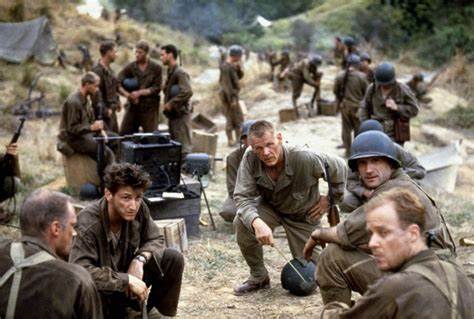
12. **The Thin Red Line: The Guadalcanal Landing (1998)**Terrence Malick’s “The Thin Red Line” commences with a profoundly meditative and introspective sequence, depicting soldiers making their landing on Guadalcanal during World War II. As the troops wade through the water towards the shore, their faces are a canvas of human emotion, revealing a complex mix of grim determination and profound vulnerability. Malick immediately distinguishes his film with this contemplative approach.
Malick’s signature use of voiceover is critical in this opening, allowing viewers direct access to the soldiers’ innermost thoughts and philosophical musings. This provides an extraordinary insight into their deep-seated fears, their fleeting hopes, and their existential questions about life and death amidst conflict. This introspective narrative style sets “The Thin Red Line” distinctly apart from other war films, transforming it into a profound philosophical inquiry.
The Guadalcanal landing itself serves as a powerful and resonant metaphor, symbolizing the inherent struggle between nature and man, and the relentless, often futile, efforts of humanity to dominate a primal world. This visual and thematic layering invites audiences to contemplate not only the explicit physical battles being fought on the land but also the deeper, more profound emotional and spiritual wars waged within each soldier’s soul.
The raw beauty of the natural environment, often captured with Malick’s characteristic lyrical cinematography, stands in stark contrast to the brutal, destructive presence of human warfare. This juxtaposition forces a contemplation on the destructive impulses of mankind against the backdrop of an indifferent, yet stunning, natural world. It questions the very essence of human conflict and its place in the grander scheme of existence.
Through this unique and thought-provoking opening, Malick ensures that the audience’s engagement begins on a deeply reflective note. It compels viewers to look beyond the immediate action and delve into the moral and ethical quagmires of war, establishing a contemplative framework that defines the film’s enduring legacy as a profound artistic statement rather than just a historical recount.
As we conclude our journey through these unforgettable opening scenes, it becomes undeniably clear that the initial moments of a war film are far more than mere introductions. They are meticulously crafted gateways, potent statements that immediately immerse us in the narrative’s core, dictating the emotional and psychological journey that will follow. From the relentless psychological breakdown in basic training to surreal helicopter attacks, visceral beach landings, intense urban combat, and deeply philosophical reflections, these sequences fundamentally shape their unique narratives and thematic depth. Filmmakers, through masterful use of cinematography, sound design, and character introduction, achieve a powerful resonance that compels us to reflect on the human experience in times of strife. These masterful openings don’t just kick off a story; they forge an unbreakable connection, elevating these films from mere entertainment to profound, enduring commentaries on the human condition in conflict.