
Becoming a child star in Hollywood often seems like a dream come true. Imagine the lights, the fame, the endless possibilities! But behind the glitz and glamour, for many young performers, the reality was a far more complex and often heartbreaking tale, especially when it came to their hard-earned money. What happens when the people who are supposed to protect you the most — your own parents — are the ones allegedly dipping into your fortune or pushing you into an industry purely for financial gain?
It’s a topic that has gained increasing attention, with many former child stars courageously opening up about their deeply troubling experiences. For some, their childhood earnings were not just pocket money; they were the very foundation keeping their entire families afloat. This immense responsibility, coupled with alleged financial mismanagement or outright theft by those closest to them, created an incredibly toxic environment.
From iconic figures of early cinema to recent reality TV personalities, the stories are shockingly similar: children thrust into adult roles, bearing the financial weight of their families, only to find their bank accounts drained or their trust betrayed. These narratives underscore the urgent need for stronger protections for young performers. We’re about to dive into the stories of 14 child stars who found themselves in these incredibly difficult situations, starting with the first seven. Get ready for some serious revelations!

1. **Jennette McCurdy**
The iCarly actress has been incredibly candid about her troubled relationship with her late mother, Debra McCurdy, detailing it in her 2022 memoir, *I’m Glad My Mom Died*. Jennette revealed her mother pushed her into acting at six, teaching her to view her body and emotions as commodities because she was the family’s main financial support. This heavy burden profoundly altered her self-perception and career path.
Jennette shared during a 2022 *Red Table Talk* appearance that Debra used shame and verbal abuse for financial leverage. In one harrowing instance, her mother allegedly sent an email filled with -shaming accusations, concluding with a request for money for a new fridge. It’s a stark example of manipulative tactics.
The alleged email cruelly stated, “You look pudgier too. It’s clear you are eating your guilt,” highlighting extreme emotional abuse. While Jennette initially internalized her mother’s insults, she later accepted their relationship was “really unhealthy.” Her mother’s passing in 2013 ended direct control, but the lasting impacts run deep. Jennette’s story serves as a powerful warning for parents considering putting kids in acting, underscoring the profound exploitation she endured.
Read more about: Talk About a Plot Twist! 14 Stars Who Walked Away From Their Hit Shows & Major Movie Sequels

2. **Cole and Dylan Sprouse**
The beloved Sprouse twins, Cole and Dylan, entered acting at just 8 months old. Cole confirmed in a 2023 “Call Her Daddy” interview that their mother, Melanie Wright, put them into the business “as a means to put bread on the table.” This sobering reality underscores that for many child stars, fame stems from financial necessity, not personal ambition.
Cole explained their mother’s mental health and addiction issues contributed to her being “financially the most irresponsible woman ever.” By the time their dad gained forced custody when they were 10, their mother had already spent all their early acting earnings, including from *Friends* and *Big Daddy*. This left them in a precarious financial state despite early success.
While their dad initially wanted them to be “normal kids,” he realized their acting careers were a financial necessity. Disney Channel’s *The Suite Life of Zack and Cody* became a “lifesaving show,” providing much-needed “stability and consistency.” Cole noted, “twins are a great labor exploit” because babies can only work limited hours, meaning identical twins double available work time, making them a cost-effective option for productions.
Despite the financial instability and loss of early earnings, Cole holds no grudges, attributing his mother’s actions to her struggles. Their story illustrates how children can become unwitting tools in family financial struggles, enduring instability before finding structure through continued industry work.
Read more about: Bye, Bye Tinseltown: 13 Famous Faces Who Traded Hollywood’s Glitz for a Totally Different Life

3. **Jackie Coogan**
Jackie Coogan, a massively famous child star of the 1920s, became a tragic blueprint for child star exploitation. After his father died and he turned 21, expecting control of his finances, he discovered all his childhood earnings were gone. This devastating realization sparked a groundbreaking legal battle against his mother and former manager.
His highly publicized lawsuit illuminated the dire need for legal protections for young performers, as none existed to safeguard their earnings. Jackie’s bravery ultimately led to the monumental Coogan Law, enacted in 1939. This vital legislation mandates that 15% of a child actor’s earnings must go into a protected, court-monitored trust fund, known as a Coogan Account, until they reach legal age.
While the Coogan Law was a significant victory, it didn’t fully restore what Jackie lost. He did, however, recover some money from his mother’s lawsuit, a small measure of justice for his millions. His painful experience became a beacon, exposing the dark side of child stardom and setting a crucial precedent for financial security for young actors.
Read more about: Ouch! 14 Hollywood Movies That Absolutely Bombed at the Box Office (And the Wild Stories Behind Their Massive Losses)

4. **Aaron Carter**
Aaron Carter’s journey into stardom began early, allegedly amassing over $200 million before age 18. His career was managed by his parents, and his family enjoyed a lavish lifestyle in a $10 million compound largely paid for by his earnings. Yet, beneath this success lay a troubling financial reality, fueled by “a lot of neglect on [his] parents’ part.”
Aaron revealed his parents “didn’t do a lot of things right,” leading to significant financial turmoil. Upon turning 18, instead of an expected $20 million, his Coogan Account held only $2 million. To compound matters, he owed $4 million in tax liens, forcing him to file for bankruptcy.
The emotional toll was immense. In 2016, Aaron told *HuffPost*, “I hadn’t taken a break. It was almost like 10 years that I had not stopped working for my family.” He expressed deep regret, “I’ve never even owned my own home.”
His strained family relationship was public. Aaron accused his mother, Jane, of dipping into his earnings, leading him to fire her. He further alleged his family spent $500 million of his money on cars and houses, with him receiving no profits from their sale. Aaron Carter’s story exemplifies a child star whose immense fortune was allegedly squandered and mismanaged.
Read more about: Beyond the Spotlight: Unveiling the Enduring Realities of Country Music’s Iconic Married Duos

5. **Macaulay Culkin**
Macaulay Culkin, the iconic star of *Home Alone*, endured a childhood overshadowed by fame and bitter family disputes over his vast earnings. His father, Kit, pushed him into acting, and both parents co-managed his career, a dynamic often leading to conflicts for young performers. High financial stakes ultimately fractured his family.
His parents’ separation led to a custody battle, with Kit’s lawyer noting a key issue: “does an award of custody equal management of a career?” This highlighted the profound entanglement of parental rights and financial control. Macaulay, caught in the middle, took decisive action to protect his future.
He legally removed his parents’ names from his trust fund, a powerful move for financial autonomy. He also appointed an executor to “look over [his] finances, just in case anyone wanted to stick their ing pinkie in the pie,” as he told *Esquire*. This proactive step safeguarded his wealth from further alleged mismanagement.
Macaulay clarified a common misconception, stating he “didn’t divorce his parents.” He simply wanted to handle it “cleanly — taking my father’s name off, taking my mom’s name off — so my opinion is unbiased.” He noted that “when I did that, the whole thing kinda ended a lot faster,” resolving the disputes that consumed his youth and paving his path to independence.
Read more about: The On-Screen Deaths That Still Keep Us Up at Night: 14 Traumatizing Movie Moments You Won’t Forget

6. **Corey Feldman**
Corey Feldman, a prominent child actor of the 1980s, has shared a disturbing account of his early career. He began working at just three years old, explicitly stating it “wasn’t [his] choice,” highlighting his lack of agency from the start. This early entry into Hollywood, driven by others, set the stage for years of alleged exploitation.
At 15, Corey made the grave allegation that his parents had stolen a staggering $1 million from him. This profound betrayal by those meant to protect him was devastating, stripping him of both financial security and trust. This alleged theft underscored a significant breach of parental responsibility.
In response, Corey swiftly emancipated himself from his parents. This legal step granted him independence and control over his life and finances, an act born out of desperation to escape perceived ongoing exploitation. It was a brave and necessary move for a child grappling with such profound betrayal.
Reflecting on his childhood and the circumstances that forced such extreme measures, Corey told *People* magazine, “I was basically a slave child.” This powerful statement encapsulates a childhood defined by relentless work and alleged financial exploitation, rather than carefree development. His story serves as a stark reminder of the measures child stars sometimes took to protect themselves.
Read more about: Reality TV’s Reckoning: The Legal and Financial Disasters That Threaten Dynasties

7. **Gary Coleman**
Gary Coleman, the beloved star of *Diff’rent Strokes*, charmed millions, but his adult life was tragically marred by financial woes stemming from his childhood earnings. His trust fund, which should have contained an estimated $18 million, held only $220,000 when he accessed it at 17. This monumental discrepancy was a devastating shock, signaling a profound betrayal.
Facing this reality, Gary sued his parents and former manager for allegedly skimming his earnings. A lengthy, four-year court battle ensued, consuming a significant portion of his early adulthood. This legal fight highlighted the contentious issues surrounding the financial management of young stars’ fortunes.
In 1993, a judge ruled in Gary’s favor, granting him $1.3 million. While a victory, it was a mere fraction of what he believed he was owed. The emotional toll was immense, further complicated by his parents’ attempt to place him under guardianship as part of their opposing lawsuits.
Despite his legal win, Gary Coleman’s financial struggles continued, culminating in him declaring bankruptcy in 1999. His story is one of the most poignant examples of how a child star can be left vulnerable and scarred by the alleged exploitation of those entrusted with their care. It underscores the critical importance of stringent financial oversight for child performers.
Okay, so we’ve already taken a deep dive into some truly shocking stories of child stars who faced immense financial pressure and alleged exploitation. But believe it or not, there are even more heartbreaking tales out there that really make you wonder about the ‘dream’ of Hollywood. From icons of early cinema to stars who fought back in court, these next seven stories continue to shed light on the dark side of child stardom, where kids became unexpected family breadwinners, and their fortunes were often allegedly misused.
Read more about: The Shocking Truth: 13 Famous Faces Who Died Tragically Broke, From Hollywood Icons to Musical Geniuses
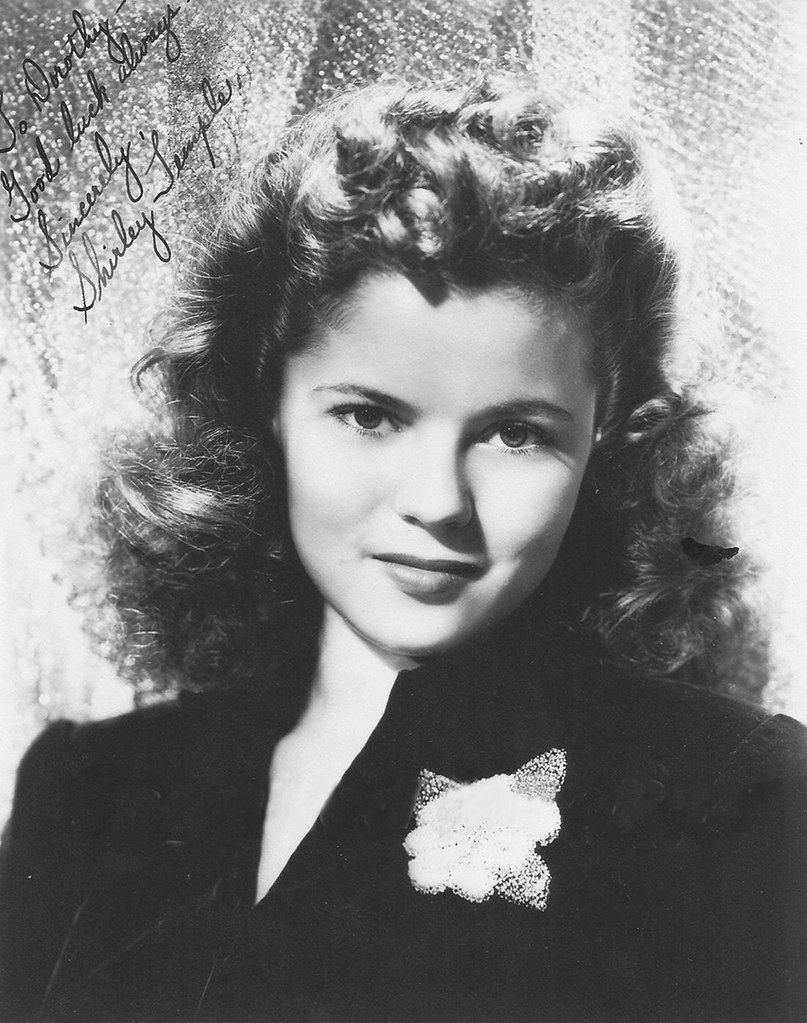
8. **Shirley Temple**
Imagine being a massive star before you even hit your teens, enchanting audiences worldwide with your dimples and dance moves. That was Shirley Temple, a true phenomenon of the 1930s. By the tender age of 12, she had already graced over 40 films, making her a household name and an undeniable box office draw. Her sheer popularity meant she was bringing in substantial income for her family, seemingly securing their future.
However, behind the scenes, a different, more troubling story unfolded. Shirley’s parents, entrusted with her vast earnings from 20th Century Fox Studios, were obligated to place a significant portion into a court-ordered trust. This arrangement was meant to safeguard her financial future, ensuring she’d have access to her wealth when she reached adulthood. It sounded like a solid plan, right?
Unfortunately, as with far too many child stars, this protective measure allegedly wasn’t properly followed. When Shirley came of age, expecting to find a substantial nest egg, she was met with a devastating reality check. What should have been an estimated $3 million fortune had inexplicably dwindled to a mere $44,000. This drastic discrepancy revealed a profound betrayal of trust, leaving a beloved star with a fraction of her hard-earned money.
Her story stands as a powerful testament to the vulnerability of young performers, even those at the pinnacle of fame. It wasn’t just about making movies; it was about unknowingly funding a lifestyle and, ultimately, losing control over her own financial destiny. Shirley Temple’s experience became a stark reminder of the potential for alleged financial abuse within a system that often prioritized profit over protection.
Read more about: From Toddler Triumphs to Teenage Turmoil: These 14 Child Stars Dominated Hollywood and Defined Generations!

9. **LeAnn Rimes**
LeAnn Rimes burst onto the country music scene as a preteen sensation, captivating listeners with her powerful voice and undeniable talent. Like many young prodigies, her career quickly became a family affair, with her parents taking on significant roles in managing her business and creative endeavors. This close-knit arrangement, initially seen as supportive, soon took a contentious turn as her career soared to new heights.
By the time she was just 16, LeAnn made a shocking allegation that her father, Wilbur Rimes, and his partner had been secretly pocketing her earnings. This wasn’t just a minor dispute; it was a claim of substantial financial misconduct, suggesting a betrayal by those closest to her. For a young artist at the peak of her success, discovering such alleged actions must have been incredibly disheartening and damaging to her trust.
In a decisive move to reclaim control and seek justice, LeAnn filed a lawsuit against her father, asserting that he and his partner had stolen an astonishing $7 million of her hard-earned money. The legal battle that ensued was highly publicized, bringing the complexities and emotional toll of financial disputes within families into the public eye. It was a painful period for everyone involved, highlighting the deep rift created by these allegations.
While her father filed a countersuit, citing what he perceived as LeAnn’s egregious overspending, the pair eventually reached a settlement. In a testament to the enduring bonds of family, they made amends ahead of her wedding to Dean Sheremet. Despite the resolution, the emotional scars of such a significant financial betrayal undoubtedly lingered, illustrating the profound challenges child stars can face when their careers become intertwined with family finances.
Read more about: From Subtle Shade to Royal Stages: What Celebs Are Really Saying About Adam Lambert (And What He’s Saying Back!)

10. **Leighton Meester**
Leighton Meester, known for her role in *Gossip Girl*, found herself entangled in a painful legal battle with her own mother over financial matters. It all began when Leighton was sending a monthly allowance of $7,500 to her mother, Constance Meester, specifically intended to cover her younger brother’s ongoing medical expenses. This act of familial support demonstrated Leighton’s commitment to her family’s well-being.
However, in 2011, Leighton allegedly discovered that the money wasn’t being used as intended. Instead of going towards her brother’s crucial medical care, her mother was reportedly misusing the funds for her own cosmetic procedures. This alleged diversion of funds was not only a breach of trust but also a direct disregard for the purpose of the financial support Leighton was providing. The situation escalated when Constance allegedly threatened to sue Leighton for $3 million if she didn’t increase the monthly allowance to $10,000, adding another layer of pressure and manipulation.
Refusing to succumb to these demands, Leighton took decisive action and filed a lawsuit against her mother. This legal move aimed to establish that she had no contractual obligation to provide ongoing financial support beyond what she initially intended. Her mother, in turn, filed a $3 million countersuit, claiming that Leighton had verbally promised to support her for life, citing that she had ‘sacrificed her happiness’ to manage Leighton’s acting career. It became a messy, public dispute that underscored the difficult decisions child stars sometimes face to protect their own interests and prevent further exploitation.
Ultimately, Leighton emerged victorious from the legal battle. Her mother later withdrew her countersuit, and in 2012, a judge ruled in Leighton’s favor, declaring that she was never obligated to pay her mother $10,000 a month for the rest of her life. This legal win freed Leighton from what she perceived as exploitative financial demands, allowing her to gain a measure of financial autonomy and independence after a deeply personal and public struggle.
Read more about: OMG, You Guys! The 14 Red Carpet Moments That Had Everyone Totally Obsessed in 2025

11. **Mischa Barton**
Mischa Barton rose to prominence as a teen icon, especially for her role in *The O.C.* Like many young actors, her career was managed by her parents, and the success she achieved brought significant financial rewards. However, beneath the surface of fame and fortune, a deeply troubling family dynamic was allegedly brewing, leading to a dramatic legal confrontation that shocked fans.
In 2015, Mischa took the painful step of suing her own mother and former manager, Nuala Barton. The lawsuit contained a series of serious allegations, painting a picture of profound financial betrayal. Mischa claimed that her mother had allegedly withheld her royalties, deceptively lied about her salary from a movie project to pocket the difference, and made reputation-damaging endorsement deals on her behalf without her full consent or benefit.
Perhaps one of the most astonishing allegations was that Nuala had allegedly kicked Mischa out of the multimillion-dollar home they had purchased with money Mischa had earned as a child. The lawsuit vividly described Nuala as a “greedy stage mother…who schemed to defraud her unsuspecting victim…for her own selfish benefit,” laying bare the deep-seated resentment and alleged exploitation Mischa felt she had endured. These claims highlighted a complete breakdown of trust and the alleged prioritizing of financial gain over her daughter’s well-being.
Nuala vehemently denied these claims, labeling them as “false and defamatory,” setting the stage for a contentious legal battle. However, in a surprising turn of events, Mischa requested a dismissal of the lawsuit the following year. While the reasons for the dismissal were not publicly detailed, it marked the end of a very public and painful chapter, leaving many to wonder about the lasting impact of such an intense family dispute on a young star’s life and career.
Read more about: Remember These Faces? Catching Up With 14 Celebrities From The 2000s We Don’t See Much Of Anymore!

12. **Jena Malone**
Jena Malone, who began her acting career at a young age, faced a significant personal and financial crisis during her teenage years. At just 14, she made the difficult and courageous decision to seek emancipation from her mother, Deborah Malone, a step that signaled a deep fracture in their family dynamic. This wasn’t a decision taken lightly; it stemmed from profound concerns over her financial future and alleged mismanagement of her earnings.
Jena’s pursuit of emancipation was coupled with a lawsuit against her mother, alleging that Deborah had squandered over $1 million of her hard-earned money. Imagine discovering, as a teenager, that the substantial earnings from your childhood work were gone, allegedly due to the very person entrusted to protect them. The lawsuit further revealed that, due to her mother’s alleged mismanagement, Jena found herself owing $20,000 in taxes and, shockingly, had no money left in her college fund, jeopardizing her future aspirations beyond acting.
She described her situation to *Index Magazine* as a “sink-or-swim” moment, driven by the need to access her trust fund to resolve her tax problems. The process of becoming emancipated was far from easy, involving a nine-month legal battle to prove her mental and financial stability. This grueling ordeal underscored the immense pressure placed on child stars to navigate complex adult legal and financial systems, often without adequate support.
Despite the initial conflict and the difficult legal proceedings, Jena shared that the experience ultimately improved her relationship with her mother. She noted, “We have a better relationship now than ever before. As with any change, you learn a lot. You see things more truthfully.” This powerful reflection highlights a rare outcome, where difficult boundaries and legal action, born out of necessity, eventually paved the way for a more honest and mature connection, free from the shadow of financial dependence.
Read more about: The Cutting Room Floor Chronicles: 14 Times Prominent Actors’ Roles Were Slashed from Major Films
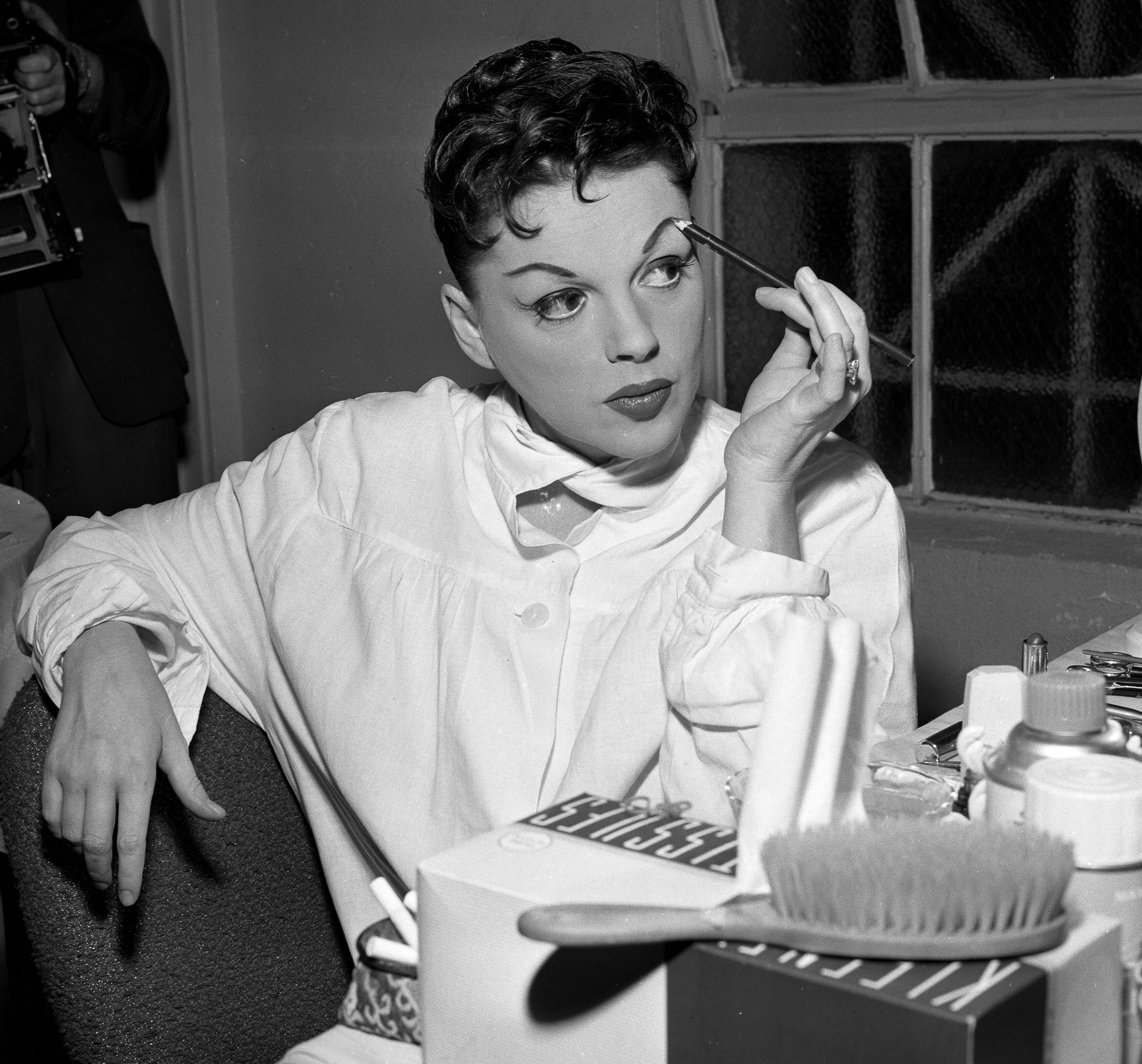
13. **Judy Garland**
Judy Garland, an icon of Hollywood’s Golden Age, began her performing career at an incredibly tender age. At just two years old, she and her two older sisters were pushed onto the stage by their parents, singing and dancing before movie showings at the cinema their father owned. This early immersion into performance set the trajectory for a life that would be defined by the spotlight, but also by immense pressure and a profound lack of childhood.
When the family moved to California, Judy’s career rapidly escalated, leading her to sign with MGM at the age of 13. The studio quickly became, as her daughter Lorna Luft poignantly described, “kind of a surrogate parent.” This dynamic meant that Judy’s professional life was meticulously managed, but her personal development and financial autonomy were often overlooked, as she was the primary financial engine for her family. She was undeniably the family’s breadwinner, a role far too heavy for a child.
Lorna Luft’s reflection on her mother’s life perfectly encapsulates the tragedy: “When you’re the breadwinner and you’re a child in this business, something is not right. You need a grounding to keep you normal. My mother never had that.” This lack of a stable, protected childhood, coupled with the relentless demands of the industry in the 1930s when “there was no help,” created an environment where a young Judy was constantly working and vulnerable. Her experience was “a train on the road that ended very sadly,” underscoring the severe toll of an upbringing devoid of boundaries and focused solely on performance and financial output.
Judy Garland’s story is a harrowing example of a child whose talent became a family commodity, leading to an extraordinary career but at the cost of a normal life and, ultimately, her well-being. It serves as a stark reminder that even the most glittering success can hide deep personal pain when childhood is sacrificed for the demands of the industry and family finances.
Read more about: Scarlett Johansson’s Defining Connection: Unpacking Robert Redford’s Memorable Characterization of Her Early Stardom
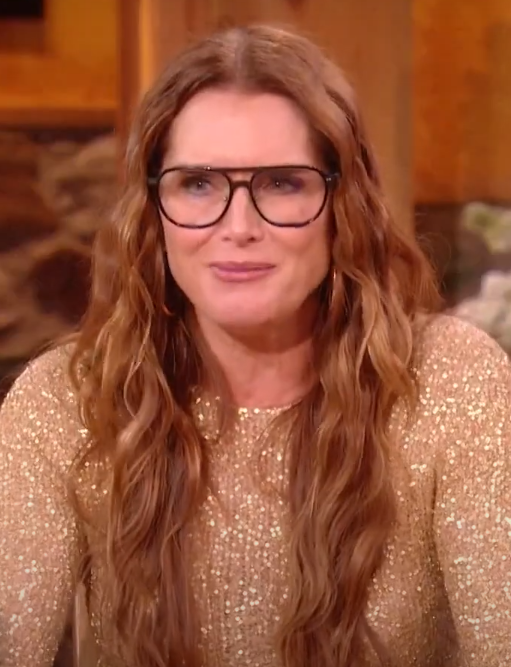
14. **Brooke Shields**
Brooke Shields achieved unprecedented fame at a remarkably young age, gracing the cover of *Vogue* at just 14 in 1980 and starring in her first leading movie role in *The Blue Lagoon* that same year. Her striking beauty and natural talent propelled her into superstardom, but this early success came with a heavy emotional and financial burden, largely managed by her late mother, Teri Shields.
In the 2023 documentary *Pretty Baby: Brooke Shields*, Brooke candidly recalled how her mother routinely used her childhood earnings to support their lifestyle. Teri would often frame job opportunities with phrases like, “If we get this job, we don’t have to live in our little apartment anymore,” or “If we get this job, we can go buy a new car.” These statements subtly, yet powerfully, instilled in young Brooke the understanding that her work directly funded their family’s necessities and luxuries, placing immense financial responsibility squarely on her shoulders.
Brooke explained that she realized from a very young age that her earnings were crucial for keeping her family together, particularly as her mother battled alcoholism. This created a profound sense of responsibility for Brooke, who felt compelled to “keep her alive.” She described the dynamic as emotionally abusive, recalling, “You know, you just keep the peace… It wasn’t abusive, but it was emotionally abusive because I felt sort of abandoned every time she wasn’t herself.” This insight reveals the deep psychological toll of being the primary financial and emotional caretaker as a child.
Her story illustrates the complex interplay of love, duty, and alleged financial reliance that can trap child stars in challenging family dynamics. Teri Shields, who passed away in 2012 from dementia complications, was her daughter’s manager, a role that too often blurred the lines between parental care and financial interest. Brooke’s raw honesty in sharing her experiences has contributed significantly to the ongoing conversation about protecting young performers and ensuring their childhoods are not overshadowed by adult financial burdens.
**The Enduring Legacy: A Call for Change**
The stories we’ve explored, from Jennette McCurdy’s raw honesty to Brooke Shields’ profound reflections, paint a vivid and often painful picture of what it means to be a child star. While the allure of fame and fortune glitters brightly, the reality for many young performers has been a struggle for financial autonomy, emotional well-being, and even basic parental protection. These narratives aren’t just cautionary tales; they’re powerful calls to action, underscoring the urgent need for a more robust safety net for children in the entertainment industry.
Read more about: Beyond the Gloss: 14 Unveiled Challenges and Enduring Legacies of Iconic ’80s Supermodels
From the Coogan Law, born from Jackie Coogan’s tragic experience, to modern legislative efforts protecting child vloggers, progress is being made. Yet, as the accounts of stars like Mischa Barton and LeAnn Rimes demonstrate, loopholes and alleged breaches of trust continue to persist. Ultimately, childhood should be a sacred time for growth, learning, and play, free from the crushing weight of adult financial responsibility or alleged exploitation. It’s up to all of us – the industry, lawmakers, and the public – to ensure that no child star is forced to sacrifice their well-being for the spotlight. Let’s champion a future where young talent can shine brightly, but always, always, on their own terms and with their innocence fiercely protected.