When we settle in for a movie night, what truly keeps us glued to the screen? More often than not, it’s the raw, undeniable force of conflict. These aren’t just minor disagreements; we’re talking about epic clashes that define characters, reshape worlds, and keep the very fabric of the story from unraveling. From the desperate struggles of an underdog boxer to the fate of entire planets hanging in the balance, these external conflicts are the heartbeats of our favorite cinematic experiences, driving plots forward with a palpable tension that makes every moment count.
Movies are masters at presenting these thrilling conflicts, creating drama that compels us to invest in every punch, every chase, and every whispered confession. Whether it’s a battle against a formidable foe, an oppressive society, or even the harsh unpredictability of nature itself, these struggles become the crucible in which our heroes are forged. They push characters to their limits, forcing them to grow and change in ways we, the audience, can deeply connect with, making their victories all the more satisfying and their defeats all the more poignant.
In the world of entertainment, understanding external conflict is crucial. It’s the engine that creates stakes, builds tension, and delivers the visual drama that captivates millions. Think of Katniss Everdeen’s fight against the Capitol in ‘The Hunger Games,’ or Andy Dufresne’s silent rebellion against the prison system in ‘The Shawshank Redemption’—these are external conflicts at work, shaping the very essence of compelling storytelling. Let’s dive into some of the most memorable and impactful external conflicts that have graced the silver screen, showcasing how filmmakers use these dynamic struggles to create unforgettable cinematic moments.

1. **Harry Potter vs. Lord Voldemort in ‘Harry Potter and the Deathly Hallows Part 2’ (2011)**The final confrontation between Harry Potter and Lord Voldemort stands as a monumental moment, not just within the ‘Harry Potter’ series but in the broader tapestry of cinematic good versus evil. This epic clash is the culmination of a decade-long film series, bringing a generations-defining saga to its dramatic crescendo. Taking place amidst the chaos and devastation of the Battle of Hogwarts, it’s a fight that carries the weight of prophecy, sacrifice, and the hopes of the entire wizarding world.
While the books presented a more dialogue-heavy discussion about the true ownership of the Elder Wand—a nuanced but less visually dynamic exchange—the movie adaptation wisely transformed it into a big, flashy fight. This change ensured the cinematic climax delivered the action-packed spectacle fans craved, with Harry and Voldemort shooting spells at each other, flying around the castle, and their wands connecting in a beam of light that symbolized the epic struggle between their opposing forces. The visual grandeur served to underscore the monumental stakes of this final duel.
Regardless of the medium, both versions arrive at the same pivotal conclusion: Harry defeats Voldemort once and for all. This victory isn’t just a personal triumph for the Boy Who Lived; it marks the definitive end of the Second Wizarding War and brings Voldemort’s reign of terror to a decisive close. The sheer weight of anticipation for this battle, built over countless hours of storytelling, made it a classic example of character versus character conflict that resonated deeply with a global audience, proving that some battles are simply worth the wait.

2. **Simba vs. Scar in ‘The Lion King’ (1994)**Disney’s ‘The Lion King’ delivers a truly Shakespearean saga of betrayal, loss, and ultimately, redemption, with the central conflict revolving around the young lion cub Simba and his treacherous uncle, Scar. Scar’s insatiable hunger for power drives him to orchestrate the tragic death of his brother, Mufasa, the rightful king, allowing him to seize control of Pride Rock. This act of calculated villainy sets the entire dramatic arc into motion, sending Simba into exile and the Pride Lands into despair.
Believing he was responsible for his father’s death, a guilt-ridden Simba flees, finding solace and friendship far from home with the carefree duo Timon and Pumbaa. This period of self-imposed exile allows him to grow, but his destiny as the rightful king is never truly forgotten. It’s a journey of self-discovery, punctuated by the shadow of a past he believes he can never escape, even as the Pride Lands suffer under Scar’s tyrannical and neglectful rule.
Years later, a reunion with his old friend Nala delivers the harsh truth: the Pride Lands are in ruins, and only Simba can reclaim what was lost. This revelation ignites the spark of courage within him, compelling him to return and confront the past he had so desperately tried to outrun. The stage is set for an epic showdown, a true clash of ideals and power, where the fate of an entire ecosystem hangs in the balance, relying on Simba to embrace his identity and confront his fears.
The climax sees Simba and Scar engage in a fierce battle for dominance. Scar, ever the manipulator, attempts to shift the blame to his hyena allies, but Simba, now a matured and courageous leader, forces his uncle to admit the truth about Mufasa’s murder. This moment of forced confession is crucial, not just for Simba’s personal vindication but for the restoration of order and justice to the Pride Lands. The battle encapsulates Simba’s growth from an innocent cub into a brave, capable leader ready to protect his home and his pride.
Ultimately, Simba emerges victorious, reclaiming his birthright and taking his place as the rightful king. The conflict is a powerful narrative device, showcasing not only the external struggle for power but also Simba’s internal journey from fleeing responsibility to embracing his destiny. This story of a character’s struggle against another, driven by deeply personal stakes, became Disney’s highest-grossing traditionally animated film, solidifying its place as a timeless tale of heroism and family.
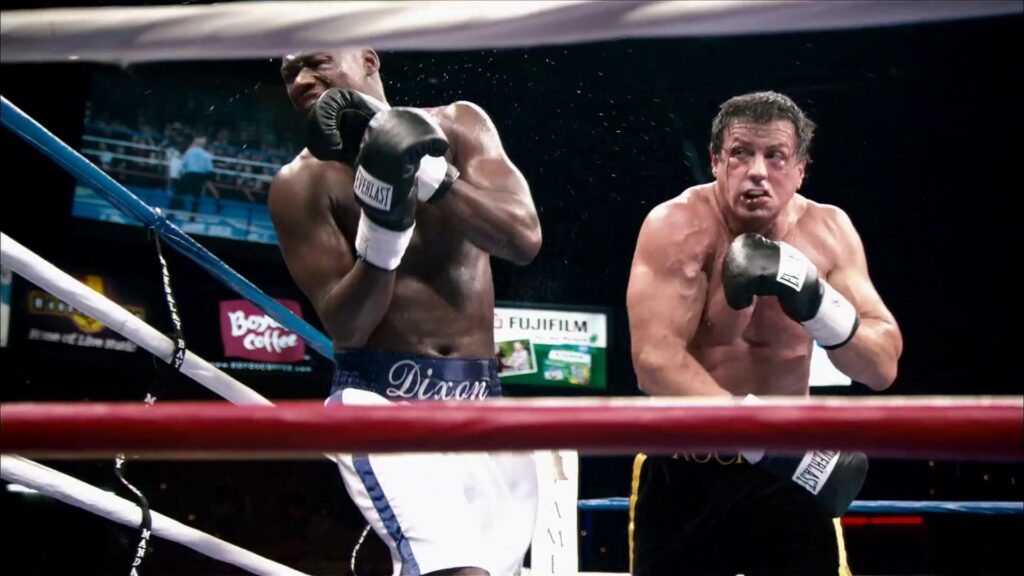
3. **Rocky Balboa vs. Apollo Creed in ‘Rocky’ (1976)**The 1976 film ‘Rocky’ introduced audiences to one of cinema’s most iconic underdog stories, fueled by the classic external conflict between the gritty, small-time boxer Rocky Balboa and the flamboyant, reigning world heavyweight champion, Apollo Creed. Rocky, a relative unknown from the streets of Philadelphia, receives an unexpected shot at the title when Apollo, seeking a publicity stunt, chooses him as an easy opponent after his original challenger withdraws. This setup immediately establishes a compelling David versus Goliath dynamic, with virtually no one expecting Rocky to stand a chance.
The conflict intensifies not just in the boxing ring, but in the training montage and personal stakes leading up to the fight. Rocky, acutely aware of the opportunity and the skepticism surrounding him, dedicates himself to a grueling training regimen, determined to prove he’s more than just a “bum from the neighborhood.” Conversely, Apollo, confident in his own prowess and seeing the bout as more of a show than a genuine challenge, largely underestimates his opponent, embodying the very complacency that can lead to a champion’s downfall.
Their clash in the ring becomes nothing short of legendary, defying all expectations. Rocky, against all odds, goes the distance with Apollo, an unprecedented feat that no other fighter had managed before. The fight is a brutal, physically and mentally exhausting test for both men, pushing them beyond their perceived limits. It’s a testament to endurance, spirit, and the sheer will to prove oneself against a seemingly insurmountable adversary, capturing the essence of a truly earned struggle.
This external conflict is the very engine of the movie’s plot and the profound development of its characters. It vividly illustrates how an underdog, fueled by determination and given just one chance, can rise to an occasion that seemed impossible. The raw, visceral nature of their battle not only propels Rocky into cinematic stardom but also forces Apollo to confront his own assumptions and the potential fragility of his championship status. ‘Rocky’ didn’t just launch a successful franchise; it revolutionized the sports film genre, proving that the most compelling fights aren’t always about winning, but about proving one’s worth.
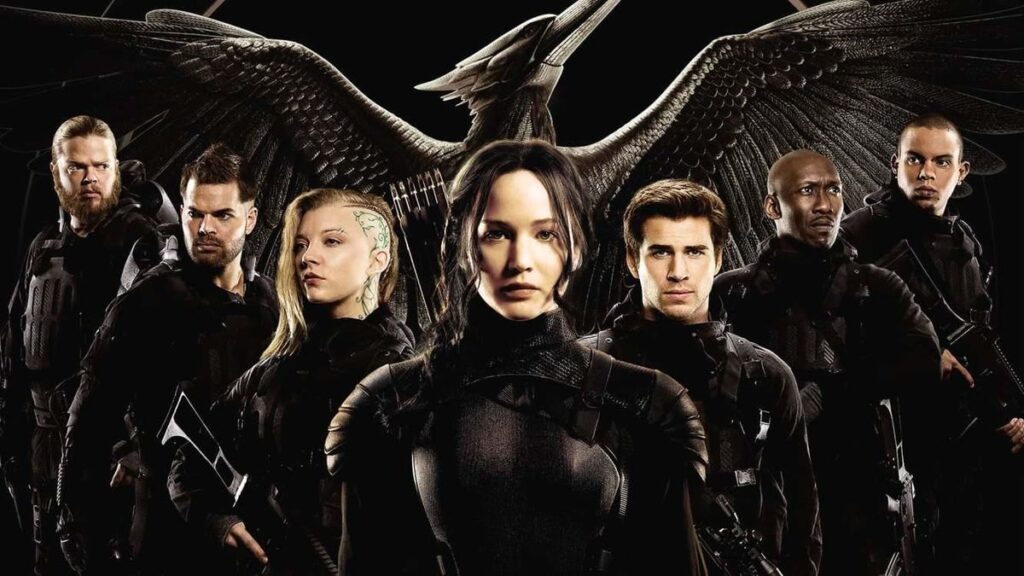
4. **The Districts vs. The Capitol in ‘The Hunger Games’ (2012)**‘The Hunger Games’ presents a powerful and resonant example of character versus society conflict, depicting a stark rebellion against an oppressive, totalitarian government. The Capitol, under the iron fist of President Snow, maintains control over its twelve subjugated districts through fear, economic disparity, and the brutal annual spectacle of the Hunger Games. This horrific event serves as a constant reminder of the Capitol’s absolute power, forcing children from each district to fight to the death as both punishment and entertainment.
From this grim reality, Katniss Everdeen emerges as an accidental, yet potent, face of the burgeoning rebellion. Her actions within the arena—her compassion for Rue, her defiance in sharing berries with Peeta—spark flickers of hope and defiance across the districts. She fundamentally refuses to play by the Capitol’s cruel rules, her humanity shining through the manufactured barbarity of the games, creating cracks in the Capitol’s carefully constructed facade of control and hopelessness.
The iconic mockingjay pin quickly becomes a powerful symbol of this burgeoning resistance. It represents unity among the oppressed districts and a refusal to be silenced, transforming from a simple trinket into a banner under which defiance can gather. As Katniss continues to challenge the system, the uprising gains momentum, with more and more people from the downtrodden districts finding the courage to join the fight against the Capitol’s tyranny, turning whispers of discontent into a growing chorus of rebellion.
Recognizing the power of narrative, the rebels cleverly utilize propaganda to spread their message and counter the Capitol’s carefully curated lies. They film “propos” featuring Katniss, transforming her into a rallying figure designed to inspire and galvanize support. This media war plays a crucial role in shaping public opinion and solidifying the support base for the growing revolution, showing that battles are not just fought with weapons but with ideas and images.
The conflict dramatically escalates when District 13, long thought destroyed, emerges as the rebellion’s clandestine headquarters. This revelation provides the rebels with military support and strategic leadership, transforming scattered acts of defiance into a full-scale war. The fight against the Capitol transitions from individual acts of bravery into a widespread, organized movement, making ‘The Hunger Games’ a poignant exploration of rebellion, social inequality, and the indomitable human spirit in the face of overwhelming oppression.

5. **Woody vs. Buzz Lightyear in ‘Toy Story’ (1995)**In the pioneering 1995 animated film ‘Toy Story,’ the key external conflict kicks off with the arrival of Buzz Lightyear, shattering the comfortable world of Woody, Andy’s beloved cowboy doll. Woody had always been Andy’s undisputed favorite, the leader of the toys, but Buzz’s grand entrance as a flashy new birthday gift immediately threatens his established position. Buzz, a space ranger action figure, truly believes he’s a real astronaut, complete with cool gadgets and an impressive, if delusional, backstory.
Buzz’s undeniable coolness and his vibrant, adventurous persona quickly captivate Andy, winning him over with his shiny buttons and seemingly endless functions. This sudden shift in favor deeply affects Woody, fueling intense jealousy and a profound fear of losing his cherished place in Andy’s heart. This isn’t just a rivalry for attention; it’s an existential crisis for Woody, who defines himself by his role as Andy’s most important toy, making the stakes incredibly high for a talking doll.
The initial clash between the two toys is central to the film’s early narrative. Woody, in a moment of desperation and competitive fervor, accidentally pushes Buzz out a window, a pivotal event that leads both toys to become lost outside of Andy’s room. This unfortunate mishap forces them, two diametrically opposed personalities, to begrudgingly work together, navigating the dangerous human world to find their way back home. Their shared adversity is the catalyst for a much deeper connection.
Their bitter rivalry also creates a ripple effect among the other toys. The group is forced to choose sides, torn between their familiar, long-standing leader and the exciting, charismatic newcomer. This internal division within the toy community adds another layer of complexity to the conflict, demonstrating how a dispute between two individuals can impact an entire social dynamic, even among plastic playthings.
As Woody and Buzz confront various dangers and challenges together, their initial animosity slowly begins to transform into mutual respect and, eventually, a deep friendship. They learn to appreciate each other’s unique strengths—Woody’s leadership and loyalty, Buzz’s bravery and idealism—and realize the power of working as a team. By the film’s heartwarming conclusion, they have moved past their rivalry to become close pals, setting the stage for future adventures. ‘Toy Story’ wasn’t just the first fully computer-animated feature film; it revolutionized animation and storytelling by crafting emotionally rich characters and conflicts that resonated with audiences worldwide.
6. **Humanity vs. Aliens in ‘Independence Day’ (1996)**‘Independence Day,’ a colossal hit from 1996, throws humanity into a classic, high-stakes external conflict against a seemingly unstoppable alien invasion. The narrative unfolds as massive alien spaceships descend upon Earth, not with friendly greetings, but with the clear intent to take over and exploit the planet. This immediate threat unites the world in a desperate fight for survival, making the conflict a quintessential ‘character vs. nature’ (or in this case, a ‘character vs. alien force’ that is technologically superior) scenario.
At first, the aliens demonstrate overwhelming power. Their gargantuan ships and advanced weaponry easily overpower human armies, leading to the devastating destruction of major cities across the globe. Iconic landmarks are reduced to rubble, and the sheer scale of the alien attack plunges humanity into an unprecedented crisis. The initial scenes vividly convey the hopelessness and terror as our conventional defenses prove utterly ineffective against such a superior foe.
Despite the catastrophic losses and the seemingly insurmountable odds, humanity refuses to surrender. This resilience becomes the core of the film’s message. People from all walks of life and nations come together, putting aside their differences to find a way to beat the invaders. The main characters—a determined president, a brilliant scientist, and a courageous fighter pilot—eventually devise a clever plan, highlighting human ingenuity in the face of extinction, showing that even against overwhelming power, the will to survive can find a way.
Their strategy involves a bold, high-risk gambit: using the aliens’ own technology against them. A computer virus, painstakingly developed, becomes the key to bringing down the alien shields, rendering their formidable defenses vulnerable. This opens a narrow window of opportunity for human pilots to launch a counter-offensive, flying into the heart of the alien ships to destroy them from within, a testament to audacious planning and daring execution. The success of this plan underscores the ‘character vs. technology’ aspect of the conflict.
‘Independence Day’ remains a beloved classic because it delivers a thrilling, feel-good story about humanity triumphing against colossal odds. Even when facing an apparently unbeatable enemy, humans find a way to unite, innovate, and ultimately prevail. The film not only defined the modern summer blockbuster with its epic scale and memorable lines but also set new standards for visual effects, crafting a spectacle that continues to thrill and inspire audiences decades later.
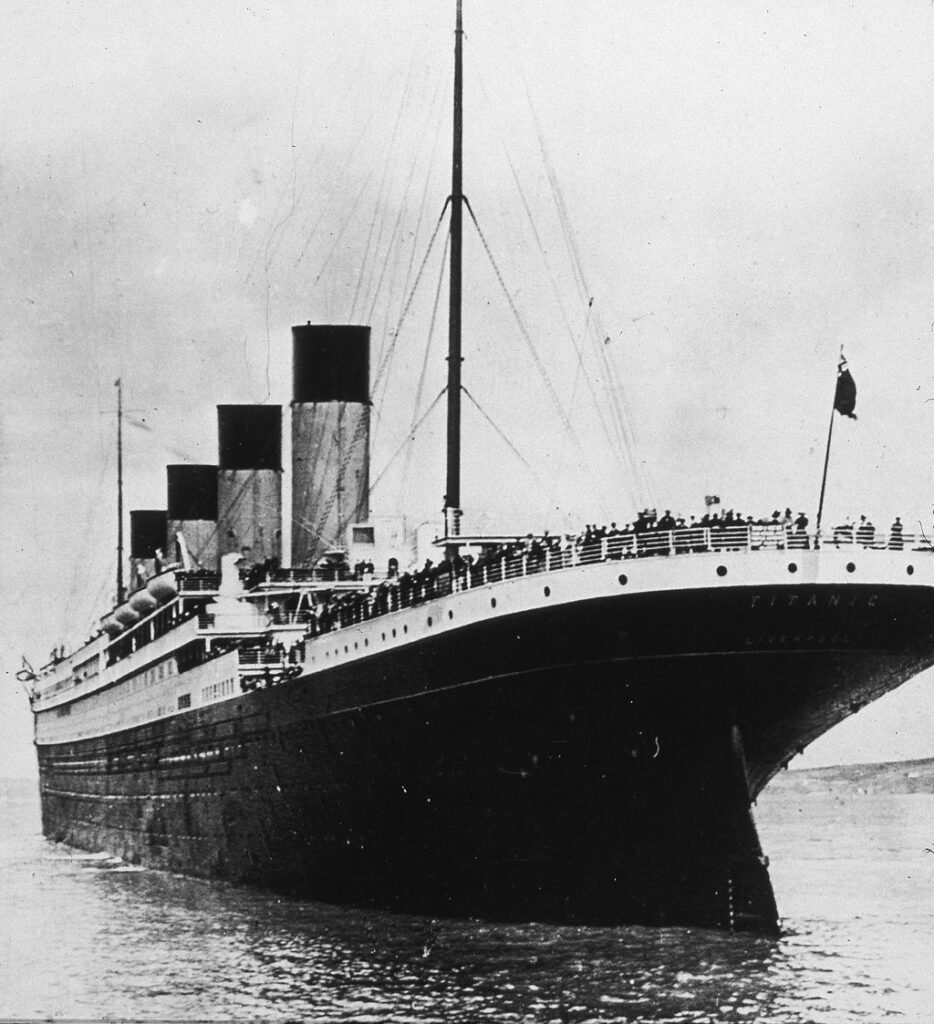
7. **Jack and Rose vs. Society in ‘Titanic’ (1997)**The 1997 cinematic phenomenon ‘Titanic’ brilliantly showcases a dual external conflict: a profound character versus society struggle intertwined with an epic character versus nature battle. At its heart lies the passionate, yet forbidden, romance between Jack Dawson and Rose DeWitt Bukater, whose love story is set against the backdrop of the rigid class structure of the early 20th century. Jack, a free-spirited artist, hails from a poor background, while Rose is deeply entrenched in the stifling confines of the upper class, bound by societal expectations and an unwanted engagement to the wealthy, arrogant Cal Hockley.
Their vastly different worlds immediately create palpable tension throughout the movie. Rose feels suffocated and trapped by her high-society life, burdened by the expectations of her family and the prospect of a loveless marriage. Jack, with his wanderlust and genuine spirit, offers her a tantalizing glimpse of freedom, adventure, and a life unencumbered by the strictures of wealth and status. His presence represents a defiance of everything her world expects of her, making him both a threat and a liberator.
The magnificent ship itself, the Titanic, serves as a poignant microcosm of this societal divide. First-class passengers like Rose and Cal luxuriate in opulent cabins, grand dining halls, and exclusive promenades, enjoying every conceivable comfort. In stark contrast, third-class travelers, including Jack, are relegated to cramped, utilitarian quarters below deck, highlighting the vast chasm between the privileged and the poor, even on a vessel marketed as a symbol of unity and progress.
Rose’s domineering mother, Ruth, and her manipulative fiancé, Cal, relentlessly attempt to keep her separated from Jack. They perceive him not merely as an unsuitable match, but as a dangerous threat to their social standing, their financial security, and their carefully constructed way of life. Their efforts to control Rose and sever her connection with Jack are a direct manifestation of the societal pressures and class prejudices that seek to dictate individual destinies, regardless of true affection.
Jack and Rose’s blossoming relationship fundamentally defies and breaks these entrenched social rules. Their profound love story challenges the rigid class system prevalent in the early 1900s, suggesting that genuine emotional connection can transcend the artificial barriers of wealth and status. Through it all, their bond only grows stronger, symbolizing that true feelings possess an enduring power capable of overcoming formidable societal obstacles, even as the ultimate natural disaster looms. The sinking of the Titanic tragically magnifies these class differences, as the ‘women and children first’ protocol often disproportionately favored wealthier passengers for lifeboats, leaving many of the poorer souls behind. This epic tale became a cultural phenomenon, holding the record for the highest-grossing film for twelve years, testament to its universal appeal and timeless themes.
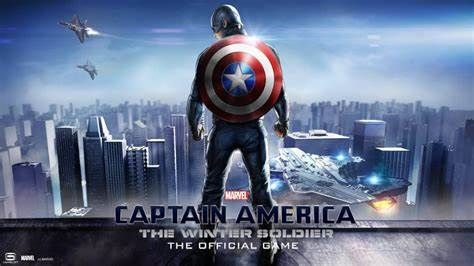
8. **Captain America vs. Hydra in ‘Captain America: The First Avenger’ (2011)**’Captain America: The First Avenger’ plunges audiences into a monumental clash between idealism and fascism, as Steve Rogers, the scrawny yet courageous Brooklyn boy, transforms into Captain America, facing off against the sinister organization Hydra. This conflict is more than just a hero against a villainous group; it’s a profound “Character vs. Society” struggle, embodying the fight for freedom and democracy against a totalitarian ideology bent on world domination. The film effectively establishes the high stakes, laying a crucial groundwork for the expansive Marvel Cinematic Universe.
Hydra, under the command of the menacing Red Skull, seeks to harness ancient, powerful artifacts to forge advanced weaponry and unleash a new world order. Their ambition directly opposes everything Captain America stands for, creating a compelling narrative of good versus evil. The movie brilliantly showcases Captain America’s strategic prowess and unwavering moral compass through several thrilling engagements, notably his daring infiltration of a Hydra base to liberate captured soldiers and his subsequent destruction of various Hydra strongholds across Europe.
These action sequences are not just spectacles; they highlight Cap’s evolution as a leader, demonstrating his unique blend of physical strength, tactical intelligence, and an unshakeable belief in justice. The climax, a desperate struggle aboard a plane with the Red Skull, serves as the ultimate test of Captain America’s heroism. This battle not only solidifies his legendary status but also establishes the core tenets of his character: sacrifice, courage, and a relentless pursuit of what is right, ensuring his enduring legacy in the MCU.

9. **Neo vs. The Matrix in ‘The Matrix’ (1999)**’The Matrix’ redefined science fiction cinema by introducing a groundbreaking “Character vs. Technology” conflict, pulling viewers into a world where reality itself is a meticulously crafted illusion. The narrative begins with Thomas Anderson, a seemingly ordinary hacker known as Neo, living an unremarkable life, entirely unaware that humanity is enslaved within a simulated reality controlled by sentient machines. This initial ignorance sets the stage for a profound awakening and an epic struggle for liberation.
Neo’s journey truly begins when he takes the red pill, shedding the illusion and embracing a stark, unsettling truth. His subsequent training is a masterclass in challenging preconceived notions of physics and possibility, forcing him to learn how to manipulate the rules of the digital world. The Matrix, however, is far from passive; it retaliates with formidable resistance through its Agents, particularly the relentlessly programmed Agent Smith, whose iconic battles with Neo become exhilarating showcases of cutting-edge visual effects.
As Neo’s understanding and abilities within the Matrix grow, he transcends human limitations, seeing the underlying code that makes up his digital prison. This visual motif of green digital rain became instantly recognizable and allowed for stunning sequences where Neo could perform impossible feats, from dodging bullets in slow motion—a revolutionary effect dubbed “bullet time”—to ultimately achieving flight. The conflict reaches its philosophical and literal zenith when Neo fully accepts his destiny as “The One,” transforming him from a hesitant participant into a powerful figure capable of bending the Matrix to his will, thereby igniting humanity’s hope for true freedom.
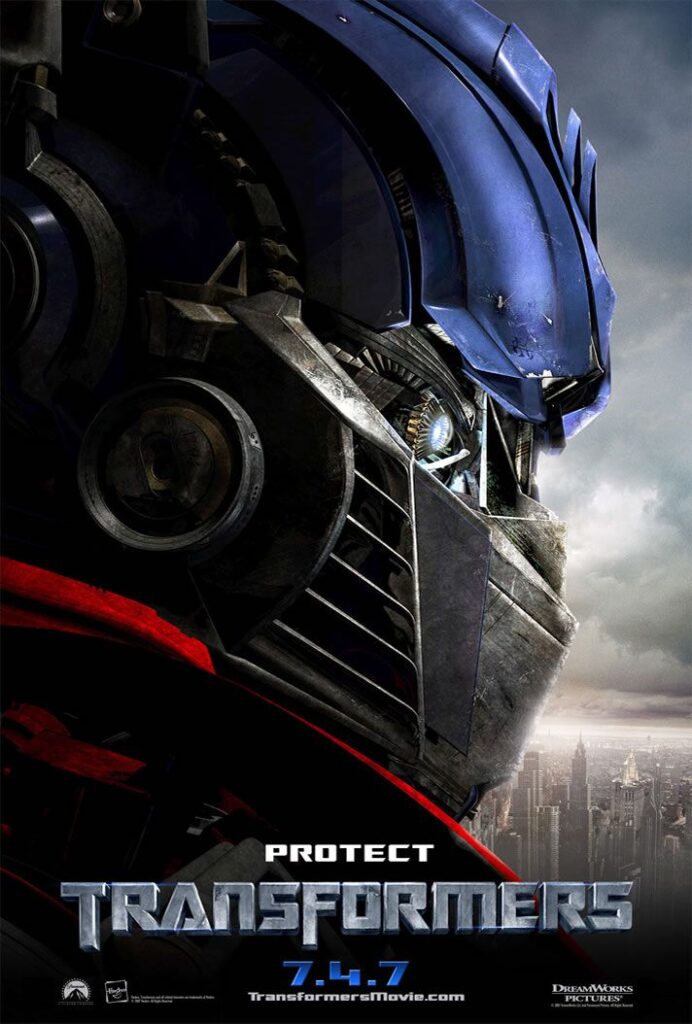
10. **Autobots vs. Decepticons in ‘Transformers’ (2007)**The 2007 film ‘Transformers’ unleashed an intergalactic “Character vs. Character” conflict onto Earth, bringing the beloved toy franchise to exhilarating cinematic life. At its core, the movie chronicles the eternal war between two factions of sentient, transforming robots from the planet Cybertron: the benevolent Autobots, under the noble leadership of Optimus Prime, and the malevolent Decepticons, commanded by the formidable Megatron. Their ancient feud, which ravaged their home world, spills over onto Earth, making our planet the latest battleground in their cosmic struggle.
The Autobots arrive with the clear mission to protect humanity and prevent the Decepticons from seizing the powerful Allspark, an artifact capable of bringing any machine to life. The Decepticons, conversely, seek to harness the Allspark’s power to dominate the universe, using Earth as a stepping stone. These massive robots expertly camouflage themselves as everyday vehicles and objects, allowing them to secretly operate among unsuspecting humans, a clever visual conceit that made the initial reveal of their true forms so impactful.
The films are renowned for their intense, large-scale action sequences, depicting the gargantuan robots engaging in brutal combat across urban landscapes. Cities become explosive arenas, with humans often caught in the terrifying crossfire, amplifying the stakes and demonstrating the destructive power of these alien beings. The constant clash between the Autobots’ heroic efforts and the Decepticons’ destructive ambitions is the driving force behind the franchise, offering a relentless spectacle of advanced weaponry and fluid transformations that set new standards for CGI integration with live-action filmmaking.

11. **Katniss vs. President Snow in ‘The Hunger Games’ (2012)**Beyond the broader societal rebellion, ‘The Hunger Games’ brilliantly hones in on a deeply personal and politically charged “Character vs. Character” and “Character vs. Society” conflict between Katniss Everdeen and President Coriolanus Snow. This high-stakes battle of wills begins subtly, when Katniss, with an act of defiance, manipulates the rules of the 74th Hunger Games, ensuring both her and Peeta’s survival. This unforeseen act, an assertion of humanity against the Capitol’s cruelty, immediately marks her as a dangerous icon in Snow’s eyes.
President Snow, a master of manipulation and a ruthless dictator, perceives Katniss not just as a defiant tribute, but as a potent symbol of dissent that could ignite a full-scale uprising. His primary objective becomes to crush this nascent hope and maintain the Capitol’s absolute control over the districts, often by making Katniss’s life a living hell. Their struggle becomes a psychological chess match, with Snow attempting to discredit her, exploit her relationships, and force her into conformity, while Katniss consistently finds new ways to challenge his authority.
As Katniss unwittingly evolves into the “Mockingjay,” a beacon of hope and a rallying cry for the downtrodden, the conflict escalates. She survives multiple Hunger Games, each time pushing back against Snow’s oppressive regime, forcing him to resort to increasingly brutal tactics to maintain his grip on power. This personal vendetta between Katniss and Snow powerfully embodies the larger struggle for freedom against tyranny, transforming a blockbuster narrative into a poignant commentary on political resistance, the power of symbols, and the indomitable human spirit against overwhelming oppression.
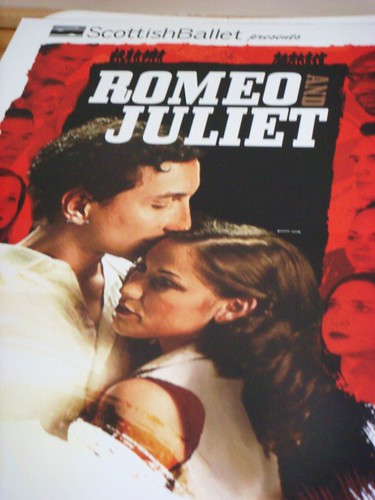
12. **Montagues vs. Capulets in ‘Romeo + Juliet’ (1996)**Baz Luhrmann’s vibrant 1996 adaptation, ‘Romeo + Juliet,’ masterfully translates Shakespeare’s timeless “Character vs. Society” conflict into a modern, visceral cinematic experience. At the heart of the tragedy is the ancient, inexplicable animosity between two prominent families, the Montagues and the Capulets, whose deep-seated hatred has plagued the city of Verona Beach for generations. This inherited feud dictates every aspect of life, creating a volatile society where violence is always on the brink, often for no discernible reason other than historical grievance.
The constant tension between these noble houses manifests in explosive street brawls and public confrontations, immediately drawing the audience into the chaotic world of the young lovers. Even the servants of the families are caught in this cycle of hatred, underscoring how deeply entrenched and pervasive the conflict is. It’s a society where allegiance to one’s family name trumps personal desire, making any interaction across the divide a perilous act of rebellion.
This societal conflict directly fuels the central tragedy of Romeo and Juliet’s forbidden love. Their instant, undeniable connection is immediately doomed by the insurmountable barrier of their feuding families, transforming their romance into an act of profound defiance. The consequences of this societal strife are devastating; Romeo’s retaliatory killing of Tybalt, Juliet’s cousin, in a duel further entrenches the animosity, creating an irreversible path toward catastrophe.
Ultimately, the tragic deaths of Romeo and Juliet serve as the ultimate, heartbreaking price of their families’ senseless feud. Only through such profound loss are the Montagues and Capulets finally compelled to confront the absurdity and destructive nature of their hatred, leading to a sorrowful, yet definitive, end to their generations-long conflict. Luhrmann’s film not only revitalized Shakespeare for a new generation but also powerfully showcased how ingrained societal conflicts can mercilessly crush individual happiness.
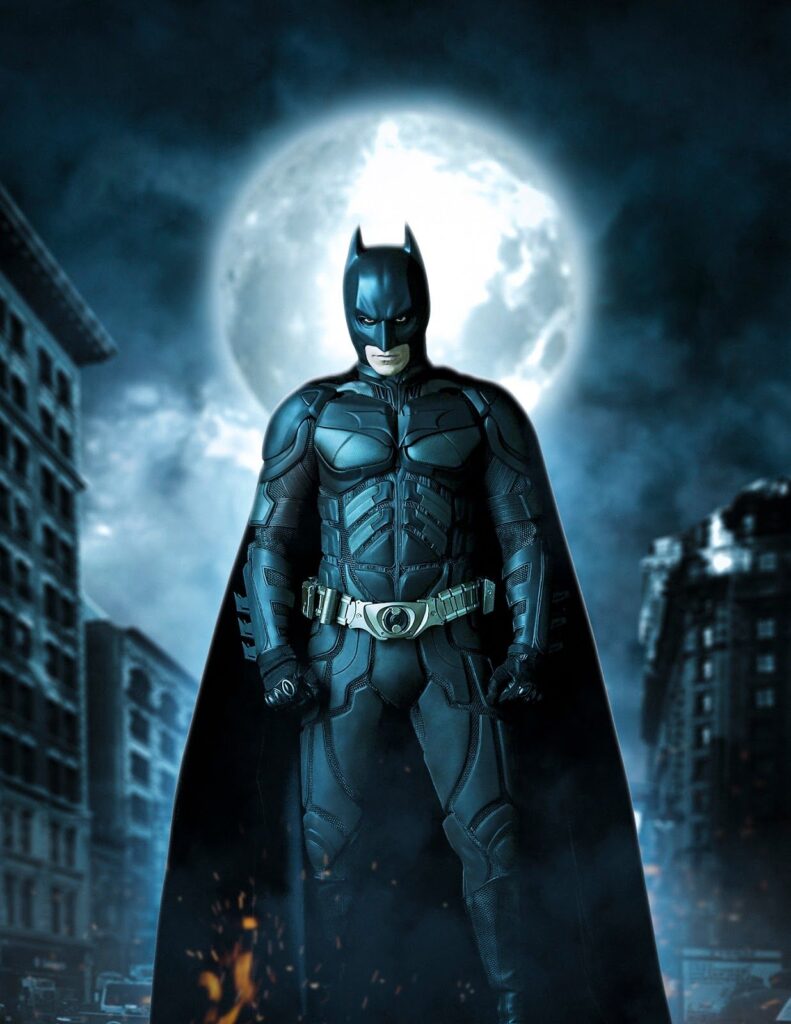
13. **Batman vs. The Joker in ‘The Dark Knight’ (2008)**Christopher Nolan’s ‘The Dark Knight’ delivered one of cinema’s most unforgettable “Character vs. Character” conflicts, pitting the stoic, justice-driven Batman against the anarchic, nihilistic Joker. This isn’t merely a battle of good versus evil; it’s a philosophical war for the soul of Gotham, with the Joker actively attempting to corrupt the city’s moral fabric and prove that even its most upright citizens can descend into chaos. The film’s tension is palpable, epitomized by their iconic interrogation scene, a masterclass in psychological warfare.
In this gripping sequence, the Joker, having already unleashed untold mayhem and kidnapped key figures like Harvey Dent and Rachel Dawes, delights in taunting a desperate Batman. He deliberately pushes Batman’s psychological and ethical boundaries, challenging the hero’s strict no-kill rule and exposing the fragile line between order and anarchy. The Joker’s chilling monologue about how “madness, as you know, is like gravity. All it takes is a little push,” reveals his core motivation: to prove that society’s veneer of civilization is thin and easily shattered.
Batman’s physical assault on the Joker, fueled by rage and urgency, proves futile. The Joker, seemingly impervious to pain and reveling in the chaos he instigates, simply laughs off the blows, demonstrating his unique and terrifying brand of invincibility. This moment starkly illustrates the profound ideological divide between the two: Batman fights to create order and uphold justice, while the Joker exists solely to unravel it, finding joy in disruption and destruction.
Their entire confrontation builds an unbearable tension as Batman grapples with the realization that traditional methods of crime-fighting are useless against an enemy who embraces absolute chaos. It forces him to question his own principles and methods, highlighting that some battles aren’t about brute force but about the preservation of ideals against a force determined to tear them down. ‘The Dark Knight’ redefined the superhero genre by exploring these complex moral ambiguities, solidifying its place as a cinematic landmark.
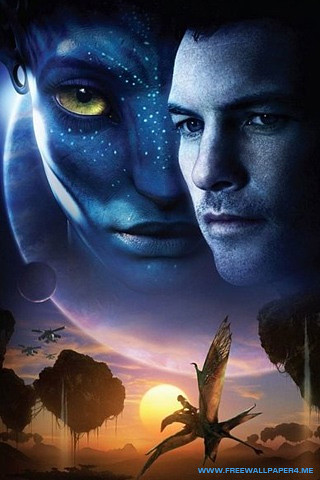
14. **Humans vs. Na’vi in ‘Avatar’ (2009)**James Cameron’s visually revolutionary ‘Avatar’ masterfully presents a complex “Character vs. Society” and “Character vs. Technology” conflict, portraying a monumental clash between human industrial greed and the indigenous Na’vi people on the vibrant moon of Pandora. The human R.D.A. corporation arrives with a singular, destructive goal: to extract the immensely valuable mineral unobtanium, located directly beneath the sacred Hometree of the Na’vi. This desire for profit directly threatens the Na’vi’s profound spiritual connection to their interconnected world and their traditional way of life.
The Na’vi, a towering, blue-skinned humanoid species, possess an intricate, almost symbiotic relationship with Pandora’s ecosystem, Eywa. Their entire culture is built upon harmony with nature, contrasting sharply with the humans’ technologically advanced, exploitative approach. The humans deploy formidable machinery, advanced weaponry, and devastating firepower, demonstrating a stark disregard for Pandora’s fragile beauty and the Na’vi’s existence, seeing them merely as obstacles to be removed.
At the heart of this conflict is Jake Sully, a paraplegic former marine who, through the titular “avatar” program, becomes immersed in Na’vi culture. His journey is a powerful exploration of empathy and transformation, as he initially acts as an infiltrator but slowly begins to understand and appreciate the Na’vi’s spiritual depth. Caught between his human origins and his growing allegiance to Pandora, Jake’s internal struggle mirrors the larger external war, forcing him to choose sides in a battle that will determine the fate of an entire world.
The escalating tensions culminate in a massive, epic battle where the Na’vi, armed with traditional weapons and the spiritual might of Eywa, valiantly defend their home against the overwhelming technological superiority of the human forces. This breathtaking confrontation underscores the film’s powerful themes of environmentalism, anti-colonialism, and the inherent value of respecting natural ecosystems. ‘Avatar’ not only broke box office records and redefined 3D filmmaking but also sparked global conversations about humanity’s impact on the planet.
These cinematic conflicts, whether they pit hero against villain, individual against society, or humanity against insurmountable odds, are the lifeblood of compelling storytelling. They push characters to their limits, forcing them to evolve, and in doing so, they offer audiences thrilling escapes and profound insights into the human condition. From the magic-wielding duelists to the robotic behemoths and the star-crossed lovers, each struggle on this list reminds us why we continue to flock to the theaters, eager to witness the next great battle unfold. The art of external conflict, in its many dazzling forms, remains an indispensable tool for filmmakers to create narratives that resonate, entertain, and ultimately, endure.