The world of classic car collecting is often painted with images of gleaming chrome, roaring engines, and iconic designs that fetch astronomical prices at auction. For many enthusiasts, the dream involves finding a diamond in the rough, a vintage beauty waiting to be brought back to its former glory through a meticulous restoration project. This passion can be incredibly rewarding, breathing new life into a piece of automotive history and connecting owners with a bygone era of engineering and style.
However, not every old car is a wise candidate for such an endeavor. While some classic cars undeniably appreciate in value and become cherished investments, others, despite their age and initial allure, can quickly transform into financial black holes. Factors such as inherent design flaws, widespread availability, mechanical complexities, and simply a lack of enduring market appeal can turn a restoration dream into a costly nightmare, draining both wallets and enthusiasm.
In this in-depth guide, we delve into a selection of classic cars that, according to experts and seasoned collectors, are simply not worth the significant cost and effort of restoration today. We’ll pop the hood on why these particular models, ranging from celebrated icons to quirky oddities, might be better admired from a distance than purchased as a project. Our aim is to empower consumers with unbiased, data-driven information, helping you make informed choices and avoid common pitfalls in the exciting yet challenging world of automotive collecting.
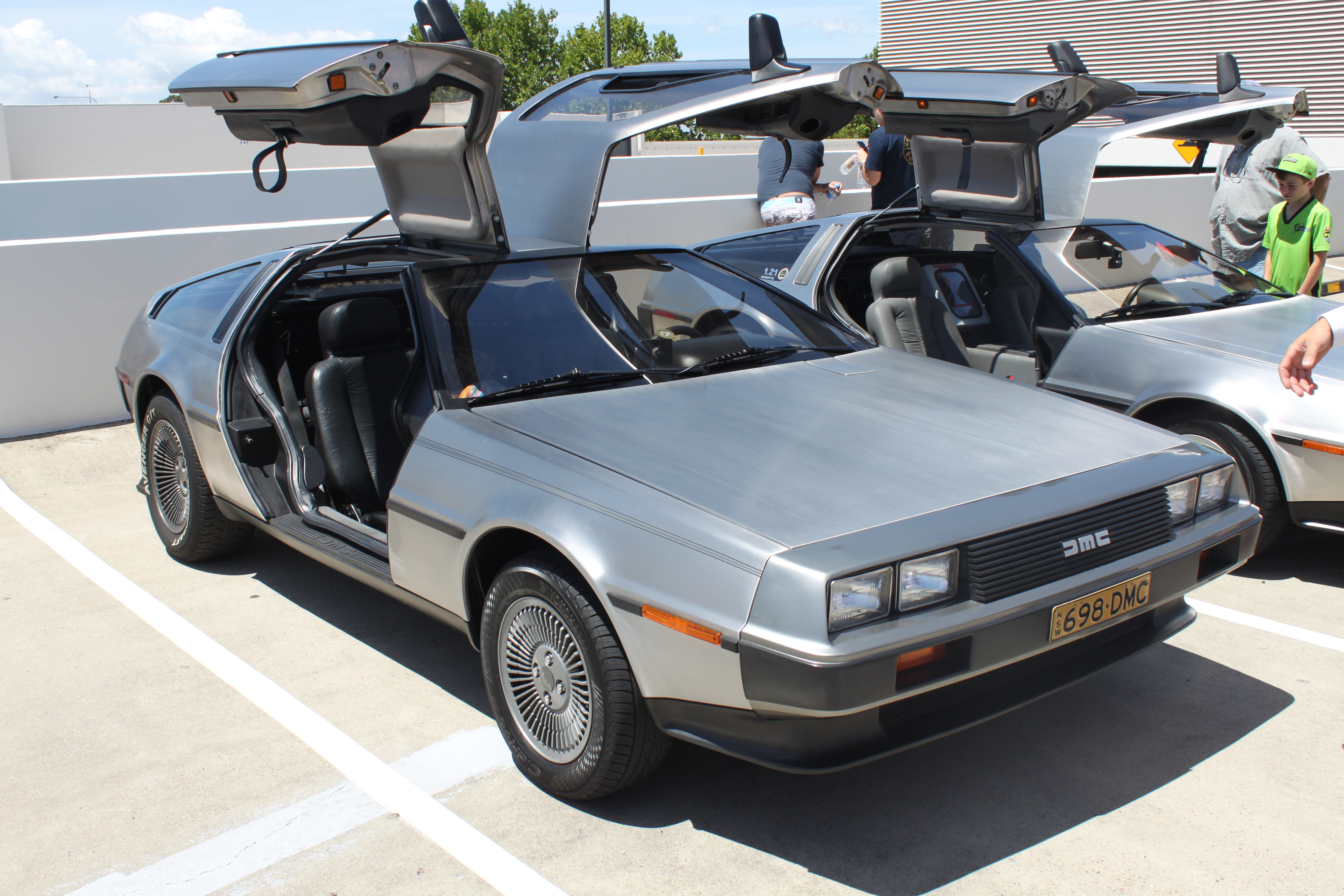
1. **DeLorean DMC-12**For many, the DeLorean DMC-12 is synonymous with cinematic legend, a time-traveling marvel thanks to its prominent role in “Back to the Future.” Its distinctive stainless steel body and gull-wing doors certainly give it an unmistakable, futuristic presence that continues to capture imaginations. This aesthetic appeal often leads aspiring collectors to consider it as a prime restoration candidate, drawn by its unique silhouette and pop culture status.
However, the reality of DeLorean ownership and restoration is far less glamorous than its on-screen persona suggests. Beneath that iconic exterior lies an underpowered engine that failed to deliver exhilarating performance, leading to a driving experience that many find underwhelming. The car was notorious for its spotty build quality, a consistent challenge that plagued early production and continues to present issues for modern restorers.
Maintaining the DeLorean’s signature stainless steel panels is another often-overlooked hurdle. While resistant to rust, they are prone to scratching and can be incredibly difficult and expensive to repair or re-finish properly, often requiring specialized tools and expertise. Collectors may love the look, but many often regret the experience once they delve into the practicalities of keeping this idiosyncratic vehicle in top condition, making a full restoration a questionable financial venture.
Car Model Information: 1981 Delorean DMC-12
Name: DMC DeLorean
Alt: 1983 DeLorean
Caption: 1983 DeLorean
Manufacturer: DeLorean Motor Company
Production: January 21, 1981 – December 1982
ModelYears: 1981–1983
Assembly: Dunmurry
Designer: Giorgetto Giugiaro
Class: Sports car
BodyStyle: coupé
Layout: Rear-engine, rear-wheel-drive layout
Doors: Gull-wing doors
Engine: 2.85 L
Abbr: on
Powerout: 130 hp
Transmission: 5-speed manual ,3-speed automatic
Wheelbase: 2413 mm
Length: 4267 mm
Width: 1988 mm
Height: 1140 mm
Weight: 1233 kg
Sp: us
Categories: 1980s cars, All Wikipedia articles written in American English, Articles with short description, Automobiles with backbone chassis, Automobiles with gull-wing doors
Summary: The DMC DeLorean is a rear-engine, two-seat sports car manufactured and marketed by John DeLorean’s DeLorean Motor Company (DMC) for the American market from 1981 until 1983—ultimately the only car brought to market by the fledgling company. The DeLorean is sometimes referred to by its internal DMC pre-production designation, DMC-12, although this was not used in sales or marketing materials for the production model.
Designed by Giorgetto Giugiaro, the DeLorean is noted for its gull-wing doors and brushed stainless-steel outer body panels, as well as its lack of power and performance. Though its production was short-lived, the DeLorean became widely known after it was featured as the time machine in the Back to the Future films.
With the first production car completed on January 21, 1981, the design incorporated numerous minor revisions to the hood, wheels and interior before production ended in late December 1982, shortly after DMC filed for bankruptcy and after total production reached an estimated 9,000 units.
Despite the car having a reputation for poor build quality and an unsatisfactory driving experience, the DeLorean continues to have a strong following, driven in part by the popularity of Back to the Future. 6,500 DeLoreans were estimated to still be on the road as of 2015.
Get more information about: DMC DeLorean
Buying a high-performing used car >>>
Brand: DeLorean Model: DMC-12
Price: $37,500 Mileage: 0 mi.
Read more about: Beyond the Hype: 14 Classic Cars That Aren’t Worth the Money for Serious Car Enthusiasts
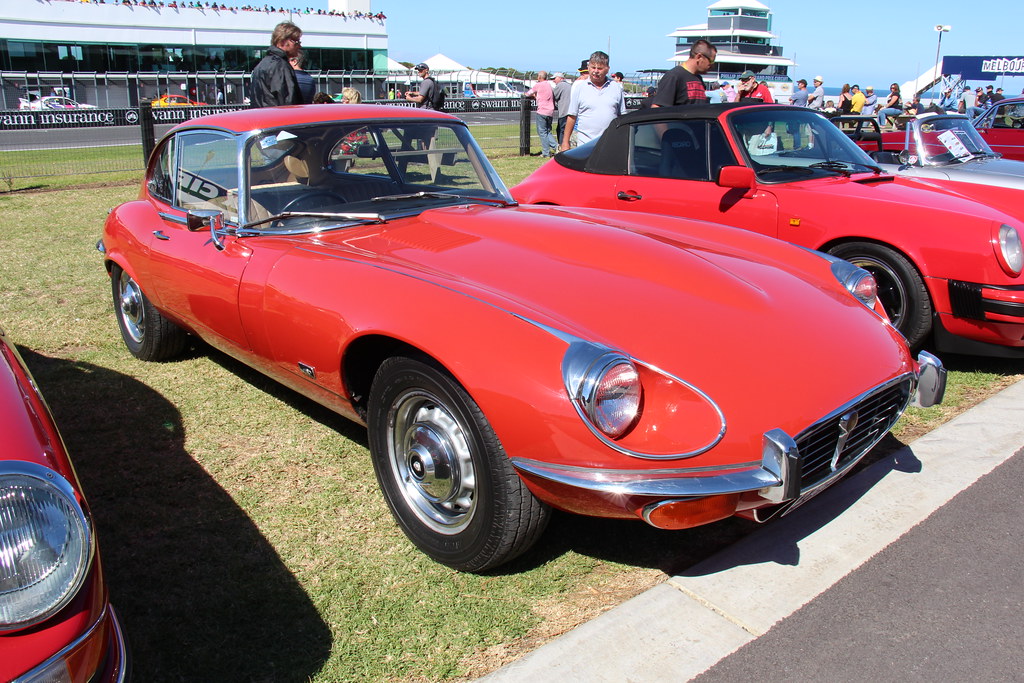
2. **Jaguar E-Type Series III**The Jaguar E-Type, particularly its early iterations, is widely regarded as one of the most beautiful cars ever made, a true masterpiece of British automotive design. Its sleek lines and elegant proportions make it a perennial favorite among enthusiasts. The Series III, with its larger V12 engine and more comfortable touring capabilities, might appear to be a more practical and accessible entry point into E-Type ownership.
While the Series III certainly retains the E-Type’s stunning visual appeal, the V12 models come with a formidable reputation for unreliability. The complex V12 engine, though powerful, is a nightmare to maintain, requiring intricate knowledge and specialized tools. Sourcing parts for this engine can be an incredibly expensive and time-consuming ordeal, with many components being rare and highly priced.
Owners often face a litany of electrical problems, cooling system failures, and intricate carburetion issues that demand constant attention and costly repairs. For collectors seeking a sound investment, the financial outlay for restoring a Series III E-Type often far outstrips its potential resale value, making it a vehicle better admired from afar than owned as a hands-on project.
Car Model Information: 1970 Jaguar E-Type
Sp: uk
Name: Jaguar E-Type
Caption: 1961 E-Type Series 1 3.8-Litre, the first production model of this open two-seater
Aka: Jaguar XK-E (North America),Jaguar V-12
Manufacturer: Jaguar Cars
Production: 1961–1974
Class: Sports car
Predecessor: Jaguar XK150
Related: Jaguar D-Type,Jaguar XJ13
Successor: Jaguar XJS
Layout: FMR layout
Assembly: Coventry,England
Designer: Malcolm Sayer
Categories: 1970s cars, 2+2 coupés, All Wikipedia articles written in British English, All articles with dead external links, All articles with specifically marked weasel-worded phrases
Summary: The Jaguar E-Type, or the Jaguar XK-E for the North American market, is a British front mid-engined sports car that was manufactured by Jaguar Cars Ltd from 1961 to 1974. Its sleek appearance, advanced technologies, high performance, and competitive pricing established it as an icon. The E-Type’s claimed 150 miles per hour (240 km/h) top speed, sub-7-second 0 to 60 mph (97 km/h) acceleration, largely unitary body construction, front and rear independent suspension with disc brakes, mounted inboard at the rear, and rack-and-pinion steering spurred industry-wide changes.
The E-Type was based on Jaguar’s D-Type racing car, which had won the 24 Hours of Le Mans for three consecutive years beginning in 1955.
The E-Type employed what was, for the early 1960s, a novel design principle, with a front subframe carrying the engine, front suspension and front bodywork bolted directly to the body tub. No ladder frame chassis, as was common at the time, was needed and as such the first cars weighed only 1,315 kg (2,899 lb).
It is rumored that, on its debut on 15 March 1961, Enzo Ferrari called it “the most beautiful car ever made”, but this statement is not fully confirmed. In 2004, Sports Car International magazine placed the E-Type at number one on their list of Top Sports Cars of the 1960s. In March 2008, the Jaguar E-Type ranked first in The Daily Telegraph’s online list of the world’s “100 most beautiful cars” of all time.
Get more information about: Jaguar E-Type
Buying a high-performing used car >>>
Brand: Jaguar Model: E-Type
Price: $68,000 Mileage: 2,402 mi.
Read more about: Beyond the Hype: 14 Classic Cars That Aren’t Worth the Money for Serious Car Enthusiasts

3. **Chevrolet Corvette C4 (1984–1996)**The Chevrolet Corvette C4 marked a significant departure from its predecessors, bringing a more modern, angular design and advanced technologies to the iconic American sports car lineage. In its day, it turned heads and showcased Chevrolet’s commitment to evolving the Corvette brand. Many C4s are now available at relatively affordable prices, tempting those looking for a classic Corvette experience without the hefty price tag of earlier generations.
However, despite its initial appeal, many C4 Corvettes haven’t aged gracefully. The interiors, particularly in earlier models, are often criticized for their cheap plastic components and uninspired design, which contrasts sharply with the car’s exterior dynamism. By today’s standards, the performance, while adequate for its time, is considered mediocre, lacking the raw power and handling sophistication of modern sports cars.
Furthermore, the C4 generation has seen limited appreciation in value compared to other Corvettes, preventing it from truly solidifying its status on collector radars. The electronic systems, cutting-edge for the 1980s and 90s, are now often problematic and expensive to diagnose and repair. The cost of a full restoration, addressing interior degradation, mechanical wear, and potential electrical gremlins, typically far outweighs the car’s market value, rendering it a classic in name only when it comes to restoration viability.
Car Model Information: 2025 Honda Civic Sport
Name: Chevrolet Corvette (C4)
Caption: 1994 Chevrolet Corvette
Manufacturer: Chevrolet
Production: January 3, 1983 – June 20, 1996
ModelYears: 1984–1996
Predecessor: Chevrolet Corvette (C3)
Successor: Chevrolet Corvette (C5)
Class: Sports car
Assembly: Bowling Green, Kentucky
BodyStyle: targa top,Convertible (car)
Layout: Front-engine, rear-wheel-drive layout#FMR
Platform: GM Y platform
Wheelbase: cvt
Length: cvt
Width: cvt
Height: Coupe: {{cvt,46.7,in,mm
Transmission: automatic transmission,Overdrive (mechanics),GM 4L60-E transmission,ZF Friedrichshafen
Engine: {{cvt,350,cuin,L,1,Chevrolet small-block engine (first- and second-generation)#L83
Weight: cvt
Designer: Jerry Palmer
Related: Callaway Cars#C4 (RPO B2K Callaway Twin Turbo Corvette),Callaway Cars#C4 (RPO B2K Callaway Twin Turbo Corvette),Callaway Cars#C4 (RPO B2K Callaway Twin Turbo Corvette),Callaway Cars#C6 (Callaway SuperNatural Corvette),Callaway Cars#C4 (RPO B2K Callaway Twin Turbo Corvette)
Categories: 1990s cars, All articles with dead external links, All articles with unsourced statements, Articles with dead external links from November 2016, Articles with permanently dead external links
Summary: The Chevrolet Corvette (C4) is the fourth generation of the Corvette sports car, produced by American automobile manufacturer Chevrolet from 1983 until 1996. The convertible returned, as did higher performance engines, exemplified by the 375 hp (280 kW) LT5 found in the ZR1. In early March 1990, the ZR1 would set new records for the highest average speed over 24 hours at over 175 mph (282 km/h) and highest average speed over 5,000 miles at over 173 mph (278 km/h). With a completely new chassis, modern sleeker styling, and other improvements to the model, prices rose and sales declined. The last C4 was produced on June 20, 1996.
Get more information about: Chevrolet Corvette (C4)
Buying a high-performing used car >>>
Brand: Chevrolet Model: Corvette C4
Price: $26,881 Mileage: 1,226 mi.
Read more about: Buyer’s Guide: 14 Classic Cars That Are More Pitfall Than Pride, According to Seasoned Automotive Experts

4. **Ford Mustang II (1974–1978)**The Ford Mustang name evokes images of raw American power, sleek lines, and automotive freedom. However, the Mustang II, produced during a turbulent era of fuel crises and tightening emissions regulations, represents a challenging chapter in the marque’s history. It was a smaller, more economical car, a response to changing consumer demands, yet it struggled to capture the spirit of its predecessors.
Often labeled as the “worst Mustang ever,” the Mustang II suffered from the design trends and compromises of the 1970s. Its styling was often described as awkward and uninspired, a far cry from the aggressive, muscular aesthetics that defined the original. Performance was significantly hampered by weak engines, a direct consequence of the era’s focus on fuel efficiency rather than outright power, leaving enthusiasts yearning for more.
For collectors, the Mustang II remains one of the least loved entries in the Mustang family, with little market demand or potential for significant appreciation. The cost of addressing mechanical shortcomings, body integrity, and the general lack of desirability means that restoring a Mustang II is almost always a passion project without financial reward. Most serious collectors tend to pass it by in favor of more iconic and valuable Mustang generations.
Car Model Information: 2025 Honda Civic Sport
Name: Second generation
Caption: Ford Mustang II coupe
Aka: Ford Mustang II , Ford T5 (in Germany)
Class: Pony car,Subcompact car
Production: 1973–1978
ModelYears: 1974–1978
Predecessor: Ford Mustang (first generation)
Successor: Ford Mustang (third generation)
Assembly: Unbulleted list
Layout: Front-engine, rear-wheel-drive layout
BodyStyle: coupé,hatchback
Related: Ford Pinto,Ford Pinto
Manufacturer: Ford Motor Company
Engine: ubl
Transmission: ubl
Wheelbase: cvt
Length: cvt
Width: cvt
Height: cvt
Designer: Buck Mook, Dick Nesbitt
Categories: All articles with dead external links, All articles with unsourced statements, Articles with dead external links from April 2024, Articles with permanently dead external links, Articles with short description
Summary: The second-generation Ford Mustang, marketed as the Ford Mustang II, is a two- or three-door, four-passenger, front-engine/rear-drive pony car manufactured and marketed by Ford from 1973 until 1978. Introduced in September 1973 for the 1974 model year, the Mustang II arrived roughly coincident with the oil embargo of 1973 and subsequent fuel shortages. Developed under Lee Iacocca, it was an “entirely new kind of pony car.” Ford “decided to call it Mustang II, since it was a new type of pony car designed for an era of high gas prices and fuel shortages.”
The Mustang II was 490 lb (222 kg) lighter and almost 19 in (483 mm) shorter than the 1973 Mustang, and derived from the subcompact Pinto platform. While sharing a limited number of driveline components with the Pinto, the Mustang II employed an exclusive subframe, isolating its front suspension and engine mount subframe. The steering used a rack-and-pinion design.
Named Motor Trend’s 1974 Car of the Year and reaching over 1.1 million sales over four years of production, the Mustang II is noted simultaneously for both its marketing prescience and strong sales – while criticized as having abandoned essential aspects of the Mustang heritage and described, in a retrospective after 40 years since its introduction, as embodying the Malaise era.
Get more information about: Ford Mustang (second generation)
Buying a high-performing used car >>>
Brand: Ford Model: Mustang II
Price: $26,881 Mileage: 1,226 mi.
Read more about: Beyond the Hype: 14 Classic Cars That Aren’t Worth the Money for Serious Car Enthusiasts
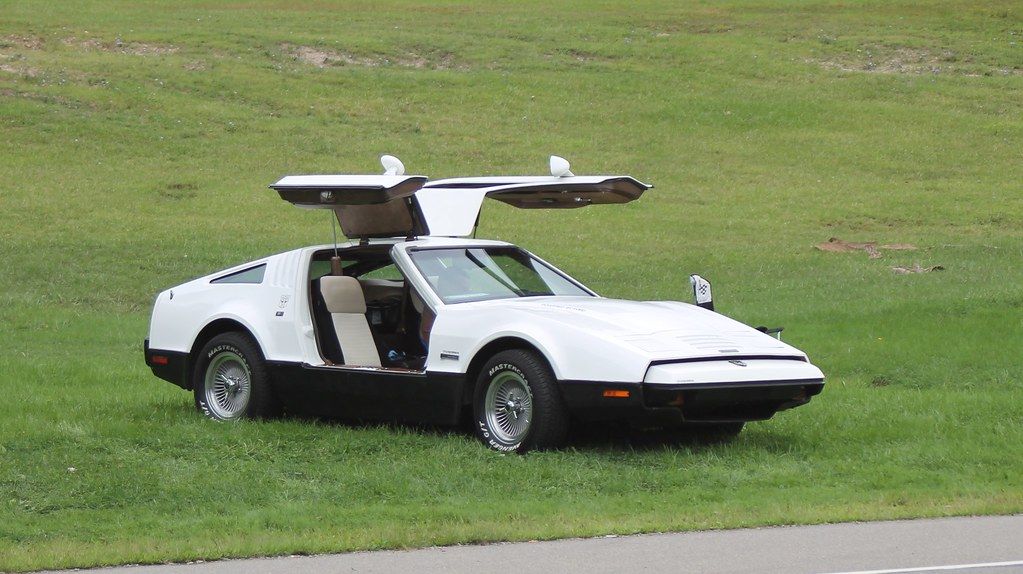
5. **Bricklin SV-1**The Bricklin SV-1 stands as a unique and ambitious chapter in automotive history, conceived as a “safety vehicle” with striking gull-wing doors and an exotic, wedge-shaped silhouette. This Canadian oddity promised futuristic safety features and a distinctive driving experience, aiming to carve out its own niche in the sports car market. Its rarity and unusual design might intrigue collectors looking for something truly different.
However, the SV-1’s bold aspirations were ultimately overshadowed by its significant flaws. The car was plagued by severe quality control issues from the outset, leading to numerous reliability problems and manufacturing inconsistencies. The hydraulically operated gull-wing doors, while visually impressive, were notoriously heavy, slow, and prone to mechanical failure, often becoming a source of frustration for owners.
Limited production numbers, coupled with financial difficulties for the company, meant that the Bricklin SV-1 became more of a cautionary tale in automotive entrepreneurship than a collector’s dream. Sourcing replacement parts is incredibly difficult and expensive due to its bespoke nature and low production volume. The sheer effort and cost required to restore an SV-1 to a reliable, presentable condition far exceed any potential market value, cementing its status as a historical curiosity rather than a sound restoration investment.
Car Model Information: 1975 Bricklin SV-1
Name: Bricklin SV-1
Manufacturer: Bricklin Canada Ltd.,General Vehicles Inc.
Production: 1974–1976
ModelYears: 1974–1976
Assembly: Saint John, New Brunswick
Designer: Marshall Hobart,Herb Grasse
Class: Sports car
BodyStyle: hatchback
Layout: Front-engine, rear-wheel-drive layout
Engine: ubl ,AMC V8 engine#360
Transmission: ubl
Wheelbase: cvt
Length: cvt
Width: cvt
Height: cvt
Weight: cvt
Sp: us
Doors: Gull-wing doors
Categories: Articles with short description, Automobiles with gull-wing doors, CS1: long volume value, Cars introduced in 1974, Cars of Canada
Summary: The Bricklin SV-1 is a two-seat sports car produced by American businessman Malcolm Bricklin and his manufacturing company from 1974 until early 1976. The car was noteworthy for its gull-wing doors and composite bodywork of color-impregnated acrylic resin bonded to fiberglass. Assembly took place in Saint John, New Brunswick, Canada. The name SV-1 is an abbreviation of “safety vehicle one”. Bricklin company literature uses both the SV-1 and SV1 formats. To promote the car’s safety bona fides, the company touted such features as its integrated roll-over structure and energy-absorbing bumpers.
Get more information about: Bricklin SV-1
Buying a high-performing used car >>>
Brand: Bricklin Model: SV-1
Price: $36,485 Mileage: 34,002 mi.
Read more about: Beyond the Hype: 15 Classic Cars That Will Break Your Heart (and Wallet) – A Jalopnik Guide for Enthusiasts
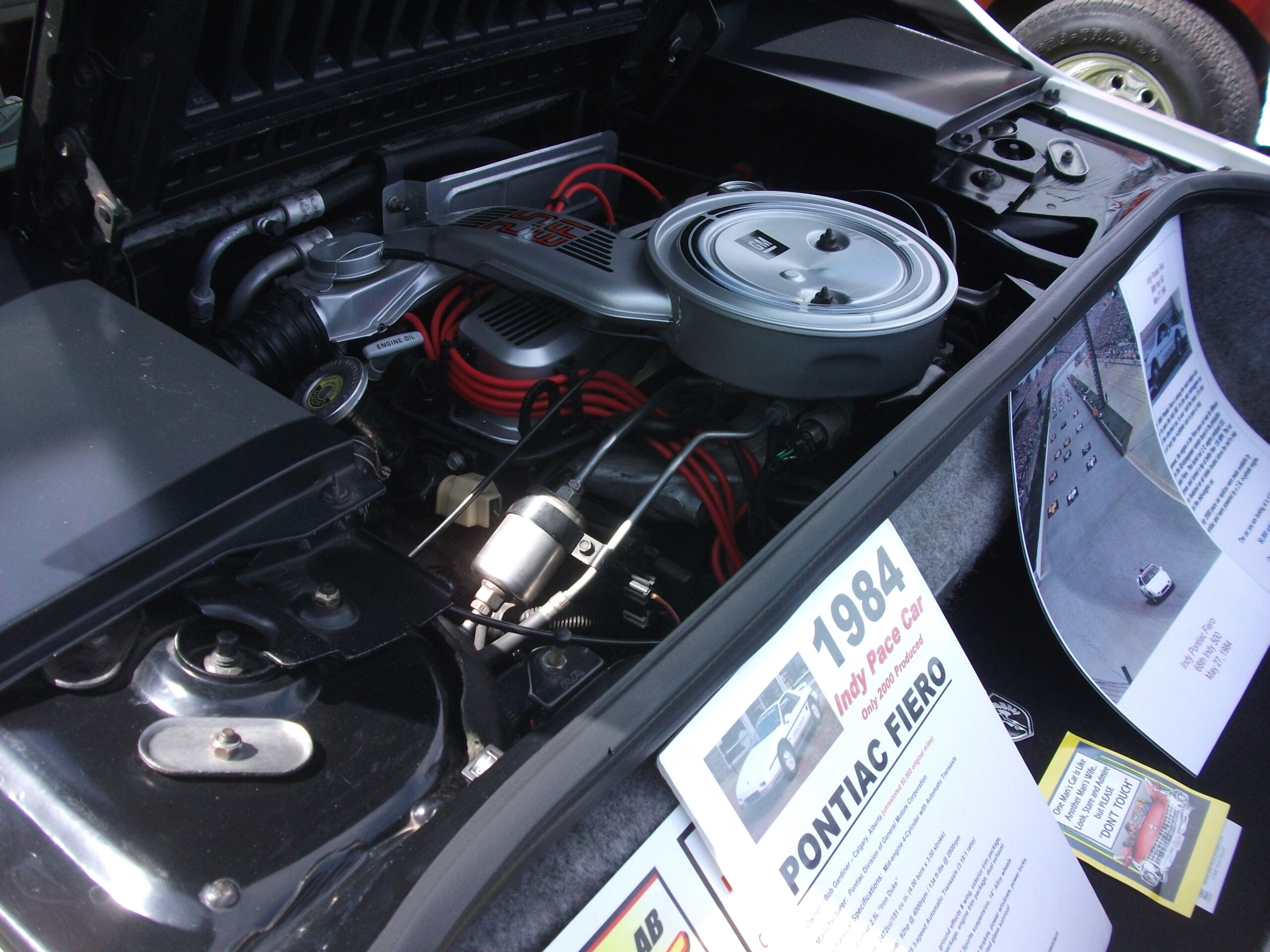
6. **Pontiac Fiero**Pontiac’s Fiero was a bold experiment for General Motors: an affordable, mid-engine sports car designed to deliver exotic looks and engaging driving dynamics to a wider audience. Its sleek, compact design and unique layout generated significant excitement upon its introduction. For a time, it represented an innovative attempt to bring European sports car styling and performance principles to the American market.
Unfortunately, the Fiero’s ambition was often undermined by a range of serious reliability issues and poor build quality, particularly in its early models. Perhaps most infamously, it gained a reputation for catching fire due to design flaws related to the engine’s cooling and oil systems. This safety concern severely damaged its image and long-term appeal among potential buyers and collectors alike.
While later models saw improvements, the damage to its reputation was done. Restoring a Fiero involves confronting these inherent reliability challenges, sourcing potentially difficult-to-find components, and investing heavily in rectifying fundamental design shortcomings. Despite its cool concept and loyal following, the financial and mechanical hassle of a full restoration means that a Fiero project is rarely worth the effort for those seeking a tangible return or a truly trouble-free classic car experience.
Car Model Information: 1986 Pontiac Fiero SPORT GT
Name: Pontiac Fiero
Caption: 1988 Fiero Formula
Manufacturer: Pontiac (automobile)
Production: August 1983 – August 16, 1988,370,168 produced
ModelYears: 1984 – 1988
Successor: Pontiac Solstice
Assembly: Pontiac, Michigan
Designer: Hulki Aldikacti,George Milidrag
Class: Sports car
BodyStyle: fastback,notchback
Platform: GM P platform
Layout: Rear mid-engine, rear-wheel-drive layout
Engine: {{cvt,151,CID,L,1,disp=flip,Iron Duke engine#LR8,Inline-four engine
Transmission: Turbo-Hydramatic 125,Manual transmission,Getrag 282 transmission,Isuzu
Wheelbase: 2373 mm
Abbr: on
Length: 4072 mm
Width: 1750 mm
Height: 1191 mm
Weight: 1116 to
Categories: All articles with unsourced statements, Articles with short description, Articles with unsourced statements from February 2012, Articles with unsourced statements from July 2024, Articles with unsourced statements from September 2011
Summary: The Pontiac Fiero is a rear mid-engine, light sports car manufactured and marketed by Pontiac for model years 1984 – 1988. Intended as an economical commuter car with modest performance aspirations, it was Pontiac’s first two-seater since their 1926 to 1938 coupes, and the first mass-produced, rear mid-engine car by any American manufacturer.
In addition to using 4- and 6-cylinder engines to help Pontiac meet America’s ‘CAFE’ average fuel economy requirements, the Fiero’s chassis and structure technology used non-load-bearing, composite body-panels, contributing to the car’s light-weight and its unique selling proposition. Pontiac engineers modified the design over its life to enhance its performance and reposition the two-seater closer to the implications of its sporty configuration.
The Fiero 2M4 (two-seat, mid-engine, four-cylinder) placed on Car and Driver magazine’s Ten Best list for 1984, and was the Official Pace Car of the Indianapolis 500 for 1984.
A total of 370,168 Fieros were manufactured over five years’ production, its mild performance, reliability and safety issues becoming points of criticism. The Fiero was discontinued after annual sales fell steadily.
Get more information about: Pontiac Fiero
Buying a high-performing used car >>>
Brand: Pontiac Model: Fiero
Price: $11,990 Mileage: 98,558 mi.
Read more about: America’s Automotive Lowlights: A Deep Dive into the Absolute Worst Cars Ever to Roll Off the Production Line
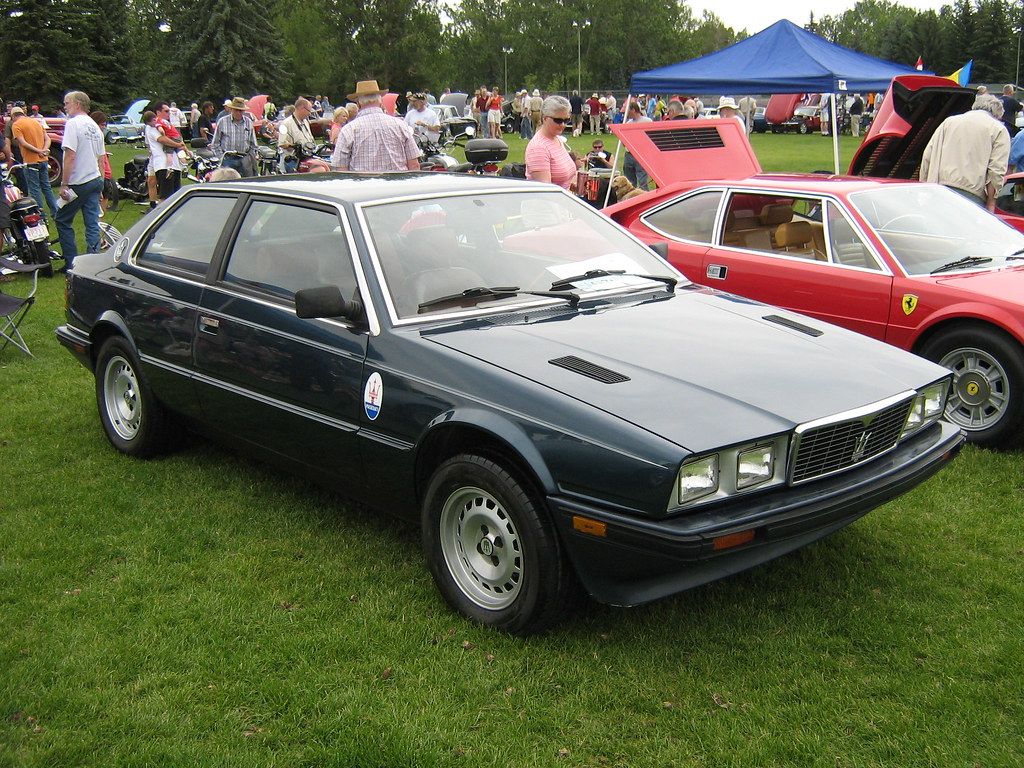
7. **Maserati Biturbo**The Maserati Biturbo aimed to be a more accessible, mass-produced luxury sports coupe that still carried the prestigious trident badge. It was designed to offer sophisticated Italian styling and impressive performance, with twin-turbocharged engines providing potent acceleration. In concept, it promised an intoxicating blend of speed, luxury, and exclusivity at a more approachable price point than its more exotic Maserati siblings.
However, the Biturbo quickly earned a reputation for being fast but remarkably fragile. These cars were plagued by a litany of mechanical and electrical problems, making them incredibly unreliable and prone to expensive failures. The complex twin-turbo system, along with intricate electronics and often questionable build quality, meant constant maintenance was not just recommended, but an absolute necessity for survival.
Today, even many seasoned collectors and Maserati enthusiasts actively avoid the Biturbo due to the astronomical costs associated with bringing one back to a reliable, roadworthy state. Sourcing specialty parts can be a global scavenger hunt, and the labor involved in diagnosing and repairing its myriad issues is incredibly intensive. A full restoration project on a Maserati Biturbo is almost guaranteed to result in a financial loss, solidifying its place as a beautiful but ultimately unviable classic car investment.
Following our examination of some notoriously problematic collector cars, we now turn our attention to another group of vehicles that, while perhaps less frequently discussed in elite collector circles, present equally significant financial and practical challenges when it comes to restoration. These are the cars that, despite their unique place in automotive history or initial market positioning, have proven to be more of a burden than a blessing for those hoping to bring them back to their former glory. Our goal remains to provide thorough, data-driven insights to help enthusiasts make informed decisions in the complex world of classic car ownership.
Car Model Information: 1985 Maserati Biturbo Base
Name: Maserati Biturbo
Caption: Maserati Biturbo E
Manufacturer: Maserati
Production: 1981–1994
Assembly: Modena,Rho, Lombardy
Related: Maserati Shamal,Maserati Ghibli#Ghibli (AM336),Maserati Barchetta,Maserati Quattroporte#Quattroporte IV,Maserati Karif
Designer: Pierangelo Andreani (1977),Marcello Gandini,Zagato
Class: Grand tourer
BodyStyle: 2+2 (car body style),coupé,sedan (car),Cabriolet (automobile)
Layout: Front-engine, rear-wheel-drive layout
Engine: twin-turbocharged,2.5 L twin-turbocharged 90° V6,2.8 L twin-turbocharged 90° V6
Transmission: ZF Friedrichshafen,Automatic transmission,ZF Friedrichshafen
Wheelbase: {{convert,2,514,mm,in,1,abbr=on
Length: {{convert,4,150,mm,in,1,abbr=on
Abbr: on (228)
Width: {{convert,1,710,mm,in,1,abbr=on
Height: {{convert,1,310,mm,in,1,abbr=on
Successor: Maserati Ghibli#Ghibli (AM336),Maserati Quattroporte#Quattroporte IV
Sp: uk
Categories: 1990s cars, All articles needing additional references, All articles with unsourced statements, Articles needing additional references from November 2019, Articles needing additional references from October 2010
Summary: The Maserati Biturbo is a family of executive grand tourers produced by Italian automobile manufacturer Maserati between 1981 and 1994. The original Biturbo was a two-door, four-seater notchback coupé (of somewhat smaller dimensions than the BMW 3 Series of the time) featuring, as the name implies, a two-litre V6 engine with two turbochargers and a luxurious interior.
The car was designed by Pierangelo Andreani, Chief of Centro Stile Maserati up to 1981, somewhat influenced by the design of the then recent Quattroporte III (penned by Italdesign Giugiaro).
All Maserati models introduced from the Biturbo’s inception in 1981, until 1997, were based on variants of the original Biturbo architecture, including the later grand tourers like the Shamal and Ghibli II, as well as the 1994 fourth generation Quattroporte, which used an evolved and slightly stretched (to 2.65 m / 104.3 in wheelbase) Biturbo Saloon platform.
The Barchetta, while of a different layout entirely, used an ultimate version of the Biturbo V6 engine.
Get more information about: Maserati Biturbo
Buying a high-performing used car >>>
Brand: Maserati Model: Biturbo
Price: $13,899 Mileage: 18,319 mi.
Read more about: Beyond the Hype: 14 Classic Cars That Aren’t Worth the Money for Serious Car Enthusiasts
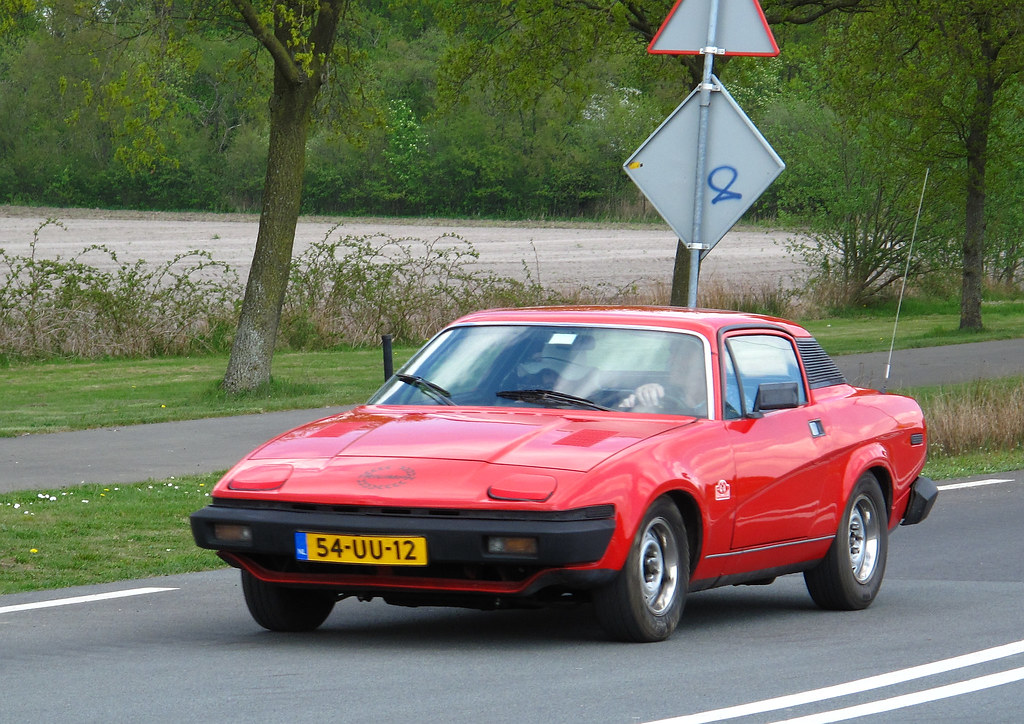
8. **Triumph TR7**Often remembered by its marketing tagline, “the shape of things to come,” the Triumph TR7 was an ambitious attempt by British Leyland to create a modern sports car for a new era. Its distinctive wedge shape was certainly a departure from traditional British roadster aesthetics, aiming to capture a contemporary market. Many enthusiasts might be drawn to its unique styling and the idea of owning a piece of British sports car heritage at a relatively low entry price.
However, the TR7 quickly earned a reputation for being a significant disappointment, largely due to a litany of reliability issues that plagued its production. Electrical gremlins were a common complaint, turning simple drives into frustrating troubleshooting sessions. Furthermore, like many British cars of its era, the TR7 was highly susceptible to rust, particularly in critical structural areas, making body restoration a major undertaking.
Beneath its unconventional exterior, the TR7 also delivered underwhelming performance, especially when compared to its more celebrated predecessors or contemporaries. The engine, while adequate, failed to inspire the kind of driving excitement enthusiasts expected from a Triumph sports car. For these reasons, the TR7 has struggled to garner the same nostalgic affection and market appreciation as other British classics, making a comprehensive restoration a financially risky endeavor with little promise of return.
Investing in a TR7 restoration project often means confronting these deeply embedded issues, which can quickly inflate costs far beyond the car’s potential resale value. Parts availability for its unique components can be challenging, and the labor required to rectify its inherent flaws is substantial. For collectors seeking a sound investment or a trouble-free classic, the TR7 frequently proves to be a project that demands more than it delivers.
Car Model Information: 1981 Triumph TR7
Sp: uk
Name: Triumph TR7
Caption: 1975 Triumph TR7
Production: unbulleted list
Manufacturer: Triumph Motor Company
Class: Sports car
Layout: FR layout
Predecessor: Triumph TR6
Transmission: unbulleted list
Related: Triumph TR8
Engine: unbulleted list
Abbr: on (coupé)
BodyStyle: unbulleted list
Wheelbase: 85 in
Length: 160 in
Width: 66.2 in
Weight: 1101 kg
Order: flip (coupé)
Height: 50 in
Assembly: unbulleted list
Designer: Harris Mann
Categories: 1980s cars, All Wikipedia articles written in British English, All articles with unsourced statements, Articles tagged with the inline citation overkill template from January 2024, Articles with short description
Summary: The Triumph TR7 is a sports car that was manufactured in the United Kingdom from September 1974 to October 1981 by British Leyland Motor Corporation (BLMC), which changed its name to British Leyland (BL) in 1975. The car was launched in the United States in January 1975, with its UK home market debut in May 1976. The UK launch was delayed at least twice because of high demand for the vehicle in the US, with final sales of new TR7s continuing into 1982.
It was initially produced at the Speke, Liverpool, factory, moving to Canley, Coventry, in 1978 and then finally to the Rover Solihull plant in 1980.
Get more information about: Triumph TR7
Buying a high-performing used car >>>
Brand: Triumph Model: TR7
Price: $12,000 Mileage: 83,693 mi.
Read more about: More Bark Than Bite: 14 Classic Cars That Didn’t Quite Live Up to Their Legendary Looks
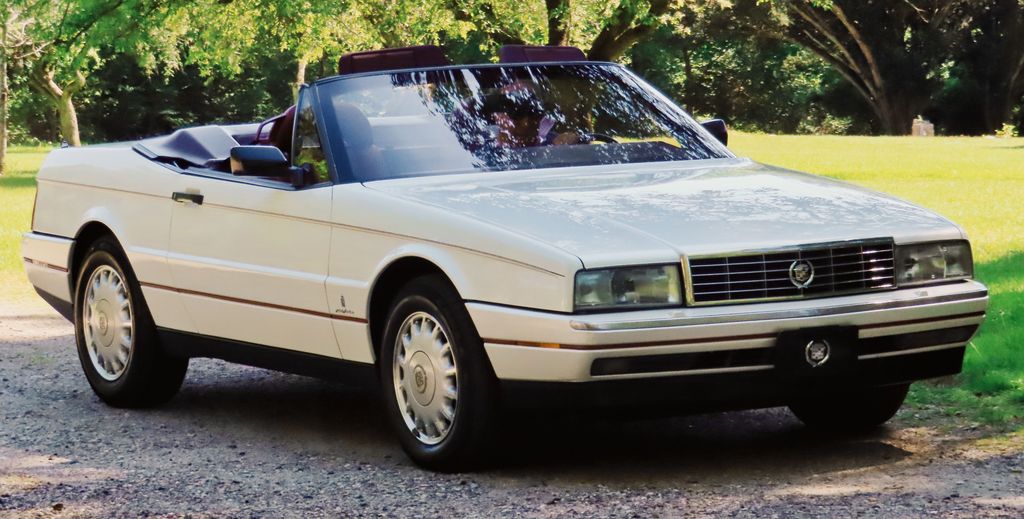
9. **Cadillac Allanté**The Cadillac Allanté was a bold and luxurious two-seater roadster, born from an ambitious transatlantic collaboration between General Motors and Pininfarina, with bodies famously flown from Italy to Detroit for final assembly. This unique production method, coupled with its high price tag, positioned the Allanté as a direct competitor to European luxury convertibles of its time, aiming to elevate Cadillac’s image with sophisticated styling and exclusivity.
Despite its grand aspirations and striking design, the Allanté ultimately failed to deliver a performance experience that matched its premium pricing and exotic manufacturing process. Its engine, while smooth, often felt underpowered when pitted against rivals from Mercedes-Benz or BMW, leaving many owners and critics feeling that it lacked the engaging driving dynamics expected from a high-end roadster. This disparity between price, promise, and actual performance significantly hindered its long-term appeal.
Over the years, the Allanté has largely aged without gaining significant charm or value in the collector market. Its complex electronic systems, cutting-edge for the late 1980s and early 1990s, have become notoriously difficult and expensive to maintain or repair today. The intricate nature of its unique components, combined with its limited production, means sourcing replacement parts can be a costly and time-consuming challenge.
Consequently, restoring a Cadillac Allanté to a pristine, reliable condition typically involves a financial outlay that far surpasses its current market value. While it stands as an interesting footnote in Cadillac’s history of innovation, it remains more of a curiosity than a truly coveted collectible. Prospective restorers should carefully weigh the considerable investment against the limited potential for appreciation or even recouping costs.
Read more about: A Loan Shark on Tires: 11 Convertibles Owners Say Are Impossible to Resell Without a Loss
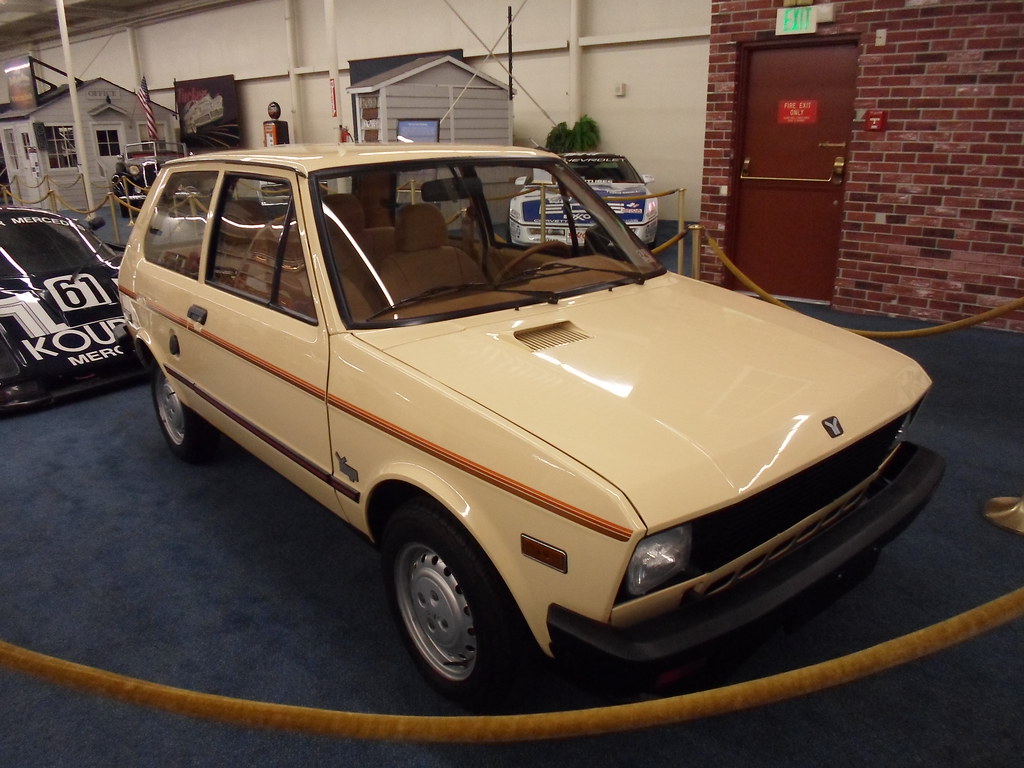
10. **Yugo GV**The Yugo GV entered the American market in the mid-1980s with one primary selling point: an incredibly low price tag, making it the cheapest new car available. Manufactured in Yugoslavia, it was marketed as an economical, no-frills option for budget-conscious buyers, and for a brief period, it captured attention purely for its affordability and novelty as an Eastern Bloc import.
However, the Yugo’s allure quickly faded as its reputation for terrible reliability and laughable build quality became widely known. Owners frequently reported a litany of mechanical failures, electrical issues, and overall shoddy construction that made the car notoriously frustrating to own. Its performance was meager, and its safety standards were questionable even for the era, cementing its status as a running joke among car enthusiasts and the general public alike.
Today, the Yugo GV holds virtually no appeal as a serious collector car. Its inherent lack of quality, combined with an absence of performance or historical significance beyond being a budget curiosity, means that any restoration effort is almost entirely without financial merit. Sourcing even basic parts can be a challenge, and the underlying design flaws are pervasive and costly to address.
For those considering a Yugo, the only plausible reason to “collect” one might be for irony or as a unique conversation piece, rather than as a vehicle intended for a serious restoration. The cost of bringing a Yugo to a reliable, presentable state would far exceed any conceivable market value, solidifying its place as a vehicle best left undisturbed by the serious restorer.
Read more about: Engineering Flaws and Fateful Journeys: Unpacking the Most Dangerous Cars of All Time
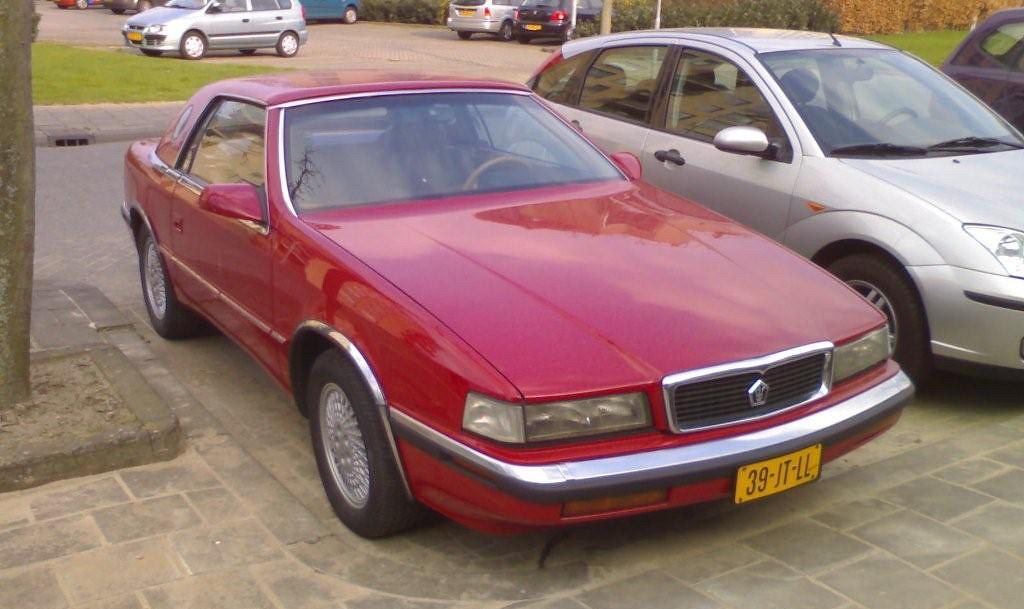
11. **Chrysler TC by Maserati**The Chrysler TC by Maserati was an ambitious, if ultimately confused, attempt to blend American manufacturing with Italian luxury and design. Conceived during the collaboration between Chrysler’s Lee Iacocca and Maserati’s Alejandro de Tomaso, this two-seater convertible aimed to offer European prestige and elegance at a premium price. Its unique cross-continental genesis made it a curiosity in the automotive world.
However, the execution of the TC by Maserati was met with widespread skepticism and criticism. Despite its Italian lineage, the car shared many components with more humble Chrysler models like the LeBaron, which undermined its exclusive image and perceived value. Performance was mediocre, failing to live up to the Maserati badge, and its styling, while distinct, didn’t universally resonate as genuinely luxurious or aesthetically groundbreaking. The high price tag for what many perceived as a re-bodied K-car only exacerbated these issues.
For collectors today, the Chrysler TC by Maserati presents a challenging proposition. Its confused branding and lack of a strong identity have prevented it from appreciating significantly in value. While parts related to its Chrysler underpinnings are generally accessible, specialized Maserati components are rare and expensive. The effort and cost required to restore this car, addressing both its mechanical and aesthetic shortcomings, rarely yield a worthwhile return on investment.
Therefore, those contemplating a TC by Maserati restoration should proceed with extreme caution. The vehicle offers little in the way of financial appreciation or a truly distinct driving experience that justifies extensive refurbishment. It remains a historical oddity, a testament to a brief, ill-fated collaboration rather than a coveted classic.
Car Model Information: 2025 Honda Civic Sport
Name: Chrysler TC by Maserati
Manufacturer: Maserati,Chrysler (division)
Production: 1988–1990
ModelYears: 1989–1991
Class: Grand tourer
Layout: Front-engine, front-wheel-drive layout
Predecessor: Imperial (automobile)#Sixth generation (1981–1983)
Successor: Chrysler Crossfire
Platform: Chrysler Q platform
BodyStyle: convertible
Engine: Chrysler 2.2 & 2.5 engine#Turbo II,Chrysler 2.2 & 2.5 engine#TC,Mitsubishi 6G7 engine#6G72
Transmission: manual transmission,TorqueFlite,Ultradrive
Weight: 3033 lb
Abbr: on
Wheelbase: 93.3 in
Length: 175.8 in
Width: 68.5 in
Height: 51.9 in
Assembly: Torino,Sparone,Milan
Categories: 1990s cars, All articles with unsourced statements, Articles with short description, Articles with unsourced statements from August 2025, Articles with unsourced statements from March 2021
Summary: The Chrysler TC by Maserati is a two-passenger, two-door convertible jointly developed by Chrysler and Maserati. Introduced at the 1986 Los Angeles Auto Show., the TC was positioned as a grand tourer using a “Q” body on a modified second-generation Chrysler K platform. After two years of development delays, the TC became available in late-1988 and a total of 7,300 units (the minimum required under the contract) were manufactured in Milan, Italy, through 1990. All cars sold as 1991 models were manufactured in 1990.
Get more information about: Chrysler TC by Maserati
Buying a high-performing used car >>>
Brand: Chrysler Model: TC by Maserati
Price: $26,881 Mileage: 1,226 mi.
Read more about: Avoid the Debt: 9 Trucks You Absolutely Should Not Finance in 2026 According to Resale Data

12. **Ford Thunderbird (1989–1997)**The Ford Thunderbird, particularly its tenth generation produced from 1989 to 1997, represents a period where the iconic personal luxury car struggled to define its identity. While it offered a more aerodynamic design and a return to rear-wheel drive, aiming for a sportier image than its immediate predecessors, it ultimately failed to recapture the magic and distinct appeal of earlier Thunderbird generations.
These later T-Bird models were often criticized for their bland styling and uninspired performance. While competent vehicles for daily driving, they lacked the distinctive flair and powerful presence that made the 1950s and 1960s Thunderbirds so beloved and collectible. The engineering, though solid for its time, didn’t offer any groundbreaking innovations that would secure its place in automotive history or enthusiast hearts.
As a result, the 1989-1997 Thunderbird has generated very limited interest among serious collectors. Compared to the revered classic T-Birds, these models simply do not spark the same passion or command significant market value. Their widespread availability and relatively recent production further diminish any sense of rarity or exclusivity that often drives collector demand.
Attempting a full, high-cost restoration on one of these later Thunderbirds is highly unlikely to yield a positive financial return. The investment in labor, parts, and specialized repairs would almost certainly exceed the car’s market worth, making it a restoration project best avoided by those seeking value or appreciation. It remains a functional used car, but not a collectible worthy of significant restoration effort.
Car Model Information: 2003 Ford Thunderbird
Name: Ford Thunderbird
Caption: 1957 Thunderbird
Manufacturer: Ford Motor Company
Production: unbulleted list
ModelYears: unbulleted list
Class: unbulleted list
Layout: Front-engine, rear-wheel drive layout
Categories: 1960s cars, 1970s cars, 1980s cars, 1990s cars, 2000s cars
Summary: The Ford Thunderbird is a personal luxury car manufactured and marketed by Ford Motor Company for model years 1955 to 2005, with a hiatus from 1998 to 2001.
Ultimately gaining a broadly used colloquial nickname, the T-Bird, the model was introduced as a two-seat convertible, subsequently offered variously in a host of body styles including as a four-seat hardtop coupe, four-seat convertible, five-seat convertible and hardtop, four-door pillared hardtop sedan, six-passenger hardtop coupe, and five-passenger pillared coupe, before returning in its final generation, again as a two-seat convertible.
At its inception, Ford targeted the two-seat Thunderbird as an upscale model. The 1958 model year design introduced a rear seat and arguably marked the expansion of a market segment that came to be known as personal luxury cars, positioned to emphasize comfort and convenience over handling and high-speed performance.
Get more information about: Ford Thunderbird
Buying a high-performing used car >>>
Brand: Ford Model: Thunderbird
Price: $13,900 Mileage: 49,430 mi.
Read more about: Buyer’s Guide: 14 Classic Cars That Are More Pitfall Than Pride, According to Seasoned Automotive Experts
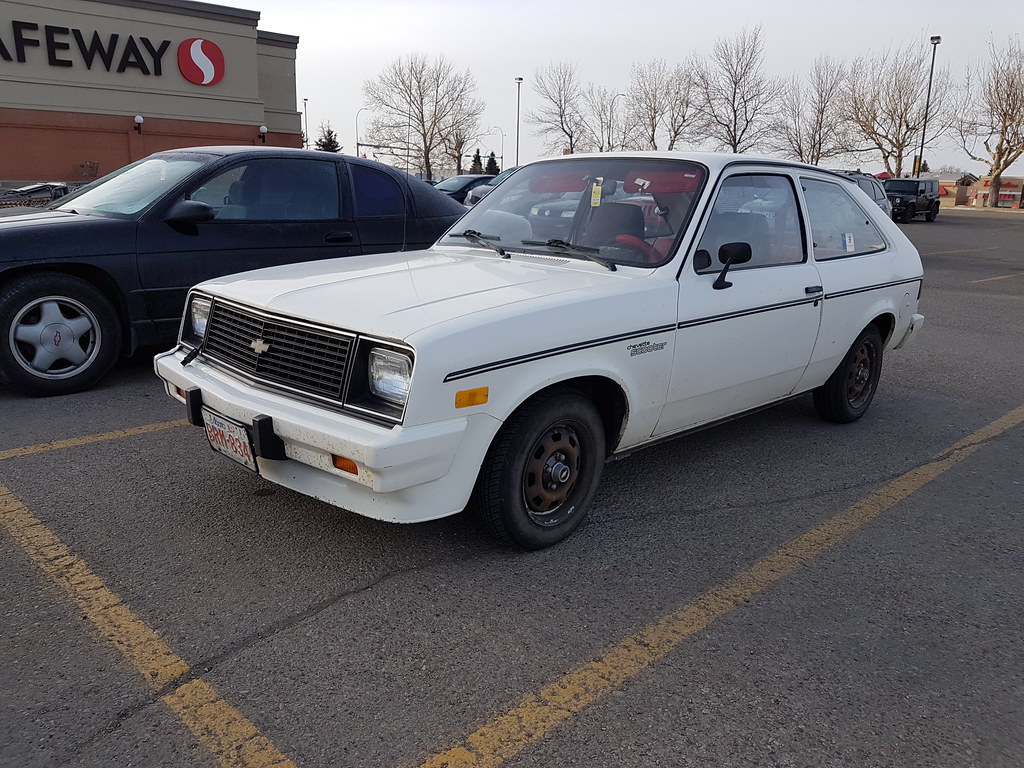
13. **Chevrolet Chevette**The Chevrolet Chevette, introduced during the economic challenges of the 1970s, was designed primarily as a cheap, practical economy car aimed at fuel efficiency and affordability. It represented GM’s answer to the growing demand for smaller, more economical vehicles, prioritizing basic transportation over performance or luxury. Its utilitarian purpose was clear from its straightforward design and modest features.
Crucially, the Chevette was never engineered or marketed to inspire excitement, let alone to become a future collectible. Its driving dynamics were unremarkable, its engine was modest, and its interior was basic, reflecting its position as an entry-level commuter car. Time has done little to enhance its appeal, as it remains a symbol of basic, uninspired automotive design and performance.
For collectors, the Chevrolet Chevette holds virtually no intrinsic value beyond historical curiosity regarding the era of its production. There is minimal demand in the classic car market for these vehicles, and their widespread availability means they are far from rare. Any attempt at a full restoration would involve significant expense without the promise of a return on investment or even a substantial increase in its perceived value.
The cost of addressing typical issues like rust, mechanical wear, and interior degradation would quickly outstrip the car’s ultimate worth. Therefore, for anyone considering a restoration project, the Chevette stands as a prime example of a vehicle whose economic and emotional returns are simply not there. It is a car that served its purpose efficiently but has not transitioned into a desirable classic.
Read more about: Remember These? 17 Cars That Went From Cool to Cringe
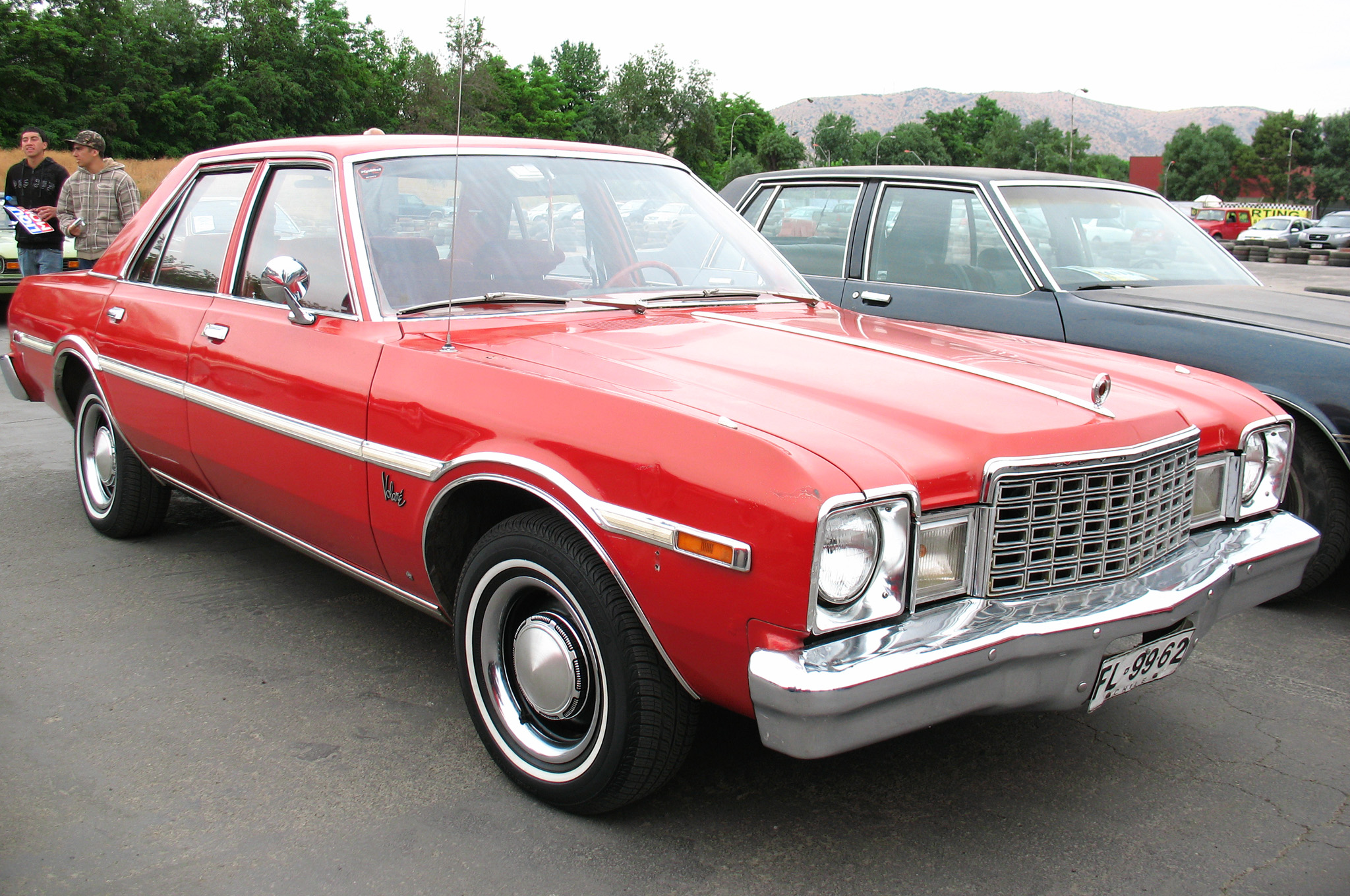
14. **Dodge Aspen/Plymouth Volaré**The Dodge Aspen and Plymouth Volaré, often referred to as platform twins, were introduced in the mid-1970s as Chrysler’s response to the compact car segment. They were initially positioned as stylish, modern family cars, aiming to offer improved fuel economy and contemporary design compared to their predecessors. They promised a new level of sophistication and practicality for the average American family.
However, the Aspen and Volaré quickly became infamous for a slew of significant problems, transforming their legacy from promising family sedans to automotive cautionary tales. They were notoriously prone to severe rust issues, particularly in critical structural areas, which could compromise their integrity. Additionally, a long list of factory recalls for various mechanical and safety defects plagued their early production, severely damaging public trust and reputation.
These inherent reliability problems and persistent quality control issues meant that many of these cars experienced rapid degradation and required extensive, costly repairs even when relatively new. Today, finding an Aspen or Volaré in truly good condition is rare, and restoring one involves confronting these well-documented design flaws and addressing years of potential neglect and corrosion.
For serious collectors, the Aspen and Volaré are largely overlooked. The immense financial burden of rectifying their rust problems, mechanical shortcomings, and electrical quirks far outweighs any potential market value. Their legacy is undeniably more “lemon” than “legend,” making them exceptionally poor candidates for restoration projects and a clear example of cars that are best left to automotive history books rather than expensive refurbishment. The practical advice here is clear: look elsewhere for a rewarding classic car project.
Car Model Information: 1976 Dodge Aspen RT
Caption: Dodge Aspen coupe
Name: Plymouth Volaré / Dodge Aspen
Manufacturer: Chrysler
Production: 1976–1980
ModelYears: 1976–1980
Class: Compact car
Layout: Front-engine, rear-wheel-drive layout
Platform: Chrysler F platform
Assembly: Hamtramck, Michigan
BodyStyle: station wagon,sedan (car),coupe
Engine: {{convert,225,CID,L,1,abbr=on,Chrysler Slant-6 engine
Abbr: on (wagon)
Transmission: manual transmission,TorqueFlite,A998/A999 3-speed TorqueFlite automatic,manual transmission
Predecessor: Plymouth Valiant
Successor: Plymouth Reliant,Dodge 400
Aka: ubl
Wheelbase: {{convert,108.7,in,mm,0,abbr=on
Weight: 3200 lb
Length: {{convert,198.8,in,mm,0,abbr=on
Width: 73.3 in
Height: {{convert,53.3,in,mm,0,abbr=on
Related: Monteverdi Sierra
Categories: All articles needing additional references, All articles with unsourced statements, Articles needing additional references from June 2025, Articles with short description, Articles with unsourced statements from December 2008
Summary: The Dodge Aspen, and its badge-engineered variant, the Plymouth Volaré, are compact rear-drive cars manufactured and marketed by Chrysler for model years 1976-1980 in four-door sedan, two-door coupe, and four-door wagon styles.
During the Volaré/Aspen’s production, North American automakers were actively “downsizing” their lineups, reducing size and weight for improved fuel economy — and the industry was reclassifying its size nomenclature. The Volaré/Aspen were thus classified originally as compact cars, but as intermediate-sized cars by the time their production ended.
The Volaré/Aspen were discontinued following the 1980 model year prior to the introduction of the front-wheel-drive Plymouth Reliant and Dodge Aries, known collectively as K-cars. The end of production also marked the demise of Dodge Main Assembly, which was closed the same day.
Get more information about: Dodge Aspen
Buying a high-performing used car >>>
Brand: Dodge Model: Aspen
Price: $65,000 Mileage: 32,118 mi.
Read more about: Buyer’s Guide: 14 Classic Cars That Are More Pitfall Than Pride, According to Seasoned Automotive Experts
The journey through the world of collectible cars reveals that enthusiasm alone is not always a reliable compass for investment. While the allure of vintage automobiles is strong, an informed approach, backed by thorough research and an understanding of a vehicle’s inherent long-term costs, is paramount. The vehicles we’ve discussed today serve as stark reminders that beauty, nostalgia, or a low initial purchase price can often mask significant financial liabilities. By carefully evaluating reliability, parts availability, and true market demand, collectors can safeguard their resources and avoid the pitfalls of restoring a car that simply isn’t worth the effort. Make your passion an asset, not a burden, by choosing your next classic car project wisely.