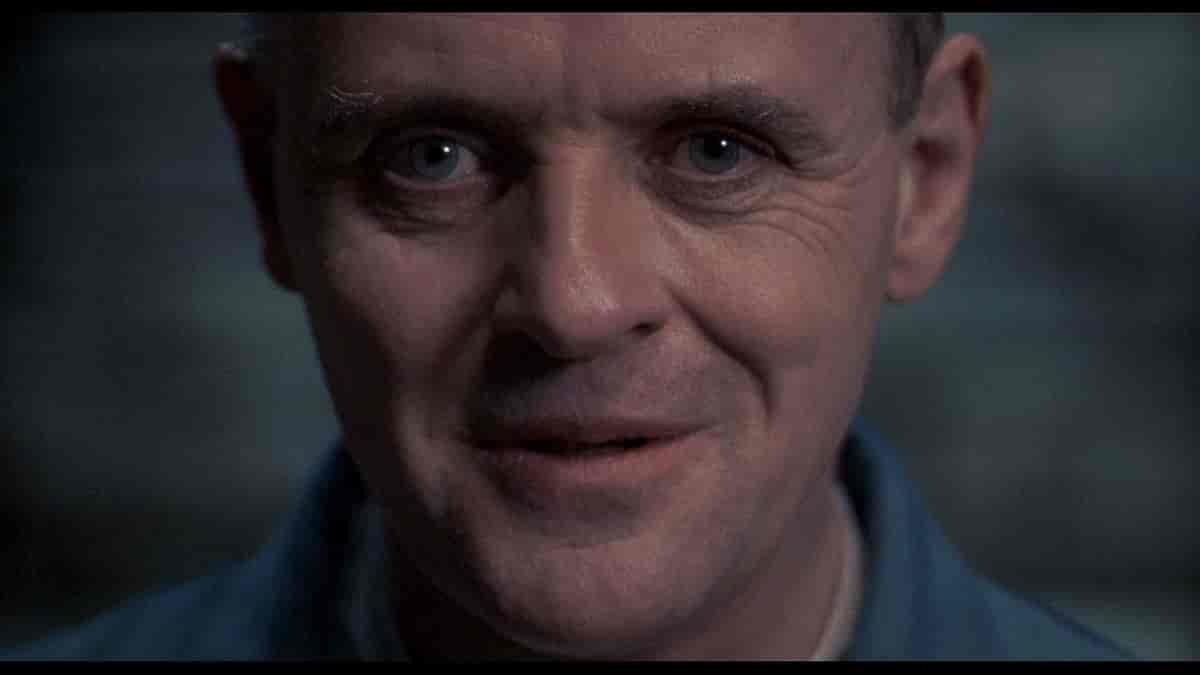
For over 40 years, Dr. Hannibal Lecter has captivated and haunted audiences, cementing his place as one of cinema’s most iconic villains. A character born from the disturbing imagination of author Thomas Harris, Lecter is as charming and educated as he is profoundly psychotic, a cunning serial killer whose ruthless crime spree has unfolded across both the big and small screens. While many films attempt to shock and terrify, very few possess the psychological depth or unsettling concepts to truly challenge a mind as formidable and desensitized as his.
When we consider what might genuinely ‘scare’ someone like Dr. Lecter, we’re not talking about cheap jump scares or conventional monsters. His intellect and unique brand of malevolence mean that true terror for him would likely stem from profound psychological dread, the unraveling of human sanity in unexpected ways, a chaotic evil that defies his structured depravity, or perhaps a chilling reflection of humanity’s darkest, most unpredictable aspects. He respects design, but perhaps the lack of it in pure, unbridled horror could unnerve him.
Today, we embark on an ambitious cinematic journey, exploring a selection of films from the most popular movies right now that, based on their descriptions and critical acclaim, possess the potent narratives and psychological weight to potentially disturb, intrigue, or even ‘scare’ the infamous Dr. Hannibal Lecter. These aren’t just scary movies; they are profound explorations of terror that might just make the good doctor pause.

1. **Good Boy (2025)**Prepare for an experience that transcends typical horror, as “Good Boy” is hailed as an “emotionally devastating horror film that eschews genre conventions to deliver a uniquely haunting and conceptually ambitious experience.” This isn’t just about frights; it’s about a deep, unsettling impact that resonates long after the credits roll. For a mind like Lecter’s, which prides itself on understanding and manipulating human emotion, a film that so effectively devastates on an emotional level could be profoundly disturbing.
The concept of a horror film that actively “eschews genre conventions” would undoubtedly pique Lecter’s intellectual curiosity. He appreciates novelty and sophistication, and a movie that dares to break the mold while still delivering profound horror would be a subject worthy of his meticulous analysis. Its ability to create a “uniquely haunting” atmosphere would provide a different kind of unsettling experience than the controlled chaos he orchestrates.
Furthermore, the idea of a “conceptually ambitious” horror film suggests layers of meaning and thematic depth that go beyond superficial gore. Lecter, a connoisseur of the human psyche, would find the intricate tapestry of its horror fascinating. It’s not just about what it shows, but what it *implies* about the human condition and the nature of fear itself, offering a challenge to his own understanding of terror.
This film’s capacity for “emotional devastation” points to a horror that targets the core of human vulnerability. While Lecter might relish inflicting such pain, witnessing it expertly crafted on screen, perhaps tapping into a universal dread he thought himself immune to, could be a rare, unsettling sensation. It’s a testament to the film’s power that it could stir such a response.
Read more about: Beyond the Headlines: 15 Celebrity Couples Who Prove Real Love Thrives in Hollywood’s Spotlight

2. **Weapons (2025)**Zach Cregger’s “Weapons” is not merely a horror film; it’s lauded as an “expertly crafted yarn of terrifying mystery and thrilling intrigue,” solidifying his status as a “master of horror.” For Hannibal Lecter, whose brilliance lies in his ability to unravel complex puzzles and outwit even the keenest minds, a truly terrifying mystery would be an intellectual feast. However, the element of terror within that mystery could be what unsettles him.
The promise of “terrifying mystery” suggests a narrative that keeps you guessing, but with profoundly disturbing implications at every turn. Lecter thrives on control and foresight, but a mystery that is genuinely unpredictable and deeply frightening could challenge his composure. The film’s intricate plot and intellectual demands would likely keep him engaged, but the underlying dread would be a constant companion.
Moreover, the description of it as an “expertly crafted yarn” indicates a level of artistry and narrative sophistication that Lecter would respect. He appreciates the finer things in life, including a well-told story, especially one that delves into the darkest aspects of humanity. The “thrilling intrigue” would be a hook, but the terror embedded within that intrigue would make it a truly memorable and potentially unsettling viewing.
Being from a “master of horror,” “Weapons” likely employs nuanced scares and psychological tension rather than relying solely on visceral shocks. This kind of sophisticated terror, one that slowly tightens its grip and explores the human fear of the unknown with precision, is precisely what could penetrate Lecter’s formidable mental defenses and leave him pondering its implications.
Read more about: Did You See That Coming? 13 Films That Defied All Expectations and Rewrote the Script

3. **Bone Lake (2024)**”Bone Lake” plunges viewers into a “supercharged game of survival that yields a thrilling rabbit-hole of intrigue and fun,” all while being “unwavering in its psychological trappings.” This combination of psychological intensity and a brutal fight for survival could present a fascinating, if disturbing, experience for Dr. Lecter. He often places others in games of his own design; seeing a masterfully executed one that is “unwavering” might impress and unnerve him.
The phrase “unwavering in its psychological trappings” is key here. Lecter understands the fragility and manipulability of the human mind better than anyone. A film that delves deep into these psychological complexities, pushing characters to their breaking points in a game of survival, would be a compelling study. It might even reveal new facets of human terror or resilience that he hadn’t fully cataloged in his own grisly experiments.
The “supercharged game of survival” element suggests a relentless struggle against overwhelming odds. While Lecter himself is a survivor, the raw, primal fear and desperation depicted in such a scenario, stripped of his usual control and intellectual distance, could be a stark reminder of the basic human condition he often disdains. The sheer desperation of the characters could be palpable.
“Bone Lake”‘s blend of “intrigue and fun” (albeit dark fun) implies a narrative that is both intellectually engaging and viscerally thrilling. Lecter enjoys intellectual stimulation, but the raw terror and relentless pressure of a fight for survival, especially one so psychologically astute, could present an unsettling mirror to his own calculated cruelties, making him appreciate its dark artistry.
Read more about: Did You See That Coming? 13 Films That Defied All Expectations and Rewrote the Script

4. **The Long Walk (2025)**From the master storyteller Stephen King, “The Long Walk” offers a “dystopian tale” that creates a “life-or-death ordeal for its characters but a riveting ride for audiences.” For Lecter, a character whose own childhood was marked by profound trauma and survival, a dystopian narrative focusing on an extreme test of human endurance and the psychological toll it takes could be deeply unsettling, hinting at the arbitrary cruelties of fate he cannot control.
The concept of a “life-or-death ordeal” that is both protracted and seemingly inescapable delves into a specific type of terror: the slow, grinding erosion of hope and the inevitability of suffering. This isn’t sudden violence, but a drawn-out psychological and physical torment. Lecter might find the study of human breaking points under such duress fascinating, but also profoundly disturbing in its depiction of existential vulnerability.
A “dystopian tale” often reflects anxieties about societal control, freedom, and the devaluation of human life. While Lecter exercises ultimate control in his own world, a film that showcases a system so pervasive and dehumanizing could highlight a form of societal madness that even his individual psychosis might struggle to comprehend, or perhaps it touches upon the kind of cold, calculating power he understands all too well.
The “riveting ride for audiences” speaks to the film’s immersive quality, which would draw Lecter into the characters’ despair and struggle. The profound philosophical implications of such an ordeal – what it means to live, to hope, to despair in the face of certain doom – could evoke a rare sense of dread, showcasing the vulnerability that even a cunning psychopath cannot entirely escape when confronted with raw human suffering.
Read more about: Beyond the Headlines: 15 Celebrity Couples Who Prove Real Love Thrives in Hollywood’s Spotlight

5. **V/H/S Halloween (2025)**”V/H/S Halloween” promises a journey into true visceral horror with “a collection of Halloween-themed videotapes unleash[ing] a series of twisted, blood-soaked tales, turning trick-or-treat into a struggle for survival.” While Lecter is certainly no stranger to blood, the “twisted” and raw nature of found-footage horror, especially in an anthology format, could present a chaotic, unrefined form of terror that might disquiet him.
The idea of “twisted, blood-soaked tales” in a collection format means a barrage of different horrors, each potentially pushing the boundaries of human depravity and grotesque imagination. Lecter, who views his own acts as art, might find the sheer, unapologetic savagery of these tales fascinating, but also perhaps a little too untamed for his refined tastes, a raw chaos that he typically seeks to impose rather than witness.
The transformation of “trick-or-treat into a struggle for survival” implies a defilement of innocence and a descent into primal fear. This subversion of a cultural ritual into a nightmare scenario could be profoundly unsettling. It’s not just about violence, but about the warping of cultural norms, which, for a character who understands social structures intimately, can be its own form of terror.
Anthology horror, by its very nature, offers unpredictable scares and narrative shifts. This constant disruption and the unpolished, raw feel of “videotapes” might represent a form of uncontrollable, spontaneous evil that defies Lecter’s meticulous planning and calculated elegance. It’s the unsettling truth that chaos, too, can be a master of horror, even for the most controlled of villains.
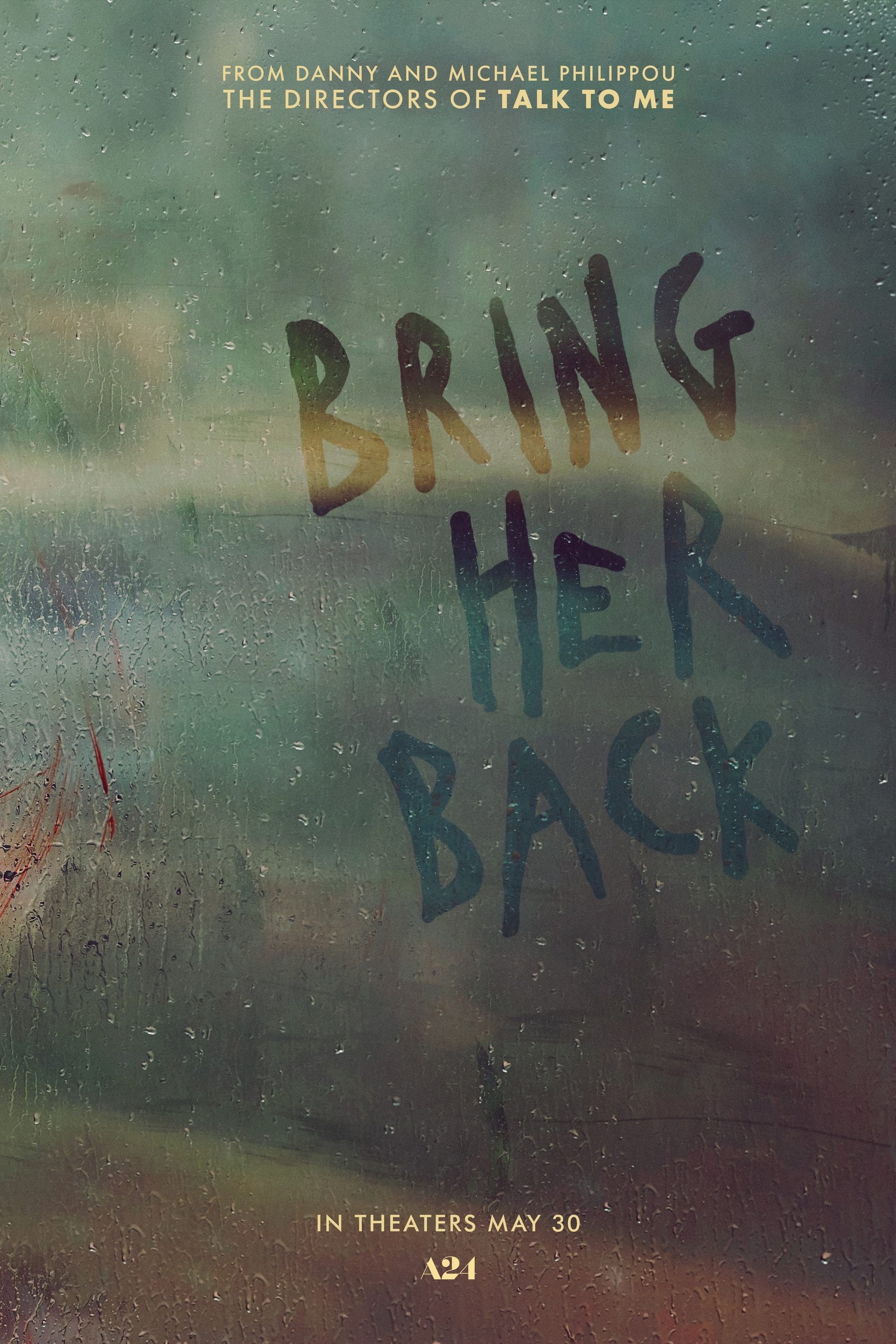
6. **Bring Her Back (2025)**”Bring Her Back” is described as a “domestic nightmare that draws its most profound scares from Sally Hawkins’ deranged performance,” earning its place as an “exemplary chiller that reaffirms directors Danny and Michael Philippou as modern masters of horror.” This specific brand of horror—rooted in the breakdown of the most intimate human connections—could tap into anxieties even Lecter might recognize, especially with a “deranged performance” at its core.
A “domestic nightmare” is arguably one of the most potent forms of terror, as it perverts the supposed sanctity and safety of home and family. For Lecter, who understands the deep-seated psychological vulnerabilities that arise from familial bonds and societal expectations, witnessing such a profound unraveling in a domestic setting could be highly impactful. It’s horror not from outside, but from within.
The film’s capacity to deliver “profound scares” through a “deranged performance” suggests a focus on the human element of terror. Lecter, himself a master of psychological manipulation, might find the nuanced portrayal of mental instability and its terrifying consequences to be a compelling, if disquieting, study. It’s about the mind twisting, rather than just external threats.
Being an “exemplary chiller” from “modern masters of horror” implies a sophisticated approach to fear, one that doesn’t rely solely on shock but delves into deeper, more insidious anxieties. This kind of horror, which explores the fragility of the human psyche and the disturbing potential within seemingly ordinary individuals, could be particularly potent for Lecter, offering a glimpse into a darkness that is perhaps less controlled than his own.
Read more about: Beyond the Headlines: 15 Celebrity Couples Who Prove Real Love Thrives in Hollywood’s Spotlight

7. **28 Years Later (2025)**Danny Boyle and Alex Garland reunite for “28 Years Later,” a film that “taps into contemporary anxieties with the ferocious urgency of someone infected with Rage Virus, delivering a haunting and visceral thrill ride that defies expectations.” For Hannibal Lecter, the concept of a “Rage Virus” that strips away humanity and unleashes unthinking, brutal chaos could represent a form of terrifying unpredictability and loss of societal order that even his refined malevolence might find deeply unsettling.
The “ferocious urgency” of a world overrun by the Rage Virus implies a rapid, brutal descent into anarchy. Lecter thrives on order, albeit a twisted one of his own making, and the depiction of society’s collapse into mindless, instinct-driven violence would be a stark contrast to his intellectual, calculated crimes. It’s a primal, unthinking horror that defies his precise ‘design.’
The film’s ability to tap into “contemporary anxieties” means it resonates with deep-seated fears about disease, societal breakdown, and the loss of what makes us human. While Lecter might see humanity as a resource, the utter degradation and transformation presented by the Rage Virus could offer a vision of chaos that is beyond even his capacity to intellectualize or control, making it a profoundly disturbing spectacle.
Described as a “haunting and visceral thrill ride,” “28 Years Later” would provide a raw, intense experience. The visceral nature of the infected, coupled with the haunting implications of what remains of humanity, could challenge Lecter’s intellectual distance. It’s a brutal, relentless look at humanity undone, a terrifying mirror to the thin veneer of civilization he so masterfully exploits.
Continuing our unsettling journey, we delve further into cinematic experiences capable of rattling even cinema’s most cunning antagonist, Dr. Hannibal Lecter. This next selection uncovers additional films that venture into visceral dread, supernatural fears, real-world catastrophes, and profound human struggles, revealing narratives potent enough to unnerve a mind as formidable as his. These aren’t just movies; they are profound explorations of terror that might just make the good doctor pause, challenging his carefully constructed world of control and intellectual superiority.
Read more about: Beyond the Headlines: 15 Celebrity Couples Who Prove Real Love Thrives in Hollywood’s Spotlight
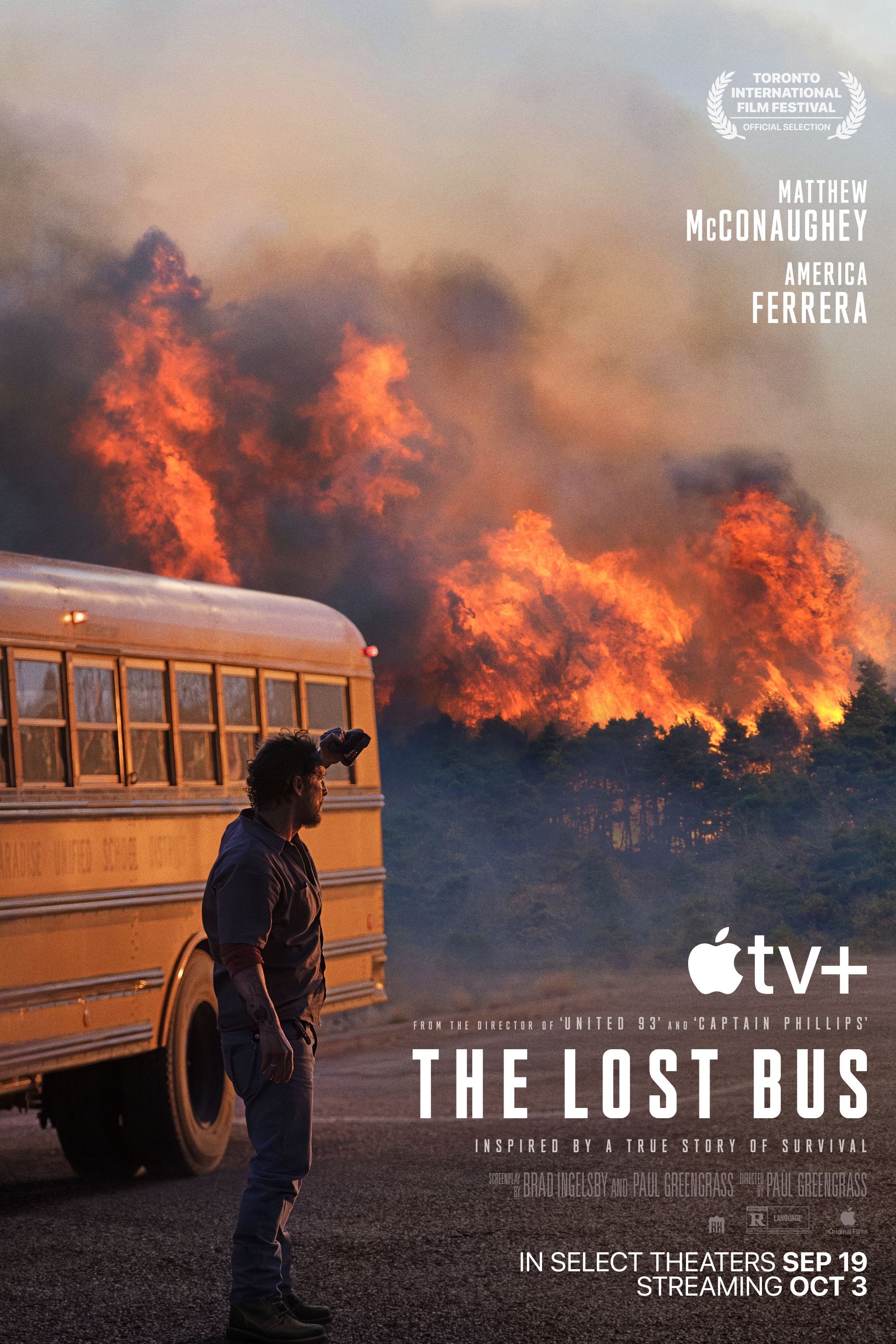
8. **The Lost Bus (2025)**Imagine, if you will, a scenario that strips away all pretense of control and intellectual manipulation, replacing it with raw, primal survival against an overwhelming, indifferent force. “The Lost Bus” offers precisely this, recreating a real-life disaster with a terrifying authenticity that would resonate with a different kind of dread for Dr. Lecter. This isn’t the horror of human design, but the unpredictable, ferocious chaos of nature, where even the most brilliant mind is rendered utterly vulnerable.
The film ratchets up the tension through the harrowing struggle of a determined bus driver and a dedicated school teacher battling to save 22 children from a deadly wildfire. For Lecter, who often views humanity as either prey or a canvas for his ‘art,’ the sheer, unyielding desperation and heroism in the face of such a cataclysmic event could be profoundly unsettling. It’s a profound human struggle where intellect and cunning are secondary to sheer will and survival instinct, a stark contrast to his own calculated environment.
Matthew McConaughey and America Ferrera’s effective performances ground the film in a humanist core, allowing the terrifying authenticity of the disaster to hit with even greater impact. This kind of horror, born from the vulnerability of the innocent and the immense power of nature, defies Lecter’s ability to compartmentalize or intellectualize. It’s a raw, visceral confrontation with oblivion, something he cannot orchestrate or, more unnervingly, escape.
The terror here isn’t a deliberate act of cruelty but the arbitrary, overwhelming force of fate. For a character who prides himself on his meticulous planning and the precise execution of his will, witnessing such utter chaos and the desperate, instinctual fight for life could expose a primal fear he believed himself immune to. It’s a reminder that not all terror can be controlled or understood through his unique lens.
Read more about: Beyond the Headlines: 15 Celebrity Couples Who Prove Real Love Thrives in Hollywood’s Spotlight

9. **HIM (2025)**What if the true horror lies not in the explicit gore, but in the insidious psychological unraveling within a tightly controlled environment? “HIM” presents a compelling premise centered on a promising young football player invited to train at the isolated compound of a dynasty. While the critical consensus hints at flaws in execution, the *concept* itself holds immense potential for the type of psychological horror that could deeply intrigue and perhaps unnerve Dr. Lecter.
An isolated compound immediately suggests a world apart, a place where external rules might not apply and new, perhaps sinister, doctrines take hold. The idea of a ‘dynasty’ in such a setting implies a hierarchy built on unquestioning loyalty, power dynamics, and potentially dark secrets. For Lecter, a master manipulator of individual psyches, witnessing a carefully constructed system of control and the gradual erosion of free will would be a fascinating, albeit disturbing, study in human vulnerability.
The film’s focus on a young, promising individual being drawn into this environment speaks to themes of ambition, corruption, and the profound human struggle for identity against an overbearing force. Lecter might observe with detached curiosity how the player’s potential is either honed into something monstrous or utterly consumed. It delves into the insidious ways minds can be twisted, not by brute force, but by psychological conditioning and the allure of power.
This isn’t just about athletic training; it’s about an unwritten game with potentially devastating stakes for the soul. The isolation, combined with the power of a controlling dynasty, could represent a microcosm of societal manipulation that Lecter himself understands and exploits. Yet, the purity of a young player’s ambition being warped by an unseen, pervasive evil might be an unsettling mirror to the very darkness he embraces.
Read more about: Beyond the Headlines: 15 Celebrity Couples Who Prove Real Love Thrives in Hollywood’s Spotlight
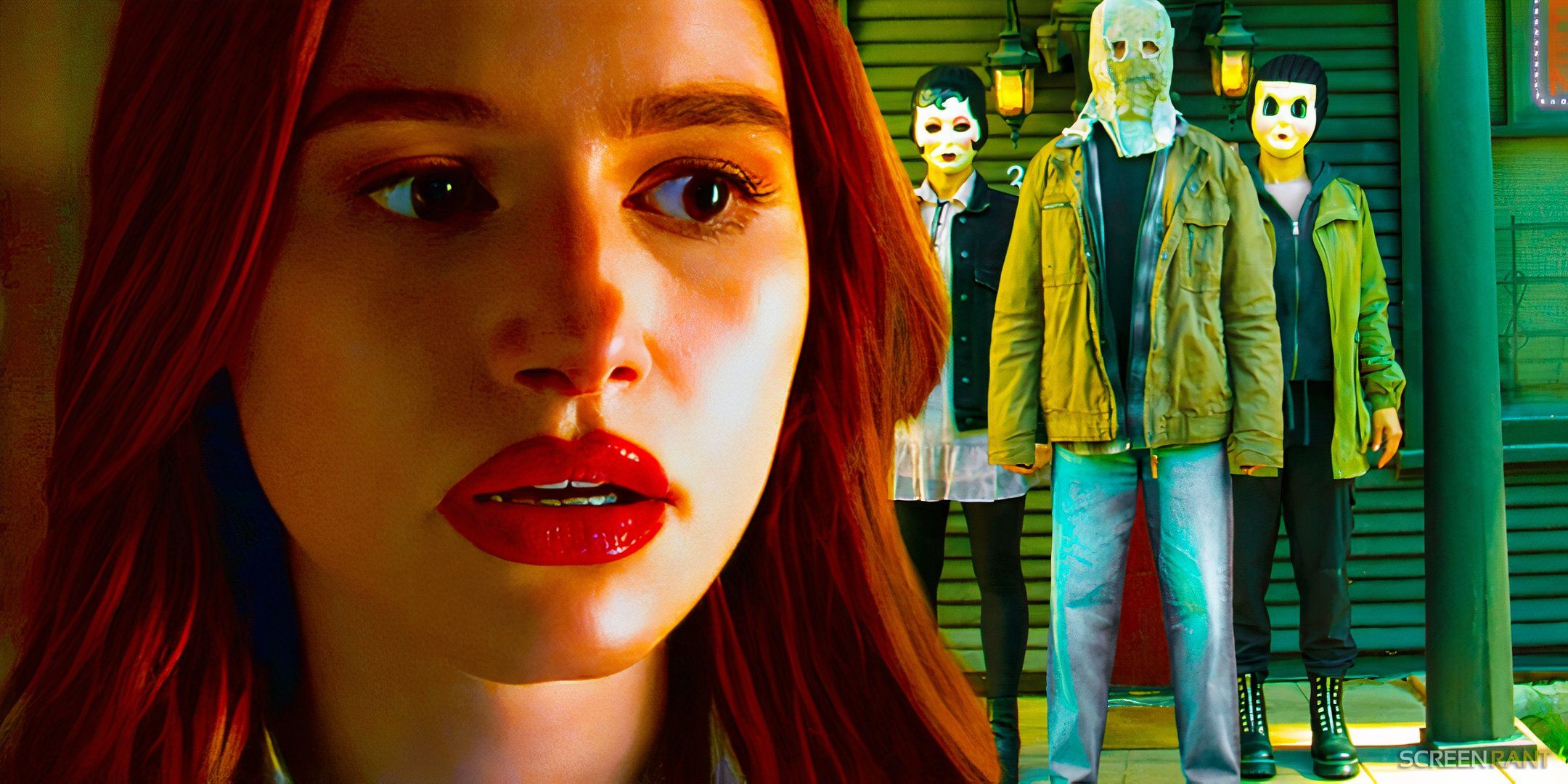
10. **The Strangers: Chapter 2 (2025)**For many, the most chilling horror comes from the unexpected, the unprovoked, and the utterly motiveless. “The Strangers: Chapter 2” promises to deliver exactly that, with the return of its terrifying antagonists, described as “more brutal and relentless than ever.” For Dr. Lecter, whose acts are meticulously planned and often carry a twisted, intellectual motive, the sheer, senseless brutality of the Strangers could represent a primal, unthinking chaos that genuinely disquiets him.
The horror of home invasion strikes at the very core of human safety and sanctuary. When these anonymous figures turn a supposed haven into a hunting ground, it perverts one of the most fundamental aspects of human existence. Lecter, with his understanding of social structures and the fragile veneer of civilization, might find the complete disregard for such boundaries to be a form of profound terror, an unbridled malevolence that defies his refined tastes.
The concept of “visceral dread” is central to this franchise. It’s not about complex plots or psychological games, but the raw, immediate fear of being hunted without reason, of confronting an evil that exists purely to inflict terror. This kind of unthinking, relentless pursuit, stripped of any artistic or intellectual justification, stands in stark contrast to Lecter’s own carefully choreographed cruelties, representing a brand of terror that is pure, unadulterated fear.
The Strangers operate outside the realm of reason or negotiation, embodying a chaotic evil that Lecter typically seeks to impose upon others. Witnessing such an unyielding, destructive force that simply exists to terrorize could challenge his intellectual distance and remind him of the raw, unpredictable nature of fear when it is completely untamed by intellect or motive.
Read more about: You Won’t BELIEVE the Oscars Scandals! 11 Award Winners Audiences Are SO Mad About, They Wish They Could Ban Them From Streaming Forever!
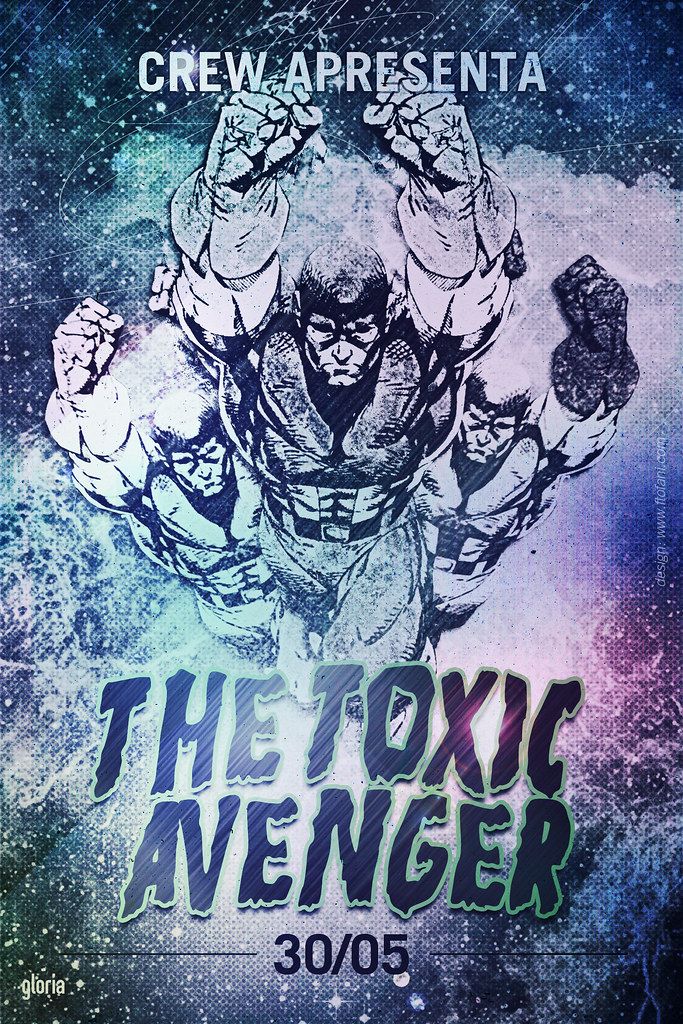
11. **The Toxic Avenger (2023)**While Dr. Lecter appreciates a certain elegance in his gastronomic pursuits, the grotesque and unrefined horror of physical transformation and accidental monstrosity might offer a unique form of discomfort. “The Toxic Avenger” revives the saga of Winston Gooze, a downtrodden janitor transformed into a “new kind of” being by a catastrophic toxic accident. This isn’t a chosen metamorphosis, but a brutal, involuntary alteration that could pique Lecter’s morbid curiosity while unsettling his sense of aesthetic control.
The critics’ consensus describes the film as “extremely gory,” a characteristic Lecter is certainly familiar with. However, the nature of this gore is less about calculated dissection and more about accidental, chaotic mutation and the subsequent, often messy, acts of vengeance. For a mind that values precision and design, the sheer, unapologetic savagery and the transformation born of an unforeseen accident could be a disquieting spectacle, lacking the ‘art’ he might associate with violence.
The film’s exploration of a hero born from toxic waste, driven by an almost primal sense of justice or rage, presents a character far removed from Lecter’s intellectualized villainy. It’s a visceral, messy form of justice, fueled by an accidental power that defies the meticulous planning Lecter exercises. This raw, untamed force, born from circumstances rather than design, could be a compelling, yet unsettling, phenomenon for him to observe.
The “extremely silly” aspect might initially seem incongruous with what scares Lecter, but the underlying body horror and the uncontrolled nature of the transformation could challenge his intellectual detachment. It’s a chaotic reflection of what can happen when the human form is irrevocably altered, a reminder that not all power is meticulously acquired or wielded with cunning intent.
Read more about: From Saviors to Scoundrels: 6 Action Icons Who Played Unforgettable Villains
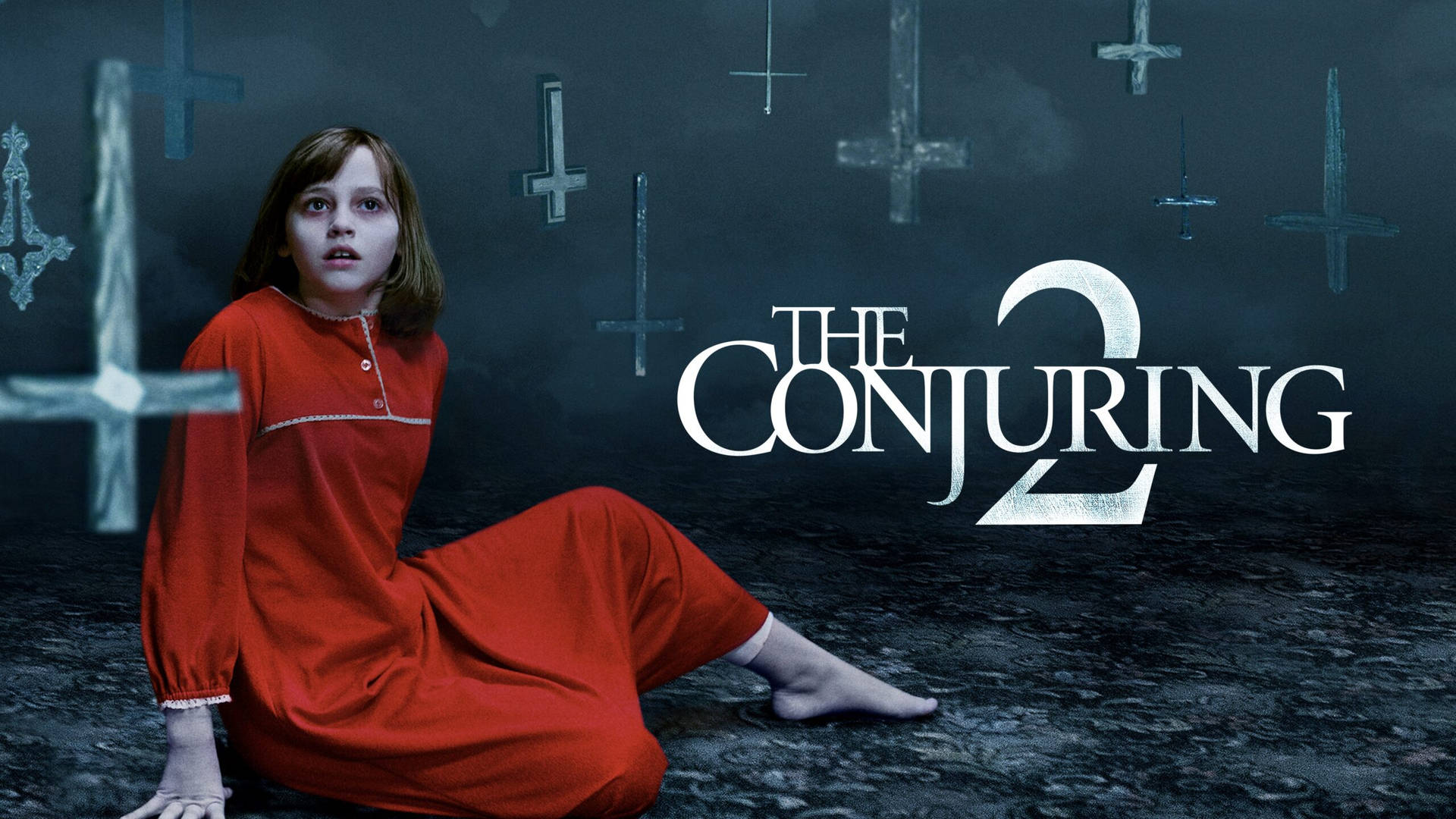
12. **The Conjuring: Last Rites (2025)**When it comes to fear, few things tap into humanity’s deepest anxieties quite like the supernatural. “The Conjuring: Last Rites” delves into this realm, promising another “thrilling chapter of the iconic Conjuring cinematic universe, based on real events.” For Dr. Lecter, whose domain is primarily the psychological and the corporeal, an encounter with genuine, inexplicable spiritual evil could represent a profound challenge to his materialist worldview and his attempts to intellectualize all forms of terror.
The consistent “spooky standards” upheld by the franchise suggest a relentless and pervasive form of horror that transcends mere human malice. This isn’t the calculated evil of a serial killer, but an ancient, often unseen force that defies scientific explanation and human manipulation. Lecter, who dissects and understands the human mind with unparalleled expertise, might find himself unnerved by a threat that operates entirely outside the boundaries of human psychology.
The Warrens’ ongoing battle against demonic forces, rooted in their belief in the spiritual realm, presents a confrontation with a “chaotic evil that defies his structured depravity.” It’s a type of fear that cannot be outsmarted, dissected, or reasoned with; it simply *is*. This confrontation with the truly unknown, the force that exists beyond the tangible, could unnerve him by highlighting the limits of his own formidable intellect and control.
For a character who masters the manipulation of the human spirit through psychological warfare, the idea of an entity capable of possessing and twisting the soul from an external, supernatural source could be profoundly disturbing. It’s a reminder that not all darkness originates from within humanity’s twisted desires, and some evil might exist completely beyond his formidable understanding.
Read more about: You Won’t BELIEVE the Oscars Scandals! 11 Award Winners Audiences Are SO Mad About, They Wish They Could Ban Them From Streaming Forever!
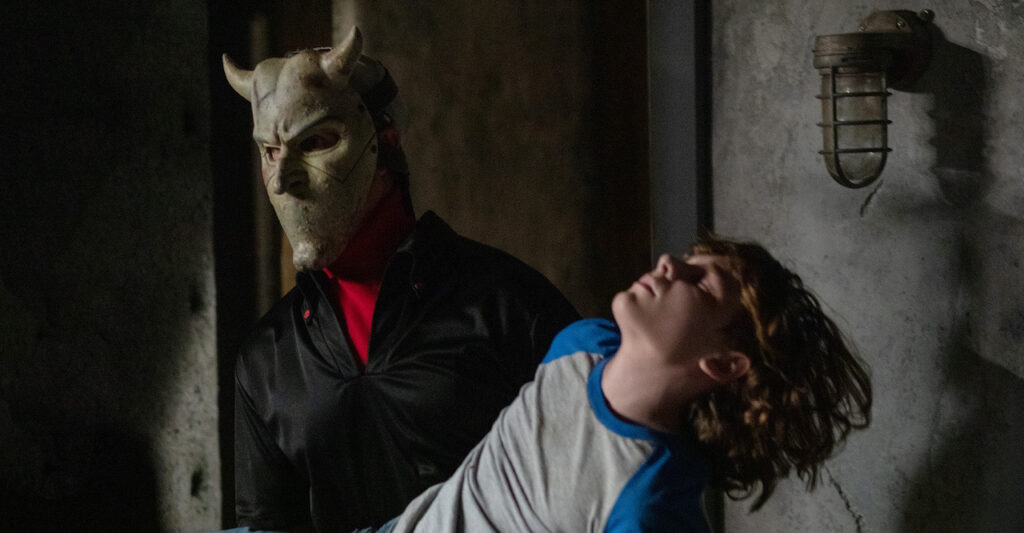
13. **Black Phone 2 (2025)**The most chilling narratives often explore profound human struggles against absolute evil, especially when innocence is at stake. “Black Phone 2” revisits the harrowing world of Finn, who, four years prior, killed his abductor and escaped, becoming the sole survivor of The Grabber. The film then promises to delve deeper into “true evil,” a concept that would undoubtedly capture Dr. Lecter’s intellectual attention, though it might unsettle him in its raw, unadulterated form.
The horror of child abduction and the lasting trauma it inflicts represent a profound human vulnerability. For Lecter, who dissects the mechanisms of human pain and fear, witnessing the pure malice of an abductor and the desperate, instinctual fight for survival from a young protagonist could be a compelling, albeit deeply disturbing, case study. It’s a visceral dread rooted in the most basic human fear: helplessness.
The continuation of the story, focusing on the aftermath and the lingering presence of “true evil,” suggests a psychological haunting that extends far beyond the initial escape. This isn’t just about the physical act of abduction, but the deep-seated terror that permeates the psyche, a form of torment that Lecter, in his own way, understands intimately. However, the innocence of the victims and the unyielding nature of the evil could present a different shade of darkness than his own.
This film delves into the raw, brutal reality of survival against an overwhelmingly malevolent force. While Lecter might find the psychology of the abductor fascinating, the sheer terror and resilience displayed by the children, and the stark confrontation with pure, unthinking cruelty, might touch upon an elemental horror that even he, with all his calculated detachment, would find unsettling in its stark reflection of humanity’s capacity for both good and unspeakable evil.
Read more about: A Comprehensive Review: Key Televisions Defining Today’s Viewing Experience

14. **Demon Slayer: Kimetsu no Yaiba Infinity Castle (2025)**Stepping into the realm of animated terror, “Demon Slayer: Kimetsu no Yaiba Infinity Castle” storms the big screen with a “stirring beginning to this franchise’s bloody climax.” While Lecter’s appreciation for ‘art’ might typically lean towards more classical forms, the sheer scale of supernatural conflict and visceral combat against grotesque demons could offer a profound and unique form of “visceral dread” that resonates with his fascination for the dark aspects of existence.
The world of Demon Slayer is one of relentless battle against monstrous entities, where the stakes are always life and death. The “bloody climax” promised by the critics’ consensus speaks to an intense, no-holds-barred confrontation with horrifying creatures. For Lecter, the sheer monstrousness and overwhelming power of these demons, embodying a chaotic evil on a grand scale, might challenge his sense of control and his ability to intellectualize all forms of violence.
The film presents a profound human struggle: a dedicated corps of demon slayers battling to protect humanity from overwhelming evil. This clear delineation of good and evil, and the unwavering resolve of the protagonists, might be a contrast to Lecter’s own nihilistic view of humanity. The visceral nature of the battles, coupled with the deeply personal motivations of the heroes, could offer a different kind of terrifying engagement.
This cinematic experience, with its “most polished presentation yet,” would immerse Lecter in a world where primal fears are given terrifying, visual form. The unsettling designs of the demons and the brutal reality of their attacks could represent a chaotic, external threat that defies his internal logic of manipulation, presenting a form of fear that is both visually striking and inherently unsettling in its relentless, destructive power.
Our cinematic journey into the depths of terror concludes, having traversed narratives designed not just to scare, but to profoundly unsettle. From the visceral dread of relentless home invasions to the crushing weight of real-world catastrophes and the haunting echoes of supernatural malevolence, these films offer a spectrum of fear that challenges even the formidable composure of Dr. Hannibal Lecter. They remind us that true horror lies not only in the monsters we create but in the chaos we cannot control, the psychological depths we cannot fathom, and the profound vulnerabilities that define the human experience. So, next time you settle in for a film, ask yourself: would this make Hannibal Lecter pause?