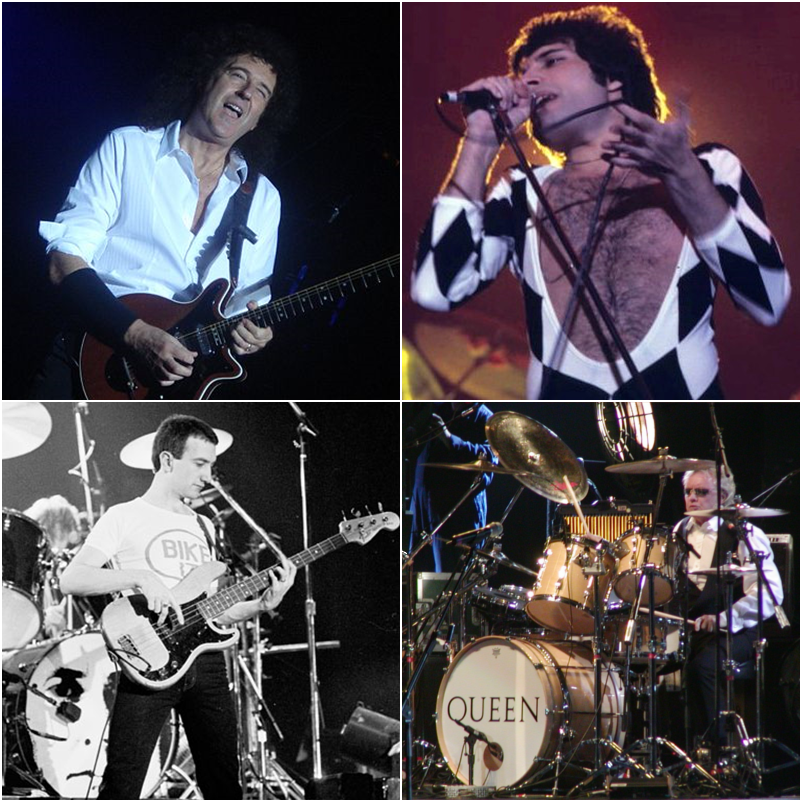
When you think of Queen, you probably imagine stadium-rocking anthems, Freddie Mercury’s unparalleled stage presence, and a career filled with undeniable success. But even the biggest, most legendary bands don’t just spring fully formed onto the world stage without a hitch. Every iconic journey has its bumps, its detours, and sometimes, its outright head-scratching moments that could have derailed everything. It’s those pivotal junctures, those challenging decisions and difficult periods, that truly define a band’s resilience and capacity for greatness.
We’re about to take a deep dive into the band Queen’s early history, pulling back the curtain on some of the lesser-known, yet incredibly impactful, challenges and controversies they faced during their rise to global superstardom. Forget the glittering montage; this is about the grit, the tough calls, and the moments when the future of rock’s most flamboyant quartet hung precariously in the balance. These weren’t always ‘mistakes’ in the traditional sense, but rather crucial tests that forged their legendary status.
From internal strife and business blunders to navigating public perception and creative differences, these are the tales of how Queen stumbled, learned, and ultimately triumphed. So, buckle up, because we’re exploring 7 of the most significant hurdles the band faced in their formative years, straight from their own historical accounts.

1. **The Fateful Exit of Tim Staffell & Early Bassist Instability (1970-1971)**The very foundations of what would become Queen were built on a significant departure. In the late 1960s, guitarist Brian May and drummer Roger Taylor were part of a group called Smile, alongside singer Tim Staffell. Staffell, attending Ealing Art College, befriended Farrokh “Freddie” Bulsara, who was a keen fan of Smile. Bulsara even asked to join as lead singer, but May felt Staffell wouldn’t give up his role. However, Staffell’s interests in soul and R&B began to clash with Smile’s hard rock sound, and he grew “fed up with the lack of success,” leading him to quit in 1970 to form Humpy Bong with former Bee Gees drummer Colin Petersen.
Staffell’s exit was, ironically, the catalyst for the birth of Queen. With the lead singer role open, the remaining members accepted Bulsara – who would soon adopt the iconic surname Mercury – as their frontman. This pivotal moment allowed Mercury to rename the group to “Queen,” a decision initially met with uncertainty by the others until he declared, “it’s wonderful, dear, people will love it.” This transformation, while ultimately successful, ushered in a period of instability for the crucial bassist position.
After accepting Mercury, the band recruited Taylor’s friend Mike Grose as bassist, playing their first gig on June 27, 1970. However, after just three live gigs, Grose decided not to continue. He was quickly replaced by Barry Mitchell, who played thirteen gigs with Queen between August 1970 and January 1971. Mitchell, in turn, left, and Doug Bogie filled in for two live gigs. This revolving door for bassists clearly highlighted a foundational challenge in finding the right musical and personal fit, a search that would finally conclude in February 1971 with John Deacon. His quiet demeanour and skill in electronics would ultimately complement the band perfectly, solidifying the classic lineup.
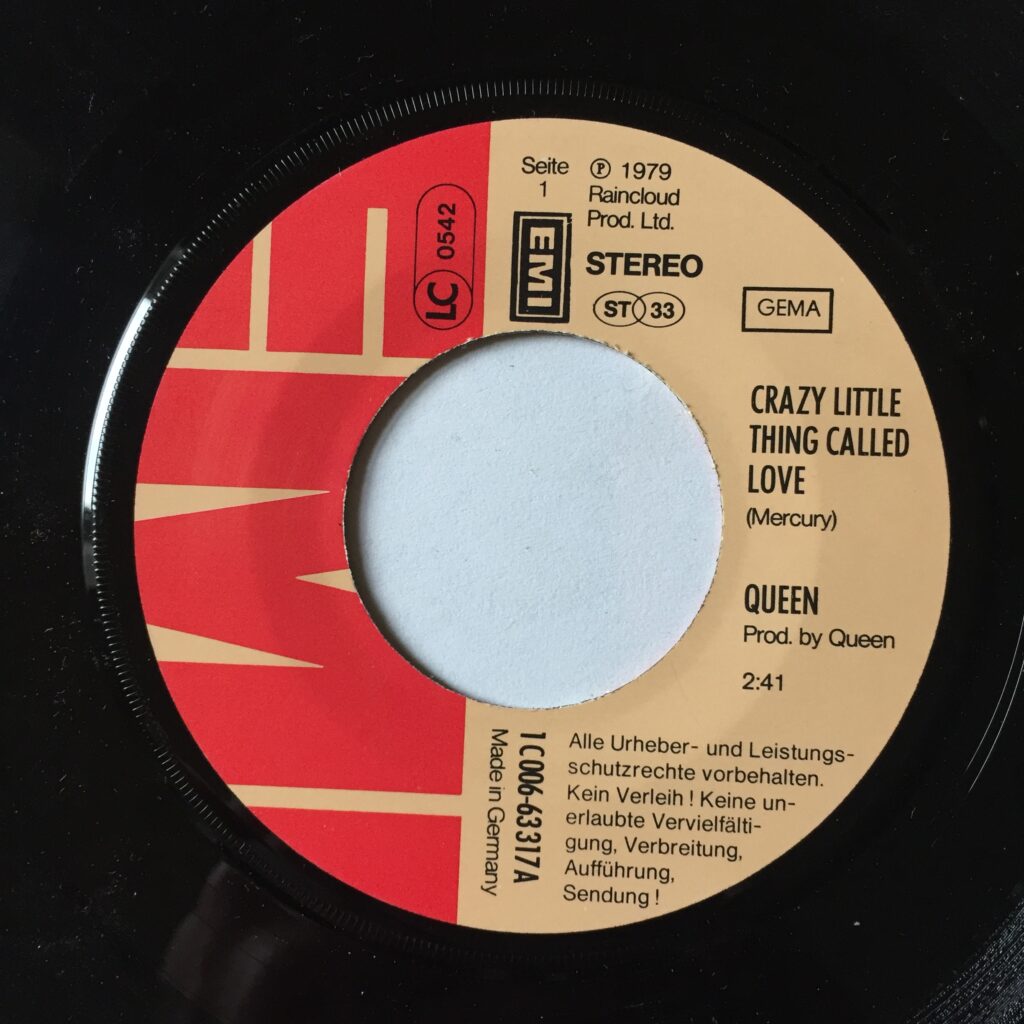
2. **Early Industry Rejections & Struggling for a Record Deal (1970-1973)**Despite their burgeoning talent and captivating live performances, Queen faced a tough uphill battle in the early 1970s trying to secure a record deal. Their distinctive sound attracted attention, but not always a firm commitment. After their first London gig, producer John Anthony was reportedly “interested in the group’s sound but thought they had the wrong bass player,” illustrating the early skepticism they encountered from industry insiders. This initial hurdle underscored the need for the right lineup to truly convince the powers that be.
Even after solidifying their classic lineup and recording demos at De Lane Lea Studios – thanks to a fortuitous arrangement where they tested equipment in exchange for recording time – the path to a contract remained rocky. Producers John Anthony and Roy Thomas Baker were taken with “Keep Yourself Alive” and began promoting the band to several record companies. Promoter Ken Testi managed to attract the interest of Charisma Records, who offered Queen a substantial advance of around £25,000.
However, in a move that could have been seen as a huge gamble (or a shrewd long-term play), the group “turned them down as they realised the label would promote Genesis as a priority.” This decision meant foregoing immediate financial security for perceived better long-term potential. While they eventually struck a deal with Trident Studios for management and facilities, it wasn’t until March 1973 that Trident secured a record deal with EMI Records. Even then, their debut single “Keep Yourself Alive” was released on July 6 and “sold poorly,” indicating that breaking through required more than just a contract; it needed widespread public acceptance, which was still elusive.
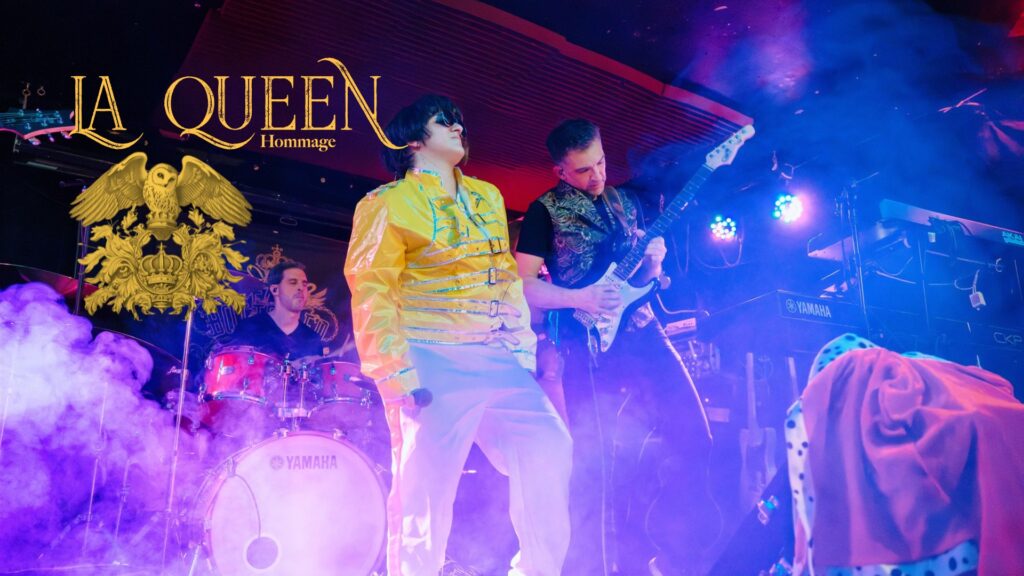
3. **Creative Clashes and “Kitchen Sink Overproduction” (1972)**Even with a record deal on the horizon, the recording of Queen’s debut album was far from smooth sailing, marked by significant creative clashes that highlight early challenges in their collaborative process. As they began working on the album in 1972, the band’s inexperience in the studio became apparent, leading to friction with co-producers John Anthony and Roy Thomas Baker. The context reveals that Anthony and Baker “initially clashed with the band (May in particular) on the direction of the album,” a common but often difficult hurdle for new acts.
These internal disagreements primarily revolved around the band’s ambitious efforts “to integrate technical perfection with the reality of live performances.” This artistic tension, a struggle to translate their dynamic live energy into a polished studio sound, led to what Baker memorably referred to as “kitchen sink overproduction.” Such a descriptor suggests a period of intense experimentation and perhaps an inclination to layer every possible sound, which could overwhelm rather than enhance the music.
One concrete outcome of these clashes was the band’s dissatisfaction with the re-recording of “The Night Comes Down,” leading them to opt for the original De Lane Lea demo version for the finished album. Furthermore, another track, “Mad the Swine,” was entirely “dropped from the running order after the band and Baker could not agree on a mix.” These instances underscore the early challenges in finding a cohesive creative vision and compromise, showing that even with immense talent, the path to a debut album was paved with difficult decisions and artistic battles.
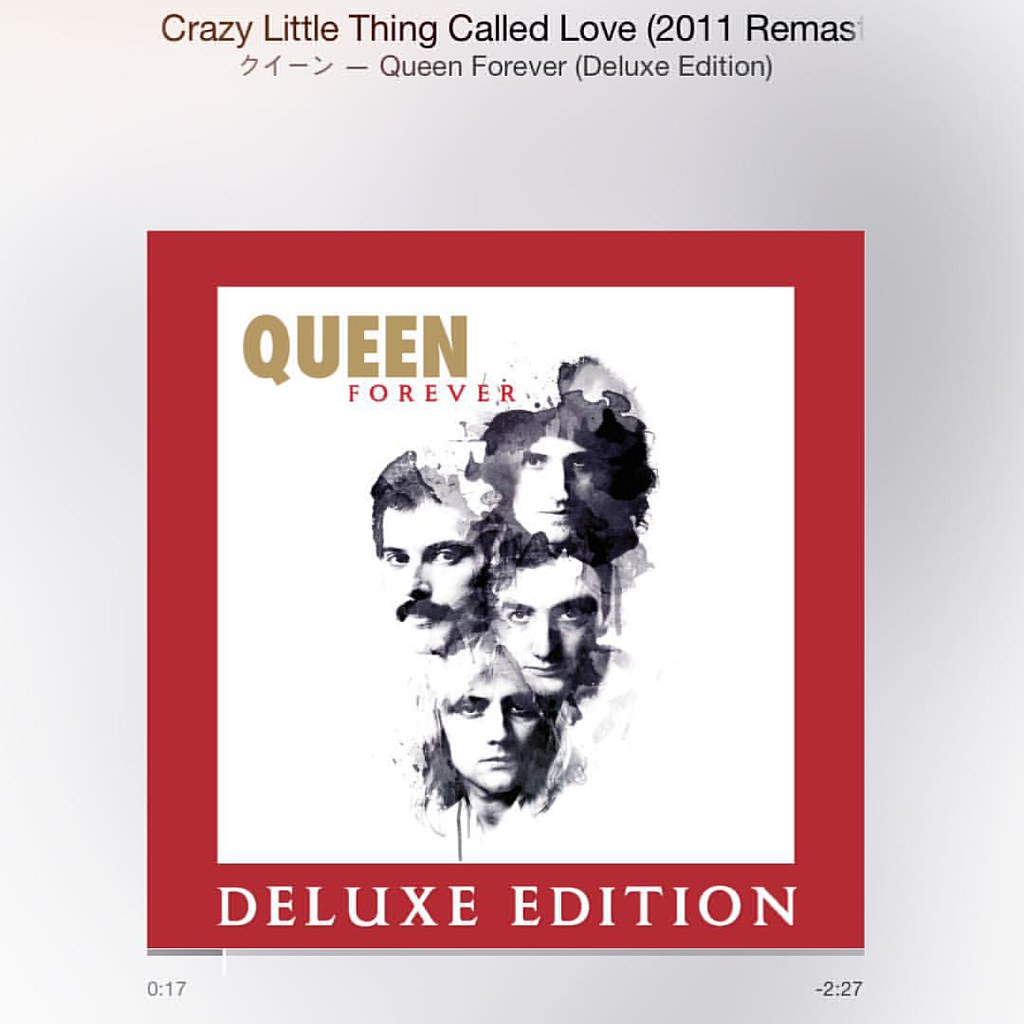
4. **The “Over-produced Monstrosity” – Mixed Reception to Queen II (1974)**Following their debut, Queen quickly returned to the studio to record their second album, *Queen II*, in August 1973. They were determined to make “full use of the facilities available,” implying a commitment to their layered and complex sound. This ambition, while leading to tracks like May’s multi-layer guitar introduction “Procession” and Mercury’s fantasy-themed “The Fairy Feller’s Master Stroke,” also resulted in an album that some critics found challenging.
Upon its release in March 1974, *Queen II* certainly made an impact, becoming the band’s first album to chart in the UK, reaching number five. The Mercury-written lead single “Seven Seas of Rhye” gave them their first hit, soaring to number 10. The album showcased a “layered” sound that would become their signature, featuring “long complex instrumental passages, fantasy-themed lyrics, and instrumental virtuosity.” Yet, this boldness wasn’t universally praised.
Critical reaction was decidedly mixed. While many appreciated the artistic growth, others were less impressed. The Winnipeg Free Press famously described *Queen II* as an “over-produced monstrosity,” a blunt criticism that highlighted a perceived misstep in the band’s artistic direction or production choices. This early backlash, despite the album’s eventual iconic status and favor among hardcore fans, served as a potent reminder that pushing creative boundaries doesn’t always guarantee immediate critical consensus, making it a pivotal challenge in defining their evolving sound.
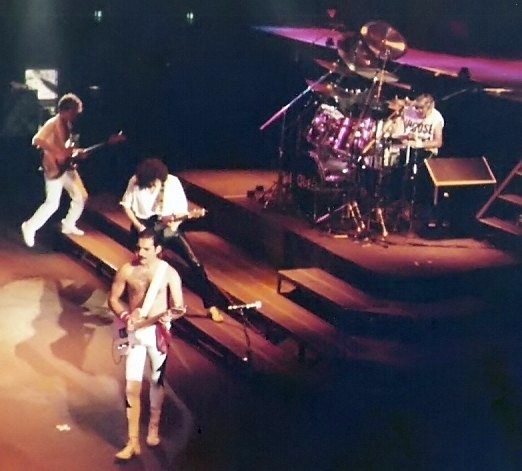
5. **The Sunbury Pop Festival Debacle (1974)**In January 1974, Queen ventured to Australia to play the Sunbury Pop Festival, hoping to expand their international reach. However, what should have been a triumphant moment quickly turned into a significant PR misstep and an early lesson in professional conduct under pressure. The band “arrived late,” a logistical error that proved costly in terms of audience goodwill.
Upon their delayed appearance, they were met with a hostile reception. The audience, largely expecting to see home-grown Australian acts, “jeered and taunted” Queen, clearly expressing their displeasure. This was far from the adoring welcome the band was becoming accustomed to in other regions and presented a stark challenge to their confidence and stage presence.
Despite the difficult circumstances, Freddie Mercury, ever the showman, responded with characteristic defiance. “Before leaving, Mercury announced, ‘when we come back to Australia, Queen will be the biggest band in the world!'” This bold declaration, made in the face of widespread disapproval, transformed a potential disaster into a legendary moment of aspiration. Yet, the initial jeering and taunting at Sunbury underscored the challenges of breaking new markets and the importance of punctuality and understanding local audience expectations.

6. **Being Trapped in the Restrictive Trident Deal (1970-1975)**Even as Queen began to experience significant success with albums like *Sheer Heart Attack* and singles like “Killer Queen” in 1974, their financial reality was shockingly grim due to a highly restrictive early management deal. The band, despite their growing international fame, was “still tied to the original Trident deal and wages.” This meant that while their records were selling and their popularity soared, the band members themselves were living in far from luxurious conditions.
Imagine the frustration: headlining tours, hit singles, critical acclaim, yet “they were all living in relative poverty in bedsits.” The severity of their financial plight is starkly illustrated by the detail that “Deacon was refused money for a deposit on a house.” This situation highlights a classic rock and roll pitfall – artists signing unfavorable deals early in their careers that don’t reflect their true market value as they become successful.
The band’s growing unease with their financial arrangements eventually reached a breaking point. EMI, their record label, contacted lawyer Jim Beach, who began the arduous process of “trying to find a way of extracting them from their contract.” Trident, naturally, “complained that they had invested £200,000 in Queen and wanted their money back first.” This led to an “acrimonious split with Trident” in August 1975, prompting Queen to search for new management. This period was a harsh lesson in the business side of music, forcing them to fight for fair compensation and control over their burgeoning empire.
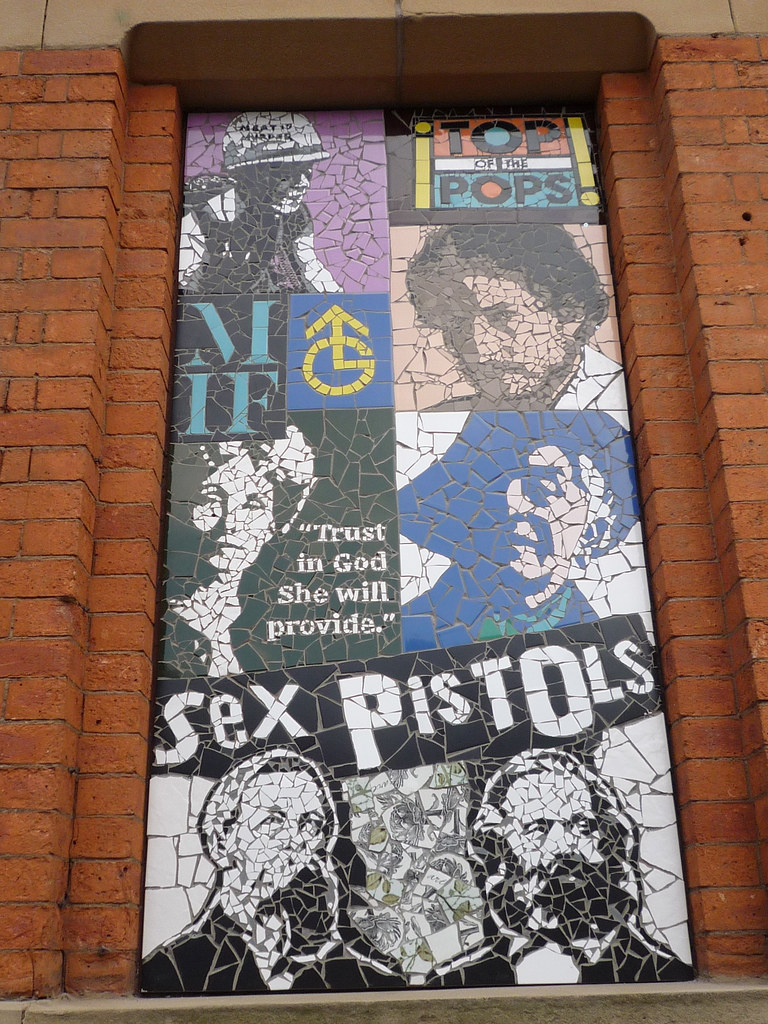
7. **The Sex Pistols Incident on the Today Programme (1976)**Sometimes, a band’s “mistake” isn’t an action they took, but rather an opportunity they missed, creating a vacuum for others to fill. Such was the case on December 1, 1976, when Queen was scheduled to appear on London’s early evening *Today* programme. This was a prime slot, offering significant exposure to a mainstream audience, but in a twist of fate, “they pulled out at the last-minute.”
Queen’s sudden cancellation left the show’s producers scrambling for a replacement. Who stepped in? None other than their EMI labelmate, the Sex Pistols. What followed was music history: the Sex Pistols proceeded to give their now infamous, expletive-strewn interview with host Bill Grundy. This explosive appearance immediately catapulted the punk band into national notoriety and infamy, effectively igniting the punk rock movement in the mainstream.
For Queen, this was a peculiar missed moment. While their decision to pull out might have been due to legitimate reasons, it inadvertently gifted their rivals an unparalleled platform to shock and dominate headlines. It underscores how unforeseen circumstances and last-minute changes can dramatically alter cultural trajectories. Queen missed a chance to connect with a wider audience, and instead, their absence created space for a cultural phenomenon that challenged the very rock establishment they represented. It was a subtle, yet significant, moment of yielding the spotlight, albeit unintentionally, to a completely different musical force.
Alright, so we’ve journeyed through Queen’s early days, seeing how they navigated those initial choppy waters, from band member roulette to tricky record deals and even some unexpected industry rejections. But if you think the path to legendary status is ever smooth sailing, think again! As Queen evolved, so did their challenges, moving from formative growing pains to more complex internal dynamics, bold creative choices that sometimes backfired, and even major societal controversies.
Get ready to dive into the second act of Queen’s epic saga. This is where we uncover how the band faced internal friction, dealt with some truly controversial management decisions, saw how audiences reacted to their ever-changing sound, and confronted significant social and political debates that truly tested their unity and public image. These aren’t just minor bumps in the road; they’re the moments that shaped them into the global phenomenon we know today, proving that even rock royalty has its share of less-than-stellar moments.
8. **The Logistical Hurdles of the Hot Space Tour (1982)**Imagine planning massive stadium shows only to have them derailed by… the Pope! That’s precisely what happened to Queen in 1982 during their ‘Hot Space’ tour. They had grand plans for gigs at iconic venues like Arsenal Stadium and Old Trafford, ready to unleash their new sound on legions of fans.
However, a rather unexpected scheduling conflict arose: Pope John Paul II was touring Britain at the same time. This meant a serious lack of available outdoor facilities, such as toilets, leading to the cancellation of these highly anticipated dates. It forced the band to relocate to the Milton Keynes Bowl and Elland Road, Leeds, instead.
While not a ‘mistake’ made by the band themselves, this was undeniably a significant logistical challenge that impacted their touring plans and likely their momentum in a crucial period. It’s a vivid reminder that even the biggest bands aren’t immune to external forces, sometimes quite heavenly ones, that can throw a wrench into their meticulously planned global domination.
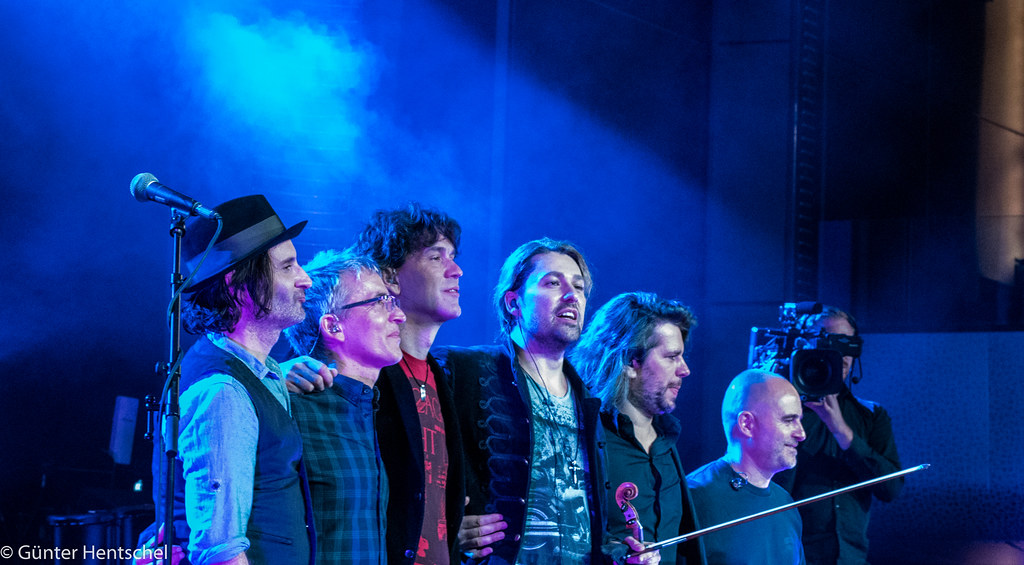
9. **Marred Mexican Gigs & Mercury’s Frustration (1981)**Queen’s South American tour in 1981 was monumental, smashing attendance records and solidifying their status as international titans. However, the Mexican leg of the tour presented a starkly different experience, revealing how challenging it could be to conquer new territories when faced with inadequate infrastructure and an unpredictable audience.
The concerts in Monterrey and Puebla, while drawing over 150,000 people, were “marred by a lack of planning and suitable facilities.” This meant that despite the sheer numbers, the experience was far from ideal. Things took a turn for the worse when “audiences throwing projectiles on stage” became a disruptive element.
The frustration clearly boiled over for Freddie Mercury. At the final gig, he famously, and perhaps controversially, bid farewell to the unruly crowd with a less-than-charming, “Adios, amigos, you s!” This moment, born out of challenging conditions and audience hostility, highlighted the immense pressures and occasionally volatile nature of their global tours, impacting their public image with a certain raw honesty.
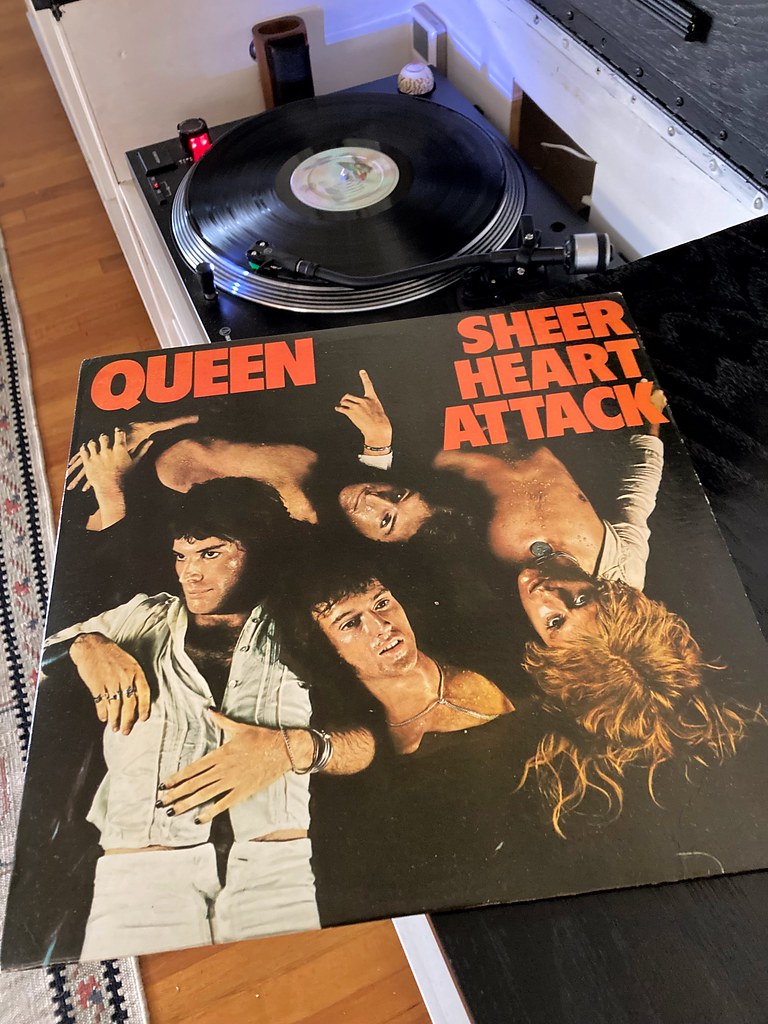
10. **Internal Discord During the *Hot Space* Sessions (1982)**By 1982, Queen was at a crossroads. The recording of their album *Hot Space* became “the most turbulent period in the band’s history,” a stark contrast to their usual cohesive, albeit creatively challenging, collaborations. This was a true test of their unity, exposing deep-seated creative differences within the quartet.
The core of the issue lay in the album’s musical direction. While Freddie Mercury and John Deacon were keen to explore new soul and funk influences, Brian May and Roger Taylor were significantly “less favourable” to this stylistic shift. This meant that the studio, often a place of creative magic, became a crucible of friction, with members pulling in different artistic directions.
May later confessed that at this point, “we hated each other for a while,” a brutally honest admission that underscores the intensity of these internal clashes. *Hot Space* eventually polarized fans and critics alike, making it a pivotal moment where the band’s unity was severely tested by their evolving sound and differing musical visions.

11. **Paul Prenter’s Controversial Managerial Influence (1977-1984)**Beyond internal creative squabbles, Queen also grappled with controversial management choices, particularly concerning Freddie Mercury’s personal manager, Paul Prenter. His influence became a significant source of friction within the band, impacting their cohesion and their vital connections to the music industry.
Brian May was particularly “scathing of Prenter” for his dismissive attitude towards the importance of radio stations, which were crucial for an artist’s community connection. Worse, Prenter was accused of “denying them access to Mercury,” creating a wedge between the frontman and his bandmates, effectively isolating Freddie.
Queen roadie Peter Hince succinctly captured the sentiment, writing, “None of the band cared for him [Prenter], apart from Freddie.” This dynamic, with Mercury showing “misguided loyalty” to a manager disliked by the rest of the group, was a clear “controversial management choice” that caused deep-seated “internal band friction” and tested their collective unity during a critical period of their career.
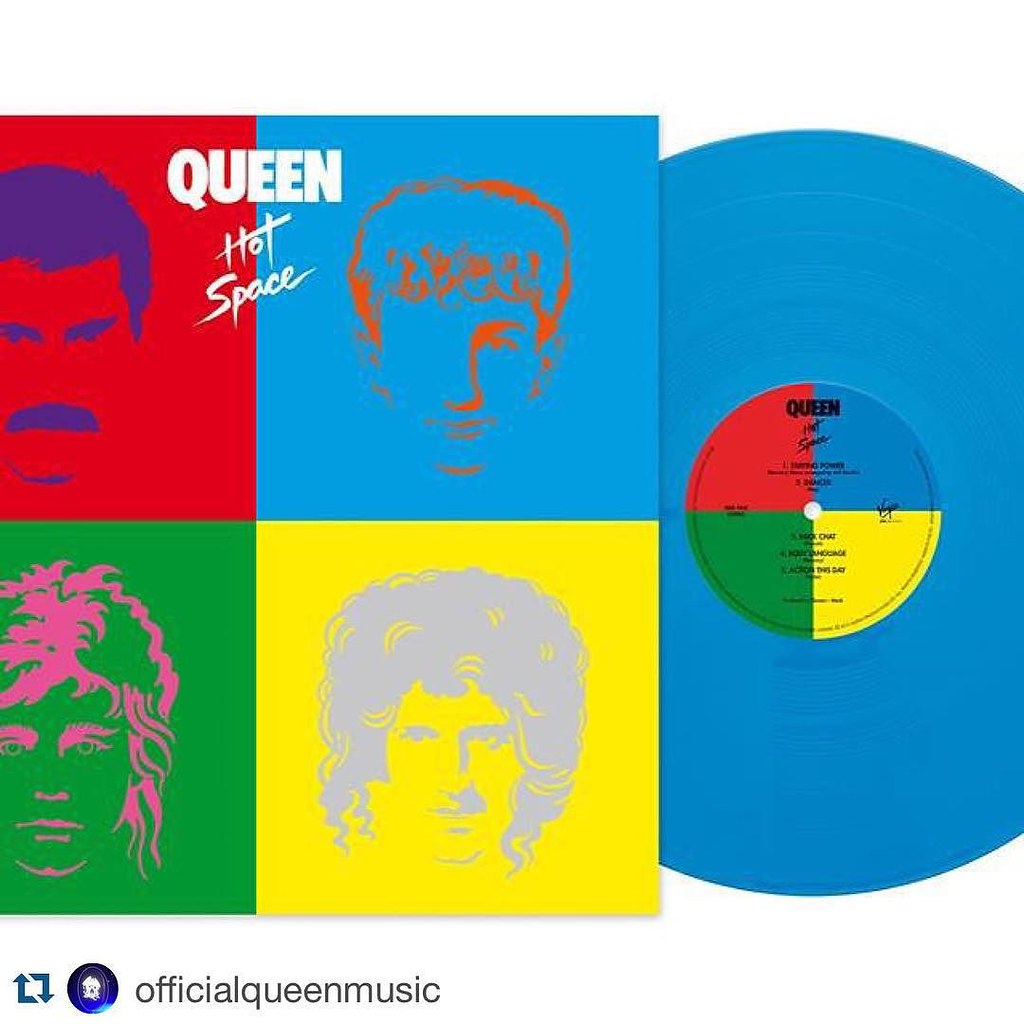
12. **The Polarizing *Hot Space* Sound and US Popularity Decline (1982)**The *Hot Space* album wasn’t just a point of internal contention; it also triggered a deeply divided reaction from their global fanbase, particularly in the crucial American market. The album was a bold “departure from their trademark seventies sound,” venturing into “a mixture of pop rock, dance, disco, funk, and R&B.”
While this experimentation was characteristic of Queen, the radical shift “confused some fans with the change of musical direction.” On tour, this confusion sometimes turned to outright rejection. At a gig in Frankfurt, a visibly frustrated Freddie Mercury famously told hecklers, “If you don’t want to listen to it, go home!”
This period also coincided with a noticeable “fall in popularity in the US,” which has been “partially attributed to homophobia.” Rolling Stone’s Mikal Gilmore noted that some fans at shows would toss razor blades on stage, expressing their disapproval of “what they perceived as a brazenly gay rock & roll hero.” This marked a difficult challenge in maintaining their public image and audience reception in a key market.

13. **The MTV Ban of “I Want to Break Free” Video (1984)**Sometimes, even a band’s playful side can lead to unexpected controversy. In 1984, Queen released the video for “I Want to Break Free,” a brilliant, tongue-in-cheek spoof of the British soap opera *Coronation Street*, featuring the band members in drag. It was intended as a bit of fun, with Roger Taylor stating, “We wanted people to know that we didn’t take ourselves too seriously.”
However, this lighthearted visual struck a very different chord in the United States. The “cross-dressing video… proved controversial and was banned by MTV,” a decision that severely hampered the single’s potential in a massive market. While the band saw it as a joke, the cultural context in the US led to a serious backlash, limiting its airplay and reach.
This ban directly impacted the album’s success in America, contributing to its underperformance there. It’s a classic example of how a creative decision, made with innocent intentions, can misfire due to differing cultural interpretations, challenging the band’s public image and their connection with a segment of their audience.
14. **The Sun City Apartheid Controversy (1984)**Perhaps the most significant “social and political controversy” Queen faced in their later career was their decision to play nine sold-out dates in Sun City, Bophuthatswana, South Africa, in October 1984. This was during the brutal height of apartheid and directly violated “worldwide divestment efforts and a United Nations cultural boycott.”
Upon their return to England, the band was met with widespread “outrage.” Critics slammed their decision to perform in a segregated state, arguing it legitimized the apartheid regime. The band attempted to defend themselves, stating they were “playing music for fans in South Africa,” and emphasized that the “concerts were played before integrated audiences.”
Despite their philanthropic gesture of donating to a school for the deaf and blind, the repercussions were severe: they were “fined by the British Musicians’ Union and placed on the United Nations’ blacklisted artists.” Roger Taylor, years later, voiced his regret, acknowledging that “it was kind of a mistake.” This highly public decision undeniably tested their unity and profoundly impacted their global public image, becoming a lasting stain on an otherwise glittering career.
Read more about: Denzel Washington: A Storied Career of Cinematic Mastery, Enduring Influence, and Profound Dedication
And there you have it – the rollercoaster ride that was Queen’s journey, filled not just with soaring triumphs but also with these sometimes-cringe-worthy, often challenging, and always defining moments. From battling their own creative demons and navigating tricky managerial waters to facing down audience disapproval and political boycotts, Queen proved that even the biggest legends are forged in the fires of adversity. It’s these very ‘mistakes’ and monumental hurdles that ultimately showcase their incredible resilience, their unwavering commitment to their art, and their undeniable ability to learn, adapt, and keep rocking the world, cementing their status as true icons of rock history. Who knew navigating superstardom could be such a wild ride?!