1. **Edward Norton Insists That Omar From The Wire Appear In The Incredible Hulk**
Edward Norton’s time as Bruce Banner in “The Incredible Hulk” was famously riddled with production disagreements, contributing to his eventual exit from the Marvel Cinematic Universe. While he officially cited lack of time for not returning in “The Avengers,” many believe Marvel grew weary of his extensive demands. Norton initially joined the project only if he could heavily modify the screenplay, reportedly to the point where costar Tim Roth often waited until the makeup chair to see the latest script.
Beyond script rewrites, Norton intensely lobbied Marvel to extend the film’s runtime by 20 minutes, convinced it was vital for more of his “brilliant material,” including a lengthy “To smash, or not to smash” soliloquy that was ultimately deemed “a little much.” One extraordinary display of his star power involved casting: creating an entirely new character.
Norton, a dedicated fan of HBO’s “The Wire,” decided to invent a role specifically for Michael Kenneth Williams, who played Omar Little. Williams confirmed his role would involve intervening between the Hulk and the Abomination during their Harlem fight, aiming to prevent neighborhood destruction. The scene was meant to culminate with Williams’ character essentially telling the Hulk, “You know what, never mind, waste this bitch,” after initial de-escalation attempts. Despite Norton’s passion, and Williams’ excitement, the role was drastically cut to “Harlem Bystander” with five seconds of screen time, featuring the line, “OMAR RUNNIN’, YO!” This incident highlights Norton’s influence and Marvel’s eventual pushback.

2. **Jennifer Love-Hewitt Gets Pregnant During Series, Demands The Father Be Given A Lead Role**
Jennifer Love-Hewitt, an alumna of “Party Of Five,” shifted her career focus to television after mixed cinematic results. This led her to “The Client List,” where she portrayed a former beauty queen turned massage parlor specialist offering “happy endings” – a bold premise for Lifetime. Midway through the second season, a significant real-life event unfolded: Love-Hewitt announced her pregnancy.
This created an immediate dilemma for the studio, now facing a lead actress visibly expecting while playing a “y masseuse/prostitute.” Love-Hewitt then made a crucial demand: she insisted the show be rewritten to incorporate Brian Hallisay, the real-life father of her child, into a prominent role as the baby’s on-screen father. Hallisay’s character had already progressed from a “cameo” to a “series regular” as their real-life relationship developed.
Her demand, however, sparked a “Mexican standoff” with Lifetime executives, who reportedly worried the show might become a “massage-giving family” saga. Love-Hewitt stood firm, purportedly reasoning, “What was she supposed to do, pretend some other dude was her baby’s father on the show? What is she, an actress?” Ultimately, the disagreement proved insurmountable, leading to the abrupt cancellation of “The Client List.” This incident underscores the delicate balance between an actor’s personal life and a production’s creative direction, especially when star power fundamentally reshapes a narrative.
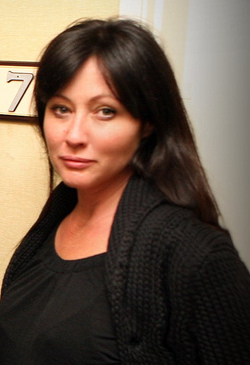
3. **Shannen Doherty Caused A Continuity Error In Mallrats For Free Clothes**
Shannen Doherty, known for her distinctive “mystique” and sometimes “erratic behavior,” demonstrated her influence during Kevin Smith’s “Mallrats.” She allegedly “completely screw[ed] up the continuity of your movie with a calculated scheme to swindle some free clothes.”
According to Kevin Smith’s DVD commentary, Doherty secured a contract clause allowing her to “keep any and all clothes worn during filming.” She then insisted her character, Rene, required “three wardrobe changes” within the film’s narrative, despite the entire story unfolding in “exactly one day.” This “unlikely plot point” was notably flagged by IMDb, humorously suggesting kleptomania or exceptional layering skills.
Smith speculated Doherty might have reverted to her “90210’s Brenda Walsh mode” and felt “a little entitled,” especially as she “singlehandedly got Mallrats the green light.” Smith found her actions “pretty weaselly,” coming from “little Jenny Wilder from Little House On The Prairie,” who was “grifting him out of the type of clothes she could have easily picked up on sale at Target.” This anecdote illustrates how actors can influence production, even for something as minor as free clothing.
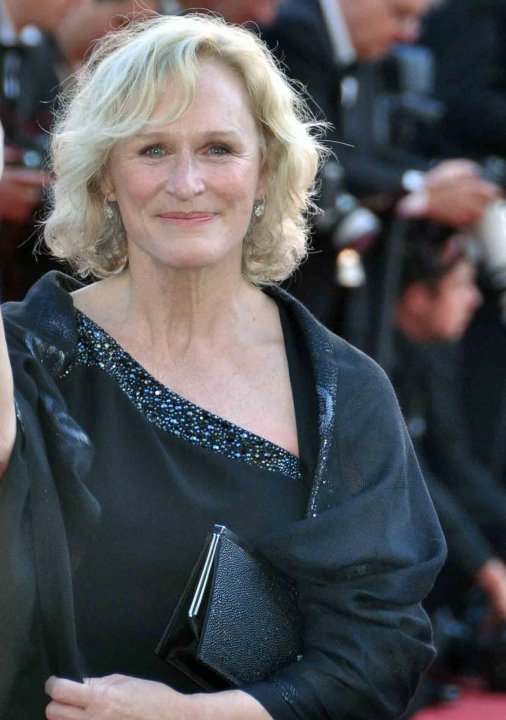
4. **Glenn Close Refused To Break Down Crying On Camera**
Glenn Close, with her formidable screen presence, portrayed Kathryn Bennett, the first female Vice President in “Air Force One” (1997). Her character demanded an unwavering demeanor, and Close was adamant about maintaining that integrity, even when the initial script suggested otherwise.
Close revealed to Vanity Fair that an early script included a scene where her character was meant to break down crying during a critical moment. This “emotional outburst was initially visible on the page,” but Close swiftly objected, telling filmmakers, “I will not do that.”
Her refusal stemmed from a deep conviction about her character: “I don’t think it would happen. Not my vice president.” She emphasized, “My vice president would not break down into tears. She would step up to the challenge.” Close’s resolute stance led to a script revision, demonstrating how an actor’s commitment to character authenticity can directly impact narrative and development, strengthening a more believable and impactful performance.
Read more about: Beyond the “I’m a Bird”: Unpacking 14 Untold Stories Behind The Notebook’s Enduring Legacy
.jpg/440px-Viggo_Mortensen_B_(2020).jpg)
5. **Viggo Mortensen Refused To Return Lord Of The Rings Character Aragorn In The Hobbit Films**
Viggo Mortensen’s portrayal of Aragorn in “The Lord of the Rings” trilogy cemented him as an iconic figure. Given the trilogy’s success, a return for “The Hobbit” films seemed logical, yet Mortensen famously declined, driven by his strong commitment to the source material’s continuity.
In an interview with The Guardian, Mortensen discussed a producer’s inquiry about returning “back in 2008.” His response was direct: “I said, ‘You do know, don’t you, that Aragorn isn’t in The Hobbit? That there is a 60-year gap between the books?'”
This highlights a crucial point: Aragorn does not appear in Tolkien’s original “The Hobbit” novel; the timeline places events 60 years prior. Introducing a youthful Aragorn would have been a significant departure from canon, an anachronism Mortensen, a dedicated actor and lore enthusiast, was unwilling to endorse. His refusal showcases an actor’s dedication to the integrity of the fictional world, prioritizing fidelity to source material over potential financial or fan-service opportunities.
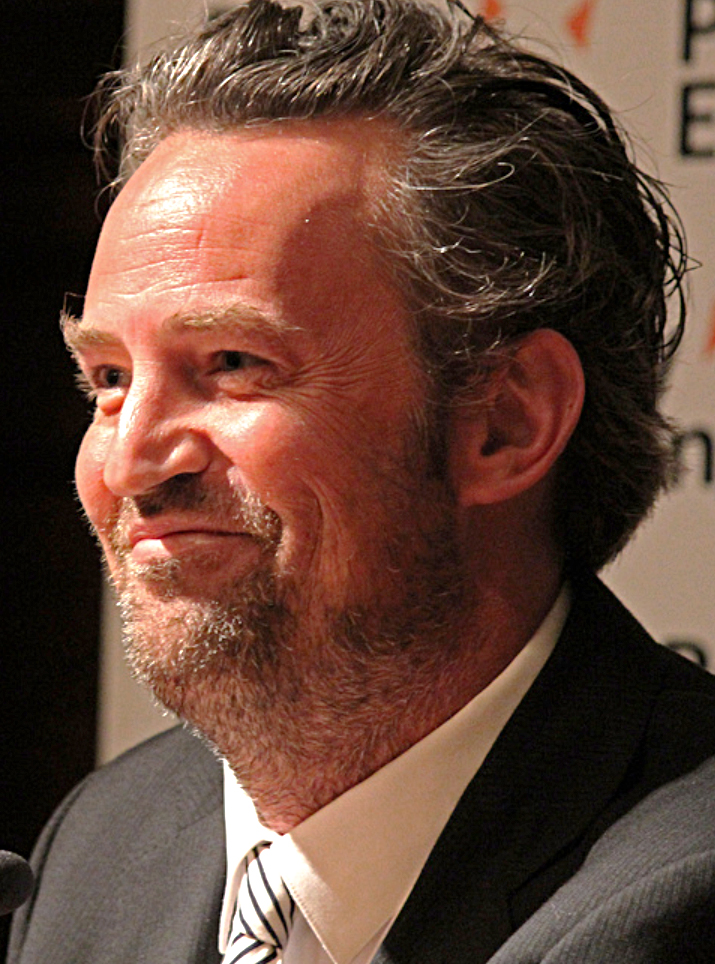
6. **Matthew Perry Shut Down Chandler’s Plot To Cheat On Monica Geller**
Matthew Perry’s Chandler Bing in “Friends” was one of television’s most cherished characters. His journey from commitment-phobe to devoted husband to Monica Geller was a cornerstone of the show’s emotional core, deeply resonating with millions. Any deviation, especially infidelity, would have profoundly impacted audience perception.
Actress Lisa Cash, in “The One in Vegas: Part 1,” revealed she was initially part of a storyline where Chandler would cheat on Monica. She explained the setup: “Chandler and Monica were arguing in [Las] Vegas. Chandler goes up to the hotel room, orders room service and I bring it up as a hotel worker.” The implication was an intimate encounter and infidelity.
However, this pivotal plot never materialized. According to Cash, Matthew Perry himself intervened, directly addressing the writers. She stated, “I was told that [he] went into the writers and said that the audience would never forgive him for cheating on Monica, which he was probably right.” Perry’s judgment reflected a keen understanding of his character and the strong bond he formed with the audience, safeguarding one of TV’s most beloved romantic storylines.
Following our exploration of actors’ profound influence, we now turn our attention to even more fascinating cases where star power fundamentally reshaped narratives. These instances highlight actors prioritizing personal values, ethical considerations, safety, and even iconic creative visions, often leading to significant production shifts and enduring changes in beloved stories. From protecting fictional animals to ensuring a character’s integrity, these behind-the-scenes battles reveal the complex dynamics between a star’s resolve and a production’s creative direction.
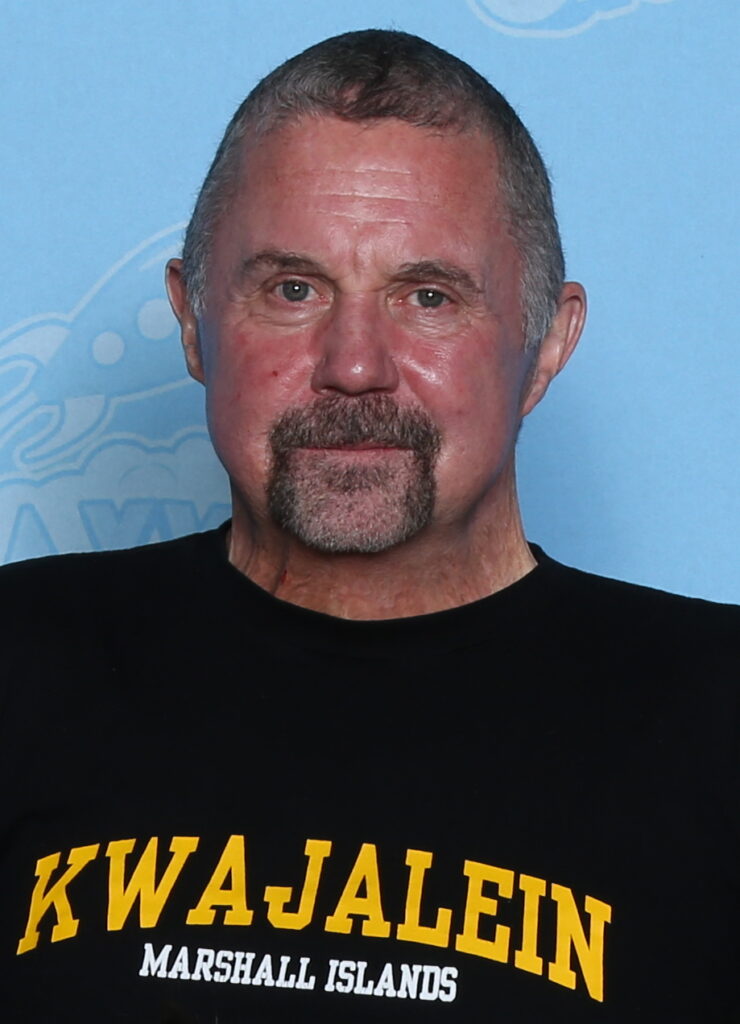
7. **Kane Hodder Refused To Film A Scene That Included Kicking A Dog**
Kane Hodder, renowned for his chilling portrayal of Jason Voorhees in multiple *Friday the 13th* films, faced a moral dilemma during the production of *Friday the 13th Part 8: Jason Takes Manhattan*. The script for the slasher sequel included a scene where the iconic horror villain was supposed to kick a dog, a moment that felt entirely out of character for Hodder. This plot point, seemingly minor, became a significant point of contention for the actor.
Hodder’s refusal stemmed from a deep conviction about the character he embodied. As he personally shared in a 2013 Reddit AMA, he simply did not believe Jason Voorhees, despite his monstrous nature, would ever harm a small, innocent animal. He stated, “I filled in something about the fact that I think Jason won’t hurt animals or kids.” This belief showcased a nuanced understanding of Jason’s character, even within the confines of a brutal slasher franchise.
This resolute stance demonstrated Hodder’s commitment not just to performing the role, but to preserving what he saw as the core integrity of the character. His objection ensured that Jason’s villainy remained directed primarily at humans, solidifying a subtle yet important aspect of his on-screen persona that resonated with fans and avoided a plot point that could have inadvertently alienated segments of the audience.

8. **James Corden Declined To Film A Scene That Included Making Fun Of Obese People**
Before his global fame, James Corden played school janitor Wayne in the British soap opera *Hollyoaks*. During his time on the show, Corden found himself confronting a scene that he felt crossed an ethical line. The proposed scene for his character’s bedroom was to be adorned with posters and images of fast food, implicitly mocking obese individuals.
Corden openly expressed his discomfort with the scene, viewing it as gratuitous and mean-spirited rather than comedic. He told *The New Yorker Magazine*, “I thought they were just being nasty about anyone who was overweight.” He further clarified his objection, stating, “I remember saying to the guy, ‘I don’t know one person who would take a picture of a hot dog and a burger and stick them on the wall.’” His perspective highlighted a critical point about humor: it should not come at the expense of belittling others.
His conviction was so strong that he reportedly refused to begin filming until the offending posters were removed from the set. This act underscores an actor’s power to influence narrative content when it clashes with their personal ethics or social responsibility. Corden’s refusal ensured the show avoided a potentially alienating and insensitive portrayal, aligning the production with a more inclusive approach.

9. **Emily Blunt Refused To Act In A Nude Scene**
Emily Blunt, celebrated for her powerful and nuanced performances, faced a creative disagreement during the production of the intense crime thriller *Sicario*. In the film, Blunt portrays Kate Macer, a tough and capable FBI agent enlisted to combat the escalating drug war along the Mexican border. The original script for this compelling narrative included a scene for her character, a detail that Blunt vehemently opposed.
Blunt’s refusal was rooted in her strong belief that the scene did not serve the character or the story. She felt it would undermine the integrity of her “badass character” and detract from the serious tone of the film. Explaining her stance to Howard Stern, she humorously noted that when she referred to “we” not agreeing with it, she meant “my breast,” highlighting her personal discomfort and conviction.
Ultimately, her objection was successful, and the scene was removed from the film. This decision respected the actor’s boundaries and demonstrated a collaborative spirit between the production and its lead talent. It also ensured that Kate Macer’s strength and professionalism remained the focus, rather than an unnecessary and potentially objectifying moment, ultimately strengthening the character’s portrayal.

10. **Denzel Washington Refused To Share A Kiss With Julia Roberts**
The 1993 mystery-thriller *The Pelican Brief* brought together two of Hollywood’s biggest stars, Denzel Washington and Julia Roberts, playing characters who developed a palpable romantic spark on-screen. Despite the clear narrative potential for a kiss between their personas, Washington made a conscious decision to refuse to film such a scene with Roberts, a choice that stemmed from a profound social consideration.
Washington’s rationale for his cautious approach to on-screen intimacy with white female co-stars was deeply rooted in his awareness of racial representation in Hollywood. He famously stated to *Newsweek* that “Black women are not often seen as objects of desire on film. And they have always been my core audience.” His concern was that an on-screen kiss with a white actress might inadvertently alienate his primary fanbase, particularly Black women who often feel overlooked in mainstream romantic narratives.
This powerful decision highlighted Washington’s commitment to his audience and his desire to address historical imbalances in cinematic portrayals of romance. It showcased an actor using his influence not just for personal comfort, but for a larger cultural and representational impact, ensuring that his artistic choices reflected a broader social consciousness and loyalty to his dedicated supporters.
Read more about: Pucker Up, Or Not: 6 Times Hollywood Stars Said ‘Nope’ To On-Screen Kisses

11. **Jessica Alba Refused To Swim With A Shark In Into The Blue**
Safety on film sets is paramount, but sometimes, actors are asked to perform stunts that push the boundaries of common sense. Jessica Alba encountered such a situation during the filming of *Into The Blue*, an action-thriller known for its underwater sequences. A particularly perilous scene required her to swim alongside a wild tiger shark, a demand Alba staunchly refused.
Despite assurances from the crew, including director John Stockwell, that the shark was in a cage and supposedly “docile,” Alba recognized the inherent danger. As she recounted to *Hot Ones*, her immediate reaction was dismissive of their claims: “For some reason, they caught a wild tiger shark and said, ‘It’s in this cage, so it’s docile!'” She bluntly responded, “I’m like, ‘It’s a f*****g tiger shark.'” Her visceral understanding of the risk stood in stark contrast to the production’s attempts to downplay it.
Her refusal was unwavering; Alba even retreated to shore on a boat as a form of protest, demonstrating her firm commitment to her safety. Ultimately, the segment was filmed using a double, underscoring the critical importance of an actor’s right to refuse unsafe working conditions. This incident serves as a stark reminder of the responsibilities productions have to their cast and crew, as highlighted by expert Neil Chase.
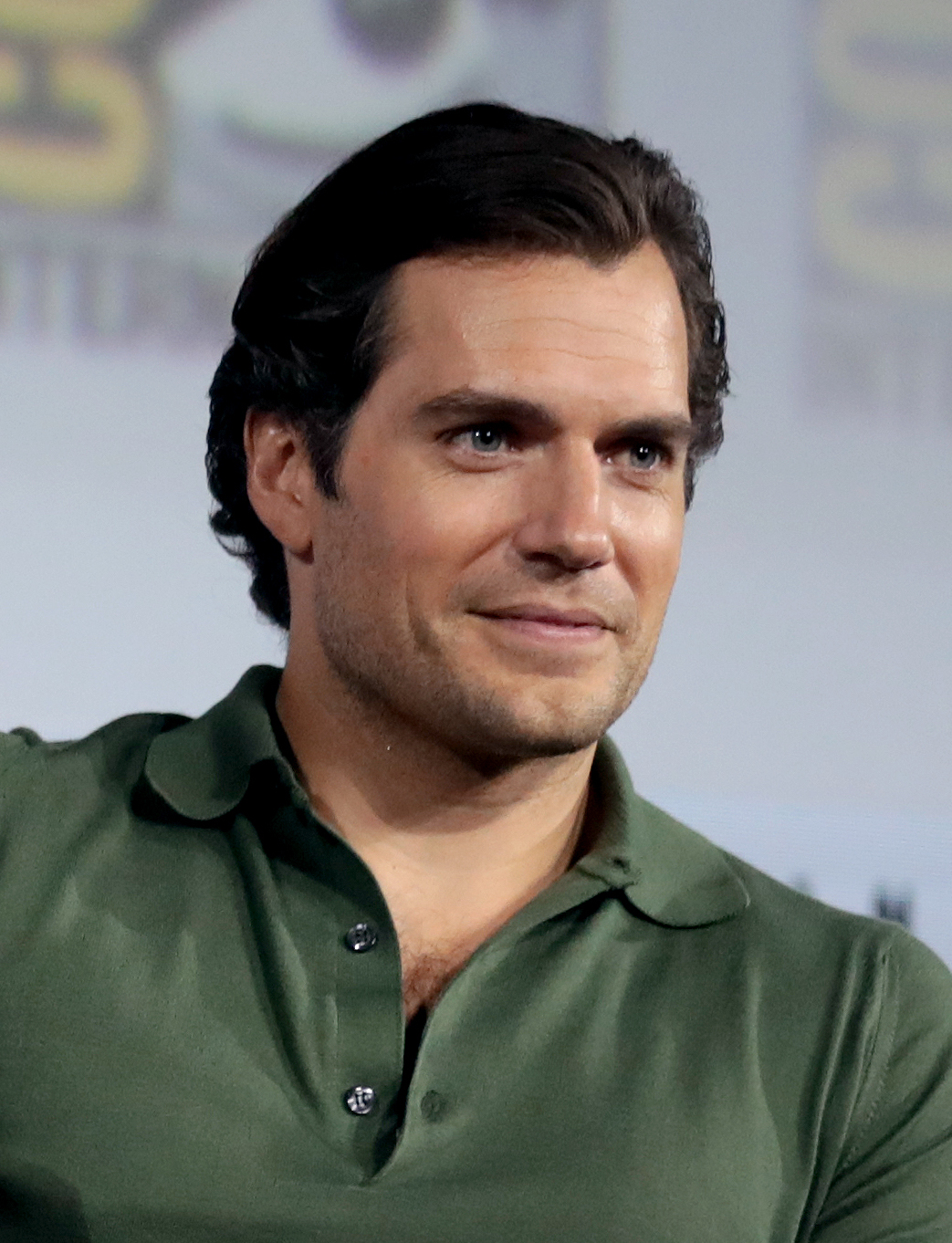
12. **Henry Cavill Refused To Film Intimate Scenes In Season 2 Of The Witcher**
Henry Cavill, who brought Geralt of Rivia to life in Netflix’s *The Witcher*, demonstrated a deep commitment to his character’s development and relationship with Yennefer (Anya Chalotra) during the production of Season 2. Despite the initial script suggesting intimate scenes between the two, Cavill opposed the idea, arguing for a different kind of connection between the characters.
Cavill’s objection wasn’t born from prudishness but from an artistic conviction about the narrative arc and the specific stage of Geralt and Yennefer’s relationship. He believed that at that point in their story, their bond needed to be more “emotional rather than [intimate].” He emphasized, “It was really, really important, and we had to lean away from what was originally on the page.” His vision prioritized the emotional depth and intellectual rapport over physical closeness.
His strong stance led to a significant revision of the script, showcasing how an actor’s understanding and investment in their character can directly influence storytelling choices. This shift allowed their relationship to evolve in a way that felt more earned and impactful, focusing on the complexities of their bond rather than resorting to scenes that might have felt gratuitous or premature for their journey.
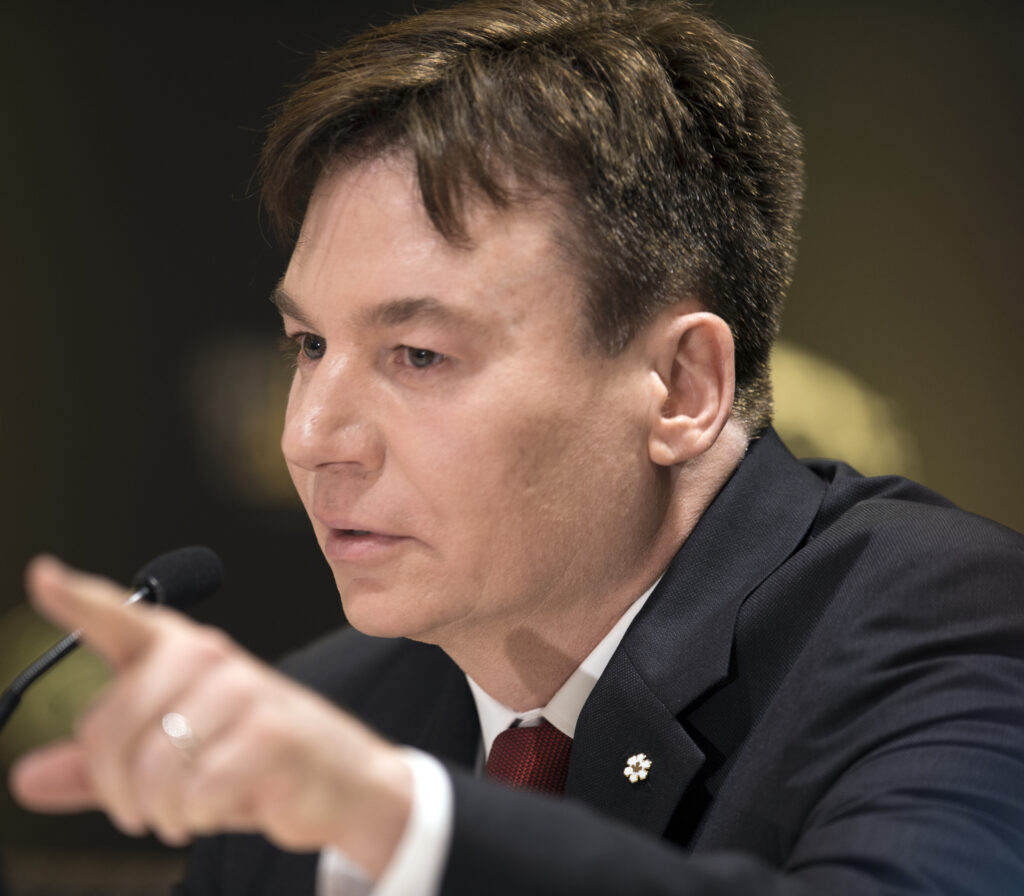
13. **Mike Myers Threatened To Leave The Show If “Bohemian Rhapsody” Wasn’t Featured**
Few cinematic moments are as instantly recognizable and joyously iconic as the head-banging car scene in *Wayne’s World*, set to Queen’s “Bohemian Rhapsody.” However, this now-legendary sequence almost didn’t happen, thanks to a fierce creative battle fought by none other than Mike Myers, who portrayed Wayne Campbell. Myers was intensely passionate about featuring the song, seeing it as integral to the film’s spirit.
During the pre-production phase, Myers tirelessly advocated for the inclusion of “Bohemian Rhapsody.” He believed the track was a “work of art” and perfectly encapsulated the irreverent, rock-and-roll essence of Wayne, Garth, and their friends cruising through their suburban town. His conviction was rooted in a deep understanding of the character’s world and what would truly resonate with the audience.
Myers’ dedication reached a critical point when he threatened to leave the movie entirely if the producers wouldn’t allow the use of the Queen classic. This ultimatum showcased his unwavering commitment to his creative vision. Ultimately, his persistence paid off, and “Bohemian Rhapsody” not only made it into the film but became an unforgettable part of cinematic history, proving that sometimes, an actor’s conviction can literally create a masterpiece.
These compelling narratives from Hollywood’s annals illuminate a fascinating truth: actors are more than just performers; they are often guardians of character integrity, ethical standards, and creative vision. As Neil Chase, an actor and story coach, wisely stated, “actors have a responsibility to themselves and the project to voice their objections to any material therein that they feel uncomfortable portraying or acting in.” These behind-the-scenes struggles demonstrate that such objections, whether driven by personal beliefs, artistic interpretation, or safety concerns, frequently lead to stronger, more resonant storytelling. It’s a testament to the power of individual resolve in shaping the beloved stories that captivate us, proving that true dedication can indeed elevate a production from good to unforgettable.