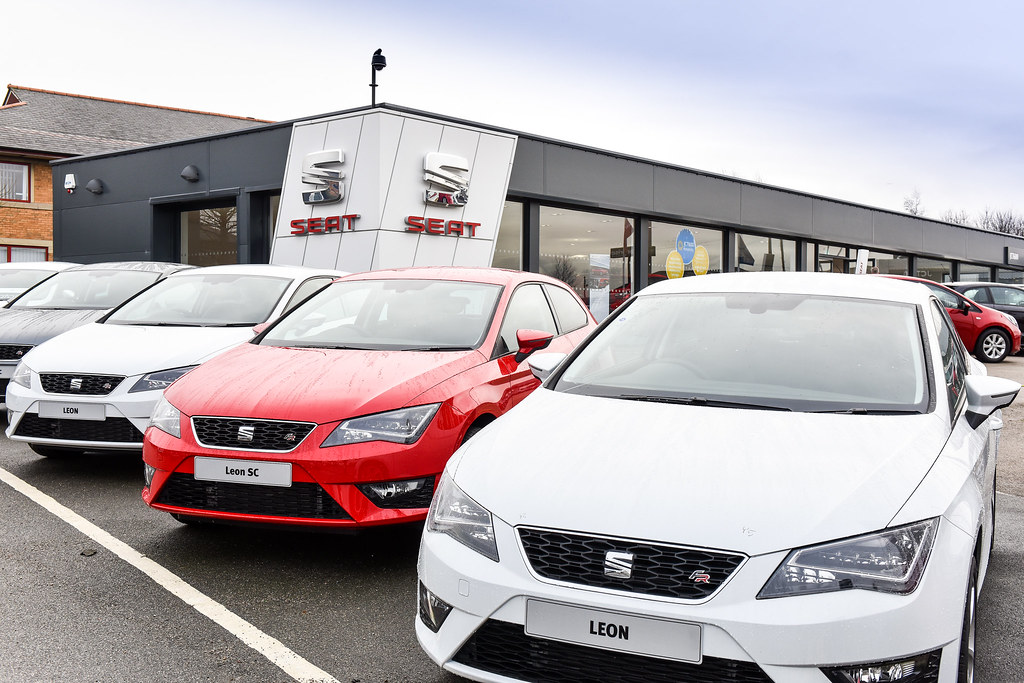

Shopping for a used car represents a significant financial commitment, one that demands careful research and informed decision-making. The goal is always to secure a reliable vehicle that will serve you well for years, allowing for predictable maintenance budgeting and peace of mind on the road. However, an ill-advised purchase can quickly turn into a financial burden, potentially leaving you with a “lemon” that requires costly repairs or, worse, forces you back into the market sooner than anticipated.
While car dealerships are often perceived as a convenient and regulated avenue for used car acquisitions, offering a seemingly straightforward process, a closer look reveals a landscape fraught with potential pitfalls for even the most savvy buyers. Industry experts, those intimately familiar with the nuances of the automotive market, frequently advise caution when considering dealership purchases. Their insights highlight a range of issues that can erode value and undermine buyer confidence.
As Paul Knoll, marketing director of American Muscle, succinctly puts it, “If you’re considering a used car, you might want to skip the dealership to avoid higher prices, high-pressure sales tactics, and limited choices.” This sentiment is echoed by Mark Beneke, co-owner of Westland Auto Sales, who emphasizes the fundamental business model of dealerships: “The biggest reason to avoid a dealership comes down to them valuing price over anything else.” These expert opinions underscore the crucial need for consumers to understand the systemic challenges inherent in the dealership model before committing to a purchase.
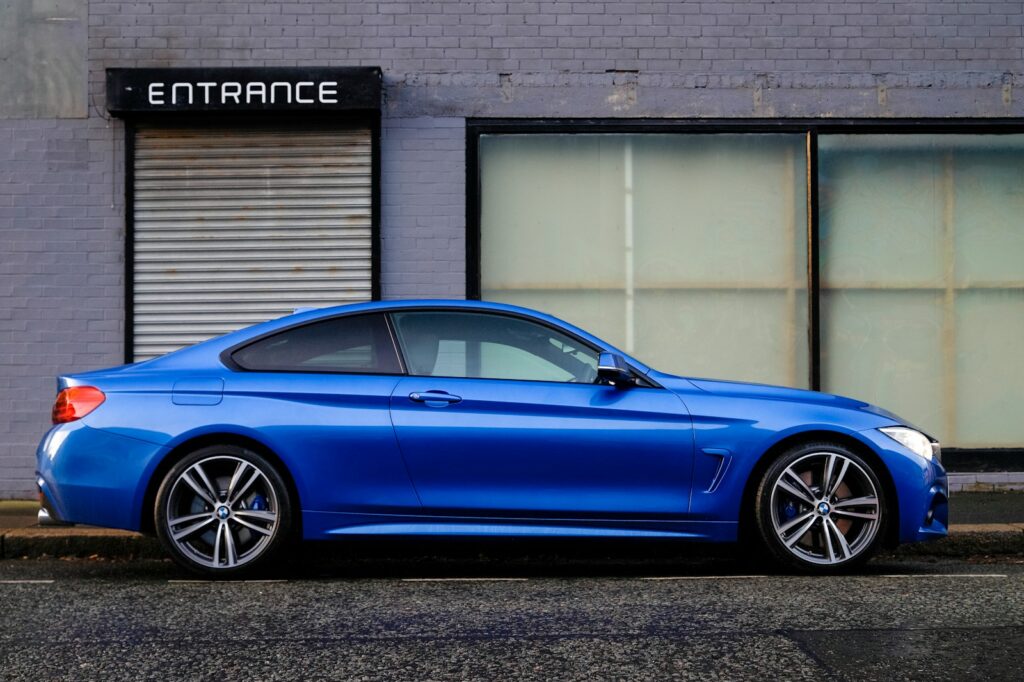
1. **Higher Prices**When you opt to buy a used car from a dealership, you’re often paying for a significantly larger operational structure than just the vehicle itself. Dealerships operate with substantial overhead costs that are ultimately passed on to the consumer. These expenses encompass a wide array of factors, from the salaries and commissions paid to their extensive sales teams to the considerable costs associated with maintaining large, often upscale, facilities and running extensive advertising campaigns.
To ensure profitability and cover these considerable outlays, dealerships consistently apply a markup to the prices of their used cars. This markup is a fundamental component of their business model, as articulated by Mark Beneke: “Dealerships are a business and therefore need to pay for overhead costs and make a profit to continue operating, which means a higher price for buyers.” This direct quote clearly illustrates why dealership prices tend to be elevated compared to other avenues.
The impact of this markup can be substantial, often resulting in consumers paying more than the car’s genuine fair market value. This discrepancy means that a significant portion of your investment isn’t going towards the intrinsic value of the car but rather towards supporting the dealership’s operational infrastructure. Consequently, a vehicle that might be available at a lower, more competitive price elsewhere ends up costing you more simply due to the sales channel.
In stark contrast, private sellers typically do not contend with the same array of overhead costs. They are not burdened by facility maintenance, advertising budgets, or sales commissions, allowing them to price their vehicles more flexibly and often more affordably. This difference in cost structure directly translates into a more attractive price point for consumers who choose to explore private sale options, making it a compelling alternative for those prioritizing value.
Read more about: Go Green, Save Green: 14 Gas-Guzzlers You Absolutely Should Not Keep in 2025, According to Emissions Data and Auto Experts

2. **Backend Extras**Dealerships often employ various strategies to maximize their profit margins beyond the initial sale price of the vehicle, and one of the most common methods involves the aggressive promotion of “backend extras” or add-ons. These supplementary products and services are introduced during the sales process, often after a price has seemingly been agreed upon, and can significantly inflate the final cost of your purchase. They are strategically presented to boost the dealership’s bottom line.
These extras span a wide spectrum, encompassing everything from extended warranties and comprehensive maintenance plans to cosmetic enhancements like rustproofing, paint protection, or interior fabric treatments. While it is true that some of these services may offer a degree of legitimate value in specific circumstances, a substantial number are frequently overpriced, carry limited utility, or are simply unnecessary for the average car owner, particularly given the car’s age and condition.
A critical concern for consumers is the lack of transparency often associated with the sale of these add-ons. Dealership personnel may not always fully disclose the true costs involved, nor do they always provide a clear, balanced overview of the actual benefits these extras purport to offer. This ambiguity can lead buyers to commit to additional expenditures without a complete understanding of the value proposition, or lack thereof, of the services being purchased.
The consequence of this lack of clarity is that consumers can find themselves spending a considerable amount of extra money on items that may not genuinely enhance their vehicle’s longevity, protect them adequately, or align with their personal needs. For example, an extended warranty might have so many exclusions or stringent terms and conditions that its real-world value is negligible. Being pressured into accepting these add-ons can diminish the overall value of your used car purchase.
It is imperative for buyers to approach these backend extras with a critical eye, questioning their necessity and thoroughly scrutinizing their terms before agreeing to any additional purchases. Understanding that these are primarily profit-generating mechanisms for the dealership, rather than essential components of a used car purchase, empowers consumers to decline unnecessary offerings and protect their budget from unwarranted expenses.
Read more about: 15 Crucial Reasons Why You Should Think Twice Before Buying a Used Car from a Dealership

3. **Hidden Fees**Beyond the advertised price of a used car and the optional backend extras, consumers must remain vigilant for an array of “hidden fees” that can unexpectedly escalate the total cost of their purchase when dealing with dealerships. These fees often emerge late in the transaction process, typically when finalizing the paperwork, catching buyers off guard and adding significant, unforeseen expenses to the final bill.
These supplementary charges can manifest in various forms. Common examples include documentation fees, which cover the dealership’s administrative costs for processing paperwork, and delivery charges, even if the car is already on the lot. Additionally, buyers might encounter title transfer fees, which are often legitimate but can be marked up, or advertising fees, which ostensibly cover the dealership’s marketing expenses for the vehicle you are buying.
While it is true that some of these fees are legally legitimate and mandated by local or state regulations, such as certain registration or title transfer charges, many others can be either inflated beyond reasonable costs or entirely unnecessary additions designed purely to boost dealership profits. The challenge for the consumer lies in distinguishing between legitimate, non-negotiable fees and those that are debatable or even fraudulent.
A significant concern highlighted by consumer advocates is the frequent lack of upfront transparency regarding these fees. Dealerships may not proactively disclose the full spectrum of these charges early in the negotiation process. This deliberate ambiguity leaves buyers surprised and often frustrated when confronted with a much higher final price tag than initially discussed, making it difficult to budget effectively or compare offers accurately.
To mitigate the risk of hidden fees, it is crucial for buyers to demand a comprehensive breakdown of all charges included in the purchase price before signing any documents. A detailed invoice should clearly itemize every single fee. Scrutinizing this information and questioning any unfamiliar or excessive charges can help consumers avoid paying more than necessary and ensure they are not subjected to arbitrary additions to their used car purchase.
Read more about: Rolling in That Old Camper Van? The Unfiltered Truths Full-Time Nomads Secretly Whisper About Your Life on the Road

4. **Inaccuracies on Vehicle History Reports**A vehicle history report stands as an indispensable tool for any discerning used car buyer, offering a detailed glimpse into a car’s past ownership, reported accidents, maintenance chronology, and other vital records. This document is meant to provide a transparent overview, allowing consumers to make an informed decision about the integrity and value of a potential purchase. However, relying solely on reports provided by dealerships can expose buyers to considerable risk.
A significant concern arises from the fact that dealerships may not always furnish vehicle history reports that are entirely accurate or comprehensively complete. Instances have been documented where critical information, particularly concerning significant issues, is either overlooked, deliberately downplayed, or conspicuously absent from the reports provided to potential buyers. This can range from past accidents that were not reported to insurance, to severe flood damage that was inadequately documented.
Furthermore, issues such as odometer discrepancies, which can mask the true mileage and wear and tear on a vehicle, might not be fully disclosed or properly investigated by dealerships. The implication here is profound: without access to genuinely reliable and exhaustive information, consumers are vulnerable to purchasing a car with a host of hidden problems that could prove exceptionally costly to diagnose and repair down the line, turning an apparent bargain into an unforeseen financial drain.
This lack of reliable information undermines the very purpose of a vehicle history report, which is to empower the buyer with knowledge. When a dealership fails to provide an unblemished and truthful account of a car’s past, it places the buyer at a severe disadvantage. The potential for unexpected mechanical failures, safety hazards, and significant financial outlays for repairs on a vehicle whose history was misrepresented is a substantial risk for consumers.
Therefore, while a dealership might provide a report, it is an essential consumer practice to independently verify the vehicle’s history through a trusted third-party service. This proactive step can help uncover discrepancies or omissions that a dealership might have missed or intentionally obscured, providing a more accurate picture of the vehicle’s true condition and protecting the buyer from inheriting expensive, hidden liabilities.
Read more about: The 13 Critical Pitfalls: Unmasking the Hidden Dangers of Online Car Auctions

5. **Extended Warranty Scams**Extended warranties are frequently presented by dealerships as an essential safeguard, promising peace of mind by covering unexpected mechanical repairs that may arise after a used car purchase. While the concept of mitigating future repair costs is undoubtedly appealing to consumers, the reality is that dealerships often leverage these warranties as a primary means to significantly boost their profit margins, turning a perceived benefit into a potential financial trap.
Dealerships are known to aggressively push expensive extended warranty packages, which, upon closer inspection, often come with significant limitations in coverage or highly stringent terms and conditions. The sales pitch typically exaggerates the extensive benefits these warranties supposedly offer, creating an impression of comprehensive protection. Simultaneously, any potential drawbacks, such as specific exclusions, deductibles, or the precise conditions under which claims can be made, are frequently downplayed or glossed over.
This imbalance in presentation can leave consumers in a precarious position, committing to a costly add-on that ultimately fails to deliver the level of protection they were led to expect. Many buyers discover only when a repair is needed that their extended warranty does not cover the specific component or issue, or that the process for making a claim is excessively complex and restrictive, effectively negating the perceived value of their purchase.
The financial implications of these “scams” can be considerable. Consumers end up paying a hefty sum upfront for a service that provides minimal tangible benefit, effectively adding an unnecessary burden to their overall vehicle cost. This practice directly contradicts the consumer advocacy principles of transparency and value for money, transforming a useful financial instrument into a profit-centric product for the dealership.
Therefore, exercising extreme diligence is paramount. Before agreeing to purchase any extended warranty from a dealership, consumers must meticulously review all terms and conditions. This includes understanding what exactly is covered and, more importantly, what is excluded, as well as familiarizing oneself with the claims process, deductibles, and the specific duration of the coverage. Independent research and comparing offers from third-party warranty providers can also help ensure that any purchased warranty genuinely offers robust protection at a fair price.
Read more about: Beyond the Sticker Price: Unveiling How Car Dealers Secretly Add Thousands to Every Sale Through Financing and Hidden Charges

6. **Limited Choices**One of the more practical limitations inherent in purchasing a used car from a traditional dealership is the often-restricted selection of vehicles available. Unlike the vast inventories found across online marketplaces or the diverse offerings from a multitude of private sellers, a single dealership’s lot is finite, limiting the scope of choices for prospective buyers. This confined range can pose a significant challenge for consumers with specific preferences or needs.
This limited inventory directly restricts a buyer’s options, particularly if they are seeking a particular make, model, year, or a specific combination of features. When confronted with a smaller pool of vehicles, consumers may find themselves in a position where they must compromise on certain desirable attributes. This could mean settling for a car that doesn’t fully align with their aesthetic preferences, functional requirements, or desired trim level, simply because a more suitable option is not present on that particular lot.
The consequence of this narrowed choice is that buyers might end up purchasing a car that is “good enough” rather than truly ideal for their needs and budget. This can lead to dissatisfaction down the line, as the compromises made at the time of purchase become more apparent during ownership. The inability to compare a wide variety of similar vehicles side-by-side at a single location also makes it harder to assess true market value and ensure the best deal.
In contrast, exploring the broader market, which includes numerous private sellers and extensive online platforms, dramatically expands the universe of available used cars. These alternative sources offer a much greater chance of locating a vehicle that precisely matches an individual’s detailed specifications, from obscure models to rare feature sets, without the pressure to settle for whatever is immediately available at a dealership.
Therefore, for consumers who prioritize finding a used car that perfectly fits their unique needs and budget without compromise, stepping beyond the confines of a single dealership’s inventory is a crucial strategy. The broader market provides the necessary diversity to ensure that the chosen vehicle is a deliberate and optimal match, rather than a reluctant compromise dictated by limited on-site availability.
Read more about: The Insider’s Guide to Jennifer Lopez’s Radiant Glow: Unveiling Her Skincare Secrets and Lifestyle Essentials

7. **Pressure Sales Tactics**Stepping onto a car dealership lot often means entering an environment specifically engineered for high-pressure sales. This atmosphere is meticulously designed to push consumers into making rapid, often impulsive, purchasing decisions, frequently prioritizing the dealership’s sales targets over the buyer’s best interests. Understanding these tactics is vital for maintaining control during the negotiation process and making a rational choice.
Salespeople at dealerships are typically incentivized to close deals quickly and efficiently. To achieve this, they often employ a range of persuasive techniques and psychological ploys. These can include creating a false sense of urgency, such as claiming a specific vehicle is attracting high interest or that a “limited-time offer” is about to expire. Such tactics are designed to bypass logical deliberation and trigger an emotional, immediate response from the buyer.
This relentless pressure can be profoundly overwhelming for many individuals, leading to a diminished capacity for critical evaluation. Under such stress, buyers might feel compelled to agree to unfavorable terms, accept unnecessary add-ons, or commit to a purchase that is not truly in their best financial interest, simply to escape the discomfort of the sales interaction. The goal is to prevent buyers from taking their time to compare, research, or think things through thoroughly.
As Paul Knoll mentioned, consumers “might want to skip the dealership to avoid… high-pressure sales tactics.” This expert advice underscores the commonality and impact of such methods. The sales environment can make it challenging to stick to a predetermined budget or to confidently walk away from a deal that feels less than ideal, impacting the overall satisfaction and financial prudence of the purchase.
To effectively navigate these tactics, it is crucial for buyers to arm themselves with thorough research on market values, specific vehicle models, and their personal budget limits *before* visiting any dealership. Cultivating a firm resolve to take your time, compare options from various sources, and being prepared to walk away if the sales pressure becomes too intense or the terms are not favorable are indispensable strategies. Empowering yourself with knowledge and confidence is the best defense against being coerced into a regrettable purchase.
Read more about: The 13 Critical Pitfalls: Unmasking the Hidden Dangers of Online Car Auctions

8. **Financing Pitfalls**While the convenience of in-house financing at a dealership might seem appealing, it often presents a range of potential pitfalls for consumers. Dealerships frequently offer financing options for used cars, but it’s crucial for buyers to understand that these options may not always be the most competitive available in the market. Many times, the interest rates proposed by dealership financing can be higher, or they may come bundled with additional fees that are not immediately apparent, ultimately inflating the total cost of the vehicle.
It’s a common dealership strategy to offer a seemingly lower price on a used car if a buyer opts for their financing. While this might appear to be a saving upfront, these initial discounts can often be completely negated, or even surpassed, by the elevated financing costs over the loan’s term. This subtle interplay between the car’s price and the loan’s conditions requires diligent scrutiny from the consumer to ensure they are genuinely securing the best overall deal.
The key recommendation for any savvy used car buyer is to proactively compare financing offers from a variety of sources before stepping into a dealership. Obtaining pre-approvals from independent banks or credit unions provides a powerful negotiation tool. With an external financing offer in hand, you are empowered to either challenge the dealership’s rates or confidently accept a more favorable external loan, ensuring your hard-earned money is not disproportionately spent on interest and fees.
Read more about: Consumer Alert: The 14 Costly Dealer Add-Ons to Avoid at the Car Dealership
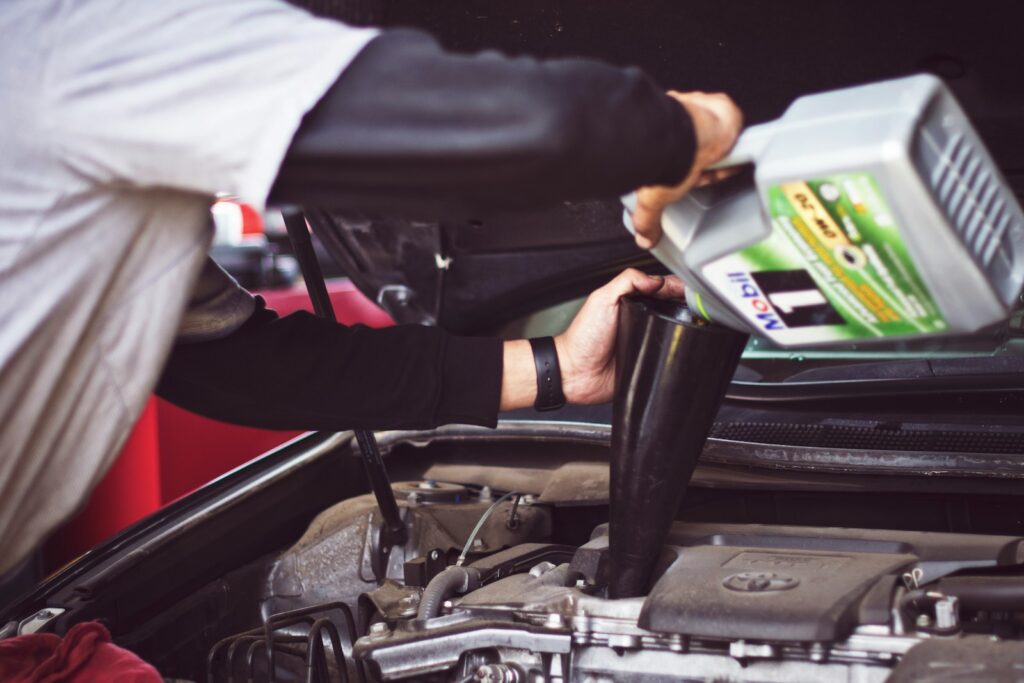
9. **Lack of Transparency**One of the most significant hurdles in purchasing a used car from a dealership is the potential for a pervasive lack of transparency. Unlike a direct interaction with a previous owner who might offer candid insights into a vehicle’s history, some dealerships may intentionally withhold critical information about a car’s true condition, its complete maintenance history, or any past issues it might have experienced. This deliberate omission makes it exceedingly difficult for prospective buyers to make a fully informed decision.
This absence of upfront disclosure can encompass a wide array of details, ranging from minor but recurring mechanical quirks to more substantial, undisclosed repairs or even previous accidents that were not officially reported. When vital data is kept hidden, buyers are left to guess about the long-term reliability and potential future costs associated with the vehicle, turning what should be a straightforward transaction into a risky gamble.
To counter this potential lack of transparency, consumers must adopt a proactive and questioning approach. It is imperative to demand comprehensive maintenance records, detailed service histories, and any documentation pertaining to past repairs. Furthermore, always insist on a pre-purchase inspection by an independent, trusted mechanic who can provide an unbiased assessment of the vehicle’s condition. These steps are invaluable in uncovering any hidden issues before committing to a purchase and safeguarding your investment.
Read more about: Beyond the Headlines: Unpacking the Social Media Trends Taylor Swift Has Navigated and Challenged

10. **Limited Return Policies**The process of buying a used car from a dealership can often involve stringent return policies that offer consumers far less flexibility than they might assume. Unlike the more generous return policies or money-back guarantees that are sometimes available through certain private sellers or innovative online platforms, traditional dealerships typically operate with much stricter terms once the paperwork is signed and the car leaves the lot.
This restrictive approach means that if a buyer discovers significant problems with the vehicle shortly after purchase, or simply experiences a change of heart, their options for returning or exchanging the car may be severely constrained. The “as-is” nature of many used car sales, coupled with limited recourse, places a heavy burden of responsibility on the buyer to identify all potential issues before finalizing the transaction.
It is therefore absolutely essential for consumers to meticulously review and fully comprehend the dealership’s specific return policy and the extent of any accompanying warranty coverage *before* signing any documents. A clear understanding of these terms will prevent unpleasant surprises down the road and ensure that you are aware of your rights and available recourses should unforeseen issues arise after taking ownership of the vehicle. This due diligence is a critical step in protecting your purchase.
Read more about: The 13 Critical Pitfalls: Unmasking the Hidden Dangers of Online Car Auctions

11. **Depreciation Concerns**When considering the long-term financial implications of a used car purchase, depreciation rates are a critical factor, and cars bought from dealerships often exhibit faster depreciation compared to new vehicles or those acquired directly from private sellers. This accelerated decline in value can significantly erode the investment you’ve made, particularly if you plan to resell or trade in the vehicle within a few years of ownership.
Dealerships typically price used cars at a point that may already be quite close to their current depreciated market value. This means that from the moment you drive it off the lot, the rate at which its value further diminishes could be considerable. Consequently, if you decide to upgrade or sell the car in the future, you might experience a more substantial financial loss than initially anticipated, affecting your equity in the vehicle.
To mitigate the impact of depreciation, consumers should conduct thorough research into the resale values of specific makes and models. Understanding how quickly a particular vehicle type depreciates, and comparing dealership prices against private sale prices and market trends, can help you make a more financially sound decision. Prioritizing models known for better value retention can contribute significantly to preserving your investment over time.
Read more about: Mechanic’s Crucial Warning: 15 Popular Vehicles That Turn into Costly Financial Traps Well Before 120,000 Miles

12. **Overlooked Maintenance Issues**While reputable dealerships typically conduct some form of inspection on their used car inventory, it is a sobering reality that these checks may not always be exhaustive enough to uncover all underlying maintenance issues or potential mechanical problems. Basic inspections can easily miss subtle but significant defects or worn components that could lead to costly repairs for the new owner down the line.
These overlooked issues, ranging from impending brake replacements to minor engine leaks or transmission irregularities, can swiftly transform an initially attractive purchase into an unexpected financial drain. Without a comprehensive and unbiased assessment, buyers are vulnerable to inheriting problems that become apparent only after ownership, leading to frustration and considerable out-of-pocket expenses.
The most effective safeguard against overlooked maintenance issues is to insist on a pre-purchase inspection (PPI) conducted by an independent, certified mechanic of your choosing. This professional, third-party evaluation provides an unbiased and thorough assessment of the vehicle’s mechanical and structural integrity. A detailed PPI report will identify any potential concerns, empowering you to negotiate repairs or confidently walk away from a problematic vehicle before finalizing your purchase.
Read more about: Rolling in That Old Camper Van? The Unfiltered Truths Full-Time Nomads Secretly Whisper About Your Life on the Road

13. **Negotiation Challenges**Engaging in price negotiations at a traditional car dealership can often prove to be a particularly challenging and time-consuming endeavor for many consumers. The sales environment is frequently geared towards maximizing dealership profit, and staff may be trained in sophisticated negotiation tactics that can be intimidating or frustrating for the average buyer.
Dealerships are not always eager to significantly budge on the advertised price of a used car, especially if they believe the vehicle is in high demand or if they have already applied a substantial markup. This often creates a situation where buyers feel pressured to accept less favorable terms, or they struggle to secure a deal that genuinely aligns with their predetermined budget and expectations.
To navigate these negotiation challenges successfully, preparation is paramount. Buyers should meticulously research the fair market value of the specific car model they are interested in, drawing on data from multiple reputable sources. Armed with this knowledge and a firm budget, consumers should be prepared to stand their ground, present evidence of comparable listings, and, crucially, be willing to walk away from the deal if the terms are not favorable. This assertive stance is your best defense against unfavorable negotiations.
Read more about: Unmasking Disney’s Hidden Vault: 14 Shows and Characters Quietly Removed from Streaming and Airwaves

14. **Limited Warranty Coverage**When acquiring a used car from a dealership, the warranty coverage provided is often a point of critical distinction that requires careful consideration. Unlike the comprehensive manufacturer’s warranties that accompany new vehicles, used cars from dealerships typically come with significantly limited coverage, if any at all. These warranties may only offer basic protection against specific, clearly defined defects or issues for a very restricted period.
The crucial implication here is that many components of the vehicle, particularly those prone to wear and tear in an older car, might not be covered by the dealership’s warranty. This leaves the new owner financially exposed to a wide array of potential repair costs should problems arise outside the narrow scope or duration of the provided coverage. Understanding these limitations is vital to accurately assess your risk.
Therefore, a thorough review of the dealership’s warranty documentation is not just recommended, but absolutely essential. Consumers must scrutinize the fine print, identifying precisely what is covered, what is explicitly excluded, the duration of the coverage, and any associated deductibles or claim procedures. For those seeking more robust protection, exploring independent extended warranty options from third-party providers can offer a more comprehensive safeguard against unexpected and potentially expensive repairs.
Read more about: Navigating the Field: An Expert Review of 12 Tractor GPS Systems for Unrivaled Steering Accuracy and Efficiency

15. **Reputation and Reviews**In today’s interconnected world, a dealership’s reputation and its public reviews serve as an invaluable, yet often overlooked, indicator of the quality of service and the integrity of its sales practices. Before making a significant investment in a used car, consumers have the distinct advantage of readily accessing a wealth of information about a dealership’s past performance and customer satisfaction.
A history of negative customer reviews, particularly those highlighting poor customer service, deceptive sales tactics, or instances of selling cars with undisclosed issues, should serve as a significant red flag. Conversely, a dealership consistently receiving positive feedback for transparency, fairness, and reliable vehicles can provide a greater degree of confidence in your potential purchase.
Therefore, a crucial step in the used car buying process involves extensive research into a dealership’s standing. This includes thoroughly checking online review platforms, seeking recommendations from trusted friends or family, and consulting reputable consumer protection organizations like the Better Business Bureau. By leveraging these resources, buyers can make a far more informed decision about the integrity and reliability of the dealership they choose, safeguarding themselves from potentially regrettable experiences.
Read more about: From Hidden Gems to Iconic Ensembles: 15 Movies Where the Cast Made All the Difference
While the allure of convenience at a dealership can be strong, a meticulous and informed approach to buying a used car is paramount. The journey to finding a reliable vehicle at a fair price requires consumers to look beyond the immediate appeal of dealership offerings and delve into the finer details of financing, transparency, warranties, and reputation. By understanding and proactively addressing these potential drawbacks, buyers can significantly enhance their chances of securing a used car that truly represents value, reliability, and peace of mind on the road. Empowering yourself with knowledge and an assertive mindset is the ultimate tool in navigating the used car market successfully.