
The world of high-performance machinery and meticulously crafted components often reveals a deeper appreciation for innovation, precision, and pure mechanical artistry. For those with a truly discerning eye, taste extends beyond mere aesthetics, delving into the very heart of engineering excellence and functional design. It’s about recognizing the genius in how power is harnessed, how control is maintained, and how form elegantly follows function, creating a symphony of parts working in perfect harmony.
Indeed, the concept of ‘taste’ is far from limited to luxury vehicles or grand architectural marvels. It encompasses an understanding of the fundamental elements that drive performance, enable control, and even define historical or esoteric practices. When we peel back the layers, we discover that some of the most compelling expressions of ingenuity reside in objects and mechanisms that might, at first glance, seem understated, yet are utterly crucial to their respective domains. A true connoisseur knows that elegance can be found in a well-engineered component just as much as in a custom-built automobile.
In this journey, we’ll cast a wide net across various forms of ‘rods’ – from the exhilarating custom vehicles that ignite the streets to the hidden, vital components within an engine, and even some tools of precision and tradition. Each ‘rod’ we explore serves as a testament to human ingenuity and the profound satisfaction that comes from appreciating a design that is both effective and, in its own right, beautiful. Let’s fire up our engines of curiosity and explore some truly remarkable examples.

1. **Hot Rod**
When we talk about vehicles that truly capture the imagination and embody a spirit of individual expression, the ‘hot rod’ immediately springs to mind. As explicitly defined, a hot rod is “an automobile or other passenger motor vehicle modified to run faster and often with exterior cosmetic alterations.” This isn’t just a car; it’s a statement, a canvas of mechanical art where speed and style converge in a spectacular display of custom craftsmanship. The very essence of hot rodding speaks volumes about a profound appreciation for performance, where the pursuit of raw power and exhilarating acceleration is paramount.
The modifications undertaken to make a vehicle “run faster” are at the core of the hot rod’s appeal. This isn’t about mere engine tuning; it often involves extensive powertrain enhancements, drivetrain optimizations, and a relentless focus on shedding weight and improving aerodynamics. The discerning taste here lies in understanding the intricate balance required to achieve superior speed, from selecting the perfect engine block to fine-tuning carburetion and exhaust systems, all to deliver that adrenaline-pumping surge of power on demand. It is a pursuit of mechanical perfection, pushing the boundaries of what a vehicle can achieve.
Beyond sheer velocity, the hot rod also stands out for its “exterior cosmetic alterations.” These aren’t just superficial changes; they are deliberate design choices that transform an ordinary vehicle into an automotive masterpiece. From chopped tops and channeled bodies to custom paint jobs and gleaming chrome, every detail is meticulously planned to create a unique aesthetic that is both aggressive and elegant. The taste reflected here is an eye for dramatic design, a flair for personalization, and an unwavering commitment to making a vehicle visually arresting, ensuring it turns heads wherever it goes while still honoring its heritage.
Notably, the hot rod is “especially one based originally on a pre-1940s model or (currently) denoting any older vehicle thus modified.” This particular facet underscores an appreciation for automotive history and the preservation of classic lines. Taking an older vehicle, steeped in tradition and vintage charm, and infusing it with modern performance and custom styling requires a unique vision. It’s a delicate dance between past and present, creating a machine that respects its roots while boldly embracing contemporary power and design sensibilities. This blending of eras, expertly executed, is a hallmark of truly exceptional taste, demonstrating a deep respect for heritage combined with a drive for cutting-edge performance.
Read more about: Beyond the Hype: 12 Overrated Gym Lifts That Might Be Hurting Your Progress and Joints
2. **Connecting Rod**
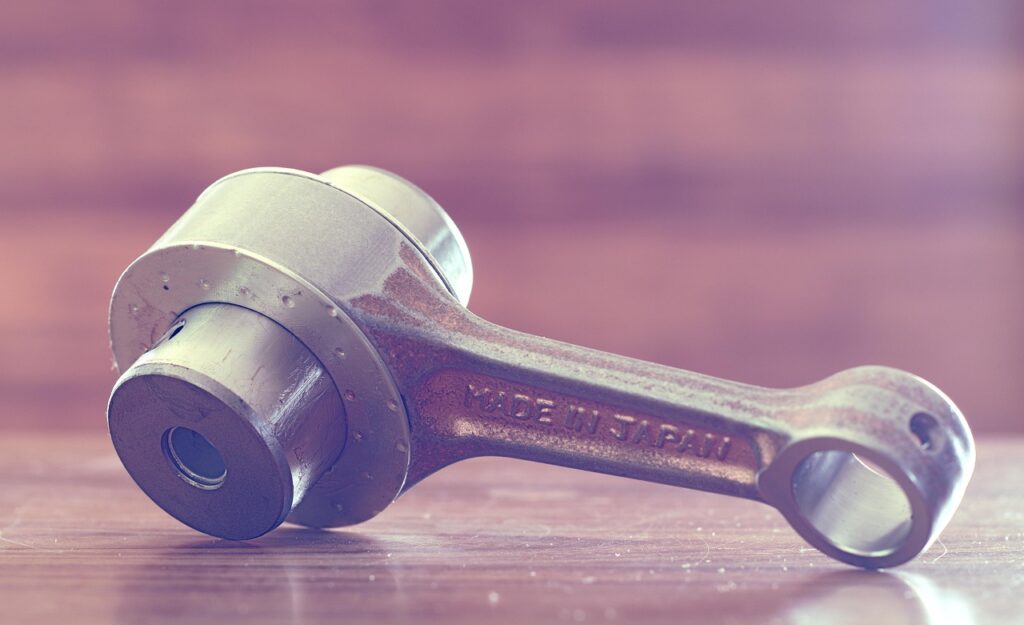
Stepping away from the visible spectacle of the hot rod, we delve into the unsung heroes of internal combustion: the connecting rod. The context defines it as the “main, coupling, or side rod, in a reciprocating engine,” and further, as “a straight bar that unites moving parts of a machine, for holding parts together as a connecting rod or for transferring power as a driveshaft.” While not as outwardly glamorous as a custom vehicle, the connecting rod embodies a profound level of engineering precision and speaks volumes about an appreciation for the foundational mechanics that make high-performance possible.
Its role as the “main” component in linking the piston to the crankshaft is absolutely critical. Imagine the immense forces at play within an engine, where controlled explosions drive pistons up and down thousands of times per minute. The connecting rod must withstand these tremendous stresses, converting the linear motion of the piston into the rotational motion of the crankshaft, which ultimately powers the vehicle. The material science, the forging process, and the meticulous machining required to produce a robust and reliable connecting rod are a testament to advanced engineering, showcasing a taste for uncompromising strength and enduring performance under extreme conditions.
The elegant simplicity of its function, “uniting moving parts of a machine,” belies the complexity of its design. It’s a precisely engineered bridge, ensuring seamless and efficient power transfer. Any flex, fracture, or imbalance in a connecting rod can lead to catastrophic engine failure. Therefore, the selection and specification of these components by a discerning enthusiast reveal an understanding of their vital importance. It’s an appreciation for the hidden artistry of mechanical engineering, where reliability and efficiency are paramount, and every millimeter of design contributes to the overall integrity and performance of the engine.
Furthermore, the connecting rod’s role in “transferring power as a driveshaft” highlights its direct contribution to a vehicle’s propulsion. It is the direct link that translates the raw energy of combustion into motive force. The ability of this relatively small component to handle such immense, repetitive loads, maintaining its structural integrity and precision over countless cycles, is nothing short of remarkable. For those with an informed taste, the quality of an engine’s connecting rods is a clear indicator of its potential for sustained high performance and durability, underscoring a sophisticated understanding of an engine’s very heartbeat and power delivery.
Read more about: Beyond the Script: 12 Famous Actors Who Are Also Seriously Talented Musicians

3. **Piston Rod**
Closely related to the connecting rod, and equally vital in the symphony of a reciprocating engine, is the piston rod. While often working in tandem with, or as an integrated part of, the connecting rod system, its specific function within the broader definition of “a straight bar that unites moving parts of a machine, for holding parts together as a connecting rod or for transferring power as a driveshaft” merits individual recognition for its contribution to mechanical excellence. It exemplifies a refined taste for the meticulous design of components that endure immense forces to deliver unwavering performance.
The piston rod, by its very nature, is a masterclass in resisting compressive and tensile stresses. As the piston is driven downwards by combustion and then pulled upwards, the rod experiences extreme loads, requiring materials and a structural design that ensure maximum rigidity and fatigue resistance. An appreciation for a well-designed piston rod speaks to a deep understanding of engine dynamics – recognizing that the longevity and efficiency of an engine are inherently linked to the integrity of such critical, often unseen, components. This isn’t about flash; it’s about fundamental, robust engineering that forms the backbone of power generation.
Its function in “uniting moving parts of a machine” highlights its pivotal role in the precise choreography of an engine. The exact length, weight, and balance of a piston rod are meticulously calculated to ensure smooth, vibration-free operation at high RPMs. Deviations can lead to imbalances, efficiency losses, and even catastrophic failures. Therefore, the discerning individual recognizes that the quality of a piston rod is a testament to engineering excellence, reflecting a commitment to flawless mechanical operation. This demonstrates a taste for the subtle yet profound elements that differentiate a good engine from a truly great one, prioritizing precision and harmony.
The capacity of the piston rod for “transferring power as a driveshaft” underscores its direct involvement in converting the engine’s internal forces into usable output. This transfer is not merely a connection; it’s a dynamic conduit for energy. The strength and resilience engineered into a piston rod allow it to continuously transmit the explosive power generated in the combustion chamber, ensuring that every ounce of energy contributes to the engine’s thrust. This aspect reveals a refined taste for components that are not just strong but are optimized for maximum energy transfer and efficiency, showcasing an appreciation for the seamless flow of power from inside the engine to the wheels.
Read more about: When ‘WHOA’ Goes Wrong: The 15 Critical Brake Failures Every High-Speed Race Driver Fears
4. **Tie-Rod**
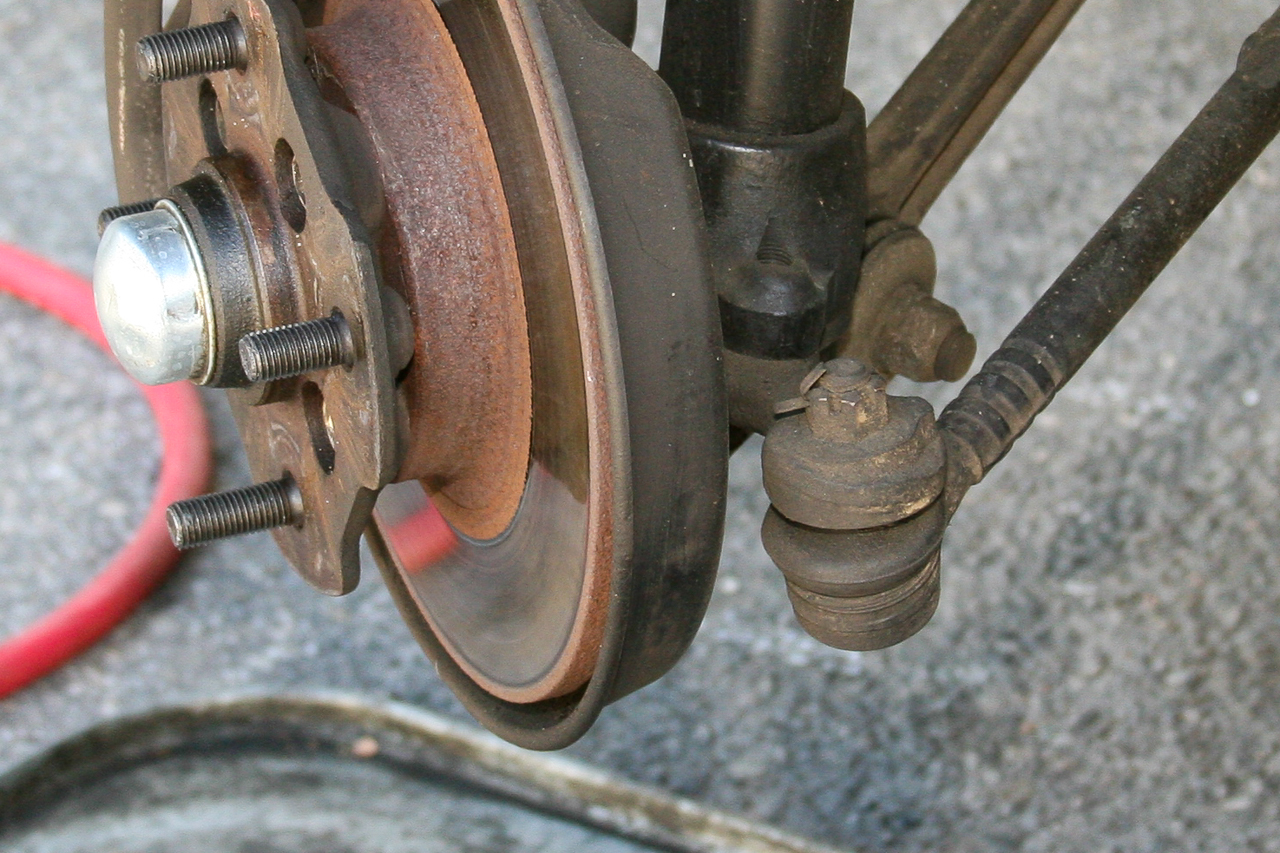
Moving from the internal powerhouse of the engine to the external, yet equally critical, realm of vehicle control, we encounter the tie-rod. This component, found within the broader definition of a “straight bar that unites moving parts of a machine,” is instrumental in a vehicle’s steering system, directly impacting its handling, responsiveness, and overall driving dynamics. A keen appreciation for the engineering of a tie-rod signals a sophisticated understanding of what makes a vehicle not just powerful, but truly controllable and enjoyable to drive.
The tie-rod’s primary function is to translate the steering input from the driver, via the steering rack, to the wheel hubs, allowing the wheels to turn precisely as intended. This direct connection means that the integrity and precision of the tie-rod are paramount for accurate steering. A driver with discerning taste understands that crisp, responsive steering is not merely a luxury but a fundamental aspect of driving pleasure and safety. They appreciate the engineering that ensures immediate and predictable feedback from the road, making every turn a confident maneuver and reflecting a commitment to superior handling.
Consider the stresses a tie-rod endures: constant movement, road vibrations, and the lateral forces generated during cornering. Despite these challenges, it must maintain its precise geometry and provide consistent feedback. The design and material quality of tie-rods are therefore crucial, requiring engineering that balances strength with flexibility and responsiveness. For an enthusiast, recognizing the importance of such a component, often hidden beneath the vehicle, speaks volumes about their comprehensive understanding of automotive mechanics and a desire for optimal vehicle performance beyond just straight-line speed.
Furthermore, the tie-rod’s role in maintaining proper wheel alignment is indispensable for vehicle stability and tire longevity. Incorrect alignment, often a result of worn or damaged tie-rods, can lead to erratic handling, premature tire wear, and compromised safety. The choice of high-quality, robust tie-rods, whether in a daily driver or a performance machine, demonstrates an owner’s meticulous attention to detail and a commitment to maintaining their vehicle in peak condition. This dedication to precision, ensuring that the steering system operates flawlessly, truly exemplifies a great taste for comprehensive automotive excellence and driving enjoyment.
Having explored the raw power of the hot rod and the foundational mechanical genius of the connecting rod, piston rod, and tie-rod, our journey into the world of truly discerning taste continues. It’s clear that excellence isn’t always about visible speed or aggressive aesthetics; sometimes, it resides in the subtle yet profound impact of specialized design, the unwavering pursuit of precision, or the deep echoes of historical significance. These next ‘rods’ might not roar down a drag strip, but they each represent a unique pinnacle of human ingenuity, demanding an appreciation for their distinct forms of mechanical, practical, or even traditional artistry.
5. **Control Rod**
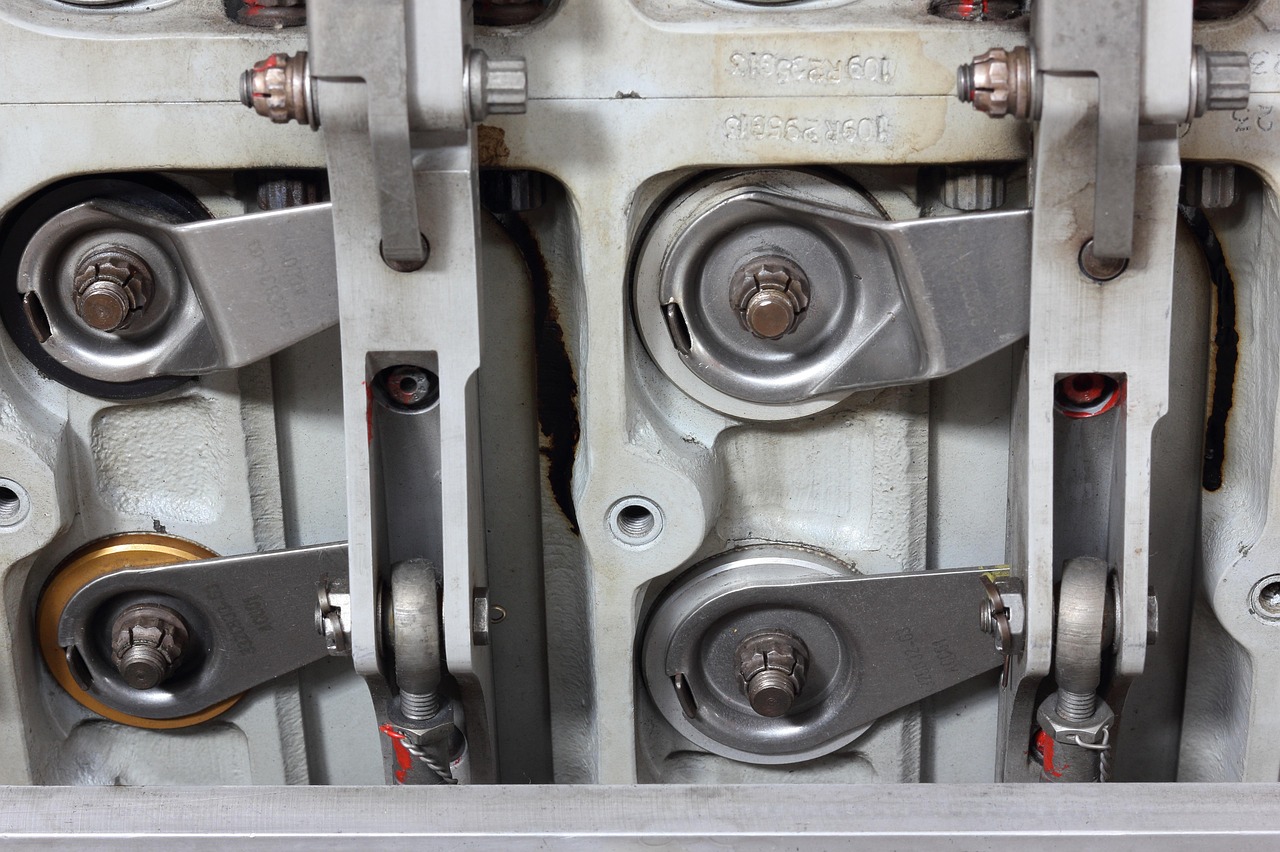
When we think of control, our minds often drift to the intricate systems within a vehicle, guiding its every move. However, there exists a type of ‘rod’ whose control is on an entirely different, almost awe-inspiring scale: the control rod. As the context explicitly states, a “control rod” is “used to control the rate of fission in a nuclear reactor.” This isn’t just about managing a machine; it’s about mastering atomic forces, a feat of engineering that demands an appreciation for the ultimate in precision, safety, and controlled power.
The very essence of a control rod speaks to a profound understanding of specialized design. In a nuclear reactor, the uncontrolled release of energy would be catastrophic. These rods, often made of materials that absorb neutrons, are meticulously inserted into the reactor core to absorb excess neutrons, thereby slowing or stopping the chain reaction. This highly sensitive operation requires materials and mechanisms that can perform flawlessly under extreme conditions, embodying a taste for robust, failsafe engineering where every element is optimized for its critical role in managing immense energy.
The precision involved in the operation of a control rod is simply unparalleled. The ability to finely tune the rate of fission by adjusting the rod’s position allows operators to maintain a steady power output or initiate a shutdown, all with incredible accuracy. This intricate balance highlights an appreciation for systems where incremental adjustments have monumental consequences, reflecting a commitment to engineering solutions that prioritize absolute reliability and exacting performance. It’s a testament to human intellect, turning a potential cataclysm into a source of controlled energy through sheer design brilliance.
Thus, the control rod transcends conventional mechanical components. It represents the apex of engineering where design is not just about moving parts, but about manipulating fundamental physical processes. Its specialized function in safeguarding and operating nuclear power plants makes it a prime example of discerning taste that values profound scientific application and an unwavering dedication to precision and safety, qualities that underpin all truly great engineering. It’s a testament to humanity’s ambition and ability to harness some of the most powerful forces in the universe.
Read more about: Beyond the Hype: 12 Overrated Gym Lifts That Might Be Hurting Your Progress and Joints

6. **Fishing Rod**
From the realm of nuclear control, we shift to a ‘rod’ that has been a companion to humanity for millennia, embodying a different kind of precision and a deeply ingrained appreciation for nature’s rhythms: the fishing rod. Defined simply as “a tool used to catch fish, like a long pole with a hook on the end,” and noted as “a pole with a line and usually a reel attached for fishing,” the fishing rod is far more than just a simple stick. It’s a marvel of specialized design that turns a patient pursuit into an art form, revealing a taste for elegant utility and harmonious interaction with the natural world.
The design evolution of the fishing rod is a fascinating study in accessible expertise. While seemingly straightforward, a modern fishing rod incorporates specific lengths, flexes, and materials—from fiberglass to carbon fiber—all engineered to cast lines further, detect the subtlest bites, and withstand the powerful tug of a prize catch. The discerning angler, much like a car enthusiast selecting the perfect suspension, appreciates the nuanced differences between a “fly rod” designed for delicate presentations and a “spinning rod” built for versatility and power. This deep understanding of how material science and biomechanics combine to create an optimal tool speaks volumes about a refined taste for purpose-built excellence.
The precision of a fishing rod isn’t just in its construction; it’s in its application. The subtle flex of the rod allows for accurate casting, placing the bait exactly where desired. The sensitivity transmits the faintest vibrations from the water, signaling a strike. This intimate feedback loop between the rod, the line, the water, and the angler highlights a design philosophy focused on enhancing human capability. It showcases a specialized design tailored for a specific, delicate ‘performance’—the art of enticing and landing fish—making it a perfect example of how refined taste can be found in tools that bridge human skill with natural elements.
Furthermore, the fishing rod carries a deep historical significance, as alluded to in examples like “experience the blue-green waters with a fishing rod.” From ancient, crude poles to today’s high-tech instruments, the fishing rod has been a constant in human survival and recreation. Its enduring presence underscores a taste for tradition, for the primal satisfaction of providing for oneself, and for the quiet luxury of time spent in nature. It’s a tool that connects us to our past while continuously evolving in design, proving that great taste can appreciate both timeless function and cutting-edge innovation in a single, elegant device.
Read more about: From Private Runways to Hidden Wine Cellars: See 11 Stunning Celebrity Farms and Ranches

7. **Measuring Rod**
Our journey continues with a ‘rod’ that underpins civilization itself, a testament to the human drive for order, accuracy, and understanding: the measuring rod. The context defines it as “a kind of ruler,” and more elaborately as “a stick used to measure distance, by using its established length or task-specific temporary marks along its length, or by dint of specific graduated marks.” It also refers to it as “an implement held vertically and viewed through an optical surveying instrument such as a transit, used to measure distance in land surveying and construction layout; an engineer’s rod, surveyor’s rod, surveying rod, leveling rod, ranging rod.” This seemingly simple tool is a pillar of precision, revealing a taste for absolute accuracy and foundational scientific application.
The specialized design of a measuring rod, particularly a surveying or leveling rod, is about far more than just having marks. It requires meticulous calibration and robust construction to ensure its integrity in various environments, from construction sites to land surveys. The “unit of length equal to 1 pole, a perch, 1⁄4 chain, 5 + 1⁄2 yards, 16 + 1⁄2 feet, or exactly 5.0292 meters” is a direct application of this precision, demonstrating how standardized units, derived from these very rods, are crucial for repeatable and verifiable measurements. This dedication to exactitude reflects a discerning taste for methodical design, where consistency and reliability are paramount to the success of any grand project, whether a building or an entire city plan.
The historical significance of the measuring rod cannot be overstated. From ancient builders relying on “a rod” to lay out structures, to modern engineers using sophisticated “leveling rods” with transits, this tool has shaped our physical world. The context notes archaic units of area, “a square rod, 30 + 1⁄4 square yards or 1⁄160 acre,” illustrating how deeply integrated these measurements were into daily life and property demarcation. An appreciation for the measuring rod is an appreciation for the very foundations of architecture, cartography, and engineering—a taste for the fundamental tools that allow us to precisely quantify and construct our environment, pushing boundaries not with speed, but with certainty.
Its role in land surveying and construction layout emphasizes an engineering prowess that might not be flashy, but is absolutely essential. The ability to precisely delineate boundaries, ensure level foundations, and establish accurate dimensions is critical for safety, functionality, and aesthetic harmony in any built environment. Therefore, an appreciation for the measuring rod goes beyond mere practicality; it signifies an understanding of the intricate, often unseen, processes that create the structures and landscapes we inhabit, reflecting a sophisticated taste for the unsung heroes of precision and stability.
Read more about: Sip Your Way to Better Health: Dietitian-Approved Anti-Inflammatory Drinks for Stable Blood Sugar

8. **Divining Rod**
Finally, we arrive at a ‘rod’ that takes us beyond the purely mechanical and into the realm of tradition, intuition, and perhaps even mystery: the divining rod. Described in the context as “two rods believed by some to find water in a practice known as dowsing,” this item might not fit the conventional mold of high-performance machinery, but it certainly showcases a unique historical significance and a fascinating aspect of human endeavor. It represents a different kind of discerning taste—one that acknowledges ancient practices and the enduring human quest for hidden resources, demonstrating a broader appreciation for specialized design, even if its efficacy remains a subject of debate.
The specialized design of a divining rod is remarkably simple, yet it’s imbued with a profound cultural belief. Typically made of two L-shaped rods, or a single Y-shaped branch, their effectiveness relies on the intuitive sensitivity of the dowser. While modern science largely dismisses dowsing, the persistence of this practice across centuries and cultures speaks to a human desire for connections beyond the immediately tangible. For those who appreciate its legacy, the divining rod embodies a taste for the esoteric, for traditional wisdom, and for practices that resonate with an older, more mystical understanding of the world.
Its historical significance is undeniable, appearing in various forms across different eras and geographies as a tool for “dowsing,” or finding water, minerals, or even buried objects. While it doesn’t offer the quantifiable “performance” of an engine component or the measurable precision of a surveying tool, the divining rod highlights a form of human resourcefulness and a belief in unseen forces. Appreciating this ‘rod’ is about acknowledging the diverse ways humanity has sought to understand and interact with its environment, from the purely rational to the deeply intuitive.
In a world increasingly driven by verifiable data and scientific certainty, the divining rod stands as a curious artifact, a testament to enduring human belief and ingenuity in a different vein. It invites us to consider how our ancestors approached resource discovery and problem-solving before the advent of modern technology. Its charm lies not in its mechanical superiority, but in its cultural resonance and its connection to ancient practices. This distinct ‘rod’ rounds out our exploration by reminding us that great taste isn’t solely defined by technological advancement, but also by an open-minded appreciation for the full spectrum of human innovation and tradition, from the tangible to the almost mythical.
Read more about: Marshall Brickman, Oscar-Winning Screenwriter and Broadway Force, Dies at 85
From the roaring engines of custom vehicles to the silent, atomic control of reactors, and from the delicate art of angling to the foundational precision of measurement and the enigmatic allure of ancient practices, the concept of ‘rod’ reveals an astonishing breadth of human ingenuity. Each of these components, tools, or traditions, in its own unique way, underscores that true taste extends far beyond the superficial. It’s an appreciation for the intricate engineering, the specialized design, the historical weight, and the precise functionality that make these ‘rods’ not just objects, but compelling stories of human aspiration and mechanical artistry. They are, in essence, badges of true connoisseurship, proving that exceptional taste can indeed be found in the most unexpected and profoundly impactful elements of our world.