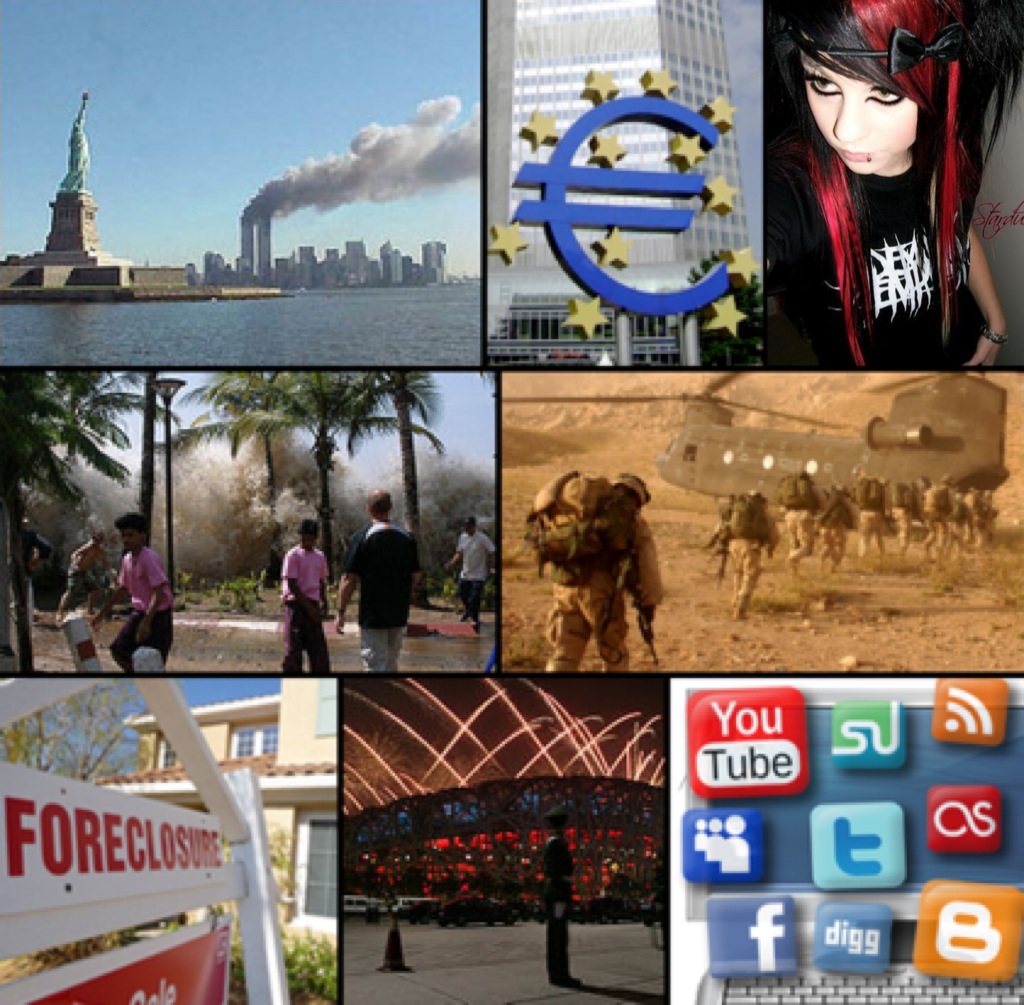

The 2000s, or as some call them, the ‘aughts’ or ‘noughties’, were an absolute rollercoaster of a decade. From the explosive rise of the internet to global economic shifts and profound political turmoil, it felt like the world was constantly changing at warp speed. Think about it: the internet went from covering just 6.7% of the world population to a whopping 25.7% by the end of 2009! That’s a massive leap, creating a whole new landscape for communication, information, and, you guessed it, entertainment.
Movies from this era weren’t just popcorn flicks; they were time capsules, reflecting the hopes, anxieties, and groundbreaking technological leaps that defined those ten years. They captured the spirit of a world grappling with new forms of globalization, as “faster communication among people around the world” became the norm, and “social networking sites arose as a new way for people to stay in touch from distant locations.” Watching these films today, you might find yourself thinking, “Wow, things really *were* different back then!”
So, buckle up, because we’re taking a deep dive into nine iconic 2000s movies. We’re not here to bash them, but rather to explore how these cinematic milestones, which were massive successes in their time, now resonate in a world profoundly shaped by the very forces they emerged from. It’s a journey through the pop culture landscape of a decade that still impacts us, revealing how much the world, and our view of it, has shifted.

1. **Shrek (2001)**: Remember when “Shrek” burst onto the scene in 2001? It was more than just a fairy tale with an attitude; it was a groundbreaking moment for computer-generated imagery (CGI) in film. The context highlights that “Usage of computer-generated imagery became more widespread in films produced during the 2000s, especially with the success of 2001’s Shrek.” Back then, the vivid animation and expressive characters felt incredibly fresh and innovative, pushing the boundaries of what animated movies could achieve. It was a massive hit, proving that audiences were ready for a new visual era.
This film truly capitalized on the technological boom of the early 2000s. The decade was characterized by an “economic boom,” particularly in emerging economies, and a general sense of technological progress. Shrek’s success wasn’t just about its charming story; it was about the spectacle of its animation. Today, while still beloved, its CGI, especially in comparison to more recent animated blockbusters, serves as a fascinating benchmark for how rapidly animation technology has evolved since the early aughts. It makes you realize just how far we’ve come in a relatively short period.
Looking back, “Shrek” also inadvertently mirrors the growing cultural interconnectedness of the 2000s. Its playful subversion of classic fairy tales, pulling from diverse cultural narratives, was a sign of a more globalized, internet-aware audience that enjoyed remixing and reinterpreting established ideas. It was a film perfectly timed for a decade that was just beginning to embrace the digital melting pot, a phenomenon accelerated by the internet’s rapid expansion.
Read more about: Binge-Worthy Bliss: 14 Movies You’ll Never Get Tired Of Watching (Seriously!)
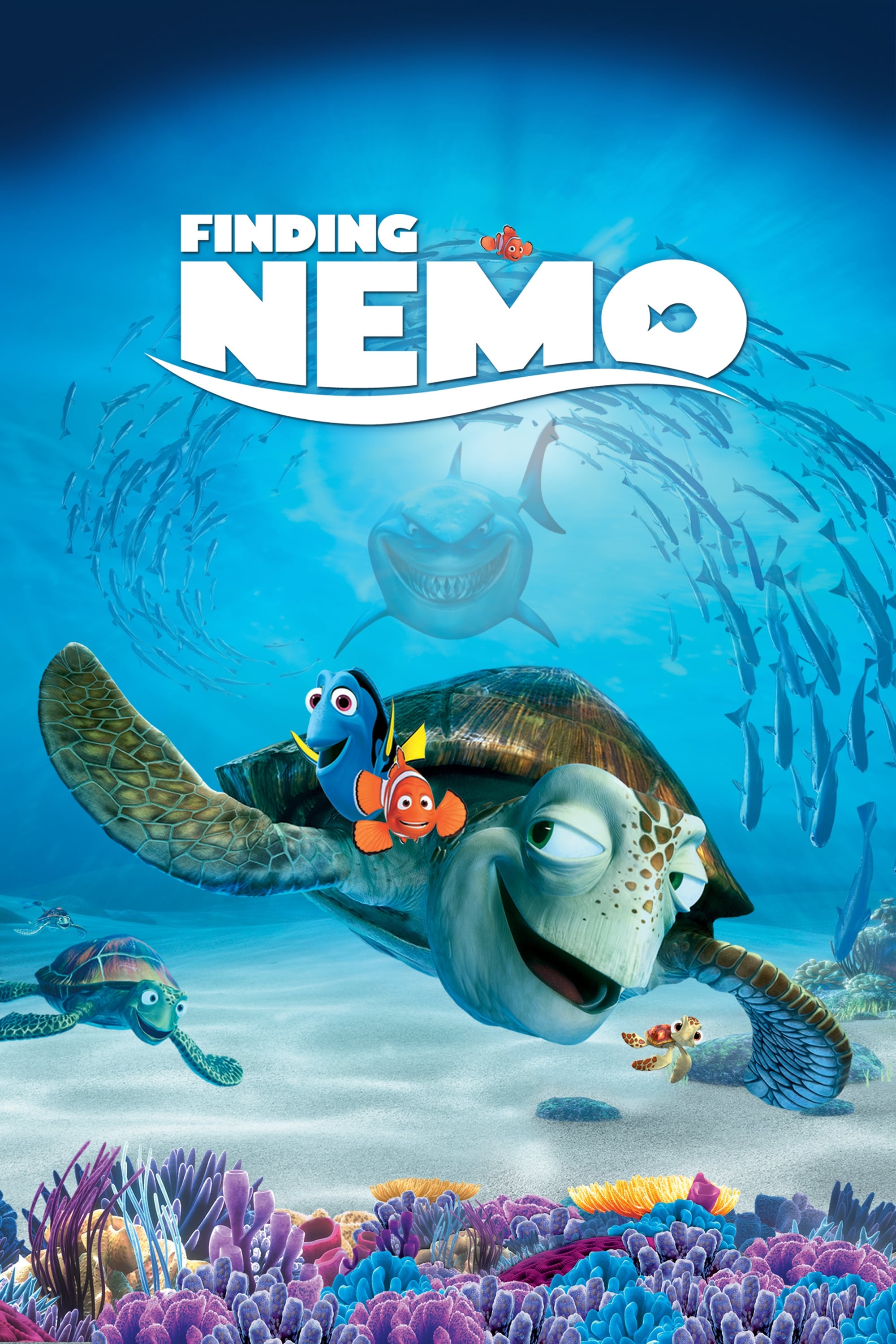
2. **Finding Nemo (2003)**: Just two years after Shrek, “Finding Nemo” solidified CGI’s reign in animation, becoming another monumental success. The context notes it as “2003’s Finding Nemo, the latter becoming the best-selling DVD of all time.” This wasn’t just another hit; it was a phenomenon that captivated audiences worldwide with its stunning underwater worlds and heartwarming story. Its immense popularity underscored the public’s enthusiasm for these visually rich, digitally crafted narratives.
The film’s incredible commercial success, particularly on DVD, speaks volumes about the early 2000s media landscape. This was a time when physical media still dominated home entertainment, and “best-selling DVD of all time” was a truly significant title to hold. The rise of the internet, with platforms like Google and YouTube gaining popularity, was still nascent in terms of streaming video, making DVD sales a huge indicator of a film’s widespread impact and accessibility in homes globally.
Today, while “Finding Nemo” remains a masterpiece, its “best-selling DVD” status is a nostalgic reminder of a bygone era. With “online films becoming popular” and “conversion to digital cinema started” by the end of the decade, the way we consume movies has radically shifted. What once defined success in a physical format now feels like a relic of a different time, making us reflect on how fast the digital revolution swept through our entertainment habits.
Read more about: Roger Ebert’s Sci-Fi Shakedown: The 10 Cinematic Blunders He Just Couldn’t Stand

3. **Spirited Away**: While the context doesn’t give a specific release year within the 2000s, it notably states that “Anime films gained more exposure outside Japan with the release of Spirited Away.” This highlights a crucial cultural trend of the decade: increasing globalization and the breaking down of international cultural barriers. “Spirited Away” wasn’t just a beloved animated film; it was a cultural ambassador, introducing a wider Western audience to the depth and artistry of Japanese anime.
This expanding cultural reach mirrors the broader global shifts of the 2000s. The decade saw “the long-predicted breakthrough of economic giants in Asia, like India and China, which had double-digit growth during nearly the whole decade.” As Asia rose in economic prominence, so too did its cultural exports begin to gain significant traction worldwide. “Spirited Away” stands as a testament to this burgeoning cross-cultural exchange, making the world feel a little smaller and more connected through shared stories.
Looking at it now, the film’s success in gaining “more exposure outside Japan” feels particularly poignant. In a world increasingly interconnected by “the Internet, which grew from covering 6.7% to 25.7% of the world population,” cultural boundaries continued to blur. This exposure paved the way for a more diverse appreciation of global cinema, an aspect that, while a success then, now represents a foundational moment in a much more globally saturated and diverse media landscape.
Read more about: Beyond the Hype: An In-Depth Look at the 14 SUVs That Best Save and Worst Waste Your Money
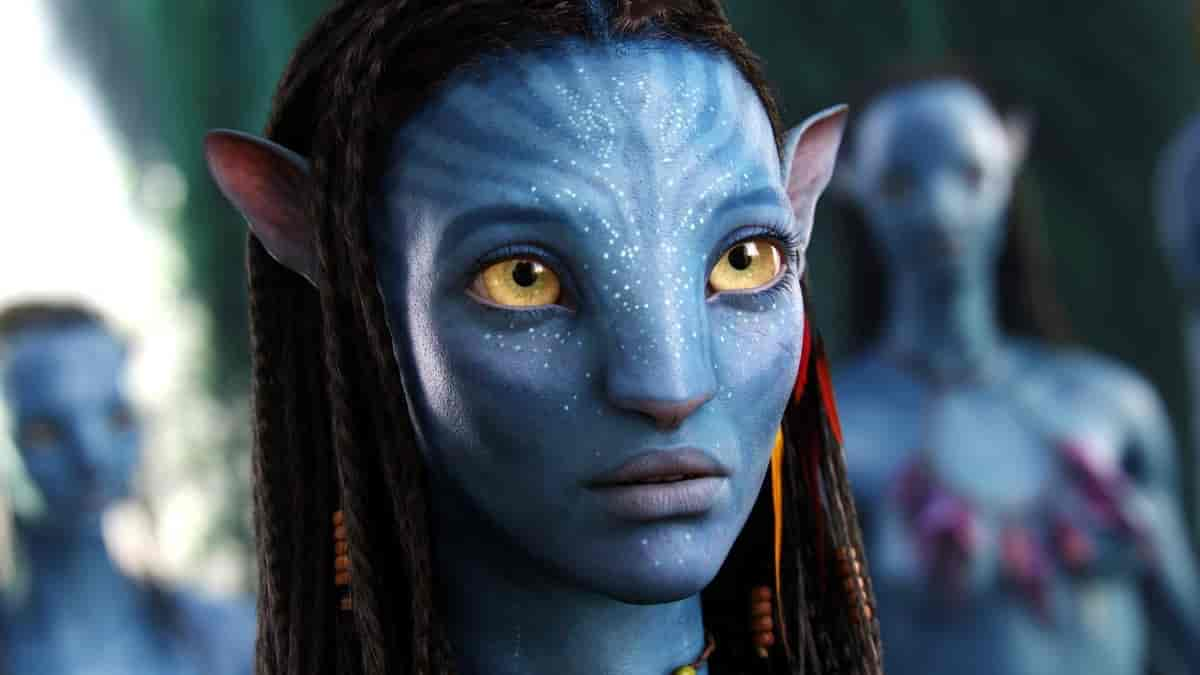
4. **Avatar (2009)**: The 2000s ended with a bang, and “2009’s Avatar became the highest-grossing film.” This wasn’t just a movie; it was a technological spectacle that defined the very end of the decade and set a new bar for cinematic immersion. Its unprecedented box office success spoke to a global audience’s appetite for breathtaking visuals and epic storytelling, pushing the boundaries of what was possible on screen. It perfectly encapsulated the era’s relentless pursuit of technological advancement.
“Avatar” was a culmination of the “widespread” usage of CGI that began earlier in the decade, taking it to an entirely new level with its immersive 3D technology. The film’s massive impact showcased the growing power of digital innovation in entertainment, as “online films became popular, and conversion to digital cinema started.” It was a moment where the lines between reality and virtual worlds blurred, reflecting a decade that was constantly pushing technological frontiers across all sectors, from social media to scientific prediction tools.
Today, revisiting “Avatar” highlights an interesting aspect of cinematic aging. While its visual achievements were revolutionary in 2009, the rapid advancements in CGI and virtual reality since then have shifted audience expectations. Its “highest-grossing film” title, achieved at a time when cinema was truly embracing digital transformation, now stands as a marker of a specific point in that evolution. It makes us ponder how much of a film’s impact is tied to its groundbreaking technology at the moment of release, and how that impact evolves as technology marches ever onward.
Read more about: Digital Immortality or Unsettling Impersonation? The High-Stakes Legal and Ethical Battle Over Actors’ Faces in the CGI Era
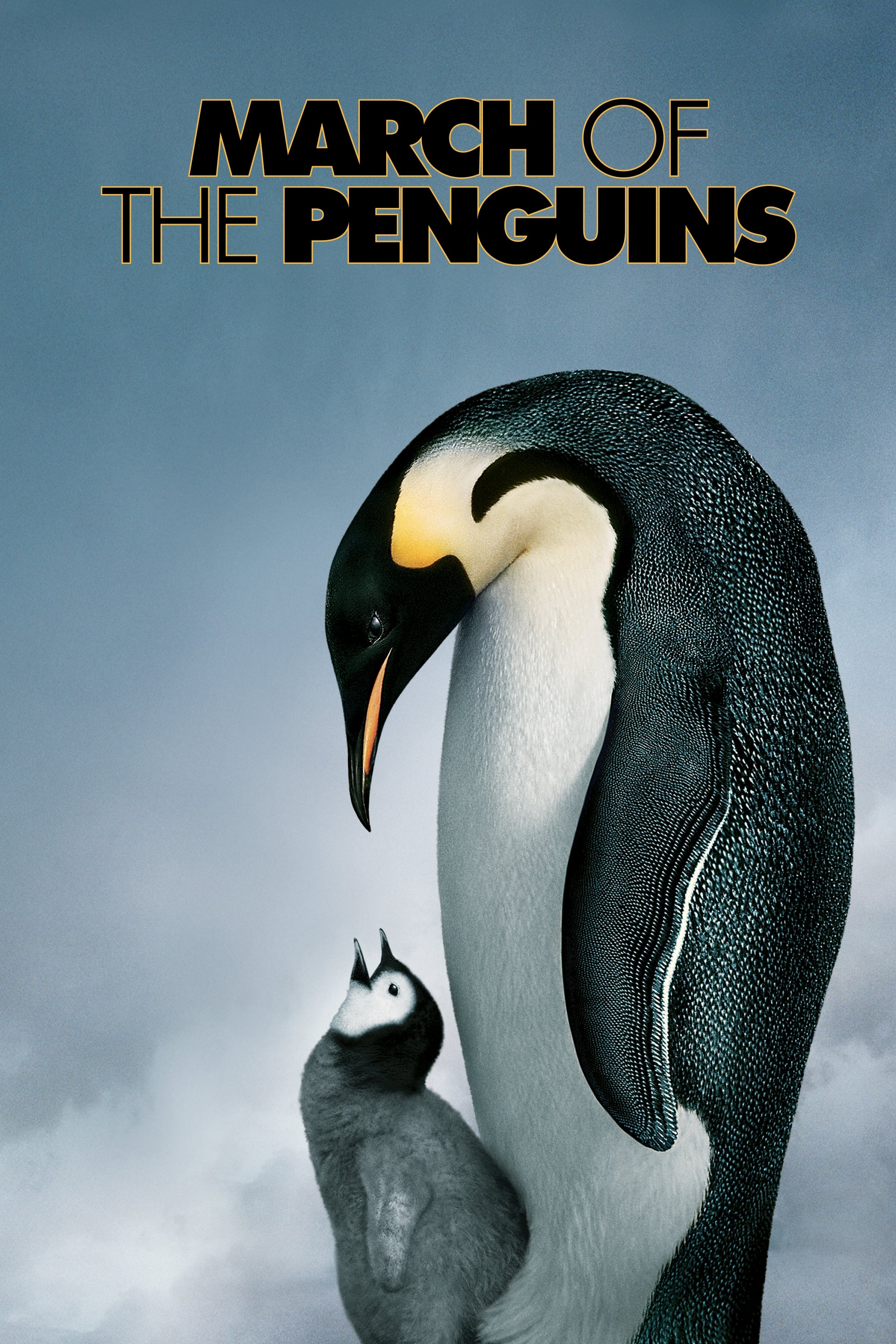
5. **March of the Penguins**: Shifting gears from animated spectacles, the 2000s also saw a remarkable rise in the popularity of documentaries. “Documentary and mockumentary films, such as March of the Penguins… were popular in the 2000s.” This particular film, released in 2005, captivated millions with its intimate look at the life cycle of emperor penguins. Its success wasn’t just about cute animals; it tapped into a burgeoning global awareness and concern for the natural world, a sentiment deeply rooted in the decade’s broader discussions.
The immense popularity of “March of the Penguins” can be viewed through the lens of increasing global awareness about “climate change and global warming” becoming “common concerns in the 2000s.” As scientific understanding grew and “UN-sponsored organizations such as the IPCC gained influence,” films like this provided a tangible, emotional connection to the vulnerable ecosystems of our planet. It served as a gentle yet powerful reminder of the natural world’s fragility, resonating deeply with a public just beginning to fully grasp environmental challenges.
In retrospect, the film’s widespread appeal also reflects how media consumption was evolving. With the internet becoming “widely popular,” information, including scientific findings and environmental news, traveled faster than ever. Documentaries like “March of the Penguins” found a receptive audience eager for factual, yet emotionally engaging, content, a trend that only accelerated as the decade progressed. It reminds us of a time when the urgency of climate discussion was gaining momentum, and how foundational films like this contributed to that crucial public discourse.
Okay, so we’ve journeyed through the technological marvels and the early sparks of global awareness that defined the first half of our 2000s cinematic retrospective. But the aughts weren’t just about dazzling visuals and cute penguins; they were also a period of intense political upheaval, burgeoning social consciousness, and a storytelling evolution that saw filmmakers tackle complex global issues head-on, often with a raw, sometimes even shocking, approach. It was a time when cinema really leaned into its power as a platform for commentary and critique.
Now, let’s keep digging into those iconic films that, while absolutely massive and culturally significant in their prime, reveal a whole lot about how much our world and our perspectives have shifted since the turn of the millennium. We’re talking about movies that bravely dove into the era’s complexities, but whose specific narratives or stylistic choices might just hit a little differently today.
Read more about: 7 Game-Changing ’00s Events You Didn’t Realize Shaped Today’s Iconic World

6. **Fahrenheit 9/11 (2004)**: Seriously, can we talk about Michael Moore’s “Fahrenheit 9/11”? This documentary didn’t just break records; it blew them out of the water! The context proudly states that it “was the highest grossing documentary of all time.” Back in 2004, it wasn’t just a film; it was a cultural event, a political lightning rod, and a massive conversation starter, especially regarding the ‘war on terror’ and the subsequent ‘Iraq War’ that began in 2003. It tapped into a potent mix of public anxiety and skepticism.
This movie arrived at a time when the “war on terror generated extreme controversy around the world, with questions regarding the justification for certain U.S. actions leading to a loss of support for the American government, both in and outside the United States.” Moore’s direct, no-holds-barred commentary on these events resonated deeply with a public grappling for answers and accountability. Its success underscored how much audiences were hungry for films that directly engaged with the tumultuous political landscape, a hunger fueled by the ‘Internet, which grew from covering 6.7% to 25.7% of the world population,’ allowing for faster, more widespread dissemination of alternative viewpoints.
So, why does it feel a little different today? While its historical significance as a document of a specific political moment is undeniable, “Fahrenheit 9/11” feels very much like a product of its immediate political climate. Its highly partisan and emotionally charged approach, while incredibly effective then, can now feel less like an objective piece of journalism and more like a passionate, in-the-moment polemic. The raw urgency that made it so powerful has, over time, been tempered by historical distance and the emergence of more comprehensive, less sensationalist analyses of the era.
Today, viewers might find its direct accusations and stylistic choices a bit dated, even simplistic, for the nuanced, complex geopolitical issues it addresses. As discussions around media bias and the long-term consequences of the Iraq War have evolved, the film’s singular, often confrontational, perspective might not hold the same universal sway, making it a powerful, yet time-bound, artifact of 2000s political discourse rather than a timeless exposé. It’s a prime example of how even groundbreaking commentary can become a historical snapshot.
Read more about: Unforgettable Moments: 15 Iconic Films That Defined Cannes’ Place in Cinema History

7. **Super Size Me (2004)**: Continuing our deep dive into the 2000s documentary boom, let’s pivot from global politics to personal health with Morgan Spurlock’s equally impactful “Super Size Me.” This film took a dramatically different, yet equally engaging, approach to social commentary. Like “March of the Penguins,” it was part of the trend where “Documentary and mockumentary films… were popular in the 2000s,” proving that audiences were ready to consume factual, often investigative, content in entertaining ways.
Spurlock’s month-long experiment of eating only McDonald’s became a cultural phenomenon, sparking massive debates about fast food, corporate responsibility, and public health. It hit during a decade where societal awareness of various issues was growing, perhaps subtly linking to the broader ‘global awareness’ about health and environmental impacts. The film’s direct, personal, and somewhat sensationalist style was perfectly suited for the 2000s media landscape, easily shareable through emerging digital channels, even before streaming became dominant.
However, “Super Size Me” hasn’t quite aged as gracefully as its initial impact suggested. While its core message about the dangers of unhealthy eating remains pertinent, the scientific community and public discourse around diet and nutrition have become far more sophisticated. Some of the film’s methodology and the dramatic presentation of its findings have faced scrutiny, leading some to view it now as more of a performative stunt than a robust scientific study.
In retrospect, its shock-value approach feels like a relic from a time when public health debates were less informed and more susceptible to dramatic personal narratives. Modern audiences, with access to a wealth of health information via the internet and a more critical eye towards media portrayals, might find the film’s arguments somewhat simplistic or even manipulative. It highlights how societal understandings of health and nutrition have evolved past the initial broad strokes, making this once-urgent film feel a bit like a historical curiosity.
Read more about: Get Ready to Rewatch! 8 R-Rated Sci-Fi Movies That Are Just Plain Awesome

8. **Borat (2006)**: Alright, let’s lighten the mood a tiny bit, or perhaps make it even more uncomfortable, with “Borat: Cultural Learnings of America for Make Benefit Glorious Nation of Kazakhstan.” This film was a pure, unadulterated sensation, perfectly embodying the “mockumentary films… popular in the 2000s” trend but with an edge that was truly groundbreaking. It was an unfiltered, often shocking, comedic exploration of American culture through the eyes of a fictional Kazakh journalist.
Sacha Baron Cohen’s creation was more than just a character; it was a cultural force. “Borat” leveraged raw, unscripted interactions to expose prejudices and absurdities, generating both outrage and uproarious laughter. Its controversial humor, playing on stereotypes and pushing boundaries, felt incredibly audacious in 2006, reflecting a period where comedic norms were being challenged, and the world was navigating a more interconnected global identity, sometimes clumsily. The internet, with its growing population reach, ensured that clips and discussions about Borat’s antics spread like wildfire.
But let’s be real, watching “Borat” today is a *different* experience. While its satirical intent was clear—to expose prejudice by embodying it—some of its humor, heavily reliant on offensive stereotypes and cultural insensitivity, now feels genuinely problematic. In a world increasingly advocating for ‘inclusive and diverse’ representation and more thoughtful engagement with cultural differences, the film’s shock tactics can sometimes land with a cringeworthy thud rather than a laugh.
The cultural landscape has shifted significantly since 2006. What was once seen as daring satire can now be perceived as simply perpetuating harmful tropes, especially through the lens of heightened social awareness amplified by ‘social networking sites.’ The film serves as a stark reminder of how rapidly public sensibilities and the definitions of acceptable humor can evolve, making its audacious brilliance feel tangled with aspects that simply haven’t aged well in our more sensitive and interconnected era.
Read more about: Beyond the Big Screen: The Business Hurdles and Failed Ventures of Dwayne ‘The Rock’ Johnson
And there you have it! From groundbreaking CGI marvels to documentaries that challenged our perceptions and mockumentaries that dared to offend, the 2000s were a wild ride for cinema. These films, once at the cutting edge of technology, storytelling, and cultural commentary, offer us a fascinating, sometimes cringeworthy, look back at a world that was hurtling through change at breakneck speed. They’re not just movies; they’re vibrant, often complex, time capsules of a decade that shaped so much of what we experience today. Watching them now isn’t about criticizing their past triumphs, but appreciating how far we’ve come—and how much more we still have to think about, both on and off screen. It’s a powerful reminder that while some things stand the test of time, others are perfectly content to remain fabulous artifacts of their moment.