Scarlett Johansson has long captivated audiences around the globe, emerging from a promising child actress to one of the highest-grossing lead actors in cinematic history. Her journey is a testament to remarkable talent, versatility, and an innate ability to connect with diverse roles, shaping a career that spans critically acclaimed dramas, blockbuster action, and heartfelt voice performances. From her earliest days, Johansson displayed a depth and presence that belied her young age, catching the eye of seasoned professionals and critics alike.
This article embarks on an in-depth exploration of Johansson’s path to stardom, spotlighting the pivotal moments and influential figures who recognized her extraordinary potential. We delve into her foundational experiences, the roles that defined her formative years, and the critical reception that consistently praised her evolving craft. It’s a look at how a young girl with big dreams transformed into a Hollywood powerhouse, leaving an indelible mark on the entertainment industry.
Among the many significant insights into her early career, one observation from a legendary figure stands out as particularly poignant, encapsulating the essence of her burgeoning talent. It was during a crucial early collaboration that an esteemed director and co-star articulated a sentiment that would resonate throughout her development, offering a powerful glimpse into the mature soul of a burgeoning star. Join us as we uncover these defining chapters, starting with the very beginnings of her fascinating career.

1. **Early Life and Aspiring Actress**Born Scarlett Ingrid Johansson on November 22, 1984, in the bustling Manhattan borough of New York City, her background was a rich tapestry of cultures, with an architect father from Copenhagen, Denmark, and a New Yorker mother who worked as a producer, hailing from a Jewish family with roots in Poland and Russia. Scarlett, who refers to herself as Jewish, grew up with an older sister, Vanessa (also an actress), an older brother, Adrian, and a twin brother, Hunter, alongside an older half-brother from her father’s first marriage. She holds dual American and Danish citizenship, a reflection of her diverse heritage.
From a very young age, Scarlett harbored a fervent interest in a career in the spotlight. She fondly recalled putting on spirited song-and-dance routines for her family, particularly drawn to musical theater and the expressive flair of jazz hands. Her childhood, though described as “very ordinary,” was infused with a burgeoning passion for performance, as she diligently took tap dance lessons, fully supported by her parents in her chosen path.
Her dedication was evident in her early practice sessions, where she would stare into a mirror, determinedly making herself cry, aspiring to emulate the profound emotional performances of icons like Judy Garland in “Meet Me in St. Louis.” At the tender age of seven, she experienced a moment of devastation when a talent agent signed one of her brothers instead of her, yet this setback only fueled her resolve to become an actress.
Scarlett’s formal training began with enrollment at the esteemed Lee Strasberg Theatre Institute as a child, followed by auditions for commercials. However, she quickly found herself losing interest in the commercial world, famously stating, “I didn’t want to promote Wonder Bread.” This early discernment led her to shift her focus decisively towards film and theater, marking a clear preference for artistic depth over commercial appeal.
Around this pivotal time, Johansson began her studies at the Professional Children’s School in Manhattan, a private educational institution specifically catering to aspiring child actors. This environment provided her with the specialized support needed to nurture her talent, laying the groundwork for the remarkable career that was about to unfold.
Read more about: From Ancient Roots to Modern Resonances: Unpacking the Enduring Legacy of the Name Rachael

2. **Film Debut and Initial Recognition**Scarlett Johansson’s first paid role arrived at the age of nine, as a sketch character on an episode of “Late Night with Conan O’Brien,” offering an early glimpse of her comedic timing and stage presence. Later that same year, she made her official film debut, portraying John Ritter’s daughter in the fantasy comedy “North” (1994). Reflecting on this nascent experience, she shared that she intuitively knew what to do when on the film set, an early sign of her natural aptitude.
She continued to build her resume with minor roles in various projects, including her appearance as the daughter of Sean Connery’s and Kate Capshaw’s characters in the mystery thriller “Just Cause” (1995). Additionally, she played an art student in “If Lucy Fell” (1996), steadily gaining experience and refining her craft across different genres.
Johansson secured her first leading role as Amanda in “Manny & Lo” (1996), portraying the younger sister of a pregnant teenager who runs away from her foster home, sharing the screen with Aleksa Palladino and her own brother, Hunter. Her performance in this film garnered significant positive reviews, with one critic for the San Francisco Chronicle noting that “[the film] grows on you, largely because of the charm of … Scarlett Johansson.”
Critic Mick LaSalle, writing for the same publication, was particularly struck by her “peaceful aura,” expressing a prescient belief that “If she can get through puberty with that aura undisturbed, she could become an important actress.” This early recognition underscored her unique appeal and impressive composure. Her compelling portrayal in “Manny & Lo” earned her a prestigious nomination for the Independent Spirit Award for Best Lead Female, solidifying her status as a promising young talent in the independent film circuit.
Read more about: Rosé’s Unforgettable Journey: Unveiling the Milestones of a Global K-Pop Phenomenon
3. **”The Horse Whisperer” and Robert Redford’s Memorable Characterization**Following a few more minor roles in “Fall” and “Home Alone 3” (both released in 1997), Scarlett Johansson’s career took a significant leap forward, attracting wider attention for her powerful performance in the film “The Horse Whisperer” (1998). This drama, based on Nicholas Evans’ 1995 novel, placed her opposite the legendary Robert Redford, who not only co-starred but also directed the film, marking a pivotal moment in her burgeoning career.
In what was her seventh film role, Johansson received an “introducing” credit, signifying her emergence as a prominent young actress. She portrayed an injured teenager seeking healing for herself and her horse from Redford’s talented horse trainer character. This experience of working with an industry icon at such a formative age was undoubtedly transformative for her.
It was during this collaboration that Robert Redford offered a now-famous characterization of Johansson’s maturity, one that perfectly captured her remarkable presence and wisdom beyond her years. He described her as “13 going on 30,” an observation that highlighted her exceptional poise and emotional depth even as a young teenager. This poignant insight from Redford became a memorable descriptor of her early persona, signaling her innate ability to embody complex emotions with adult gravitas.
Todd McCarthy of Variety further echoed this sentiment, commenting that Johansson “convincingly conveys the awkwardness of her age and the inner pain of a carefree girl suddenly laid low by horrible happenstance.” Her portrayal was lauded for its authenticity and emotional resonance, demonstrating a profound understanding of her character’s struggles. For her captivating work in “The Horse Whisperer,” Johansson received a nomination for the Chicago Film Critics Association Award for Most Promising Actress, further cementing her reputation as a young talent to watch.
Reflecting on the impact of the film, Johansson herself acknowledged that it “changed many things in her life,” as it was here that she truly realized that acting was “the ability to manipulate one’s emotions.” This profound realization at such a young age underscored her commitment to the craft and her deep understanding of the emotional demands of her chosen profession.

4. **Breakthrough with “Ghost World”**After her impactful role in “The Horse Whisperer,” Scarlett Johansson continued to diversify her portfolio with appearances in films like “My Brother the Pig” (1999) and the Coen brothers’ neo-noir film “The Man Who Wasn’t There” (2001), showcasing her willingness to explore different genres and collaborate with esteemed filmmakers. However, it was her role as a cynical outcast in Terry Zwigoff’s black comedy “Ghost World” (2001) that truly marked her breakthrough.
The film, an adaptation of Daniel Clowes’ graphic novel, provided Johansson with a unique opportunity to portray a complex, unconventional character. She auditioned for the part via a tape sent from New York, immediately impressing director Terry Zwigoff, who recognized her distinct qualities, believing her to be “a unique, eccentric person, and right for that part.”
“Ghost World” premiered at the 2001 Seattle International Film Festival and, despite its initial failure at the box office, it has since achieved cult status, beloved by critics and audiences for its distinctive tone and honest portrayal of adolescent alienation. Johansson’s performance was a central reason for its enduring appeal, demonstrating her ability to bring nuanced depth to a seemingly disaffected character.
Critics were quick to praise her, with one from the Austin Chronicle crediting her with “sensitivity and talent [that] belie her age.” This observation reiterated a recurring theme in her early career: her remarkable ability to convey maturity and insight far beyond her years. Her portrayal was both subtle and powerful, resonating deeply with viewers who saw themselves or their own experiences reflected in her character’s cynicism and longing.
Her compelling work in “Ghost World” earned her a Toronto Film Critics Association Award for Best Supporting Actress, a significant accolade that further solidified her critical acclaim. This role firmly established Johansson as an actress capable of delivering captivating performances in independent cinema, distinguishing her as a talent with both broad appeal and artistic integrity.
Read more about: Scarlett Johansson’s Unforgettable Journey: Her Groundbreaking Career, Personal Triumphs, and Life with Colin Jost

5. **Transition to Adult Roles: “Lost in Translation”**In the year 2002, after graduating from the Professional Children’s School, Scarlett Johansson applied to New York University’s Tisch School of the Arts. However, fate had other plans when she was rejected, prompting her to fully commit to focusing on her burgeoning film career. This decision proved to be a turning point, as she swiftly transitioned from teen to compelling adult roles with two significant films in 2003, one of which was the romantic comedy-drama “Lost in Translation.”
Directed by Sofia Coppola, this critically acclaimed film saw Johansson star as Charlotte, a listless and lonely young wife, opposite the legendary Bill Murray. Coppola had first noticed Johansson’s talent in “Manny & Lo,” drawing a parallel between her and a young Lauren Bacall, and even basing the film’s narrative on the relationship between Bacall and Humphrey Bogart in “The Big Sleep” (1946).
Johansson found the experience of working with a female director uniquely different, appreciating Coppola’s ability to empathize with her and bring a nuanced perspective to the filmmaking process. Filmed on a modest budget of $4 million, “Lost in Translation” went on to become a box office sensation, grossing an impressive $119 million worldwide, while also receiving widespread critical acclaim.
Roger Ebert, a revered film critic, was effusive in his praise for the film, describing the lead actors’ performances as “wonderful.” Entertainment Weekly highlighted Johansson’s captivating presence, writing of her “embracing, restful serenity.” The New York Times particularly lauded her ability, at only 17 years old during filming, to convincingly portray an older, more mature character, further cementing her reputation for depth and versatility.
Her exceptional work in “Lost in Translation” garnered her immense recognition, including a prestigious BAFTA Award for Best Actress. She also received a Golden Globe Award nomination for Best Actress, marking a definitive and successful transition into more complex and mature roles that captivated both critics and audiences alike.
6. **Artistic Depth: “Girl with a Pearl Earring”**Also released in 2003, alongside her triumph in “Lost in Translation,” was Peter Webber’s drama “Girl with a Pearl Earring.” This film, based on Tracy Chevalier’s novel of the same name, provided Scarlett Johansson with another opportunity to showcase her artistic depth, as she portrayed Griet, a young 17th-century servant in the household of the Dutch painter Johannes Vermeer, played by Colin Firth.
Webber’s casting process was exhaustive, interviewing 150 actors before ultimately selecting Johansson for the role. Scarlett herself found the character profoundly moving and chose not to read the source novel, preferring to approach the story and character with a “fresh start,” allowing her interpretation to emerge organically from the script.
“Girl with a Pearl Earring” was met with positive reviews from critics and proved to be profitable at the box office, further demonstrating Johansson’s ability to draw audiences into her nuanced performances. Her presence was widely praised, with Anthony Lane of The New Yorker eloquently stating that her performance kept the film “alive.” He noted, “She is often wordless and close to plain onscreen, but wait for the ardor with which she can summon a closeup and bloom under its gaze; this is her film, not Vermeer’s, all the way.”
Owen Gleiberman of Entertainment Weekly highlighted her “nearly silent performance,” remarking on how “The interplay on her face of fear, ignorance, curiosity and is intensely dramatic.” Her ability to convey such a rich spectrum of emotion with minimal dialogue was a testament to her profound acting prowess and subtle command of the screen.
For her powerful portrayal, Johansson was once again nominated for the BAFTA Award for Best Actress in a Leading Role and a Golden Globe Award for Best Actress, adding to her impressive list of accolades for 2003. Variety magazine, in its assessment of her twin performances that year, opined that her roles in “Lost in Translation” and “Girl with a Pearl Earring” conclusively established her “among the most versatile actresses of her generation,” marking a truly exceptional period in her evolving career.
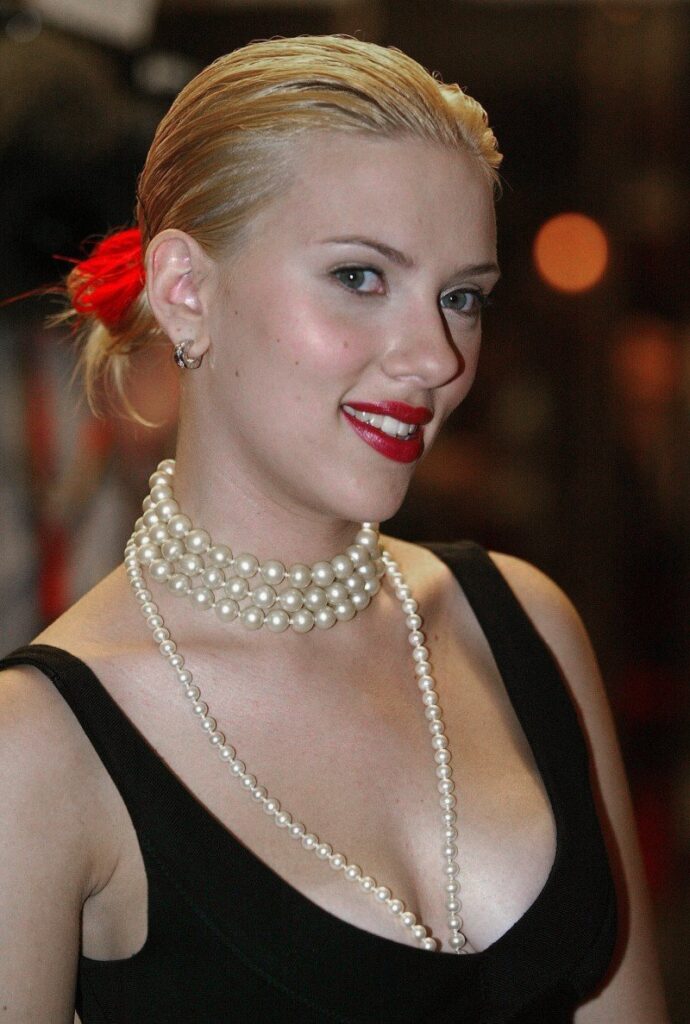
7. **Expanding Horizons: From Voice Work to Dramatic Depths (2004-2009)**Following her dual triumphs in 2003, Scarlett Johansson continued to diversify her portfolio, demonstrating a relentless drive to explore varied genres and character types. The year 2004 saw her taking on a range of roles, from a discontented teenager in the drama *A Love Song for Bobby Long*, which earned her a Golden Globe nomination, to voicing the spirited Princess Mindy in the animated comedy *The SpongeBob SquarePants Movie*, a project she embraced due to her love for cartoons. Her ability to elevate even smaller roles was noted by critics, with David Rooney of *Variety* writing that Johansson’s performance, alongside John Travolta’s, ‘rescued the film’ *A Love Song for Bobby Long*.
This period also marked the beginning of a significant collaboration with acclaimed director Woody Allen, a partnership Johansson had long admired. Their first project together was the 2005 drama *Match Point*, where she stepped into the role of Nola, an aspiring actress entangled in an affair. Johansson, a self-proclaimed admirer of Allen’s films, admitted to feeling nervous on her first day on set, a natural reaction given the caliber of the director and the material.
*Match Point* proved to be a critical and commercial success, solidifying Johansson’s reputation for compelling performances in complex narratives. Critics were particularly impressed by her portrayal, with Mick LaSalle of the *San Francisco Chronicle* calling her a ‘powerhouse from the word go’ and describing her performance as bordering ‘on astonishing.’ Her compelling work earned her further recognition, including nominations for both the Golden Globe and the Chicago Film Critics Association Award for Best Supporting Actress.
Throughout the late 2000s, Johansson continued to impress with her versatility across various projects. She joined the star-studded cast of Christopher Nolan’s mystery thriller *The Prestige* in 2006, where Nolan himself praised her for possessing ‘ambiguity’ and ‘a shielded quality.’ This film, a critical and box office success, further showcased her ability to blend seamlessly into ensemble casts while holding her own alongside industry heavyweights. Her third collaboration with Woody Allen, the romantic comedy-drama *Vicky Cristina Barcelona* (2008), filmed in the picturesque setting of Spain, was another profitable venture that garnered favorable reviews, with a *Variety* reviewer describing Johansson as ‘open and malleable,’ a testament to her adaptable acting style.

8. **Broadway Triumph and the Dawn of a Superhero (2010-2013)**Scarlett Johansson’s artistic ambitions extended beyond the silver screen, culminating in a lifelong dream coming true when she made her Broadway debut in 2010. She starred in a revival of Arthur Miller’s powerful drama *A View from the Bridge*, a significant departure from her film roles. Despite initial reservations about portraying a teenage character, a friend convinced her to take on the role of Catherine, the orphaned niece caught in a tragic love story. Her dedication paid off handsomely, as Ben Brantley of *The New York Times* lauded her performance, writing that Johansson ‘melts into her character so thoroughly that her nimbus of celebrity disappears.’
Her remarkable stage presence and profound acting earned her the prestigious 2010 Tony Award for Best Performance by a Featured Actress in a Play, an accolade that underscored her versatility and commitment to the craft. This Broadway triumph was soon followed by a pivotal moment that would cement her global stardom: her introduction to the Marvel Cinematic Universe (MCU). She secured the iconic part of Natasha Romanoff, the Black Widow, in Jon Favreau’s *Iron Man 2* (2010), a role that would come to define a significant portion of her career.
To prepare for this physically demanding role, Johansson dyed her hair red to convince Favreau she was the right fit, and she underwent extensive stunt and strength training. She found a deep connection with the character, admiring the superhero’s human traits and complex backstory. This commitment quickly paid dividends, as the film earned a massive $623.9 million worldwide, introducing her to a vast global audience and marking the beginning of her journey as one of Hollywood’s most recognized action stars.
Her influence in the MCU only grew with *The Avengers* (2012), where she reprised her role as Black Widow, even learning some Russian for the part from a former teacher. The film shattered box office records, becoming one of the highest-grossing films of all time, further cementing her status as a global star. Beyond the blockbusters, Johansson continued to take on challenging and critically acclaimed roles, including her mesmerizing voice performance as Samantha, a self-aware computer operating system, in Spike Jonze’s *Her* (2013). This role, which she found both intimidating and liberating, earned her the Best Actress award at the Rome International Film Festival, with critics like Peter Travers calling her voice performance ‘award-worthy.’ This period also saw her delivering a transformative performance as an extraterrestrial creature in Jonathan Glazer’s science fiction film *Under the Skin* (2013), a role that required her to improvise with non-professional actors and speak with an English accent, showcasing her fearless approach to challenging material.

9. **The Reign of a Blockbuster Queen and Oscar Recognition (2014-2020)**From 2014 onwards, Scarlett Johansson solidified her position as a powerhouse in both blockbuster cinema and critically acclaimed dramas, continuing her incredible run as Black Widow in the MCU. In *Captain America: The Winter Soldier* (2014), she joined forces with Captain America and Falcon, even collaborating with Chris Evans on their dialogue for several scenes. Johansson was particularly drawn to her character’s approach, emphasizing ‘feminine wiles’ over mere ‘physical appeal,’ which brought a nuanced depth to the action-packed role. The film was a massive success, grossing over $714 million worldwide, and her performance earned her a Saturn Award nomination.
Her versatility was further showcased in Luc Besson’s science fiction action film *Lucy* (2014), where she starred as the titular character who gains psychokinetic abilities. Besson himself chose Johansson for the role due to her strong reaction to the script and her impressive discipline. Critics largely praised her performance, and the film became a commercial juggernaut, grossing $458 million against a modest $40 million budget, making it one of the highest-grossing films of 2014. IGN’s Jim Vejvoda attributed the film’s success significantly to her acting and Besson’s distinctive style, highlighting her star power.
Johansson continued her dominance in the MCU, reprising her role as Black Widow in *Avengers: Age of Ultron* (2015) and *Captain America: Civil War* (2016). During the filming of *Age of Ultron*, clever techniques like close-ups, concealing costumes, stunt doubles, and visual effects were employed to accommodate her pregnancy, a testament to her unwavering commitment. Both films soared past the $1.1 billion mark at the global box office, firmly placing them among the highest-grossing films of all time and establishing Johansson as a key figure in one of the most successful franchises ever.
Beyond her superhero endeavors, Johansson also ventured into diverse projects, including voice roles in Jon Favreau’s *The Jungle Book* and the animated musical comedy *Sing* (both 2016), showcasing her captivating vocal talents. However, it was her work in 2019 that truly brought her unparalleled critical acclaim, earning her two simultaneous Academy Award nominations—a rare and exceptional feat. She received a Best Actress nomination for her raw and powerful performance in Noah Baumbach’s Netflix drama *Marriage Story*, where she found a deep personal connection to her character while navigating her own divorce proceedings.
Simultaneously, she earned a Best Supporting Actress nomination for her comedic yet poignant portrayal of a young boy’s mother sheltering a Jewish girl in Nazi Germany in Taika Waititi’s satire *Jojo Rabbit*. Stephanie Zacharek of *Time* magazine lauded her as the ‘lustrous soul of the movie,’ recognizing her ability to bring warmth and depth to challenging roles. This remarkable achievement cemented her status as one of her generation’s most versatile and acclaimed actresses, demonstrating her unparalleled range across commercial blockbusters and profound independent cinema.

10. **Beyond the Screen: Producer, Advocate, and Director (2021-Present)**After a brief screen absence, Scarlett Johansson returned with a monumental project in 2021: her long-awaited solo *Black Widow* prequel film. More than just reprising her iconic role, Johansson also served as an executive producer, a significant step in expanding her influence behind the camera. The film, set after *Captain America: Civil War*, allowed her character to confront her past while on the run, showcasing her independence and vulnerability—qualities Johansson believed set Black Widow apart from other Avengers. Critics were largely favorable, with *The Hollywood Reporter*’s David Rooney calling it ‘a stellar vehicle’ for her performance.
This period also saw Johansson take a courageous stand that reverberated throughout Hollywood. In July 2021, she sued Disney, alleging that the simultaneous release of *Black Widow* on their streaming service, Disney+, breached a contractual clause for exclusive theatrical release, impacting her additional box-office bonuses. The highly publicized lawsuit highlighted critical issues regarding artist compensation in the evolving streaming landscape. Though Disney initially responded aggressively, the dispute was resolved in September with undisclosed terms, with *Variety* later reporting that Johansson received over $40 million and would continue her collaborations with Disney, marking a significant victory for artist advocacy.
Johansson continued her artistic exploration with Wes Anderson’s distinctive comedy *Asteroid City* (2023), where she led an ensemble cast. Her dedication to the project was evident, as she took a substantial pay cut for her two months of work, earning $4,131 a week. Describing her collaboration with Anderson, she expressed her appreciation for ‘the sort of constraints of Wes’ precision,’ finding it ‘more liberating’ in its unique creative environment. Anthony Lane of *The New Yorker* praised her ability to add depth to her character, skillfully portraying both reality and imagination with wit, further cementing her reputation for thoughtful and impactful performances.
Beyond acting, Johansson has actively expanded her professional footprint. She founded the production company These Pictures, signaling her commitment to shaping stories from inception. Under this banner, she produced and starred in *Fly Me to the Moon* (2024), a romantic comedy set against the thrilling backdrop of the Space Race, opposite Channing Tatum. Critics highlighted the ‘screwball chemistry’ between the two leads as the film’s standout element, underscoring her ability to draw audiences with engaging performances and keen project selection. This move into production demonstrates her evolving leadership and creative vision within the industry.
Looking ahead, Johansson’s career shows no signs of slowing down. She is slated to return to the MCU as an executive producer for *Thunderbolts* and has long aspired to join the beloved *Jurassic Park* franchise, now starring in the upcoming installment *Jurassic World Rebirth*. Perhaps most excitingly, she is set to make her directorial debut with the drama *Eleanor the Great*, starring June Squibb in the title role. This multifaceted approach—from iconic acting roles to powerful advocacy, and now to producing and directing—showcases a star truly in command of her destiny, continually shaping her legacy in Hollywood.
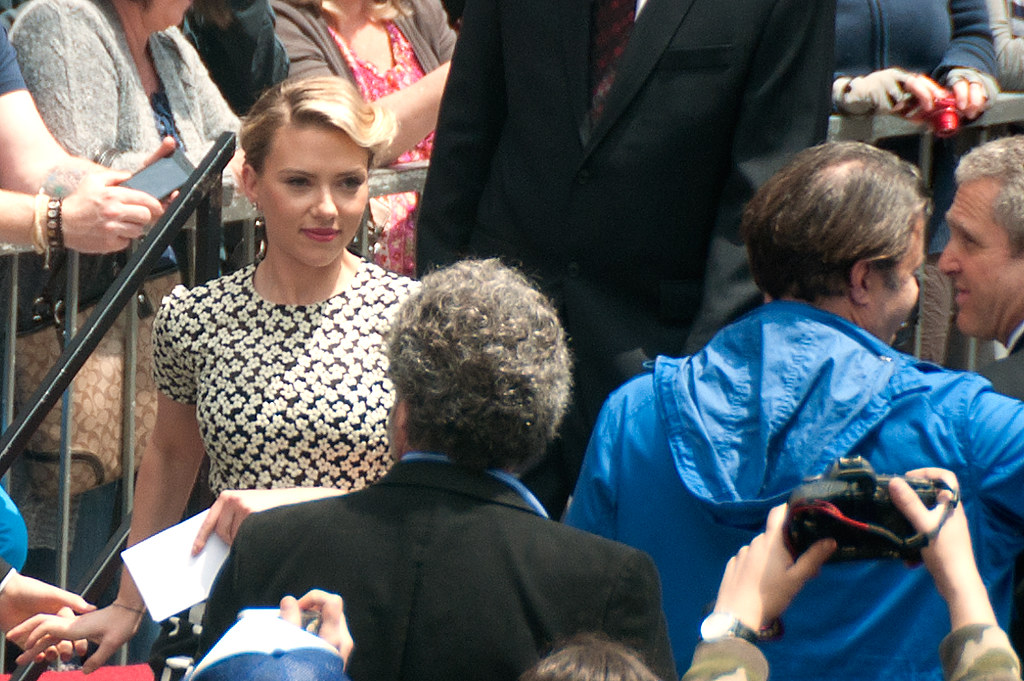
11. **A Symphony of Talent: Her Ventures into Music and Narration**While primarily known for her captivating presence on screen, Scarlett Johansson has also carved out a distinct path in the world of music, showcasing a different facet of her artistic talent. Her musical journey began with contributions to various projects, including singing the track ‘Summertime’ for the non-profit collection *Unexpected Dreams – Songs from the Stars* in 2006. She also graced the stage with the Jesus and Mary Chain at a Coachella reunion show in 2007, hinting at her burgeoning musical inclinations.
In May 2008, Johansson released her debut album, *Anywhere I Lay My Head*, a collection that featured one original song and ten cover versions of Tom Waits classics. The album was a collaborative effort, with notable appearances by David Bowie and members from the Yeah Yeah Yeahs. The reception was mixed, but many critics found it ‘surprisingly alluring’ and ‘a bravely eccentric selection,’ with NME even naming it the ’23rd best album of 2008.’ The album showcased her unique interpretive style, deeply influenced by Waits, whom she had listened to since childhood, stating, ‘His melodies are so beautiful, his voice is so distinct and I had my own way of doing Tom Waits songs.’
Her musical collaborations continued with singer-songwriter Pete Yorn, with whom she released the album *Break Up* in September 2009. Inspired by Serge Gainsbourg’s duets with Brigitte Bardot, the album reached number 41 in the US, demonstrating her appeal beyond acting. They later reunited for an EP titled *Apart* in 2018. Johansson’s voice has also graced several soundtracks, including ‘One Whole Hour’ for the documentary *Wretches & Jabberers* (2011) and ‘Before My Time’ for *Chasing Ice* (2012), the latter earning an Academy Award nomination for Best Original Song. In 2015, she formed a band called the Singles, further exploring her passion, though the group faced a cease and desist order over their name.
Beyond singing, Johansson has also lent her expressive voice to other artistic endeavors, notably narrating an audiobook of Lewis Carroll’s beloved children’s novel *Alice’s Adventures in Wonderland* in 2016. This venture into narration, alongside her musical projects, underscores her expansive artistic sensibility and her desire to engage with storytelling in all its forms. Her diverse talents continue to surprise and delight audiences, proving that her creativity knows no bounds.
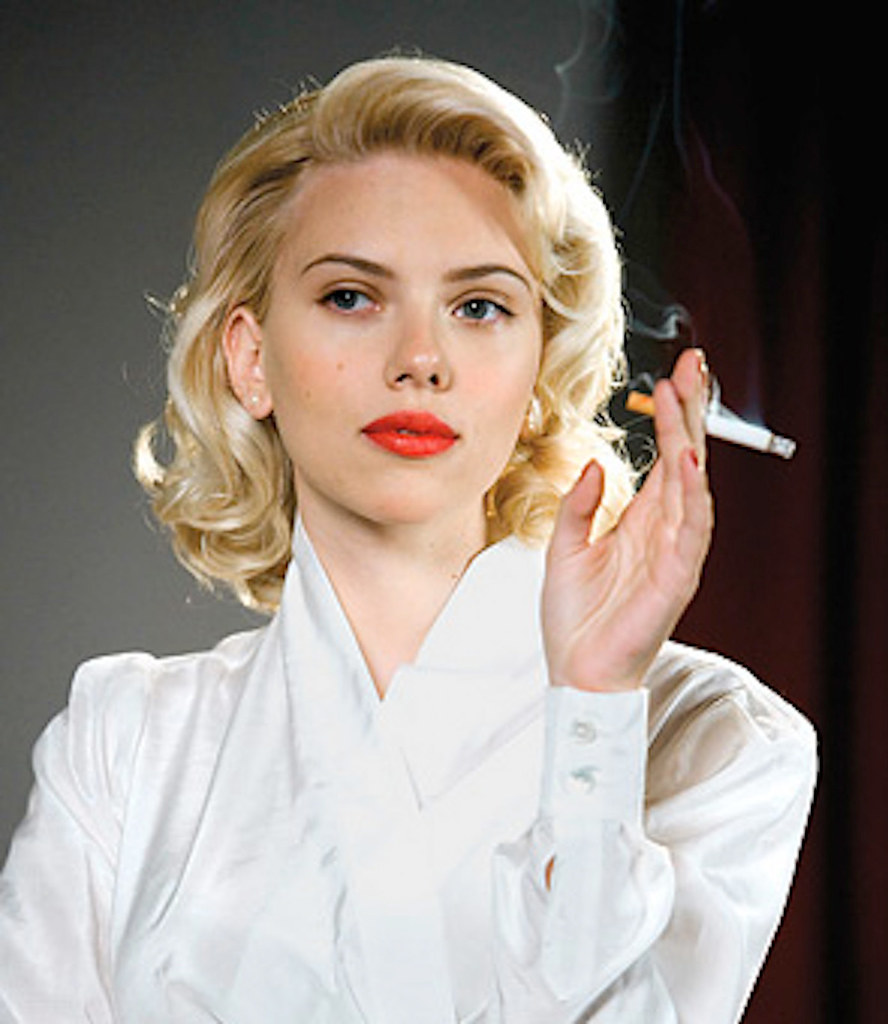
12. **An Enduring Icon: Impact, Influence, and Legacy**Scarlett Johansson’s journey through Hollywood has not only been marked by remarkable performances but also by her profound impact on the industry and popular culture. Frequently described as a ‘ symbol’ by the media, Johansson herself revealed that by age 17, while filming *Lost in Translation*, she felt she was being ‘groomed as a bombshell-type actor.’ This early awareness speaks to her self-possession and astute understanding of her public image, even as a young star.
Her commercial success is nothing short of monumental. With her films as a leading actress grossing over $15.3 billion worldwide, she stands as the highest-grossing lead actor in history. This staggering figure is complemented by her status as the world’s highest-paid actress in both 2018 and 2019, consistently featuring on the prestigious *Forbes* Celebrity 100 list. These financial accolades underscore not just her star power, but her consistent ability to draw massive audiences to theaters and streaming platforms alike.
Beyond the box office, Johansson’s influence extends deeply into broader cultural conversations. *Time* magazine has twice recognized her as one of the ‘100 most influential people in the world,’ in 2021 and 2025, highlighting her impact beyond entertainment. She is also a prominent brand endorser, leveraging her global appeal, and actively supports several charitable causes, using her platform for positive change. Her personal life, including her marriages and two children, has also been a subject of public interest, yet she navigates it with a blend of privacy and grace.
Read more about: Meryl Streep at 75: Peering into the Hollywood Doyenne’s Timeless Performances and Enduring Influence
Scarlett Johansson’s career is a vibrant tapestry woven with threads of extraordinary talent, unwavering dedication, and a relentless pursuit of artistic integrity. From a child actress with a fervent passion for performance to a global icon, producer, and soon-to-be director, she has continuously evolved, challenging perceptions and expanding her horizons. Her ability to command both critically nuanced dramas and colossal blockbusters, coupled with her ventures into music and advocacy, ensures her legacy as one of Hollywood’s most enduring and multifaceted stars. She is not merely an actress; she is a cultural force, constantly redefining what it means to be a leading lady in the 21st century.