The automotive landscape is undergoing a significant shift. With the average transaction price (ATP) for new cars reaching $48,644 in June, according to Kelley Blue Book, owning a brand-new vehicle is becoming increasingly out of reach for the typical U.S. driver. This financial reality means Americans are now holding onto their vehicles longer, with the average vehicle age hitting an all-time record of 12.6 years in 2024, as reported by S&P Mobility.
This trend underscores a critical question for many car owners and prospective buyers: what happens when your trusty SUV nears the 150,000-mile mark? While modern vehicles are generally built to last longer, with standard cars expected to reach at least 200,000 miles, this milestone often signals an increase in the potential for significant repairs. It’s a point where drivers must weigh the costs of continued maintenance against the expense of replacing their vehicle entirely.
Making an informed decision requires understanding which SUVs are engineered to withstand the test of time with minimal fuss, and which ones are likely to become costly burdens. This in-depth guide, following the authoritative insights of Consumer Reports and Kelley Blue Book, will navigate the complexities of high-mileage SUV ownership. We’ll spotlight models celebrated for their enduring reliability and explore what makes them truly exceptional, helping you make smart choices for your long-term driving needs.

1. **Toyota Land Cruiser**: The Toyota Land Cruiser stands as the quintessential symbol of durability and longevity in the SUV segment. Its legendary status is well-earned, with countless owners reporting these robust vehicles effortlessly clocking over 300,000 miles, often with nothing more than basic, routine maintenance. This incredible resilience is a testament to Toyota’s unwavering commitment to quality engineering and robust design principles.
At its core, the Land Cruiser boasts a full-frame construction, paired with exceptionally long-lasting suspension components and a high-strength drivetrain. This combination equips it with the ability to withstand the most extreme conditions, whether tackling challenging off-road terrains or navigating vast stretches of highway. The vehicle handles every scenario without showing signs of strain, a characteristic that truly sets it apart from many contemporaries.
The 4.6-liter V8 engine, while acknowledged for not being the most fuel-efficient option available, is universally lauded for its bulletproof reliability. Many owners consistently report years of trouble-free ownership, emphasizing its remarkable dependability. Furthermore, the Land Cruiser’s inherent design simplicity means there are fewer complex systems prone to malfunction, contributing significantly to its long-term viability.
When repairs are eventually needed, which is rare, the process is often straightforward due to the wide availability and affordability of its parts. This aspect further enhances its appeal to budget-conscious drivers who prioritize longevity and predictable ownership costs. The Toyota Land Cruiser is, without a doubt, built for those who desire decades of worry-free driving, making it a prime example of an SUV engineered to survive and thrive.
It represents a wise investment for anyone seeking an SUV that not only performs reliably but also retains its value and functionality for an extensive period. Its proven track record and straightforward maintenance requirements solidify its position as one of the best choices for enduring service.
Car Model Information: 2023 Mazda Mazda3 FWD w/Select Package
Name: Toyota Land Cruiser
Caption: 2021 Toyota Land Cruiser ZX (VJA300, Colombia)
Manufacturer: Toyota
Production: 1951–present
Class: unbulleted list
Layout: Front-engine, four-wheel-drive
Categories: 1960s cars, 1970s cars, 1980s cars, 1990s cars, 2000s cars
Summary: The Toyota Land Cruiser, also sometimes spelt as LandCruiser, is a series of four-wheel drive vehicles produced by the Japanese automobile manufacturer Toyota. It is Toyota’s longest running series of models. As of 2019, the sales of the Land Cruiser totalled more than 10 million units worldwide. Production of the first generation of the Land Cruiser began in 1951. The Land Cruiser has been produced in convertible, hardtop, station wagon and cab chassis body styles. The Land Cruiser’s reliability and longevity have led to huge popularity, especially in Australia, where it is the best-selling body-on-frame, four-wheel drive vehicle. Toyota also extensively tests the Land Cruiser in the Australian outback – considered to be one of the toughest operating environments in both temperature and terrain. In Japan, the Land Cruiser was once exclusive to Toyota Japanese dealerships called Toyota Store. Since 1990, the smaller variation of the Land Cruiser has been marketed as the Land Cruiser Prado. Described as a ‘light-duty’ version of the Land Cruiser by Toyota, it features a different design compared to the full-size model and, up until 2023, it remains the only comfort-oriented Land Cruiser available with a short-wheelbase 3-door version. As of 2023, the full-size Land Cruiser was available in many markets. Exceptions include the United States (since 2021 where the smaller Land Cruiser Prado has been sold under the Land Cruiser name since 2024), Canada (since 1996), Malaysia (which receives the Lexus LX instead), Hong Kong, Macau, South Korea, Brazil, and most of Europe. In Europe, the only countries where the full-size Land Cruiser is officially sold are Gibraltar, Moldova, Russia, Belarus, and Ukraine. The Land Cruiser is hugely popular in the Middle East, Russia, Australia, India, Bangladesh, Pakistan, New Caledonia, and Africa. It is used by farmers, the construction industry, non-governmental and humanitarian organizations, the United Nations, national armies (often the pickup version), and irregular armed groups who turn them into “technicals” by mounting machine guns in the rear. In August 2019, cumulative global sales of the Land Cruiser family surpassed 10 million units.
Get more information about: Toyota Land Cruiser
Buying a high-performing used car >>>
Brand: Toyota Model: Land Cruiser
Price: $17,821 Mileage: 57,859 mi.
Read more about: Safety Risk Alert: 15 Popular SUVs That Failed the Toughest Crash Tests, According to Leading Safety Agencies

2. **Honda CR-V**: The Honda CR-V has carved out a formidable reputation as a compact SUV synonymous with exceptional reliability and remarkably low-maintenance ownership. This model is a perennial favorite among both families and daily commuters, delivering a well-balanced blend of practicality, comfort, and, crucially, lasting durability. It is not at all uncommon for CR-V owners to see their vehicles surpass 250,000 miles, or even more, with very few significant mechanical issues, provided regular maintenance schedules are adhered to.
Beneath its appealing exterior, the CR-V typically houses an efficient 2.4-liter engine, or in more recent iterations, a 1.5-liter turbocharged engine. Both powerplants are widely recognized for their impressive longevity and fuel efficiency, contributing significantly to the CR-V’s overall reliability score. Complementing these robust engines is Honda’s esteemed reputation for engineering durable transmission systems, which together establish the CR-V as one of the most reliable compact SUVs available on the market.
Keeping a Honda CR-V running strong requires surprisingly little: routine fluid changes, diligent brake maintenance, and regular tire rotations are typically all that is needed. This straightforward approach to upkeep is a cornerstone of its enduring appeal. The design philosophy behind the CR-V prioritizes simplicity, which inherently reduces the likelihood of encountering complex, expensive issues as the vehicle ages.
Unlike some contemporary models that are laden with potentially costly advanced technology and intricate systems, the CR-V concentrates on core, easy-to-maintain components. This pragmatic design choice translates directly into lower long-term ownership costs. Moreover, Honda’s extensive network of dealerships and parts suppliers ensures that replacement parts are both readily accessible and economically priced, preventing budget-breaking repair bills.
For individuals in search of a practical, fuel-efficient, and exceptionally long-lasting compact SUV, the Honda CR-V consistently ranks as a top-tier contender. It steadfastly delivers strong value over many years, proving that robust performance and minimal upkeep can indeed go hand-in-hand, making it an intelligent choice for discerning buyers.
Car Model Information: 2020 Honda CR-V EX
Name: Honda CR-V
Caption: 2023 Honda CR-V e:HEV
Manufacturer: Honda
Aka: Honda Breeze (China, 2019–present)
Production: 1995–present
Class: Compact crossover SUV
BodyStyle: Sport utility vehicle
Layout: Front-engine, front-wheel-drive layout,Front-engine, four-wheel-drive layout
Chassis: Unibody
Predecessor: Honda Crossroad
Successor: Honda ZR-V
Categories: 2000s cars, 2010s cars, 2020s cars, All-wheel-drive vehicles, All Wikipedia articles written in British English
Summary: The Honda CR-V (also sold as the Honda Breeze in China since 2019) is a compact crossover SUV manufactured by Japanese automaker Honda since 1995. Initial models of the CR-V were built using the same platform as the Civic.
Honda began producing the CR-V in Sayama, Japan, and Swindon, United Kingdom, for worldwide markets, adding North American manufacturing sites in East Liberty, Ohio, United States, in 2007; El Salto, Jalisco, Mexico, in late 2007 (ended in early 2017); Alliston, Ontario, Canada, in 2012; and Greensburg, Indiana, United States, in February 2017. The CR-V is also produced in Wuhan for the Chinese market by Dongfeng Honda, and also marketed as the Breeze in China for the version produced at Guangzhou by Guangqi Honda.
Honda states that “CR-V” stands for “Comfortable Runabout Vehicle,” while the term “Compact Recreational Vehicle” was used in a British car review article that was republished by Honda, associating the model name with the Sports Utility Vehicle abbreviation of SU-V.
As of 2022, the CR-V is positioned between the smaller ZR-V (marketed as HR-V in North America) — with which the CR-V shares a platform — and the larger North American market Passport/Pilot or the Chinese market Avancier/UR-V. It is currently Honda’s best-selling vehicle in the world, and the second best-selling SUV globally in 2020.
Get more information about: Honda CR-V
Buying a high-performing used car >>>
Brand: Honda Model: CR-V
Price: $20,995 Mileage: 71,622 mi.
Read more about: The Quest for Calm: Unveiling the Top 15 Quietest Midsize SUVs of 2024 for a Serene Drive
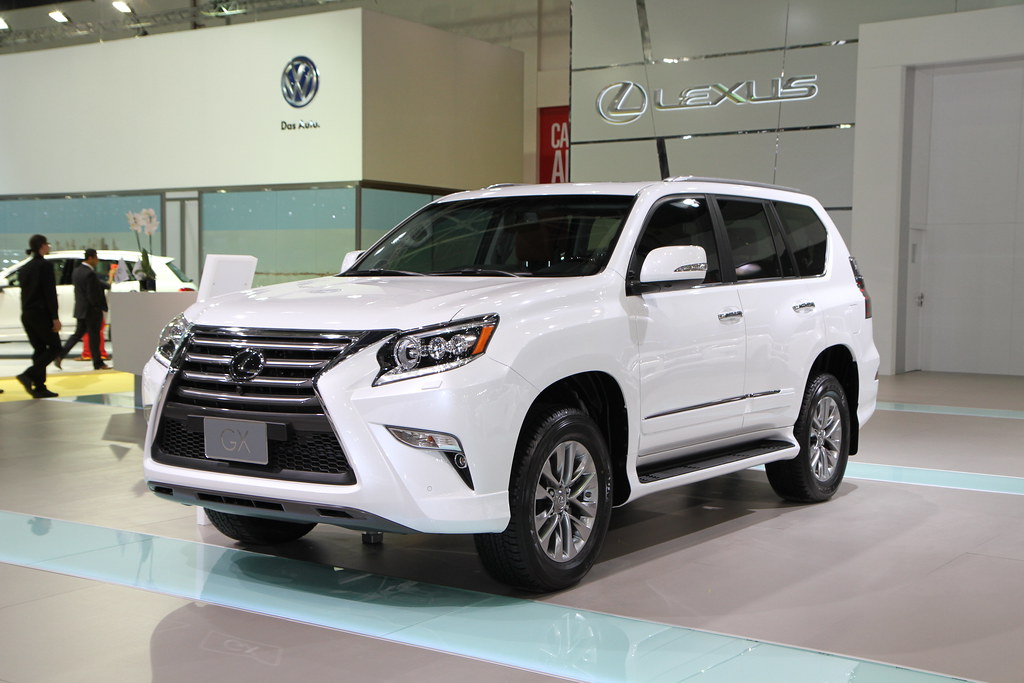
3. **Lexus GX**: As another distinguished offering from the Toyota family, the Lexus GX is a shining example of the brand’s deep-seated commitment to durability and engineering excellence. This luxury SUV seamlessly marries upscale comfort with unflinching reliability, positioning it as a premier choice for those who desire a refined vehicle built to truly last. Crucially, the GX shares its foundational platform with the legendary Toyota Land Cruiser, thereby inheriting many of the same rugged, long-lasting qualities that have made the Land Cruiser synonymous with enduring reliability.
Powering the Lexus GX is a robust 4.6-liter V8 engine, an powerplant known for delivering ample power without compromising Toyota’s stellar reputation for crafting engines that can confidently exceed 200,000 miles with minimal, if any, major repairs. The vehicle’s frame and body are meticulously engineered not just for luxurious on-road cruising, but also for serious off-roading capabilities, making it an exceptionally versatile option for long-term ownership and diverse driving conditions. This dual-purpose design speaks volumes about its inherent toughness.
Much like its Land Cruiser sibling, the mechanical simplicity embedded within the Lexus GX’s design is a pivotal factor in its remarkable longevity. Adhering to a regimen of basic maintenance – encompassing regular oil changes, diligent brake checks, and periodic fluid flushes – ensures that the GX’s robust drivetrain and sophisticated suspension system can reliably endure for decades. This emphasis on straightforward upkeep avoids the complex and often expensive repair scenarios associated with many other luxury vehicles.
A further testament to its lasting quality, the Lexus GX is renowned for maintaining a high resale value. This is largely because its proven durability and consistent reliability make it a highly desirable vehicle, even as the odometer accumulates significant mileage. For discerning buyers who seek the indulgence of a luxury SUV but are keen to avoid the exorbitant repair and maintenance costs often associated with premium vehicles, the Lexus GX emerges as an outstanding proposition. It unequivocally offers the best of both worlds: opulent comfort fused with steadfast, long-lasting reliability, ensuring peace of mind for years to come.
Car Model Information: 2013 Lexus GX 460 Base
Name: Lexus GX
Caption: 2015 Lexus GX 460 (URJ150)
Manufacturer: Toyota
Aka: Toyota Land Cruiser Prado
Production: 2002 – present
ModelYears: 2003–present
Assembly: Tahara, Aichi
Class: Full-size car,Luxury car,SUV
BodyStyle: SUV
Layout: Front-engine, four-wheel-drive
Chassis: Body-on-frame
Categories: 2010s cars, 2020s cars, All-wheel-drive vehicles, All articles containing potentially dated statements, All articles with dead external links
Summary: The Lexus GX is a mid/full-size luxury SUV sold in North American and Eurasian markets by Lexus, a luxury division of Toyota. The GX is based on the Toyota Land Cruiser Prado, from which it derives its off-road capability. Lexus introduced the first generation, known as the GX 470 in 2002, and subsequently became the third SUV to enter the Lexus lineup. A full-time four-wheel drive system is standard with low-range gearing. The 4.7-liter V8 engine in the GX 470 was the same as used on the larger LX 470. The firm next introduced the second-generation model in 2009, badged GX 460 to reflect the switch to a 4.6-liter V8 engine. Lexus later released a lower displacement GX 400 in 2012 for the Chinese market, with a 4.0-liter V6 engine. The third-generation model introduced in 2023 uses the GX 550 moniker with a twin-turbocharged 3.4-liter V6 engine and GX 550h with a turbocharged hybrid electric 2.4-liter four-cylinder engine. As of 2024, the GX is positioned between the larger LX or TX and the smaller RX. Though it is thought the GX has always been larger than the RX, from 2015 to 2022, the RX is slightly longer and slightly wider than the GX and therefore the GX was considered smaller. All GX production has occurred at the Tahara plant in Japan, alongside the Land Cruiser Prado and the export-minded Toyota 4Runner. Some countries classify the GX as a full-size vehicle (e.g., Australia), while some classify it as a mid-size vehicle (e.g., US), depending on local regulations.
Get more information about: Lexus GX
Buying a high-performing used car >>>
Brand: Lexus Model: GX
Price: $15,961 Mileage: 193,051 mi.
Read more about: Safety Risk Alert: 15 Popular SUVs That Failed the Toughest Crash Tests, According to Leading Safety Agencies
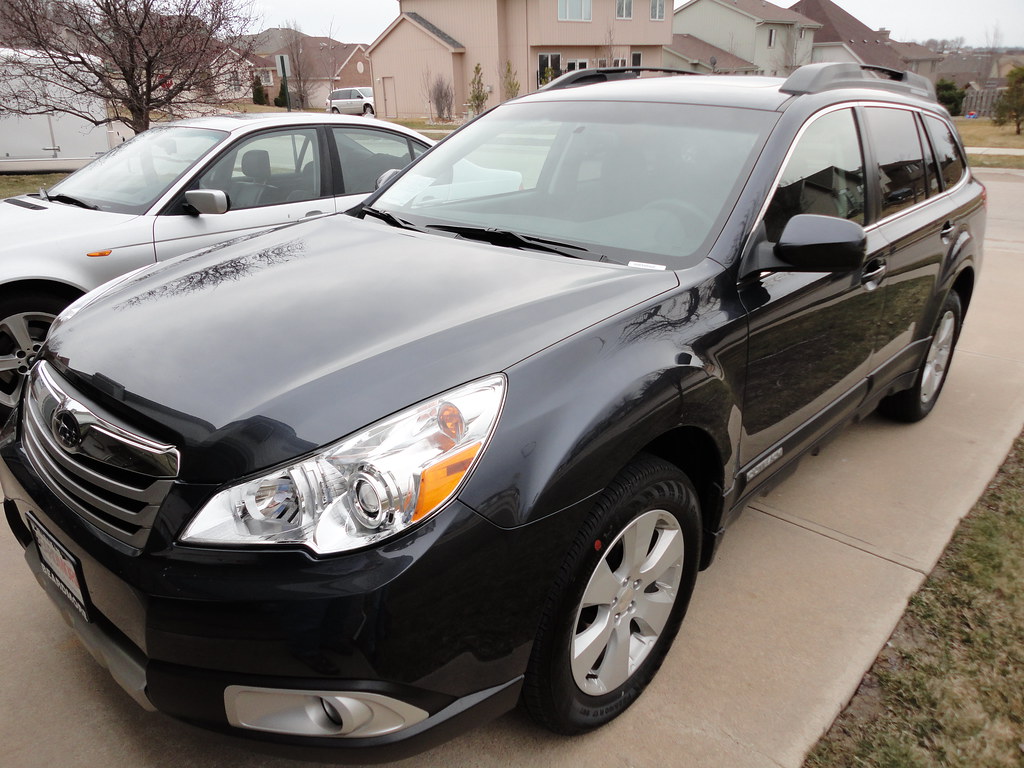
4. **Subaru Outback**: The Subaru Outback has long enjoyed a dedicated following among outdoor enthusiasts and growing families, a popularity rooted in its impressive rugged off-road capabilities and its stellar reputation for reliability. This mid-size SUV is purposefully engineered to confront and conquer challenging conditions, proving its mettle whether navigating treacherous snowy mountain passes or embarking on extensive family road trips across varied landscapes. With consistent routine maintenance, a significant number of Outback owners proudly report their vehicles easily surpassing the 200,000-mile mark without encountering any substantial mechanical setbacks, firmly establishing it as one of the preeminent vehicles for longevity within its competitive class.
A cornerstone of the Outback’s enduring performance is Subaru’s widely acclaimed symmetrical all-wheel-drive system. This sophisticated system not only enhances its ability to confidently handle a diverse array of weather conditions and varied terrains but also contributes to a sense of stability and security for the driver. The vehicle is typically powered by a 2.5-liter engine, which is well-regarded for its smooth operational performance and commendable fuel efficiency. However, a key factor in its impressive longevity is its fundamentally simple design.
Crucially, the Outback intentionally avoids being excessively laden with overly complex electronics or a multitude of advanced technological systems that, while initially appealing, can often become points of failure and expensive repair over extended periods of ownership. This design philosophy makes it an exceptionally solid choice for individuals who prioritize a reliable, low-maintenance vehicle above all else, ensuring predictable performance without unexpected technological headaches.
Maintaining the Outback’s robust health is straightforward, typically involving routine care such as regular oil changes, thorough brake checks, and periodic fluid flushes. These basic preventative measures are often all it takes to keep the vehicle running smoothly and efficiently for years. Furthermore, the ready availability of affordable replacement parts, coupled with Subaru’s robust and widespread dealer network, collectively ensure that any necessary repairs remain both cost-effective and easily manageable.
For those in search of an SUV that is not only capable of handling demanding conditions but also committed to providing years of dependable service, the Subaru Outback presents itself as an unequivocally fantastic option. Its blend of ruggedness, reliability, and sensible maintenance requirements makes it a standout choice for long-term ownership and adventure.
Car Model Information: 2022 Subaru Outback Touring XT
Name: Subaru Outback
Caption: 2023 Subaru Outback Premium
Manufacturer: Subaru
Production: 1994–present
ModelYears: 1995–present
Assembly: Ota, Gunma
Aka: Subaru Legacy
Class: Mid-size car
BodyStyle: station wagon
Categories: All Wikipedia articles written in American English, All articles with unsourced statements, Articles containing Japanese-language text, Articles with short description, Articles with unsourced statements from April 2012
Summary: The Subaru Outback is an automotive nameplate used by the Japanese automaker Subaru for two different themed vehicles: a Legacy-derived station wagon, the Outback (1994–present, also sold as Legacy Outback in some markets), and an Impreza-derived off-road themed hatchback, the Outback Sport (1994–2011). Most versions of the Outback wagon and Outback Sport have had all-wheel drive as standard equipment.
Get more information about: Subaru Outback
Buying a high-performing used car >>>
Brand: Subaru Model: Outback
Price: $29,099 Mileage: 45,260 mi.
Read more about: The Quest for Calm: Unveiling the Top 15 Quietest Midsize SUVs of 2024 for a Serene Drive

5. **Toyota 4Runner**: The Toyota 4Runner holds a revered status as a legendary off-road SUV, distinguished particularly by its outstanding reliability. This makes it one of the most compelling long-term vehicles for buyers who prioritize minimal maintenance hassles and consistent performance. Renowned for its exceptionally rugged body-on-frame construction, the 4Runner is fundamentally built to last, a characteristic that permeates every aspect of its design and engineering. Owners frequently attest that, with diligent basic upkeep, their 4Runners can effortlessly exceed 300,000 miles, making it an exemplary choice for anyone seeking an SUV with a demonstrably proven track record of enduring service.
What truly differentiates the 4Runner from a multitude of other SUVs on the market is its unwavering commitment to simplicity. In stark contrast to many contemporary vehicles that increasingly rely on intricate electronic systems and potentially expensive, complex components, the 4Runner’s straightforward design inherently facilitates easier maintenance and more manageable repairs. This foundational simplicity translates directly into greater long-term reliability and lower ownership costs.
The vehicle’s 4.0-liter V6 engine, while not positioned as the most fuel-efficient option available, is widely celebrated for its inherent robustness and unwavering dependability. Complementing this sturdy engine is a highly resilient suspension system, meticulously engineered to ensure the 4Runner can competently handle an extensive variety of terrains without succumbing to issues. This makes it an ideal companion for adventurers and those who frequently navigate challenging environments.
Consistent and regular services, including timely oil changes, systematic air filter replacements, and thorough brake maintenance, are typically all that is required to ensure the 4Runner continues to serve its owners reliably for many years. Its impressive off-road prowess perfectly aligns with the needs of adventurers who demand a vehicle capable of tackling demanding landscapes while remaining unequivocally dependable.
Furthermore, the Toyota 4Runner commands a strong resale value, a direct consequence of its renowned durability and exceptional longevity. These qualities make it a highly sought-after model in the used car market, underscoring its enduring appeal and smart investment potential. For individuals in serious need of a reliable, adventure-ready SUV, the Toyota 4Runner stands out unequivocally as one of the most durable and trustworthy options available today.
While many SUVs are engineered to provide years of reliable service with minimal upkeep, others quickly reveal themselves to be high-maintenance money pits. These vehicles often seem like good buys initially, but as time goes on, they require frequent, costly repairs that can make ownership a significant financial burden. The designs, poorly engineered components, or simply a history of mechanical issues often contribute to these SUVs demanding far more attention and investment than owners anticipate. From problematic transmissions to expensive electrical failures, certain SUVs are notorious for their propensity to break down in ways that lead to hefty repair bills, especially once extended warranties expire. This guide will shine a light on five such models that have earned a reputation for being repair-prone, helping buyers approach them with extreme caution. We’ll explore the specific issues that go wrong with these vehicles, why their repair bills can spiral out of control, and how owners can better understand the financial realities of these often unreliable SUVs, ensuring you make a truly informed decision for your long-term driving needs.
Car Model Information: 2006 Toyota 4Runner SR5
Name: Toyota 4Runner
Caption: 2025 Toyota 4Runner, TRD Sport trim
Manufacturer: Toyota
Aka: Toyota Hilux Surf (Japan, 1983–2009)
Production: October 1983 – present
ModelYears: 1984–present (US)
Class: unbulleted list
Layout: unbulleted list
Chassis: Body-on-frame
Successor: unbulleted list
Categories: 1990s cars, 2000s cars, 2010s cars, 2020s cars, All-wheel-drive vehicles
Summary: The Toyota 4Runner is an SUV manufactured by the Japanese automaker Toyota and marketed globally since 1984, across six generations. In Japan, it was marketed as the Toyota Hilux Surf and was withdrawn from the market in 2009. The original 4Runner was a compact SUV and little more than a Toyota Hilux pickup truck with a fiberglass shell over the bed, but the model has since undergone significant independent development into a cross between a compact and a mid-size SUV. All 4Runners have been built in Japan at Toyota’s plant in Tahara, Aichi, or at the Hino Motors (a Toyota subsidiary) plant in Hamura. The name “4Runner” was created by copywriter Robert Nathan with the Saatchi & Saatchi advertising company as a play on the term “forerunner”. The agency held contests to invent new names for Toyota’s forthcoming vehicles. According to Toyota, the “4” described the vehicle’s 4-wheel drive system while “Runner” was a reference to its all-terrain capabilities and how it could “run” off-road. For some markets, the Hilux Surf was replaced in 2005 by the lower cost but similar Fortuner, which is based on the Hilux platform. As of 2021, the 4Runner is marketed in the Bahamas, Bolivia, Canada, Chile, Colombia, Costa Rica, El Salvador, Guatemala, Panama, Peru, the United States and Venezuela. Many markets that did not receive the 4Runner, such as Europe and the Middle East, instead received the similarly designed Land Cruiser Prado, another SUV that shared many of the same components. The 4Runner came in at number five in a 2019 study by iSeeCars.com ranking the longest-lasting vehicles in the US. The 4Runner had 3.9 percent of vehicles over 200,000 miles (320,000 km), according to the study.
Get more information about: Toyota 4Runner
Buying a high-performing used car >>>
Brand: Toyota Model: 4Runner
Price: $12,265 Mileage: 212,770 mi.
Read more about: The Quest for Calm: Unveiling the Top 15 Quietest Midsize SUVs of 2024 for a Serene Drive
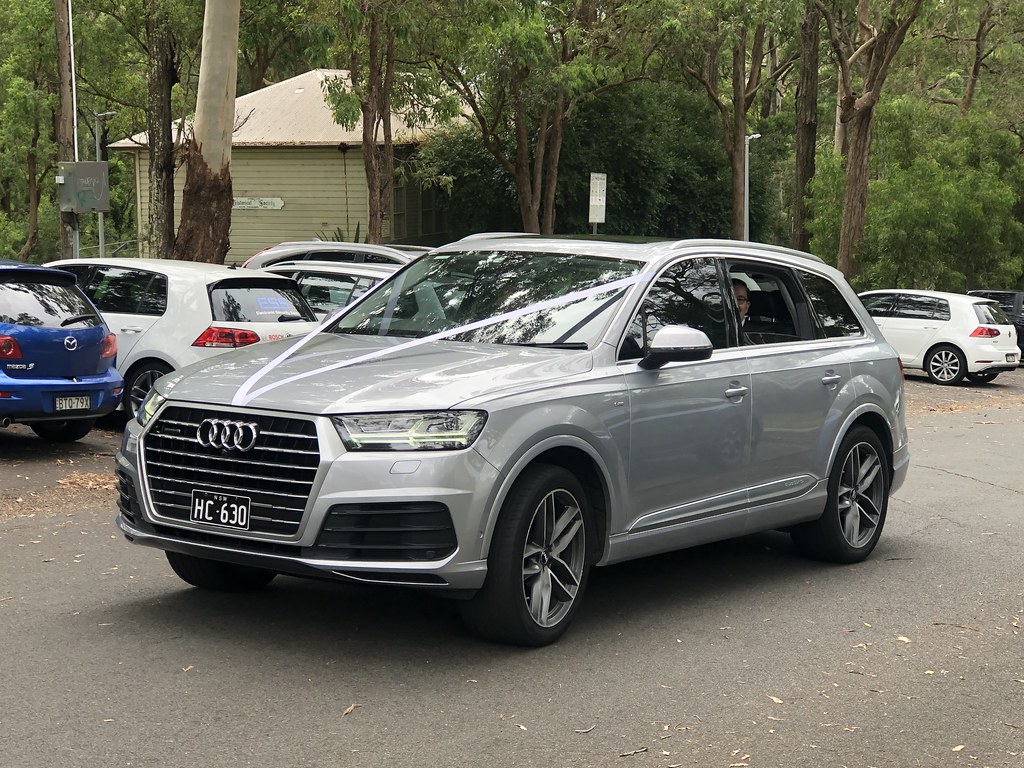
6. **Audi Q7**The Audi Q7 is a luxurious full-size SUV that, on the surface, boasts a wealth of high-end features and a stylish design, promising a sophisticated driving experience. However, Consumer Reports data indicates that beneath this polished exterior, the Q7 can quickly become a significant financial burden for owners unwilling or unprepared to deal with frequent and expensive repairs. One of the primary issues consistently reported with the Q7 is its complex air suspension system, which shows a significant propensity for failure after just a few years of use.
When this sophisticated air suspension system fails, it leads to repairs that can easily cost thousands of dollars to rectify, severely impacting the vehicle’s long-term affordability and owner satisfaction. Beyond the suspension, the Q7’s engine and transmission systems, particularly in the 3.0-liter V6 and 4.2-liter V8 variants, are notorious for suffering from premature wear. A common and particularly costly issue involves the timing chain tensioners in these engines, which often wear out early and require extensive, expensive repairs to prevent catastrophic engine failure.
Furthermore, electrical issues are distressingly common across many Audi Q7 models, ranging from malfunctioning sensors to problematic electronic control modules (ECMs), all of which demand costly replacements to restore functionality. While routine maintenance, such as oil changes and brake servicing, remains manageable, the cumulative effect of the Q7’s deeper mechanical issues can quickly escalate costs, especially once the original warranty coverage expires. For individuals aspiring to luxury without the burden of prohibitively high repair costs, the Q7’s combination of expensive parts and specialized labor makes it a model to approach with considerable caution.
Read more about: Beyond the Showroom Shine: Uncovering the Deep Discounts on Trucks (and More) Lingering on Dealer Lots

7. **BMW X5**The BMW X5 is a highly popular luxury SUV, celebrated for its sleek design, powerful engines, and a host of advanced features that promise an exhilarating driving experience. Yet, despite its initial allure, the X5 is equally infamous for its remarkably high repair costs, making it a challenging vehicle for long-term ownership according to Consumer Reports data. A key contributor to the X5’s expensive maintenance profile is its inherently complex drivetrain, which integrates an intricate automatic transmission and an electronically controlled suspension system.
Both the transmission and the sophisticated suspension, particularly the air springs, are frequent sources of trouble, often requiring expensive repairs or complete replacements. These air springs, for instance, are prone to failure typically between 60,000 and 80,000 miles, leading to significant financial outlays. The X5’s engines, especially the powerful turbocharged variants, also demand frequent and meticulous attention to mitigate common issues such as persistent oil leaks and excessive oil consumption, which can be both messy and costly.
Further compounding these issues, critical components like the timing chain and water pump are recognized trouble spots that inevitably lead to costly replacement procedures. The vehicle’s electrical system is another area of concern, with owners frequently reporting issues related to the alternator, various sensors, and crucial control modules. While the BMW X5 undeniably offers a superior driving experience, the high cost of its maintenance and repairs, particularly labor-intensive engine and transmission work, can quickly run into thousands of dollars, making it a vehicle better suited for drivers who are fully prepared for higher ongoing ownership costs.
Car Model Information: 2019 BMW X5 xDrive40i
Name: BMW X5
Manufacturer: BMW
Class: Mid-size,luxury vehicle,crossover SUV
BodyStyle: SUV
Production: 1999–present
Layout: Front-engine, four-wheel-drive layout,Front-engine, rear-wheel-drive layout
Categories: 2000s cars, 2010s cars, All-wheel-drive vehicles, All articles with unsourced statements, Articles with short description
Summary: The BMW X5 is a mid-size luxury crossover SUV produced by BMW. The X5 made its debut in 1999 as the E53 model. It was BMW’s first SUV. At launch, it featured all-wheel drive and was available with either a manual or automatic gearbox. The second generation was launched in 2006, and was known internally as the E70. The E70 featured the torque-split capable xDrive all-wheel drive system mated to an automatic gearbox. In 2009, the X5 M performance variant was released as a 2010 model.
BMW marketed the X5 officially as a “Sports Activity Vehicle” (SAV), rather than an SUV, to indicate its on-road handling capability despite its large dimensions. The X5 signaled a shift away from the utilisation of body-on-frame construction, in favour of more modern monocoque chassis construction. Although the Mercedes-Benz M-Class was introduced more than a year prior to the X5, the X5 was the first to utilise a monocoque chassis. The M-Class used body-on-frame construction until its second generation.
The X5 is primarily manufactured in North America, at BMW Group Plant Spartanburg. Assembly operations also took place in Russia by Avtotor until February 2022, along with operations in India, Indonesia, Malaysia, and Thailand. The X5 is also modified for armoured security versions, at the BMW de México Toluca plant.
The automaker’s SAV series, which was started by the X5, has expanded with derivations of other number-series BMWs. This began in 2003 with the X3, and continued in 2008 with the X6 (which shares its platform with the X5).
Get more information about: BMW X5
Buying a high-performing used car >>>
Brand: BMW Model: X5
Price: $28,950 Mileage: 93,386 mi.
Read more about: Navigating the Market: The 10 Cars with the Steepest Depreciation, What Analysts Reveal for Lease Holders
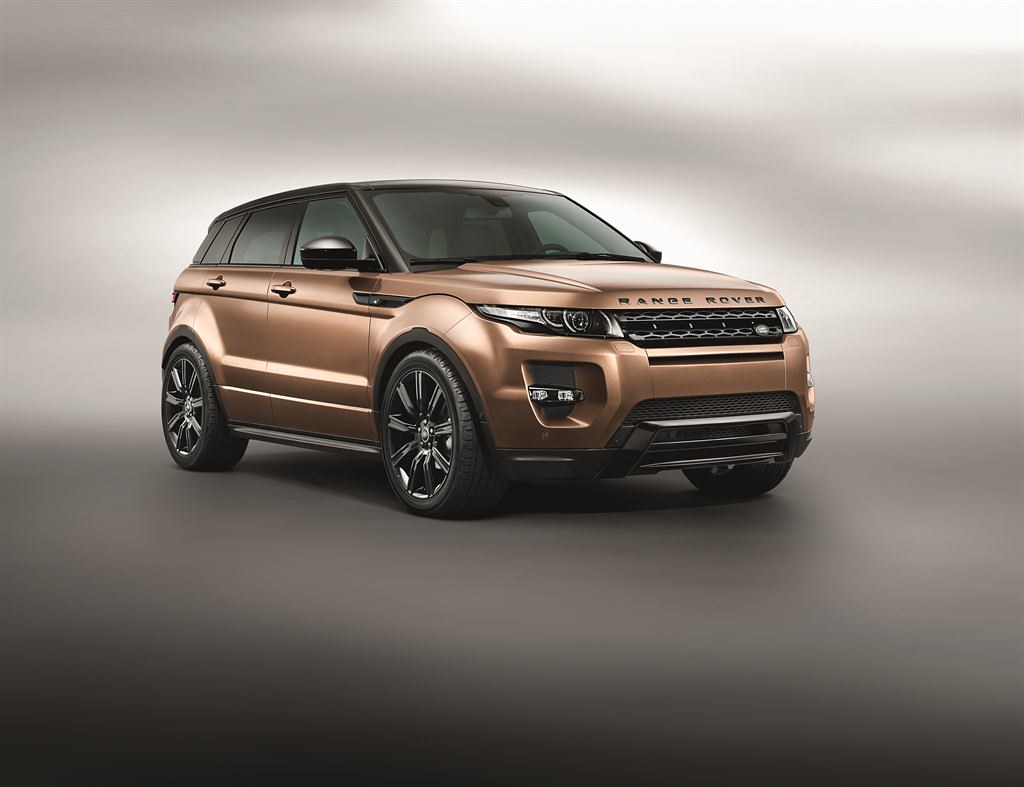
8. **Land Rover Range Rover**The Land Rover Range Rover is globally renowned for its opulent interior and formidable off-road capabilities, projecting an image of both luxury and ruggedness. However, this iconic status is often overshadowed by its equally infamous reputation for significant reliability issues and exorbitantly expensive repairs, a trend highlighted by Consumer Reports data. A leading cause of concern and financial drain for Range Rover owners is the highly complex air suspension system, which is prone to frequent and premature failures, often occurring after only a few years of use.
When the air suspension inevitably fails, the cost of replacement can be nothing short of astronomical, sometimes exceeding $2,000 for a single repair, excluding labor. Furthermore, the Range Rover’s intricate drivetrain, especially the 3.0-liter V6 and 5.0-liter V8 engines, while offering impressive power, are susceptible to a wide array of problems. These include persistent oil leaks, critical cooling system failures, and recurring turbocharger issues, all of which translate into repairs that are both costly and incredibly time-consuming, particularly once the vehicle falls out of warranty.
Electrical gremlins are also disturbingly common throughout the Range Rover lineup, with owners frequently reporting issues such as faulty sensors, complete navigation system failures, and persistent problems with the sophisticated infotainment system. Compounding these mechanical woes, replacement parts for these luxury vehicles are inherently expensive, and the specialized labor charges at authorized dealerships or specialty repair shops can accumulate rapidly. While the Range Rover undeniably delivers a premium driving experience, its high repair bills can quickly diminish the enjoyment of ownership for those not fully prepared for the ongoing financial demands. The combination of costly parts, complex systems, and frequent mechanical issues firmly establishes the Range Rover as one of the most expensive luxury SUVs to maintain over the long term.
Car Model Information: 2023 Mazda Mazda3 FWD w/Select Package
Caption: 2022 Range Rover SE P440e (L460, fifth generation, United Kingdom)
Aka: unbulleted list
Name: Range Rover
Manufacturer: unbulleted list
Production: 1969–present
Assembly: unbulleted list
Class: unbulleted list
Layout: Front-engine, four-wheel-drive layout
Sp: uk
Categories: 1980s cars, 1990s cars, 2000s cars, 2010s cars, 2020s cars
Summary: The Land Rover Range Rover, generally shortened to Range Rover, is a 4WD luxury mid to full size crossover marque and sub-brand of Jaguar Land Rover, owned by India-based Tata Motors. The Range Rover line was launched in 1970 by British Leyland and since 2022 is in its fifth generation.
Additional models have been launched under the Range Rover name, including the Range Rover Sport, Range Rover Evoque, and Range Rover Velar.
Get more information about: Range Rover
Buying a high-performing used car >>>
Brand: Land Rover Model: Range Rover
Price: $17,821 Mileage: 57,859 mi.
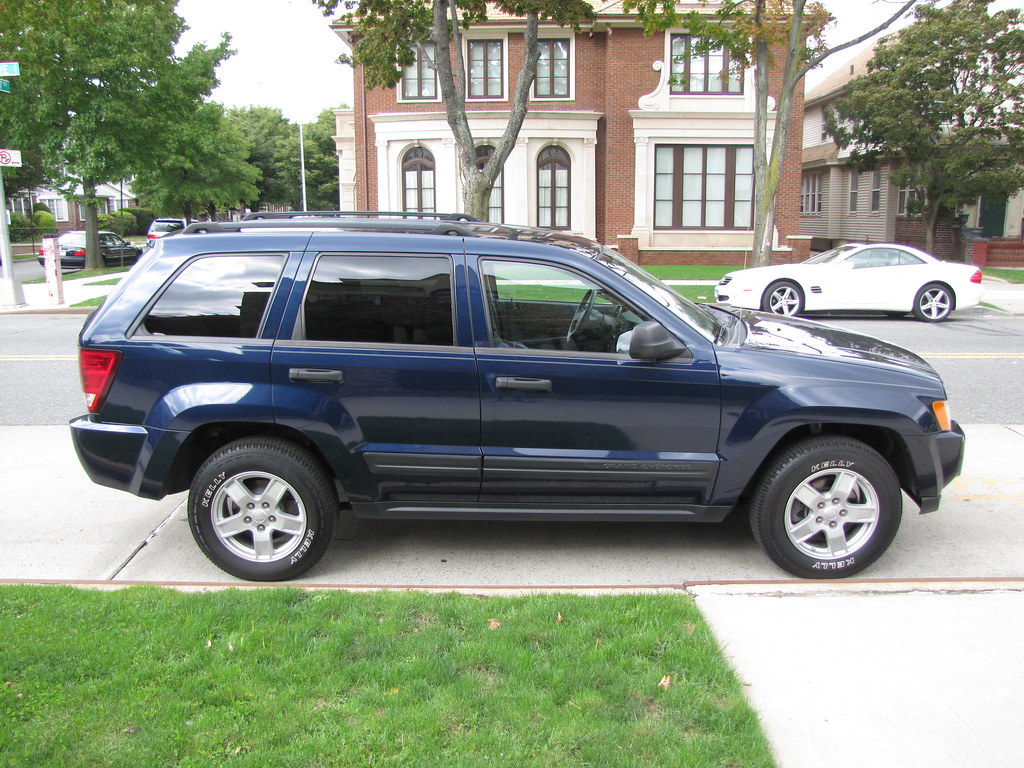
9. **Jeep Grand Cherokee**The Jeep Grand Cherokee stands as a popular mid-size SUV, celebrated for its solid off-road capabilities and a wide variety of available engine options, appealing to a broad segment of drivers. However, Consumer Reports data indicates that despite its appeal, this SUV has a well-documented history of mechanical issues that frequently lead to expensive and unexpected repairs. Among the most common and troubling problems associated with the Grand Cherokee are those related to its transmission, particularly in models from 2011-2014.
The transmission control module (TCM) in these vehicles is a frequent point of failure, leading to erratic shifting issues that often necessitate costly repairs or, in severe cases, the complete replacement of the entire transmission system. Additionally, the Grand Cherokee’s optional air suspension system, available on higher trim levels, is notoriously prone to premature failure, which inevitably results in high repair costs for owners. Other recurring issues that have plagued various generations of the Grand Cherokee include faulty fuel pumps, persistent leaking oil filters, and a range of problems stemming from the vehicle’s electrical system, including problematic sensors and intricate wiring harnesses.
While the vehicle’s 3.6-liter V6 and 5.7-liter V8 engines are generally considered relatively durable, specific issues such as cylinder misfires, excessive oil consumption, and water pump failures have been reported across ownership experiences, all of which can lead to significant and expensive repair bills. Although the Jeep Grand Cherokee offers excellent off-road prowess and a comfortable interior, its concerning tendency to experience mechanical failures means that owners should be prepared to face substantial repair costs throughout its lifespan, often making it a less predictable choice for long-term budget-conscious buyers.
Car Model Information: 2020 Volkswagen Tiguan 2.0T SE
Name: Jeep Grand Cherokee
Manufacturer: Jeep
Production: 1992–present
ModelYears: 1993–present
Class: unbulleted list
BodyStyle: sport utility vehicle
Layout: unbulleted list
Chassis: Vehicle_frame#Uniframe
Categories: 2000s cars, 2010s cars, 2020s cars, All-wheel-drive vehicles, All Wikipedia articles written in American English
Summary: The Jeep Grand Cherokee is a range of mid-sized sport utility vehicles produced by American manufacturer Jeep. At its introduction, while most SUVs were still manufactured with body-on-frame construction, the Grand Cherokee has used a unibody chassis from the start.
Get more information about: Jeep Grand Cherokee
Buying a high-performing used car >>>
Brand: Jeep Model: Grand Cherokee
Price: $21,000 Mileage: 37,878 mi.
Read more about: Unlock Unbeatable Deals: 15 SUVs Languishing on Lots – A MotorTrend Buyer’s Guide to Maximizing Your Savings
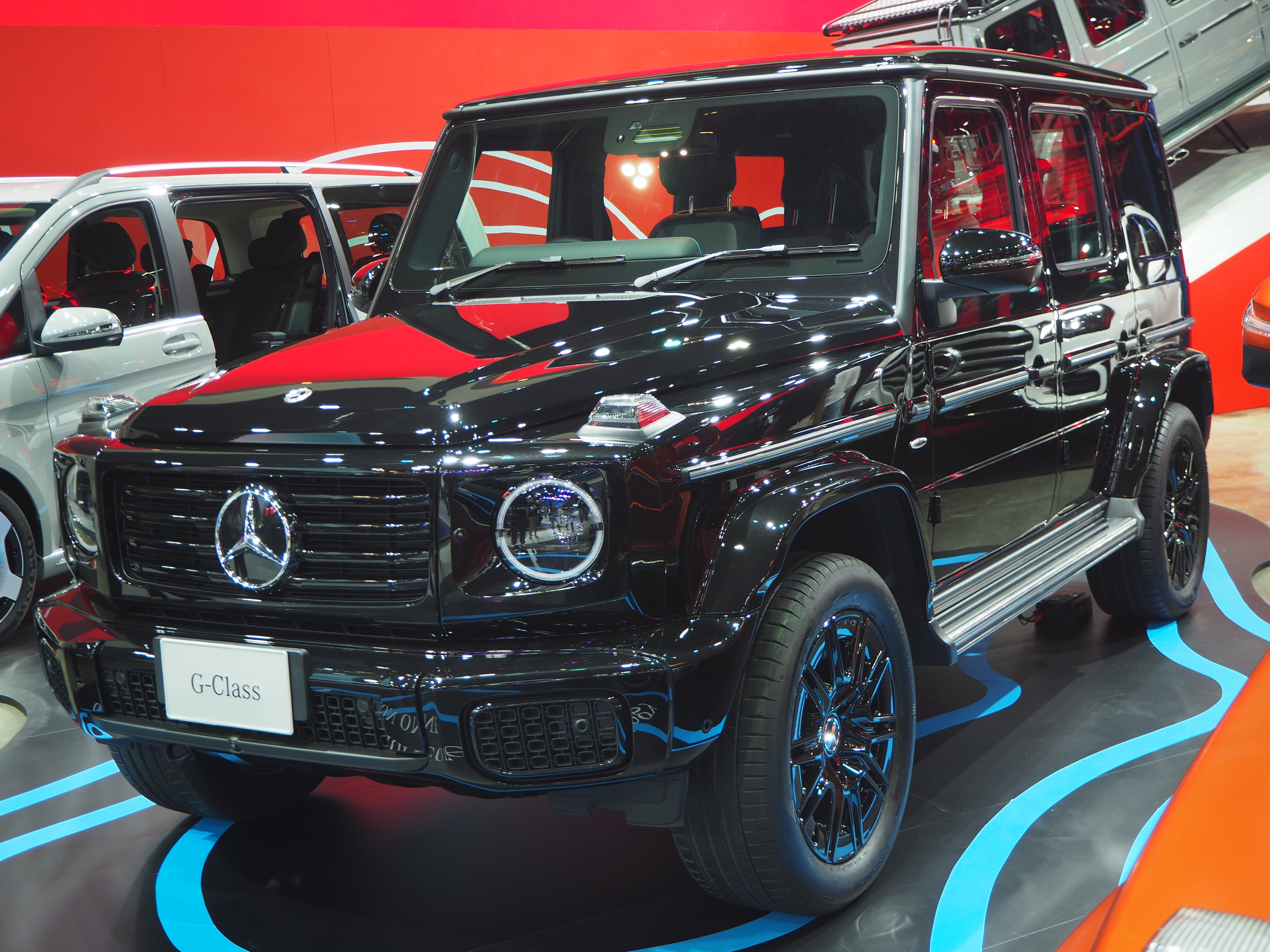
10. **Mercedes-Benz G-Class**The Mercedes-Benz G-Class is an iconic luxury SUV, instantly recognizable for its distinctive styling, robust performance, and formidable off-road capabilities. Yet, for all its prestige and engineering prowess, its notoriously high repair costs stand out as one of the primary drawbacks of owning this prestigious vehicle, as consistent with Consumer Reports’ findings. The G-Class is equipped with an exceptionally complex powertrain, featuring a sophisticated twin-turbocharged V8 engine, an advanced adaptive suspension system, and a myriad of high-tech features that contribute to its superior driving experience.
However, these very components, while offering cutting-edge performance, are frequently prone to failure, invariably leading to staggeringly expensive repairs. The G-Class’s transmission system, in particular, has been a known source of issues, with reported problems ranging from erratic shifting behavior to complete and sudden transmission failure in certain models. Furthermore, its advanced air suspension system, critical for both on-road comfort and off-road capability, is also susceptible to failure over time, resulting in costly replacements that can easily run well into the thousands of dollars, adding significantly to the cost of ownership.
Adding to the financial burden, the G-Class is equally notorious for its high-maintenance electrical system, which frequently presents a range of intricate issues related to its complex wiring infrastructure and multiple electronic control units. Crucially, replacement parts for the G-Class are exorbitantly expensive, and the labor costs associated with its specialized repairs are substantial, as only highly trained and certified technicians are typically qualified to work on these intricate vehicles. Despite the G-Class’s undeniable status as a luxury icon, the total cost of ownership can become prohibitively high, especially when considering the potential frequency and severity of its mechanical issues over time. Prospective buyers of a G-Class must be prepared to budget significantly for steep and regular repair bills down the line.
Read more about: Everyone Wants These 14 Classic Cars In Their Garage: A Deep Dive for Enthusiasts
When it comes to SUVs, the choice between enduring durability and the potential for crippling repair costs ultimately becomes a defining factor for countless buyers. While certain SUVs are meticulously engineered to provide years of unflinching service with nothing more than routine maintenance, others are burdened with a long list of potential issues that can relentlessly drain your wallet as the odometer climbs. The crucial distinction lies in discerning which models promise peace of mind and which are destined to become sources of financial stress as they age. The reliable models, such as the Toyota Land Cruiser and Honda CR-V, highlighted in the first section, exemplify simplicity, consistent reliability, and remarkable longevity, offering hundreds of thousands of miles of dependable service with predictable, basic upkeep. These are the intelligent choices for anyone prioritizing minimal maintenance costs and long-term value. On the stark other hand, the SUVs that frequently demand expensive repairs, including the Audi Q7 and Land Rover Range Rover, are models that consistently require costly attention and frequent, often major, fixes. From intricate air suspension systems to critical engine failures, these vehicles often morph into significant financial liabilities once their factory warranties expire. While they undeniably offer luxury, distinctive style, and potent performance, their expensive parts and labor-intensive repairs can render them impractical for those committed to avoiding high upkeep costs. Ultimately, the decision between these two distinct categories hinges entirely on your personal priorities. If your desire is a truly dependable, low-maintenance vehicle that will faithfully serve you for years without unexpectedly emptying your savings, then opting for one of the rigorously reliable SUVs is unequivocally the wisest path. However, if you are irresistibly drawn to luxury and are fully prepared to budget for the certainty of high repair bills, some of the more complex models might still capture your heart – but always be ready to allocate a substantial fund for those almost inevitable, expensive repairs.