When consumers invest in a new or even a nearly new vehicle, the fundamental expectation is that it will serve reliably for a substantial period, justifying the significant financial outlay. Unfortunately, this expectation often clashes with reality for owners of certain models, which have earned reputations for expensive and premature problems. These issues frequently manifest well before the odometer even reaches the 100,000-mile mark, let alone the 120,000-mile threshold, transforming what initially seemed like a sound purchase into a relentless financial nightmare.
For many, the distinction between routine maintenance costs, such as oil changes or brake pad replacements, and the sudden shock of major component failures—like an engine seizing or a transmission requiring complete replacement—is critical. The latter can pile up repair bills faster than owners can manage, leaving them with the full burden of thousands of dollars in expenses, especially after manufacturer warranties have expired. This scenario isn’t just about the monetary loss; it represents a profound breach of trust in a product that should have offered far greater dependability.
In an era where car prices and maintenance costs have seen substantial escalation, exercising caution before making a vehicle investment has never been more vital. This comprehensive guide, informed by expert experience, highlights 15 vehicles that are notorious for becoming financial traps long before many drivers expect. By breaking down the specific issues that make these cars a risky proposition, we aim to provide a crucial warning for buyers committed to avoiding a continuous cycle of costly repairs and preserving their financial well-being.
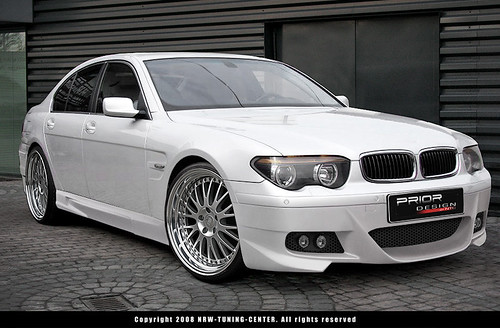
1. **BMW 7 Series (E65/E66, 2002–2008)**The BMW 7 Series has consistently stood as the pinnacle of its brand, embodying luxury, advanced technology, and performance. However, the models produced between 2002 and 2008 in the E65/E66 generation are widely recognized for their capacity to exhaust owners’ finances long before reaching 100,000 miles. Many of the sophisticated features that initially drew buyers to these sedans ultimately become the very source of their substantial long-term ownership costs.
A prime example of this is the iDrive system. While revolutionary at its introduction, this complex infotainment interface is notoriously susceptible to failure, demanding costly repairs or outright replacements. Beyond the iDrive, a myriad of electrical issues pervades these vehicles, ranging from malfunctioning sensors to control modules that necessitate replacement much earlier than would typically be expected in a premium automobile.
Perhaps one of the most alarming and expensive problems concerns the transmission system. Owners have frequently reported complete transmission failures appearing as early as 70,000 miles, with replacement costs often running into several thousand dollars. Furthermore, the V8 engines utilized in this generation are prone to significant issues including persistent oil leaks, valve stem seal failures, and in severe instances, total engine failures. These aren’t isolated incidents but rather common occurrences that have placed these 7 Series models on reliability watch lists.
Compounding the financial strain, many of these critical repairs demand highly specialized tools and expertise, limiting options to BMW dealerships or high-end specialist shops. Even routine tasks, such as battery replacements or programming new keys, can incur hundreds of dollars in expenses. Buyers often acquire these vehicles on the used market, enticed by their significantly lower resale prices, only to quickly discover that the initial bargain is overshadowed by a rapid accumulation of hidden expenses. Ultimately, while offering a luxurious ride, the BMW 7 Series from this era frequently imposes a heavy financial burden, often leaving owners with repair bills so substantial that the car becomes uneconomical to maintain on the road.
Car Model Information: 2020 Volkswagen Tiguan 2.0T SE
Name: BMW 7 Series
Caption: BMW 7 Series (G11)
Manufacturer: BMW
Production: 1977–present
Class: Full-size car,luxury car
BodyStyle: sedan (car)
Predecessor: BMW New Six
Categories: All articles with dead external links, Articles with dead external links from July 2021, Articles with short description, BMW vehicle series, CS1 Chinese-language sources (zh)
Summary: The BMW 7 Series is a full-size luxury sedan manufactured and marketed by the German automaker BMW since 1977. It is the successor to the BMW E3 “New Six” sedan and is now in its seventh generation.
The 7 Series is BMW’s flagship car and is only available in a sedan bodystyle (including long wheelbase and limousine models). It traditionally introduces technologies and exterior design themes before other models in BMW’s lineup.
The first generation of the 7 Series was powered by straight-6 petrol engines, and following generations have been powered by inline-4, straight-6, V8 and V12 engines with both natural aspiration and turbocharging. Since 1995, diesel engines have been optional in the 7 Series.
Unlike the BMW 3 Series and BMW 5 Series sedans, BMW does not offer a full M model, but once offered an M performance variant, the BMW M760 with its 6.6L V12 (at the time the most powerful BMW ever made, not to be confused with BMW 760 6.6 V12 which does not offer the same performance). The Alpina B7 served as the high-performance variant of the 7 Series.
Get more information about: BMW 7 Series
Buying a high-performing used car >>>
Brand: BMW Model: 7 Series
Price: $21,000 Mileage: 37,878 mi.

2. **Range Rover (2003–2012)**Few vehicles command the same level of prestige and status as a Range Rover, yet for models produced between 2003 and 2012, this elite reputation is often accompanied by an astonishingly high price in terms of ownership costs. These specific Range Rover generations are infamous for a litany of mechanical and electrical issues that typically surface long before the 100,000-mile mark. Buyers are often drawn in by the promise of an unparalleled blend of luxury and off-road capability, only to find themselves making endless, expensive trips to the repair shop.
One of the most pervasive and costly problems is the failure of the air suspension system. When this sophisticated system inevitably malfunctions, the combined bill for parts and labor can easily exceed $3,000, presenting a significant financial hit. Electrical gremlins are also rampant, affecting nearly every part of these luxurious vehicles. Common complaints include failures of the infotainment units, power seats, and window regulators, among many others.
These electrical issues are rarely isolated; they often occur in a cascade, creating an overwhelming avalanche of expenses. Beyond the complex electronics, the transmission stands out as another critical weak point. Numerous owners have reported complete transmission failures occurring between 60,000 and 90,000 miles, with replacement costs frequently falling within the daunting $5,000 to $7,000 range. The V8 engines employed during these years are far from robust, with oil leaks, coolant system failures, and timing chain problems often appearing much sooner than anticipated. When these mechanical woes are combined with the vehicle’s already poor fuel economy, the overall ownership costs spiral rapidly out of control.
Even seemingly straightforward maintenance items, such as brake replacements, cost significantly more than on most other SUVs, a direct result of the premium parts and specialized labor involved. What makes the situation even more dire for owners is the dramatic depreciation in resale value once these vehicles begin to develop issues. Many used Range Rovers can be found at surprisingly low prices precisely because of their well-documented history of expensive failures. For a considerable number of owners, the Range Rover’s allure fades long before the 100,000-mile point, leaving them with a vehicle that costs far more to maintain than its actual worth.
Car Model Information: 2020 Volkswagen Tiguan 2.0T SE
Caption: 2022 Range Rover SE P440e (L460, fifth generation, United Kingdom)
Aka: unbulleted list
Name: Range Rover
Manufacturer: unbulleted list
Production: 1969–present
Assembly: unbulleted list
Class: unbulleted list
Layout: Front-engine, four-wheel-drive layout
Sp: uk
Categories: 1980s cars, 1990s cars, 2000s cars, 2010s cars, 2020s cars
Summary: The Land Rover Range Rover, generally shortened to Range Rover, is a 4WD luxury mid to full size crossover marque and sub-brand of Jaguar Land Rover, owned by India-based Tata Motors. The Range Rover line was launched in 1970 by British Leyland and since 2022 is in its fifth generation.
Additional models have been launched under the Range Rover name, including the Range Rover Sport, Range Rover Evoque, and Range Rover Velar.
Get more information about: Range Rover
Buying a high-performing used car >>>
Brand: Land Rover Model: Range Rover
Price: $21,000 Mileage: 37,878 mi.

3. **Chrysler Sebring (2007–2010)**The Chrysler Sebring, initially positioned as an affordable midsize sedan, regrettably became one of the most financially demanding vehicles of its time. While it lacked the luxury pedigree of a BMW or Range Rover, the Sebring serves as a stark illustration of how even a seemingly budget-friendly car can financially devastate its owners with a relentless barrage of repairs and premature component failures. Its reputation for unreliability solidified its status as a vehicle to be approached with extreme caution.
Most significant concerns revolved around the engine options available during this production period, particularly the 2.7-liter V6. This specific engine is plagued by a notorious history of oil sludge buildup, a condition that frequently culminates in catastrophic engine failures, often occurring well before the 100,000-mile mark. Even owners who meticulously adhered to recommended maintenance schedules often found themselves facing the prospect of blown engines, with replacement costs that frequently far exceeded the vehicle’s actual market value.
Transmission problems were equally pervasive across these models. Common issues included harsh shifting, persistent slipping gears, and outright premature failure, often necessitating complete transmission replacements. The expense of repairing or replacing the transmission in a Sebring could amount to several thousand dollars, a staggering bill that few expected from a sedan marketed as an economical family car. Adding to the vehicle’s woes, electrical issues were widespread, ranging from malfunctioning instrument clusters to persistent problems with power windows and door locks. Owners often found themselves engaged in a continuous battle against one electrical fault after another.
The interior quality of the Sebring also proved to be a source of considerable frustration. The use of inexpensive materials meant that components wore out rapidly, and features like seat mechanisms and trim pieces frequently broke. While cosmetic issues do not directly impact a car’s drivability, they significantly contribute to the overall impression of owning an unreliable vehicle. Coupled with its dismal resale value, many Sebring owners felt ensnared in a perpetual cycle of spending more on repairs than the car was actually worth. Unlike many vehicles in its segment that can effortlessly surpass 150,000 miles with proper care, the Sebring often struggled to reach 100,000 miles without encountering major and costly setbacks, cementing its reputation as a financial liability on the used market.
Car Model Information: 2006 Chrysler Sebring Touring
Name: Chrysler Sebring
Class: Mid-size car
Manufacturer: Chrysler
Production: 1994–2010
Predecessor: Chrysler LeBaron
Successor: Chrysler 200
Categories: 2000s cars, 2010s cars, All articles needing additional references, All articles that may contain original research, All articles with a promotional tone
Summary: The Chrysler Sebring ( SEE-bring) is a mid-size automobile manufactured and marketed by Chrysler from 1995 to 2010 in convertible (three generations), sedan (two generations), and coupe (two generations) body styles. Both coupe generations were a Chrysler design with engineering input from Mitsubishi and were built at Mitsubishi’s Normal, Illinois facility (operated then by Diamond-Star Motors). The range was introduced in 1995, with the Coupe replacing the Chrysler LeBaron coupe. In 1996 Chrysler introduced the convertible, replacing its LeBaron counterpart.
In 2000, (then) DaimlerChrysler presented the redesigned Sebrings — Sedan, Coupe, and Convertible — at the New York Auto Show for model year 2001. The Coupe used a variant of the Mitsubishi Eclipse ST Platform, while the sedan and convertible used the Chrysler JR platform successors to the Chrysler Cirrus. The coupe was discontinued after 2005.
The third generation sedan was introduced for 2007, and a revised convertible the following year. New options included all-wheel drive on sedans and an available retractable metal top for the convertible. All Sebring models were replaced by the Chrysler 200 for the 2011 model year.
Get more information about: Chrysler Sebring
Buying a high-performing used car >>>
Brand: Chrysler Model: Sebring
Price: $9,998 Mileage: 43,190 mi.
Read more about: Buyer Beware: 12 Cars That Will Cost You a Fortune Before You Hit 50,000 Miles

4. **Audi A8 (2004–2010)**The Audi A8 from the mid-2000s was meticulously engineered to rival top-tier luxury flagships such as the Mercedes S-Class and the BMW 7 Series. Indeed, it delivered a sophisticated design, an array of high-end features, and cutting-edge technology for its era. However, the opulent driving experience was frequently overshadowed by prohibitive ownership costs that materialized surprisingly quickly. A fundamental issue lies within its intricately designed all-wheel-drive system, which is often paired with an equally complex air suspension. These critical components frequently experience premature wear, often failing well before the 100,000-mile threshold, and their repair or replacement is neither straightforward nor affordable.
Suspension repairs alone can easily surpass the $4,000 mark, and when combined with potential drivetrain problems, the financial obligations can escalate dramatically. The transmission in these A8 models represents another widely recognized weak point. Failures or the onset of harsh shifting can emerge as early as 70,000 miles, with complete replacement costs frequently exceeding what many buyers anticipate spending on an entire used luxury vehicle. Electrical malfunctions are also a pervasive concern. Owners routinely face issues ranging from malfunctioning infotainment systems to erratic sensors and persistent warning lights, often leading to repeated trips to specialized repair shops for problems that seem to defy permanent resolution.
The powerful engines themselves, while delivering impressive performance, introduce their own set of challenges. The timing chain system, for instance, is strategically located at the rear of the engine, transforming even routine maintenance procedures into an expensive and labor-intensive undertaking. Additional headaches include oil leaks, failures within the coolant system, and significant carbon buildup in the intake system. While these engine-related issues may not always culminate in a total engine failure, they invariably necessitate a series of costly and repeated interventions to keep the vehicle operating correctly.
A significant factor exacerbating the financial burden of owning an A8 is its rapid depreciation. Buyers are often enticed by the seemingly affordable prices of these once-exorbitant cars on the used market, only to quickly understand the underlying reasons for their dramatic value drop. Few mechanics outside of highly specialized Audi shops possess the necessary expertise and tools to address the vehicle’s inherent complexity, ensuring that labor rates remain prohibitively high. When combined with the imperative for premium replacement parts, the Audi A8 undeniably becomes a substantial financial drain far sooner than expected. For many unfortunate owners, the initial allure of luxury quickly fades, replaced by a relentless succession of bills that transform the car from a joy to drive into an undeniable liability.
Car Model Information: 2025 Audi A8 L 55
Name: Audi A8
Manufacturer: Audi AG
Assembly: Neckarsulm
Production: #D2
Class: Full-size,luxury car
BodyStyle: sedan (automobile)
Platform: List of Volkswagen Group platforms
Layout: FF layout
Related: Audi S8
Predecessor: Audi V8
Categories: 2000s cars, 2010s cars, 2020s cars, All-wheel-drive vehicles, All articles lacking reliable references
Summary: The Audi A8 is a full-size luxury sedan manufactured and marketed by the German automaker Audi since 1994. Succeeding the Audi V8, and now in its fourth generation, the A8 has been offered with either front- or permanent all-wheel drive and in short- and long-wheelbase variants. The first two generations employed the Volkswagen Group D platform, with the current generation deriving from the MLB platform. After the original model’s 1994 release, Audi released the second generation in late 2002, the third in late 2009, and the fourth and current iteration in 2017. Noted as the first mass-market car with an aluminium chassis, all A8 models have used this construction method co-developed with Alcoa and marketed as the Audi Space Frame.
A mechanically upgraded, high-performance version of the A8 debuted in 1996 as the Audi S8. Produced exclusively at Audi’s Neckarsulm plant, the S8 is fitted standard with Audi’s quattro all-wheel drive system. The S8 was only offered with a short-wheelbase for the first three generations, being joined by a long-wheelbase variant for the fourth generation.
Get more information about: Audi A8
Buying a high-performing used car >>>
Brand: Audi Model: A8
Price: $76,711 Mileage: 935 mi.
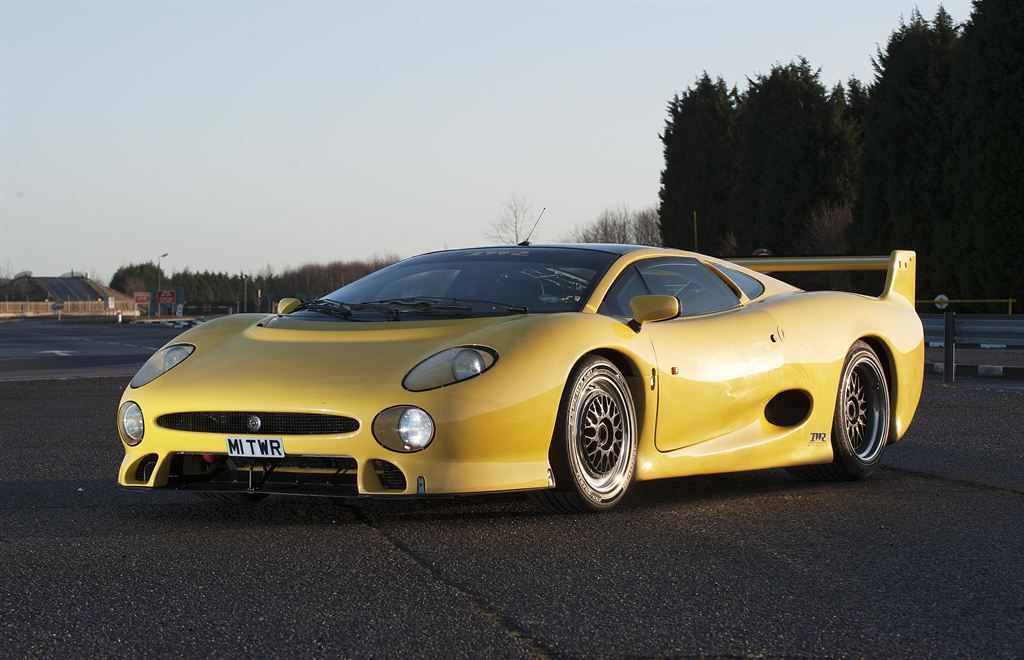
5. **Jaguar XJ (2003–2009)**For decades, the Jaguar XJ has been a symbol of refined British elegance and automotive prestige. However, the generation produced between 2003 and 2009 proved to be an exceptionally costly endeavor for owners striving to maintain its smooth operation, often before the vehicle even reached 100,000 miles. Despite its innovative aluminum body structure, which was advanced for its time, the car’s overall reliability was far from robust. Air suspension failure stands out as one of the most prevalent issues, and repairs to this critical system are almost invariably expensive, frequently surpassing the $3,000 mark. Given the suspension’s direct impact on the vehicle’s handling and ride comfort, neglecting these repairs is simply not a viable option for owners.
The engines, particularly the V8 units from this era, were another significant source of anguish. These powerplants were plagued by widespread timing chain tensioner failures and various cooling system malfunctions. A catastrophic tensioner failure could, and often did, lead to severe engine damage, sometimes occurring well before 80,000 miles. When repair was even feasible, it was incredibly costly, and in many instances, a complete engine replacement could easily push repair bills into the daunting five-figure territory. Moreover, cooling system leaks, frequently originating from plastic components, were a common problem that could lead to engine overheating and subsequent severe damage if not promptly addressed.
Electrical issues also made a substantial contribution to the XJ’s high ownership costs. The complex electrical system often failed in frustrating and unpredictable ways, encompassing dashboard malfunctions, faulty sensors, and problems with the climate control system. These repairs were rarely inexpensive, and securing replacement parts was not always a straightforward process. While not as universally prevalent as the engine or suspension problems, transmission issues still appeared frequently enough to introduce yet another layer of expense for unlucky owners.
Further complicating matters for the Jaguar XJ was its considerable depreciation in resale value. Although undeniably stylish and luxurious when new, these vehicles depreciated heavily once their growing reputation for costly repairs became widely known throughout the market. Owners often found themselves in the unenviable position where the accumulating repair bills ultimately surpassed the current market value of the car. Despite its inherent charm and luxury, the Jaguar XJ from this period is widely remembered by many as a vehicle that inflicted significant financial pain long before it achieved the kind of mileage that other sedans typically handle with ease. For prospective buyers tempted by attractively low used prices, the potential risks far outweighed any perceived rewards.
Car Model Information: 2007 Jaguar XJ XJ8
Name: Jaguar XJ
Caption: 2015 Jaguar XJR (X351)
Manufacturer: Jaguar Cars
Production: 1968–2019
Class: Full-size,luxury car
Layout: Front-engine, rear-wheel-drive
Categories: 1970s cars, 1980s cars, 1990s cars, 2000s cars, 2010s cars
Summary: The Jaguar XJ is a series of mid-size/full-size luxury cars produced by British automobile manufacturer Jaguar Cars (becoming Jaguar Land Rover in 2013) from 1968 to 2019. It was produced across four basic platform generations (debuting in 1968, 1986, 2003, and 2009) with various updated derivatives of each. From 1970, it was Jaguar’s flagship four-door model. The original model was the last Jaguar saloon to have been designed under the leadership of Sir William Lyons, the company’s founder, and the model has been featured in a myriad of media and high-profile appearances.
Get more information about: Jaguar XJ
Buying a high-performing used car >>>
Brand: Jaguar Model: XJ
Price: $12,645 Mileage: 67,968 mi.

6. **Mini Cooper S (2007–2011)**The Mini Cooper S is widely celebrated for its distinctive, quirky design and its exhilarating, fun-to-drive character, offering a unique blend of sportiness and charm. However, for a significant number of owners of the 2007–2011 models, the experience often devolved into a torrent of overwhelming repair bills long before the car reached the 100,000-mile mark. The primary culprit behind these financial woes was the turbocharged engine, which suffered from widespread and well-documented issues concerning the timing chain tensioner. Initially, a failing tensioner might manifest as rattling noises, but if left unaddressed, this critical component failure frequently led to catastrophic engine damage, rendering the vehicle inoperable.
Replacing the intricate timing chain system was already a costly endeavor, but a complete engine replacement, which was often necessitated, could incur bills that frequently exceeded the total market value of the car itself. Another notoriously problematic area was the water pump and its associated thermostat housing, components that demonstrated a clear tendency to fail far earlier than expected. These cooling system defects often resulted in engine overheating, which, if not promptly rectified, could cascade into further and more severe engine damage. Owners also routinely complained about significant carbon buildup on the intake valves, a common issue in many direct-injection engines of the era. This particular problem required labor-intensive and therefore expensive cleaning procedures, adding yet another substantial maintenance task to the car’s ownership ledger.
Transmission failures were also a frequent occurrence, particularly affecting automatic versions of the Mini Cooper S. Some automatic units would fail considerably before the 80,000-mile mark, saddling owners with repair bills that could sometimes reach as high as $5,000. Furthermore, electrical issues consistently added to the growing list of expenses. Problems included malfunctioning power windows, unreliable central locking systems, and faulty sensors. Even what might seem like basic maintenance tasks often proved more costly than anticipated, largely due to the Mini’s compact and complex engine bay design, which made labor significantly more intensive.
Many buyers were initially drawn to the Cooper S by its attractive entry price on the used market and its promise of sporty handling. However, the harsh reality of ownership often proved to be a sobering experience. Resale values for these models plummeted sharply once their pervasive reliability issues became widely known, leaving owners with vehicles that were frequently not even worth the cost of the necessary repairs. While the Mini Cooper S undoubtedly delivered a fun and engaging driving experience, it also became synonymous with some of the most financially painful ownership experiences, especially when unexpected costs began to pile up well before the 100,000-mile milestone.
Car Model Information: 2023 Mazda Mazda3 FWD w/Select Package
Sp: uk
Caption: 1959 Morris Mini-Minor (first one built)
Name: Mini
Aka: Austin 850,Rover Mini,Austin Cooper,Austin Mini,Austin Partner,Austin Seven,Innocenti Mini,Leyland Mini,Morris 850,Morris Mascot,Morris Mini Minor,Riley Elf,Wolseley 1000 (South Africa),Wolseley Hornet
Layout: Front-engine, front-wheel-drive layout
Manufacturer: British Motor Corporation,British Leyland,Rover Group
Production: 1959–2000 (5.38 million)
Class: City car
BodyStyle: sedan (car),convertible,Station wagon,sedan delivery,coupe utility
Engine: BMC A-series engine,Straight-four engine
Designer: Alec Issigonis,John Sheppard (car designer)
Transmission: 4-speed manual,AP automatic transmission,5-speed manual (optional extra on some later models)
Length: cvt,cvt,cvt
Width: cvt
Height: cvt
Weight: cvt
Wheelbase: cvt,cvt
Related: Mini Moke,Austin Metro,Innocenti Mini,Mini Wildgoose,Mini Marcos
Successor: Austin Metro,Mini Hatch
Assembly: Panmure, New Zealand
Categories: 1960s cars, 1970s cars, 1980s cars, 1990s cars, 2000s cars
Summary: The Mini is a very small two-door, four-seat car, produced for four decades over a single generation, with many names and variants, by the British Motor Corporation (BMC) and its successors British Leyland and the Rover Group, and finally (briefly) under BMW ownership. Minis were built as fastbacks, estates, convertibles, and various other body styles. Minus a brief 1990s hiatus, from 1959 into 2000, an estimated 5.38 million of all variations combined were built, and the Mini’s engines also powered another 2 million Mini Metros, though the Mini eventually outlasted its successor.
Initially, the Mini was marketed under the Austin and Morris names, as the Austin Seven and Morris Mini-Minor; the Austin Seven was renamed Austin Mini in 1962 and Mini became a marque in its own right in 1969. Retrospectively, the car is known as the “Classic Mini” to distinguish it from the modern MINI family of vehicles produced since 2001 by German carmaker BMW, who took ownership of the Mini name following the sale of Rover Group in 2000.
This distinctive two-door car was designed for BMC by Sir Alec Issigonis. Its space-saving transverse engine and front-wheel drive layout – allowing 80% of the area of the car’s floorpan to be used for passengers and luggage – influenced a generation of car makers. The front-wheel-drive, transverse-engine layout were used in many other “supermini” style car designs such as Honda N360 (1967), Nissan Cherry (1970), and Fiat 127 (1971). The layout was also adapted for larger subcompact designs. In 1999, the Mini was voted the second-most influential car of the 20th century, behind the Ford Model T, and ahead of the Citroën DS and Volkswagen Beetle. It is also considered an icon of 1960s British popular culture.
The Mini Mark I had three major UK updates: the Mark II, the Clubman, and the Mark III. Within these was a series of variations, including an estate car, a pick-up, a van, and the Mini Moke, a jeep-like buggy. The performance versions, the Mini Cooper and Cooper “S”, were successful as both race and rally cars, winning the Monte Carlo Rally in 1964, 1965, and 1967. The Mini was manufactured in England at the Longbridge plant in Birmingham located next to BMC’s headquarters and at the former Morris Motors plant at Cowley, as well as in Australia (Victoria Park/Zetland BMC Australia factory) and later also in Spain (Authi), Belgium, Italy (Innocenti, as the Innocenti Mini), Chile, Malta, Portugal, South Africa, Uruguay, Venezuela, and Yugoslavia (IMV). In 1980, British Leyland launched the Mini’s follow-up, the Austin Metro, however the Mini outlasted it and continued to be produced at Longbridge until October 2000.
Get more information about: Mini
Buying a high-performing used car >>>
Brand: Mini Model: Cooper S
Price: $17,821 Mileage: 57,859 mi.

7. **Dodge Journey (2009–2015)**The Dodge Journey was introduced to the market as an affordable midsize crossover, offering practical seating for families and versatile utility. Despite its promising initial appeal, it quickly acquired a pervasive reputation as one of the least reliable vehicles within its segment. Owners who had reasonably expected this SUV to reliably navigate daily driving for several years without significant issues often found themselves burdened with substantial repair bills long before the vehicle had even reached the 100,000-mile mark. The most infamous and widespread problem centered squarely on the vehicle’s transmission system.
A distressingly high number of units experienced premature failure, characterized by rough shifting, persistent slipping gears, or even total breakdowns, with these critical issues often emerging as early as 60,000 miles. The process of replacing or rebuilding the transmission typically incurred costs amounting to several thousand dollars, effectively nullifying any perceived savings that buyers believed they had gained by opting for this budget-friendly SUV. Engines constituted another significant weak point, particularly the 2.7-liter V6, which was known to suffer from oil sludge problems—a recurring issue also observed in other Chrysler products from the same era. These engine issues could culminate in sudden and catastrophic engine failure, often occurring without much prior warning, leaving drivers stranded and facing immense repair costs.
Furthermore, critical cooling system components, including the water pumps and radiators, demonstrated a propensity for early failure across these models. Such failures could rapidly lead to engine overheating and, if not addressed with immediate urgency, cause additional and often irreversible engine damage. Electrical problems consistently compounded the ownership headaches associated with the Journey. Complaints ranged from malfunctioning key fobs to issues with the power locks, windows, and the infotainment systems. While these electrical faults might not always immobilize the vehicle entirely, they invariably added significant layers of frustration and unexpected expense for owners.
Adding insult to injury, the air conditioning system was another frequently documented point of failure, with compressors and evaporators giving out far too prematurely. The Journey’s resale value plummeted steeply once its widespread reliability issues became common knowledge within the automotive market. Many owners reported being unable to sell their vehicles for even a mere fraction of what they had invested in ongoing repairs. While the Dodge Journey theoretically offered ample space and versatility on paper, its dismal track record for durability and the prevalence of costly problems irrevocably cemented its status as a financial trap for countless families who simply sought a dependable and affordable mode of transportation. For those unfortunate enough to purchase one on the used market, the accumulation of repair bills often reached critical levels well before the 100,000-mile milestone, leaving them with little more than profound regret.
Read more about: Electrified Excellence: 14 Hybrid Vehicles Worth Your Investment in a Shifting Automotive Landscape

8. **Volkswagen Passat (2006–2010)**The Volkswagen Passat, during its 2006–2010 production run, initially presented itself as an enticing proposition for those desiring a European sedan’s flair without the steep luxury price tag. Yet, this perceived affordability frequently evaporated, often well before these vehicles reached the 100,000-mile mark, as a series of costly and pervasive problems began to surface, turning them into unexpected financial liabilities for many owners.
The Volkswagen Passat, during its 2006–2010 production run, initially presented itself as an enticing proposition for those desiring a European sedan’s flair without the steep luxury price tag. Yet, this perceived affordability frequently evaporated, often well before these vehicles reached the 100,000-mile mark, as a series of costly and pervasive problems began to surface, turning them into unexpected financial liabilities for many owners.
The transmission system, particularly the DSG automatic, contributed another layer of financial burden. Though initially lauded for its quick and seamless shifts, this complex unit demanded specialized and expensive servicing. A significant number of DSG units experienced premature failure, often catching owners by surprise when their vehicle had accumulated fewer than 90,000 miles. Repairing or replacing these transmissions could easily exceed $4,000, presenting a substantial and unanticipated expense for the average owner.
Beyond the powertrain, electrical gremlins were a persistent headache. Owners frequently reported issues ranging from malfunctioning power windows and problematic ignition coils to unreliable central locking systems, necessitating frequent and often costly visits to repair shops. The high-pressure fuel pump also emerged as a known weak point, with early failures leaving drivers stranded and incurring significant repair expenses. Additionally, the Passat’s stylish interior, regrettably, featured components prone to rapid wear, including peeling trim and unreliable seat adjustments, diminishing the overall ownership experience.
The initial appeal of the Passat, rooted in its European driving dynamics at an accessible price point, often gave way to a far less appealing ownership reality. Resale values for these models plummeted rapidly once their extensive reliability issues became widely acknowledged. Many unsuspecting buyers, drawn in by what appeared to be a bargain on the used market, soon found themselves burdened by repair bills that far surpassed their vehicle payments, illustrating that not every seemingly good deal is truly worth the inherent long-term risks.
Car Model Information: 2022 Volkswagen Passat 2.0T SE
Name: Volkswagen Passat
Caption: Passat B9
Manufacturer: Volkswagen
Aka: Volkswagen Dasher,Volkswagen Quantum,Volkswagen Santana,Volkswagen Corsar,Volkswagen Magotan (China),Volkswagen Carat
Production: 1973–present
Class: Mid-size car
Layout: Front-engine, front-wheel-drive layout
Predecessor: Volkswagen Type 4,Volkswagen Type 3,Volkswagen K70
Successor: Volkswagen ID.7
Sp: uk
Categories: 1970s cars, 1980s cars, 1990s cars, 2000s cars, 2010s cars
Summary: The Volkswagen Passat is a nameplate of large family cars (D-segment) manufactured and marketed by the German automobile manufacturer Volkswagen since 1973 and also marketed variously as the Dasher, Santana, Quantum, Magotan, Corsar and Carat — in saloon, estate, and hatchback body styles.
A “four-door coupé” variant of the Passat with a lower roof was released in the North American market in 2008 as the Passat CC, which was then renamed to Volkswagen CC. The CC was succeeded by the Arteon in 2017.
In January 2011, Volkswagen introduced a separate Passat model line, internally designated “Volkswagen New Midsize Sedan” or NMS, that was manufactured in the US at the Chattanooga assembly plant and in China at Nanjing by SAIC-Volkswagen. Developed to increase Volkswagen sales in North America, the Passat NMS is larger and costs less to produce, and is sold in the North America, South Korea, China, and Middle East. The separate B8 Passat model entered production, based on the MQB platform.
In 2019, the Passat NMS program was split into two as the North American one continued being produced on an older platform while the Chinese Passat moved on to the MQB platform, which resulted in Volkswagen marketing three models under the Passat nameplate globally at that time. The North American Passat was discontinued after the 2022 model year.
Volkswagen ended the production of the saloon Passat for the European market in 2022. The B9 Passat, released in 2023, is only available in an estate body style. The Passat continues to be available as a saloon in China.
The “Passat” is one of several Volkswagen models named after a wind: “Passat” is the usual German word for “Trade winds”.
Get more information about: Volkswagen Passat
Buying a high-performing used car >>>
Brand: Volkswagen Model: Passat
Price: $16,981 Mileage: 76,970 mi.
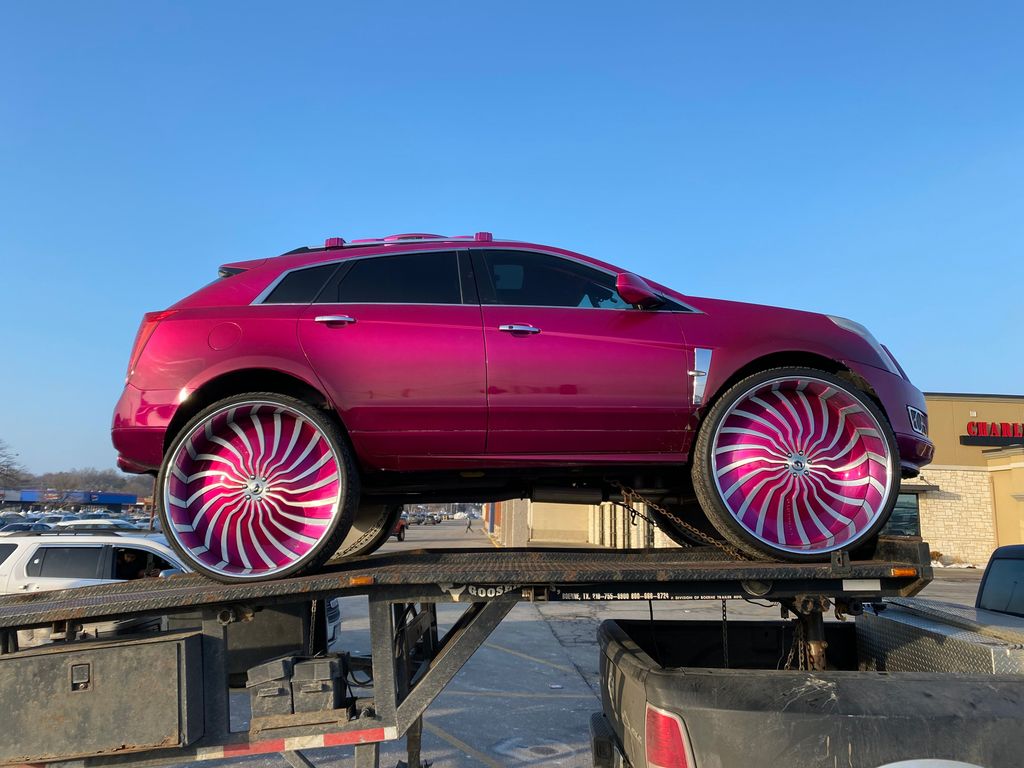
9. **Cadillac SRX (2010–2014)**The Cadillac SRX, produced between 2010 and 2014, was designed as a stylish midsize crossover, aiming to introduce luxury features to a broader SUV segment. While its sophisticated design and premium branding initially attracted many buyers, the vehicle often transformed into a significant financial drain long before it reached the 100,000-mile mark, leaving many owners with a sense of profound regret.
One of the most frequently cited and financially impactful problems centered around the timing chain system within the 3.6-liter V6 engine. Failures in this critical system were not uncommon and could, in many instances, lead to catastrophic engine damage. Even when problems were identified early, the cost to remedy this issue typically ran into several thousands of dollars, solidifying its reputation as one of the most dreaded and expensive repairs associated with this Cadillac model.
Transmission problems also surfaced as a recurring and frustrating theme for SRX owners. Many units exhibited rough shifting, persistent slipping, or even complete transmission failures well before reaching the 100,000-mile threshold. The expenses associated with replacing these transmissions were notably high, exacerbated by the premium labor rates typically charged for Cadillac service. Furthermore, electrical issues were pervasive, encompassing everything from faulty sensors that triggered persistent warning lights to failing infotainment units. Owners frequently reported that even after expensive repairs, these same electrical issues often resurfaced, creating a frustrating and costly cycle of intervention.
Adding to the list of woes, the SRX was known to have significant issues with its sunroof system. Malfunctions could include leaks, leading to costly interior water damage, or complete operational failures, requiring expensive repairs. Suspension components, particularly control arms and bushings, also demonstrated a propensity for premature wear, adding further to the accumulating repair tally. These various problems often did not appear in isolation; instead, owners frequently faced multiple issues simultaneously, resulting in a daunting succession of stacked repair bills.
The resale value of the SRX dropped precipitously once these widespread reliability concerns became publicly known. Many owners found themselves in an unenviable financial position, where the cumulative cost of necessary repairs quickly surpassed the car’s actual market worth. While Cadillac positioned the SRX as a reliable and luxurious crossover, the long-term ownership reality proved to be vastly different for a significant number of buyers, transforming what should have been a comfortable family SUV into a vehicle plagued by early and prohibitively expensive mechanical and electrical failures.
Car Model Information: 2009 Cadillac SRX V8
Name: Cadillac SRX
Manufacturer: General Motors
Production: 2003–2016
ModelYears: 2004–2016
Class: Mid-size,luxury SUV
BodyStyle: SUV
Layout: Front-engine, rear-wheel drive layout
Successor: Cadillac XT5,Cadillac XT6
Categories: 2010s cars, All-wheel-drive vehicles, All articles covered by WikiProject Wikify, All articles needing additional references, All articles with dead external links
Summary: The Cadillac SRX is a mid-size luxury SUV and compact luxury crossover SUV manufactured and marketed by Cadillac over two generations: the first generation as a five-door, three-row, seven-passenger CUV (2003–2009), and the second generation as a five-door, two-row, five-passenger CUV (2010–2016) – the latter became Cadillac’s best selling model in the United States.
Get more information about: Cadillac SRX
Buying a high-performing used car >>>
Brand: Cadillac Model: SRX
Price: $7,403 Mileage: 85,587 mi.

10. **Fiat 500 (2012–2016)**The Fiat 500, with its distinctive retro styling and undeniably charming compact size, captivated many buyers as an affordable and nimble city car during its 2012–2016 model years. However, beneath its playful exterior, this vehicle often concealed a surprising array of mechanical and electrical vulnerabilities that frequently led to significant financial strain for owners, well before the odometer reached the 100,000-mile mark.
One of the most significant and frustrating issues revolved around the automatic transmission. Not only was it widely criticized for its jerky operation, but it was also notoriously prone to complete failure. Many owners reported needing full transmission replacements before their cars had even accumulated 70,000 miles. This presented a staggering cost, with repair bills often exceeding $3,500, a sum that severely undermined the Fiat 500’s initial appeal as an economical and practical option for urban commuters.
Engine problems further tarnished the Fiat 500’s reputation. The 1.4-liter engine, while adequate for its size, suffered from common issues such as oil leaks, persistent overheating, and head gasket failures. These problems could easily escalate into major repairs, and in some unfortunate cases, led to the complete failure of the engine itself, a catastrophic issue that few buyers would ever expect from a relatively new car. The cooling system also proved to be a weak point, with premature failures of water pumps and radiators frequently reported across these models.
Adding to the accumulating ownership costs were pervasive electrical issues. Owners routinely complained about malfunctioning power windows, inconsistent infotainment system performance, and persistent warning lights that seemed to defy permanent resolution. While these might appear to be minor inconveniences, they frequently necessitated costly repairs, often at dealerships, due to Fiat’s relatively limited support network and specific parts availability in many markets. Furthermore, the suspension system also exhibited premature wear, resulting in unsettling clunking noises and expensive repairs for shocks and struts.
The combination of these widespread problems, coupled with a generally smaller dealer network, meant that not only were repairs frequent and expensive, but parts could also be slow to arrive, and labor rates often proved to be steep. As its reliability issues became more widely known, the resale values of these Fiat 500 models plummeted rapidly, leaving owners with vehicles that were often worth very little on the used market. What initially promised to be a fun and affordable city car often devolved into a demanding and financially taxing experience, delivering unexpected strain well before it reached the 100,000-mile milestone.
Car Model Information: 2017 FIAT 500 Pop
Name: Fiat 500
Caption: 1970 Fiat 500 L
Aka: Puch 500
Manufacturer: Fiat Automobiles
Production: 1957–1975,3,893,294 units
Assembly: Turin,Desio
Designer: Dante Giacosa
Class: City car
BodyStyle: ubl
Layout: Rear-engine, rear-wheel drive layout
Doors: Suicide door,Car door#Conventional
Related: Autobianchi Bianchina,NSU/Fiat Weinsberg 500,Vignale Gamine,Autobianchi Giardiniera
Engine: Cubic centimetre,499 cc I2,594 cc I2
Transmission: Manual transmission
Wheelbase: {{convert,1840,mm,in,1,abbr=on
Abbr: on
Length: 2970 mm
Width: 1320 mm
Height: 1320 mm
Weight: 499 kg
Predecessor: Fiat 500 “Topolino”
Successor: Fiat 126,Fiat 500 (2007)
Sp: uk
Categories: 1960s cars, 1970s cars, All Wikipedia articles written in British English, All articles with unsourced statements, Articles containing Italian-language text
Summary: The Fiat 500 (Italian: Cinquecento, pronounced [ˌtʃiŋkweˈtʃɛnto]) is an economy / city car that was manufactured and marketed by Fiat Automobiles from 1957 until 1975. It was sold as a two-door semi-convertible or saloon car and as a three-door panel van or estate car.
Launched as the Nuova (new) 500 in July 1957, as a successor to the 500 “Topolino”, it was an inexpensive and practical small car. Measuring 2.97 metres (9 feet 9 inches) long, and originally powered by a rear-mounted 479 cc two-cylinder, air-cooled engine, the 500 was 24.5 centimetres (9.6 inches) smaller than Fiat’s 600, launched two years earlier, and is considered one of the first purpose-designed city cars.
In 1959, Dante Giacosa received a Compasso d’Oro industrial design prize for the Fiat 500. This marked the first time a Compasso d’Oro was awarded to an automotive manufacturer.
Get more information about: Fiat 500
Buying a high-performing used car >>>
Brand: Fiat Model: 500
Price: $4,820 Mileage: 90,883 mi.
Read more about: Beyond the Badge: 12 Japanese Icons That Deliver More Driving Thrills Than A Porsche 911

11. **Nissan Altima**The Nissan Altima has traditionally been a popular choice in the midsize sedan segment, often lauded for its comfortable interior, advanced safety features, and the promise of reliable performance. However, for many owners, this expectation of steadfast dependability is dramatically challenged by a notorious weak point: the continuously variable transmission (CVT) utilized in numerous Altima models. This component has regrettably become a primary driver of significant financial burdens.
According to automotive expert Jacob Carter, proprietor of Engine Rev Up, these specific CVTs are highly susceptible to premature failure. Critically, these failures tend to manifest shortly after the vehicle surpasses the 100,000-mile mark, a point at which many manufacturer warranties have already expired. This timing is particularly problematic, transforming what might have been a dependable daily driver into an unexpected financial trap, just when owners expect the car to continue serving them reliably.
The implications of a CVT failure are substantial. Replacing or rebuilding such a complex transmission system is an exceptionally expensive undertaking, often costing thousands of dollars and frequently rivaling or exceeding a significant portion of the vehicle’s market value. This unforeseen expense can quickly negate any initial savings or perceived value, leaving owners with the difficult choice of incurring a massive repair bill or facing the loss of their primary mode of transportation. For many, the Altima’s once-appealing reliability reputation sadly gives way to the harsh reality of a major, budget-straining repair that arrives well before the 120,000-mile point.
Car Model Information: 2023 Nissan Altima SR FWD
Name: Nissan Altima
Caption: 2024 Nissan Altima SR (L34; US)
Manufacturer: Nissan
Aka: Nissan Bluebird
Production: 1992–present
Class: Compact car
Predecessor: Nissan Bluebird,Nissan Stanza
ModelYears: 1993–present
Categories: 2000s cars, 2010s cars, 2020s cars, All-wheel-drive vehicles, All Wikipedia articles written in American English
Summary: The Nissan Altima is a mid-size car manufactured by Nissan since 1992. It is a continuation of the Nissan Bluebird line, which began in 1955.
The Altima has historically been larger, more powerful, and more luxurious than the Nissan Sentra but less so than the Nissan Maxima. The first through fourth-generation cars were manufactured exclusively in the United States and officially sold in North and South America, along with the Middle East and Australia. For other markets, Nissan sold a related mid-size sedan called the Nissan Teana which was between the Altima and Maxima in terms of size. In 2013, the Teana became a rebadged version of the fifth-generation Altima.
The name “Altima” was originally applied to a top trim line of the Nissan Leopard for the Japanese market in 1986, and then to the Nissan Laurel Altima mid-size car sold in Central America and the Caribbean before 1992. In 1992, Nissan discontinued the Stanza which was a Nissan Bluebird clone, replacing it with the US-built Altima, while remaining a compact car. The first Altima was produced in June 1992, as a 1993 model. All Altima models for the North American market were built in Smyrna, Tennessee, until June 2004, when Nissan’s Canton, Mississippi plant also began producing the model to meet high demand.
Get more information about: Nissan Altima
Buying a high-performing used car >>>
Brand: Nissan Model: Altima
Price: $22,999 Mileage: 26,088 mi.
Read more about: Unlock Unbeatable Deals: 15 SUVs Languishing on Lots – A MotorTrend Buyer’s Guide to Maximizing Your Savings
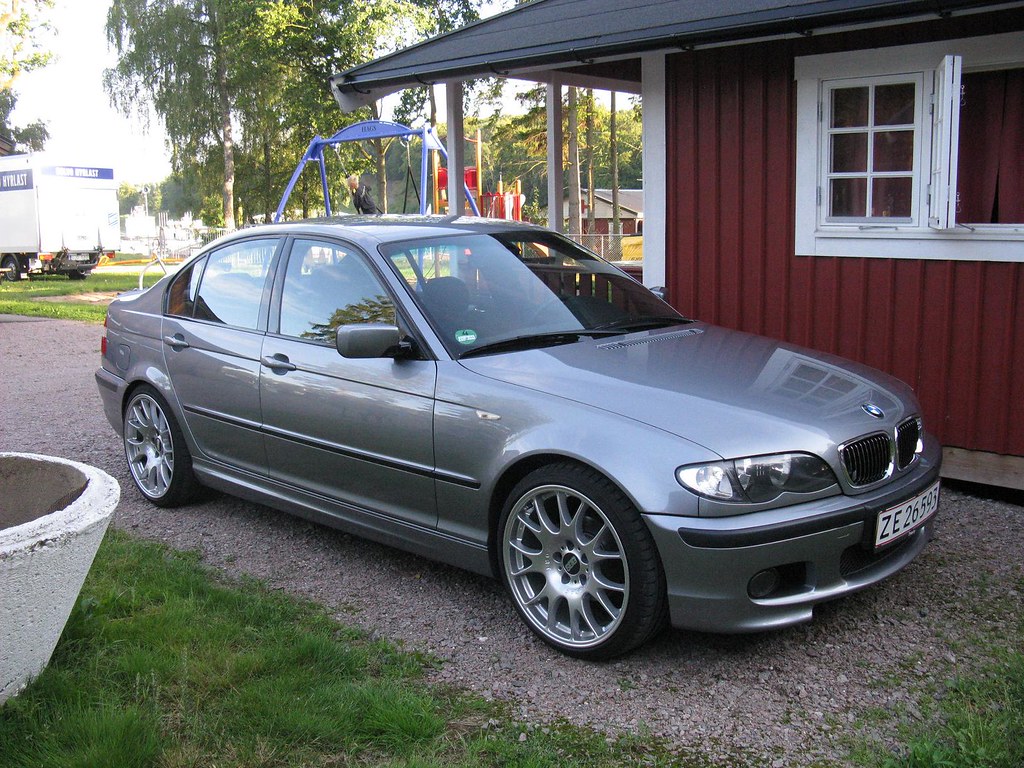
12. **BMW 3 Series**The BMW 3 Series has long been celebrated as the benchmark for luxury compact cars, captivating enthusiasts with its sporty driving dynamics, refined interior, and cutting-edge technology. Yet, the allure of the ultimate driving machine can come with a significant asterisk for long-term ownership, especially as these vehicles accrue higher mileage. Jacob Carter points out that these sophisticated machines are notorious for demanding exceptionally high maintenance costs.
The core of the financial challenge lies in the frequency and nature of the repairs required. Carter specifically highlights that a substantial number of 3 Series models necessitate significant engine or electrical repairs around or shortly after reaching the 100,000-mile milestone. These are not minor tune-ups; rather, they often involve complex and labor-intensive interventions that require specialized diagnostic equipment and skilled technicians, which invariably translates to substantial bills.
The combination of a luxury brand’s premium parts pricing and the specialized labor required for intricate engine and electrical system overhauls means that these repairs quickly become a major financial drain. What begins as a joy to drive can swiftly become a source of considerable fiscal anxiety. For owners, the dream of luxury performance can, well before the 120,000-mile mark, evolve into the daunting reality of an expensive financial trap, underlining that the prestige of a BMW often comes with an equally prestigious cost of ownership.
Car Model Information: 2020 Volkswagen Tiguan 2.0T SE
Name: BMW 3 Series
Manufacturer: BMW
Production: 1975–present
Class: Compact executive car
Predecessor: BMW 02 Series
Categories: 1970s cars, 1980s cars, 1990s cars, 2000s cars, 2010s cars
Summary: The BMW 3 series is a line of compact executive cars manufactured by the German automaker BMW since May 1975. It is the successor to the 02 series and has been produced in seven generations.
The first generation of the 3 Series was only available as a 2-door saloon; the model range expanded to include a 4-door saloon, 2-door convertible, 2-door coupé, 5-door estate, 5-door liftback (“Gran Turismo”; discontinued in 2019) and 3-door hatchback body styles. Since 2013, the coupé and convertible models have been marketed as the 4 Series; these styles no longer being included in the 3 Series.
The 3 Series is BMW’s best-selling model line, accounting for around 30% of the BMW brand’s annual total car sales, and has won numerous awards throughout its history. The M version of the 3 series, M3, debuted with the E30 M3 in 1986.
Get more information about: BMW 3 Series
Buying a high-performing used car >>>
Brand: BMW Model: 3 Series
Price: $21,000 Mileage: 37,878 mi.
Read more about: Urgent Safety Alert: Ford Recalls 133,000 Lincoln Aviator SUVs Over Detaching Trim Components
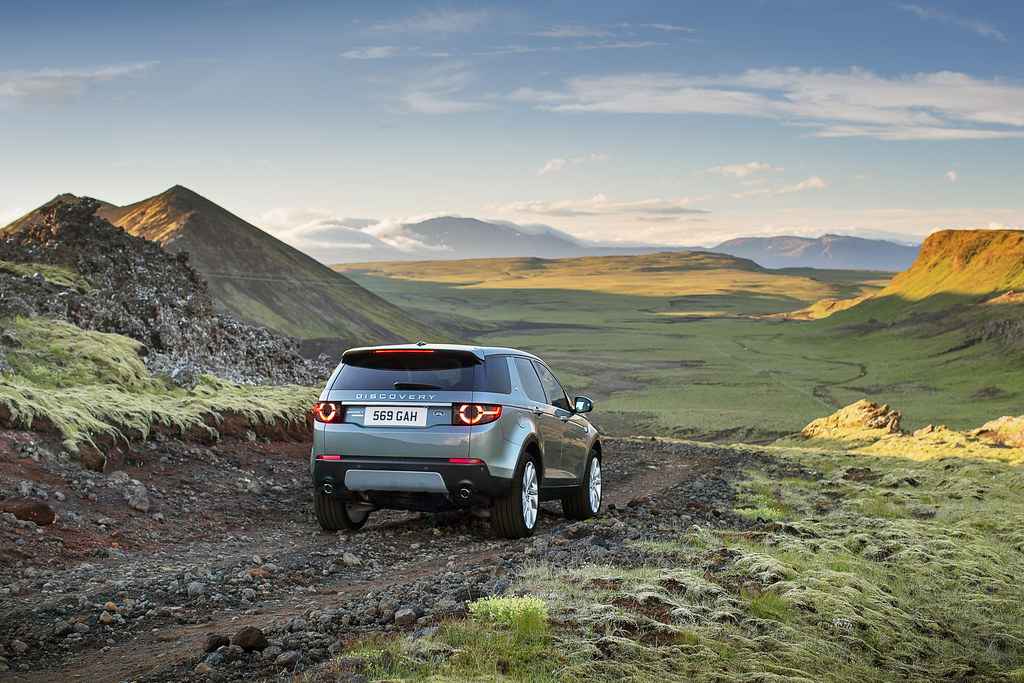
13. **Land Rover Discovery**The Land Rover Discovery, with its distinctive styling and adventurous pedigree, often draws buyers seeking a blend of rugged capability and refined luxury. While it undeniably projects an image of sophistication and robust build, this perception is often undermined by a documented history of significant reliability challenges that can severely impact an owner’s finances. Jacob Carter notes that the Discovery has earned a reputation for encountering a trio of costly problems.
Specifically, the vehicle is prone to issues related to its sophisticated air suspension system, a common theme among premium European SUVs that provides a smooth ride but often leads to expensive repairs when it inevitably malfunctions. Coupled with this are frequent electrical anomalies, which can plague various vehicle systems from infotainment to critical sensors, often leading to frustrating diagnostic efforts and recurring repair bills.
Perhaps most concerning is the propensity for premature transmission failure, which, much like the air suspension and electrical issues, tends to surface unexpectedly and carries a hefty price tag for repair or replacement. These are not isolated incidents but rather systemic weaknesses that transform a handsome and capable SUV into a substantial financial liability. For many Land Rover Discovery owners, the dream of adventure and luxury gives way to a challenging reality of costly, unforeseen repairs, often well before the 120,000-mile mark.
Car Model Information: 2020 Volkswagen Tiguan 2.0T SE
Sp: uk
Name: Land Rover Discovery
Caption: 2018 Land Rover Discovery
Manufacturer: Land Rover Ltd.,Jaguar Land Rover
Production: 1989–present
Class: Executive car,Sport utility vehicle
Layout: Front-engine, four-wheel-drive
Categories: All-wheel-drive vehicles, All Wikipedia articles written in British English, All articles lacking reliable references, All articles with unsourced statements, Articles lacking reliable references from December 2010
Summary: The Land Rover Discovery is a series of five or seven-seater family SUVs, produced under the Land Rover marque, from the British manufacturer Land Rover, and later Jaguar Land Rover. The series is currently in its fifth iteration (or generation, according to the manufacturer), the first of which was introduced in 1989, making the Discovery the first new model series since the launch of the 1970 Range Rover – on which it was based – and only the third new product line since the conception of the Land Rover (vehicle and brand) by Rover in 1948. The model is sometimes called influential, as one of the first to market a true off-road capable family car.
Although the Range Rover had originally been designed as an everyday four wheel drive car that could be used as both a utility vehicle and a family car, it had progressively moved upmarket through its life to evolve into a luxury vehicle sold at a much higher price point. The Discovery was intended to fulfill the role the Range Rover originally was intended for; a segment which was now dominated by Japanese rivals such as the Nissan Patrol, Mitsubishi Pajero and Toyota Land Cruiser. Although positioned below the Range Rover in the company’s line-up, the vehicle was both longer and higher, offered more room in the back, and optionally also more seats. Space utilization became more sophisticated in later generations, but the series keeps offering seats for seven occupants. Despite originally being sold as an affordable alternative to the Range Rover, the Discovery has also progressively moved upmarket through its successive generations to become a bonafide luxury SUV.
The second Discovery (1998) was called the Series II, and although it featured an extended rear overhang, it was otherwise an extensive facelift, which carried over the 100 in (2,540 mm) wheelbase frame and rigid, live front and rear axles derived from the original Range Rover.
The third generation – succeeding the Series II in 2004 – was either called the Discovery 3 or simply LR3 (in North America and the Middle East). This was a new ground up design, the first all-original design for the Discovery. Although it followed the 2002 third generation Range Rover, also switching to fully independent suspension, it still received a separate, but integrated body and frame (IBF) structure. The fourth generation, as of 2009 – like the series II, was again mainly an update of the new generation – marketed as the Discovery 4, or Land Rover LR4 for North American and Middle Eastern markets.
The fifth generation of the Discovery, introduced in 2017, no longer sports a numeric suffix. Unlike the previous two generations, it now benefits from a unitized body structure, making it lighter than its predecessor.
Get more information about: Land Rover Discovery
Buying a high-performing used car >>>
Brand: Land Rover Model: Discovery
Price: $21,000 Mileage: 37,878 mi.
Read more about: What Are Hugh Hefner’s Exes Up To Today? We’ve Got the Juicy Deets on Their Lives After the Mansion!
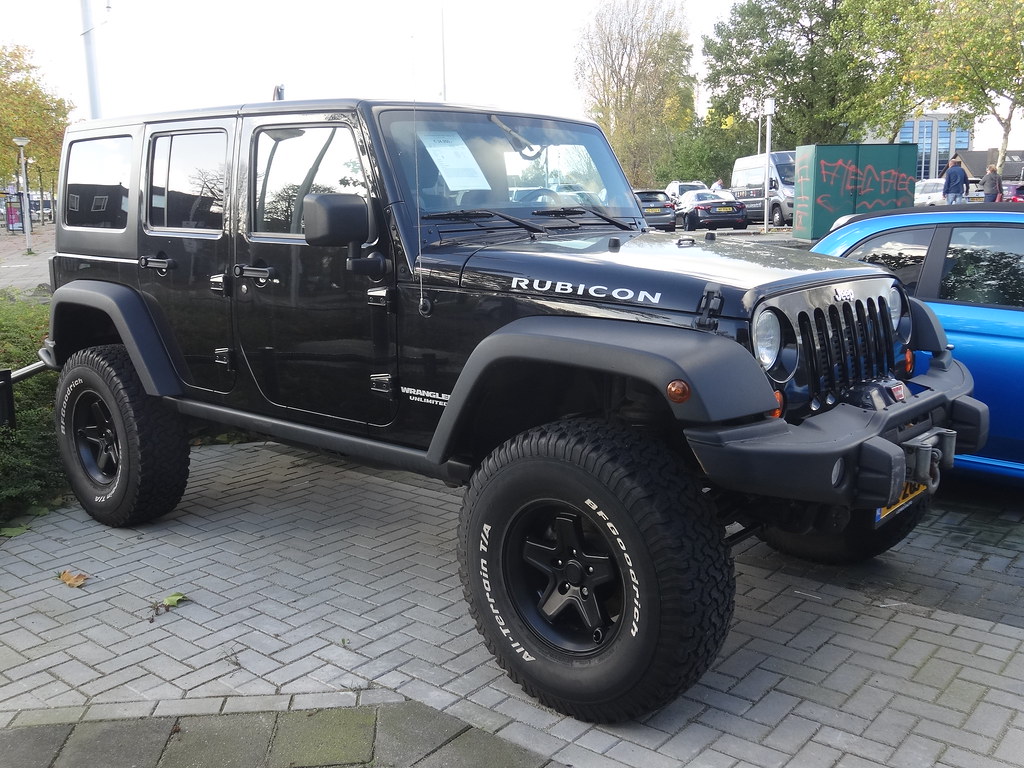
14. **Jeep Wrangler**The Jeep Wrangler stands as an iconic symbol of off-road prowess, celebrated for its rugged design and unparalleled ability to conquer challenging terrains. This image of go-anywhere capability, however, often overshadows a set of inherent vulnerabilities that can lead to significant financial outlays for owners, particularly as the vehicle ages. According to Jacob Carter, while the Wrangler offers an undeniably enjoyable off-roading experience, it is susceptible to specific problems.
Carter highlights susceptibility to rust, which, given the vehicle’s outdoor-oriented design and usage, can become a persistent and costly battle, compromising both aesthetics and structural integrity over time. More critically, owners frequently face issues with the steering and suspension systems. These components are under immense stress from both daily driving and the rigorous demands of off-road adventures, leading to premature wear and necessary repair work.
These steering and suspension problems are not only expensive to address, given the specialized nature of these components in an off-road vehicle, but they are also crucial for safety and drivability. The cumulative effect of combating rust and repeatedly addressing worn-out steering and suspension parts can quickly transform the Wrangler from an exciting recreational vehicle into a continuous financial burden. For many, the joy of adventure is eclipsed by the relentless cycle of repairs, often well before the 120,000-mile mark, making it a vehicle that demands significant ongoing investment to maintain its iconic capabilities.
Car Model Information: 2017 Jeep Wrangler Unlimited Sport
Name: Jeep Wrangler
Caption: Jeep Wrangler Unlimited, Sahara edition
Manufacturer: Jeep
Class: Compact SUV
Production: 1986–present
Predecessor: Jeep CJ
Layout: Front-engine, rear-wheel-drive layout,rear-wheel drive
Chassis: Body-on-frame
Related: AIL Storm
Categories: 1980s cars, 1990s cars, 2000s cars, 2010s cars, All-wheel-drive vehicles
Summary: The Jeep Wrangler is a series of compact and mid-size four-wheel drive off-road SUVs manufactured by Jeep since 1986, and currently in its fourth generation. The Wrangler JL, the most recent generation, was unveiled in late 2017 and is produced at Jeep’s Toledo Complex.
The Wrangler is a direct progression from the World War II Jeep, through the CJ (Civilian Jeeps) produced by Willys, Kaiser-Jeep, and American Motors Corporation (AMC) from the mid-1940s through the 1980s. Although neither AMC nor Chrysler (after it purchased AMC in 1987) have claimed that the Wrangler was a direct descendant of the original military model — both the CJ Jeeps and the conceptually consistent Wrangler, with their solid axles and open top, have been called the Jeep model as central to Jeep’s brand identity as the rear-engine 911 is to Porsche.
Similar to the Willys MB and the CJ Jeeps before it, all Wrangler models continue to use a separate body and frame, rigid live axles both front and rear, a tapering nose design with flared fenders, a fold-flat windshield, and can be driven without doors. Also, with few exceptions, they have part-time four-wheel drive systems, with the choice of high and low gearing, and standard open bodies with removable hard or soft tops. However, the Wrangler series was specifically redesigned to be safer and more comfortable on-road, to attract more daily drivers, by upgrading its suspension, drivetrain, and interior, compared to the CJ line. The suspension on all Wranglers included trackbars and anti-roll bars, and, from the 1997 TJ onwards, front and rear coil springs instead of the previous leaf springs.
From 2004 on, the Wrangler has been complemented with long-wheelbase versions, called Wrangler Unlimited. 2004-2006 models were longer versions with 2 doors. In 2004, only automatic transmission-equipped “Unlimited” versions were sold. In 2005, both an automatic and manual 6-speed (NSG-370) were offered. Since 2007, the long-wheelbase Wranglers were four-door models, offering over 20 in (508 mm) more room. By mid-2017, the four-door models represented three-quarters of all new Wranglers on the market.
Get more information about: Jeep Wrangler
Buying a high-performing used car >>>
Brand: Jeep Model: Wrangler
Price: $19,865 Mileage: 111,103 mi.
Read more about: Unlock Unbeatable Deals: 15 SUVs Languishing on Lots – A MotorTrend Buyer’s Guide to Maximizing Your Savings
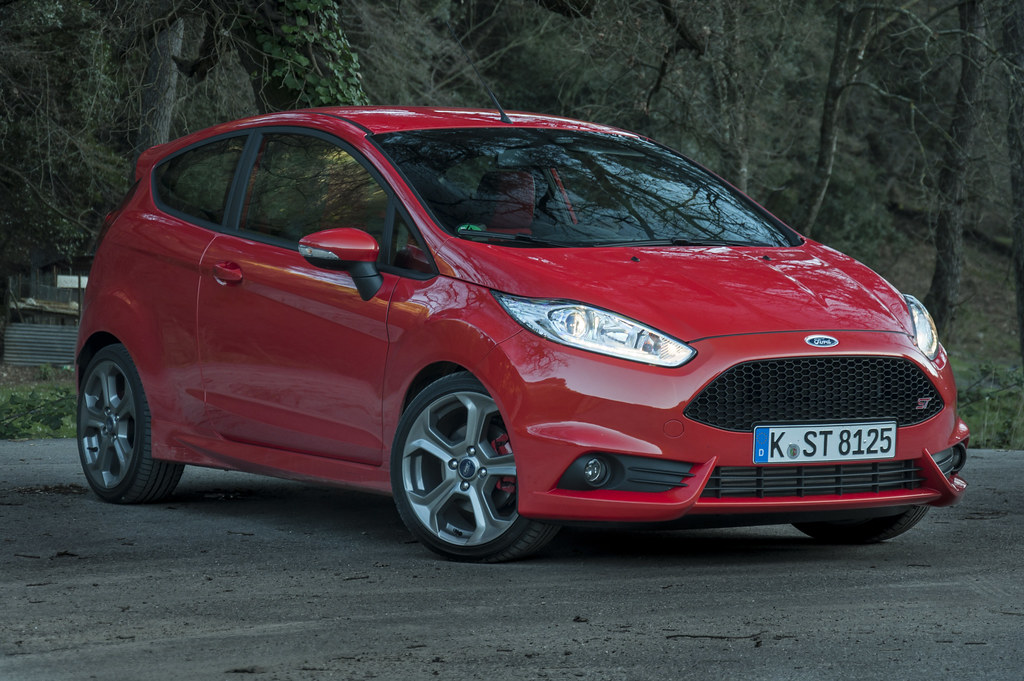
15. **Ford Fiesta**The Ford Fiesta, particularly within the subcompact segment, has garnered appreciation for its agile handling and impressive fuel efficiency, positioning it as a practical and economical choice for urban drivers. Many buyers are initially drawn to its compact size and perceived affordability. However, this seemingly smart choice can, for numerous owners, quickly escalate into an unexpected financial commitment due to a track record of significant mechanical and electrical issues.
Jacob Carter emphasizes that despite its economical nature, the Ford Fiesta holds a documented history of encountering persistent transmission problems. These are not minor inconveniences; rather, they often involve costly repairs or even complete replacement of the transmission, an expense that can be staggering for a vehicle initially purchased for its budget-friendly attributes. Such major component failures fundamentally undermine the car’s value proposition and can leave owners facing an insurmountable financial burden.
Adding to the ownership headaches are widespread electrical issues. These can range from minor annoyances to critical malfunctions that affect vehicle operation and safety, requiring frequent and often expensive diagnostic and repair work. For a car marketed on its economic benefits, the combination of major transmission failures and recurring electrical faults means that the Ford Fiesta can, unexpectedly and well before the 120,000-mile threshold, become a costly financial trap, prompting potential buyers to exercise significant caution before committing to long-term ownership.
Car Model Information: 2014 Ford Fiesta SE
Name: Ford Fiesta
Manufacturer: Ford Motor Company
Production: June 1976 – July 2023
Class: Supermini
BodyStyle: hatchback
Layout: Front-engine, front-wheel-drive layout
Successor: Ford Puma (crossover)
ModelYears: 1978–1980, 2011–2019 (North America)
Categories: 1980s cars, 1990s cars, 2000s cars, 2010s cars, 2020s cars
Summary: The Ford Fiesta is a supermini car that was marketed by Ford from 1976 to 2023 over seven generations. Over the years, the Fiesta has mainly been developed and manufactured by Ford’s European operations, and had been positioned below the Escort (later the Focus).
Ford had sold over 15 million Fiestas from 1976 to July 2011, making it one of the best-selling Ford nameplates behind the Escort and the F-Series. It has been manufactured in the United Kingdom, Germany, Spain, Brazil, Argentina, Venezuela, Mexico, Taiwan, China, India, Thailand, and South Africa.
The Fiesta was discontinued in 2023, after over 22 million units had been made. The final Ford Fiesta rolled off the production line on 7 July 2023.
Get more information about: Ford Fiesta
Buying a high-performing used car >>>
Brand: Ford Model: Fiesta
Price: $7,488 Mileage: 75,861 mi.
Read more about: Unearthing Hidden Gems: 13 Forgotten Hot Hatches from the ’70s, ’80s, and ’90s That Still Go Like Hell
In an automotive landscape where vehicle prices and maintenance costs continue their upward trajectory, driven by inflation and other economic pressures, the imperative to make informed purchasing decisions has never been more critical. The insights shared by experts like Jacob Carter, highlighting models prone to premature and expensive failures, serve as an invaluable compass for consumers navigating the complex used car market. Understanding which sedans, crossovers, and luxury vehicles are notorious for becoming financial pitfalls well before reaching significant mileage milestones, such as 100,000 or 120,000 miles, empowers buyers to sidestep potentially ruinous repair bills. By prioritizing vehicles with proven long-term reliability and diligently adhering to maintenance schedules, consumers can safeguard their financial well-being, ensuring their automotive investment remains a source of dependable transportation rather than an unforeseen drain on their savings.