Twenty-eight years after her untimely passing, the name Selena still echoes with an intensity that few artists ever achieve. She was more than just a singer; she was a cultural phenomenon, a trailblazer who broke down barriers and inspired millions. Her music, her style, and her undeniable charisma carved a permanent place in the hearts of fans worldwide, solidifying her status as the “Queen of Tejano Music.”
From her humble beginnings to becoming a global icon, Selena Quintanilla-Pérez’s journey was a whirlwind of triumphs, challenges, and boundless dreams. Her story is one of sheer talent meeting relentless ambition, peppered with the kind of personal drama and public adoration that legends are made of. It’s a narrative filled with passion, dedication, and an enduring spirit that captivated everyone she met.
Join us as we dive deep into the first chapter of Selena’s extraordinary life, exploring the pivotal moments that transformed a young girl from Texas into an unparalleled superstar. We’ll uncover the struggles, the sacrifices, and the sheer magic that defined the early years of an artist whose light shone so brightly, only to be extinguished far too soon. Get ready to relive the magic and the heartbreak of Selena’s unforgettable rise.
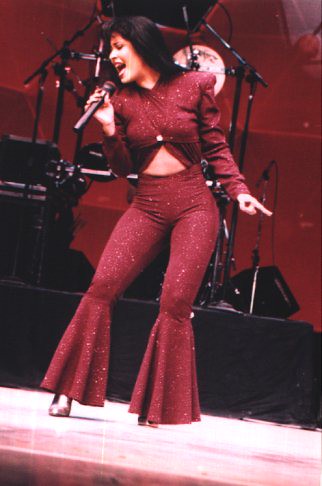
1. **The Rise of a Legend: “Queen of Tejano Music”**Selena Quintanilla-Pérez, a name synonymous with power, passion, and unparalleled talent, quickly became known as the “Queen of Tejano Music.” This title wasn’t just a catchy moniker; it was a testament to her groundbreaking contributions to music and fashion, which cemented her as one of the most celebrated Mexican-American entertainers of the late 20th century. Her unique blend of genres and vibrant stage presence redefined what was possible for Latin artists.
In 2020, Billboard magazine didn’t just acknowledge her; they placed her in an astounding third place on their list of “Greatest Latino Artists of All Time.” This incredible recognition, based on both Latin albums and Latin songs charts, speaks volumes about her enduring influence and commercial success, decades after her prime. It’s clear that her impact transcended her lifetime, continuing to resonate deeply within the music industry.
Media outlets, captivated by her daring and distinctive clothing choices, even dubbed her the “Tejano Madonna.” This comparison perfectly encapsulates her fearless approach to fashion and her ability to push boundaries, much like the pop icon herself. Selena wasn’t just a singer; she was a style icon, trailblazing a path that catapulted the Tejano genre into the mainstream market and influenced countless artists who followed.
2. **Humble Beginnings: Selena y Los Dinos**Born on April 16, 1971, in Freeport, Texas, Selena Quintanilla was the youngest child of Marcella Ofelia Quintanilla (née Samora), who had Mexican-American and some Cherokee ancestry, and Abraham Quintanilla Jr., a Mexican American former musician. From the tender age of six, her father, a keen observer, noticed her extraordinary musical abilities. He famously told People magazine, “Her timing, her pitch were perfect, I could see it from day one.”
The family’s early life was marked by both musical passion and economic hardship. In 1980, Quintanilla Jr. opened his first Tex-Mex restaurant, Papa Gayo’s, in Lake Jackson. This wasn’t just a restaurant; it was Selena’s first stage, where she and her elder siblings, A.B. Quintanilla (on bass guitar) and Suzette Quintanilla (on drums), would frequently perform, laying the foundation for what would become a legendary band.
However, fate had a cruel twist. The following year, a recession caused by the 1980s oil glut forced Papa Gayo’s to close. The family declared bankruptcy and were heartbreakingly evicted from their home. They eventually settled in Corpus Christi, Texas, where Quintanilla Jr. became the determined manager of their newly formed band, Selena y Los Dinos. They desperately needed money, performing on street corners, at weddings, quinceañeras, and fairs – a true testament to their grit and dedication.

3. **Breaking Barriers: A Woman in a Man’s World**As Selena’s star began to rise, she faced an uphill battle in the male-dominated world of Tejano music. Throughout the 1980s, she was often criticized and even refused bookings at venues across Texas simply for performing in a genre predominantly defined by men. Her father was frequently told by promoters that Selena would never achieve success because she was a woman trying to break into a historically masculine space.
Her commitment to her heritage and her music was unwavering. Despite wanting to record English-language songs, her father believed she should embrace compositions related to her background, leading her to perform Tejano music—a Spanish-language genre infused with German polka, jazz, and country influences, popularized by Mexicans living in the United States. This commitment often meant learning Spanish phonetically under her father’s guidance during recording sessions.
But Selena was not to be deterred. Her popularity steadily grew, culminating in a monumental victory when she won the Tejano Music Award for Female Vocalist of the Year in 1987. This wasn’t a one-off achievement; she remarkably won the award nine consecutive times, a clear signal that the music world was ready for her unique talent, regardless of gender. She truly paved the way, proving all her doubters wrong.

4. **The Big Break: EMI Latin and Early Success**The year 1989 marked a pivotal turning point for Selena. José Behar of the newly formed EMI Latin Records, alongside the new head of Sony Music Latin, witnessed her electrifying performance at the Tejano Music Awards. Behar, on the hunt for fresh Latin acts, was instantly captivated, believing he had discovered the “next Gloria Estefan” and was eager to sign her to EMI’s label, Capitol Records.
Despite Sony Music Latin offering Quintanilla Jr. twice Capitol’s signing fee, he made a strategic choice. He opted for EMI Latin’s offer, envisioning the potential for a groundbreaking crossover album and a desire for his children to be the inaugural musicians signed to the label. However, the path wasn’t entirely smooth; EMI’s pop division initially denied a crossover album, stating Selena needed a larger fan base to make such a project viable.
Undeterred, Selena released her self-titled debut album on October 17, 1989. This album, largely recorded at AMEN Studios in San Antonio, Texas, saw her brother A.B. step into the crucial role of principal record producer and songwriter. The album, featuring tracks like “My Love” written by Selena herself, peaked at number seven on the US Billboard Regional Mexican Albums chart, marking her first appearance on a national music chart and outperforming other contemporaneous female Tejano singers.
Read more about: A Tragic End for a Nashville Legend: Unpacking the Life, Legacy, and Untimely Death of Grammy-Winning Songwriter Brett James
5. **A Secret Romance: Selena and Chris Pérez**Beyond the blossoming music career, 1989 also brought a new dynamic into Selena’s life: love. Chris Pérez joined Selena y Los Dinos several months earlier as the band’s new guitarist, and it wasn’t long before sparks flew. Pérez, despite having a girlfriend in San Antonio, found himself developing romantic feelings for Selena. After a band trip to Mexico, he tried to distance himself, believing it best for both of them, but the pull was too strong to resist.
Their mutual feelings came to light in a heartfelt conversation at a Pizza Hut restaurant, marking the official start of their secret romance. Knowing her father’s strict nature and protective instincts, Selena and Pérez chose to hide their relationship, fearing Quintanilla Jr. would inevitably try to break them up. This clandestine affair added a layer of thrilling rebellion to Selena’s already exciting life.
The secret, however, couldn’t last forever. Selena’s sister, Suzette, eventually caught them flirting with each other and immediately informed their father. Predictably, Quintanilla Jr. was furious, confronting Pérez, removing him from the bus, and explicitly stating that his relationship with Selena was over. Despite his stern disapproval, Selena and Pérez continued their romance in secret, fueled by a deep affection and a belief that their love was meant to be.
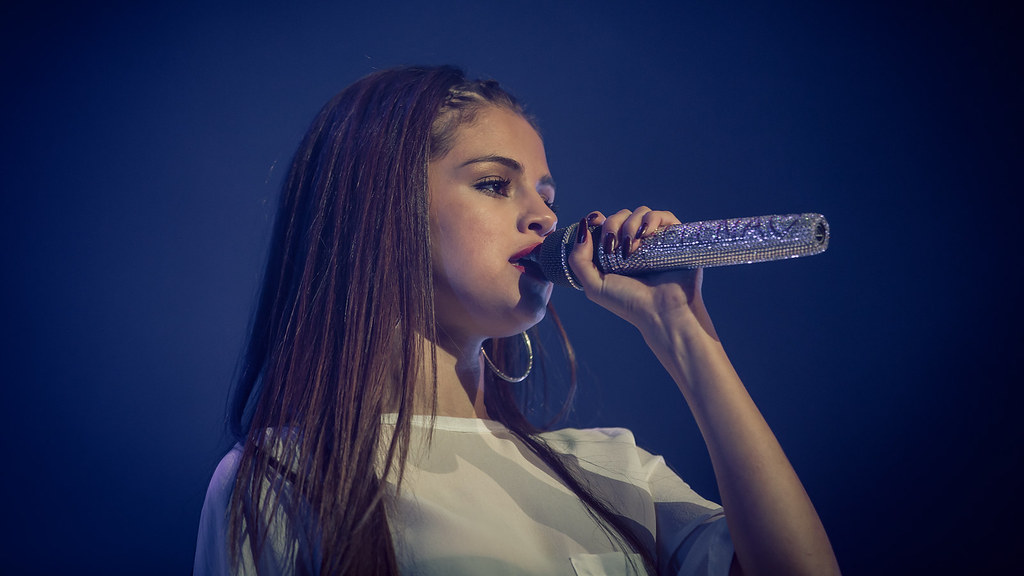
6. **A Star is Born: “Entre a Mi Mundo” and “Como la Flor”**Just a month after her clandestine elopement, Selena delivered her third studio album, “Entre a Mi Mundo,” in May 1992, which was critically acclaimed as her “breakthrough album.” This recording was more than just a collection of songs; it was a cultural phenomenon, skyrocketing to number one on the US Billboard Regional Mexican Albums chart for an astounding eight consecutive months. It achieved RIAA 10× platinum certification for sales of 600,000 album-equivalent units and sold 385,000 units in Mexico.
The album cemented its place in history as the first Tejano album by a female artist to sell over 300,000 copies, a truly unprecedented feat. One particular single, “Como la Flor,” blossomed into Selena’s signature recording. Music critics hailed it as a career launcher, propelling her into an unmatched level of stardom and becoming one of her most popular and beloved songs to this day.
“Como la Flor” didn’t just top charts; it helped Selena conquer the Latin music scene and achieve immense popularity in Mexico, a region where Mexican-Americans were not always warmly received by citizens. Her charm and talent, despite her limited Spanish (which EMI Latin executives were initially “terrified” about), won over the Mexican media, who praised her as “an artist of the people,” finding her a refreshing contrast to the fair-skinned, blond-haired telenovela actors.
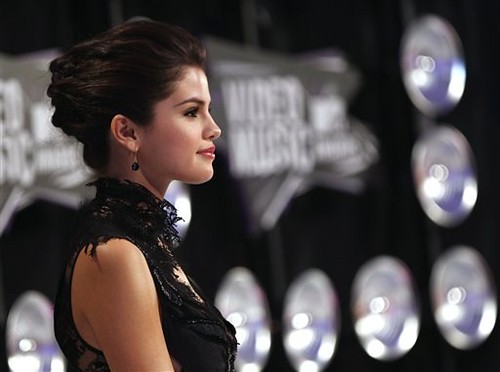
7. **Grammy Glory: “Live!” and Expanding Horizons**Following the groundbreaking success of “Entre a Mi Mundo,” Selena released her album “Live!” a year later, recorded during an exhilarating free concert at the Memorial Coliseum in Corpus Christi on February 7, 1993. This album was a dynamic mix of previously released tracks, performed with her signature live energy, and three captivating studio recordings: “No Debes Jugar,” “La Llamada,” and a beautiful duet with Tejano musician Emilio Navaira, “Tú Robaste Mi Corazón.”
The impact of “Live!” was immediate and monumental. The tracks “No Debes Jugar” and “La Llamada” soared, peaking within the top five on the US Billboard Top Latin Songs chart, proving her continued dominance. But the crowning achievement came at the 36th Grammy Awards, where “Live!” secured the prestigious Grammy Award for Best Mexican/American Album. This historic win made her the first recording by a female Tejano artist to achieve such an honor, further solidifying her trailblazer status.
The accolades didn’t stop there. In May 1994, “Live!” was rightfully named Album of the Year by the Billboard Latin Music Awards, and it also triumphed at the 1994 Tejano Music Awards, winning Album of the Year. Beyond music, Selena even made a brief, memorable appearance opposite Erik Estrada in the Mexican telenovela “Dos Mujeres, Un Camino,” and was in negotiations for another telenovela, demonstrating her burgeoning appeal across multiple entertainment platforms.
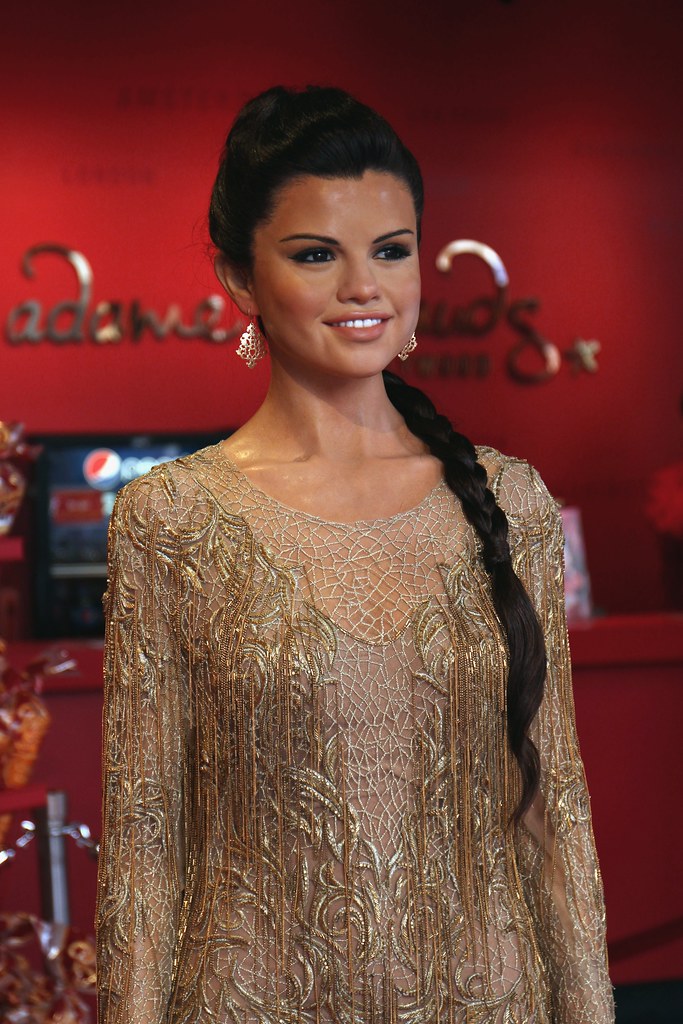
8. **Beyond the Mic: Selena Etc. and Her Fashion Empire**Selena wasn’t just a musical powerhouse; she was building an empire! In 1994, she boldly launched her own clothing line, establishing two fabulous boutiques called Selena Etc. in Corpus Christi and San Antonio. These weren’t just shops; they were complete with in-house beauty salons, truly offering a full glamorous experience. Talk about a visionary artist expanding her world!
These ventures quickly gained momentum, with Selena Etc. hosting two dazzling fashion shows by the end of 1994 to showcase its vibrant clothing line. Imagine the excitement! Following the second show on December 3, 1994, at the Hemisfair Arena in San Antonio, Selena and Los Dinos even performed, blending her musical and fashion passions seamlessly. She was even planning to open more stores, eyeing locations in Monterrey, Mexico, and Puerto Rico.
The Quintanilla family, impressed by Yolanda Saldívar’s management of the fan club, entrusted her with running these rapidly growing boutiques. It seemed like a perfect, trusted partnership. Hispanic Business magazine highlighted Selena’s success, reporting she earned over five million dollars from these businesses, cementing her status among the wealthiest Hispanic musicians of 1993 and 1994. Our Queen was truly unstoppable, showcasing her incredible business acumen.

9. **”Amor Prohibido”: A Global Phenomenon**Then came “Amor Prohibido” in March 1994, an album that wasn’t just a release—it was a seismic event in Latin music history! It soared to number one on the US Billboard Regional Mexican Albums chart, staying there for an incredible eight consecutive months. This wasn’t just a hit; it was a phenomenon, clinging to the top five on the Top Latin Albums chart for the rest of 1994 and into early 1995.
This masterpiece achieved what few others could, becoming only the second Tejano album to sell over 500,000 copies in a year. It utterly dominated, earning certification for 2.16 million album-equivalent units in the United States and becoming one of the best-selling Latin albums ever. “Amor Prohibido” spawned four iconic number-one singles: the title track, “Bidi Bidi Bom Bom,” “No Me Queda Más,” and “Fotos y Recuerdos.”
“Amor Prohibido” didn’t just sell; it redefined an entire genre. It was critically acclaimed for ushering in Tejano music’s first truly marketable era, propelling it into the mainstream like never before. The album won Record of the Year at the 1995 Tejano Music Awards and was recognized by Billboard magazine among the most essential Latin recordings of the past 50 years.
The album’s success transcended borders, catapulting Selena from “Queen of Tejano Music” to a burgeoning global sensation. Singles like “Amor Prohibido” became the most successful US Latin singles of 1994 and 1995. Her duet, “Donde Quiera Que Estés” with the Barrio Boyzz, also hit number one, paving the way for tours across new international markets.

10. **The Crossover Dream and Hollywood Lights**With “Amor Prohibido” shattering records, Selena’s undeniable star power was undeniable, and EMI chairman Charles Koppelman saw the future. In late 1994, he declared Selena had conquered the Spanish-speaking market, and it was time for her to captivate the world as an English-language solo pop artist. The dream of a crossover album, once a distant possibility, was finally becoming her reality!
While Selena continued her whirlwind tours, EMI began an intensive process, bringing in Grammy Award-winning composers to craft what would be her monumental crossover project. The anticipation was palpable, building towards what was sure to be a history-making musical moment. Fans worldwide eagerly awaited her next move, ready to embrace whatever musical magic she conjured.
By February 1995, her crossover album was well underway, coinciding with Selena’s performance to a record-breaking, sold-out crowd at the iconic Houston Astrodome. It was a legendary performance, a vivid testament to her unparalleled connection with her audience, proving she was more than ready for global superstardom. Imagine the electrifying energy in that stadium!
Her talents, of course, weren’t confined to music alone. In 1995, Selena also made a memorable cameo appearance in the star-studded film “Don Juan DeMarco,” sharing the screen with Hollywood legends Marlon Brando, Johnny Depp, and Faye Dunaway. It was a tantalizing glimpse of her potential as an actress, hinting at even greater things to come in the world of entertainment.
Read more about: Gone Too Soon: 10 Heartbreaking Young Star Deaths That Still Make Us Emotional

11. **The Unthinkable Betrayal: Yolanda Saldívar’s Dark Turn**The rise of Selena Etc. introduced a shadow that would tragically fall over Selena’s dazzling career. In early 1994, Yolanda Saldívar, a devoted fan club manager, was given the immense trust of running Selena’s burgeoning boutiques. She quickly became a close friend, moving to Corpus Christi to be nearer to Selena, appointed as Selena’s registered agent. It seemed like a perfect, trusting bond.
However, by December 1994, unsettling cracks began to appear. Staff members at the boutiques reported Saldívar’s erratic behavior, claiming she frequently dismissed employees she disliked. Initially, Selena dismissed these claims, extending her trust to her friend, but the complaints escalated, eventually reaching Abraham Quintanilla Jr. He took the warnings seriously, cautioning Selena and questioning Saldívar’s influence.
Selena, perhaps recalling her father’s past distrust of others, initially tried to brush off his concerns. But the alarm bells grew louder. By January 1995, her fashion designer, Martin Gomez, her cousin Debra Ramirez, and even clients were expressing dismay over Saldívar’s questionable management skills and increasingly peculiar conduct. Reporters from The Dallas Morning News noted in 1995 that Saldívar’s devotion to Selena bordered on obsession.
The truth, chillingly, was far more sinister. In January 1995, Quintanilla Jr. began receiving alarming calls from fans who paid for fan club memberships but received nothing. His investigation unveiled a shocking betrayal: Saldívar had embezzled over $30,000 through forged checks from both the fan club and the boutiques. It was a devastating revelation, a direct blow from someone Selena had held in deep personal trust.
A tense confrontation took place on March 9, where Quintanilla Jr. presented Saldívar with irrefutable evidence of the missing funds, threatening police action if she couldn’t account for them. He banned Saldívar from having any further contact with Selena. Yet, Selena, ever loyal and caught in a terrible bind, felt she couldn’t completely sever ties. She desperately needed Saldívar to hand over critical bank statements and financial records for tax purposes—a dependency that would prove tragically fateful.

12. **The Tragic Day: March 31, 1995**The final, heartbreaking chapter of Selena’s life unfolded on March 31, 1995. That morning, Selena accompanied Saldívar to a medical clinic in Corpus Christi. Saldívar claimed she had been physically and ually assaulted in Mexico, a desperate attempt to delay handing over financial documents. The doctor performed a brief physical exam, but a full gynecological exam for sexual assault was not conducted, with a nurse suggesting it be done in San Antonio.
After leaving the clinic, Selena, determined to retrieve her financial papers, met Saldívar in her motel room at the Days Inn in Corpus Christi. What happened next would forever shatter the music world. At 11:48 a.m. (CST), Saldívar retrieved a gun from her purse, pointing it directly at Selena. As Selena bravely tried to flee, Saldívar fired a single shot, striking her in the right lower shoulder. The bullet severed the subclavian artery, causing catastrophic blood loss.
Critically wounded, Selena mustered an incredible surge of strength, running towards the motel lobby, leaving a 392-foot trail of blood—a harrowing testament to her fight for survival. She collapsed on the floor while Saldívar, in a chilling act of cruelty, pursued her, screaming obscenities. With her last breaths, Selena bravely named her assailant: “Yolanda Saldívar, Room 158.” It was her final, heroic act of courage.
Emergency services rushed to the scene. Meanwhile, Saldívar, attempting to escape in her pickup truck, was quickly spotted by a responding police cruiser. What ensued was a tense, nearly nine-and-a-half-hour standoff with police and the FBI, as hundreds of grief-stricken fans gathered, weeping as Saldívar was finally taken into custody. The world watched in horror and disbelief as the tragic news unfolded.
Selena was rushed to Corpus Christi Memorial Hospital, but her injuries proved too severe. Despite “heroic efforts” by doctors, including blood transfusions and chest surgery to restart her heart, it was futile. At 1:05 p.m. (CST), Selena Quintanilla-Pérez, the radiant Queen of Tejano Music, was pronounced dead from blood loss and cardiac arrest. An autopsy confirmed the single gunshot wound to her upper right back had fatally pierced her chest cavity. The world reeled from the unimaginable loss.
Read more about: Sinking 12000 Miles: The WW2 Aircraft Carrier That Somehow Survived

13. **A World in Mourning: The Global Outpouring of Grief**The news of Selena’s murder sent shockwaves across the globe, impacting the Hispanic community with a force compared to the deaths of icons like John Lennon and Elvis Presley. Major television networks interrupted programming, with Tom Brokaw famously calling Selena “The Mexican Madonna,” highlighting her immense cultural significance. Her death was front-page news in The New York Times for two days.
Vigils and memorials erupted everywhere, and radio stations across Texas played her music non-stop, a mournful tribute to their fallen Queen. Her funeral drew an astonishing 60,000 mourners, many traveling thousands of miles, even from outside the United States, just to pay their respects. Fans, desperate for any connection, swarmed her house, boutiques, and the crime scene, causing traffic jams and requiring police detours.
The sorrow was shared by fellow celebrities, with legends like Gloria Estefan, Celia Cruz, Julio Iglesias, and Madonna reaching out to the Quintanilla family to offer heartfelt condolences. The airwaves were filled with tributes from other artists, all struggling to process the monumental loss. It was a collective heartbreak that transcended genres and borders, felt by millions.
Even People magazine, initially expecting waning interest, was forced to release a commemorative issue within a week due to overwhelming demand. It sold nearly a million copies, becoming an instant collector’s item and a first in the magazine’s history—a testament to Selena’s unprecedented impact. This success even led to the creation of People en Español, recognizing the immense power of the Hispanic market she championed.
In a controversial turn, Howard Stern’s mocking comments about Selena’s murder ignited a firestorm within the Hispanic community, leading to boycotts and widespread outrage. Yet, amidst the pain, hope emerged. Just two weeks after her death, on April 12, 1995, then-Governor of Texas, George W. Bush, declared April 16, Selena’s birthday, as “Selena Day” in the state, proclaiming she represented “the essence of south Texas culture.” It was a powerful, lasting acknowledgment.
Read more about: Ozzy Osbourne, the ‘Prince of Darkness’ Who Redefined Heavy Metal and Pop Culture, Dies at 76
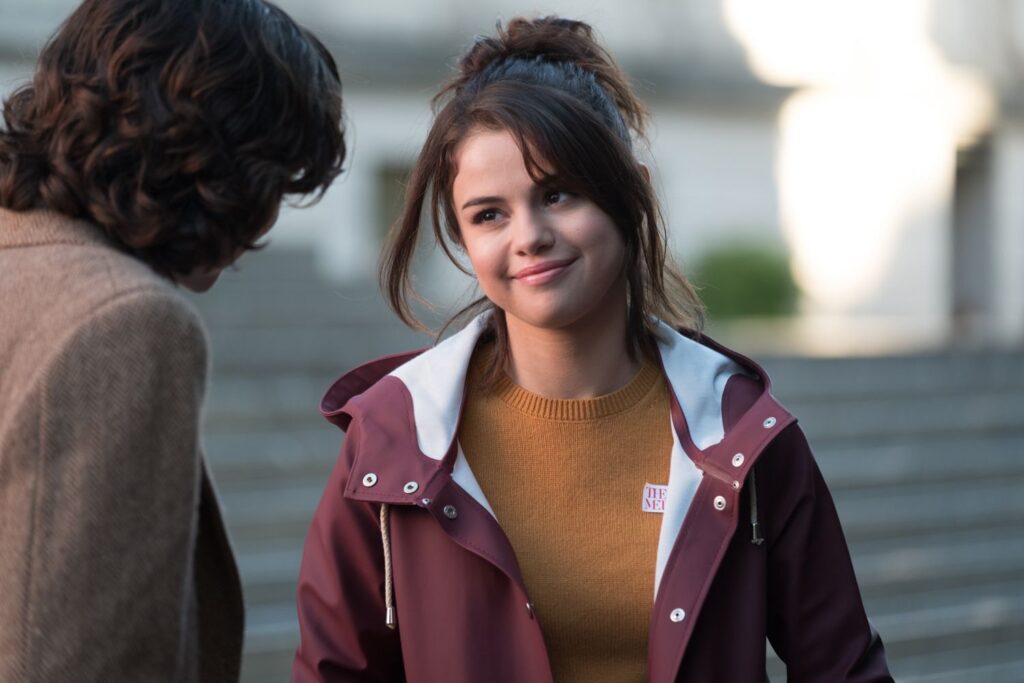
14. **The Eternal Legacy: Queen of Our Hearts Forever**The legal proceedings that followed Selena’s murder brought a measure of justice, though it could never truly mend the broken hearts of her fans. In October 1995, a Houston jury convicted Yolanda Saldívar of first-degree murder, sentencing her to life in prison. Though eligible for parole in 2025, her appeal was denied, pushing her next eligibility to 2030, a small but significant detail for those who still mourn.
Selena’s voice, however, refused to be silenced. Her posthumous English-language crossover album, “Dreaming of You” (1995), was a poignant triumph. It debuted atop the Billboard 200, an unprecedented feat that made Selena the first Latin artist to achieve such a milestone. It was a bittersweet validation of her global dreams, a powerful testament to the pop superstardom she was destined for.
Her compelling story, too powerful to remain untold, was immortalized on screen. In 1997, Warner Bros. released “Selena,” a film that not only honored her life and career but also launched the career of a then-unknown Jennifer Lopez into global superstardom. Decades later, in 2020, Netflix unveiled “Selena: The Series,” further cementing her legend and introducing her incredible journey to a new generation.
Selena’s influence continues to echo through time, unwavering and powerful. She has sold an astonishing 18 million records worldwide, solidifying her status as one of the best-selling female artists in Latin music history. Her music, her iconic fashion, her entrepreneurial spirit, and her unwavering dedication to her heritage continue to inspire countless artists and fans, proving that her light, though tragically brief, burns brighter than ever.
More than an artist, Selena Quintanilla-Pérez remains a vibrant symbol of possibility, a trailblazer who shattered glass ceilings and beautifully bridged cultural divides. Her legacy is a rich tapestry woven with passion, resilience, and an infectious spirit that transcends generations. She taught us to dream big, to embrace our roots, and to live with an open heart. Her music lives on, a powerful reminder of the Queen who dared to dream and forever changed the world.
Read more about: Chadwick Boseman’s Enduring Legacy: Unveiling the Man, the Myth, and the Secret Marriage Behind T’Challa’s Impact
Selena’s story is a powerful testament to the enduring human spirit, a narrative that reminds us how one extraordinary individual can inspire millions and leave an indelible mark on the world. She taught us the power of dreams, the strength of family, and the beauty of embracing who you truly are. Though her journey ended too soon, her music, her legacy, and her radiant spirit continue to illuminate our lives, ensuring that the Queen of Tejano Music will reign in our hearts forever.