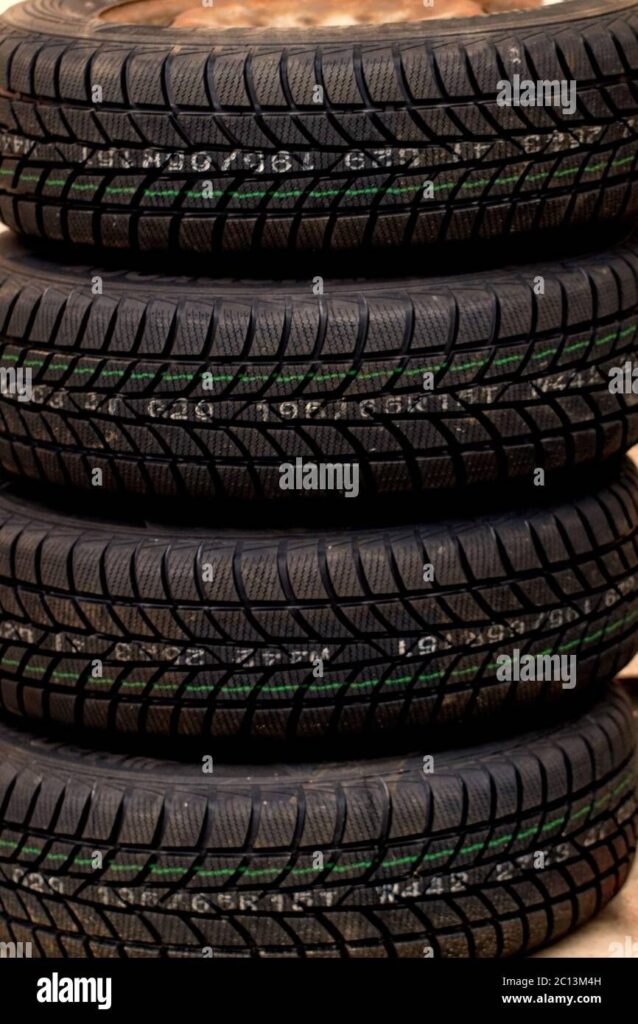
In the complex symphony of modern vehicle safety, where advanced cameras, sensors, and processors work tirelessly to minimize human error, there’s one fundamental component that remains the ultimate arbiter of your car’s connection to the road: the tires. Often taken for granted, these unassuming circles of rubber are your primary safeguard, directly influencing traction, handling, and stopping power. Yet, a significant and often overlooked hazard lies in wait: the silent degradation of tires due to age, regardless of their visible tread.
Conventional wisdom, perpetuated by simple tests like the “penny test,” often misleads drivers into believing their tires are safe as long as the tread appears adequate. This can be a dangerous misconception. Like any rubber product, tires inherently degrade over time, developing microscopic cracks and fissures that compromise their structural integrity. This aging process can lead to catastrophic failures, such as sudden tread separation, even when the tread depth seems perfectly acceptable, putting drivers and passengers at extreme risk.
This in-depth guide, informed by expert analysis and real-world incidents, aims to unmask these hidden dangers. We will delve into why tires age, the factors that accelerate this process, how to accurately determine your tire’s true age, and the profound impact that seemingly minor wear and tear can have on your vehicle’s safety performance. Empowering yourself with this critical knowledge is the first step towards ensuring genuine safety on every journey.

1. **The Hidden Danger of Aged Tires (Beyond Tread Wear)**For all the marvel of today’s car safety systems — the networks of cameras, sensors and processors that help minimize driver error — the truth is that a car is still only as safe as the rubber that holds it to the road. This profound statement underscores a critical fact: tire safety extends far beyond merely inspecting tread depth. While the “penny test” remains a popular, albeit often misleading, guideline for many drivers, it fails to account for a fundamental aspect of tire longevity: age.
Conventional wisdom says that if a tire passes the “penny test” (Lincoln’s head is fully or partially covered by tread blocks when placing a penny upside down in the grooves), then it still has useful tread life. But this can be a dangerous mistake. Tires, being rubber products, are susceptible to degradation over time, a process that occurs internally and externally, irrespective of how many miles they’ve covered. This means a tire with ample tread can still be a ticking time bomb if it’s too old.
The inherent material properties of rubber dictate that it will degrade with age. Even if a tire appears to have plenty of life remaining, it can develop cracks and fissures as its rubber compound breaks down. These structural weaknesses are not always visible on the surface, making them particularly insidious. This internal decay can lead to critical failures such as sudden tread separation and a complete loss of car control, proving that age, not just wear, is a paramount factor in tire safety.
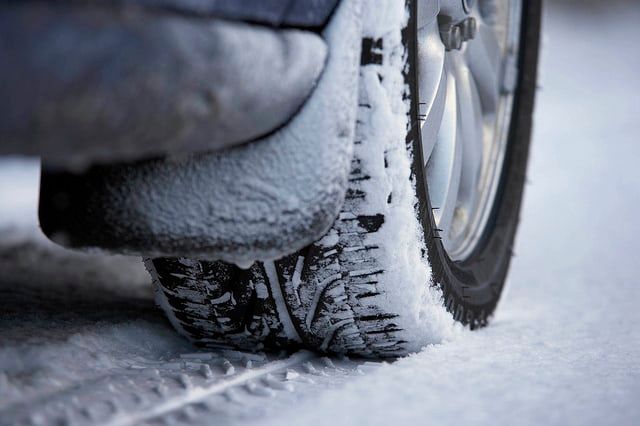
2. **Real-World Tragedies: The Deadly Consequences of Old Rubber**The potential dangers of aged tires are not theoretical; they are tragically real, as evidenced by a number of devastating accidents. These incidents highlight how old, degraded rubber can lead to catastrophic failures, even for experienced drivers in high-performance vehicles, underscoring the urgent need for awareness.
Consider the case from 2006, where an 11-year-old boy was killed when his family’s SUV rolled over on a California highway. The cause? The left rear tire’s tread separated. An investigation revealed that a tire service center had installed the SUV’s 12-year-old spare tire during a visit to replace the rear tires.
Another sobering example occurred in 2008 in Georgia. The owner of a 1998 Ford Explorer bought a used tire as a replacement. Just two weeks later, while driving, the tread suddenly separated from the tire. The driver lost control and hit a motorcycle, killing its rider. An analysis of the used tire revealed that it was nearly 10 years old.
Perhaps one of the most high-profile incidents involved actor Paul Walker, who died in 2013 in a Porsche Carrera GT, one of the highest-performance models in the automaker’s history. An investigation determined that the Porsche was driving on 9-year-old tires and traveling at speeds between 80 and 93 mph when the driver, Roger Rodas, lost control and collided with a power pole and several trees. Rodas was also killed. These incidents collectively illustrate the severe and often fatal consequences of driving on aged and used tires, emphasizing that even pristine tread cannot counteract the effects of time on rubber.
3. **The Silent Killer: How Tires Degrade with Time**To understand why old tires are so dangerous, it helps to grasp the underlying process of rubber degradation. Sean Kane, president of Safety Research & Strategies Inc., offers a simple yet potent analogy: “If you take a rubber band that’s been sitting around a long time and stretch it, you will start to see cracks in the rubber.” This perfectly illustrates what happens to a tire as it ages, even when it’s not in active use.
Over time, tires develop cracks in their rubber, both on the surface and internally. These fissures are a symptom of the rubber compound breaking down, losing its elasticity and structural integrity. This silent, insidious process can weaken the tire’s foundational components, eventually leading to critical failure.
Crucially, this cracking can eventually cause the steel belts in the tread to separate from the rest of the tire. This tread and belt separation is often sudden and catastrophic, leading to immediate loss of control and an extremely high risk of a rollover crash. Kane and his organization have identified over 250 incidents in which tires older than six years have experienced tread and belt separations — most resulting in loss-of-control and rollover crashes. These incidents were the cause of 233 fatalities and 300 injuries in 2012 alone, highlighting the widespread and severe impact of tire aging.

4. **Accelerating the Decline: Factors That Hasten Tire Aging**While all tires will eventually succumb to the effects of age, certain environmental and usage conditions can significantly accelerate this degradation process. Understanding these factors is crucial for proactive tire maintenance and replacement, ensuring your tires remain safe for their operational lifespan.
Heat is a primary culprit. NHTSA research found that tires age more quickly in warmer climates. Beyond ambient temperature, environmental conditions, such as exposure to sunlight and coastal climates, can also accelerate the aging process. People who live in coastal states and other areas with warm weather should bear this in mind when considering tire replacement.
Storage conditions also play a vital role, not just for tires in active service, but also for spares and unmounted tires. A tire that has not been mounted and is just sitting in a tire shop or your garage will age more slowly than one that has been put into service on a car. But it ages nonetheless. This means that seemingly “new” tires sitting in a retailer’s inventory for years are still subject to the effects of time and could be significantly older than a consumer assumes.
Spare tires are often the most neglected. They usually don’t see the light of day, but they still degrade with time. If a tire has been inflated and mounted on a wheel, it is considered to be “in service” even if it’s never been used. And spares that are mounted underneath a vehicle — exposed to heat, dirt and weather — deserve extra attention, as their hidden location often leads to them being completely overlooked until an emergency arises.
Finally, the conditions of use significantly impact how quickly a tire ages. Has the tire been properly inflated? Underinflation causes more tire wear. Has it hit the curb too many times? Has it ever been repaired for a puncture? Tires on a car only driven on the weekends will age differently from those on a car that’s driven daily on the highway. All are factors that contribute to the pace with which a tire ages, emphasizing that proper maintenance is the best thing you can do to ensure a long tire life.
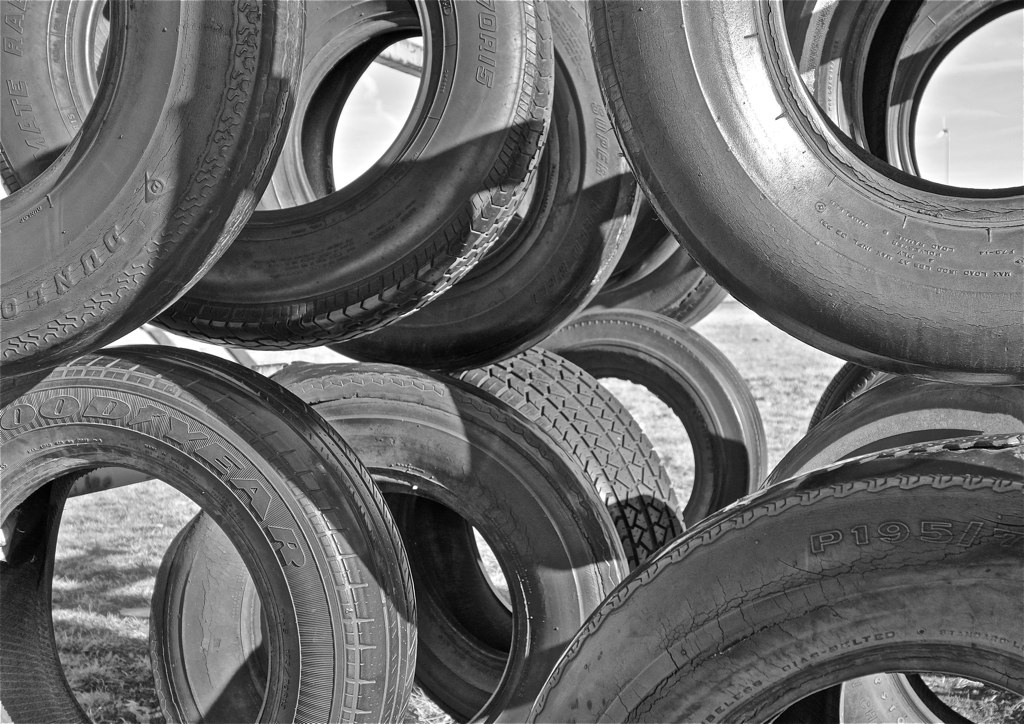
5. **Decoding Your Tire’s Birth Certificate: The DOT Code**Knowing your tire’s age is as critical as knowing its tread depth. Fortunately, every tire carries a specific code that reveals its manufacturing date. Deciphering this “birth certificate” is essential for determining if your tires are approaching their safe retirement age, even if they appear visually sound.
The key to uncovering a tire’s age lies in its U.S. Department of Transportation (DOT) number, which is prominently displayed on the tire’s sidewall amidst a confusing array of other alphanumeric characters. While the entire DOT code contains various manufacturing details, only a specific part of it reveals the production date.
For tires made after 2000, the DOT code has a four-digit number. The first two numbers represent the week in which the tire was made. The second two represent the year. A tire with a DOT code of “1116” was made in the 11th week of 2016. This clear, unambiguous system makes it relatively easy for consumers to ascertain the tire’s age.
However, tires made before 2000 have a three-digit number that is trickier to decode. The first two digits still indicate the week, but the third digit tells you the year in the decade that the tire was created. The hard part is knowing what decade that was. Some tires made in the 1990s (but not all) have a triangle after the DOT code, denoting that decade. But for tires without that, a code of “328” could be from the 32nd week of 1988, or 1978. But this is all moot: If you see a three-digit DOT code today, that’s a tire that belongs on a collectibles shelf or at the recycler, not on a car.
It’s also important to note that these DOT numbers weren’t designed with consumers in mind. They were originally put on tires to make it easier for the NHTSA to recall tires and keep track of their manufacturing date. To make matters worse, you might not always find the full DOT number on the outer side of the tire. Because of the way a tire is made, it is actually safer for the technician operating the mold to imprint information on the inner side of the tire, so some manufacturers will opt to put the number there. It is still possible to check the DOT code, but you might have to jack the car up to see it. Keep the visibility of the DOT number in mind the next time you are at a tire shop and the installer asks if you want the tires to be mounted with the raised lettering facing in.
6. **The Misleading “Penny Test” and What to Really Look For**For decades, the “penny test” has been the go-to method for many drivers to check their tire tread. While seemingly simple and accessible, this test, particularly in its traditional form, provides a dangerously inadequate measure of true tire safety, especially in modern driving conditions. Relying solely on it can give a false sense of security.
The traditional penny test involves inserting a penny upside down into a tire groove, with Abraham Lincoln’s head facing you. If you can see all of Lincoln’s head, it generally indicates that your tread depth is below 2/32 of an inch, signaling it’s time for replacement. However, this benchmark, which is often aligned with minimum legal requirements in many states, represents the absolute bare minimum for safety and is frequently criticized by safety experts as being insufficient.
The AAA, a prominent advocate for driver safety, strongly maintains that tires should be replaced once the tread depth reaches 4/32”. Their research has demonstrated that at 4/32”, a tire’s stopping distances have already begun to deteriorate significantly, especially in wet conditions. Waiting until tread depth reaches 2/32”, as often recommended by current industry guidelines and state laws, jeopardizes a driver’s safety, while it also impacts the manufacturer warranty costs and is often paired with environmental concerns.
Beyond tread depth measurements, a thorough visual inspection is paramount. Some of the best advice on such an inspection comes from the British Tyre Manufacturers’ Association. It recommends that consumers check tires regularly for any sign of aging, such as tread distortion or large or small hairline cracks in the sidewall. These visible indicators of dry rot or rubber degradation are critical warnings that a tire’s structural integrity is compromised, even if the tread depth might technically “pass” a penny test. Vibrations or a change in the dynamic properties of the tire could also be an indicator of aging problems, signaling an immediate need for replacement.
7. **The Invisible Impact: Worn Tires and Increased Stopping Distances**The ability to stop quickly and safely is arguably the most critical safety function of your vehicle. Yet, worn tires, even those that seem to have some life left, dramatically compromise this capability, often with invisible consequences until an emergency arises. This reduction in stopping power is a hidden hazard that can turn a near miss into a serious collision.
As tires wear down, their ability to grip the road surface and provide adequate traction decreases significantly. This is particularly true in wet or slippery conditions, where the tread’s primary function is to channel water away from the contact patch, maintaining a firm connection with the road. When tread is insufficient, water cannot be effectively dispersed, leading to a dangerous reduction in grip and a substantial increase in the distance required to bring the vehicle to a halt.
The impact on stopping distances is not minor. AAA research found that compared to new tires, tires worn to a tread depth of just 4/32” exhibit an average increased stopping distance of 87 feet for a passenger car and 86 feet for a light truck. To put that into perspective, an additional 87 feet is more than the length of a semi-trailer truck. This means that if tested side-by-side at 60 mph, vehicles with worn tires would still be traveling at an alarming 40 mph when reaching the same distance it takes for vehicles with new tires to make a complete stop, according to Megan McKernan, manager of the Automobile Club of Southern California’s Automotive Research Center.
This dramatic increase in stopping distance highlights a profound safety risk. In critical situations, where every foot counts, the diminished performance of worn tires can mean the difference between avoiding an obstacle and causing a serious accident. With nearly 800,000 crashes occurring on wet, snowy, or icy roads each year, the critical link between tire condition and stopping ability cannot be overstated. Drivers must recognize that the gradual erosion of tread depth directly translates to a significant erosion of their vehicle’s emergency stopping capabilities.
Even with advanced safety systems, your tires are the ultimate connection to the road, and their condition dictates your safety. While we’ve covered the insidious nature of aging rubber and its impact on stopping distances, there are other equally critical hazards that demand your attention. Understanding these specific dangers and adopting proactive measures can be the difference between a safe journey and a serious incident.
8. **Hydroplaning: Losing Grip When You Need It Most**Few sensations are as unnerving for a driver as hydroplaning, where the vehicle loses all contact with the road. This phenomenon occurs when water builds up under your tires faster than the tread can disperse it, causing your car to glide uncontrollably on a thin layer of water. The depth of a tire’s tread plays an incredibly significant role in preventing this, meaning the lower the tread depth, the more likely a car will hydroplane.
Worn treads simply cannot channel water away from the contact patch effectively. The U.S. National Highway Traffic Safety Administration (NHTSA) explains that tire tread is designed precisely for this purpose—to maintain a firm connection with the road in wet conditions. When tread wears down, there’s nowhere for the water to go, and the tire loses crucial traction, making hydroplaning a real and immediate threat during heavy rain, a common occurrence across many parts of the U.S.
Consider the frequent rainstorms experienced in places like Florida; worn tires turn even a routine drive into a treacherous endeavor. When water accumulates faster than your tires can handle, your car may slide uncontrollably, leaving you unable to steer, brake, or respond effectively. This direct loss of control dramatically increases the risk of crashes, underscoring why healthy tread is non-negotiable for safe wet-weather driving.
9. **Blowouts: Catastrophic Failures Waiting to Happen**Beyond the subtle degradation of aging rubber and the insidious threat of hydroplaning, worn tires present another terrifying and often catastrophic danger: the blowout. This sudden and violent tire failure occurs when the tire succumbs to structural damage or a puncture, leading to a rapid loss of air pressure. Such an event can cause an immediate and severe loss of vehicle control, particularly dangerous at highway speeds.
As a tire’s tread wears down, its structural integrity is inherently compromised. The internal components, already weakened by age and stress, become far more susceptible to external forces. Heat buildup, impacts from road debris, or even hitting a seemingly minor pothole can be enough to cause the tire to rupture unexpectedly. A blowout at high speed can be catastrophic, potentially causing the driver to lose control and leading to severe accidents or even rollovers.
Furthermore, the diminished tread depth of worn tires makes them far more vulnerable to punctures. A small nail, a shard of glass, or a sharp rock that might be deflected by a healthy tread can easily penetrate a worn tire. This increased susceptibility to punctures, coupled with the inherent structural weakness, means worn tires are ticking time bombs, constantly raising the specter of sudden air loss and dangerous handling changes at the worst possible moment.
10. **The Legal and Financial Consequences of Neglect**Ignoring the condition of your tires doesn’t just put your safety at risk; it can also lead to significant legal and financial repercussions. The costs associated with worn-out tires extend far beyond mere replacement expenses, potentially encompassing fines, increased insurance premiums, and even legal liability in the event of an accident. Being proactive about tire maintenance is not just prudent; it’s an essential part of responsible vehicle ownership.
Firstly, there are the direct costs. While replacing tires can be a significant expense, it pales in comparison to the repairs needed after a collision caused by tire failure. Beyond that, driving on tires with tread depth below a certain legal threshold is against the law in many jurisdictions, including the United States and Canada. Failure to comply can result in hefty fines and penalties, as worn-out tires are recognized as a clear safety hazard that endangers not only the driver but all other road users.
Perhaps more critically, the legal and financial fallout can escalate if an accident occurs and poor tire maintenance is deemed a contributing factor. Insurance companies may reduce or even outright deny your claim if they determine that your negligence in maintaining your tires directly led to or exacerbated the crash. In severe cases, you could even be held legally liable for damages or injuries sustained by others, facing lawsuits and substantial financial burdens. From a legal standpoint, ensuring tire safety is a fundamental responsibility that protects not only yourself but also everyone else sharing the road.
Read more about: Truck Frame Cracks Under the Microscope: A Consumer Reports Guide to Identifying, Preventing, and Repairing Critical Structural Damage

11. **Actionable Advice: The Peril of Used Tires**When faced with the expense of new tires, it’s tempting for some drivers to consider buying used ones. Shops, both small independent and even some larger retailers, may offer used tires as a seemingly economical alternative. However, this decision carries significant, often hidden, risks. While the allure of saving money is strong, the unknown history of a used tire can turn it into a dangerous gamble on your safety.
The fundamental problem with used tires is the complete lack of verifiable history regarding their maintenance and usage conditions. When you purchase a used tire, you have no way of knowing how it was treated by its previous owner. Was it consistently driven with dangerously low pressure? Did it repeatedly hit curbs, causing internal structural damage that isn’t visible externally? Has it been repaired for a puncture, and if so, was the repair performed correctly and safely?
While it might be relatively straightforward to determine a used tire’s age by checking its DOT code, assessing its true service life and underlying structural integrity is practically impossible. As we’ve seen from tragic real-world examples, such as the 2008 Georgia incident where a nearly 10-year-old used tire led to a fatal accident just two weeks after purchase, age and prior treatment are critical. For these compelling safety reasons, it is strongly advised to avoid purchasing used tires altogether. The potential savings simply do not justify the dramatically increased risk.

12. **Actionable Advice: Insist on “Fresh” Replacements**Just because a tire comes off a retail rack and appears brand new doesn’t mean it was manufactured recently. A common, yet alarming, consumer issue involves buyers unknowingly purchasing tires that have been sitting in inventory for years. This practice means you could be starting your tire’s service life with a significant portion of its safe lifespan already elapsed, posing a hidden safety concern and potentially affecting its warranty.
The age warning applies not only to tires in service but also to those that have never seen a mile of road but were produced years ago. A tire ages even when unmounted and sitting in a warehouse, albeit at a slower rate than one on an active vehicle. Therefore, when you purchase what you believe to be a new tire, always double-check its manufacturing date using the DOT code on the sidewall. This simple step empowers you to verify its true age before installation.
If you discover that the “new” tires you’re about to purchase or have just installed are actually a few years old, you have every right to request newer ones. An older tire sold as new may have a significantly shorter life on the road and could even be past a portion of its manufacturer’s warranty period. Being vigilant about the DOT code ensures that you receive tires that are genuinely fresh, maximizing their safe operational life and warranty coverage from the moment they are installed on your vehicle.
13. **Actionable Advice: Understanding Expert Replacement Guidelines**The question of exactly when a tire should be retired due to age, regardless of tread wear, often leads to conflicting advice. While there’s currently no federally mandated safety guidance from the NHTSA on tire aging, a general consensus from many carmakers and independent experts advises replacement between five and six years from the manufacturing date. This guideline offers a crucial benchmark for drivers.
Automakers such as Ford, Nissan, and Mercedes-Benz explicitly recommend that owners replace tires six years after their production date, irrespective of how much tread life remains. Tire manufacturers like Continental and Michelin, while differing slightly, generally advise replacement no later than the 10-year mark, also encouraging annual professional inspections after the fifth year. This disparity highlights the complexity but emphasizes that age is a critical factor.
Sean Kane, president of Safety Research & Strategies Inc., captures the essence of this dilemma by stating, “Nobody’s going to take a tire that looks like it’s never been used and throw it out.” However, if a tire is old, that’s precisely what the owner should do. Despite resistance from some tire industry trade groups regarding mandatory age-based inspections, the overwhelming expert consensus points to a prudent approach: monitor tires closely, obtain annual professional inspections after five years, and never exceed 10 years before replacing a set. This applies equally to spare tires, which are often neglected.

14. **Actionable Advice: Essential Tire Care Beyond Replacement**While understanding when to replace your tires is paramount, practicing diligent, ongoing tire care is equally vital for maximizing their lifespan and ensuring consistent safety. Proper maintenance is not just about extending the life of your investment; it’s about continuously upholding your vehicle’s critical connection to the road. This proactive approach involves several key steps that every driver should integrate into their routine.
Firstly, maintaining proper air pressure is non-negotiable. Underinflation is a primary culprit for increased tire wear and can significantly accelerate the aging process. Tires should be inflated to the manufacturer’s recommended pressure levels, always checked when the tires are cold, preferably in your garage or driveway, as even a short drive can alter the reading. Routine alignment and tire rotation are also crucial, helping to ensure even wear across all tires and significantly extending their operational lifespan.
Beyond pressure and rotation, regular visual inspections are essential. The British Tyre Manufacturers’ Association recommends that consumers routinely check for any visible signs of aging, such as tread distortion, or large or small hairline cracks in the sidewall—indicators of dry rot or rubber degradation. Additionally, being alert to vibrations or changes in the dynamic properties of the tire, as they could signal underlying aging problems, is important. Such symptoms warrant immediate professional inspection and likely replacement, as they are critical warnings that a tire’s structural integrity is compromised.
15. **Actionable Advice: Driving Techniques for Wet Weather**Even with properly maintained tires, adverse weather conditions, particularly rain-soaked roads, demand a heightened level of driver awareness and adjusted techniques. The dramatic increase in stopping distances and the risk of hydroplaning in wet conditions mean that your driving habits must adapt to compensate for reduced traction. Employing specific wet-weather driving techniques is a critical component of overall tire safety.
One of the most important precautions is to avoid the use of cruise control during rainy conditions. This allows you to respond immediately and instinctively if your car begins to lose traction with the road. Furthermore, reducing your speed significantly and avoiding sudden, hard braking or sharp turns are crucial. These actions minimize the stress on your tires and allow them more time to maintain grip, channeling water away from the contact patch more effectively.
Increasing your following distance from other vehicles is also paramount, providing ample space to react and stop safely if a sudden emergency arises. If your vehicle does begin to hydroplane, resist the urge to brake forcefully, as this can exacerbate skidding. Instead, gently ease off the accelerator and steer calmly in the direction you want the vehicle to go until traction is regained. By adopting these careful driving habits, especially when facing bad weather, you significantly enhance your safety and the longevity of your tires, making every journey more secure.
Your tires are not just simple rubber circles; they are sophisticated safety components that silently work to keep you connected to the road. This deep dive into the hidden hazards of worn and aging tires has revealed that their condition profoundly impacts everything from hydroplaning resistance and blowout prevention to legal liabilities and stopping distances. From avoiding the peril of used rubber to insisting on fresh replacements and adhering to expert replacement guidelines, every decision you make about your tires has a direct bearing on your safety. By diligently practicing essential tire care, including proper inflation, regular rotation, and meticulous visual inspections, and by adapting your driving techniques for challenging conditions, you empower yourself with the knowledge and habits necessary to navigate the road with confidence. Don’t let your tires lie to you; empower yourself to understand their true condition and make informed choices for a safer drive for everyone on the road.