In the world of entertainment, we’re constantly captivated by stories of profound personal change—actors who undergo stunning physical transformations for a new role, or celebrities who pivot dramatically in their careers, leaving us all wondering, “What inspired that?” But imagine, if you will, a transformation far more ancient, more spiritually charged, and with an impact that resonates millennia later. This isn’t about a Hollywood star; it’s about a man named Matthew, whose “shocking new role” didn’t just change his body, but completely revolutionized his very existence, reshaping the spiritual landscape for generations to come.
His story is one for the ages, a true testament to the power of a divine calling that pulls an individual from the mundane into the monumental. From a life of routine transactions and public scrutiny, Matthew was summoned to an adventure that would challenge every preconceived notion of success, purpose, and legacy. It’s a tale packed with the kind of drama, dedication, and destiny that would make any screenwriter sit up and take notes.
Get ready to dive deep into the extraordinary journey of Matthew the Apostle, the man behind one of Christianity’s most foundational texts. We’re going to peel back the layers of his life, from his unexpected recruitment into Jesus’ inner circle, through his vibrant ministry, to his ultimate sacrifice, and the fascinating controversies surrounding the gospel that bears his name. It’s a narrative that proves some roles are literally life-altering, pushing individuals to undergo transformations far beyond the physical, touching the very core of their being.
1. **From Tax Collector to Disciple: The Unexpected Call**Our journey begins with Matthew in a profession that, in his time, carried a heavy social stigma: he was a tax collector. The context paints a vivid picture, stating that he is mentioned “in Matthew 9:9 and Matthew 10:3 as a tax collector (in the New International Version and other translations of the Bible) who, while sitting at the ‘receipt of custom’ in Capernaum, was called to follow Jesus.” This wasn’t a job known for its popularity or moral standing, as tax collectors were often seen as collaborators with the Roman occupiers and prone to corruption, making Matthew an unlikely candidate for a spiritual revolution.
What makes this initial encounter so utterly compelling is the sheer audacity of the call. Here was Jesus, a spiritual leader, extending an invitation to someone entrenched in a despised occupation. It defied societal norms and expectations, instantly signaling that this movement was different. The Gospels of Mark and Luke even refer to him by another name, Levi, stating, “In passages parallel to Matthew 9:9, both Mark 2:14 and Luke 5:27 describe Jesus’s calling of the tax collector Levi, the son of Alphaeus. However, they do not associate it with the name Matthew.” This detail only adds to the intrigue of his identity.
Matthew’s immediate response to this radical invitation is truly inspiring. The text implies a swift and decisive pivot from his old life. He didn’t hesitate, didn’t ask for time to consider, but rose and followed Jesus, leaving behind the lucrative, albeit unpopular, life of a publican. This wasn’t just a career change; it was a profound personal paradigm shift, a testament to the transformative power of a direct, divine summons.
His former profession, however, would later equip him with unique skills that would prove invaluable for his new role. The meticulous record-keeping and organizational abilities honed in the tax booth would, by many accounts, play a significant part in the structured and detailed account of Jesus’ life and teachings found in the Gospel of Matthew. It’s a remarkable example of how past experiences, even challenging ones, can surprisingly prepare us for our greatest callings.
Read more about: Unveiling the Apostle: Matthew’s Epic Journey – From Tax Collector to Evangelist – And the Gospel That Changed Everything!
2. **Stepping into the Spotlight: Matthew as an Apostle**Once Matthew answered the call, his trajectory shifted dramatically, placing him squarely among an elite group. He transitioned from a marginalized figure to a core member of Jesus’ inner circle. “He is also listed among the Twelve Disciples, but without identification of his background, in Mark 3:18, Luke 6:15 and Acts 1:13.” This inclusion wasn’t just symbolic; it was an active enlistment into a movement that would change the world.
As an Apostle, Matthew embarked on a journey of intense learning and profound witness. “The New Testament records that as an Apostle, he followed Jesus.” This meant experiencing Jesus’ teachings firsthand, witnessing his miracles, and being privy to his most intimate moments with his followers. This immersive experience was the ultimate training ground, preparing him for the monumental tasks that lay ahead after Jesus’ ascension.
His role as a disciple wasn’t passive; it involved active participation in the burgeoning ministry. He was part of the group sent out by Jesus to preach and heal, sharing the message of the Kingdom of God. This hands-on experience solidified his understanding and conviction, cementing his commitment to the new path he had chosen. It was a complete immersion that truly redefined his purpose and identity.
To be counted among the Twelve was to be a foundational pillar of the nascent Christian faith. From being an outsider, Matthew became an insider, a trusted messenger and a future leader. This elevation from the “receipt of custom” to a direct emissary of Christ signifies a transformation so complete, so radical, that it continues to inspire believers worldwide, underscoring that no background is too humble or too controversial for a divine appointment.

3. **A Family Affair: The Enigma of Brotherhood**Among the fascinating details woven into Matthew’s story is a potential familial connection to another prominent apostle, James. The context reveals a intriguing tradition: “Since the father of both Levi/Matthew and James, son of Alphaeus is named Alphaeus, according to the tradition of the Eastern Orthodox Church the two apostles were brothers.” This revelation adds a layer of depth to the dynamic within the Twelve, hinting at shared history and perhaps unique camaraderie between the two men.
If this tradition holds true, it suggests a profound irony and a remarkable family story. For two brothers to leave their lives and join Jesus’ revolutionary movement, becoming central figures in its establishment, would be a testament to a shared spiritual conviction that transcended typical familial ties. It would imply not just an individual call, but perhaps a family awakened to a new spiritual reality.
Imagine the conversations, the shared experiences, and the mutual support that such a sibling bond might have fostered within the intense environment of Jesus’ ministry. While the New Testament does not explicitly detail their relationship as brothers, the Eastern Orthodox tradition preserves this fascinating possibility, offering a glimpse into the human side of these foundational figures.
This familial link, whether literal or symbolic of a deeper spiritual brotherhood, underscores the pervasive reach of Jesus’ call. It could reach into the very fabric of families, drawing individuals from common households into extraordinary lives of faith and service. It highlights how the transformation wasn’t always solitary, but could weave through existing relationships, strengthening bonds with a shared, divine purpose.
4. **From Jerusalem to Ethiopia: Matthew’s Expansive Ministry**Following Jesus’ ascension, the disciples entered a new phase of their mission, centered initially in Jerusalem. “After Jesus’ ascension, the disciples withdrew to an upper room (Acts 1:10–14) (traditionally the Cenacle) in Jerusalem. The disciples remained in and about Jerusalem and proclaimed that Jesus was the promised Messiah.” This period was crucial for solidifying the early church and spreading the core message of Christ’s resurrection
However, Matthew’s call was not destined to be confined to the holy city. Early Church Fathers attest to his broader missionary endeavors. “Church Fathers, such as Irenaeus and Clement of Alexandria, relate that Matthew preached the gospel in Judea before going to other countries.” This indicates a powerful, outward-looking zeal that drove him beyond familiar borders, eager to share the transformative message he had embraced.
His travels took him to distant lands, pushing the boundaries of the known Christian world. While there isn’t universal agreement on all the specific locations, the context emphatically states, “Ancient writers are not in agreement as to which other countries these are, but almost all sources mention Ethiopia.” This significant detail points to a ministry that stretched across diverse cultures and geographies, truly embodying the Great Commission.
Indeed, the Ethiopian chapter of his ministry is particularly vivid in tradition. We learn that “according to Church tradition, while preaching in Ethiopia, Matthew converted, and then consecrated to God, Ephigenia of Ethiopia, the virgin daughter of King Egippus.” This demonstrates his success in winning over hearts and establishing Christian communities, even among royalty. He didn’t just preach; he fostered deep spiritual commitments, guiding individuals like Ephigenia into a life devoted to God.
5. **The Ultimate Sacrifice: Matthew’s Martyrdom**The profound commitment Matthew demonstrated throughout his ministry ultimately led him to the highest act of faith: martyrdom. The context provides a dramatic account of his final moments, illustrating the steadfastness of his conviction in the face of mortal danger. His story in Ethiopia culminates in a direct confrontation with worldly power that sought to undermine his spiritual authority.
The narrative details how, after converting Ephigenia, “When King Hirtacus succeeded Egippus, he asked the apostle if he could persuade Ephigenia to marry him. Matthew invited King Hirtacus to liturgy the following Sunday, where he rebuked the king for lusting after the girl, as she was a nun and therefore was the bride of Christ.” This courageous stand for spiritual integrity against a king’s lust sealed his fate, transforming a spiritual conflict into a deadly confrontation.
The consequences of his rebuke were swift and brutal. “The enraged King thus ordered his bodyguard to kill Matthew who stood at the altar, making him a martyr.” This powerful image of Matthew dying at the altar underscores his unwavering dedication to his faith and his role as a protector of Christian purity. It’s a poignant depiction of sacrifice that has resonated throughout Christian history.
His death is recognized across major Christian traditions, serving as a powerful testament to his unwavering faith. “The Catholic Church and the Orthodox Church each hold the tradition that Matthew died as a martyr and the Babylonian Talmud appears to report his execution in Sanhedrin 43a.” This widespread acknowledgment of his martyrdom solidifies his place as a revered figure, whose transformation from a tax collector culminated in the ultimate act of devotion, inspiring countless generations to live and, if necessary, die for their beliefs.
Read more about: From Fisherman to ‘The Rock’: Unpacking 14 Iconic Moments in the Life of Saint Peter

6. **The Pen of an Apostle: Traditional Authorship of the Gospel of Matthew**Perhaps Matthew’s most enduring legacy is the Gospel that bears his name, a cornerstone of the New Testament. For centuries, Christian tradition firmly held that this vital account was penned by the very apostle himself. “Early Church tradition holds that the Gospel of Matthew was written by the apostle Matthew.” This belief positioned Matthew not only as a witness to Jesus’ life but also as the chronicler of his teachings and events.
Key figures from the early Christian era lent strong support to this view. We learn that this tradition “is first attested, among the extant writings of the first and second centuries, with the early Christian bishop Papias of Hierapolis (c. AD 60–163), who is cited by the Church historian Eusebius (AD 260–340), as follows: ‘Matthew collected the oracles [in Greek, logia: sayings of or about Jesus] in the Hebrew language [Hebraïdi dialektōi], and each one interpreted [hērmēneusen – perhaps ‘translated’] them as best he could.’” This powerful testimony from Papias, preserved by Eusebius, highlights the belief that Matthew authored a significant collection of Jesus’ sayings.
The idea that the Gospel was initially written in Hebrew or Aramaic before being translated into Greek is a recurring theme in early accounts. “Likewise, early Christian theologian Origen (c. 184–c. 253) indicates that the first gospel was written by Matthew, and that his gospel was composed in Hebrew near Jerusalem for Hebrew Christians and translated into Greek.” This suggests a direct appeal to a Jewish audience, aligning with the Gospel’s thematic emphasis on Jesus as the Jewish Messiah.
Even later, in the late fourth or early fifth century, there’s a mention that “the Hebrew original was kept at the Library of Caesarea. Sometime in the late fourth or early fifth century the Nazarene Community transcribed a copy for Jerome, which he used in his work.” This sustained belief in a Hebrew original, even if fragmented or reinterpreted over time, underscores the deep-seated conviction that Matthew the Apostle himself was the primary architect of this foundational biblical text.
Read more about: Unveiling the Apostle: Matthew’s Epic Journey – From Tax Collector to Evangelist – And the Gospel That Changed Everything!
7. **A Shifting Narrative: Modern Scholarship on Gospel Authorship**While early Church tradition strongly attributed the Gospel of Matthew to the apostle, modern biblical scholarship has introduced a more nuanced and, for some, a “shocking” perspective. This contemporary view often challenges the direct authorship by Matthew. “Most modern scholars hold that the Gospel of Matthew was written anonymously, and not by Matthew, though it is possible the gospel incorporates a source written by the disciple.” This acknowledges his potential influence while questioning direct authorship.
One of the primary reasons for this scholarly shift lies in the text itself. The context notes, “The author is not named within the text, and scholars have proposed that the superscription ‘according to Matthew’ was added sometime in the second century.” This suggests that the title we recognize today may have been an interpretive addition rather than an original authorial claim, creating an intriguing historical puzzle.
Furthermore, the intricate relationship between the Synoptic Gospels (Matthew, Mark, and Luke) has fueled this debate. Scholars note “Matthew’s alleged dependence on Mark for a substantial part of his Gospel.” The question then arises: “Why, they ask, would Matthew, an eyewitness to the events of our Lord’s life, depend so heavily on Mark’s account?” This reliance on an earlier, non-apostolic gospel poses a significant challenge to the traditional view of Matthew writing directly from his personal eyewitness experience.
Despite these scholarly discussions, the purpose and impact of the Gospel remain undiminished. While the precise identity of the redactor may be debated, the enduring answer proposed is that Matthew, if not the direct author, “agreed with it and wanted to show that the apostolic testimony to Christ was not divided.” This perspective allows for Matthew’s spiritual authority and influence to permeate the text, even if a different hand compiled the final version. It’s a testament to the dynamic nature of historical and theological inquiry, continually refining our understanding of these foundational texts.
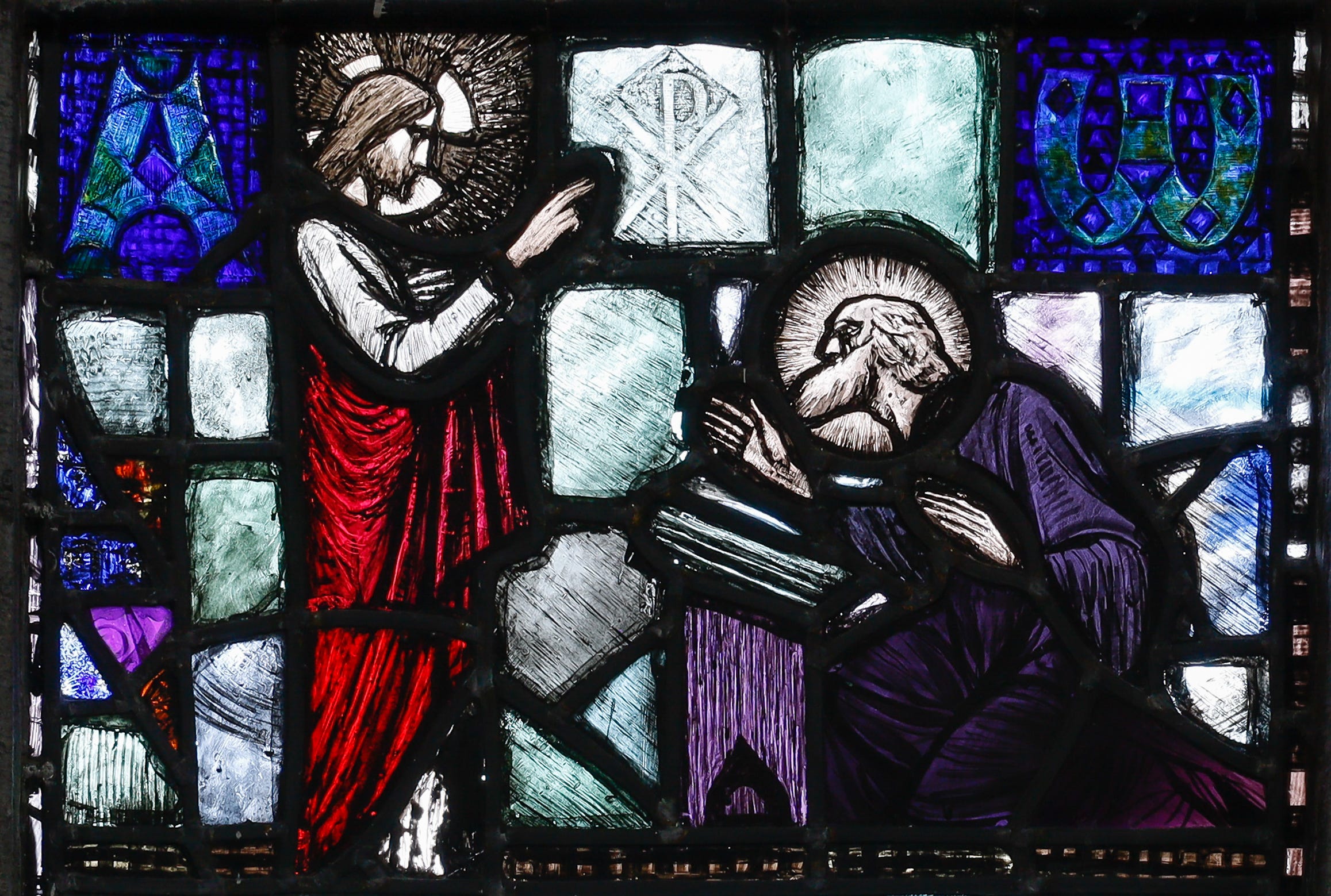
8. **Matthew’s Place in Christian Veneration: A Saint Honored Across Traditions**Matthew the Apostle’s profound impact echoes vibrantly in his ongoing veneration across diverse Christian traditions. From his humble beginnings as a tax collector to his revered status as evangelist and martyr, his spiritual journey inspires countless believers, leading to his recognition as a saint in major denominations. His transformation from an outcast to a cornerstone of faith is celebrated with fervor and respect, highlighting the universal appeal of his devotion.
Within Roman Catholicism, Matthew is celebrated with a dedicated feast day on September 21st. This annual commemoration offers reflection on his life, his pivotal role in recording the Gospel, and his ultimate sacrifice, honoring his unwavering commitment. Similarly, the Lutheran Church enthusiastically remembers Matthew on September 21st, as does the Anglican Communion with its festival on the same date, demonstrating a powerful unity in celebrating these foundational figures.
The Eastern Orthodox Church, with its deep historical roots, venerates Matthew as a saint with two distinct feast days: the Synaxis of the Twelve Apostles on June 30th (July 13th) and his individual Feast Day on November 16th (November 29th). These provide special occasions for Orthodox faithful to honor his unique contributions, cementing his status as a beloved saint and evangelist across the Christian world.

9. **Matthew in Masterpieces: His Portrayal in Christian Art**Matthew’s dramatic life, from his shocking call to apostleship to his evangelistic dedication, has provided fertile ground for artistic expression throughout history. His journey, marked by profound personal change, has captivated artists, leading to some of the most iconic works in Christian art. These visual interpretations celebrate his sanctity and offer insights into his transformation, making him a subject of endless fascination.
A powerful tradition depicts Matthew with a winged man, a symbolic representation signifying the human nature of Christ emphasized in his Gospel and the divine inspiration behind his writing. This creature of both earth and heaven perfectly encapsulates Matthew’s unique role in chronicling Jesus’ earthly life with heavenly insight, making him an enduring visual symbol.
Caravaggio, in particular, captured the intensity of Matthew’s call in three landmark paintings in Rome. His masterful use of light and shadow highlights Matthew’s astonished reaction to Christ’s beckoning, brilliantly conveying the “shocking new role” that irrevocably transformed his life. Beyond Caravaggio, artists across centuries and cultures, from Byzantine icons to Islamic miniatures, stained-glass depictions, and powerful sculptures, have immortalized Matthew, continuously reminding us of his spiritual transformation.
10. **Beyond the Canonical: Glimpses into Apocryphal Traditions**While the canonical Gospel of Matthew is a central pillar of Christian scripture, his influence extends into fascinating non-canonical or apocryphal gospels. These texts, not in the official canon, offer a captivating glimpse into diverse early Christian theological landscapes, revealing alternative narratives and expanded traditions associated with the apostle.
In the 3rd century, Jewish-Christian groups like the Nazarenes and Ebionites utilized gospels attributed to Matthew, maintaining ties to Jewish practices while embracing Jesus. Fragments of these Jewish-Christian gospels—the Gospel of the Nazarenes, Ebionites, and Hebrews—survive through quotations by Church Fathers like Jerome and Epiphanius. Jerome relates that Matthew was believed to have composed their Gospel of the Hebrews, sparking scholarly debate about original languages.
Another intriguing text is the 7th-century Gospel of Pseudo-Matthew, a compilation from other apocryphal infancy gospels. These works often filled perceived narrative gaps with embellished or miraculous stories. Such non-canonical gospels are invaluable for understanding early Christian thought, demonstrating how the figure of Matthew, the transformed tax collector, continued to be a source of inspiration and authority, even if not literally authored by him.
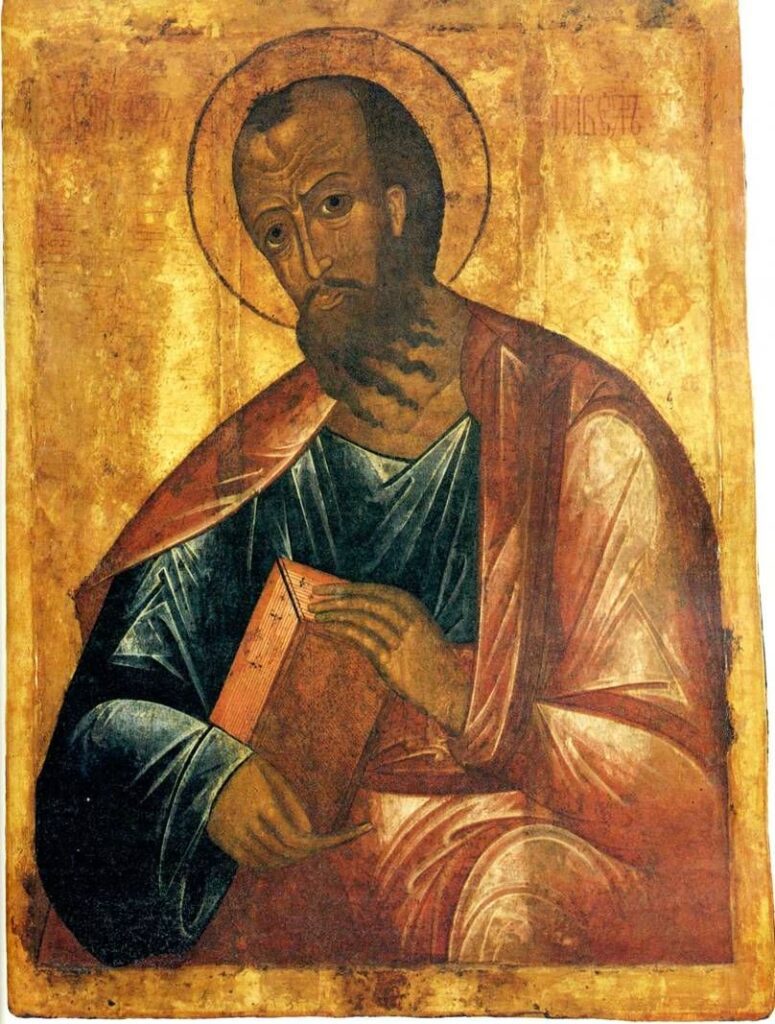
11. **An Apostle’s Echo: Matthew in Islamic Tradition**Matthew the Apostle’s profound influence reaches into the rich tapestry of Islamic tradition, where his transformed life and devoted ministry are recognized and respected. While the Quran refers to Jesus’ disciples as “helpers to the work of Allah” without naming them, Islamic exegesis and Quranic commentary actively name and honor these pivotal figures, including Matthew (“Mattā”) himself. This cross-cultural recognition speaks volumes about his universal impact.
Within these esteemed Islamic commentaries, Matthew is explicitly listed among Jesus’ disciples. This acknowledgement integrates him into the shared spiritual heritage of Abrahamic faiths, testifying to his historical and prophetic significance. It highlights a common thread of reverence for those who dedicated their lives to spreading divine messages, uniting diverse traditions in admiration for exemplary figures.
One compelling shared tradition is the account of Matthew’s missionary journeys. Muslim exegesis preserves the tradition that Matthew (“Mattā”) and Andrew (“Andirāwas”) were the two disciples who embarked on an extraordinary journey to Ethiopia to preach God’s message. This echoes Christian accounts of Matthew’s extensive ministry, reinforcing a powerful narrative of a transformed individual carrying a divine message to distant lands, underscoring mutual respect for his unwavering commitment.
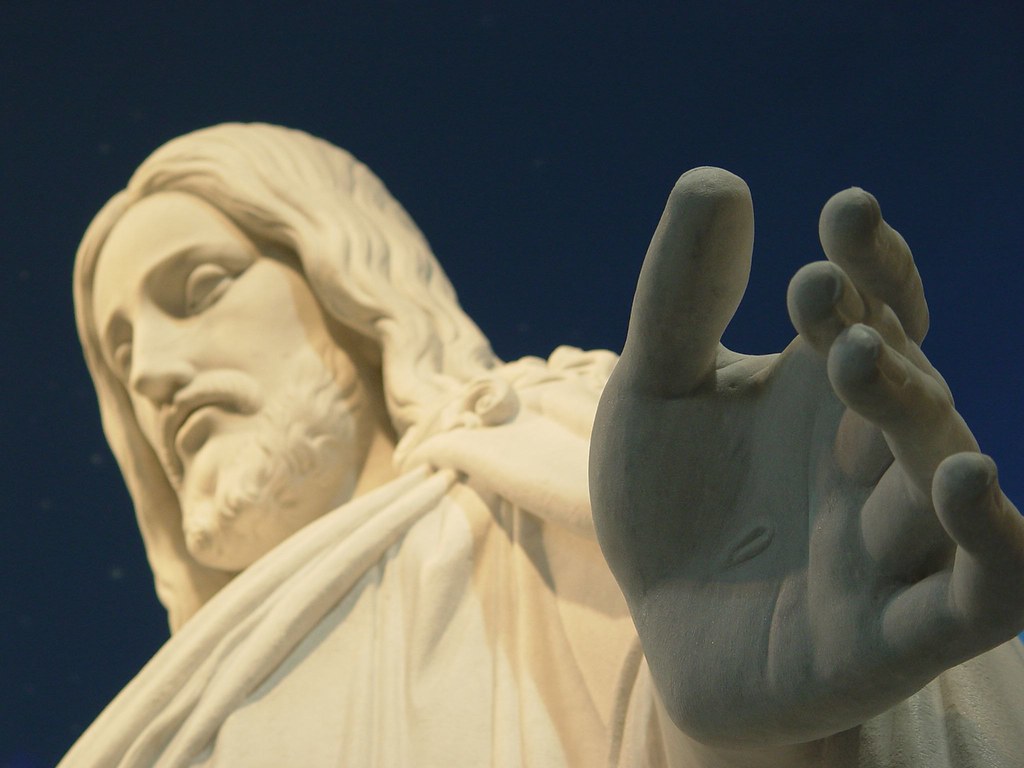
12. **A Prophet Among the Druze: Matthew’s Unique Place**In a truly fascinating and distinctive recognition, Matthew the Apostle holds an honored place as a prophet within the esoteric Druze faith. This unique veneration underscores his contributions to spiritual knowledge and guidance, positioning him as a significant figure in a tradition that profoundly respects foundational figures from other faiths. It’s a testament to the transformative power of his message, which resonated far beyond his immediate historical context.
The Druze tradition reveres several “mentors” and “prophets,” acknowledging those who brought forth profound spiritual wisdom. Matthew the Apostle is singled out, celebrated for his insights and role in guiding humanity toward deeper divine truths. This honor is particularly significant given the Druze doctrine’s teaching that Christianity itself is to be “esteemed and praised,” viewing Gospel writers as “carriers of wisdom.”
An intriguing aspect of Matthew’s veneration is its connection to the number five, holding unstated significance in Druze doctrine, where great prophets appear in groups of five. In the first century, this sacred group included Jesus Christ, John the Baptist, Saint Mark, Saint Luke, and, crucially, Saint Matthew. This inclusion places Matthew in truly exalted company, highlighting his perceived stature as a fundamental spiritual emissary whose dedication and wisdom embody profound truths across diverse spiritual paths.

13. **Story in Stone: Matthew in Architecture**Matthew’s profound impact is not only preserved in sacred texts and art but is also literally carved in stone, offering a tangible link to his story in architectural marvels. These structural depictions serve as powerful visual narratives, embedding his transformative journey and ultimate sacrifice into the very fabric of sacred spaces. They are ancient echoes, speaking to generations about the man who embraced a shocking new role, showcasing how his life influenced Christian iconography.
A striking example is found in the Basilica of Annunciation in Nazareth, which houses a capital depicting Matthew the Apostle. This intricate carving tells a compelling segment of his Ethiopian ministry, showing Matthew leading King Egippus of Aethiopia and his sons away from a menacing demon. This visual narrative illustrates Matthew’s success in converting the king and his lineage to Christianity, a testament to his evangelistic power.
What makes this capital particularly profound is its dual narrative, illustrating a key event while subtly foreshadowing his martyrdom. The demon’s presence alludes to the spiritual battle Matthew faced, ultimately leading to his death for his faith, connecting his active ministry to his ultimate sacrifice. This iconography offers invaluable insights into the religious landscape of the time and the profound connection between Ethiopia and Nazareth, witnessing Matthew’s enduring legacy as a spiritual warrior.
14. **The Ultimate Legacy: Matthew’s Ongoing Influence**Matthew the Apostle, the transformed tax collector, left a monumental legacy, far exceeding any fleeting fame. His journey from the “receipt of custom” to a revered evangelist, martyr, and chronicler of Jesus’ life stands as an enduring testament to spiritual transformation. His story is not just one of personal change, but one that continues to reshape the spiritual landscape for millions, making him an eternal icon of faith and unwavering dedication.
His Gospel, whether penned directly by him or compiled under his influence, remains a cornerstone of Christian faith. It masterfully articulates Jesus’ messianic identity, connecting ancient prophecies with fulfillment and laying out a clear path for discipleship. Through its pages, Matthew continues to teach, inspire, and guide, ensuring Jesus’s words and deeds resonate with clarity and power through every generation.
The global veneration he receives—from solemn feast days in major Christian traditions to recognition as a prophet in Islam and the Druze faith—underscores a truth transcending religious boundaries: Matthew’s life embodied a powerful spiritual awakening that spoke to the deepest human longings for purpose and meaning. He became a living embodiment of the divine call, demonstrating that anyone can be chosen for an extraordinary destiny.
From Caravaggio’s dramatic canvases to intricate mosaics and scholarly debates, Matthew’s presence is woven into our shared heritage. His “shocking new role” was not merely a change of profession; it was a cosmic reorientation that transformed his individual existence into a universal beacon of faith. His story continues to remind us that some transformations are so profound, so utterly life-altering, that their ripples extend through millennia, inspiring us all to consider the deeper calls that shape our own destinies.