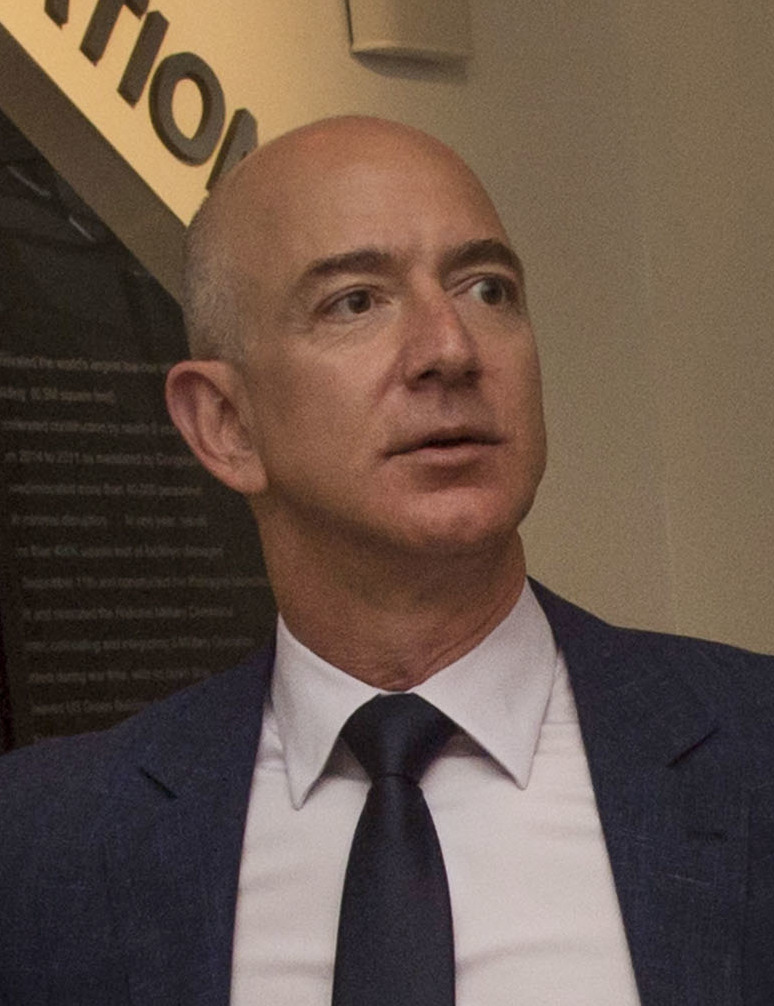
The name Jeff Bezos conjures images of boundless innovation, audacious ambition, and a fortune that defies easy comprehension. We often hear about his latest multi-billion-dollar endeavors, from revitalizing space travel to tackling the mysteries of human longevity. But what if we thought of these monumental undertakings not just as separate projects, but as components of a singular, grand design – a “billion-dollar clock” ticking towards a meticulously envisioned future?
This isn’t about a literal timepiece costing a fortune, but rather a metaphorical construct representing the intricate, long-term, and interconnected systems Jeff Bezos has built and continues to fund with his immense wealth. It’s about understanding the core mechanisms driving his diverse portfolio, from the foundational e-commerce empire to his visionary forays into aerospace and biotechnology. Each venture, a gear in this colossal clock, operates with a purpose, driving towards a future shaped by his unique blend of technological foresight and strategic execution.
In this deep dive, we will explore the fundamental workings of this “Bezos clock,” dissecting the major enterprises and philosophies that define his impact. From the humble beginnings of Amazon to the audacious dreams of Blue Origin and his strategic investments in media and life sciences, we’ll uncover the driving forces behind a man who has consistently aimed to build for the long term, challenging existing paradigms and redefining what’s possible with capital and conviction. Let’s wind this clock and see what makes it tick.
1. **Amazon’s Founding and Early Growth**The genesis of Amazon is a story deeply embedded in the early days of the internet, illustrating Bezos’s keen eye for opportunity and an almost prescient understanding of digital commerce. In spring 1994, detecting web usage growing at 2300% a year, he and MacKenzie Scott left their jobs, drafting Amazon’s business plan on a cross-country drive. From a rented garage, the company was initially named Cadabra, but soon changed to Amazon, inspired by the vast Amazon River and strategically beginning with ‘A’ for early visibility in alphabetized online listings.
Bezos secured an estimated $300,000 from his parents as initial investment, yet candidly warned early investors of a 70% chance of failure. This frankness was coupled with an unwavering belief in online retail’s long-term potential. Three years post-founding, despite critical reports from Fortune and Barron’s, Bezos confidently took Amazon public with an initial public offering (IPO), steadfast in his conviction that the Internet’s exponential growth would outpace traditional book retailers.
Read more about: Why Jeff Bezos’ Latest Superyacht Is Causing International Outrage
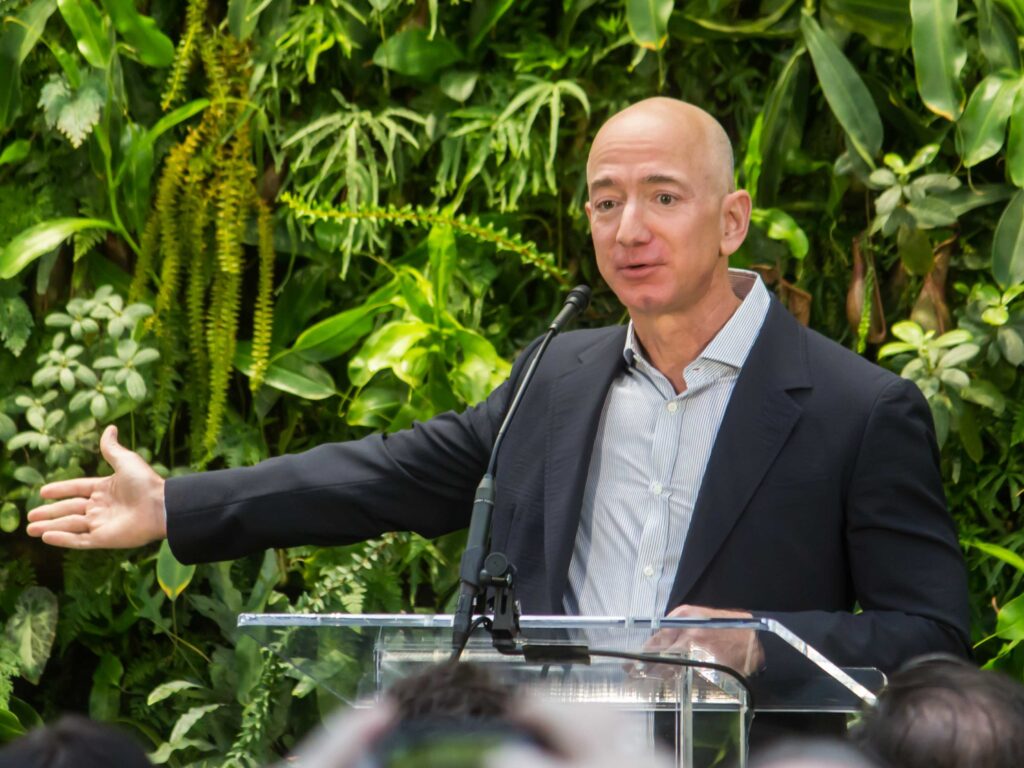
2. **Amazon’s Diversification and Expansion**Amazon’s evolution from an online bookstore to a global e-commerce and cloud computing behemoth showcases Bezos’s relentless drive for diversification. By 1998, he expanded beyond books into music, video, and consumer goods, fueled by $54 million from the 1997 equity offering for aggressive acquisitions. This period, however, included failures like pets.com and kozmo.com during the 2000 dot-com bubble collapse, leading to significant debt and dwindling cash reserves.
Despite challenges, Bezos pushed forward, launching Amazon Web Services (AWS) in 2002, which unexpectedly became the world’s largest provider of cloud infrastructure services. Following near-bankruptcy, layoffs, and stagnant revenues, Amazon rebounded in 2003 with a $35 million profit. Further innovation arrived with the Amazon Kindle in 2007, reflecting his desire to create a “flow state” in reading, cementing Amazon’s role as a technological and retail innovator that secured a $600 million CIA contract for AWS by 2013 and became the world’s largest online shopping retailer.
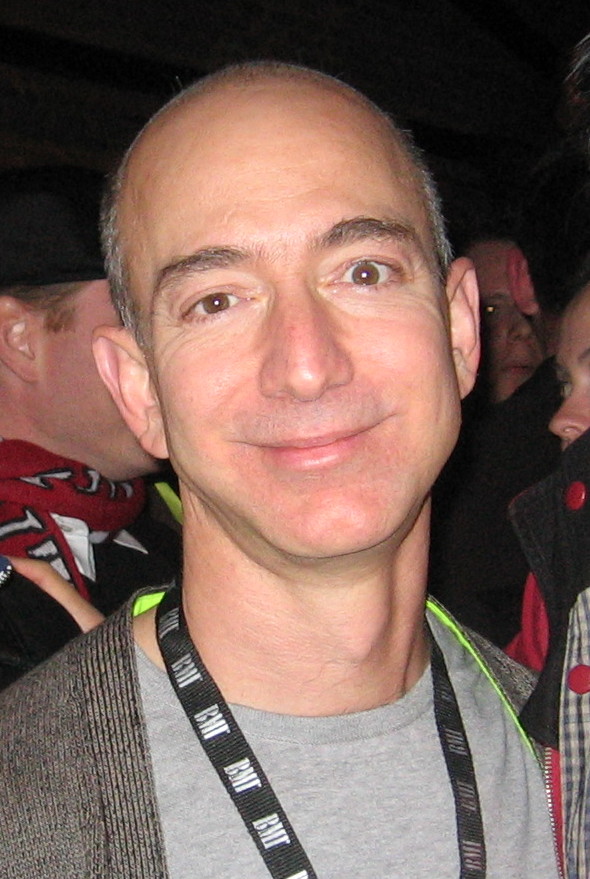
3. **Amazon’s Financial Trajectory and Market Dominance**Jeff Bezos’s journey to unprecedented wealth is closely tied to Amazon’s meteoric financial ascent and market dominance. Beginning in 2016, Bezos strategically sold millions of Amazon shares, raising hundreds of millions, while Amazon itself ramped up hiring by 130,000 employees. By January 2018, his Amazon stock holdings appreciated to over $109 billion, reflecting the company’s staggering market capitalization and his personal fortune.
The company reported its highest-ever quarterly profit of $2 billion in early 2018, while Bezos simultaneously eyed global expansion, particularly in India, dispatching a senior vice president with $5.5 billion. This propelled him to become the world’s wealthiest person in 2018 with a net worth of $112 billion, having first surpassed $100 billion in late 2017.
In February 2021, Bezos transitioned from CEO to Executive Chairman, explaining his need for “time and energy” to focus on the Day 1 Fund, the Bezos Earth Fund, Blue Origin, The Washington Post, and other passions. His long-term vision continues, highlighted by recent stock sales and his stated dedication of 95% of his time to artificial intelligence initiatives at Amazon, a clear indicator of the next frontier for his “billion-dollar clock.”
Read more about: Federal Trial to Scrutinize Amazon Prime Practices: A Deep Dive into Allegations of Deceptive Enrollment and Difficult Cancellations
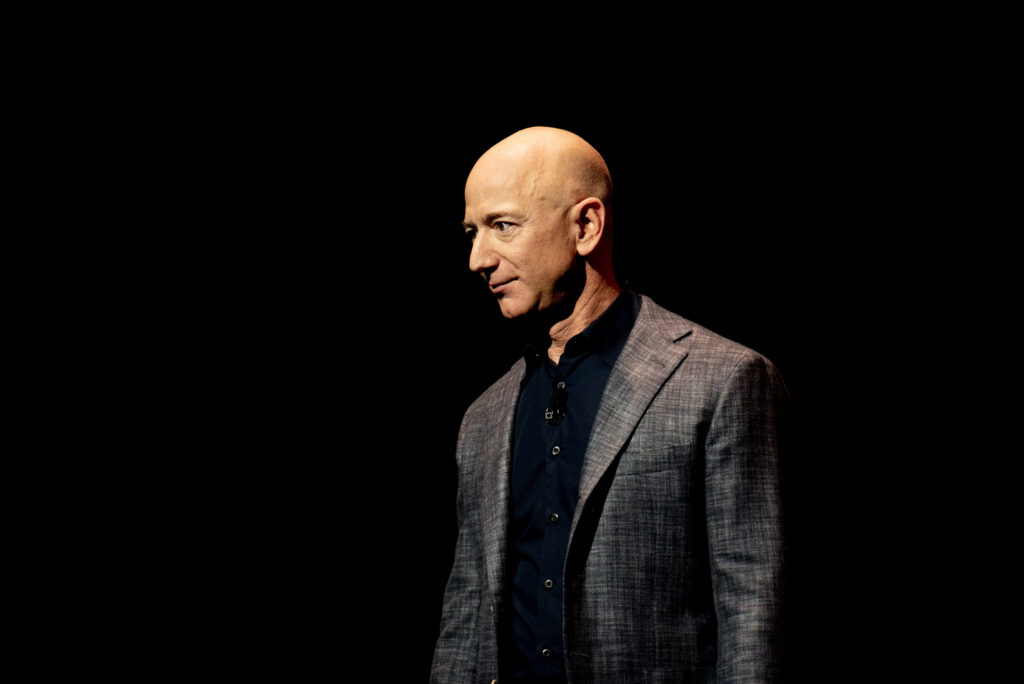
4. **Blue Origin’s Genesis and Mission**Beyond e-commerce, Jeff Bezos’s ambitions have consistently extended to space, culminating in the founding of Blue Origin in September 2000. This human spaceflight startup was the realization of a lifelong dream, articulated as early as his 1982 high school valedictorian speech, where he envisioned orbital hotels and colonies to preserve Earth from overuse. Blue Origin operated discreetly for years, gaining public attention only in 2006 with the purchase of a large tract of land in West Texas for a launch and test facility.
Bezos later clarified Blue Origin’s core objectives: to drastically reduce the cost of space travel while simultaneously enhancing safety for extraterrestrial journeys. The path was challenging, evidenced by an uncrewed prototype crash in 2011, which, despite being a setback, underscored the company’s significant progress. Bezos adopted a superstitious habit of wearing “lucky” Texas Cowboy boots to all rocket launches thereafter, symbolizing his tenacious commitment. His space endeavors positioned him alongside other billionaire pioneers like Richard Branson and Elon Musk, all prioritizing spaceflight among their diverse business interests.
5. **Blue Origin’s Spaceflight Milestones and Future**Blue Origin’s journey into space has been marked by ambitious development and significant milestones, continually pushing the boundaries of what’s possible in commercial spaceflight. In 2015, the New Shepard space vehicle successfully rocketed into space and achieved a vertical landing back at its West Texas launch site, demonstrating critical reusability. Bezos’s vision extends to increased inter-space energy and industrial manufacturing to decrease Earth-bound pollution, a strategy aimed at preserving our planet by moving heavy industry off-world.
Further progress on human spaceflight included successful tests with dummy passengers in 2017, advancing the timeline for human travel. Bezos began funding this multi-planetary species goal by selling approximately $1 billion in Amazon stock annually since 2016, firmly stating Blue Origin’s primary aim is to preserve Earth by making humanity multi-planetary.
With commercial spaceflight tickets priced between $200,000 and $300,000 per person, the dream of space travel became a tangible reality. The ultimate validation came on July 20, 2021, when Bezos himself, alongside his half-brother and others, launched on the NS-16 mission, reaching a peak altitude of 66.5 miles (107.0 km) in a journey lasting over 10 minutes, exemplifying Blue Origin’s profound impact.
Read more about: Why Jeff Bezos’ Latest Superyacht Is Causing International Outrage
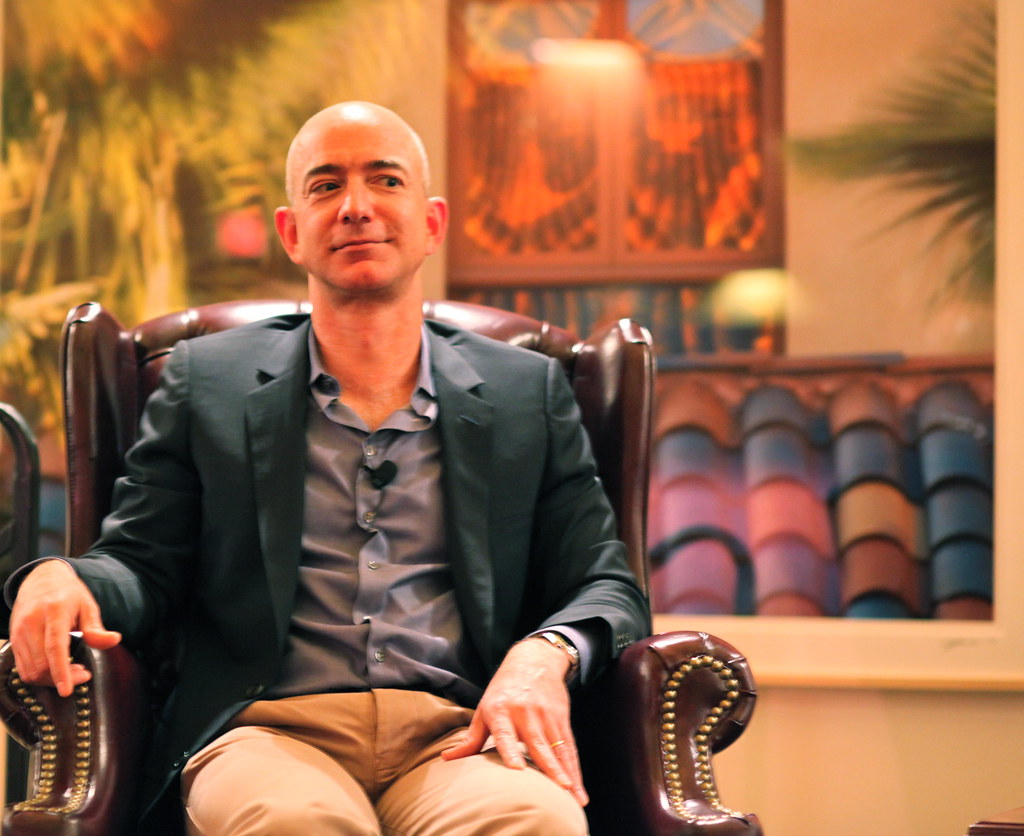
6. **The Washington Post Acquisition and Transformation**In a move highlighting his diverse interests, Jeff Bezos acquired The Washington Post on August 5, 2013, for $250 million in cash, at the suggestion of his friend, Don Graham. He established Nash Holdings as the vehicle for this purchase, formally taking control on October 1, 2013. This acquisition signaled his foray into traditional media, intending to bring his tech-centric approach to a legacy institution.
Bezos quickly implemented changes, notably lifting the online paywall for subscribers of various U.S. local newspapers in March 2014, aiming to broaden digital readership. By January 2016, he embarked on an ambitious plan to reinvent the Post as a media and technology company, reconstructing its digital platforms, mobile applications, and analytics software. This technological infusion proved successful, with the paper achieving profitability in 2016 for the first time since his acquisition, fueled by a surge in online readership.
However, Bezos’s ownership has drawn scrutiny. Criticisms have emerged regarding his treatment of employees and concerns about his potential influence on the paper’s editorial content, with specific allegations of interference in 2024-25. These discussions underscore the complex challenges of merging a powerful tech magnate’s vision with the independent mission of a major journalistic enterprise.
Read more about: Why Jeff Bezos’ Latest Superyacht Is Causing International Outrage
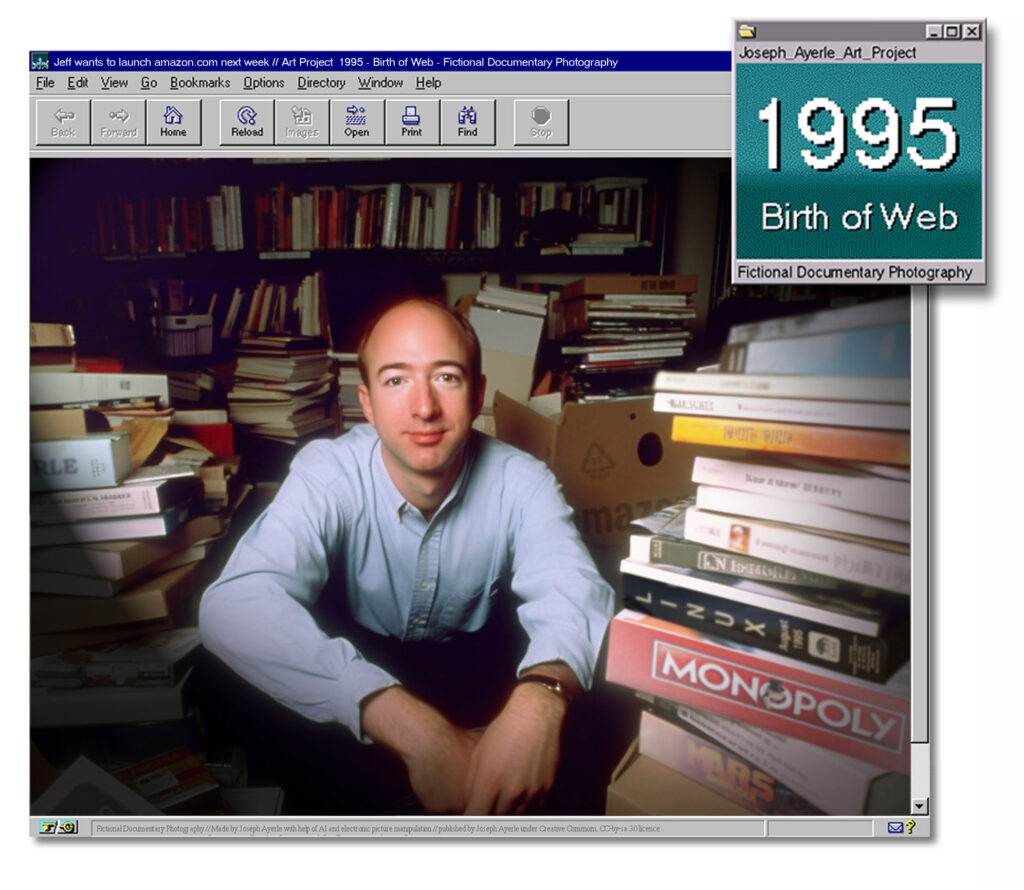
7. **Bezos’s Leadership Philosophy and Principles (“Day 1” and others)**Central to Jeff Bezos’s entrepreneurial empire is his “Day 1” management philosophy, emphasizing a relentless growth mindset and perpetual innovation to avoid “stasis” and subsequent decline. This principle underpins his organizations’ agility and customer focus. Prior to Amazon, his “regret-minimization framework” guided his bold decision to leave Wall Street for the internet, a move he believed he would never regret. In Amazon’s early days, he quantified company aspects, based decisions on data, and adopted the “Get Big Fast” mantra, prioritizing scaling and reinvesting profits over dividends.
Bezos advocates for “work–life harmony” over “balance,” seeing the two as interconnected and mutually enhancing. He embraces “The Bezos Principle,” stating that those intolerant of criticism should avoid doing anything new, reflecting his open approach to feedback and calculated risks. Operationally, he avoids early morning meetings and enforces a “two-pizza rule” for efficient discussions, optimizing for focused decision-making.
His meticulous approach extends to hiring, where he considers admiration, capacity to raise standards, and potential for exemplary performance. For high-level employees, he requires six-page narratives instead of slides, fostering deeper thought. His annual shareholder letters consistently reiterate five core principles: customer focus, risk-taking, staff morale, company culture, and empowerment. His jeff@amazon.com email acts as a direct customer feedback loop, symbolizing his unwavering customer-centricity and commitment to continuous improvement across his ventures.
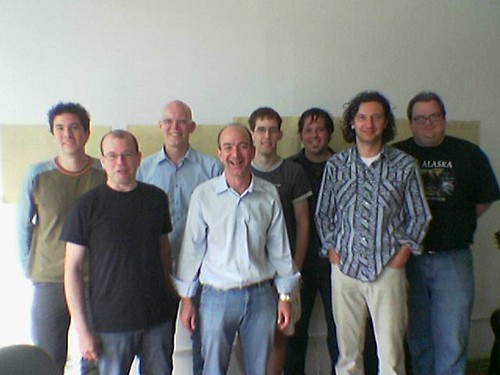
8. **Bezos Expeditions and Strategic Investments**Beyond the directly controlled empires of Amazon and Blue Origin, Jeff Bezos operates a potent venture capital arm, Bezos Expeditions, showcasing how his wealth is strategically deployed across diverse sectors. This vehicle reveals another facet of his “billion-dollar clock,” backing pioneering companies and groundbreaking research. A notable early success was his quarter-million-dollar investment in Google in 1998. This investment blossomed into 3.3 million shares, valued at an astonishing $3.1 billion by 2017 – a testament to his prescient vision in the burgeoning tech landscape.
His interests are not solely confined to digital innovation; Bezos Expeditions has also made significant inroads into the life sciences. He invested in Unity Biotechnology, a firm dedicated to slowing or halting the aging process, aligning with a broader trend among tech billionaires to tackle human longevity. The healthcare sector has seen further capital injections through his support for companies like GRAIL, Juno Therapeutics, and Zocdoc, underscoring a strategic engagement with a sector ripe for technological disruption.
In a significant collaboration, an announcement in January 2018 revealed Bezos’s involvement in a new, unnamed healthcare company, later identified as Haven. This ambitious partnership with JPMorgan and Berkshire Hathaway aimed to redefine healthcare services. While Haven eventually dissolved, its ambition clearly showcased Bezos’s willingness to deploy substantial resources for large-scale, impactful initiatives beyond traditional venture capital.
Bezos Expeditions also serves as a conduit for his philanthropic endeavors and non-profit projects. In 2013, the firm funded a remarkable recovery mission, retrieving two Rocketdyne F-1 engines from the Saturn V first-stage from the Atlantic Ocean. These engines, from the Apollo 11 mission, now stand as powerful symbols of human ingenuity, displayed at the Seattle Museum of Flight. This project, alongside investments in institutions like the Seattle Museum of History and Industry and the Bezos Center for Neural Circuit Dynamics at Princeton Neuroscience Institute, illustrates a calculated allocation of resources towards both future-oriented innovation and the celebration of past achievements.
Read more about: Why Jeff Bezos’ Latest Superyacht Is Causing International Outrage
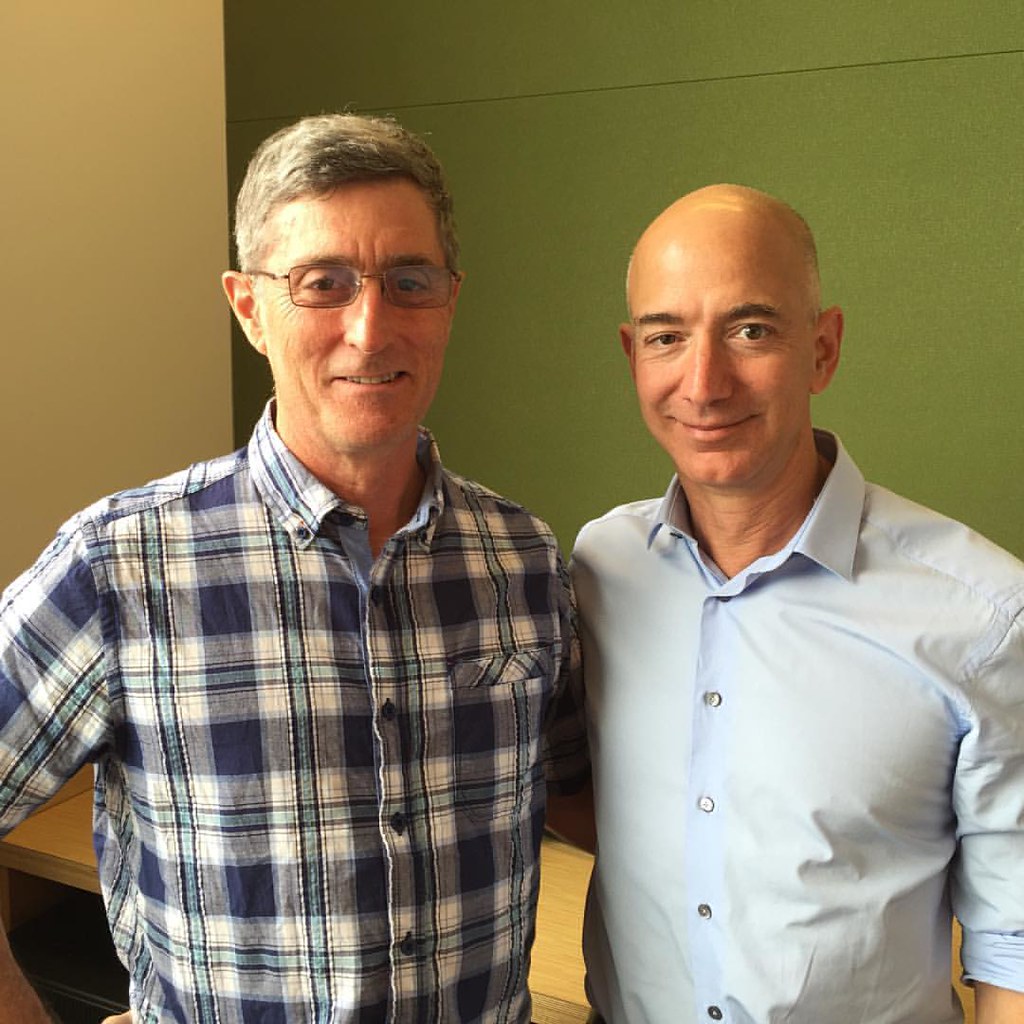
9. **Altos Labs and the Pursuit of Longevity**In a bold move further cementing his focus on humanity’s long-term future, Jeff Bezos co-founded Altos Labs in September 2021 with Mail.ru founder Yuri Milner. This biotechnology company represents a concentrated, well-funded effort to harness cellular reprogramming in pursuit of longevity therapeutics. It’s an ambitious venture aiming to unlock fundamental biological secrets to extend healthy human lifespan, showcasing a direct, high-stakes engagement with the ultimate “long-term” project.
The launch of Altos Labs out of stealth mode in January 2022 was met with considerable anticipation, fueled by an initial capital injection of a staggering $3 billion. This immense funding allowed the company to attract some of the brightest minds in the field. Notably, it recruited prominent scientists such as Juan Carlos Izpisúa Belmonte, renowned for his work on rejuvenation through reprogramming.
Further bolstering its scientific credentials, Altos Labs recruited Steve Horvath, an expert known for his groundbreaking work in epigenetic aging clocks, and Shinya Yamanaka, the Nobel Prize-winning inventor of cellular reprogramming in mammalian cells. This constellation of talent underscores a calculated strategy to accelerate discoveries in cellular rejuvenation. Bezos’s involvement here highlights a deep engagement with cutting-edge science, portraying another critical gear in his metaphorical “billion-dollar clock” that aims to build a future defined by radical health advancements.
Read more about: Why Jeff Bezos’ Latest Superyacht Is Causing International Outrage

10. **The Evolution of Bezos’s Public Image**Jeff Bezos’s public persona has undergone a fascinating and significant transformation, evolving from an enigmatic tech pioneer to a figure of both immense admiration and intense scrutiny. In the 1990s, he was often depicted by journalists like Nellie Bowles of The New York Times as a “brilliant but mysterious and coldblooded corporate titan,” tirelessly driving Amazon forward with little apparent concern for public charity. This early image emphasized his relentless focus on business growth.
During the early 2000s, Bezos cultivated a reputation for prudence and parsimony, famously driving a 1996 Honda Accord even as a billionaire. He was often perceived as “geeky” or “nerdy,” a data-driven visionary who quantified every aspect of his company. Journalist Brad Stone’s book further cemented his image as a demanding and hyper-competitive boss, willing to “bet the biggest on the Internet” and operate with little concern for externalities.
However, the early 2010s marked a distinct shift. Bezos began to shed his reserved image, embracing tailored clothing, a regimented diet, and weight training. This physical transformation became a public spectacle, drawing comparisons to Amazon’s own evolution. He was increasingly portrayed in popular culture, notably by Kyle Mooney and Steve Carell on Saturday Night Live, often as an “undercutting, domineering figure” or even an “enterprising supervillain,” reflecting a growing public perception of him as a symbolically dominant figure.
This evolving public image also brought increased criticism. In May 2014, the International Trade Union Confederation controversially named Bezos the “World’s Worst Boss,” citing “the inhumanity of employers who are promoting the North American corporate model.” By 2019, Harvard Business Review, which had previously ranked him as the best-performing CEO for four consecutive years, excluded him from its top 100 list. This omission was attributed to Amazon’s “relatively low ESG (environment, social, and governance) scores,” highlighting growing concerns about working conditions, data security, and antitrust issues. His relative lack of philanthropy compared to other billionaires also drew negative public attention from 2016 onwards.
Read more about: Why Jeff Bezos’ Latest Superyacht Is Causing International Outrage
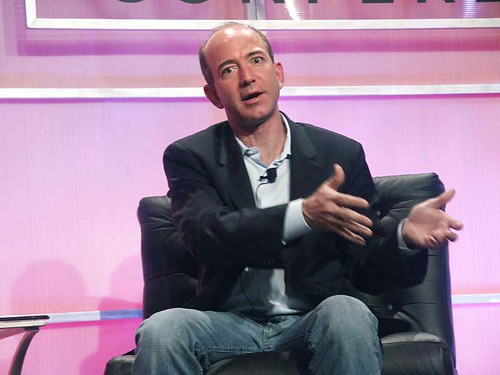
11. **Bezos’s Accumulation of Wealth**The trajectory of Jeff Bezos’s wealth is a modern-day epic, charting an almost unimaginable ascent from a tech entrepreneur to the world’s richest individual. His financial journey began in earnest when Amazon’s initial public offering in 1997 made him a millionaire, raising $54 million. By 1999, he debuted on the Forbes World’s Billionaires list with an estimated net worth of $10.1 billion, placing him 19th globally, a remarkable achievement for a company barely five years old.
Despite significant fluctuations, including drops to $2.0 billion in 2001 and $1.5 billion in 2002 amidst the dot-com bubble burst, Bezos’s net worth consistently rebounded and soared. By 2007, it had quadrupled to $8.7 billion. The 2010s marked an accelerated surge, with his wealth rising by 85.2% in 2010, positioning him at 43rd on the global rich list. The sheer scale of his fortune became starkly evident in July 2017 when he briefly surpassed Bill Gates as the wealthiest person.
A monumental milestone was reached on November 24, 2017, when his net worth first exceeded $100 billion, driven by Amazon’s surging share price. By March 6, 2018, Forbes formally designated him the world’s wealthiest person with $112 billion, recognizing him as the first recorded “centi-billionaire” (unadjusted for inflation). This rapid accumulation sparked analyses of his hourly earnings; on October 10, 2017, he made an estimated $6.24 billion in just five minutes, an amount comparable to the annual GDP of Kyrgyzstan.
By July 2018, his net worth reached $150 billion, leading to his designation as the “wealthiest person in modern history” by multiple financial outlets. This immense fortune was equivalent to purchasing the entire stock markets of countries like Nigeria, Hungary, Egypt, Luxembourg, and Iran, underscoring the unprecedented scale of his personal capital. This rapid accumulation, however, also fueled public demonstrations and labor strikes by Amazon workers in Poland, Germany, and Spain, drawing attention to the disparity between his wealth and their working conditions and compensation.
The landscape of his wealth saw a significant shift in 2019 following his divorce from MacKenzie Bezos. She ultimately received 25% of Bezos’s Amazon shares, valued at approximately $36 billion at the time, making her the third-richest woman globally. Importantly, Bezos retained his interests in The Washington Post and Blue Origin, along with voting control of the shares received by his ex-wife, indicating a strategic preservation of his foundational power. His vast wealth also translated into a portfolio of luxury real estate, including an $80 million purchase of three adjoining Manhattan apartments in 2019, adding to previous acquisitions in the city.
Read more about: Why Jeff Bezos’ Latest Superyacht Is Causing International Outrage
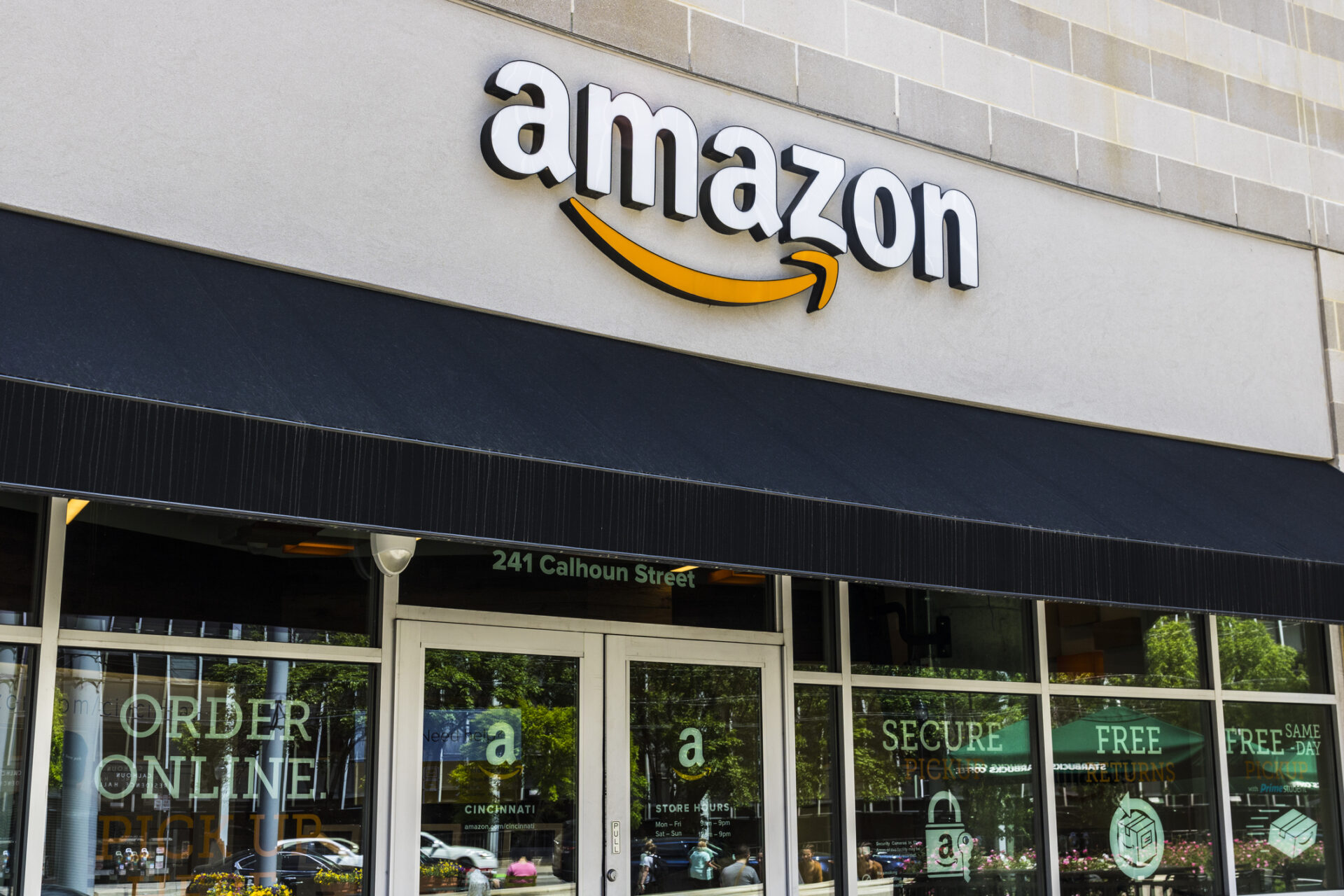
12. **Amazon’s Societal Impact and Controversies**While Amazon stands as a monumental testament to Jeff Bezos’s business acumen, its societal impact extends far beyond technological innovation and economic growth, drawing significant scrutiny and sparking important conversations about corporate responsibility. The company’s aggressive business practices, while driving market dominance, have frequently landed it in the crosshairs of criticism, particularly concerning labor conditions and competition.
Concerns about Amazon’s treatment of employees gained widespread attention, notably highlighted by findings from the non-profit group New Food Economy. Their research revealed that a significant portion of Amazon’s workforce in certain U.S. states, including one-third in Arizona and one-tenth in Pennsylvania and Ohio, relied on food stamps. This stark reality prompted strong reactions from public figures, including Senator Bernie Sanders, who in September 2018 introduced the “Stop Bad Employers by Zeroing Out Subsidies (Stop BEZOS) Act.”
Sanders directly challenged Bezos, asking: “Instead of attempting to explore Mars or go to the moon, how about Jeff Bezos pays his workers a living wage?” He posited that a company-wide commitment to a living wage by Amazon could profoundly influence corporate practices across America. In response, Amazon highlighted the 130,000 jobs created in 2017 and argued that the median salary figure was misleading due to the inclusion of part-time workers. However, Sanders maintained that companies increasingly rely on part-time roles to circumvent benefit obligations.
In a pivotal moment, Bezos announced a company-wide wage increase on October 2, 2018, raising the minimum wage for American workers to $15 per hour. This decision was widely interpreted as a significant victory for the “Fight for $15” movement. Despite this, criticisms persisted, reflected in Amazon’s “relatively low ESG (environment, social, and governance) scores,” which Harvard Business Review cited for Bezos’s removal from their top CEO list in 2019. These scores specifically reflected ongoing risks related to working conditions, employment policies, data security, and antitrust issues.
Read more about: Why Jeff Bezos’ Latest Superyacht Is Causing International Outrage
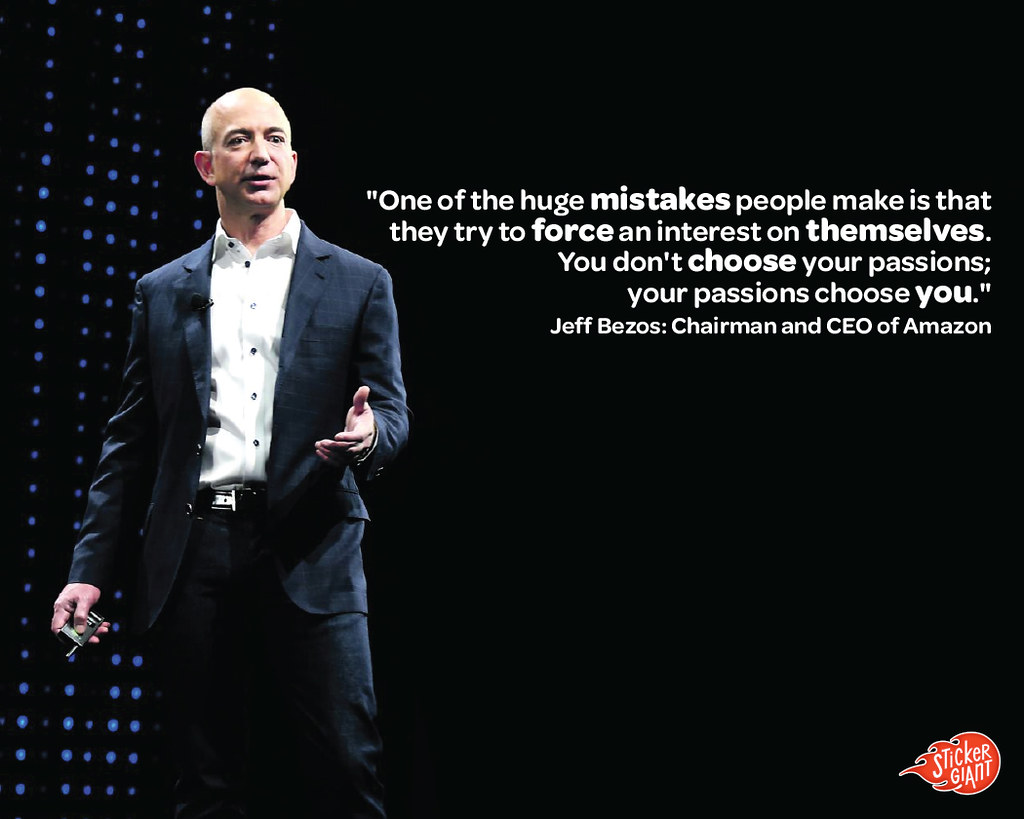
13. **The Enduring Legacy of Jeff Bezos**As we gaze upon the intricate machinery of the “Bezos clock,” it becomes clear that Jeff Bezos’s legacy is far more expansive and nuanced than the sum of his individual ventures. It is a testament to an audacious vision, relentless execution, and an almost singular focus on long-term impact that has fundamentally reshaped multiple industries. From revolutionizing retail with Amazon to charting a new course for space exploration with Blue Origin and daring to tackle aging with Altos Labs, his influence is imprinted on the fabric of modern commerce, technology, and aspirational science.
His “Day 1” philosophy — a perpetual commitment to innovation and growth, staving off “stasis” — serves as a guiding principle for his diverse organizations. This mindset, coupled with his “regret-minimization framework,” enabled him to take bold, calculated risks that others often shy away from. He didn’t just build companies; he built ecosystems designed for continuous evolution, challenging existing paradigms and consistently pushing the boundaries of what’s considered possible for private capital and entrepreneurial drive.
Ultimately, the “billion-dollar clock” isn’t merely a collection of high-value enterprises; it’s a statement about shaping the future on multiple fronts. His dedication to preserving Earth by making humanity multi-planetary, his investment in life-extending science, and his ongoing engagement with artificial intelligence at Amazon all point to a singular, overarching ambition: to leave an indelible mark on humanity’s trajectory. Whether through boundless innovation, strategic philanthropy, or a relentless pursuit of the next frontier, Jeff Bezos continues to define and redefine the landscape of modern ambition, ensuring his metaphorical clock will tick for generations to come.
Read more about: The Unspoken Truth: Dolly Parton, Kenny Rogers, and the Profound Love Story That Wasn’t Romantic
In dissecting the myriad components of what we’ve termed the “Bezos clock,” we uncover a coherent, albeit complex, vision of a future shaped by relentless innovation, strategic capital, and an unwavering belief in humanity’s potential beyond current constraints. Jeff Bezos isn’t just accumulating wealth; he is deploying it as a strategic tool to build a world that aligns with his long-term ideals, proving that sometimes, the most profound impacts are those set in motion by a quiet, persistent tick.