The word ‘scathing’ itself cuts deep, doesn’t it? Merriam-Webster defines it as ‘bitterly severe,’ implying an ‘indignant attack delivered with fierce severity.’ It’s not just a critique; it’s a condemnation that leaves an undeniable mark, often laced with a sharp edge or a touch of sarcasm. When we talk about scathing commentary, we’re discussing words that are meant to sting, to incise, and to expose truths that others might prefer remain hidden.
In the ever-evolving landscape of the music industry, such piercing critiques are rare, but when they emerge, they carry an immense weight. This week, the industry found itself squarely in the crosshairs of not one, but two such ‘scathing’ open letters, each signed by hundreds of prominent artists and industry figures. These weren’t mere complaints; they were full-throated, deeply researched indictments of systemic issues that have been simmering beneath the surface for far too long, finally boiling over into public view. They represent a collective roar from creators who feel exploited, undervalued, and, in some cases, actively undermined by the very systems designed to propagate their art.
Today, we’re diving deep into the first of these seismic declarations – a powerful missive that tears back the curtain on the perceived corporate profiteering that artists argue is stifling creativity and jeopardizing the very historical fabric of music itself. It’s a narrative not just of financial imbalance, but of a fundamental philosophical clash over who truly benefits from music, and who is responsible for its enduring legacy. This letter lays bare the stark realities faced by musicians in an era of unprecedented industry revenue, demanding nothing less than immediate and transformative action from the major players.

1. **The Unsettling Truth: “The music industry is not struggling anymore – only musicians are”**The opening salvo of this extraordinary open letter immediately seizes attention with its stark, provocative declaration: “The music industry is not struggling anymore – only musicians are.” This isn’t just a catchy phrase; it’s a foundational statement that frames the entire critique, challenging the prevailing narrative of industry health and redirecting the focus squarely onto the plight of the artists at its core. It’s a powerful, almost heartbreaking, indictment, especially coming from a letter signed by over 600 musicians, a veritable chorus of voices including prominent figures like Tegan And Sara, Amanda Palmer, and Cadence Weapon.
This collective voice brings an undeniable authority to the statement, transforming it from a mere observation into a rallying cry. It dismantles the illusion of shared prosperity, highlighting a fundamental disconnect between the industry’s burgeoning fortunes and the dwindling livelihoods of those who create the content that drives it. The sheer number of signatories underscores the widespread nature of this disillusionment, indicating that this isn’t an isolated complaint, but a systemic issue touching a vast swathe of the creative community.
The letter meticulously backs up this claim with compelling statistics that paint a grim picture. While projections suggest that “music industry revenues will exceed $100 billion” by 2031, it simultaneously reveals that “a disproportionate cut of those billions are made by private equity exploiting the back catalogues of legacy musicians, many of whom are no longer living.” This stark contrast highlights a critical point of contention: the wealth generated by music is increasingly concentrated, flowing away from the working artists who are actively contributing to the cultural landscape, and instead pooling in the hands of corporate entities and investment funds. The devastating reality for “working artists” is that they receive “as little as 12% of music industry revenue,” a figure that puts the industry’s purported success into sobering perspective. This chasm between corporate profit and artist compensation forms the bitter core of the letter’s scathing critique.
2. **The Battle for History: The “Unjust Lawsuit” Against the Internet Archive’s Great 78 Project**
At the very heart of this open letter lies a fierce opposition to what the signatories describe as an “unjust lawsuit” filed by three industry giants – Universal Music, Sony Music, and Concord – against the Internet Archive’s invaluable Great 78 Project. This legal battle, often framed as a copyright infringement case, is presented by the artists as a profound threat to music history and cultural preservation. It represents a clash of titans: corporate ownership against public access and archival responsibility, raising critical questions about who truly controls the narrative and legacy of our artistic heritage.
The Great 78 Project is, in essence, a monumental undertaking dedicated to digitizing and making accessible over 400,000 recordings originally released on 78rpm records. These are fragile, often rare, artifacts that represent an irreplaceable sonic snapshot of a bygone era. The Internet Archive, through this project, aims to safeguard these recordings from decay and obscurity, ensuring they remain available for study, enjoyment, and historical context. However, the major labels involved in the lawsuit see this as a direct challenge to their intellectual property rights, alleging “wholesale theft of generations of music” and making the Internet Archive liable for “blatant” and “immense” copyright infringement.
The musicians, however, vehemently disagree with this characterization. Their letter passionately asserts, “We don’t believe that the Internet Archive should be destroyed in our name,” directly challenging the labels’ perceived moral authority in this dispute. They further argue that “artists and labels alike should partner with valuable cultural stewards like the Internet Archive – not sue them.” This stance reframes the Internet Archive not as a foe, but as a crucial ally in the collective mission of preserving music. It’s a powerful call to collaboration over litigation, urging the industry to embrace non-profit music preservation to ensure that “our music and our stories aren’t lost to history.” This item perfectly encapsulates the letter’s broader theme of defending artistic legacy against perceived corporate short-sightedness and aggressive legal tactics.

3. **The Industry’s Moral Imperative: Preservation Neglected and History Erased**The open letter doesn’t just critique the lawsuit against the Internet Archive; it elevates the discussion to a fundamental moral imperative. The signatories argue forcefully that “the music industry has a moral imperative to keep its history archived,” a responsibility they contend the industry itself has demonstrably failed to uphold. This is a damning indictment, suggesting that the very entities claiming ownership of vast musical catalogues are simultaneously neglecting their duty to preserve them for future generations. It’s a stark accusation that resonates deeply with anyone who values cultural heritage.
To underscore this failure, the letter draws on historical examples that expose the vulnerability of physical archives within the industry’s care. It chillingly refers to instances where the masters of “big money-making recordings are going up in flames,” an undeniable reference to the devastating 2008 fire at a Universal Music warehouse in Los Angeles. This catastrophic event, which resulted in legal action in 2019, destroyed countless original master recordings, many of which were irreplaceable. The letter leverages this tragedy as potent evidence that the industry simply “can’t be trusted” to meet the task of preservation, highlighting the fragility of relying solely on corporate custodianship.
Moreover, the letter emphasizes that the neglect isn’t limited to high-value masters. It points out that old records “are falling to pieces” and without proper digital preservation, they’ll be “gone for good.” This detail highlights the pervasive threat of physical deterioration and the urgent need for digital solutions. The crisis extends beyond the most famous artists, as “lesser-known musicians are even more vulnerable to erasure,” their contributions equally vital to the comprehensive tapestry of music history. The letter champions the Internet Archive’s role in this context, citing how its Wayback Machine crucially saved nearly half a million articles from the MTV News archives when the broadcaster abruptly shut down its website, showcasing IA’s proven track record as a responsible and effective cultural steward. This poignant argument asserts that the industry should be embracing, rather than litigating against, such invaluable archival efforts.
4. **The Spotify Enigma: When Numbers Don’t Add Up for Artists**The scorching spotlight of the open letter extends far beyond archival disputes, pivoting sharply to scrutinize the contemporary economic models dominating the industry, particularly the Spotify business model and the major labels’ deep alliance with streaming services. This segment of the critique is particularly resonant for active musicians, as it directly addresses their daily struggle to make ends meet in the digital era. The letter states unequivocally that, when it comes to streaming, “artists have clearly voiced concern that the numbers aren’t adding up in our favour,” a sentiment echoed by countless creators navigating the opaque and often frustrating world of digital royalties.
This isn’t a mere grumble; it’s a profound challenge to the narrative that streaming has democratized music and created new revenue streams for everyone. Instead, the artists argue that the current structure, heavily influenced by the major labels’ relationships with platforms like Spotify, funnels the lion’s share of profits away from the creators. The ‘numbers not adding up’ implies a systemic imbalance where the vast consumption of music on these platforms does not translate into fair or sustainable compensation for the artists whose work generates that very consumption. It speaks to a feeling of being exploited by a system that promises reach but delivers inadequate remuneration.
For many working musicians, this situation is not just unfair; it’s unsustainable. The letter implicitly critiques a model where artists feel forced to be on these platforms for visibility, yet find themselves trapped in a cycle of diminishing returns. The collaboration between major labels and streaming services, while financially beneficial for the corporate entities involved, is portrayed as detrimental to the individual artist. This section of the letter serves as a powerful call for transparency and reform, demanding a reevaluation of how value is distributed within the streaming ecosystem, and insisting that the current model fundamentally fails to support the very talent it purports to champion. It’s a direct challenge to the economic architecture of modern music consumption, demanding a system where artists are truly compensated for their indispensable contributions.

5. **A Radical Proposal: Congress Members Advocate for a Streaming Levy**In a bold move to address the stark imbalances within the streaming economy, the open letter prominently cites a significant legislative proposal put forth by US Congress members Rashida Tlaib and Jamaal Bowman earlier this year. This isn’t just a hopeful suggestion; it’s a concrete policy idea that aims to fundamentally reconfigure how streaming revenue is distributed, placing artists’ livelihoods at its absolute core. The proposal represents a direct governmental response to the widespread artist discontent, signaling that these issues are gaining traction beyond just industry discussions and into the realm of public policy and legislative action.
At its essence, the proposal would introduce a substantial “levy of about 50% to current streaming subscription fees.” This isn’t a minor adjustment; it’s a transformative surcharge designed to redirect a significant portion of the massive revenue generated by streaming services back to the creators. The critical distinction, and the most revolutionary aspect of this idea, is that this money would go “directly to musicians.” This bypasses the traditional labyrinthine royalty structures and the often-criticized splits that see artists receiving only a tiny fraction of the generated income, ensuring a more direct and equitable flow of funds.
This congressional initiative, highlighted by the letter, underscores the severity of the financial challenges faced by artists in the streaming age. It suggests that voluntary reforms from within the industry might not be sufficient, necessitating external intervention to ensure fairness. By advocating for such a substantial levy, Tlaib and Bowman, and by extension the signatories of this open letter, are making a powerful statement: the economic viability of musicians is a public good, and the current system is failing to support it adequately. This proposal, controversial as it may be, stands as a testament to the urgent need for systemic change and creative solutions to protect artists’ economic future, offering a potential blueprint for a more artist-centric streaming landscape.

6. **Conquering the Live Landscape: Exposing Monopolies and Demanding Transparency**The open letter’s scathing critique doesn’t stop at digital platforms and archives; it fiercely tackles the live music sector, an area traditionally seen as a vital income stream for artists. The letter explicitly calls out the inequities, declaring, “We’re shut out of sharing in today’s historic highs in live concert revenue.” This statement directly challenges the narrative of a booming live entertainment industry, exposing how the profits are disproportionately retained by a few dominant players rather than flowing down to the performers themselves. It’s a stark reminder that even as concert tickets fetch record prices, the artists often see only a fraction of that bounty.
The target of this particular grievance is clear: the letter blames “monopolies double-dipping into both ticketing and venue income,” an undeniable and pointed reference to Live Nation and its Ticketmaster division. This accusation highlights a structural problem where a single entity controls multiple facets of the live experience—from promoting shows to owning venues and managing ticket sales—allowing it to maximize its own profits at every stage, often to the detriment of artists and fans alike. This ‘double-dipping’ stifles competition, inflates costs, and ultimately reduces the artists’ share, creating a bottleneck for revenue that should naturally flow to the creators.
Expanding on specific issues within the live sector, the letter references ongoing campaigns in the UK and North America that are calling on venues to allow artists to keep 100% of merchandise revenues generated at shows. This seemingly simple demand tackles another area where artists often feel exploited, with venues typically taking a significant cut of merch sales—money that for many acts is crucial for touring sustainability. Furthermore, the letter demands “transparent ticketing practices that prioritise income for artists and clarity for fans, so that live music work can actually make artists a living.” This call for transparency isn’t just about financial fairness; it’s about rebuilding trust and ensuring that the economic realities of live performance genuinely support the artists who make it all possible. It’s a powerful push for accountability and fairness in a sector often criticized for its opaque practices and anti-consumer behavior.
7. **The Collective Roar Against Predatory AI: A United Front**The first letter we unpacked bravely confronted the industry’s past and present financial inequities. Now, we turn our gaze to an equally monumental challenge, one that looms large over the future of music itself: the urgent, collective cry against the “predatory use of AI.” This isn’t just a murmur; it’s a thunderous declaration, signed by over 200 music artists, a dazzling roster that includes titans like Nicki Minaj, Katy Perry, Billie Eilish, Stevie Wonder, J Balvin, and Jon Bon Jovi. Their unified voice, representing nearly all genres, carries an undeniable weight, serving as a stark warning to an industry often too slow to adapt to technological shifts.
This isn’t a Luddite-esque rejection of progress. The letter itself carefully acknowledges AI’s “enormous potential to advance human creativity,” a vital concession that sets a nuanced tone. It recognizes that AI, when wielded responsibly, could unlock new frontiers for artistic expression and create “new and exciting experiences for music fans everywhere.” However, this hopeful vision is immediately tempered by a deep-seated fear that “some platforms and developers are employing AI to sabotage creativity and undermine artists, songwriters, musicians and rightsholders.” This isn’t just about preserving livelihoods; it’s about safeguarding the very soul of human artistry.
The core of their concern is crystal clear: “We must protect against the predatory use of AI to steal professional artists’ voices and likenesses, violate creators’ rights, and destroy the music ecosystem.” This powerful statement lays bare the existential threat artists perceive. The specter of AI-generated content, crafted without permission and designed to mimic human creators, isn’t a distant dystopia; it’s a looming reality that could fundamentally devalue artistic work and drastically dilute the royalty pools meant for human creators. The signatories are not just asking for a pause; they are demanding a paradigm shift in how AI is integrated into the music world.

8. **The Existential Threat of Voice Cloning and Digital Impersonation**Delving deeper into the specific anxieties fueling this open letter, the artists pinpoint a technology that sends shivers down the spine of any creator: voice cloning. The rapid development in this field is breathtaking, yet terrifying. OpenAI, the company behind ChatGPT, has openly revealed its development of an AI tool capable of generating a “realistic clone of someone’s voice from a 15-second audio clip.” Imagine the chilling implications: an artist’s most unique identifier, their voice, could be replicated and deployed without their consent, credit, or compensation.
This technological marvel, while impressive, forms the bedrock of the “predatory use” the artists vehemently oppose. The letter explicitly states that “some of the biggest and most powerful companies are, without permission, using our work to train AI models.” These efforts are not benign; they are “directly aimed at replacing the work of human artists with massive quantities of AI-created ‘sounds’ and ‘images’ that substantially dilute the royalty pools that are paid out to artists.” For a working musician already struggling in the streaming economy, this isn’t just an inconvenience; it’s an “unmitigated disaster,” threatening their very ability to make a living.
The urgency of this concern is palpable. AI systems are already capable of producing instrumental tracks “indistinguishable from human-produced music.” The line between human and machine creativity is blurring at an alarming pace, raising profound questions about authenticity and value. As the letter grimly warns, “unchecked, AI will set in motion a race to the bottom that will degrade the value of our work and prevent us from being fairly compensated for it.” This isn’t merely a commercial dispute; it’s a cultural crisis, threatening to erode the financial foundations of human artistry in favor of algorithmically generated content.
Read more about: From ‘Terminator’ Fears to Copyright Battles: 12 Celebrities Sound Off on the AI Revolution
9. **Copyright’s AI Conundrum: Protecting the ‘Brand’ in a New Era**As AI’s capabilities advance at a breakneck speed, the open letter shrewdly highlights a critical legal void: the inadequacy of existing copyright laws to adequately protect artists in this new landscape. While U.S. federal copyright laws offer protection against “blatant rip-offs” of an artist’s work, the situation becomes “a bit complicated” when AI-generated content “merely mimics an artist’s voice or general sound but doesn’t directly copy their lyrics or music.” This distinction creates a perilous loophole, allowing AI to exploit an artist’s distinctive style without triggering traditional copyright infringement.
Michael Huppe, president and CEO of SoundExchange and a music law professor at Georgetown University, articulates this dilemma with precision: “An artist’s sound is their brand.” This powerful assertion underscores the depth of the issue. A voice, a style, a unique melodic signature – these are not just incidental elements; they are integral to an artist’s identity and commercial viability. If AI can replicate these elements without permission, it effectively “steals their brand for commercial profit,” an act that transcends traditional copyright law and delves into the realm of identity theft in the digital age.
The clear implication is that the laws currently on the books “could use an update” to keep pace with AI technology’s rapid development and “prevent it from being used irresponsibly.” The current legal framework, designed for a pre-AI world, is struggling to grapple with the sophisticated nuances of AI mimicry. This isn’t just about tweaking statutes; it’s about fundamentally rethinking legal protections for creative identity in an era where algorithms can convincingly emulate human artistic output. The industry, policymakers, and legal experts are confronted with the urgent task of constructing new guardrails to safeguard human creativity.
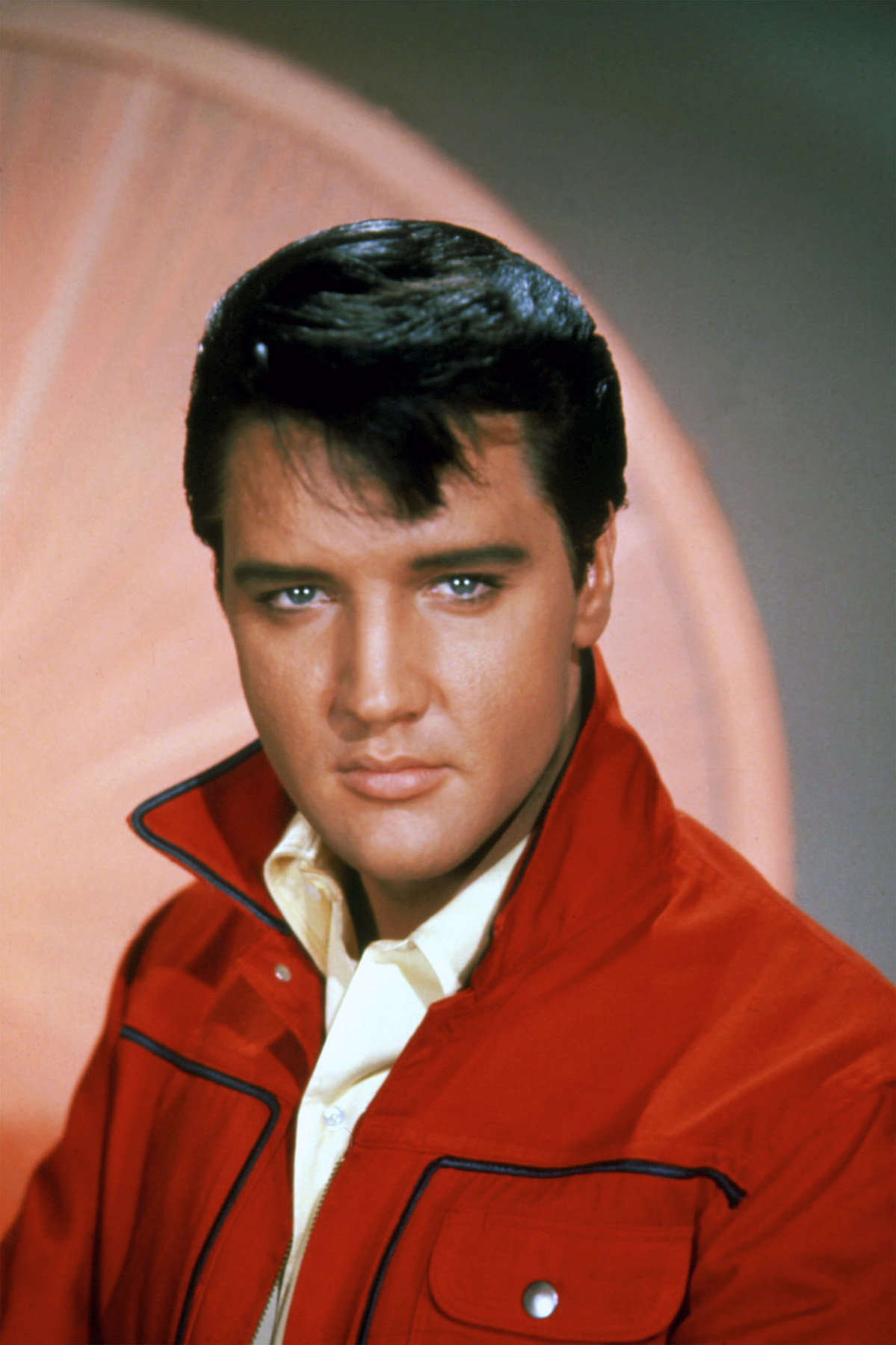
10. **The ELVIS Act: A Legislative Blueprint for Artist Protection**Amidst the chorus of warnings and demands for updated legal frameworks, the open letter proudly points to a beacon of proactive legislative action: Tennessee’s groundbreaking “Ensuring Likeness Voice and Image Security (ELVIS) Act.” In a historic move, the state known as a major music and entertainment hub became the first in the nation to pass legislation specifically designed to protect musicians from AI voice cloning technology. This isn’t just a symbolic gesture; it’s a concrete, pioneering effort to address the vacuum in legal protection identified by artists and experts alike.
Going into effect on July 1, the ELVIS Act expands Tennessee’s existing laws that protect an artist’s name, image, and likeness, crucially extending these protections to include their voice. This legislative foresight directly confronts the “stealing their brand for commercial profit” concern articulated by Michael Huppe. By formally recognizing an artist’s voice as a protected property right, the act establishes a vital legal precedent, empowering creators to seek redress if their unique vocal identity is appropriated by AI without their consent. It’s a powerful statement from a state that understands the lifeblood of its cultural economy.
The significance of the ELVIS Act cannot be overstated. It provides a tangible model for other states and potentially federal lawmakers to follow, offering a practical pathway toward safeguarding human artistry in the age of AI. It demonstrates that meaningful protections are not only possible but necessary. While the broader fight for AI accountability continues on many fronts, Tennessee has taken a decisive step, transforming abstract concerns into actionable law and offering a glimmer of hope that the legal system can indeed adapt to the rapid advancements of artificial intelligence. It’s a blueprint for a future where human voices retain their value and integrity.
11. **AI’s Dual Nature: The Promise of Responsible Collaboration**While the open letter rightly highlights the formidable threats posed by irresponsible AI, it’s crucial to acknowledge the nuanced perspective that AI innovation doesn’t “spell completely bad news for the music industry.” Indeed, as Michael Huppe suggests, there exists “potential for collaboration if AI tech is used responsibly.” This outlook offers a vital counterpoint, emphasizing that the goal isn’t to eradicate AI, but to integrate it ethically and equitably into the creative process. It’s a recognition that technological advancement, when guided by human values, can enrich rather than diminish artistry.
The path to responsible integration, as outlined by experts and implicitly endorsed by the artists, hinges on three non-negotiable pillars: “consent, credit and compensation.” As Huppe plainly states, “As long as you have consent, credit and compensation, many artists and creators would likely happily collaborate with AI.” This framework is not merely a wish list; it’s a practical blueprint for a symbiotic relationship between human ingenuity and artificial intelligence. Artists, it suggests, are open to leveraging AI as a tool for innovation, but only if their foundational rights and contributions are acknowledged and fairly rewarded.
Imagine a future where AI acts as a sophisticated co-pilot, assisting composers with intricate arrangements, generating novel soundscapes, or even performing mundane tasks that free up artists to focus on core creative expression. The potential is immense, but it fundamentally relies on transparent partnerships where artists are empowered participants, not unwitting subjects of algorithmic exploitation. This vision of collaborative AI is a powerful reminder that the current struggle is not against technology itself, but against its “predatory use” – a battle for fairness, respect, and the enduring value of human creativity. There’s a way to make this work, but it demands conscious, ethical choices from all stakeholders.
12. **A Unified Demand: Charting the Course for AI Accountability**The collective roar of over 200 artists, articulated through this scathing open letter, culminates in a clear and unified demand for immediate and decisive action. It is a powerful call to arms, imploring “AI developers, technology companies, platforms and digital music services to pledge that they will not develop or deploy AI music-generation technology, content, or tools that undermine or replace human artistry.” This isn’t just about protecting individual artists; it’s about safeguarding the entire creative ecosystem and ensuring that the future of music remains human-centric.
This plea for a pledge reflects a profound desire for industry self-regulation, born from the understanding that legal frameworks, while crucial, often lag behind technological innovation. It puts the onus squarely on the corporate entities and tech giants who are at the forefront of AI development, urging them to prioritize ethical considerations over unchecked technological advancement. Jen Jacobsen, executive director of the Artist Rights Alliance, the nonprofit group that organized the letter, succinctly captured the urgency: “Working musicians are already struggling to make ends meet in the streaming world, and now they have the added burden of trying to compete with a deluge of AI-generated noise.” This “assault on human creativity must be stopped.”
The Recording Academy CEO, Harvey Mason Jr., echoes this sentiment, stating unequivocally that “The Academy is here to support and advocate and protect and represent human artists, and human creators — period.” This strong institutional stance, alongside legislative efforts like the ELVIS Act and the collective artist voice, paints a picture of a music industry grappling with an existential threat but also coalescing to confront it head-on. The path forward demands transparency, accountability, and a fundamental respect for the artists who are the irreplaceable heart and soul of music. It’s a challenging road, but one the industry must navigate with integrity to preserve its future.