For over two decades, Jennifer Aniston has captivated audiences worldwide, first as the beloved Rachel Green on “Friends” and then as a consistent presence in Hollywood films. Known for her warmth, wit, and relatable charm, she has long been considered America’s sweetheart. Yet, behind the glamorous facade and the adoration of millions, Aniston has waged a fierce, often public, battle to protect her most fundamental right: privacy.
Her journey from a beloved actress to a leading advocate for celebrity privacy rights is a testament to her resolve. Unlike many who might shy away from confrontation, Aniston has repeatedly stepped into the legal arena, challenging intrusive photographers and publications that sought to exploit her private moments for commercial gain. Her unwavering stance has not only garnered significant legal victories but has also sparked crucial conversations about the boundaries between public interest and personal sanctuary.
This in-depth look explores the pivotal moments and legal strategies that define Jennifer Aniston’s fight, illuminating the profound implications of her efforts for both celebrities and the concept of privacy in the digital age. We’ll delve into the specific incidents that ignited her campaigns, the legal principles she invoked, and the lasting impact of her commitment to drawing a definitive line in the sand against relentless intrusion.

1. **The Initial Paparazzi Invasion: Topless Sunbathing Photos and the ‘Stalkerazzi’**Jennifer Aniston’s relentless pursuit of privacy first came to a head following a deeply personal invasion into her private life. The incident involved a “stalkerazzi” photographer who allegedly scaled an eight-foot wall belonging to a neighbor, breaching the sanctity of her backyard. This aggressive act was carried out specifically to capture intimate images of Aniston while she was sunbathing topless, in a space where she had every reasonable expectation of being safe from prying eyes.
These invasive photographs, taken in February 1999, quickly found their way into various publications, turning a private moment into public spectacle. The brazenness of the photographer’s actions underscored a growing problem within the celebrity media landscape, where boundaries were increasingly disregarded in the pursuit of lucrative scoops. For Aniston, this was not merely an inconvenience; it was a profound violation of her personal space and dignity.
The widespread dissemination of these images sparked outrage and solidified Aniston’s resolve to take a stand. She understood that if such egregious acts went unchallenged, they would only embolden others to commit similar intrusions. Her decision to pursue legal action against those responsible marked the beginning of her formidable campaign to reclaim control over her image and private life, setting a precedent for what she believed was rightfully hers.

2. **The Magazine Lawsuit: High Society and Celebrity Skin**Following the unauthorized publication of the sunbathing photos, Jennifer Aniston didn’t hesitate to escalate her fight, targeting the very platforms that profited from her stolen privacy. She filed a significant lawsuit against the publishers of two British magazines, High Society and Celebrity Skin, for disseminating these highly personal images without her consent. The magazines, according to the lawsuit, shamelessly plastered the photos alongside sensational headlines like “Friends Star X-Posed Rachel, Monica and Phoebe Get Naked!” and “Rachel Gets Raunchy!”
Aniston’s lawsuit specifically claimed that these publications had violated her fundamental right to privacy by printing pictures allegedly taken by a photographer who had trespassed onto her private property. The use of her image, particularly associated with her iconic “Friends” character, Rachel, was a clear attempt to capitalize on her fame in a deeply disrespectful manner. This legal action was a direct challenge to the media entities that believed celebrity status negated personal boundaries.
Beyond seeking unspecified monetary damages for the distress caused, Aniston also sought a court order to halt the further distribution of these invasive pictures. This demonstrated her clear objective: not just to penalize past infractions, but to prevent future exploitation. The case, initially set to be heard in July, highlighted her determination to ensure that her private life remained just that – private – regardless of her public persona.

3. **The Legal Cornerstone: Invading the Right to Privacy**At the heart of Jennifer Aniston’s legal battles lies the fundamental principle of the right to privacy. Her lawsuits against both the intrusive photographers and the magazines that published their illicit captures consistently hinged on the claim that her personal sanctuary had been violated. Legal experts, such as New York attorney and legal analyst Julie Hilden, affirmed the strength of Aniston’s position, stating unequivocally that “Jennifer Aniston has not only a claim for invasion of her right of privacy.”
Aniston’s legal teams argued that the photos, particularly those taken of her sunbathing in her backyard, were captured in a place where she had every justifiable reason to expect privacy. Her home and its immediate surroundings represent a personal haven, a place where individuals, regardless of their public profile, should be free from unwanted surveillance. The alleged scaling of an eight-foot wall by a photographer was a clear physical and metaphorical trespass against this expectation.
This legal stance underscored the belief that celebrity status does not grant unlimited access to a person’s private life. While public figures naturally accept a certain degree of scrutiny, the right to privacy establishes a critical boundary. Aniston’s fight became a powerful assertion that even America’s sweetheart deserves the basic human right to personal space, unmolested by telephoto lenses and sensational headlines, reinforcing the legal framework that protects individual liberties.
4. **Beyond Privacy: The Right to Control Her Image (Publicity Rights)**Jennifer Aniston’s legal strategy extended beyond merely claiming an invasion of privacy; it also encompassed another crucial legal concept: the right of publicity. This right, as explained by legal analyst Julie Hilden, is “the right to control her image, and to control the instances in which her image is used to sell a commercial product.” It highlights a celebrity’s exclusive entitlement to profit from, and manage the use of, their own likeness, especially in commercial contexts.
In her lawsuits, Aniston wasn’t just protesting the intrusion; she was also challenging the unauthorized commercial exploitation of her image. When magazines published her topless photos alongside provocative headlines, they were not only invading her privacy but also leveraging her identity – specifically, her association with popular culture as “Rachel on Friends” – to sell their publications. This constituted a direct infringement on her right to decide how and when her image contributes to commercial ventures.
This aspect of her legal battle underscored a critical distinction: paparazzi photos, especially those taken in violation of privacy, are not merely news items but often commodities. By asserting her right of publicity, Aniston aimed to prevent others from financially benefiting from her stolen moments, thereby reclaiming agency over her own identity and its commercial value. It was a powerful statement that her fame did not come with an open invitation for others to unlawfully profit from her likeness.

5. **Challenging the Defense: Magazines’ Argument and Expert Rebuttals**In response to Aniston’s powerful claims, the defense employed by the magazine publishers attempted to undermine her position by challenging her credibility and the extent of her alleged distress. Their argument centered on the idea that the 33-year-old mega-star wasn’t “so innocent,” pointing to her history of posing for “provocative poses on magazine covers and advertisements.” They suggested that these prior public appearances contradicted her claims that the paparazzi pictures caused “shame, hurt, embarrassment and distress.”
However, legal experts were quick to dismiss the likely effectiveness of this defense tactic. Julie Hilden, the legal analyst, articulated this perspective clearly: “Even if they do show that she posed close to fully in the photos that she did, I don’t think it will make a lot of difference in the case.” Hilden acknowledged that such arguments “could undermine her position with the judge, and her credibility, because her complaint says that she hasn’t before,” but ultimately, the core violation remained.
The distinction lies in consent and context. Posing for a professional photoshoot is a controlled, consensual act, entirely different from having intimate moments stolen and broadcast without permission. Aniston’s complaint likely emphasized this difference, making the defense’s attempt to conflate consensual public imagery with non-consensual private exposure largely irrelevant to the legal principles of privacy and publicity rights. Her legal team effectively argued that a public image does not nullify the right to a private life.

6. **The First Major Victory: The $550,000 Settlement with X-17**Jennifer Aniston’s resolve to fight for her privacy yielded a significant early victory, sending a clear signal that she was not a celebrity to be trifled with. Two years after the initial backyard invasion, she secured a substantial $550,000 settlement from the paparazzi agency X-17. This payout was directly linked to her invasion-of-privacy lawsuit concerning the topless photos taken while she was sunbathing in her backyard, initially captured by a photographer working for the agency.
While Francois Navarre, the owner of X-17, explicitly “admitted no wrongdoing” as part of the settlement, the hefty sum served as a de facto acknowledgment of the severity of the intrusion. For Aniston, this wasn’t just about financial compensation; it was a powerful validation of her claims and a tangible consequence for the aggressive tactics employed by paparazzi. The settlement underscored the legal vulnerability of those who overstepped ethical and legal boundaries in pursuit of celebrity images.
The $550,000 settlement was more than just a monetary award; it was a clear message to the entire paparazzi industry and publishing world. It demonstrated that Aniston was serious about protecting her private life and that crossing the line would come with a significant price tag. This victory provided a crucial precedent, empowering other celebrities and strengthening the legal framework for privacy rights against relentless media intrusion.
7. **Drawing a Line: Setting a Precedent for Celebrity Boundaries**Jennifer Aniston’s lawsuits transcended individual grievances; they became a potent symbol of a broader fight for personal boundaries in the public eye. Her unwavering commitment to legal action made it unequivocally clear that being a Hollywood star, even one as beloved as America’s sweetheart, did not equate to surrendering her fundamental right to privacy. She drew a distinct line, asserting that fame did not grant an open invitation for relentless intrusion into her most private moments.
Her legal victories, particularly the substantial settlement, sent a resounding warning to those who profited from invading celebrity lives: intruding on private moments came with a hefty price tag. This stance resonated beyond her own experiences, as other prominent figures like Arnold Schwarzenegger, Brad Pitt, Naomi Campbell, and Halle Berry had also sought legal recourse to protect their privacy, highlighting a collective celebrity stand against invasive media practices.
Aniston’s persistent battles were not merely about protecting herself but about advocating for a universal right to dignity and personal space. By successfully navigating complex legal terrain and achieving tangible results, she established a crucial precedent, influencing the discourse and practice surrounding celebrity privacy. Her legacy in this arena is one of courage and conviction, reminding everyone that even in the brightest spotlight, the right to a private life remains sacrosanct.
8. **The Escalation: Telephoto Lens Intrusion Inside Her Home**Just two years after securing a pivotal settlement for backyard photos, Jennifer Aniston found herself confronting an even more audacious invasion of her personal space. This time, the battle escalated from her private garden to the sanctuary of her own home. A photographer, Peter Brandt, was accused of using a high-powered telephoto lens to capture intimate images of Aniston while she was undressed, within the confines of her residence.
This incident marked a deeply disturbing progression in paparazzi tactics, moving beyond merely scaling fences to actively surveilling a celebrity’s indoor life. The lawsuit filed against Brandt alleged that these photos “could have been taken only by means of trespass” and were explicitly captured in a place where Aniston had every “reasonable expectations of privacy.” It was a brazen violation that shattered the sanctity of her most personal environment.
The very nature of this intrusion highlighted a critical shift in the paparazzi landscape. It wasn’t just about snatching a fleeting public moment; it was about deliberate, covert surveillance into a space universally understood as private. For Aniston, this wasn’t merely another lawsuit; it was a firm declaration that her home, like any individual’s, was not open season for commercial exploitation, regardless of her fame.
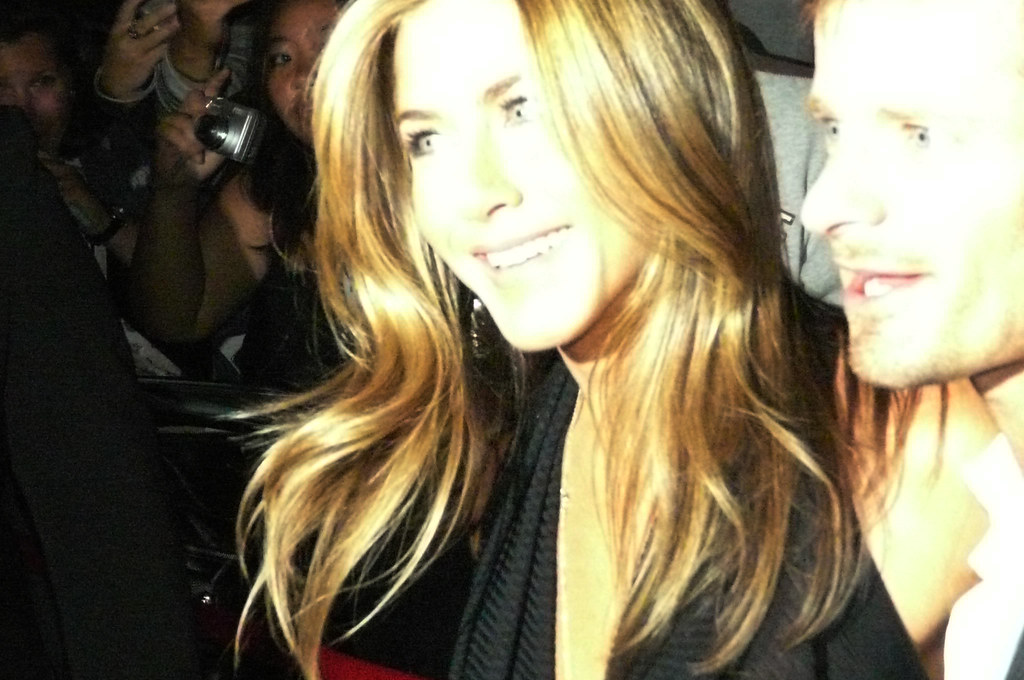
9. **A New Legal Front: The Lawsuit Against Peter Brandt**In response to this egregious breach, Jennifer Aniston wasted no time in launching a new legal offensive. A lawsuit was filed in Los Angeles County Superior Court against Peter Brandt, accusing him of invading her privacy through “invasive, intrusive and unlawful measures.” The actress, a consistent presence on NBC’s “Friends” and in major films, sought not only monetary damages but also a crucial court order to prevent Brandt and any others from profiting commercially from these deeply personal photographs.
According to the lawsuit, Brandt’s actions exemplified an alarming trend of paparazzi becoming increasingly aggressive as competition for celebrity images intensified. Aniston’s attorneys, Jay Lavely and Yael E. Holtkamp, firmly stated that Brandt must have observed her “from a great distance through invasive, intrusive and unlawful measures,” underscoring the premeditated nature of the intrusion. This legal challenge was about more than compensation; it was about reaffirming the inviolability of personal space.
Brandt’s version of events presented a different narrative, claiming he took the pictures three weeks prior while standing on a public street about 300 yards from her house, attempting to photograph Aniston with Vince Vaughn. He allegedly stated, “I wish she hadn’t just walked out topless,” and suggested her backyard had only “small bushes but no fence.” However, Aniston’s lawsuit strongly countered, emphasizing the “trespass” aspect and her reasonable expectation of privacy, irrespective of garden foliage.
This lawsuit against Peter Brandt became a fresh battleground, demonstrating Aniston’s unwavering commitment to protecting her fundamental rights, even when faced with sophisticated new forms of intrusion. It solidified her role as a tenacious advocate who refused to let her celebrity status strip her of basic human dignity and personal security.

10. **The Broader Ripple Effect: Other Celebrities Join the Fight**Jennifer Aniston’s relentless legal battles resonated deeply throughout Hollywood, amplifying a growing collective frustration among celebrities facing similar privacy invasions. Her highly publicized stand encouraged other prominent figures to come forward and challenge the increasingly aggressive tactics employed by paparazzi. It became clear that Aniston’s fight was not an isolated incident but a leading charge in a wider war for personal boundaries.
Around the same time Aniston pursued legal action against Brandt, stars like Reese Witherspoon, Scarlett Johansson, and Lindsay Lohan also experienced their own “alleged run-ins” with intrusive photographers. These incidents painted a vivid picture of a celebrity world under siege, where private moments were constantly targeted for public consumption. The shared experiences created a unified front, transforming individual grievances into a broader industry-wide movement.
This collective outcry signaled a shift in celebrity attitudes. No longer content to passively endure constant surveillance, these public figures, emboldened by Aniston’s resolve, began actively pushing back. Their combined efforts served to highlight the systemic nature of the problem, sparking crucial conversations about the ethics of celebrity journalism and the legal protections afforded to individuals, regardless of their fame.
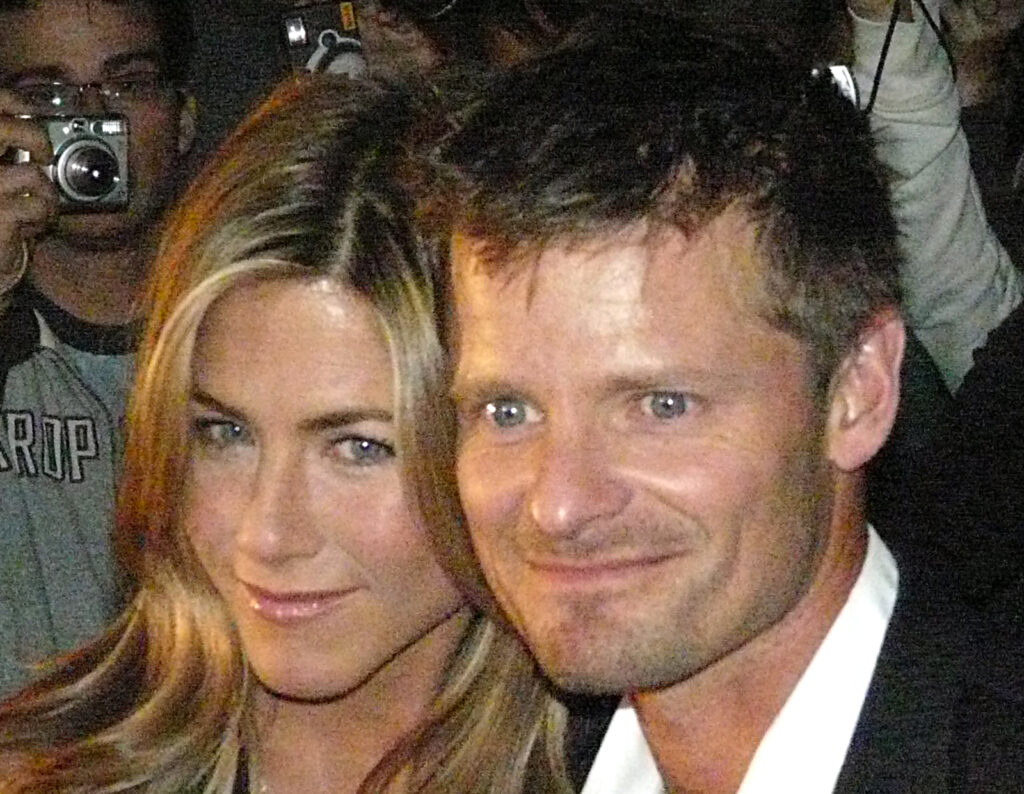
11. **Official Intervention: Investigations into Paparazzi Misconduct**The escalating aggression and widespread complaints from celebrities eventually caught the attention of legal authorities, leading to official investigations into paparazzi practices. The Los Angeles County district attorney’s office launched a probe into allegations of misconduct by photographers, acknowledging the severity of the situation. This official inquiry underscored the legitimacy of celebrity concerns and the potential for actual criminal behavior within the industry.
One significant aspect of the investigation focused on whether these photographers were “deliberately provoking confrontations to get more valuable shots.” This allegation suggested a cynical and dangerous strategy where paparazzi might intentionally instigate altercations to capture dramatic images, further monetizing celebrity distress. Such tactics not only violated privacy but also created hostile and unsafe environments for public figures.
The district attorney’s involvement marked a crucial turning point, signaling that the issue had transcended mere celebrity complaints and become a matter of public concern and legal enforcement. It sent a powerful message to the paparazzi community that their actions were under scrutiny and that unchecked aggression would no longer be tolerated without consequences. Aniston’s continuous advocacy undoubtedly contributed to this heightened level of official vigilance.

12. **Upholding Legal Principles: Privacy and Publicity Rights in New Contexts**Throughout these escalating battles, Jennifer Aniston’s legal strategy remained firmly rooted in the fundamental principles of the right to privacy and the right of publicity. As legal analyst Julie Hilden eloquently articulated, Aniston’s claims were robust, encompassing “not only a claim for invasion of her right of privacy, she also has a claim for invasion of what’s called the right of publicity. Which is the right to control her image, and to control the instances in which her image is used to sell a commercial product.” These core arguments proved adaptable and potent, even against evolving paparazzi tactics.
Whether it was photos taken over a backyard fence or through a telephoto lens into her living room, the essence of the violation remained: a non-consensual intrusion into private life for commercial gain. Aniston’s legal teams consistently argued that her celebrity status did not grant an open invitation for others to unlawfully profit from her likeness or steal her intimate moments. Her repeated lawsuits reinforced the idea that these rights are universal, extending even to those in the public eye.
This unwavering focus on legal clarity and fundamental rights provided a strong foundation for her cases. It demonstrated that her fight was not arbitrary but based on established legal precedents designed to protect individual autonomy and dignity. Her persistence ensured that the discussion remained grounded in law, rather than being dismissed as mere celebrity grievances.

13. **The Unrelenting Battle Against Commercial Exploitation**Jennifer Aniston’s persistent fight was never just about the initial intrusion; it was an unrelenting stand against the subsequent commercial exploitation of her stolen images. Her lawsuits consistently sought to prevent the distribution and sale of unauthorized photographs, aiming to cut off the financial incentive that fueled the aggressive paparazzi industry. She recognized that by challenging publishers and agencies, she could address the problem at its source.
Her demands for court orders to halt the further distribution of invasive pictures, alongside requests for monetary damages, underscored a dual objective: to penalize past infractions and to prevent future harm. This strategic approach made it clear that she was not merely seeking compensation for distress but actively working to dismantle the economic model that profited from celebrity privacy violations. It was about reclaiming agency over her own identity.
Aniston’s commitment to these legal battles, even years after the initial incidents, sent a powerful message to both photographers and publishers: her privacy was not a commodity to be traded without consent. Her enduring efforts highlighted the long-term impact of such invasions and her determination to ensure that her likeness remained hers to control, rather than a free-for-all for commercial gain.
Read more about: The Price of Early Stardom: 12 Child Actors Whose Careers Took a Tumultuous Turn After One Unforgettable Role

14. **Jennifer Aniston’s Enduring Legacy: A Champion for Privacy**Jennifer Aniston’s journey from a beloved actress to a leading privacy advocate has carved an indelible mark on Hollywood and the legal landscape surrounding celebrity rights. Her courage to repeatedly step into the legal arena, challenging intrusive photographers and profit-driven publications, has made her a champion for personal boundaries. She has proven that even America’s sweetheart deserves the right to a private life, free from unwarranted scrutiny and exploitation.
Her significant legal victories, from the $550,000 settlement with X-17 to the aggressive pursuit of photographers like Peter Brandt, have set crucial precedents. These outcomes have not only provided tangible consequences for invaders of privacy but have also inspired a broader movement among celebrities, fostering a collective stand against aggressive media tactics. Aniston’s efforts undeniably contributed to an environment where official investigations into paparazzi misconduct became a reality.
Aniston’s unwavering commitment to asserting her right to privacy and publicity transformed her personal struggles into a public discourse on ethical media practices. She systematically demonstrated that fame does not necessitate the surrender of fundamental human rights. By drawing a definitive line in the sand, she has empowered countless others and reinforced the legal framework designed to protect individual liberties, even in the brightest spotlight.
Her legacy is one of unwavering resolve and profound impact. Jennifer Aniston’s fight has permanently shifted the conversation around celebrity privacy, reminding us all that everyone, regardless of their public profile, is entitled to a sacred space where dignity and personal boundaries are respected. It’s a testament to her strength that her story will continue to serve as a beacon for those seeking to protect their private lives in an increasingly scrutinized world.