In the highly scrutinized world of public life, particularly within the entertainment industry and other influential spheres, the line between private conduct and professional consequence has become increasingly blurred. An ill-judged word, a public outburst, or a deeply offensive remark, whether fueled by alcohol or simple recklessness, can ignite a firestorm that swiftly consumes careers built over decades. This phenomenon is not new, but the rapid dissemination of information in the modern era has amplified its impact, turning momentary lapses into permanent professional liabilities.
From venerable Hollywood legends whose struggles with alcohol publicly undermined their immense talents to contemporary figures whose social media missteps cost them lucrative contracts, the narrative is consistent: public accountability for controversial behavior is a powerful force. This article delves into a series of notable cases, illustrating how various forms of public conduct—ranging from drunken tirades to racist or homophobic statements—have led to severe professional repercussions, including job losses and the dismantling of entire media empires. These incidents serve as stark reminders of the pervasive scrutiny faced by those in the public eye and the enduring importance of decorum, even when the cameras are not explicitly rolling.
The examples presented here underscore a critical aspect of public image management and the evolving standards of acceptable conduct. They highlight that neither star power nor commercial success can fully shield individuals from the consequences of their actions when those actions transgress societal norms or express deeply offensive sentiments. Each case offers a distinct perspective on the mechanisms of public shaming, corporate response, and the often-irreversible damage to reputation and livelihood.

1. **John Galliano: The Dior Designer’s Drunken, Antisemitic Tirade**John Galliano, a British fashion designer at the pinnacle of his career as head of Christian Dior, epitomizes the dramatic fall from grace that can result from a drunken public rant. In March 2011, a video surfaced online capturing Galliano engaged in a vitriolic, antisemitic tirade. The incident was a shocking breach of conduct for a figure in his esteemed position, particularly one representing a global luxury brand.
The public exposure of his offensive remarks led to immediate and severe consequences. Christian Dior, under intense pressure and with a clear stance against such bigotry, promptly terminated his employment. The fashion world, often perceived as insular, demonstrated that even its most celebrated figures are not immune to accountability for hateful public speech. The incident sent shockwaves through the industry, emphasizing that ethical conduct extends beyond the runway.
Galliano’s professional life was fundamentally disrupted by this single event. The fallout included not only the loss of his prestigious role but also a significant period of exile from mainstream fashion. Though his career has since seen a recovery, and he was even praised by the Anti-Defamation League for steps taken post-incident, the initial impact was devastating, illustrating the swift and decisive action that institutions can take against such public transgressions.
2. **Brianna Pinnix: A Corporate Professional’s Xenophobic Train Rant**While not a Hollywood executive, Brianna Pinnix’s case vividly demonstrates how a drunken public rant, captured on video, can lead to immediate and undeniable job loss, regardless of the industry. Pinnix, a talent acquisition specialist at Capital Rx, was filmed in 2023 berating a group of German tourists on a New Jersey Transit train, aggressively telling them to “get the f—k out of our country.” Her xenophobic outburst was extensively documented and quickly went viral.
The video showed Pinnix, visibly intoxicated, confronting the men and demanding they repeat what they had said, while her boyfriend desperately attempted to de-escalate the situation, warning her she would “get arrested.” Despite his pleas, Pinnix continued her aggressive and offensive tirade, later muttering about “immigrants” and even engaging in a bizarre exchange with another passenger who egged her on to “hit them with a right hook.”
Capital Rx responded decisively, confirming to The Post that they had fired Pinnix. A company spokesperson issued a statement emphasizing their “zero-tolerance policy around prejudicial or discriminatory behavior” and apologized to those affected. This incident serves as a stark modern-day example that public behavior, especially when recorded and widely shared, can have immediate and career-ending repercussions for individuals across all professional sectors, reinforcing the idea that public scrutiny extends far beyond traditional celebrity.
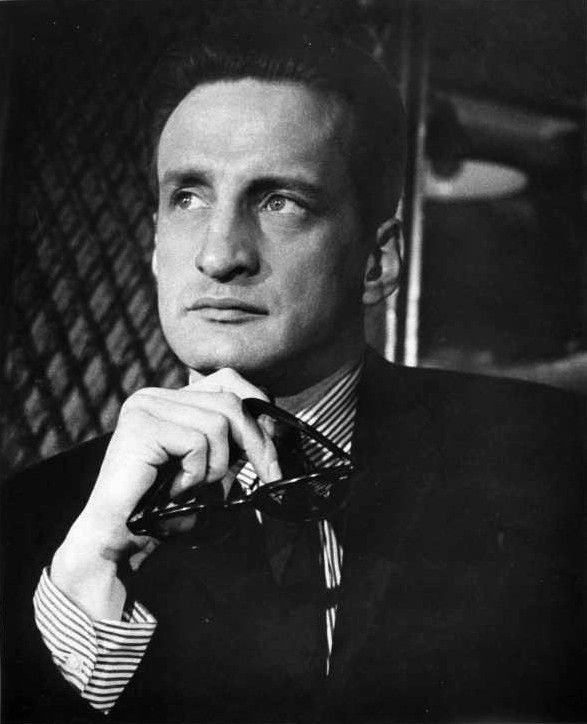
3. **George C. Scott: The Oscar Refuser’s Violent, Drunken Rages**George C. Scott, a towering figure in Hollywood, renowned for his intense performances and staunch principles, also carried a notorious reputation for his aggressive and often violent drunken rages. While he famously refused his 1971 Best Actor Academy Award for ‘Patton,’ citing his belief that acting performances shouldn’t be compared, his career was simultaneously marked by a pervasive alcohol problem that deeply affected his professional and personal life.
Scott’s drinking was not a private vice; it fueled a propensity for public altercations that became legendary in Hollywood lore. He would reportedly pick physical fights with fellow drunks in bars and even with people he worked alongside, often losing these scraps and suffering numerous broken noses. Christopher Plummer, a drinking companion, noted Scott’s tendency to “always get in trouble at bars because he had that sinister face of his,” and that he was “always inviting people to step outside and have a fight.”
The impact of his behavior was so profound that co-star Maureen Stapleton, confessing fear of Scott to director Mike Nichols, was met with the reply, “My dear, everyone is scared of George C Scott.” Furthermore, serious allegations surfaced regarding his alleged brutalization of Ava Gardner during their affair. While Scott’s spokesperson sidestepped the claims in Gardner’s memoir, the fact that there was no outright denial spoke volumes. Scott’s career, while brilliant, was overshadowed by these public and private demons, demonstrating how severe alcohol-fueled behavior can mar a legacy and create a climate of fear, even if it doesn’t always lead to a direct firing from a specific role.

4. **Roseanne Barr: A Racist Tweet and the Swift Cancellation of a Hit Show**Roseanne Barr’s career experienced a dramatic and immediate collapse in 2018 following a racist remark she tweeted about Valerie Jarrett, a former aide for President Barack Obama. Barr’s revived sitcom, ‘Roseanne,’ was a top-rated program during the 2017-2018 TV season, enjoying immense popularity and critical discussion. However, the success of the show could not withstand the gravity of her offensive public statement.
ABC’s response was swift and unequivocal: Barr was fired, and the highly successful show was immediately canceled. This decision underscored the entertainment industry’s evolving stance on racial insensitivity, particularly in the social media age where comments can go viral instantly. Barr’s subsequent apologies, in which she claimed her remark was “one stupid joke in a lifetime of fighting 4 civil rights 4 all minorities,” did little to reverse the network’s decision.
The incident became a significant case study in ‘cancel culture,’ illustrating how a single, ill-conceived public comment, regardless of past achievements or current popularity, can lead to instant professional termination. It highlighted the amplified scrutiny celebrities face on social media platforms, where their words are subject to immediate and widespread judgment, leaving little room for error or misinterpretation.
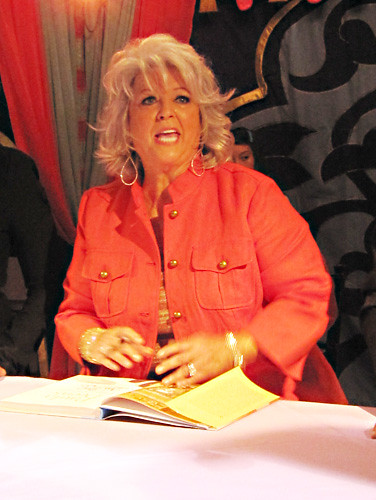
5. **Paula Deen: Racial Slurs and the Collapse of a Media Empire**Paula Deen, a beloved figure in the culinary world who had built a substantial media empire around her Southern cooking persona, saw her career unravel in 2013 due to her admission of using racial slurs. The revelations emerged during a deposition with lawyers for a former employee who had sued Deen for ual harassment and racial discrimination
During the legal proceedings, Deen admitted to using racial slurs in the past, an admission that quickly became public and ignited a massive controversy. The Food Network, a key pillar of her media presence, promptly dropped her, leading to a cascade of other companies severing ties. Her empire, built on a relatable and warm public image, was left in shambles as sponsors and partners distanced themselves from the scandal.
Despite the eventual dismissal of the lawsuit, the damage to Deen’s public image and career was profound and lasting. While she has attempted comebacks in the years since, the controversy continues to follow her, illustrating how admissions of past offensive language, even if not a current public rant, can irrevocably damage a public figure’s career and lead to significant professional losses. This case demonstrated the financial and reputational cost of racial insensitivity, even when revealed retrospectively.
Read more about: From Tweets to Tirades: 13 Celebrities Who Absolutely Tanked Their Own Careers
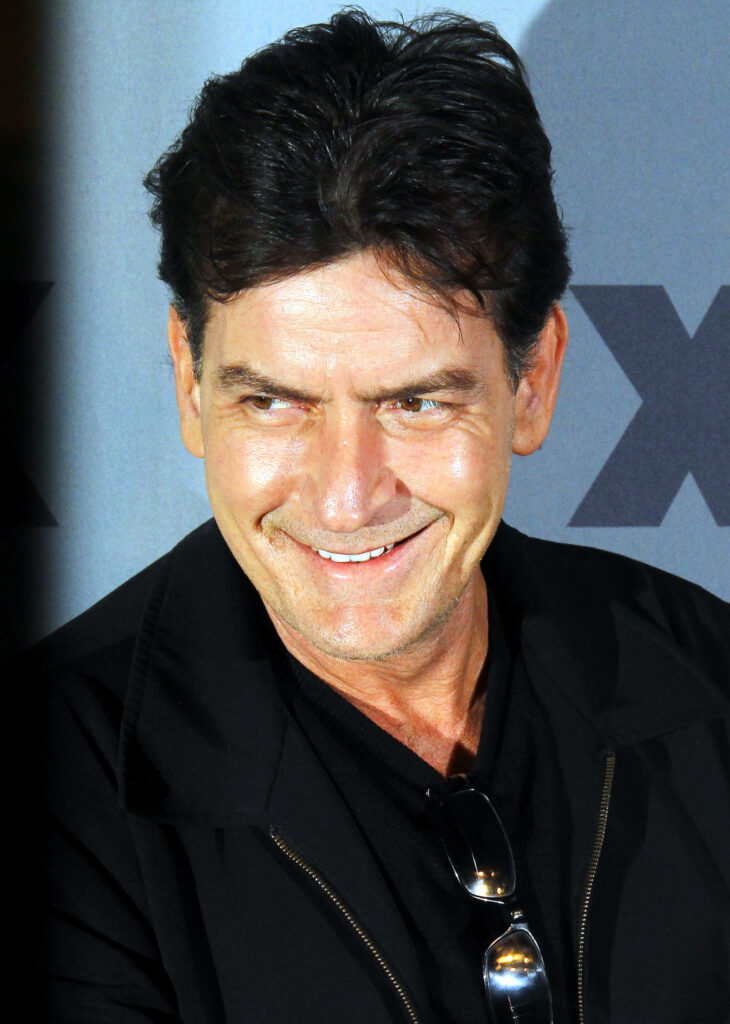
6. **Charlie Sheen: Derogatory Comments and Firing from ‘Two and a Half Men’**Charlie Sheen, one of television’s highest-paid actors, experienced a very public and dramatic professional downfall in 2011 after making a series of derogatory and antisemitic comments. These remarks were specifically directed at Chuck Lorre, the creator of his highly successful CBS sitcom, ‘Two and a Half Men.’ Sheen’s behavior during this period, often described as a public ‘meltdown,’ became fodder for widespread media coverage.
His highly publicized rants and offensive statements led CBS and Warner Bros. TV to take decisive action: Charlie Sheen was fired from ‘Two and a Half Men.’ The decision was a significant one, given the show’s immense popularity and Sheen’s central role. The series continued with Ashton Kutcher replacing him, a testament to the networks’ determination to move forward without the problematic star.
Sheen’s erratic behavior and inflammatory comments, which included coining phrases like #tigerblood and #winning in an unconventional public spectacle, ultimately cost him one of the most lucrative positions in television. This incident highlighted how a celebrity’s public comments, even if not a single ‘rant’ but a sustained period of controversial statements, can directly lead to the termination of their employment on a high-profile production, demonstrating the industry’s limit for tolerating disruptive and offensive behavior from its stars.

7. **Megan Fox: The “Hitler” Remark That Cost Her a Blockbuster Role**In the unforgiving glare of Hollywood, even an offhand, poorly chosen comparison can carry significant professional weight, as actress Megan Fox discovered. During a 2009 interview, Fox made headlines for comparing Michael Bay, the director of her hugely successful “Transformers” films, to Adolf Hitler. This remark, amidst media scrutiny, quickly escalated into a major controversy.
The comment, which many found to be in poor taste and disrespectful, had immediate and severe repercussions for Fox’s standing within the film series. While she later moved on to pursue other projects, the context of her departure was explicitly revealed by Michael Bay himself in a 2011 GQ interview. Bay stated that it was executive producer Steven Spielberg who ultimately made the decision to fire Fox from the franchise because of her highly controversial comparison.
This incident serves as a stark reminder that even burgeoning star power does not grant immunity from accountability for public statements, especially when those statements are deemed offensive by influential figures in the industry. The decision to remove her from such a high-profile role demonstrated the zero-tolerance policy that can be enacted when a celebrity’s words cross a line, illustrating the significant and direct professional consequences that can arise from a single, ill-judged remark, regardless of its original intent.
Read more about: The Unscripted Downfall: 14 Movie Stars Whose Careers Took a Nosedive After One Controversial Interview or Unforgettable Role

8. **Alec Baldwin: Homophobic Rant Leads to MSNBC Show Cancellation**Alec Baldwin, a seasoned actor with a career spanning decades, found himself entangled in a significant public controversy in 2013 that directly led to the termination of his television series. Baldwin was hosting “Up Late With Alec Baldwin” on MSNBC when he unleashed a homophobic rant directed at a New York Post photographer. The incident, captured by media, quickly drew widespread condemnation and intense scrutiny.
The nature of Baldwin’s remarks, particularly their homophobic undertones, was met with a decisive response from the network. MSNBC promptly fired him, leading to the immediate cancellation of his show. This decision highlighted the network’s intolerance for discriminatory language and reinforced the message that public figures, even with established careers and platforms, are held to a high standard of conduct in their public interactions.
While Baldwin has since continued to work with NBC, notably playing President Donald Trump on “Saturday Night Live” and hosting an ABC show, the MSNBC incident remains a powerful example of how a single, unprovoked verbal tirade, especially one steeped in offensive language, can result in the swift and unequivocal cancellation of a television program and the professional setback of a prominent personality. It underscored the immediate and tangible impact of public backlash on media careers.

9. **Gilbert Gottfried: Tsunami Jokes Lead to Loss of Iconic Voice Role**Comedian Gilbert Gottfried, known for his distinctive voice and often boundary-pushing humor, faced significant professional repercussions in 2011 following a series of ill-conceived public comments. In the wake of the devastating tsunami that struck Japan, claiming 2,400 lives, Gottfried posted controversial tweets making light of the tragedy. These remarks, coming at a time of immense global grief and shock, were met with immediate and severe public condemnation.
The backlash extended beyond public sentiment; it directly impacted his commercial endorsements. Aflac, the insurance company for whom Gottfried had served as the iconic voice of their duck mascot for years, swiftly terminated their association with him. The company, recognizing the profound insensitivity of his comments in a global tragedy, made a clear statement about the unacceptability of such humor.
Gottfried later issued an apology, stating to The Hollywood Reporter, “I sincerely apologize to anyone who was offended by my attempt at humor regarding the tragedy in Japan. I meant no disrespect, and my thoughts are with the victims and their families.” However, the apology did not reverse the professional damage. This incident powerfully illustrated how insensitive public remarks, especially concerning global tragedies, can swiftly lead to the loss of lucrative commercial contracts, underscoring the expanded scrutiny public figures face on social media and the rapid punitive measures that can follow.
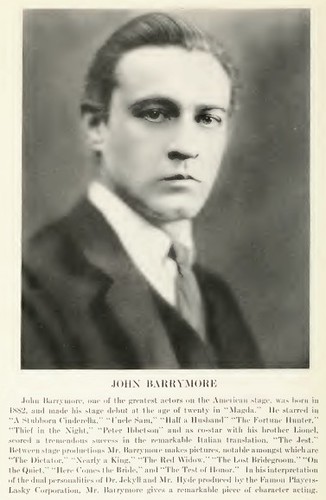
10. **John Barrymore: The Brilliant Actor Whose Career Was Drowned by Alcohol**John Barrymore, a towering figure in classical acting during the early 1900s, hailed from the famed Barrymore theatrical dynasty and was widely celebrated as one of the greatest actors of his generation. His performances in Shakespearean enactments, as Mr. Hyde, and later as Sherlock Holmes earned him immense critical acclaim. Yet, beneath this veneer of brilliance lay a deeply tragic personal battle with alcoholism that ultimately defined and then destroyed his extraordinary career.
Barrymore’s struggles with alcohol began early, exacerbated by a difficult youth and later years. His addiction escalated to such an extent that his second wife reportedly once caught him attempting to drink her cologne. While he ironically found success playing sympathetic alcoholic characters on film, such as in the 1933 hit comedy “Dinner at Eight,” these roles eerily foreshadowed his own descent.
The insidious effect of liquor eventually began to impact his memory, a critical tool for any actor. By 1936, his career was irrevocably ruined as he became dependent on cue cards to remember his lines, even for roles that chronicled a man sinking into drinking and debauchery. His hands shook uncontrollably, a physical manifestation of his advanced alcoholism. At the age of 60, in 1942, ravaged by cirrhosis, kidney disease, and chronic edema, Barrymore’s body finally gave out, marking a tragic end to a career that promised so much more, profoundly curtailed by his relentless addiction.
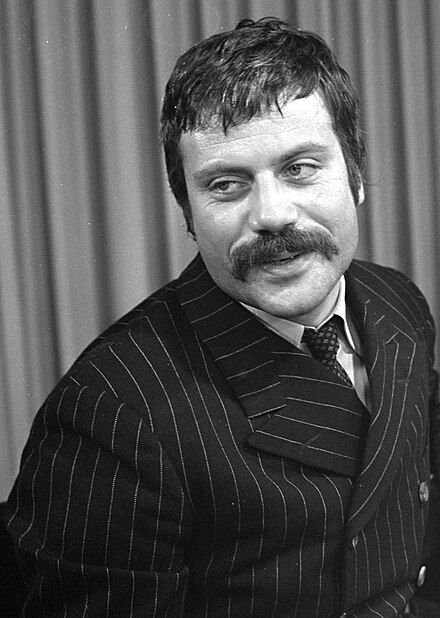
11. **Oliver Reed: A Legacy of Reckless Excess and a Life Cut Short by the Bottle**Oliver Reed, a formidable English actor who commanded the box office in Britain during the late 1960s and early 1970s with acclaimed performances in films like “The Trap” and “Oliver!”, was as notorious for his off-screen persona as for his on-screen roles. He openly admitted, “I do not live in the world of sobriety,” a statement that proved to be a profound understatement of his legendary and destructive drinking habits.
Stories of Reed’s prodigious alcohol consumption and the chaos it engendered are legion. Fellow actor David Hemmings recounted Reed’s ability to “drink 20 pints of lager with a gin or creme de menthe chaser and still run a mile for a wager,” and famously, Reed once reportedly drank 126 pints of beer in 24 hours, culminating in a horizontal handstand on a bar. His inebriated states often led to public tomfoolery, violence, and infidelity, including urinating on the Australian flag and climbing a chimney . Perhaps most shockingly, he once stumbled through a christening reception, pretending to play rugby with the baby as the ball.
The ultimate price of Reed’s reckless lifestyle came tragically during the filming of his final movie, “Gladiator.” Before completing the shoot, he engaged in a monumental drinking session at a pub, consuming eight bottles of beer, three bottles of rum, and several shots of whisky. This final binge directly preceded his death from a heart attack shortly after. Reed’s life, a testament to unbridled excess, was cut short at a relatively young age, his career ending abruptly and his potential unfulfilled, a stark illustration of how severe, chronic alcoholism can lead to profound, irreversible professional and personal repercussions, even death, within the public eye.
The narratives of these figures—from swift terminations due to offensive remarks to the slow, agonizing erosion of careers and lives by alcoholism—paint a vivid and often sobering picture of the perils of public life. In an era where every action and utterance is magnified and permanently archived, the stakes for those in the public eye have never been higher. These stories serve not merely as cautionary tales, but as vital examinations of the enduring power of public scrutiny, the unwavering demands of professional accountability, and the deeply personal battles fought behind the glittering facade of fame, reminding us that success, no matter how immense, is rarely insulated from the profound consequences of one’s conduct.