When audiences in 1939 first heard Clark Gable’s iconic declaration, “Frankly, my dear, I don’t give a damn,” in “Gone With the Wind,” it sent shockwaves through the cinema. The audacity of the D-word getting past the stringent censors was astonishing, a moment of cinematic rebellion that resonated deeply. Such a reaction, however, feels almost charmingly naive in today’s entertainment landscape, where the F-word, once the most taboo of curse words, now reigns supreme, a lightly bleeped staple on late-night television and the relentless verbal punctuation in blockbuster comedies.
Indeed, the F-word has become so ubiquitous that its power has largely dissipated. What was once an expletive with genuine impact, carefully deployed for maximum dramatic effect, has, in the hands of mediocre screenwriters, devolved into a lazy crutch. It’s a shortcut for cheap laughs or an effortless, often unconvincing, imitation of grittiness, stripping away the very potency that once made it so provocative. The lesson, as one observer keenly noted, remains: “the F-word is potent and powerful; think twice before you use it too much.”
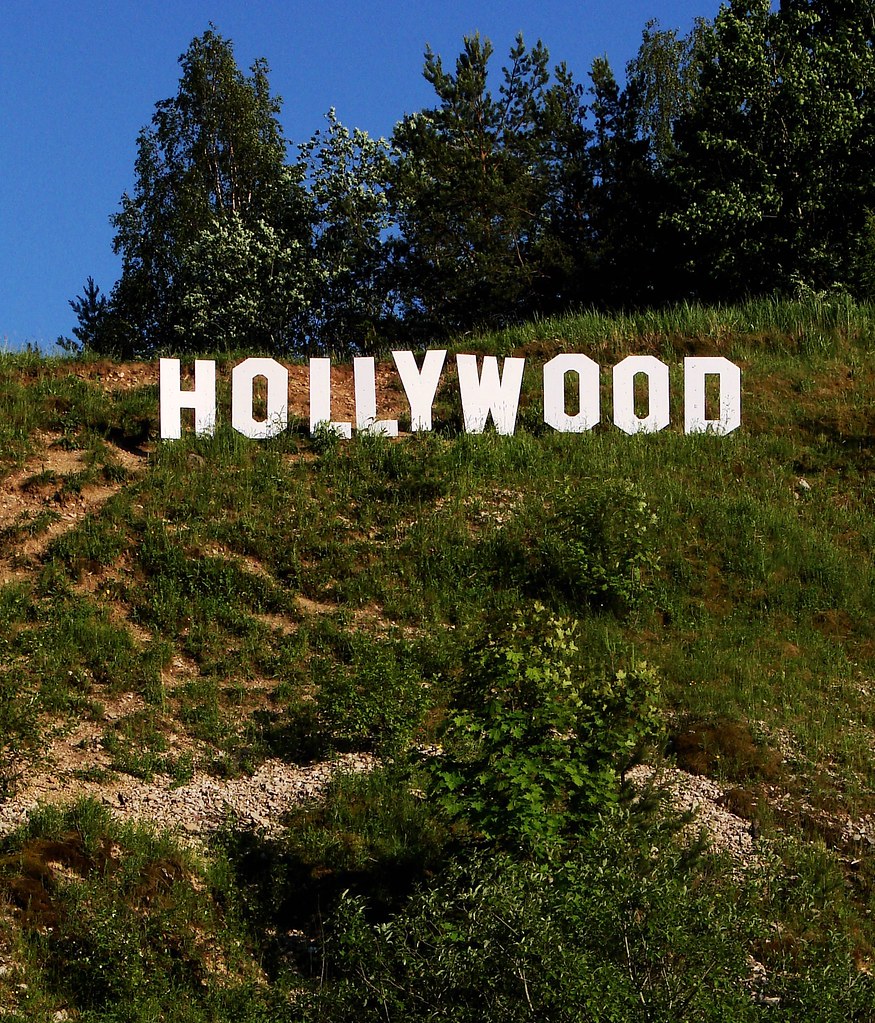
Yet, while the F-word grappled with its own relevance, another, far more insidious “word” was emerging, not as a colorful addition to dialogue, but as a chilling label that could silence entire careers. This was not a word forbidden from being *written* on a page, but one forbidden from being *associated with* a person, especially a screenwriter, under penalty of professional annihilation. We are talking, of course, about the word “Communist,” and the dark era of the Hollywood Blacklist, a period that truly rewrote the rules of what was permissible, and what was fatally forbidden.
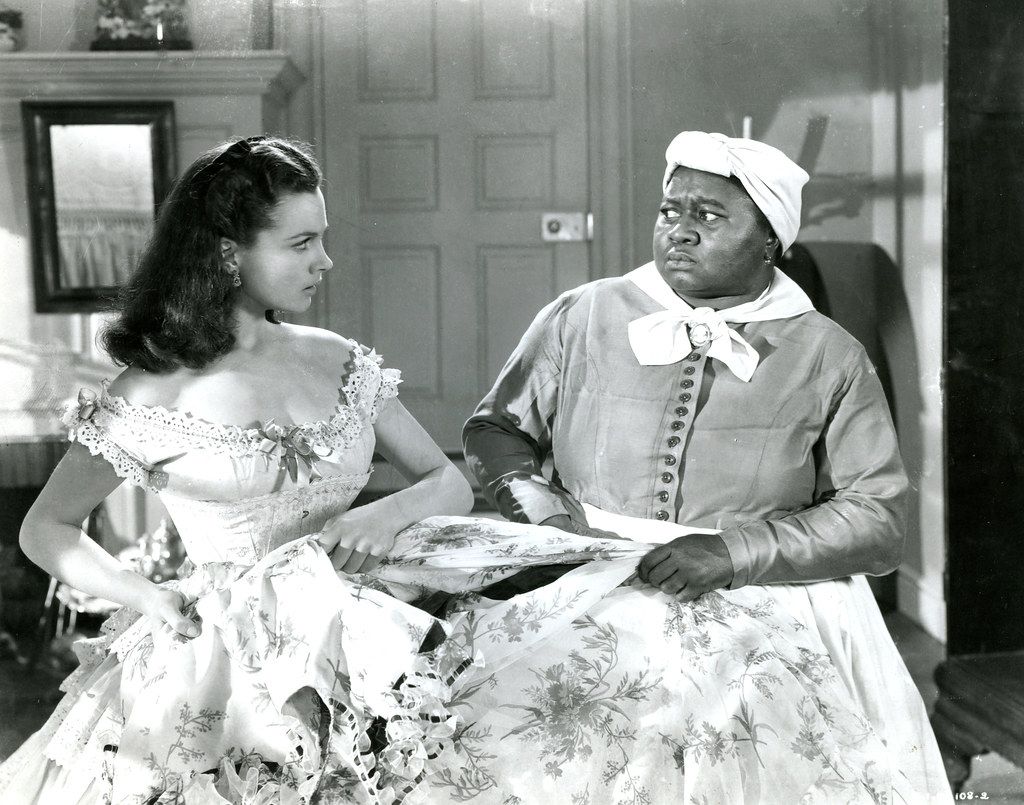
1. **The F-Word’s Fading Impact: A Prelude to Prohibition**In the grand tapestry of Hollywood’s linguistic history, few moments stand out as distinctly as Clark Gable’s delivery of “Frankly, my dear, I don’t give a damn.” It was 1939, and the D-word’s inclusion in “Gone With the Wind” was a scandalous triumph against the era’s strict censorship, a testament to its raw, shocking power. The public was “shocked and amazed that the D-word got past the censors,” marking a rare breach in the moral guardians’ defenses.
Fast forward to today, and that shock value seems almost quaint. The F-word, once considered an unutterable obscenity, is now a regular fixture across entertainment. From the comic newsmen of “The Daily Show” to the gritty dramas of HBO like “The Sopranos” and “Deadwood,” and the raunchy comedies of Seth Rogen and Judd Apatow, its presence is constant, so much so that its absence would make characters “hardly be able to speak.”
While this liberation from linguistic constraints might seem like a victory for “artistic license,” the context reminds us that “overuse has made it mundane.” What was once a powerful tool, capable of adding genuine “impact when uttered onscreen,” has, in the hands of lesser talents, become a “crutch to get cheap laughs or an easy imitation of grittiness.” It’s a vivid illustration of how even the most versatile words can lose their edge when applied without “artistic sensibility.”
The shift from a word that caused a stir to one that is commonplace highlights a peculiar paradox: sometimes, the truly “forbidden” isn’t about the word itself, but the context in which it operates. The F-word’s journey from taboo to ubiquitous ultimately serves as a stark contrast to the far more devastating and career-ending prohibition that would soon engulf Hollywood, a prohibition not of a swear word, but of an ideology, or even just the *suspicion* of one.
2. **The Birth of a Climate of Fear: Early Anti-Communist Alarms**The ominous shadow of the Hollywood blacklist, where the word “Communist” became the ultimate career death knell, was not cast overnight. Its roots reached deep into the turbulent landscape of the 1930s and early 1940s, a period marked by profound global upheaval. The Great Depression, with its widespread economic hardships, fostered an environment ripe for radical political thought, leading many to seek alternative solutions to capitalism’s failures.
Simultaneously, the brutal Spanish Civil War and the alarming rise of fascism across Europe fueled a surge in membership for the Communist Party USA (CPUSA). From remaining below 20,000 members until 1933, the Party’s ranks swelled to 66,000 by 1939, attracting individuals seeking a bulwark against global authoritarianism and economic despair. This growth, while significant, did face setbacks after the Moscow show trials and the Molotov-Ribbentrop Pact, yet membership figures remained “well above its pre-1933 levels.”
Against this backdrop of global conflict and shifting political allegiances, the U.S. government began to eye potential links between the CPUSA and the highly influential entertainment industry. Hollywood, a bastion of artistic expression and public persuasion, naturally became a focal point for growing concerns about ideological infiltration. This nascent suspicion would soon blossom into full-blown investigations, fundamentally altering the fabric of the film industry.
These early alarms, though less formalized than the later blacklist, created an underlying current of anxiety. They set the stage for a period where political association, or even perceived sympathy, could swiftly transform a thriving career into a professional wilderness. The very notion of being labeled a “Communist” began to carry a weight far heavier than any expletive, foreshadowing the dramatic purges that would soon sweep through the studios.
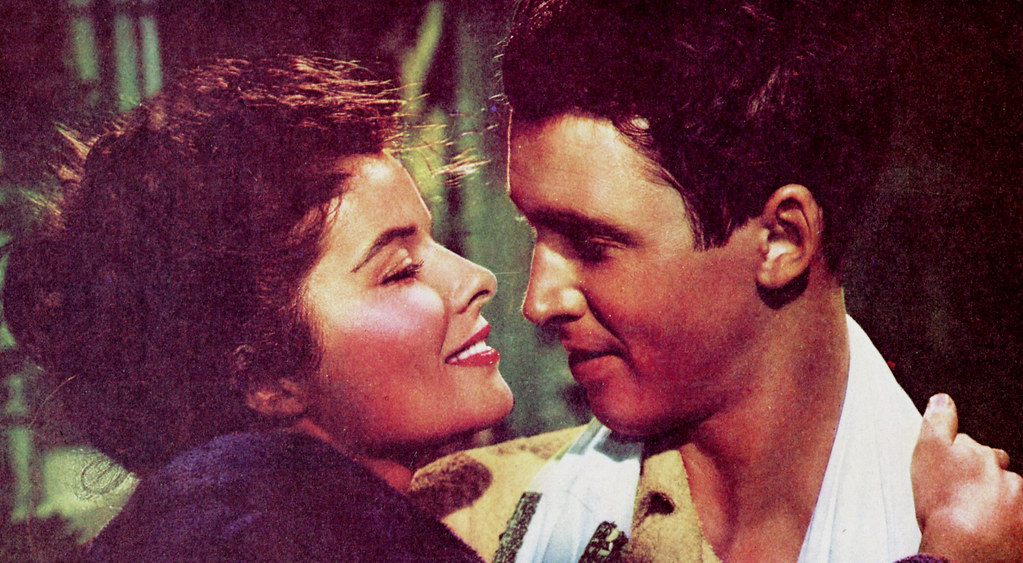
3. **Hollywood’s First Scrutiny: Martin Dies, John L. Leech, and the Leaked Names**The House Un-American Activities Committee (HUAC), a name that would become synonymous with Hollywood’s darkest era, began its scrutiny of the movie industry years before the formal blacklist. In 1938, under then-chairman Martin Dies, Jr., HUAC released a report that boldly “claimed that communism was pervasive in the movie industry.” This early declaration ignited a spark of suspicion that would eventually engulf countless careers.
Two years later, the committee privately took testimony from John L. Leech, a former Communist Party member. Leech’s testimony proved to be a pivotal moment, as he “named forty-two movie professionals as Communists,” effectively drawing the first informal battle lines. These accusations, initially made in supposed confidence to a Los Angeles grand jury, soon found their way to the press, leaking the names of prominent stars like Humphrey Bogart, James Cagney, Katharine Hepburn, Melvyn Douglas, and Fredric March, among others.
The public exposure of these celebrated figures created an immediate crisis. Dies offered a path to “clear” those who cooperated by meeting with him in “executive session.” Within a mere two weeks of the grand jury leak, nearly everyone on Leech’s list, with the sole exception of actress Jean Muir, capitulated and met with the HUAC chairman. This early episode established a chilling precedent: compliance was the swift path to exoneration, while defiance carried severe risks.
Ultimately, Dies “cleared” everyone except actor Lionel Stander, who refused to cooperate. Stander’s fate served as a stark warning: he was summarily “fired by the movie studio, Republic Pictures, where he was under contract.” This early, isolated incident, where a single refusal to cooperate led to immediate professional termination, foreshadowed the comprehensive and devastating purges that would characterize the full-blown Hollywood blacklist in the coming decade.
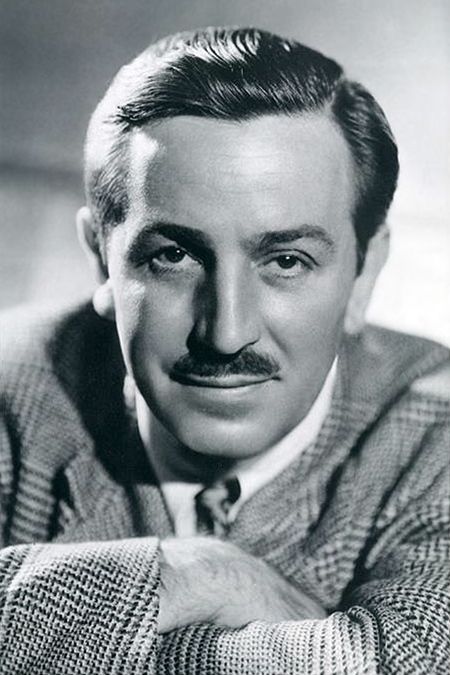
4. **Union Tensions and Walt Disney’s Allegations**Beyond the direct governmental inquiries, internal industry conflicts and labor disputes significantly fueled the anti-Communist fervor in Hollywood. The 1930s were a period of intense labor organizing, and two major film industry strikes particularly “exacerbated tensions between Hollywood producers and unionized employees, particularly the Screen Writers Guild, which formed in 1933.” These clashes provided fertile ground for accusations of external ideological influence, rather than addressing legitimate worker grievances.
A prominent example of this came in 1941 when Walt Disney, the beloved animation mogul, took out a controversial advertisement in *Variety*, the industry’s leading trade magazine. In it, Disney vehemently “declared his conviction that ‘Communist agitation’ was behind a cartoonists and animators’ strike.” This public accusation from such an influential figure gave powerful legitimacy to the idea that labor unrest was not merely about wages or working conditions, but a sinister plot orchestrated by Communist elements.
Historians Larry Ceplair and Steven Englund later challenged Disney’s narrative, asserting that “In actuality, the strike had resulted from Disney’s overbearing paternalism, high-handedness, and insensitivity.” However, at the time, Disney’s influential voice resonated strongly within conservative circles and beyond. His allegations, whether founded or not, directly “inspired by Disney,” prompted California State Senator Jack Tenney, chairman of the state legislature’s Joint Fact-Finding Committee on Un-American Activities, to “launch an investigation of ‘Reds in movies.'”
While Tenney’s initial probe “fell flat, and was mocked in *Variety* headlines,” these incidents were not without consequence. They demonstrated a growing willingness within influential segments of the industry and government to link labor activism with subversive political ideologies. This consistent conflation of union activity with Communism played a crucial role in shaping the narrative that Hollywood was a “hotbed” of un-American activities, setting the stage for more aggressive interventions.

5. **The Post-War Shift: From Ally to Adversary**The trajectory of American sentiment towards communism underwent a dramatic and consequential shift as World War II drew to a close. During the war itself, the United States and the Soviet Union had been allies against a common enemy, granting the CPUSA a “newfound credibility.” Party membership had even “climbed back up to 50,000” during this period, a testament to the temporary normalization of its image amidst the wartime alliance.
However, this détente was short-lived. As the global conflict concluded, perceptions rapidly changed. Reports of “Soviet repression in Eastern and Central Europe in the war’s aftermath” began to circulate widely, adding considerable “fuel to what became known as the ‘Second Red Scare.'” Communism, once a grudging ally, swiftly transformed into the primary focus of American fears and hatred, viewed as an existential threat to democracy and the American way of life.
This ideological pivot was profoundly reinforced by significant political shifts at home. The “growth of conservative political influence and the Republican triumph in the 1946 midterm elections,” which saw the GOP seize control of both the House and Senate, heralded a new era of institutional anti-communist activity. This invigorated campaign was publicly spearheaded by the HUAC, now operating with renewed authority and an investigative push from J. Edgar Hoover and the FBI.
In 1945, the climate intensified further with figures like Gerald L. K. Smith, founder of the neofascist America First Party, giving speeches that assailed “the ‘alien minded Russian Jews in Hollywood.'” Mississippi congressman John E. Rankin, a HUAC member, dramatically declared Hollywood “the greatest hotbed of subversive activities in the United States,” promising, “We’re on the trail of the tarantula now, and we’re going to follow through.” The stage was unequivocally set for a widespread and unforgiving purge.

6. **The 1947 HUAC Hearings: Friendly Witnesses and Stiff Opposition**By late September 1947, the House Un-American Activities Committee, with a newfound vigor fueled by the post-war Red Scare, cast its net wide over Hollywood. It subpoenaed 42 individuals, unequivocally declaring its intention to unearth any communist agents allegedly sneaking propaganda into American films. The committee’s initial strategy involved parading ‘friendly’ witnesses who were ready and willing to testify against perceived ideological infiltration, painting a picture of a besieged industry.
Among the most prominent of these friendly faces were industry titans and beloved stars. Walt Disney, for instance, didn’t shy away from asserting the seriousness of the communist threat, even going so far as to name specific ex-employees as probable communists. Ronald Reagan, then president of the Screen Actors Guild, testified about a ‘small clique’ within his union using ‘communist-like tactics,’ though he was careful to state he didn’t know if they were actual Communists. Adolphe Menjou delivered a memorable line, proclaiming, “I am a witch hunter if the witches are Communists. I am a Red-baiter. I would like to see them all back in Russia,” perfectly encapsulating the aggressive tenor of the times.
Yet, this narrative of compliant cooperation was far from universal. A powerful counter-movement emerged, spearheaded by some of Hollywood’s most respected names. Directors like John Huston, Billy Wilder, and William Wyler, alongside stars such as Lauren Bacall, Humphrey Bogart, Bette Davis, and Henry Fonda, bravely formed the Committee for the First Amendment (CFA). This formidable delegation flew to Washington, D.C., in October to publicly voice their vehement opposition to the government’s political harassment of the film industry, a truly audacious act of defiance.
Despite their initial solidarity, the CFA’s resolve was tested. Humphrey Bogart, under immense pressure from Warner Bros., later issued a statement in Hearst newspapers that, while not denouncing the CFA, described his trip to D.C. as ‘ill-advised, even foolish.’ Billy Wilder, seeing the writing on the wall, reportedly told other committee members that “we oughta fold.” This internal fracturing signaled the immense pressure even the biggest stars faced. Meanwhile, the committee had also identified nineteen ‘unfriendly’ or ‘hostile witnesses,’ many alleged CPUSA members, 13 of whom were Jewish, setting the stage for an even more dramatic confrontation that would rivet the nation’s attention.
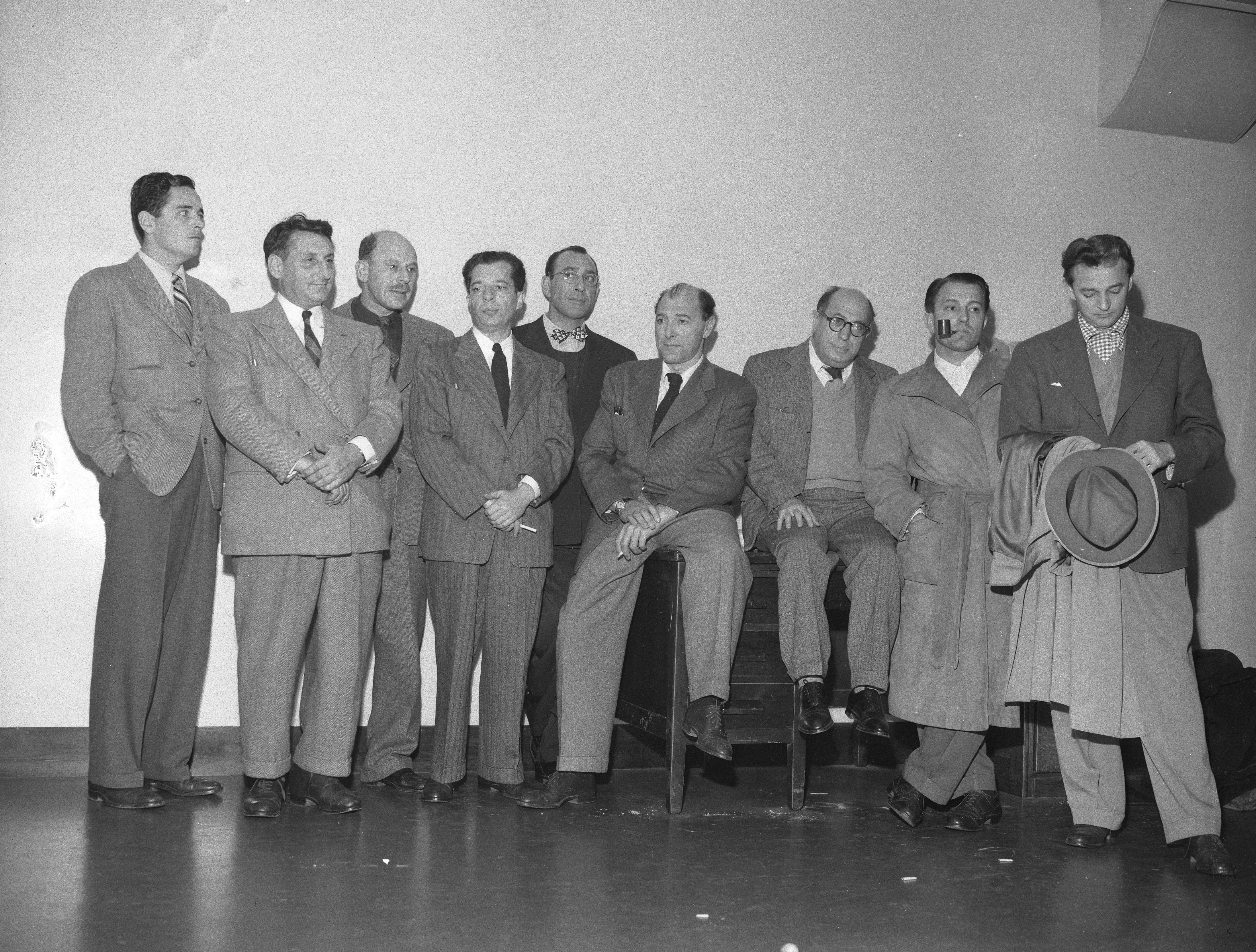
7. **The Hollywood Ten: A Stance of Defiance**When the hearings for the ‘Hollywood Nineteen’ commenced, the tension was palpable. Out of the nineteen, only eleven were ultimately called to testify. One, the émigré playwright Bertolt Brecht, offered evasive answers before wisely fleeing the U.S. the very next day, never to return. The remaining ten, however, took a dramatically different and utterly defiant path, choosing not to cooperate with the House Un-American Activities Committee.
These ten men — Alvah Bessie, Herbert Biberman, Lester Cole, Edward Dmytryk, Ring Lardner Jr., John Howard Lawson, Albert Maltz, Samuel Ornitz, Adrian Scott, and Dalton Trumbo — became known as ‘The Hollywood Ten.’ They adamantly refused to answer questions regarding their affiliations with the Screen Writers Guild or the Communist Party USA, boldly invoking their First Amendment rights to freedom of speech, opinion, and association. Their refusal wasn’t merely silence; many overtly challenged the legitimacy of the committee itself. John Howard Lawson, during his testimony, famously declared, “I am not on trial here, Mr. Chairman. This committee is on trial here before the American people. Let us get that straight.”
They notably declined to answer the now-infamous question, “Are you now, or have you ever been, a member of the Communist Party?” Their defiance extended to attempts, ultimately unsuccessful, to read opening statements that decried the House committee’s investigation as unconstitutional. This unwavering stance, a direct challenge to Congressional authority, quickly led to formal charges of contempt of Congress, with criminal proceedings initiated against them in the full House of Representatives.
The resolute non-cooperation of the Hollywood Ten sent shockwaves through the industry. Political pressure mounted fiercely on film executives to demonstrate their own ‘anti-subversive’ bona fides. Eric Johnston, the powerful president of the Motion Picture Association of America (MPAA), publicly vowed to the committee that he would never “employ any proven or admitted Communist because they are just a disruptive force, and I don’t want them around.” This vow, alongside the Screen Actors Guild’s vote to require loyalty pledges from its officers, signaled an imminent and drastic shift in Hollywood’s employment landscape, preparing the ground for the hammer to drop.
Read more about: From Unexpected Grins to Legendary Poses: 11 Iconic Photos That Defined Pop Culture Moments Forever
8. **The Waldorf Statement: The Iron Gate Swings Shut**The inevitable arrived with chilling speed. On November 24, the House of Representatives overwhelmingly voted 346 to 17 to approve contempt citations against the Hollywood Ten. The very next day, a pivotal meeting of nearly 50 film industry executives convened at New York City’s Waldorf-Astoria hotel. The outcome of this gathering, a press release issued by MPAA President Eric Johnston, would forever be known as the Waldorf Statement, and it marked the formal birth of the Hollywood blacklist.
The Waldorf Statement was unequivocal: the ten uncooperative witnesses would be summarily fired or suspended without pay. They would not be re-employed until they were not only cleared of the contempt charges but also had sworn under oath that they were not Communists. The first systematic Hollywood blacklist was officially in effect, transforming a committee’s investigation into an industry-wide decree. It was a stark capitulation to political pressure, sacrificing principles and careers at the altar of anti-Communist hysteria.
Ironically, the HUAC hearings themselves had failed to uncover any concrete proof that Hollywood was secretly disseminating Communist propaganda, the very premise of their investigation. Yet, the industry was irrevocably altered. The fallout was profound and immediate. Floyd Odlum, the primary owner of RKO Pictures, decided to exit the industry, leading to Howard Hughes’ takeover. Within weeks, Hughes fired most of RKO’s employees, effectively shutting the studio down for six months while he investigated the political views of the remaining staff. This radical restructuring, coupled with Hughes’ decision to settle a long-standing federal antitrust suit, contributed significantly to the eventual collapse of the studio system that had defined Hollywood for a quarter-century.
In the aftermath, all members of the Hollywood Ten were convicted of contempt. Following a series of unsuccessful appeals, they began serving their prison sentences in 1950. Dalton Trumbo, reflecting years later in the documentary *Hollywood On Trial*, offered a darkly pragmatic view: “As far as I was concerned, it was a completely just verdict. I had contempt for that Congress and have had contempt for several since. And on the basis of guilt or innocence, I could never really complain very much. That this was a crime or misdemeanor was the complaint, my complaint.” His words perfectly captured the bitter reality of being punished for principled defiance.

9. **Mechanisms of Enforcement: Informers, Lists, and Loyalty Oaths**The blacklist was not merely a pronouncement; it was a devastatingly effective system of enforcement, built on a foundation of fear, coercion, and betrayal. In September 1950, a significant crack appeared in the Hollywood Ten’s united front when Edward Dmytryk, one of the ten, announced his past Communist Party membership and offered to provide evidence against others. His cooperation, which earned him an early release from jail and, following his 1951 HUAC appearance, the recovery of his directorial career, came at a steep price: naming names, including his former friend and producer, Adrian Scott. Scott, named by Dmytryk, wouldn’t receive another screen credit until 1972 and never produced another feature film, a stark illustration of the uneven consequences.
For the other nine who remained silent, the path was one of professional purgatory, often unable to secure work in American film and television for years. Some blacklisted writers, determined to continue their craft, resorted to clandestine methods, using pseudonyms or relying on ‘fronts’ – friends who allowed their names to be used as official writers. This creative subterfuge kept some work flowing, but at great personal and professional cost.
The blacklist’s chilling effect extended far beyond those directly questioned by HUAC. Of the 204 Hollywood professionals who bravely signed an *amicus curiae* brief in defense of the Hollywood Ten, a staggering 84 were themselves blacklisted. Even prominent figures like Humphrey Bogart, a key member of the Committee for the First Amendment, felt compelled to publish an essay in *Photoplay* magazine in May 1948, vigorously denying any Communist sympathies. Songwriter Ira Gershwin was even summoned by the Tenney Committee simply for his association with the First Amendment Committee, demonstrating that mere involvement or perceived sympathy was enough to arouse suspicion.
Beyond governmental committees, a network of non-governmental organizations actively participated in enforcing and expanding the blacklist. The *Counterattack* newsletter, a publication run by ‘former FBI men,’ boasted direct access to FBI and HUAC files, effectively operating as an unofficial extension of the state’s surveillance apparatus. This direct access bore bitter fruit with the June 1950 publication of *Red Channels*, a devastating spinoff that listed 151 people in entertainment and broadcast journalism, branding them as ‘Red Fascists and their sympathizers.’ The publication of *Red Channels* instantly expanded the blacklist, ensnaring scores more artists.
The consequences were swift and brutal. Jean Muir became the first performer to lose her job directly due to a *Red Channels* listing, removed from the cast of *The Aldrich Family* after sponsor General Foods bowed to protest calls. CBS, reflecting the pervasive fear, instituted a loyalty oath required of all its employees. The conservative war veterans’ group, the American Legion, also issued its own blacklist in 1949, naming 128 people, including playwright Lillian Hellman, who would not find Hollywood employment again until 1966. This confluence of official and unofficial pressure created an inescapable web of suspicion and professional ruin.
When HUAC launched a second investigation of communism in Hollywood in 1951, the legal tactics had shifted. Instead of relying on the First Amendment, many invoked the Fifth Amendment’s shield against self-incrimination. While this protected witnesses from contempt charges, ‘taking the Fifth’ was, in practice, a guaranteed ticket to the industry blacklist. Actor Larry Parks’ reluctant testimony exemplifies this cruel dilemma; he became a ‘friendly witness’ but found himself blacklisted anyway. Historians now distinguish between the ‘official blacklist’ (HUAC-named non-cooperators) and the ‘graylist’ (those denied work due to perceived affiliations), but for those impacted, the career-ending consequences were largely the same. Composer Elmer Bernstein, for instance, found himself composing for ‘Poverty Row’ films like *Cat Women of the Moon* after refusing to name names, despite never attending a Communist Party meeting.

10. **Devastating Impacts: Shattered Lives and Suppressed Creativity**The human cost of the blacklist was immense, extending far beyond mere career interruptions to devastate personal lives and stifle artistic expression. The willingness of some ‘friendly witnesses,’ most notably director Elia Kazan and screenwriter Budd Schulberg, to describe the political leanings of their friends and professional associates, effectively brought dozens of careers to a screeching halt. These testimonies became professional death sentences for many, echoing through the industry with chilling finality.
For those named, exile often became the only option for continued work. Director Jules Dassin, a brief Communist Party member who had left in 1939, was blacklisted after Dmytryk and fellow filmmaker Frank Tuttle named him at HUAC hearings. Dassin was forced to leave for France, spending much of his remaining career in Greece, a poignant example of Hollywood talent forced to find a haven abroad. These exiles represented a significant brain drain, depriving American cinema of vital creative voices.
The net of suspicion was cast so wide that it often swept up individuals with no plausible connection to communist infiltration. Historian David Caute recounts the bewildering cases of mistaken identity: actor Everett Sloane suffered because his name resembled that of a different, self-professed former Communist. The blacklisting of radio baby-noise specialist Madeline Lee led to the ruin of three other actresses—one with the same name, one who resembled her, and one who was also a ‘proven baby-gurgler.’ Another actor spent four years fruitlessly trying to prove he couldn’t have served in the Abraham Lincoln Brigade, a testament to the paranoia and arbitrary nature of the accusations.
The blacklist ripped through entire sectors of the entertainment industry. In animation, United Productions of America (UPA) fired a large portion of its staff, while the New York-based Tempo Productions was entirely destroyed. Beyond professional ruin, families were torn apart. Screenwriter Richard Collins, after a brief period on the blacklist, became a friendly witness and abandoned his wife, actress Dorothy Comingore, who steadfastly refused to name names. After their divorce, Collins gained custody of their children. Comingore, tragically, succumbed to alcoholism and died prematurely at 58, a fate that historians Paul Buhle and David Wagner note was tragically common: “premature strokes and heart attacks were fairly common [among blacklistees], along with heavy drinking as a form of suicide on the installment plan.”
For all the intense scrutiny, actual proof that Communists used Hollywood films as vehicles for subversion remained remarkably elusive. Budd Schulberg recounted how his manuscript for *What Makes Sammy Run?* had been subject to ‘ideological critique’ by Hollywood Ten writer John Howard Lawson. However, historians argue such interactions were often normal peer feedback within a ‘Writers’ Clinic’ that offered a collective to isolated screenwriters, not a nefarious plot for propaganda. Much of the ‘evidence’ uncovered by HUAC was flimsy at best, like a witness remembering Lionel Stander whistling the left-wing ‘Internationale’ in a film or Lester Cole inserting a quote from La Pasionaria into a football coach’s pep talk.
Yet, others argued that the influence was real, albeit through suppression rather than overt propaganda. Kenneth Billingsley in *Reason* magazine cited instances where Dalton Trumbo ‘bragged’ in the *Daily Worker* about actively quashing films with anti-Soviet content, including proposed adaptations of anti-totalitarian books like Arthur Koestler’s *Darkness at Noon* and Victor Kravchenko’s *I Chose Freedom*. Authors Ronald and Allis Radosh further argued in *Red Star over Hollywood* that prominent anti-Communist books were influential only ‘in the rare intellectual atmosphere of the East Coast’ because they were deliberately kept from Hollywood’s consideration. The blacklist, therefore, wasn’t just about what was made, but also what was emphatically *not* made.

11. **Lingering Shadows and Metaphorical Battles**The grip of the blacklist tightened and maintained its hold throughout the 1950s. In 1952, the Screen Writers Guild, ironically founded by three future members of the Hollywood Ten, amended its rules to authorize studios to omit the names of any individuals who had failed to clear themselves before Congress. This effectively codified the blacklist into the very fabric of industry operations, ensuring no more ‘lapses’ like Dalton Trumbo inadvertently receiving screen credit for *Emergency Wedding* in 1950. The name of Albert Maltz, who wrote the original screenplay for *The Robe* in the mid-1940s, was conspicuously absent when the movie was released in 1953, a clear signal of the new normal.
The pressure was relentless, extending even to those who had ostensibly been ‘cleared.’ In 1952, the American Legion voiced its disapproval of *Moulin Rouge*, starring José Ferrer, who had already been grilled by HUAC and was politically moderate. Despite the film being entirely apolitical, a few picketers generated enough controversy that Ferrer immediately wired the Legion’s national commander, pledging his support in their ‘fight against communism.’ This chilling anecdote reveals how pervasive the fear was, demanding performative loyalty even from those without any direct accusations.
Mistaken identity continued to plague careers. Screenwriter Louis Pollock, a man without known political views, had his career abruptly ended because the American Legion confused him with a different Louis Pollack who had refused to cooperate with HUAC. Orson Bean, despite his conservative politics, found himself briefly blacklisted simply for dating a member of the Party. These absurd, arbitrary instances highlighted the Kafkaesque reality of the era, where guilt by association, or even by coincidence, was enough to destroy a livelihood.
Powerful newspaper columnists of the era, including Walter Winchell, Hedda Hopper, Victor Riesel, Jack O’Brian, and George Sokolsky, actively contributed to the blacklist’s enforcement. They regularly suggested names that they believed should be added, wielding significant power over public opinion and industry decisions. The insidious nature of this informal ‘naming’ was finally acknowledged, albeit quietly, in 1954 when actor John Ireland received an out-of-court settlement from an advertising agency that had dropped him from a TV series. *Variety* described it as “the first industry admission of what has for some time been an open secret – that the threat of being labeled a political non-conformist, or worse, has been used against show business personalities, and that a screening system is at work determining these [actors’] availabilities for roles.”
Despite the pervasive fear, some dared to subtly challenge the climate. *Storm Center* (1956) stands out as the first Hollywood movie to overtly take on McCarthyism, with Bette Davis playing a small-town librarian who courageously refuses, on principle, to remove a book deemed ‘subversive.’ This was a rare, direct cinematic confrontation with the era’s ideological tyranny. The blacklist also went hand-in-hand with the relentless Red-baiting of J. Edgar Hoover’s FBI, which targeted adversaries of HUAC, like lawyer Bartley Crum, with surveillance and harassment, leading to his tragic suicide in 1959. Historians now largely view the HUAC hearings as a deliberate effort to intimidate and divide the left, successfully hindering support for humanitarian causes like the Civil Rights Movement.
Read more about: A Chronicle of Carnage: Unveiling 12 Disturbing Realities of Serial Killers Who Defied Sanity
The struggles of the blacklist era also found their way onto the big screen, albeit metaphorically. Film historian James Chapman compellingly argues that Carl Foreman, who himself refused to testify, wrote the iconic western *High Noon* (1952) as an allegory. In the film, a town marshal, ironically played by friendly witness Gary Cooper, finds himself abandoned by the ‘good citizens of Hadleyville’ (read: Hollywood) when a gang of outlaws (read: HUAC) returns. Though Cooper’s lawman heroically cleaned up the town, Foreman was forced to leave for Europe to find work, a bitter parallel illustrating the price of principle in a time when one word, ‘Communist,’ wielded the power to silence entire careers and reshape the very landscape of American storytelling. The specter of that forbidden word, and the fear it instilled, left an indelible mark on Hollywood, a cautionary tale about the fragility of artistic freedom in the face of political hysteria. Its legacy continues to echo, a potent reminder of the vigilance required to protect open expression, even today.