The cinematic universe has always relied on the profound power of movie scores to sculpt emotional and narrative depth. These intricate auditory tapestries transcend mere accompaniment, embodying the very essence of a film’s emotional arc and guiding audiences through a spectrum of feelings. Today, this landscape is undergoing a profound transformation, ushering in a new era where artificial intelligence is not just a technological curiosity, but a seismic force reshaping the artistry of film music composition.
AI-generated soundtracks represent a pivotal moment in creative expression, moving beyond simple replication to actively push the boundaries of what’s musically conceivable. With its sophisticated algorithms and vast data analysis capabilities, AI is fostering musical innovation at an unprecedented pace. Historically, composers honed intuitive craftsmanship and emotional insight; now, AI’s capacity to analyze and synthesize complex musical patterns allows for compositions imbued with remarkable emotional precision. This integration marks a revolutionary approach, crafting soundscapes that align seamlessly with a film’s emotional tone and enhancing narrative moments with stunning accuracy.
This exploration will delve into the multifaceted ways AI is impacting film scoring, from its fundamental capabilities and emotional calibration to the emerging industry shifts and the crucial synergy between human composers and intelligent systems. We’ll uncover how machine learning models, trained on extensive music libraries, are generating intricate and bespoke soundtracks, and examine the foundational elements of film scoring that remain vital amidst this technological revolution. Prepare to discover a future where movie scores are not only more dynamic but also more deeply connected to the audience’s emotional journey.
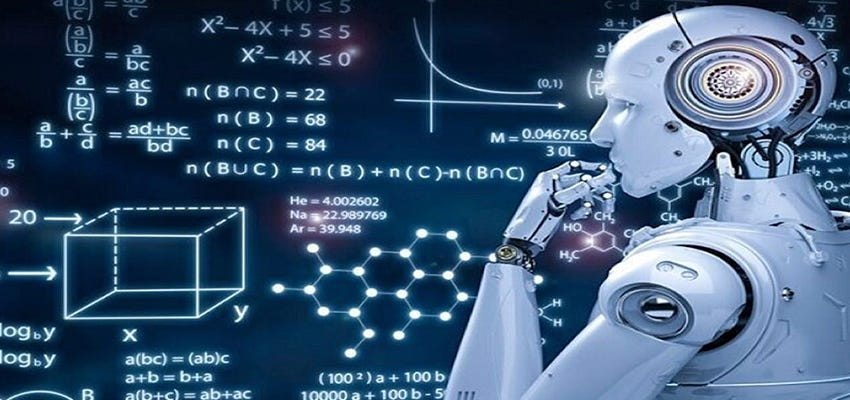
1. **The Evolving Landscape of Movie Scores: AI’s Transformative Role**Artificial intelligence has fundamentally redefined the boundaries of music composition, particularly within the dynamic realm of movie scores. This intersection of AI and music transcends traditional creative limitations, employing sophisticated algorithms to generate scores that push the envelope of artistic possibility. It’s a transformative force reshaping how film music is conceived, composed, and ultimately experienced by audiences worldwide.
At the core of this revolution lies AI’s impressive ability to analyze extensive databases of existing musical compositions. By leveraging advanced machine learning models, AI systems can meticulously scrutinize diverse musical elements, such as harmony, rhythm, and timbre. This deep analysis allows them to identify recurring patterns and trends with a precision that often mirrors, or even surpasses, traditional human methods. The ultimate result is a suite of original soundtracks, meticulously crafted to evoke distinctive emotions and enrich cinematic moments with exceptional accuracy.
This technological evolution is more than just an efficiency booster; it’s a catalyst for entirely new forms of musical expression. It expands the palette of sound, allowing filmmakers to consider auditory experiences previously deemed unattainable, thus fostering a new era of innovation in cinematic sound. This isn’t about replacing human talent, but augmenting it, opening up new frontiers for musical storytelling that truly resonate.

2. **Industry Upheaval: Strikes, Royalties, and the Future of Composers**The broader entertainment industry is currently navigating significant turbulence, with Hollywood actor and writer strikes sending ripple effects throughout the creative ecosystem. These strikes, driven by demands for better wages and opposition to the misuse of artificial intelligence, highlight a pervasive anxiety about technology’s impact on livelihoods. Musicians, particularly film composers, are finding themselves increasingly vulnerable in this shifting landscape.
Music supervisors, crucial for licensing audio for film, have already reported feeling the impact of these strikes. As freelancers, their attempts to unionize have been denied. Opportunities for placements in TV and film are visibly slowing down due to a decline in content production. Jen Pearce, founder and CEO of Low Profile, observes, “It wasn’t until the last couple of weeks where we’re starting to feel like, OK, they’re running out of things to license music for.”
Compounding these challenges are changes in how composers are remunerated. Film composers are not only contending with the decline in content but are also fighting for music royalty payments. Warner Bros. Discovery, for instance, announced a shift to direct source licenses at the end of 2019. Musicians in Discovery’s network no longer collect US royalties for future and past work, significantly diminishing their long-term earning potential.
When long-format AI music generation truly takes hold, it will become easier than ever to generate comprehensive film scores. This once coveted skill could become accessible to a younger generation, untethered to legacy workflows. This necessitates a proactive approach from existing composers, who will need to remain flexible and adapt to this new creative climate to ensure their continued employment and relevance.

3. **The Rise of Indie AI Filmmakers and Affordable Scoring Needs**While traditional Hollywood grapples with strikes and royalty disputes, a grassroots movement is quietly burgeoning on the internet: the rise of indie AI filmmakers. Generative video software companies, such as Gen-2’s Runway and Pika Labs, are now providing accessible services that create short video clips based on simple text input. As these clip durations extend into longer-form content, an entirely new ecosystem of experimental filmmakers is emerging, poised to publish and monetize original content through platforms like YouTube.
This burgeoning community of indie AI filmmakers operates under a different economic paradigm than large studios. They will inherently be less interested in paying exorbitant fees for sync licensing, which can be a significant barrier to entry for independent creators. This creates a fertile ground for a growing demand: engaging, high-quality film scores that can be generated affordably and efficiently with artificial intelligence, empowering them to produce polished content without prohibitive musical costs.
The legal landscape surrounding AI-generated music is also evolving rapidly. Legislation is anticipated to clamp down on commercial AI music models trained on licensed music, enforcing remunerations and profit shares. In response, we will likely witness a corresponding rise in illegally trained models available on the dark web, akin to historical platforms like Pirate Bay and BitTorrent, but repurposed for creation rather than just consumption.
Amidst these legal and ethical considerations, the market will also see an increase in legal generative audio workstations and AI VSTs. These tools are designed to streamline traditional DAW workflows, making advanced music production more accessible. They will assist composers of all skill levels in accelerating their creative process, enabling music producers to generate and construct film scores at a more reasonable pace and significantly reduced cost, democratizing high-quality scoring.
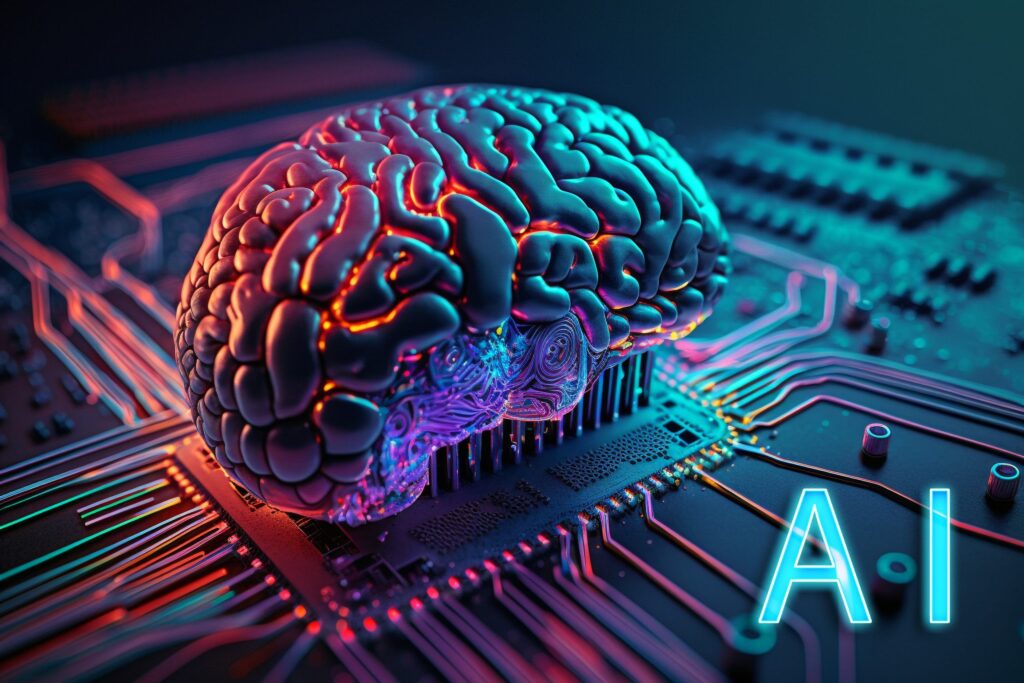
4. **Unveiling AI’s Core Capabilities in Music Composition**Artificial intelligence is not merely a tool for automation; it embodies a sophisticated analytical prowess that is fundamentally reshaping how music is composed, particularly for the intricate demands of film. At its heart, AI’s capability stems from its ability to process vast datasets of existing musical compositions. By leveraging advanced machine learning models, these systems can meticulously deconstruct and understand the underlying elements of music, such as harmony, rhythm, and timbre.
This analytical strength allows AI to identify recurring patterns, structural conventions, and emotional cues within a rich tapestry of musical history. It can then synthesize new compositions that adhere to these learned principles, producing original soundtracks with a level of precision that mirrors or even surpasses traditional methods. Unlike a human composer who might draw from years of experience and personal inspiration, AI operates on a statistical understanding of what makes music effective and coherent.
One of the most innovative aspects of AI in movie score composition is its capacity for emotional calibration. Traditional composition relies heavily on human intuition to align musical elements with a scene’s emotional nuances. AI, however, employs algorithms that can process extensive arrays of data to achieve this alignment. It can discern subtle shifts in mood, tension, or character psychology within a film, and adapt the musical score dynamically to amplify these emotional undertones, ensuring a deeply integrated auditory experience.
Furthermore, AI’s role extends beyond mere replication of existing styles. By integrating generative models and neural networks, AI systems can explore entirely novel musical landscapes. This capability allows them to create soundtracks not constrained by traditional genre boundaries or conventional compositional structures. This capacity for innovation opens up new avenues for creative expression, enabling filmmakers to experiment with unique auditory experiences.

5. **Emotional Calibration: AI’s Impact on Soundtracks and Audience Resonance**The profound impact of AI-generated movie scores on emotional resonance represents a paradigm shift in how soundtracks engage with audiences. The ability of advanced algorithms to finely tune musical elements to align with the emotional tone of a scene is a significant breakthrough in cinematic music composition. This sophisticated capability ensures that each score not only complements but actively enhances the narrative depth and emotional weight of a film.
Central to this innovation is AI’s capacity to analyze and adapt musical parameters with exceptional precision. Algorithms can dynamically adjust elements such as tempo, key, and instrumentation to reflect the mood and intensity of a particular scene. For instance, during a tense confrontation, an AI system can modify the tempo and increase the intensity of percussion to heighten the sense of urgency, making the audience physically feel the tension escalating on screen.
Conversely, for a poignant or reflective moment, the AI can employ a softer tempo and subtle string arrangements, carefully crafted to evoke a deep sense of melancholy or introspection. This nuanced adaptability ensures that the music seamlessly integrates with both the visual and emotional elements of the film. It’s a continuous, dynamic dialogue between sight and sound, orchestrated with algorithmic precision to maximize emotional impact.
AI’s role in emotional resonance also extends to its ability to predict and evoke specific audience reactions. By leveraging vast datasets of emotional responses to various musical cues, AI systems can craft soundtracks designed to elicit precise feelings in viewers. This predictive capability is rooted in machine learning models that analyze patterns of audience engagement, allowing for a strategic approach to emotional manipulation in the best sense of cinematic storytelling.
6. **The Synergy of Human Creativity and AI in Composition**The integration of artificial intelligence in movie score composition heralds a new era in musical innovation, yet its true potential is realized not in isolation, but when combined synergistically with human creativity. While AI demonstrates remarkable prowess in generating complex and nuanced soundtracks, it is the collaborative partnership between human composers and AI that genuinely pushes the boundaries of musical expression. This fusion harnesses the unique strengths of both human artistry and advanced technology.
AI excels in its ability to process extensive data and identify intricate patterns within vast libraries of musical compositions. It can effortlessly generate variations in tempo, key, and instrumentation, creating a rich tapestry of sound that technically aligns with a film’s narrative requirements. However, while AI provides undeniable technical excellence and efficiency, it intrinsically lacks the intuitive, lived experience, and emotional depth that human composers bring to their craft. It can mimic, but it doesn’t *feel*.
Human composers infuse music with personal experiences, profound emotional depth, and a rich understanding of cultural context—elements that are often subtle yet profoundly impactful. Their unparalleled ability to comprehend and interpret the nuanced emotional landscape of a film allows them to provide the essential artistic direction. When composers collaborate with AI, they leverage these invaluable human insights to guide the technology, ensuring that the generated music not only meets technical specifications but also resonates on a deeply emotional and authentically human level.
This creative partnership opens up unprecedented avenues for experimentation. Composers can effectively use AI as a sophisticated assistant, exploring novel musical structures and unconventional soundscapes. This dynamic interplay between algorithmic precision and human artistic vision enables the creation of soundtracks that are both technologically advanced and imbued with a unique, personal touch, pushing the boundaries of what is musically possible.
Read more about: Unraveling the Enigma: Prototaxites, the 26-Foot-Tall Fossil Challenging Our Tree of Life
7. **Understanding Film Scoring Basics: Spotting Sessions and Cue Sheets**To truly appreciate the advancements and challenges brought by AI in film scoring, it’s essential to first grasp the foundational principles of traditional film music creation. At its core, “film score spotting” is a crucial collaborative process that forms the bedrock of any successful score. This intricate phase involves the film’s director, the composer, and often a music editor, coming together to make critical decisions about the musical landscape of the film.
During a spotting session, the team meticulously watches the film, scene by scene, to determine precisely where music will be placed. This involves identifying the ‘in’ and ‘out’ points for each music cue – the exact moments a piece of music starts and concludes. More than just timing, they discuss the desired emotional impact of the music, whether a scene should be underscored, or perhaps left in poignant silence, allowing the visuals and dialogue to carry the weight.
These discussions are vital for establishing the emotional tone, length, style, and type of music required for each segment. The composer takes meticulous notes, which serve as a comprehensive roadmap for the entire composition process. This detailed guidance ensures that the music appropriately complements and enhances the narrative, pacing, and emotional arcs of the story, acting as an invisible hand guiding the audience’s feelings and perceptions throughout the film.
After the spotting session concludes, the composer retreats with this detailed roadmap to begin the monumental task of composition. They typically create mock-ups or demos, presenting these initial ideas to the director for feedback and revisions before moving towards the final score. This iterative process, deeply rooted in human interpretation and collaboration, is what ensures the music becomes an integral, emotionally resonant part of the film, carefully woven into its very fabric.
8. **The Foundational Principles of Cinematic Sound: Aaron Copland’s Enduring Wisdom**To fully grasp the revolutionary advancements brought by artificial intelligence to film music, it’s invaluable to first establish a grounding in the classical tenets of the craft. Esteemed composer Aaron Copland offered five core functions that film music should strive to accomplish. These enduring principles serve as a vital compass, guiding creators, whether human or AI-assisted, in crafting scores that genuinely elevate the cinematic experience.
Copland’s insights highlight that effective film music must, at minimum, achieve one of these critical objectives. It should be capable of ‘creating atmosphere,’ enveloping the audience in the world of the film with sounds that evoke time, place, and mood. Beyond mere background, the score also needs to be proficient at ‘highlighting the psychological states of the characters,’ delving into their inner turmoil, joy, or apprehension with musical cues that reflect their emotional journey.
The score can also serve as ‘providing a neutral background filler,’ ensuring there are no jarring silences or awkward transitions, thereby maintaining an uninterrupted flow for the audience. Crucially, it must contribute to ‘building a sense of continuity,’ helping to link disparate scenes or ideas together into a cohesive narrative. Lastly, and perhaps most powerfully, film music is tasked with ‘sustaining tension and then rounding it off with a sense of closure,’ expertly manipulating emotional peaks and valleys to deliver a satisfying narrative resolution.
As we embark on the journey of creating AI-generated music for scenes in movies or television shows, these five functions articulated by Copland must remain paramount. They represent the artistic benchmarks against which any score, regardless of its origin, will ultimately be judged. While countless volumes have been dedicated to the art of film scoring, understanding these fundamental goals is the first step toward producing truly impactful and memorable cinematic soundscapes.
9. **Kickstarting Your AI Scoring Process: Priming Your LLM for Creative Prompts**Venturing into the world of AI film scoring doesn’t require a background in complex programming; it’s remarkably accessible, even with free, entry-level software. The initial steps involve harnessing the power of large language models (LLMs) to lay the groundwork for your musical composition. This workflow demonstrates a practical approach that any music producer can begin experimenting with today, transforming creative concepts into tangible musical ideas.
The journey begins with selecting your chosen LLM. Tools like ChatGPT or the Llama LLM hosted on Perplexity are excellent starting points, readily available in your browser. Once you’ve opened a new chat, the next critical phase involves priming your chosen AI assistant for the specific task of music spotting. This ensures the LLM understands its role in analyzing cinematic elements and generating appropriate musical directions.
A simple, yet effective, primer is key to guiding the LLM. You’ll instruct it to meticulously analyze a given film script or scene description, focusing on its emotion, pacing, setting, and significant events. The goal is for the AI to then produce a descriptive text-to-music prompt. This prompt should be rich enough to effectively guide a subsequent text-to-music generator in producing music that perfectly encapsulates the scene’s unique atmosphere and emotional essence.
The final preparatory step involves feeding the LLM the actual narrative content. This could be a comprehensive script or a detailed written description of the scene you intend to score. In instances where a script for a well-known film isn’t readily available, the LLM itself can often summarize the scene’s events from a brief prompt, further streamlining the process. This meticulous preparation ensures that the AI has all the necessary context to generate truly fitting musical ideas.

10. **From Textual Prompts to Auditory Cues: Generating Music with MusicGen**With your large language model now primed and equipped with a descriptive prompt, the next exciting phase involves translating these textual instructions into actual musical content. This step leverages specialized text-to-music generators, transforming the AI’s analytical output into initial auditory cues for your film score. It’s where the abstract concept of a scene begins to take on its unique sound.
The primary tool for this stage is MusicGen, a powerful generative model designed to interpret descriptive prompts and produce original musical pieces. You simply navigate to MusicGen and paste the detailed text-to-music prompt you meticulously crafted with your LLM. This direct input acts as the blueprint for the AI, guiding its creative process to align with the scene’s emotional and thematic requirements.
To ensure adequate musical segments for your scenes, you’ll extend the generated music duration, typically to around 30 seconds, and then initiate the generation process. Should you already have a foundational melody or an arrangement idea, MusicGen offers the flexibility to upload it as an audio condition, providing an additional layer of guidance to refine the musical output. This feature is crucial for maintaining thematic consistency or exploring variations on an existing motif.
Upon generation, you download the track to your local device. The beauty of this process lies in its iterative nature; you can repeatedly hit the submit button to generate as many diverse musical contents as needed. This allows for extensive experimentation, ensuring you have a wide array of options to perfectly match the nuanced emotional arc of your scene, moving beyond the first suggestion to find the truly resonant sound.

11. **Assembling Your Score: Seamless Integration into Video and Initial Sound Design**Once you have a collection of generated musical tracks, the next crucial phase involves bringing them into the visual realm, synchronizing the AI-created sounds with your film footage. This step is about integrating the nascent score into the video editor, allowing you to see and hear how the music interacts with the narrative. It’s where the disparate elements of sound and image begin to coalesce into a cohesive cinematic experience.
The process is straightforward: import your video into a video editor of choice. While a basic tool like iMovie can effectively demonstrate the simplicity and accessibility of this method, for those intending to add intricate layers of foley and advanced sound design, a dedicated sound design digital audio workstation (DAW) such as Audio Design Desk is highly recommended. These specialized tools offer greater control and a richer suite of features for comprehensive audio post-production.
With both video and music imported, you begin laying down the MusicGen tracks onto the editor’s timeline. This involves meticulously trimming each musical segment to fit precisely into the scene’s duration and emotional flow. The goal is to match the feeling and pacing of the visuals, ensuring that the music appropriately underscores the action or dialogue without overpowering it. This initial placement is a dynamic, iterative process where you continually adjust until the harmony between sight and sound is achieved.
If, after initial placement, a piece of music doesn’t quite resonate with the scene’s intended mood, the workflow encourages returning to MusicGen to generate new options. This flexibility is a significant advantage of AI-assisted scoring, allowing for rapid iteration and refinement. This stage effectively creates a ‘scratch track’ – a temporary, but functional, score that will be further enhanced in subsequent steps, providing a strong foundation for the film’s auditory identity.

12. **Elevating Audio Fidelity: The Journey from Generative Music to Studio-Grade Scores**The initial AI-generated tracks, while functionally strong, often possess a low-to-medium fidelity that demands further refinement to meet professional studio standards. This is where the magic of audio post-production truly comes into play, transforming raw generative output into a polished, high-quality film score. This critical stage enhances the musicality and overall auditory richness of the composition.
The process begins by importing your generated audio file into a Digital Audio Workstation (DAW). Here, specialized audio-to-MIDI transcription software, such as Samplab 2, becomes indispensable. This tool can perform stem separation, effectively pulling apart individual instrument tracks like bass and lead melodies. This capability significantly accelerates the transcription process, sparing you the arduous task of transcribing each layer by ear, a traditionally time-consuming endeavor.
Once separated, the MIDI files are imported onto individual MIDI tracks within your DAW. The next step, refining these MIDI tracks, is crucial for improving the musicality and precision of the score. You’ll open your piano roll to meticulously edit the notes, correcting any inaccuracies or refining performance nuances. Assigning virtual instruments that reflect the original audio, but with superior sound quality, is also key at this stage, allowing for the precise testing of articulations and the establishment of ideal volume levels at the note level.
For composers seeking the unparalleled warmth and depth of live instrumentation, DAWs like Logic Pro X offer a score view that seamlessly converts MIDI data into sheet music. This allows for the option to print the score and hand it off to a live ensemble for studio recordings. A studio recording of orchestral music invariably delivers a more organic and professional sound than purely virtual renditions, adding a layer of authenticity that is highly valued in cinematic productions.
Finally, with the high-fidelity score now perfected, you export the final audio file back into your video editor. This polished recording replaces the original scratch track generated by MusicGen, completing the iterative process. For comprehensive sound design that includes layers of foley, sound effects, and intricate mixing, advanced tools like Audio Design Desk are recommended. Its extensive library of studio-level effects and ‘hot swapping’ capability allow for rapid iteration and integration, ensuring a truly immersive and professional final soundtrack.
13. **Challenges in Generative AI: Limitations in Attention and Audio Transcription**While the ascent of AI in film scoring presents exciting opportunities, it’s crucial to acknowledge the significant hurdles that remain. Generative AI is still in its nascent stages, and several inherent challenges persist, preventing a fully autonomous and perfectly refined scoring process. These are complex issues that will require ongoing innovation and collaborative problem-solving to overcome, not merely overnight fixes.
One fundamental limitation stems from the ‘attention layer’ within today’s most advanced public models, such as MusicLM and MusicGen. These models are capable of generating music of low-to-medium fidelity, but typically lose thematic focus and coherence beyond durations of approximately thirty seconds. This inherent constraint poses a considerable challenge for crafting longer-form musical pieces, even for something as relatively short as a three-minute song, let alone an entire film score.
Furthermore, while Meta’s underlying AudioCraft Python library does offer a `generate_continuation` method, allowing for extensions beyond the initial 30-second clips, it currently falls short in its ability to maintain a coherent understanding of the themes it has generated. It struggles to iterate on these themes with the artistic insight and developmental progression that a skilled human composer would intuitively apply, resulting in fragmented rather than cohesive extended compositions.
Another significant challenge lies in the transcription of arrangements from raw audio generated by AI. Generative audio synthesis, at its current stage, is still far from producing studio-quality sound. To elevate the fidelity, AI-generated music typically needs to be meticulously transcribed and then recreated within a Digital Audio Workstation (DAW) by audio engineers, who then apply their professional touch to enhance the mix and overall sound design.
Tools like Samplab provide crucial assistance by applying stem separation and transcribing raw music into MIDI data, thereby accelerating the process. However, even with such sophisticated software, a considerable degree of human skill remains essential. Users still need expertise to effectively operate a DAW, precisely edit MIDI, apply intricate sound design, and refine the mix to achieve a polished, professional-grade output. Without these human interventions, the journey from raw AI audio to a compelling, high-fidelity score remains incomplete.
As we look towards the horizon, the story of AI in film scoring is just beginning to unfold, promising a symphony of innovations that will undoubtedly redefine the auditory landscape of cinema. While AI offers unparalleled tools for efficiency and exploration, the true magic will continue to emerge from the collaborative dance between cutting-edge technology and the enduring brilliance of human artistic vision. The future of film music is not just about automation, but about augmentation—a powerful partnership where the heart of human creativity finds new, expansive avenues for expression through the intelligence of machines, creating scores that are both groundbreaking and deeply, beautifully human.