The roar of a sport bike engine, the rush of wind, and the blur of the open road on a high-speed tour—these experiences are exhilarating. Yet, beneath this thrilling facade lies a critical challenge: the immense heat generated by these powerful machines. As sport bikes push the boundaries of performance and speed, the “cooling crisis” becomes an ever-present concern, a silent threat to the bike’s integrity and rider safety. Understanding how to effectively manage this engine heat isn’t just about comfort; it’s fundamental to extending its life and ensuring a safe, enjoyable ride.
Engine heat isn’t inherently bad; it’s a natural byproduct of the combustion process that powers your bike. However, if this heat isn’t efficiently dissipated, it quickly escalates from a natural occurrence to a dangerous problem. Overheating can lead to a cascade of severe issues, including engine seizure, cracked engine parts, and other serious motor malfunctions, compromising reliability and potentially leaving a rider stranded or in a hazardous situation. The stakes are high, demanding a proactive approach to thermal management for peak performance and to avoid costly repairs.
In this comprehensive guide, we delve into the core aspects of heat management for sport bikes, identifying key areas that differentiate a “rider-friendly” machine from one teetering on “scorching hot” temperatures. We’ll explore crucial maintenance routines, essential riding behaviors, and critical system components, providing practical insights for every sport bike enthusiast. By understanding these vital elements, you’ll be equipped to make informed decisions for efficient, reliable, and safe operation, letting you focus on the thrill of the ride, not overheating.
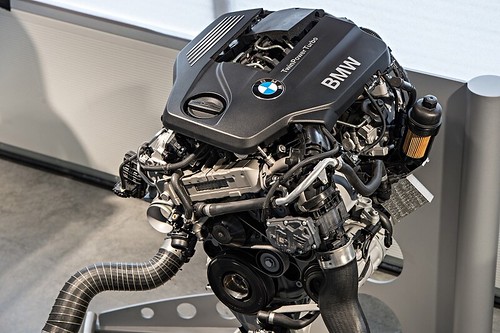
1. **Understanding Engine Heat Generation**Before we can effectively manage engine heat, it’s crucial to grasp its origins. When a sport bike’s engine is running, it meticulously burns fuel to generate the immense power that propels it forward. This combustion process is inherently exothermic, meaning it releases a significant amount of heat as a natural consequence. The more power generated, the greater the heat produced.
This phenomenon becomes even more pronounced and critical during high-speed tours or aggressive riding. Maintaining elevated speeds continuously demands increased power output. Consequently, combustion intensifies, leading to substantial heat generation within the engine and components. It’s a fundamental principle of thermodynamics at play, dictating that energy conversion will always result in thermal byproduct.
While this heat is a natural and unavoidable byproduct, its management presents the real challenge. A well-designed cooling system extracts and dissipates this heat effectively, preventing critical accumulation. Without proper understanding and management, this natural heat can quickly turn into a detrimental force, underscoring why recognizing the source of the heat is the foundational first step in combating the cooling crisis.
Read more about: Beyond the Screen Name: Uncovering the Shocking True Identities of Your Favorite Celebrities
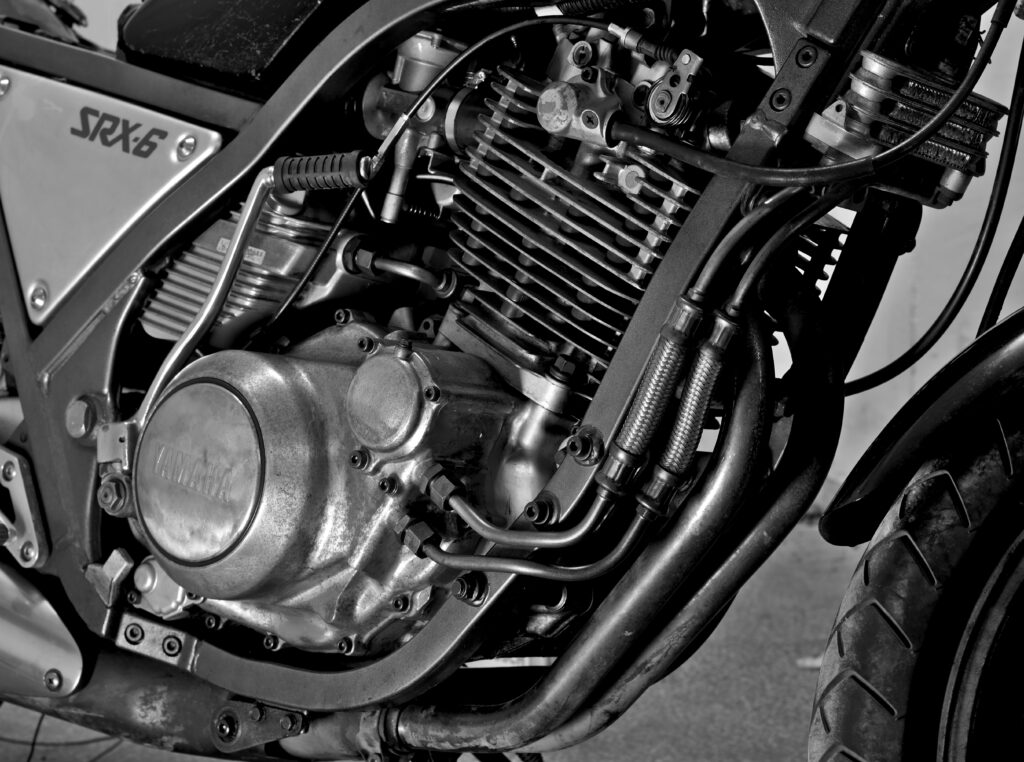
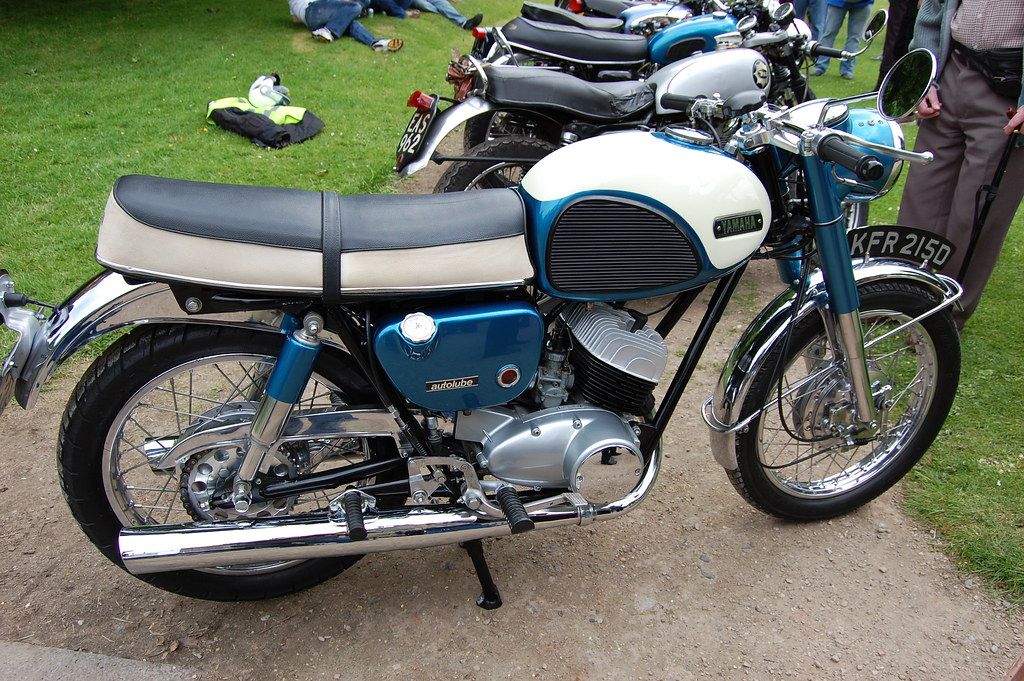
2. **The Role of Air-Cooled Systems**Air-cooled systems represent one of the foundational approaches to engine heat management, relying primarily on ambient air passing over the engine to dissipate excess thermal energy. These systems are characterized by their inherent simplicity in design and operation. Cooling fins, strategically cast into cylinders and cylinder heads, increase surface area exposed to passing air, facilitating heat transfer.
For sport bikes, particularly classic or off-road applications, air-cooled systems offer several advantages. They are generally lighter than their liquid-cooled counterparts, contributing to a lower overall bike weight and potentially sharper handling. Simpler construction often means lower maintenance costs and easier repair, with fewer complex components like radiators, pumps, and hoses.
However, air-cooled system effectiveness is inherently tied to airflow, presenting limitations, especially in specific riding scenarios. During slow rides, heavy traffic, or periods of stationary idling, the volume and velocity of air moving over the engine decrease dramatically. Reduced airflow directly hampers heat dissipation, making air-cooled sport bikes susceptible to overheating in these conditions. Their reliance on external air current means they are not as efficient in heat management as liquid-cooled systems when airflow is compromised.
Read more about: Smart Savings on Wheels: Unveiling the 10 Best Value Used Cars for Frugal Shoppers, Backed by Dealer Insights and Long-Term Records
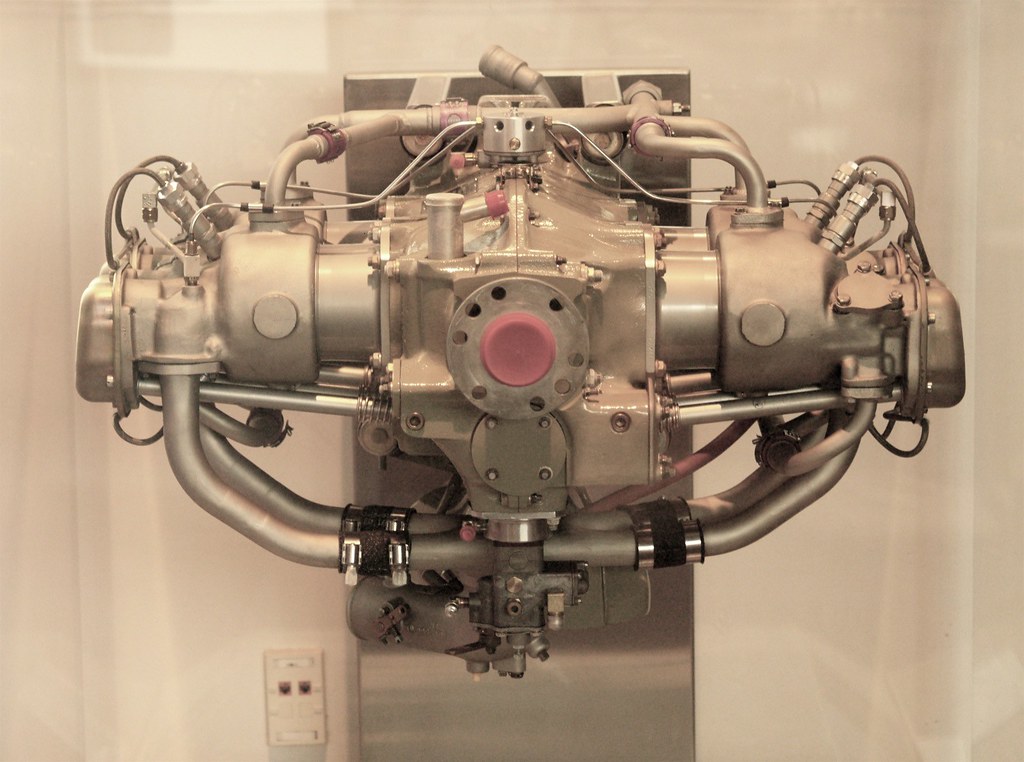
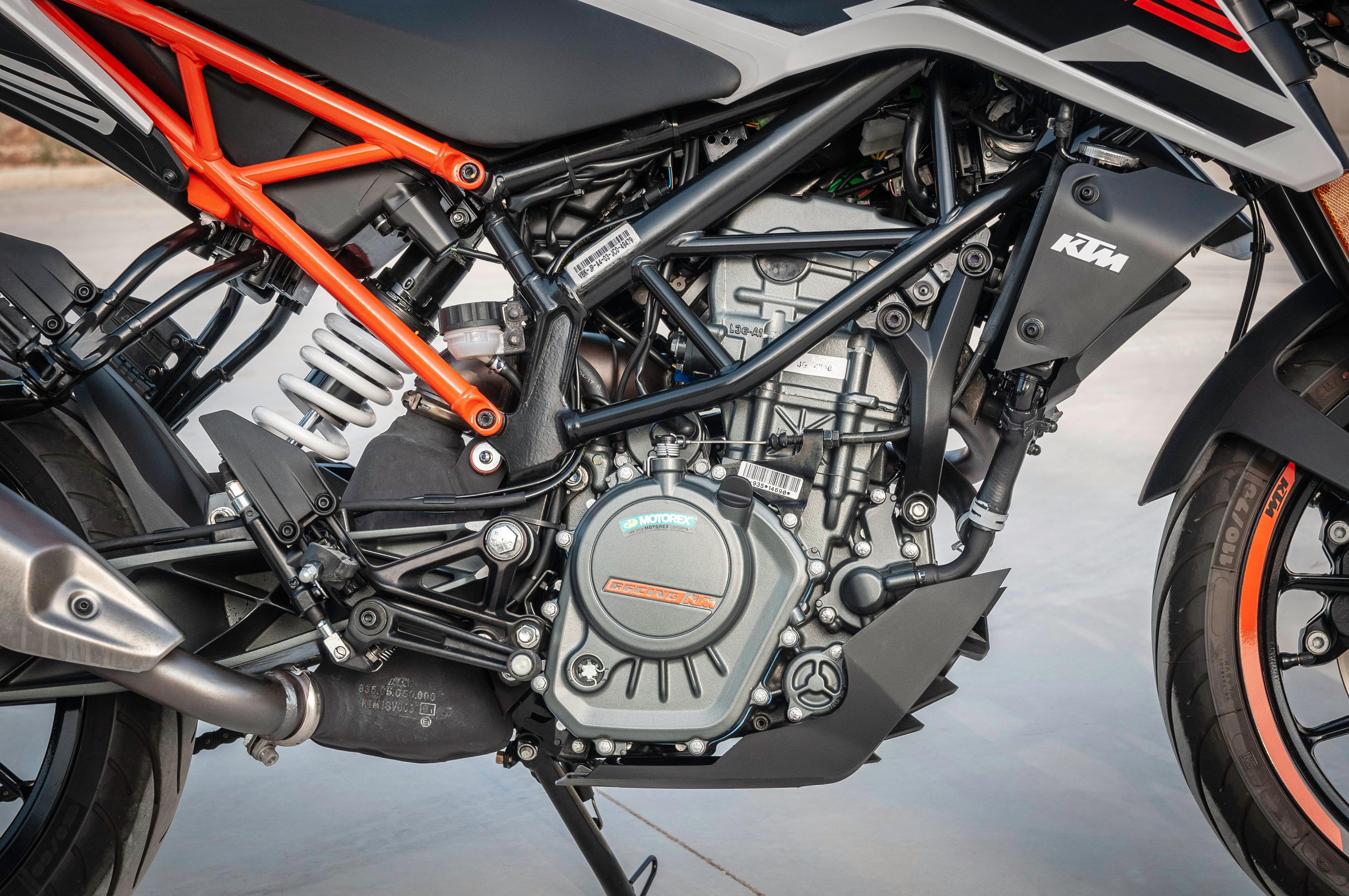
3. **The Role of Liquid-Cooled Systems**In contrast to air-cooled designs, liquid-cooled systems employ a more sophisticated and efficient thermal management method. These systems utilize a specialized coolant fluid, circulated via a pump, to absorb heat directly from the engine’s hottest components. This heated coolant is then directed away from the engine to a radiator, where it is cooled before being recirculated back to the engine.
The fundamental advantage of liquid-cooled systems lies in their superior heat absorption and dissipation capabilities. The coolant, typically a water and antifreeze mixture, possesses high specific heat capacity, allowing substantial thermal energy absorption. This fluid is actively pumped through passages to the radiator, a heat exchanger with numerous fins and tubes, maximizing surface area for heat transfer to ambient air.
This efficiency makes liquid-cooled systems preferred for modern high-performance sport bikes, especially for sustained high-speed tours. Precise temperature regulation offered by liquid cooling significantly contributes to engine longevity, consistent power delivery, and reliability, making it a cornerstone of rider-friendly thermal management for demanding sport bike applications.
Read more about: A Wallet-Sized Disaster: 14 Critical Engine Symptoms That Signal Early Motorcycle Rebuilds
4. **Regular Coolant Checks**For liquid-cooled sport bikes, diligent cooling system maintenance, starting with regular coolant checks, is paramount. The coolant is the lifeblood of this system, responsible for carrying away the intense heat generated by combustion. Optimal coolant levels within the reservoir and system are critical to ensure sufficient fluid for circulation, heat absorption, and efficient transfer to the radiator.
Beyond just volume, the quality and type of coolant are equally vital. Manufacturers specify particular coolant formulations designed for effective engine operation, resisting freezing, boiling, and preventing corrosion within cooling passages. It is crucial to replace the coolant as per the manufacturer’s guidelines to ensure its properties remain effective over time. Degraded or old coolant loses its protective additives and heat transfer capabilities, diminishing system efficiency.
A common pitfall to avoid is mixing different types of coolants. Combining incompatible coolant formulations can lead to adverse chemical reactions, causing precipitation, gelling, or corrosion. This can result in clogs in the radiator or fluid passages, severely hindering heat transfer and potentially leading to catastrophic engine overheating. Adhering strictly to the recommended coolant type and maintenance schedule is fundamental for reliable cooling, preventing “scorching hot” temperatures.
Read more about: Behind the Grease and Grime: 12 Cars That Make Mechanics Secretly Cheer (Or Curse) When You Roll In
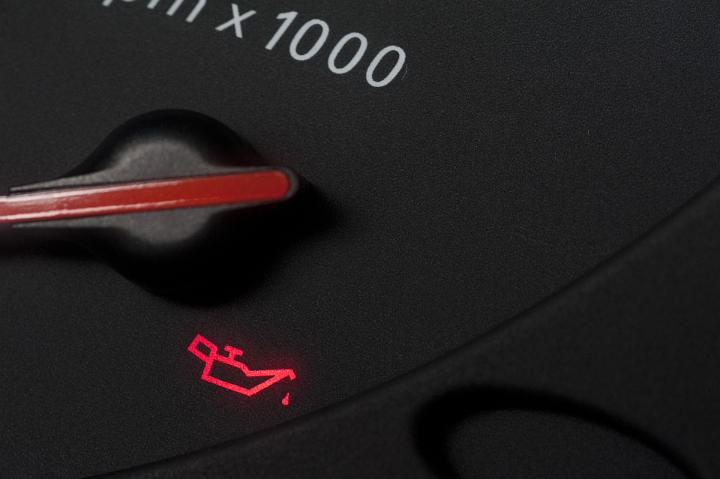
5. **Keeping Engine Oil Fresh**While engine oil’s primary role is lubrication, it also plays a critical secondary role in a sport bike’s thermal management. Oil actively absorbs a significant amount of heat from various internal components, particularly those not directly cooled by the primary liquid or air system. As it circulates, this heated oil transfers its thermal load to other engine parts or dedicated oil coolers, contributing to temperature regulation.
Maintaining fresh, quality engine oil isn’t just about protecting parts; it’s vital to your bike’s cooling strategy. As oil ages, it can break down under sustained high temperatures and mechanical stress, losing its viscosity and ability to effectively lubricate and dissipate heat. Regularly checking oil levels and changing it per manufacturer instructions is non-negotiable for engine health and thermal efficiency.
For high-performance sport bikes, the choice of oil can further enhance heat management. High-quality synthetic oil is often recommended. Synthetic oils are engineered to retain their critical viscosity even at extreme high temperatures, providing superior lubrication and a more stable medium for heat transfer compared to conventional oils. This enhanced thermal stability means better protection against wear and improved heat absorption, keeping your engine in the “rider-friendly” temperature range, even under high-speed demands.
Read more about: The Genius Tiny Details in Beyoncé’s ‘Countdown’ Video You *Definitely* Missed (And How They Shaped AI’s Future)
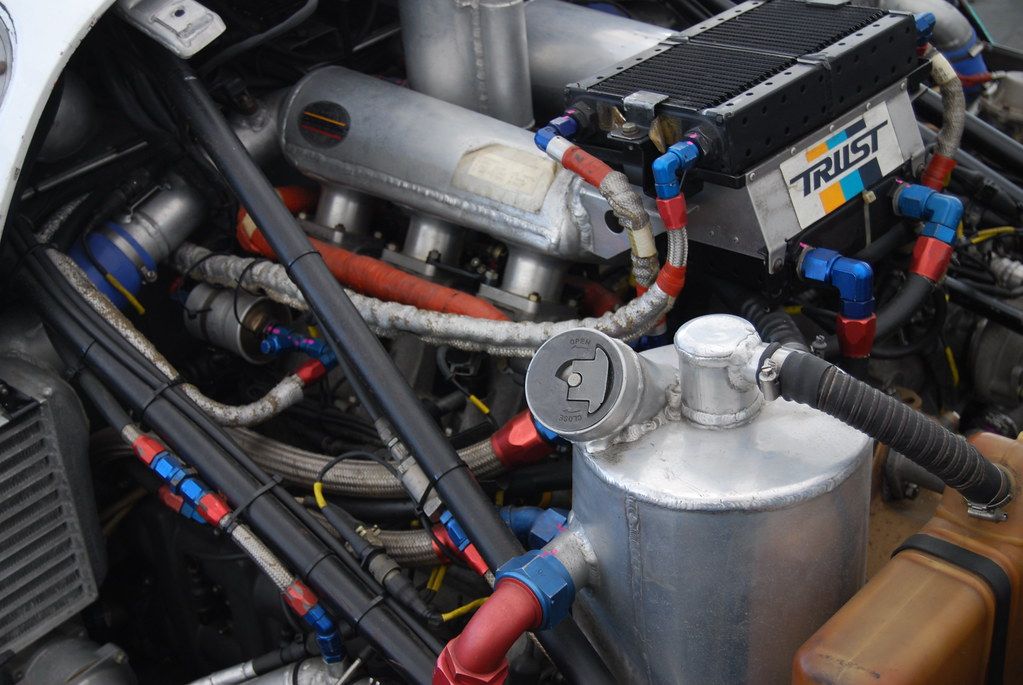
6. **Comprehensive Cooling System Maintenance**Beyond coolant and oil levels, holistic maintenance of the entire cooling system is essential for any sport bike, particularly high-performance models. The radiator, a cornerstone of liquid-cooled systems, must be kept meticulously clean and free from obstructions. Debris like insects, leaves, road grime, or bent fins can significantly impede airflow through the radiator’s delicate fins, drastically reducing its coolant cooling efficiency.
Regularly inspecting the radiator for damage, such as leaks, dents, or blockages, is a critical preventive measure. A compromised radiator cannot effectively dissipate heat, placing undue stress on the engine and increasing the risk of overheating. Cleaning the radiator often involves careful flushing or gently brushing away debris, ensuring air passes freely through its core, maximizing heat exchange capabilities.
Furthermore, for liquid-cooled bikes, the proper functioning of the radiator fan is indispensable. This fan activates when the bike moves slowly, idles in traffic, or during high ambient temperatures, forcibly drawing air through the radiator to cool the coolant. Regular checks to ensure the fan spins freely and activates correctly are crucial, confirming this vital component is ready when your sport bike needs it most, preventing “scorching hot” territory.
Read more about: Unearthing Hidden Performance: 14 Underrated Sports Cars That Defy Expectations for Today’s Performance Seekers
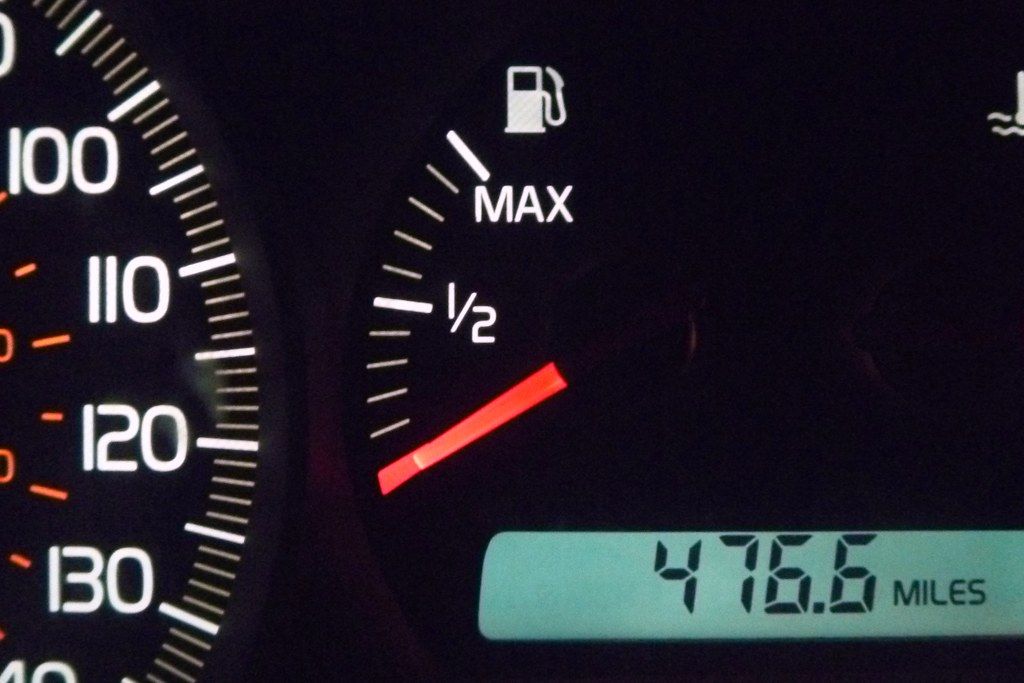
7. **Avoiding Sustained High RPMs**While sport bikes are engineered for exhilarating high-speed performance, the continuous operation at elevated engine revolutions per minute (RPMs) can significantly contribute to excessive heat buildup. The combustion process, which generates power, intensifies with higher RPMs, inherently producing more thermal energy within the engine components. Therefore, understanding this direct correlation is vital for effective heat management.
To mitigate this, riders are advised to occasionally modulate the throttle. This practice provides brief periods for the engine’s integrated cooling system, whether air or liquid-cooled, to more efficiently dissipate the accumulated heat. It prevents the thermal load from escalating to critical levels, thereby safeguarding engine integrity during demanding rides.
Incorporating these short respites from sustained high RPMs can act as a proactive measure against thermal stress. This rider behavior is a simple yet effective strategy for maintaining the engine within optimal temperature ranges, contributing to both the longevity of the motorcycle and a consistently ‘rider-friendly’ operating environment without sacrificing the thrill of performance.
Read more about: Rider’s Guide: Separating Myth from Reality on High-Mileage Motorcycles and What to Know Before You Buy
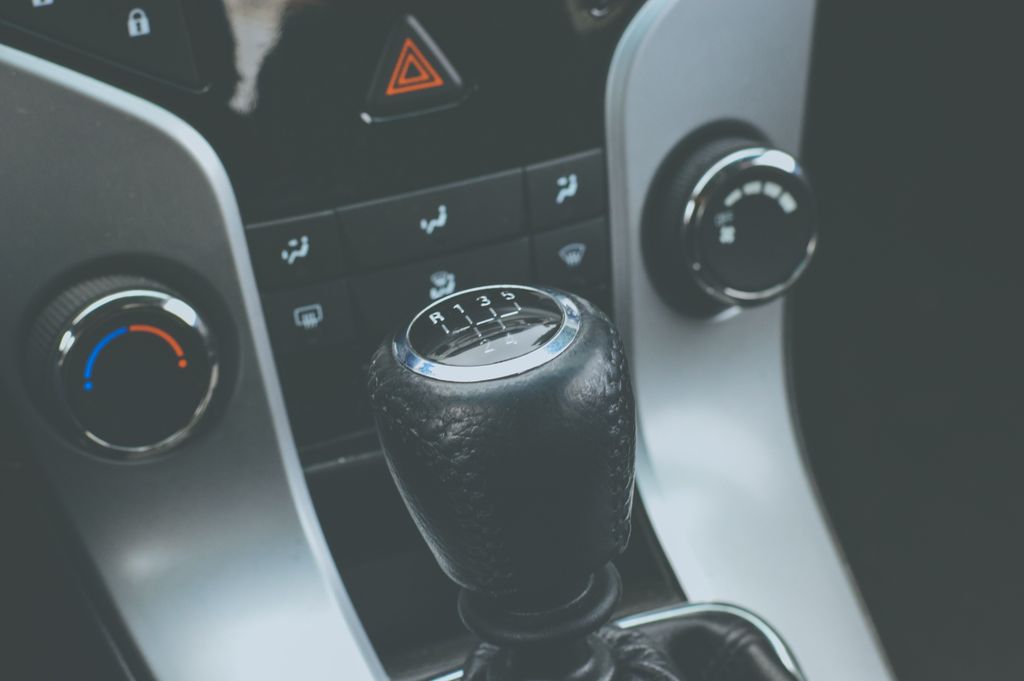
8. **Riding in the Correct Gear**Proper gear selection is a critical factor in managing engine heat on a sport bike, as it directly impacts the engine’s workload and, consequently, its thermal output. As the context highlights, operating the engine in “higher gears at lower speeds can strain the engine, leading to more heat generation.” This misalignment forces the engine to work harder than necessary, accelerating the combustion process and increasing internal temperatures.
Maintaining the correct gear ensures that the engine operates within its most efficient power band, where it can deliver power smoothly without undue strain. This optimization reduces the effort required from the engine, thereby minimizing unnecessary heat production. It’s about finding a harmonious balance where the engine is not laboring excessively nor revving beyond its optimal range for the given speed and load.
By consciously selecting the appropriate gear for prevailing riding conditions, enthusiasts can significantly contribute to their bike’s thermal regulation. This strategic riding behavior helps prevent the engine from becoming “scorching hot” due to inefficient power delivery, extending the life of engine components and ensuring consistent, reliable performance.
Read more about: 14 Wild Ways Cycling Is More Than Just a Ride (Plus, How You Can Join the Fun!)

9. **Efficient Traffic Navigation**Navigating slow-moving traffic or prolonged periods of idling presents a unique challenge for a sport bike’s cooling system, particularly for air-cooled models. In these scenarios, the natural airflow, which is crucial for dissipating heat, is significantly reduced or even eliminated. This lack of airflow can quickly lead to an accumulation of heat, pushing engine temperatures into concerning territory.
For sport bikes utilizing air-cooled systems, the primary advice is to “try to keep moving, even if slowly.” Any forward motion, no matter how minimal, helps to introduce some air current over the engine’s cooling fins, assisting in heat transfer. While not as efficient as high-speed airflow, it’s a practical measure to prevent overheating in congested environments.
Liquid-cooled systems, while more efficient, still face challenges. It is imperative to “ensure the radiator fan is functioning well to cool the coolant at lower speeds.” The fan acts as a forced air inducer, drawing air through the radiator when natural airflow is insufficient. Regular checks on the fan’s operation are thus crucial for liquid-cooled sport bikes to manage heat effectively when stationary or moving slowly.
Read more about: Beyond Self-Parking: Unveiling 12 Transformative Futuristic Car Features That Will Revolutionize City Driving
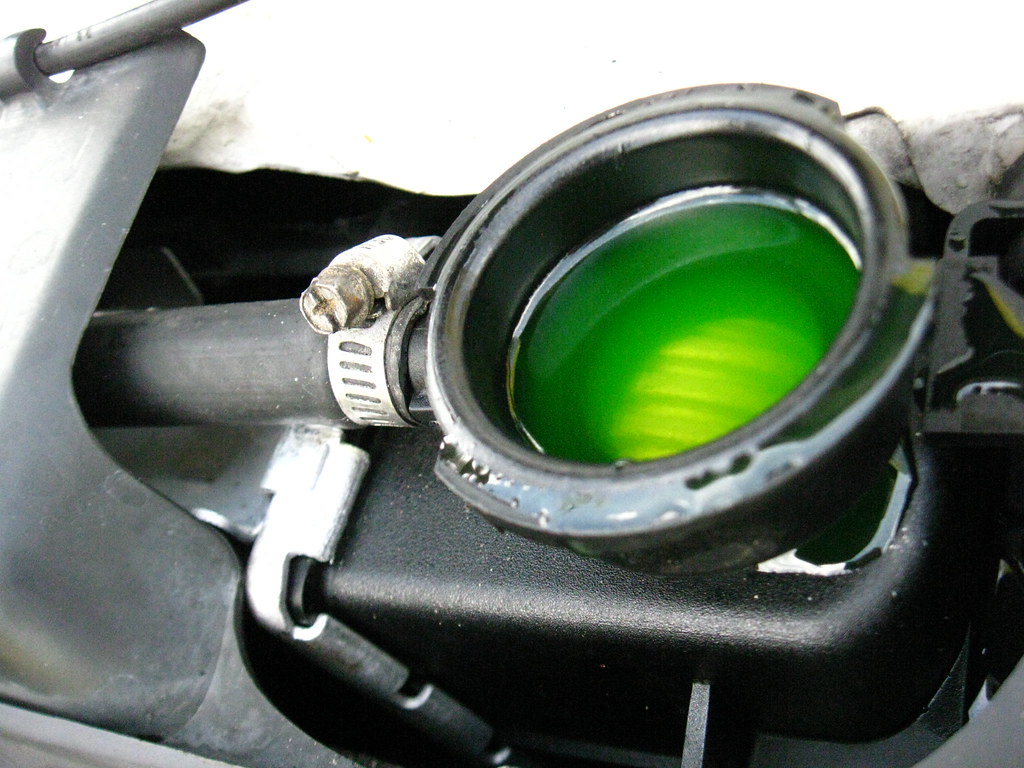
10. **Strategic Cooling System Upgrades**Beyond routine maintenance, sport bike owners have the option to implement strategic upgrades to significantly enhance their bike’s thermal management capabilities. Manufacturers are continuously innovating, offering advanced components designed to improve heat dissipation and overall engine efficiency. These targeted modifications can transform a bike’s ability to handle demanding conditions.
The context specifically mentions “Upgrading parts like the radiator, oil cooler, and fans to the latest models or versions.” Modern radiators often feature improved designs for better airflow and heat exchange, while upgraded oil coolers can more effectively reduce the temperature of the circulating engine oil. Enhanced cooling fans can provide a stronger, more consistent airflow when the bike is moving slowly or idling, preventing heat buildup.
Furthermore, the quality of consumables plays a crucial role. Opting for “synthetic oil and high-quality coolant” is a recommended upgrade. Synthetic oils maintain their viscosity and thermal stability better at extreme temperatures, aiding in heat absorption, while high-quality coolants offer superior heat transfer properties and corrosion protection, collectively enhancing the bike’s overall thermal management capability.
Read more about: Unearthing Hidden Performance: 14 Underrated Sports Cars That Defy Expectations for Today’s Performance Seekers
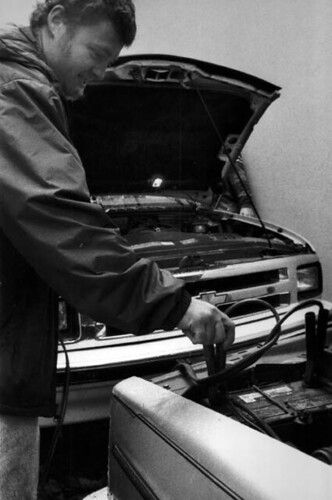
11. **The Value of Professional Servicing**While diligent personal maintenance is fundamental to a sport bike’s health, the expertise offered by professional servicing provides an invaluable layer of assurance in thermal management. Trained technicians possess specialized tools and knowledge to conduct thorough inspections and identify potential issues that might escape the casual observer. This professional insight is critical for maintaining optimal engine health.
Professionals can “help identify and fix any potential issues that are not visible to the untrained eye.” This includes detecting hairline cracks in cooling hoses, subtle leaks in the radiator, or incipient failures in water pumps or thermostats before they escalate into major problems. Their diagnostic capabilities extend to assessing the overall efficiency of the cooling system components.
Entrusting your sport bike to experts at regular intervals ensures that its cooling system remains in “prime condition” for all riding scenarios, including high-speed tours. This proactive approach to maintenance through professional servicing is a vital investment, safeguarding against unexpected breakdowns and costly repairs associated with an overheating engine, and ultimately contributing to a consistently “rider-friendly” experience.
Read more about: Unpacking the Wallet Drain: The 12 Most Expensive SUVs to Maintain in Today’s Market for Savvy Long-Term Planners

12. **The Impact of Overheating on Sport Bikes**Neglecting effective heat management in a sport bike can lead to a severe array of detrimental consequences, extending far beyond temporary performance dips. The risks associated with an engine operating at “scorching hot” temperatures are significant and can compromise both the structural integrity of the bike and the safety of the rider.
As the context explicitly warns, overheating can result in “engine seizure, cracked engine parts, and other serious motor malfunctions.” These catastrophic failures demand extensive and often costly repairs, potentially rendering the motorcycle inoperable. The high thermal stress on components can lead to irreversible damage, fundamentally compromising the engine’s reliability and lifespan.
Beyond mechanical damage, an overheated engine can leave a rider stranded, creating a “hazardous situation” particularly during high-speed tours or in remote areas. The stakes are undeniably high, underscoring why a “proactive approach to thermal management for peak performance” is not just recommended, but essential to avoid these severe issues and ensure a safe, uninterrupted riding experience.
**Conclusion: Keeping Your Cool on the Open Road**
The journey through the intricacies of sport bike engine heat management reveals a fundamental truth: optimal thermal regulation is the cornerstone of exhilarating, reliable, and safe riding. From understanding the core mechanisms of heat generation to implementing advanced rider behaviors and system upgrades, every step contributes to transforming a potentially “scorching hot” scenario into a consistently “rider-friendly” experience. It’s clear that proactive engagement with your bike’s cooling needs is not merely about preventing damage; it’s about preserving the very essence of your sport bike’s performance and ensuring a smooth journey every time you hit the open road.
Read more about: Brake Inspection Essentials: Your Ultimate Guide to Safety, Savings, and Avoiding 14 Costly Mistakes
Regular maintenance, including diligent checks of coolant and oil, coupled with a thorough inspection of the cooling system, forms the bedrock of this strategy. Furthermore, adopting smart riding practices like modulating RPMs, selecting the correct gear, and navigating traffic efficiently are crucial behavioral elements. For those seeking to push the boundaries, strategic upgrades and the invaluable insights of professional servicing can elevate your bike’s thermal resilience to new heights. Remember, your sport bike’s engine is the heart of the machine, and effective heat management is akin to keeping this heart healthy. By embracing these comprehensive strategies, you’re not just safeguarding an investment; you’re ensuring that the thrill of the ride remains uncompromised, allowing you to focus purely on the pure joy of the journey, mile after exhilarating mile.