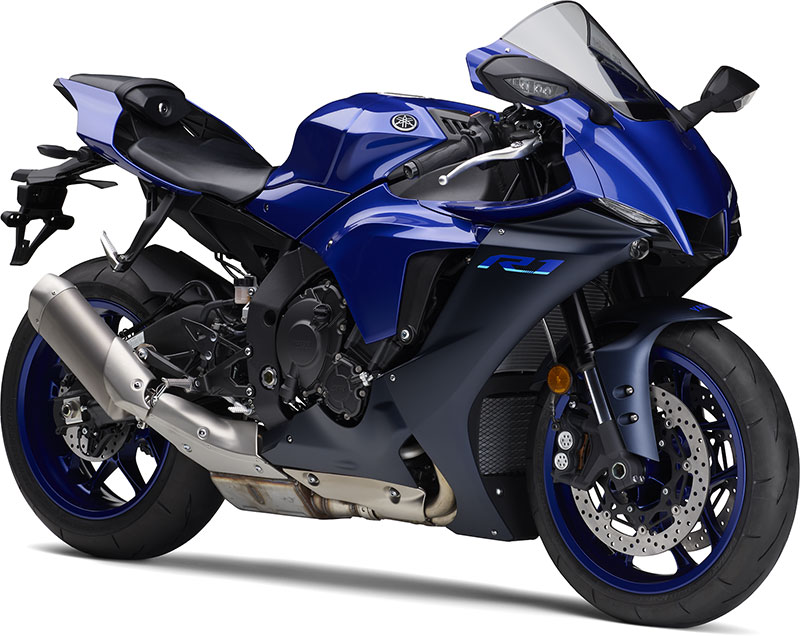
The rhythmic dance of gear shifting is a defining characteristic of motorcycle riding, a mechanical ballet that connects rider to machine. For enthusiasts and daily commuters alike, the tactile feedback and precise control offered by a manual clutch system are often at the heart of the riding experience. Yet, beneath the exhilaration lies a complex interplay of components, where optimal performance hinges on everything working in perfect harmony. When that harmony is disrupted, the riding experience can quickly turn from thrilling to frustrating, making every shift a moment of trepidation.
At the core of this intricate system is the clutch, a vital component of a motorcycle’s transmission system that allows the rider to smoothly engage and disengage the engine power from the rear wheel. It’s the gatekeeper of power, consisting of multiple plates that alternate between being connected to the engine and the transmission, all controlled by the clutch lever on the handlebars. Pulling the lever disconnects the engine, freeing it to run without transferring power, essential for starting, stopping, or changing gears. Releasing it reconnects the power, propelling the motorcycle forward.
However, even the most meticulously engineered systems are susceptible to wear, tear, and maladjustment. A seemingly minor issue within the gearbox, the clutch, or even related components like the chain and sprockets, can create a ‘gearbox gap’ that manifests as rough shifts, loss of power, or even outright shifting failures. Understanding these common pitfalls and, crucially, knowing how to diagnose and rectify them, is paramount for maintaining both the longevity of your motorcycle and the enjoyment of your ride. We delve into some of the most prevalent gear-shifting problems, dissecting their causes and offering expert-backed solutions to keep your machine purring smoothly.

1. Improper Slack in the Clutch Cable
One of the most frequent culprits behind unsatisfactory gear shifts is often the simplest to remedy: improper slack in the clutch cable. If the cable is either too taut or too loose, it directly impedes the clutch plates from fully engaging or disengaging, which manifests as either hard, stubborn shifts or a sensation of ‘sloppy’ engagement. This critical component dictates the precise interaction between your hand on the lever and the internal workings of the clutch.
This undesirable condition often develops gradually due to the normal wear and tear inherent in regular use, as the cable stretches or its components settle. Environmental factors such as fluctuations in temperature and humidity can also influence the cable’s length and tension. Crucially, improper installation or a hasty adjustment during maintenance can immediately set the stage for issues, ensuring the clutch doesn’t receive the exact ‘spec amount of free play’ it requires for seamless operation.
To restore smooth clutch plate operation, precise adjustment of the clutch cable is essential. Most motorcycles feature adjusters at two key points: one near the clutch lever for convenient fine-tuning on the fly, and another closer to the gearbox for more significant, foundational changes. The process involves carefully loosening or tightening these adjusters until the recommended amount of free play is achieved at the lever, typically a precise 2–3mm before resistance is felt.
Beyond initial adjustment, ongoing care is vital. Regular lubrication of the clutch cable ensures smooth movement within its housing, reducing friction and extending its lifespan. Furthermore, it’s prudent to periodically inspect the cable for any signs of fraying, kinks, or general wear. Should any damage be observed, prompt replacement is the only reliable solution to prevent further complications and maintain consistent shifting performance.
2. Low Engine Oil Levels
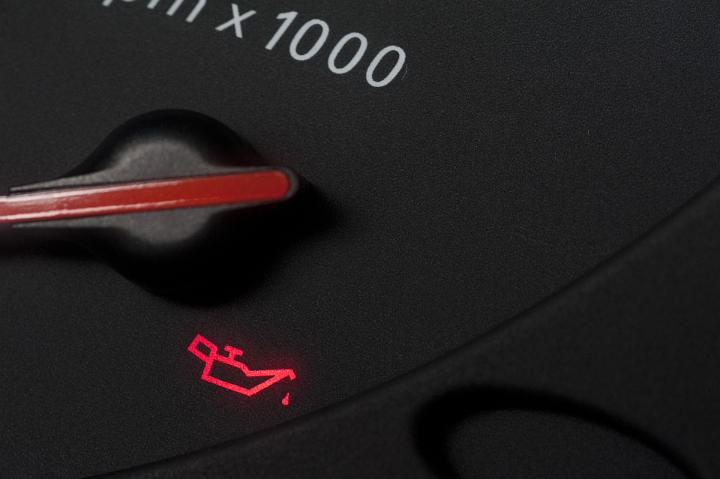
The engine oil in your motorcycle is far more than just a lubricant for the engine’s moving parts; it plays a critical, multifaceted role within the clutch and gearbox system. When engine oil levels dip below the recommended minimum, it initiates a cascade of problems that profoundly affect clutch performance and gear shifting. The reduced volume of oil means less heat dissipation, leading to overheating of the clutch plates, which in turn can cause excessive wear and the formation of carbon deposits that make plates stick or slip unpredictably.
Such a deficiency in engine oil can arise from several common scenarios. Normal oil consumption is a factor, as engines burn a small amount of oil during operation. However, more concerning causes include undetected oil leakages from seals or gaskets, which allow vital fluid to escape, or simply infrequent oil changes where the old, depleted oil is not replaced in a timely manner. The engine oil’s essential functions of lubricating and cooling the clutch plates, as well as actively removing dirt and debris from the gearbox, are severely compromised when its level is low.
The solution to this critical problem begins with vigilant monitoring of your motorcycle’s engine oil level. Riders should make it a habit to check the oil regularly, utilizing either the oil dipstick or the inspection window, depending on the specific model of their motorcycle, and promptly top it off if necessary. Ensuring the oil level is consistently within the manufacturer’s specified range is the first line of defense against clutch-related issues stemming from inadequate lubrication and cooling.
Furthermore, adhering strictly to the manufacturer’s recommendations for oil and filter changes is non-negotiable for optimal clutch and engine health. Using the correct type and grade of oil is equally important, as specific viscosities and additive packages are designed to meet the unique demands of your motorcycle’s engine and wet clutch system. Finally, a thorough inspection of your motorcycle for any signs of oil leakage, such as drips under the bike or greasy engine components, is crucial for addressing the root cause if oil levels frequently drop.
Read more about: The Controversial Laws Forbidding At-Home Car Washes: A Comprehensive Consumer Reports Guide
3. Poor Oil Quality
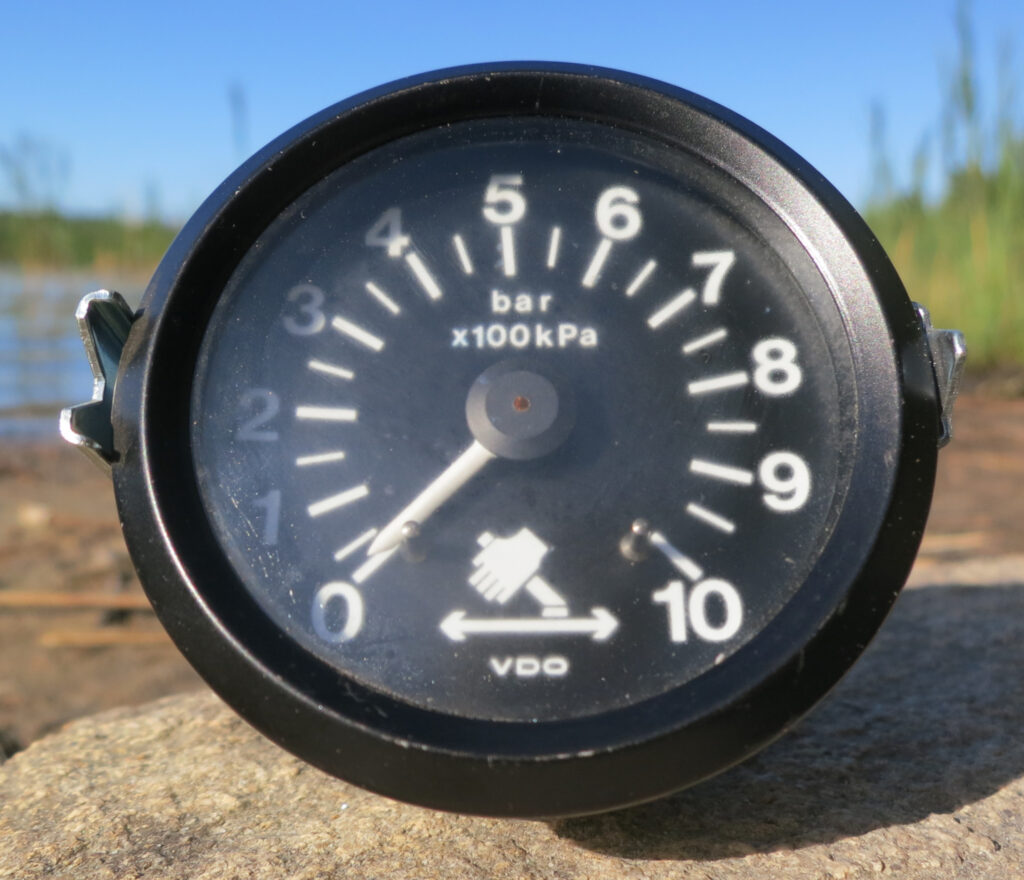
Beyond simply having the correct volume of engine oil, its quality is equally, if not more, vital for the harmonious operation of your motorcycle’s clutch and gear-shifting mechanisms. Poor oil quality directly correlates to a compromised riding experience, as contaminated or degraded oil loses its efficacy. When the oil is laden with dirt, debris, water, fuel, or other foreign substances, it contaminates the delicate clutch plates, significantly reducing their intended friction. This loss of friction invariably causes the clutch plates to slip, making smooth and precise gear changes a frustratingly difficult endeavor.
Contamination is a primary enemy of oil quality, but degradation also plays a significant role. The oil’s lubricating and cooling properties diminish sharply when it’s compromised by foreign elements or when it simply ages beyond its effective lifespan, breaking down under the stresses of engine operation. This can also occur if a rider inadvertently uses an improper type or grade of oil that doesn’t meet the precise specifications outlined in their motorcycle’s owner’s manual, failing to provide the necessary protection and performance characteristics.
Rectifying poor oil quality is straightforward yet requires diligence: regular oil and filter changes are paramount. Following the manufacturer’s recommendations for these service intervals ensures that fresh, uncontaminated oil is always circulating through the engine and clutch system. It is absolutely crucial to always use the specific type and grade of oil that precisely matches the specifications for your motorcycle’s engine and clutch, as detailed in your owner’s manual, to guarantee optimal performance and protection.
Beyond routine maintenance, certain riding habits and care practices can significantly improve the longevity of your oil quality. This includes easing on and off the clutch rather than ‘dumping’ it, which reduces unnecessary stress and heat. Avoiding excessive revving, particularly when stationary or in lower gears, also mitigates thermal breakdown. Furthermore, a consistently clean and well-maintained motorcycle helps prevent external contaminants from infiltrating the engine, thereby preserving the purity and effectiveness of the engine oil for longer periods.
Read more about: America’s Iconic Sports Car: Decoding the Most Problematic Corvette Models in History to Help You Buy Smart
4. Warped Clutch Plates
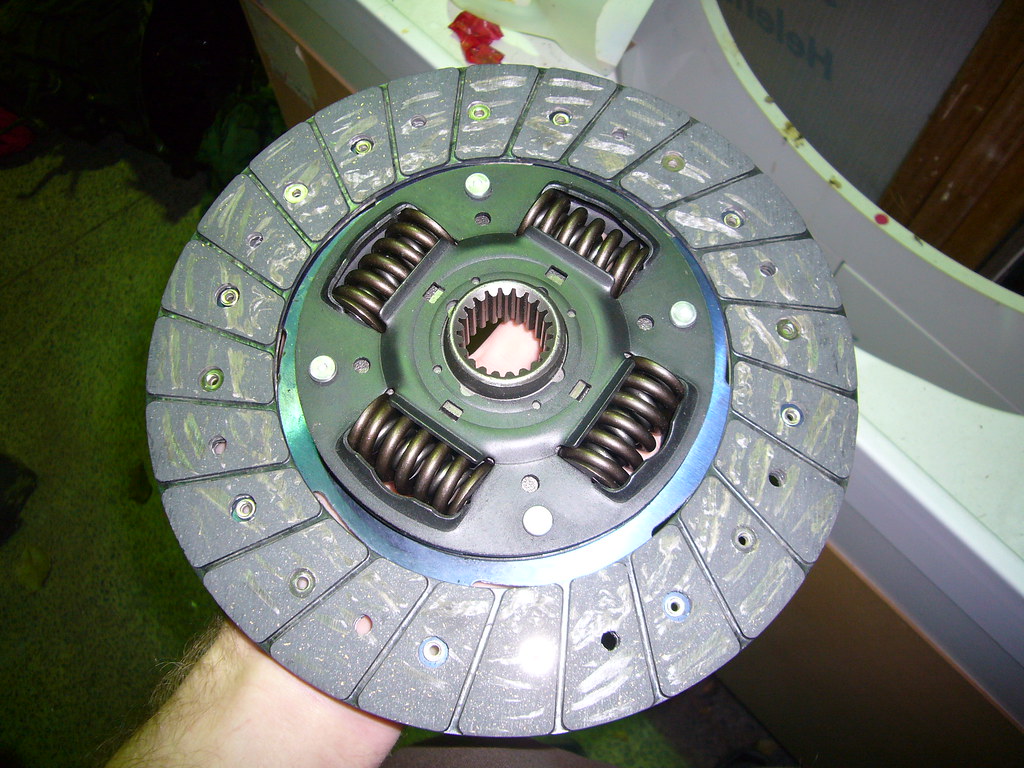
The clutch plates are precision-engineered components, designed to engage and disengage with smooth, uniform pressure. However, when these plates become warped, typically due to excessive heat or prolonged wear, their efficacy is severely compromised. Warped clutch plates create uneven pressure and friction against the flywheel, leading to a distinct difficulty in shifting gears, often manifesting as a grabby or hesitant clutch action.
This critical issue generally arises when the clutch plates are subjected to conditions that push them beyond their designed tolerances. Common culprits include improper clutch operation, such as habitually ‘riding the clutch’ (keeping it partially engaged), using the clutch as a brake alternative, or engaging in frequent, aggressive stopping and starting in heavy traffic. Additionally, the presence of low or poor-quality oil can exacerbate the problem, as it fails to provide adequate lubrication and cooling. The cumulative effect of heat friction or abrasive wear causes the plates to bend or warp, creating inconsistent gaps or uneven contact surfaces, which prevents smooth power transfer.
Addressing warped clutch plates necessitates a direct and comprehensive solution: the replacement of the damaged components. It is imperative to replace the warped clutch plates with new ones that not only meet but precisely match the specifications of your motorcycle. This ensures proper fitment and performance, restoring the intended smooth engagement. During this process, it is also crucial to thoroughly inspect and replace any other adjacent damaged or worn parts within the clutch system, such as the clutch springs, basket, hub, or even the clutch cable itself, to guarantee a complete and lasting repair.
Preventing the recurrence of warped clutch plates is as important as the repair. This involves a multi-faceted approach to motorcycle maintenance and riding habits. Utilizing the correct type and grade of oil, coupled with adhering to a regular oil change schedule, minimizes the risk of thermal degradation. Furthermore, ensuring the clutch cable is adjusted correctly, maintaining the specified free play, prevents unintended clutch drag. Most significantly, adopting responsible riding practices—avoiding excessive clutch slipping and aggressive engagements—will significantly prolong the life and integrity of your clutch plates.
Read more about: A Wallet-Sized Disaster: 14 Critical Engine Symptoms That Signal Early Motorcycle Rebuilds
5. Chain Loosens While Riding
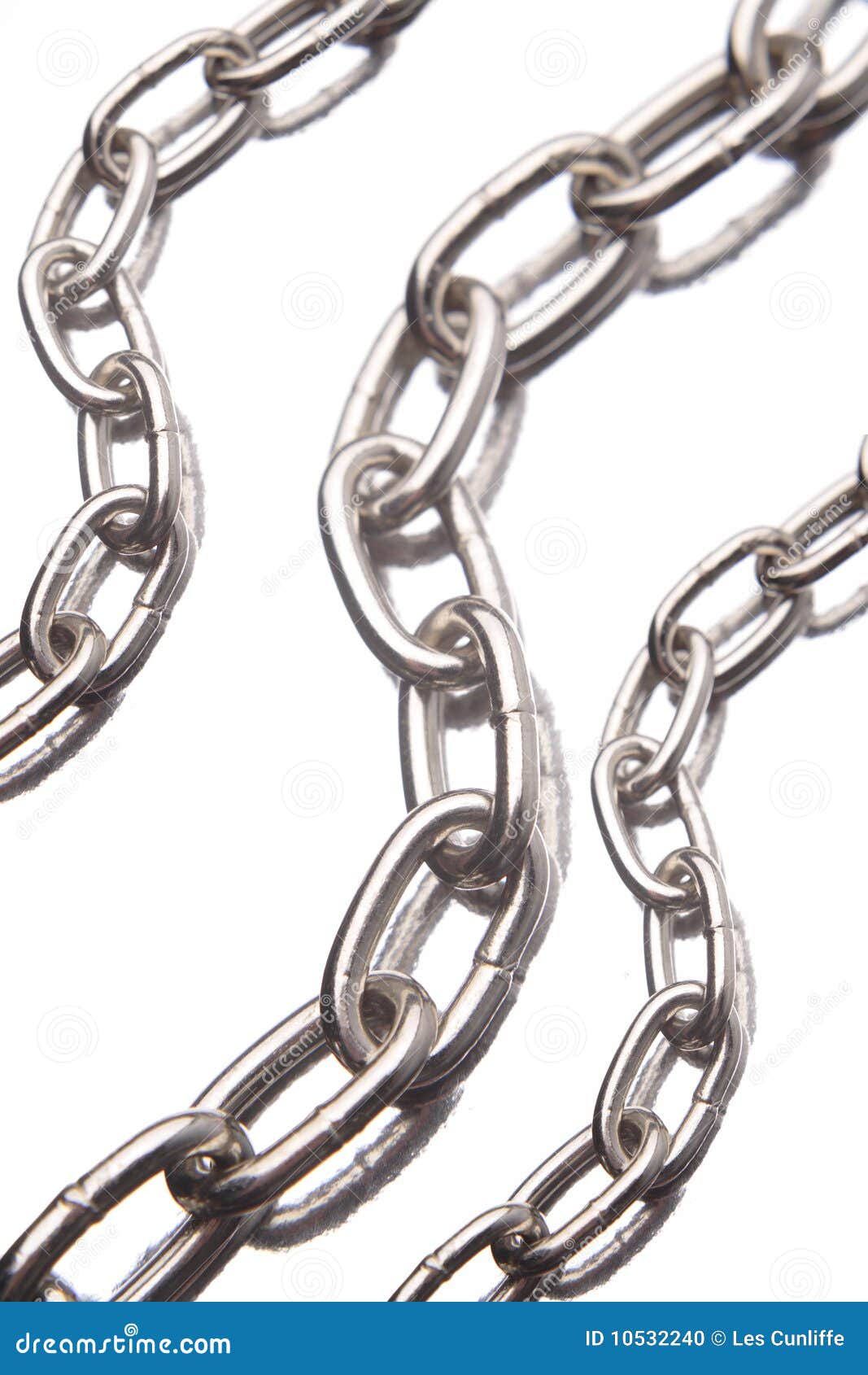
The drive chain is a crucial link in your motorcycle’s powertrain, directly transmitting power from the engine’s sprockets to the rear wheel. When this chain becomes excessively loose, it introduces a host of detrimental effects that compromise both drivetrain efficiency and gear shifting. A loose chain leads to excessive slack and pronounced vibration within the drivetrain, which can create an imprecise and unsettling feeling in the transmission. This directly impacts the smoothness and responsiveness of your gear changes, often resulting in a jerky or inconsistent power delivery.
The loosening of the chain is primarily a consequence of several factors. Normal wear and tear over time cause the chain to stretch, increasing its overall length and slack. Inadequate lubrication, cleaning, or general maintenance significantly accelerates this stretching process and can lead to stiffness in individual links. Furthermore, a chain that has suffered damage from rust, has warped or bent links, or exhibits cracks or breaks, will invariably lose its proper tension and alignment, exacerbating the problem and posing a significant safety risk.
To correct a loose chain and restore optimal tension, adjustment is performed using the dedicated adjusters located on the rear axle. The process begins by loosening the rear axle nut to allow the wheel to move. Then, the adjusters, typically found on both sides of the swingarm, are turned equally to either push the wheel back, increasing tension, or allow it to move forward, decreasing tension, until the recommended amount of slack is achieved. This critical measurement, usually between 1.2 to 1.5 inches of vertical play in the middle of the chain, ensures neither too much nor too little tension. Once the desired slack is set, the axle nut must be securely tightened, and the alignment of the chain and sprockets re-checked to ensure the wheel is straight.
Beyond simple adjustment, proactive maintenance is key to preventing premature chain loosening. Regularly lubricating and cleaning the chain removes abrasive grit and minimizes friction, which extends its lifespan. Routine inspection for any signs of damage, such as rust, kinks, or worn rollers, allows for early intervention. If the chain is found to be excessively long due to stretching or severely worn beyond adjustment, it may necessitate the removal of a link (if designed for it) or, more commonly, the complete replacement of the entire chain to ensure safe and efficient power transmission.

6. Worn-Out Chain Sprockets
The chain sprockets, both front and rear, are integral to the efficient transfer of power and the precision of gear engagement on your motorcycle. When these sprockets become worn out, they cease to function optimally, leading to a cascade of problems that severely impact the riding experience. Worn-out sprockets are identifiable by their tell-tale ‘hooked’ or ‘shark-fin’ tooth profile, which causes misalignment and allows the drive chain to skip over the teeth. This results in distinctly jerky, noisy gear changes, and a general feeling of looseness in the drivetrain, as power transfer becomes inconsistent and inefficient.
The deterioration of chain sprockets is a direct consequence of either prolonged age or, more frequently, misuse and neglect. Using an incorrect chain size for the sprockets, for instance, can cause undue stress and accelerated wear. Similarly, running the chain too loose or too tight places abnormal loads on the sprocket teeth, deforming them over time. Perhaps the most common contributing factor is the neglect of regular chain maintenance, specifically failing to clean and lubricate the chain. This allows abrasive grit and grime to grind away at the sprocket teeth and chain rollers, rapidly diminishing their effective lifespan.
The definitive solution for worn-out chain sprockets is replacement. It is crucial to install new sprockets that precisely match the specifications of your motorcycle, ensuring correct tooth count and material integrity for optimal performance. Furthermore, it is strongly recommended to replace the drive chain at the same time as the sprockets. A new chain on old, worn sprockets will quickly become damaged, and old, stretched chains will prematurely wear new sprockets, creating a vicious cycle of component failure and wasted effort.
Preventing premature wear of chain sprockets hinges on diligent maintenance and correct setup. Always ensure you are using the precise chain size recommended for your motorcycle and its sprockets. Regularly adjusting the chain tension to the manufacturer’s specified free play is critical to distribute loads evenly across the teeth and prevent excessive slack or tightness. Finally, adhering to a consistent schedule of cleaning and lubricating the drive chain removes harmful abrasives and reduces friction, significantly extending the life of both your chain and your sprockets, and ensuring smooth, reliable gear shifts for thousands of miles.
Read more about: Rider’s Guide: Separating Myth from Reality on High-Mileage Motorcycles and What to Know Before You Buy
7. Seized or Jammed Transmission
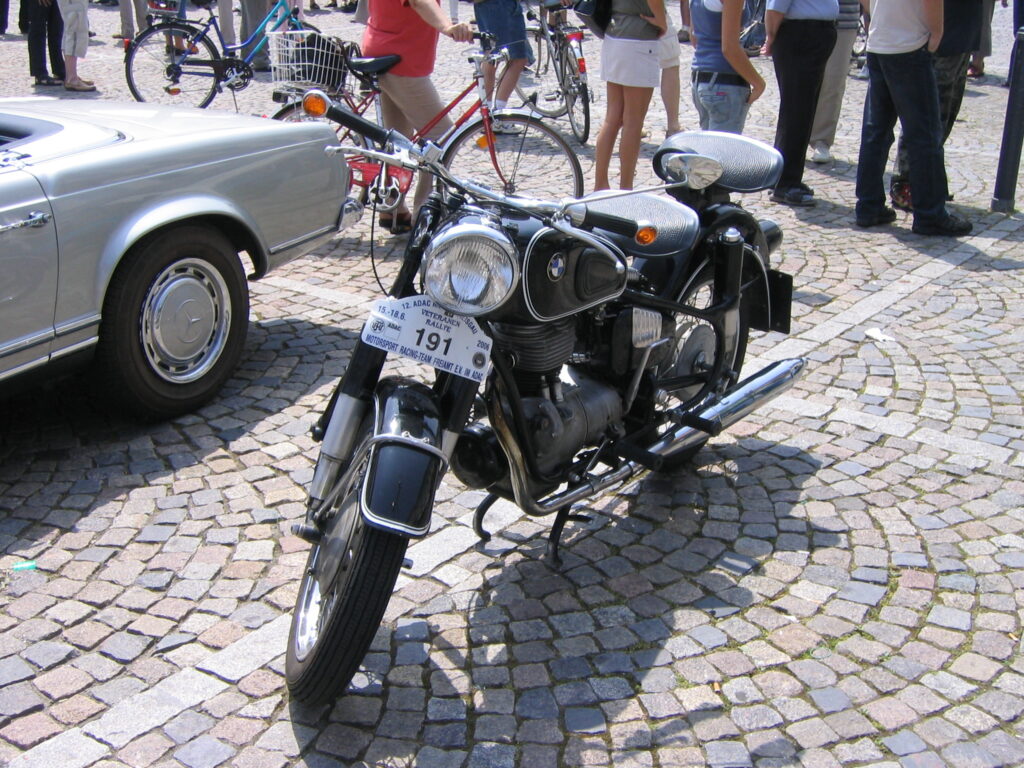
When a motorcycle’s transmission seizes or jams, it signifies one of the most critical and debilitating problems a rider can encounter, immediately bringing the shifting experience to a complete halt. This severe condition renders the ability to change gears utterly impossible, thereby directly compromising both the operational functionality and, crucially, the safety of the ride itself. A seized transmission effectively locks the rider out of necessary control over their machine’s speed and its vital power delivery, transforming a smooth journey into an immediate stop.
This catastrophic form of transmission failure typically originates from extreme circumstances where the critical role of adequate lubrication has been severely compromised or, in the worst cases, entirely neglected. Furthermore, internal corrosion can play a highly detrimental role, as can the insidious accumulation of abrasive debris within the otherwise delicate and finely tuned mechanical system. Often, the fundamental root cause can be traced back to the engine oil being either critically low in volume or heavily contaminated, reducing its protective capabilities to almost nil.
Beyond lubrication and contamination issues, transmission gears themselves are susceptible to direct damage. This can occur through blunt impact, from prolonged and aggressive wear over time, or as a consequence of outright abuse, such as forceful shifting or riding practices that place undue stress on the internal mechanisms. Any of these factors can lead to a complete breakdown of internal harmony, where gears can no longer mesh or move freely, culminating in the complete seizure of the transmission system.
Addressing a seized transmission demands a highly thorough and expert intervention from a qualified technician. The process commences with a meticulous inspection and, where necessary, the precise repair or exact replacement of specific, intricate transmission components. These include, but are not limited to, the primary gears themselves, the shafts upon which they rotate, the shift forks responsible for moving them, and the crucial dog clutch mechanism that locks gears into place. This intensive diagnostic and repair task invariably necessitates the complete disassembly of both the engine and transmission, granting technicians unrestricted access to accurately identify and rectify the underlying issues with meticulous precision and care.
Preventative measures against transmission seizure are, unequivocally, paramount for any responsible and safety-conscious rider. This includes a rigorous schedule of regular inspection and consistent changes of the engine oil, always ensuring that the correct type and specific grade of oil, as meticulously specified by your motorcycle’s manufacturer, is used to form the first, most vital line of defense against lubrication failure. Additionally, adopting disciplined and responsible riding habits—scrupulously avoiding excessive engine revving, prolonged and unnecessary clutch slipping, or aggressive gear grinding—significantly mitigates the inherent risks of placing undue and damaging stress on these vital, interconnected internal components.

8. Faulty Gear Shift Lever
Beyond the complex internal workings of a motorcycle’s transmission, the external gear shift lever plays a surprisingly critical role, and issues with this component can profoundly disrupt the fluidity of a bike’s shifting action. A faulty lever, whether its integrity has been compromised due to damage, general wear from continuous use, or even a subtle misalignment, directly hinders the rider’s ability to precisely engage or disengage gears. This often results in an unwelcome experience of hard, stubbornly resistant shifts or, equally frustrating, a sloppy and imprecise engagement that significantly detracts from the intuitive feel of the ride.
The physical integrity of the gear shift lever can be compromised in numerous ways, frequently leading to its being thrown out of optimal alignment. Direct physical impact, perhaps from a minor drop or collision, can easily bend or break the lever. Prolonged exposure to corrosive environmental elements, or simply the cumulative wear and tear inherent in consistent use over time, can also contribute to its gradual deterioration. Crucially, a lever that is either bent, broken, or simply not correctly adjusted for tension or adequately lubricated will demonstrably fail to provide the precise mechanical input required for seamless gear changes, directly leading to the reported rough and imprecise shifting action that riders often experience.
Rectifying a faulty gear shift lever typically involves a focused and detailed inspection, followed by the appropriate repair or replacement of the lever itself and all its associated components. These critical parts include the linkage that connects the lever to the gearbox, the return spring that ensures the lever snaps back to position, and the securing bolt that holds it firmly in place. Depending on the exact nature and extent of the damage, the required intervention might range from straightforward straightening of a bent lever, tightening of loose components, or applying fresh, specialized lubrication to ensure smooth movement, all the way to, in more severe or irreparable cases, a complete replacement of the damaged shifter components.
Beyond the purely mechanical repairs, achieving optimal shifting often requires a personalized fine-tuning of the lever’s ergonomics to match the rider. Motorcycle enthusiasts should take the time to carefully adjust the lever’s height and its precise position to align perfectly with their personal preference and unique foot size. This critical customization not only enhances the rider’s comfort over long distances but, more importantly, directly translates to more accurate, confident, and less fatiguing shifts, significantly improving overall control.
Proactive prevention also plays an absolutely crucial role in maintaining the longevity and reliability of the gear shift lever. Adopting responsible riding habits, which fundamentally means consciously avoiding the application of excessive force or any direct impact on the shift lever, will substantially extend its operational life. This careful approach helps to preserve shifting consistency, ensuring that the lever remains a reliable interface between the rider and the intricate gear-changing mechanism for many thousands of miles of enjoyable riding.
Read more about: Behind the Grease and Grime: 12 Cars That Make Mechanics Secretly Cheer (Or Curse) When You Roll In
9. Damaged or Faulty Gearbox
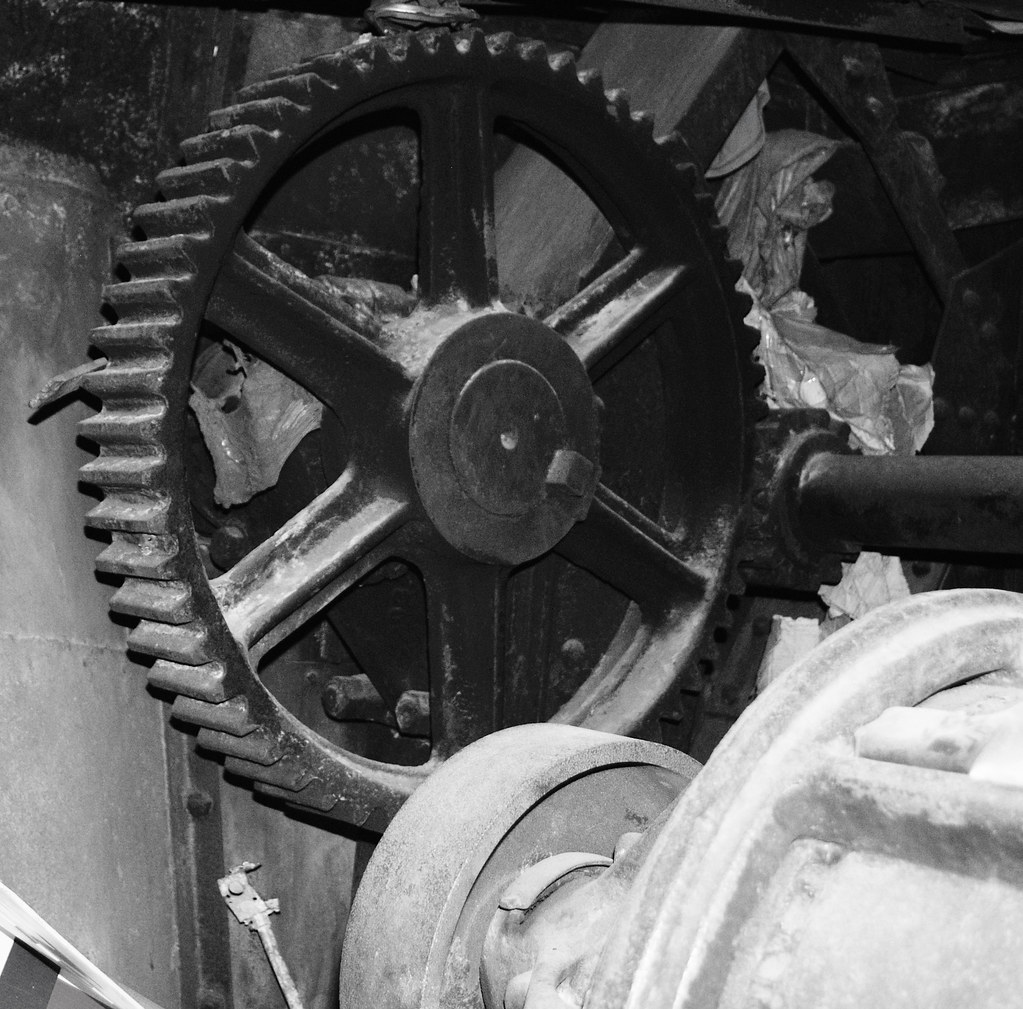
While numerous gear-shifting issues can be attributed to relatively minor problems, a damaged or faulty gearbox stands as a profoundly serious underlying problem that can severely cripple a motorcycle’s performance and riding integrity. When the intricate internal components within the gearbox—such as the primary gears themselves, the rotating shafts they are mounted upon, the precise shift forks that guide their movement, or the dog clutches that secure them—become bent or outright broken, the foundational integrity of the entire shifting mechanism is fundamentally compromised. This severe internal damage overtly manifests as an alarming grinding noise during attempted shifts or, even worse, a complete and unyielding jamming of the gears, rendering precise control of the motorcycle almost entirely impossible for the rider.
Such critical gearbox damage typically arises from an unfortunate combination of harsh operating conditions and a lamentable lack of diligent and consistent maintenance. For instance, the gearbox can suffer significant internal damage from a direct impact, or from prolonged and aggressive wear and tear often associated with spirited riding styles, or even as a consequence of outright abuse of the transmission system. Furthermore, if the transmission gears are habitually subjected to excessive force, sudden shock loads, or sustained friction without adequate protection, or if the gearbox itself is not consistently lubricated, meticulously cleaned, and properly maintained, the inherent likelihood of internal component failure escalates dramatically, inevitably leading to this severe impediment in shifting performance.
The definitive and unavoidable solution for a truly damaged gearbox necessitates an extremely comprehensive and, invariably, invasive repair process. This complex procedure mandates a meticulous and thorough inspection of all the individual gearbox components, followed by the precise repair or exact replacement of any and all parts found to be either damaged or excessively worn beyond their operational limits. Given the inherently intricate and tightly integrated nature of a motorcycle’s powertrain, this demanding task almost always involves the complete disassembly of both the engine and the gearbox. This extensive dismantling is essential, as it allows highly skilled expert technicians the unimpeded access required to meticulously identify and accurately address all the problem components, thereby ensuring a lasting, reliable, and safe restoration of the transmission system.
Crucial to the long-term health of the gearbox, and absolutely vital to preventing the devastating recurrence of internal damage, is strict adherence to a rigorous and consistent maintenance schedule. This critically important regimen includes regularly checking and diligently changing the engine oil, always ensuring that the precise type and specific grade of oil, as meticulously specified by the manufacturer, is used to provide optimal lubrication and protective qualities. Moreover, adopting disciplined and highly responsible riding practices—which means consciously avoiding excessive engine revving that stresses components, abrupt clutch slipping that creates shock loads, or aggressive gear grinding that causes direct physical damage—is utterly vital for preserving the delicate internal mechanics and ensuring the prolonged operational longevity of your motorcycle’s gearbox for many years and many miles of riding pleasure.
Read more about: A Wallet-Sized Disaster: 14 Critical Engine Symptoms That Signal Early Motorcycle Rebuilds
10. Maladjusted Shift Pedal Linkage
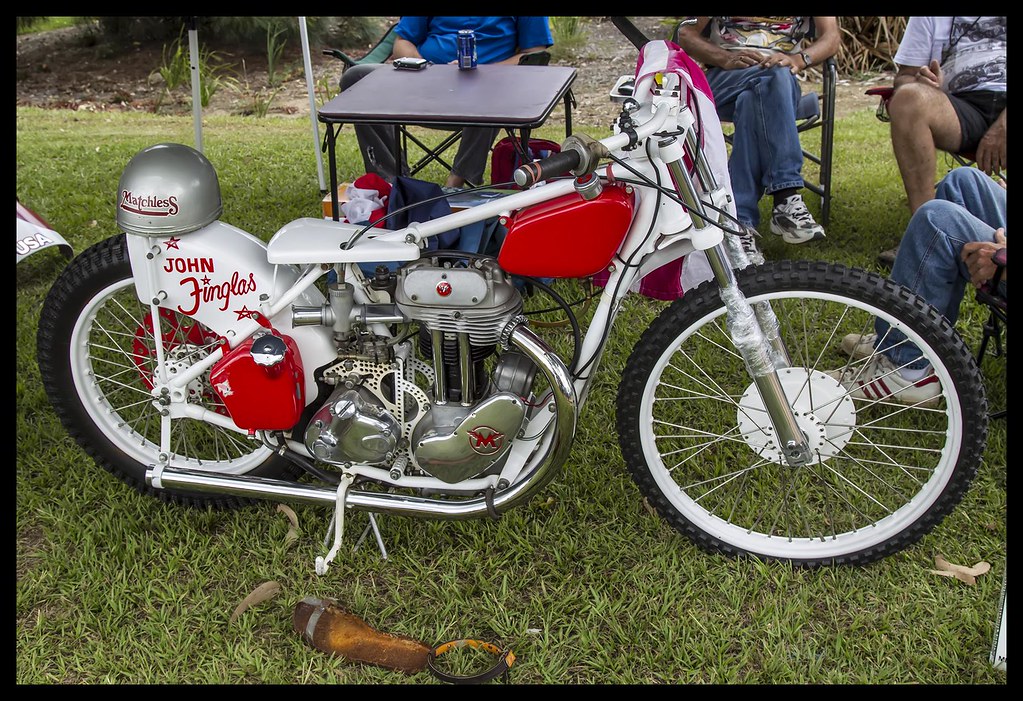
A frequently overlooked, yet profoundly impactful, contributor to persistent and frustrating gear-shifting problems is the condition of a maladjusted shift pedal linkage. This seemingly minor issue, if left unaddressed, can severely impede the proper and fluid movement of both the shift pedal and its corresponding internal lever. The ultimate consequence for the rider is a highly unsatisfactory experience marked by incomplete or, even more frustratingly, entirely missed shifts, which severely compromises the bike’s responsiveness.
The underlying maladjustment of this crucial linkage can originate from various sources, making it a nuanced problem to diagnose. These include improper installation of the component, inaccurate adjustment during routine maintenance, or a general and sustained lack of ongoing care and inspection. Beyond purely mechanical setup issues, the shift pedal’s inherent height or its precise position might simply be unsuitable for the individual rider’s personal preference or their specific foot size, leading to awkward, inefficient, and ultimately ineffective input during gear changes. Crucially, a linkage that is not adequately lubricated, correctly tightened to specification, or precisely aligned will demonstrably fail to translate the rider’s intentions into smooth, predictable gear changes, thereby exacerbating existing shifting difficulties and creating new ones.
To effectively rectify a maladjusted shift pedal linkage, a focused and detailed inspection is the first vital step, followed by the precise adjustment of its individual components. These critical parts include the connecting bolt, which secures the linkage, the return spring, which ensures crisp pedal action, and the actuating rod that transmits the rider’s input. Solutions often involve a series of straightforward yet precise actions: carefully loosening or tightening specific bolts to restore optimal tension and eliminate play, applying fresh, high-quality lubrication to the spring for smooth and unimpeded operation, or, in certain circumstances, gently bending the rod to achieve the precise alignment and correct range of motion, all of which are designed to ensure responsive and predictable feedback from the pedal.
Beyond mere mechanical adjustments, the ability to customize the shift pedal’s ergonomics to perfectly suit the individual rider is absolutely key for optimal performance and rider comfort. Taking the time to adjust the pedal’s height and its exact fore-aft position ensures a comfortable and natural feel, which directly translates to more accurate, confident, and significantly less fatiguing shifts, thereby substantially improving the rider’s overall control and enjoyment of the motorcycle. This personal touch can make a significant difference in the intuitive feel of the machine.
Furthermore, proactive prevention plays an undeniably crucial role in maintaining the long-term integrity and reliable operation of the shift pedal linkage. Adopting responsible riding habits, which fundamentally means consciously avoiding the application of excessive force or any direct, harsh impact on the shift pedal during riding, will substantially extend its operational life. This careful and considered approach helps to preserve the precise shifting consistency, ensuring that the linkage remains a highly reliable and responsive interface between the rider’s foot and the intricate gear-changing mechanism for many thousands of miles of enjoyable and predictable riding.

11. Poorly Timed Clutch Input
The delicate finesse of motorcycle shifting is profoundly dependent upon precise clutch input; consequently, an incorrectly timed engagement or disengagement of the clutch lever can frequently emerge as a primary cause of unsettling and inefficient gear-shifting issues. Releasing the clutch lever either too quickly, which can cause an abrupt jolt, or too slowly, leading to excessive slippage and wear, fundamentally disrupts the harmonious transfer of power from the engine to the drivetrain. This common disruption invariably leads to jerky, abrupt shifts or, in more frustrating and potentially embarrassing scenarios, can cause the engine to stall outright, demanding immediate and focused attention to the rider’s technique and coordination.
This widespread problem often originates from a distinct lack of rider experience or, more subtly, from the unwitting development of poor riding habits that become ingrained over time. New riders, in particular, frequently encounter significant difficulty in mastering the delicate and nuanced balance required between the controlled, progressive release of the clutch lever and the synchronized, gradual application of the throttle. This inherent challenge can be further intensified by feelings of anxiety, impatience, or undue haste during the shifting process, which collectively prevent the rider from executing the smooth, perfectly synchronized movements that are absolutely essential for achieving a seamless and efficient gear change.
Improving clutch timing is not just an advanced technique; it is a fundamental and critical skill that demands dedicated practice and an unwavering focus on precise coordination between the left hand and the right hand. Riders should consciously concentrate on a synchronized and fluid release of the clutch lever, harmonized with a simultaneous, gentle, and progressive application of the throttle. The paramount goal here is to prioritize smooth, fluid motions over any abrupt or forceful actions, meticulously eliminating any ‘dead zones’ or sudden engagement points, thereby fostering a truly seamless and uninterrupted transition of power from the engine through the drivetrain, ultimately allowing for a far more controlled and enjoyable ride, regardless of speed or traffic conditions.
To truly master this essential skill of clutch timing, engaging in specific, repetitive drills within a safe, controlled environment is not just recommended, but highly advised for optimal learning. Practicing repeated starts and stops, focusing intensely on the intricate interplay between the clutch and throttle, can significantly refine muscle memory and develop the necessary tactile feedback. For those seeking personalized feedback and expert guidance, actively seeking instruction from an experienced rider or enrolling in a professional motorcycle training course can prove invaluable, offering insights and corrections that accelerate the learning curve.
Over time, through consistent and deliberate practice, riders will gradually cultivate the intuitive feel and muscle memory necessary for flawless, almost second-nature clutch operation. This transformation not盂only eliminates the frustrating jerky shifts and stalls but also profoundly enhances the overall riding experience, fostering a deeper connection between rider and machine. The pursuit of this refined timing is a rewarding journey towards becoming a truly proficient and confident motorcyclist, ensuring every shift is executed with precision.
12. Faulty Clutch Cable
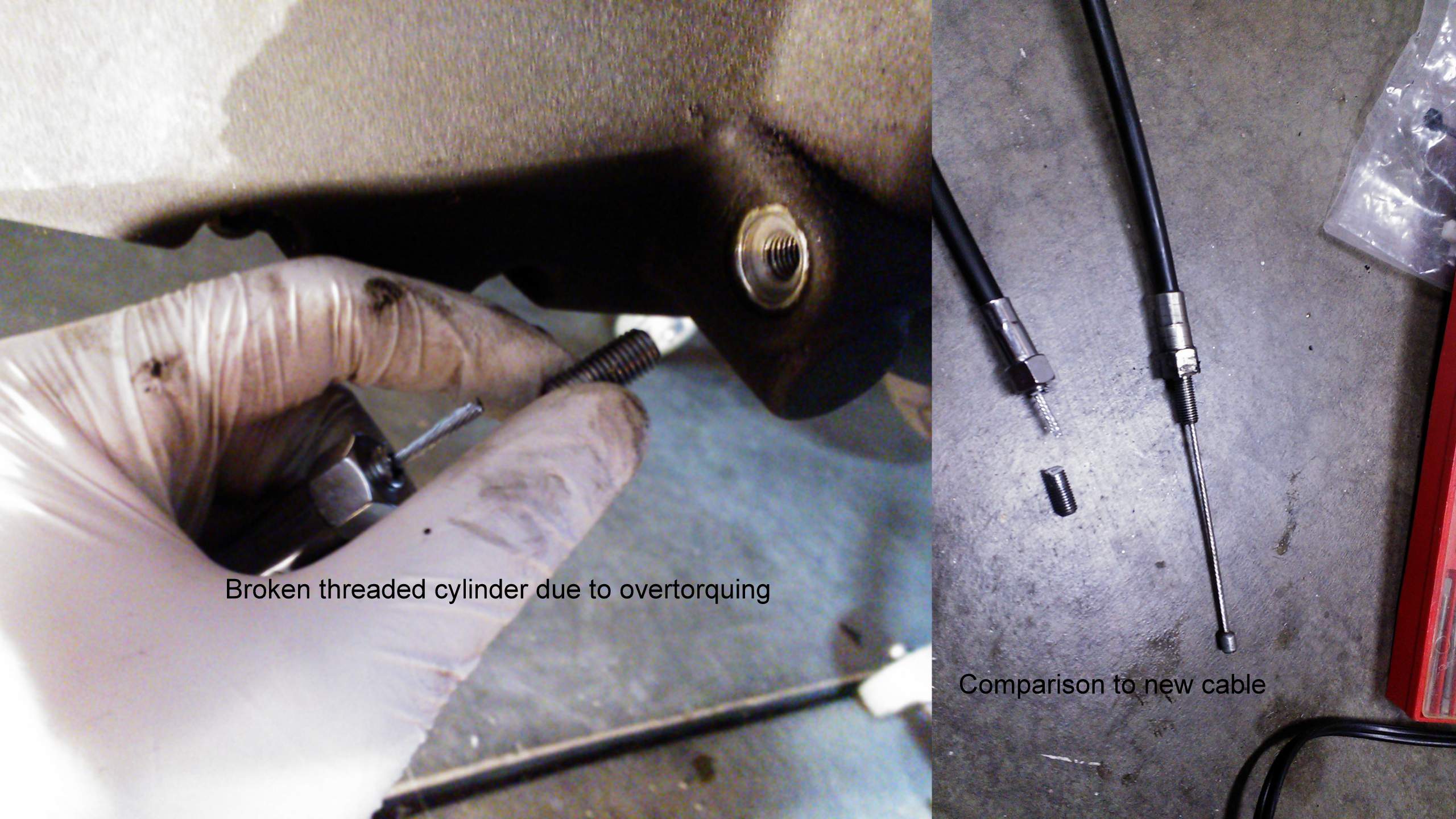
Even when the complex internal workings of a motorcycle’s transmission are in seemingly perfect order, the integrity and optimal function of the clutch cable remain absolutely paramount for ensuring smooth, precise, and responsive gear shifts. A faulty clutch cable, exhibiting tell-tale signs such as fraying strands, noticeable kinking along its length, or excessive stretching beyond its designed tolerance, can directly impede the proper and full operation of the clutch mechanism. This critical compromise leads to distinctively hard shifts or, perhaps more critically, prevents the clutch from achieving complete engagement or full disengagement, ultimately leaving the rider with significantly diminished control over the crucial power transfer from engine to wheel.
Such a fault typically arises from the natural, inevitable wear and tear that accompanies continuous and prolonged use of the motorcycle, particularly when the cable is not subjected to regular lubrication or periodic, diligent inspection as part of routine maintenance. Environmental factors are also a very common and often overlooked culprit; prolonged exposure to moisture, road salt, or other corrosive elements can significantly accelerate the process of corrosion and fraying, progressively weakening the cable’s structural integrity over time. Furthermore, physical damage resulting from minor impacts, accidental snagging, or even improper routing during installation can cause kinks or stretching, which drastically reduces the cable’s ability to operate smoothly and freely within its protective housing, leading to increased friction and diminished responsiveness.
The straightforward yet unequivocally critical solution for a demonstrably faulty clutch cable is its prompt and decisive replacement. It is absolutely essential to install a new cable that not only meets but precisely matches the manufacturer’s exact specifications for your specific motorcycle model, ensuring correct length, optimal tension, and the use of the appropriate material quality for maximum durability. During the installation process, meticulous attention must be paid to proper routing—carefully avoiding any sharp bends, tight corners, or potential pinch points that could damage the new cable. Additionally, the new cable should be thoroughly lubricated from the outset, ensuring friction-free movement within its housing and allowing for a seamless integration into the clutch system.
To effectively prevent the frustrating recurrence of clutch cable issues and, more broadly, to significantly prolong its operational lifespan, proactive and consistent maintenance is an absolute key. Regular lubrication of the clutch cable should be a consistent and non-negotiable part of your routine service schedule, as this vital practice dramatically reduces internal friction and mitigates wear. Equally important is the periodic and thorough inspection of the cable for any early signs of damage, such as visible fraying strands, developing kinks in the housing, or evidence of excessive stretch. Identifying and replacing a damaged cable proactively, before it completely fails, will avert unexpected clutch failure on the road and ensure sustained, reliable, and smooth shifting performance for every mile of your journey.
**The Symphony Continues: Mastering the Machine**
Read more about: The Real Cost of Speed: 14 Sports Cars & What Financial Experts REALLY Think About Your Investment
As we’ve meticulously explored the intricate challenges that can arise within a motorcycle’s gearbox and clutch system, from subtle maladjustments to significant mechanical failures, it becomes abundantly clear that diligent maintenance and a deep understanding of these vital components are not merely about preventing inconvenient breakdowns. Rather, they are about cultivating a profound and ultimately more harmonious relationship with your machine. Each potential problem, whether it’s an easily remedied cable issue or a complex internal transmission fault, presents a unique and invaluable opportunity to further understand the sophisticated mechanical symphony that tirelessly propels you forward. Mastering the art of diagnosing and effectively resolving these issues transforms the act of riding from a series of conscious mechanical inputs into an intuitive, almost seamless extension of your very will. This ongoing journey towards mechanical fluency and refined riding technique empowers you, the rider, to confidently and safely navigate the open road, ensuring that every single shift is executed with precision and feels as smooth as butter, and that every ride is bracingly exhilarating for all the very best reasons. Your motorcycle is, without a doubt, a complex, beautifully engineered beast, and with informed care, precise technique, and a dedicated spirit, you are its masterful conductor, ensuring its performance is always at its absolute peak, delivering joy and freedom with every twist of the throttle.