
In the world of heavy construction and industrial operations, there’s a constant hum of machinery, a powerful testament to progress and productivity. Yet, beneath this symphony of steel and diesel, lies a critical challenge that directly impacts the bottom line and the planet: fuel efficiency. Often seen as a management concern, the truth is, the individual behind the controls holds immense power over a project’s fuel budget and environmental footprint. This isn’t just about saving a few dollars; it’s about optimizing performance, ensuring sustainability, and securing a competitive edge in an increasingly demanding industry.
Today, with diesel prices averaging around $5 per gallon in the United States in 2024, the “diesel dilemma” has never been more pressing. Fuel costs can easily gobble up 30-40% of heavy equipment operating expenses, making every gallon saved a direct contribution to profitability. Beyond the financial implications, the environmental imperative is equally clear: every gallon of diesel burned releases approximately 22 pounds of carbon dioxide into the atmosphere. This dual challenge of cost and emissions makes fuel efficiency not just a desirable trait, but a fundamental operational requirement. This in-depth look will dissect the critical strategies and techniques that empower heavy equipment operators to become true champions of fuel economy.
We’ll embark on a journey through the multifaceted landscape of fuel efficiency, from the daily habits in the cab to the cutting-edge technologies shaping the future. Our exploration will reveal that significant savings and environmental benefits aren’t achieved through complex overhauls, but through the consistent application of practical, operator-driven techniques. These aren’t just “nice-to-haves”; they are essential practices for any professional aiming to maximize productivity, extend machine life, and contribute to a more sustainable industry. Join us as we uncover the secrets to unlocking peak performance and unparalleled efficiency in heavy equipment operation.

1. **The Economics and Environmental Imperative of Fuel Efficiency**The financial weight of fuel consumption in heavy equipment cannot be overstated. For many construction companies, fuel costs represent a substantial 30-40% of total equipment operating expenses. Consider a typical excavator, which might consume 6-10 gallons of diesel per hour. At current prices, this translates to $25-$40 per hour just for fuel. These figures highlight how quickly costs can escalate, making fuel a primary target for operational optimization.
The real impact, however, becomes apparent when considering even small improvements. If an operator can enhance fuel efficiency by just 10%, the potential annual savings per machine could range from $5,000 to $10,000. Scaling this across a fleet of 20 machines, the cumulative savings could reach an astounding $100,000-$200,000 annually. These numbers underscore the profound economic leverage that lies within the hands of a skilled and efficiency-conscious operator, directly impacting a company’s financial health.
Beyond the immediate financial gains, the environmental considerations are increasingly critical. Each gallon of diesel burned contributes approximately 22 pounds of carbon dioxide to the atmosphere. Reducing equipment emissions is not merely an act of corporate goodwill; it is rapidly evolving into a business necessity. Many contemporary projects, particularly government contracts and LEED-certified building initiatives, now mandate the reporting and reduction of carbon emissions. Adopting green equipment operation strategies provides a significant competitive advantage, enabling companies to meet stringent regulatory requirements and enhance their public image.
Modern heavy equipment incorporates impressive fuel-saving features designed to mitigate both costs and emissions. These include Tier 4 final fuel efficiency engines that optimize performance while reducing emissions, computer-controlled systems that dynamically adjust power output to suit the task, and variable displacement hydraulics that supply only the necessary hydraulic power. Additionally, auto-idle and engine stop-start systems are engineered to prevent wasted fuel during periods of inactivity. However, it is crucial to understand that the full potential of these sophisticated technologies is only realized when operators are trained to properly utilize and integrate them into their daily routines. The most advanced machine in the world will still fall short of its efficiency targets if it is not operated correctly.
Read more about: The Affordable New Truck That Is Outselling the Ford F-150: Market Dynamics and Unprecedented Value
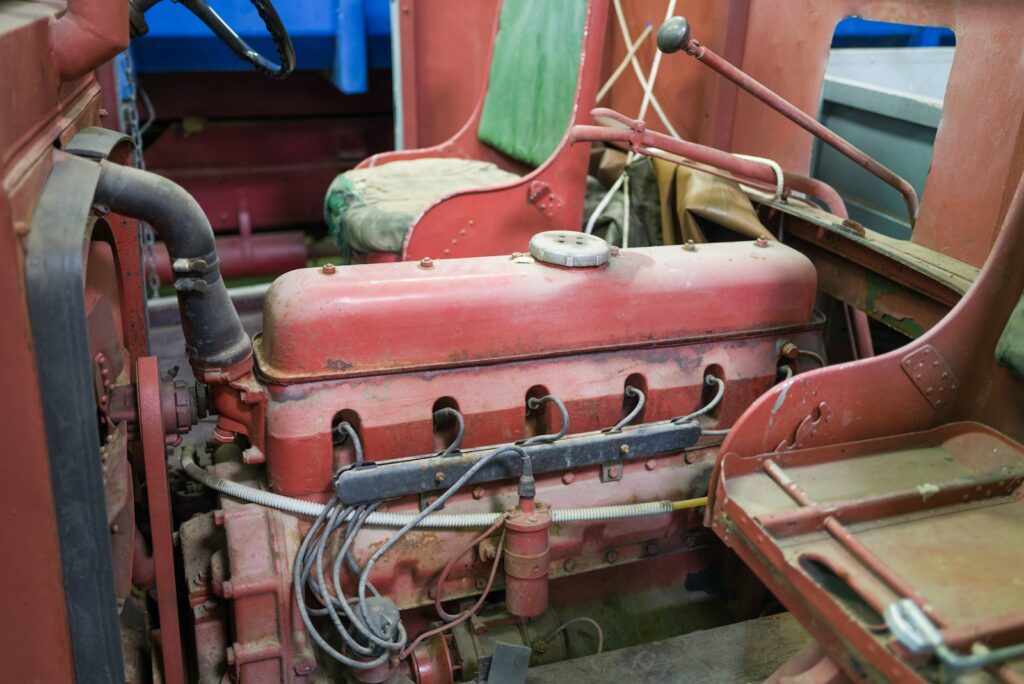
2. **Pre-Operation Preparation: Inspection, Maintenance, and Tire Management**Fuel efficiency begins long before the engine roars to life. Comprehensive pre-operation preparation, encompassing rigorous inspection and diligent maintenance, establishes the foundation for optimal fuel economy. Establishing a daily inspection routine that specifically targets factors influencing fuel consumption is paramount. Operators should meticulously check for any fluid leaks—be it hydraulic oil, fuel, or coolant—as these can be indicators of deeper issues impacting efficiency. Equally vital is the inspection of air filters; a clogged air filter can significantly impede airflow, leading to an increase in fuel consumption by 5-10%. Furthermore, ensuring the cooling systems are functioning correctly is essential, as an overheating engine is compelled to work harder and consequently burns more fuel.
Preventative maintenance is a cornerstone of fuel savings, ensuring that equipment remains in peak operating condition. Adhering strictly to the manufacturer’s recommended maintenance schedule can improve fuel efficiency by up to 10%. This regimen includes regular oil and filter changes, meticulous fuel system maintenance, optimization of hydraulic systems, and routine engine tune-ups. The cumulative impact of these practices is substantial: for a machine burning 30,000 gallons of fuel annually, consistent proper maintenance can translate into saving 1,500 to 3,000 gallons of fuel each year. This proactive approach not only cuts costs but also extends the operational lifespan of valuable machinery.
For wheeled equipment, the importance of proper tire management cannot be overstated. Under-inflated tires dramatically increase rolling resistance, forcing the engine to expend more effort and, consequently, consume more fuel. The direct correlation between tire pressure and fuel usage is significant, with proper inflation capable of improving fuel efficiency by 3-5%. To capitalize on these savings, operators must adhere to a strict set of guidelines. This includes checking tire pressure daily when the tires are cold, maintaining pressure precisely according to manufacturer specifications, and regularly inspecting tires for uneven wear, which often signals underlying alignment issues. Additionally, rotating tires as scheduled ensures even wear, further contributing to efficiency and longevity. It is also important to remember that tire pressure fluctuates with temperature changes, necessitating more frequent checks during seasonal transitions.

3. **Strategic Planning: Route Optimization and Task Coordination**Before any heavy equipment even moves, the planning phase offers substantial opportunities for fuel savings. A thoughtful and deliberate approach to route and task planning can significantly reduce unnecessary fuel consumption. Operators should adopt a ‘think before you move’ philosophy, meticulously planning movements to minimize travel distances across the job site. This proactive planning also involves actively avoiding backtracking or any redundant movements that add unproductive operational time and burn more fuel. Strategic positioning of material piles to reduce the travel distance for loaders and haulers, along with staging equipment to minimize repetitive repositioning, are all crucial elements of an optimized workflow that directly impacts fuel efficiency.
Duty cycle analysis is another powerful tool in the operator’s arsenal for more efficient operations. This involves a critical examination of how a machine spends its operational time, identifying areas where efficiency can be enhanced. For instance, strategically positioning trucks so that loaders can execute shorter cycles, or planning excavation operations to minimize swing angles, can lead to considerable fuel reductions. Every movement, every lift, and every turn should be scrutinized for its necessity and efficiency. The goal is to perform the required work with the fewest possible movements and the least amount of wasted energy.
Furthermore, improving fleet fuel efficiency is a collective endeavor that hinges on effective coordination among operators. Open communication between team members is vital to prevent wasted movements and eliminate unnecessary idle time spent waiting for other machines or materials. When operators can anticipate each other’s needs and synchronize their activities, the entire operation becomes more fluid and fuel-efficient. The context reinforces this, noting that “up to 15% less gasoline can be used if the truck loading and unloading stations are located nearer to the job site,” and that “creating effective routes helps cut down travel time and fuel usage.” These insights emphasize that a holistic, coordinated approach to operational planning is indispensable for achieving significant fuel savings across a fleet.

4. **Mastering Power Management: Engine Speed and Load Optimization**One of the most significant culprits of wasted fuel is the indiscriminate operation of equipment at higher RPMs than the task at hand demands. Effective engine speed and throttle control are paramount to reducing fuel burn and maximizing efficiency. Operators must strive to keep the engine running within its most efficient RPM range, which for many diesel engines typically falls between 1,400 and 1,600 RPM. This ‘sweet spot’ provides ample power for most tasks without overworking the engine. The objective is always to use the lowest throttle setting that still allows for the efficient completion of the work. Many modern machines also feature eco-mode settings, which operators should understand and utilize whenever appropriate to further optimize fuel consumption. A crucial technique to avoid is “power braking,” where the throttle and brake are applied simultaneously, a practice that leads to significant fuel waste and increased wear.
Heavy equipment fuel efficiency undergoes dramatic improvement when power output is precisely matched to the specific task. For lighter duties, a lighter throttle setting is appropriate, conserving fuel. Conversely, for heavy-duty work, the engine should be given the necessary power—but never more than is absolutely required. Each machine type often has its unique sweet spots for efficiency. For instance, excavator fuel efficiency is frequently maximized by maintaining smooth, consistent movements rather than through rapid, jerky operations executed at high RPMs. Developing a nuanced understanding of a machine’s capabilities and requirements allows operators to fine-tune their power application for optimal fuel economy and performance.
How operators handle loads is another critical factor influencing fuel usage. Implementing intelligent load management techniques can yield substantial savings. This involves right-sizing bucket loads, ensuring they are neither excessively overloaded nor inefficiently underloaded. Overloading strains the engine and increases fuel consumption, while underloading necessitates more cycles to complete the task. Furthermore, operators should strive to load from the bottom of material piles, where the material is typically less compacted, reducing the effort required. Positioning trucks and loaders strategically to minimize lift height and swing angles also saves fuel, as does utilizing gravity to one’s advantage whenever feasible. Bulldozer fuel efficiency, for example, improves considerably when the blade height is adjusted appropriately and when operators avoid pushing excessive amounts of material. The blade should be positioned to carry material efficiently, rather than just pushing it, while loader fuel efficiency heavily depends on approaching the pile straight on, keeping the bucket low, and lifting smoothly to minimize unnecessary power surges.
Read more about: Unleash Your PS5’s Full Potential: Essential Settings to Optimize Your Gaming Experience

5. **Minimizing Waste: The Critical Role of Idle Time Reduction**Unnecessary idling stands as perhaps the single largest and most easily rectifiable opportunity for significant fuel savings in heavy equipment operation. The true cost of idling extends far beyond the immediate fuel burn. A heavy machine can consume between 0.5 to 1 gallon of fuel per hour even when merely idling. Alarmingly, industry research indicates that many machines spend 40-50% of their operating time in this inactive state. This practice not only squanders valuable fuel but also escalates maintenance costs and measurably shortens engine life due to increased wear and tear without productive output. The benefits of reducing heavy equipment idle time are clear: lower fuel costs, reduced emissions, and an extended engine lifespan.
To put this into perspective, if idling is curtailed by just one hour per day on a machine that operates 2,000 hours annually, the savings can be substantial—ranging from 125 to 250 gallons of fuel saved each year. This demonstrates the profound cumulative impact of what might seem like minor adjustments to daily habits. Effective idle reduction techniques are straightforward and can be easily integrated into an operator’s routine. The most impactful among these is simply turning off the engine when the machine will be stationary for more than 1-2 minutes. Equipment should be warmed up just until operational temperatures are reached, typically 3-5 minutes, and certainly not longer. Coordinating with other operators to minimize waiting times and utilizing planned breaks to shut down equipment are also vital strategies.
A practical rule of thumb, often cited on job sites, advises that “if you’ll be idle longer than it takes to drink a cup of coffee, turn off the machine.” This simple guideline provides a clear, actionable threshold for operators. Modern equipment also comes equipped with advanced technology to assist in reducing idle time. Auto-idle systems are designed to automatically reduce engine RPM after a specified period of inactivity, while engine stop-start systems take this a step further by automatically shutting down and restarting the engine as needed. Fuel management systems provide crucial data, tracking idle time and alerting operators to problematic patterns. To fully leverage these systems, operators must understand their machine’s specific auto-idle settings, avoid overriding them without a compelling reason, and utilize telematics data to pinpoint and address excessive idling. The context explicitly states that automatic idle termination systems “can effectively cut fuel usage during inactive intervals by up to 20%,” highlighting the significant potential of these integrated technologies when paired with informed operator behavior.
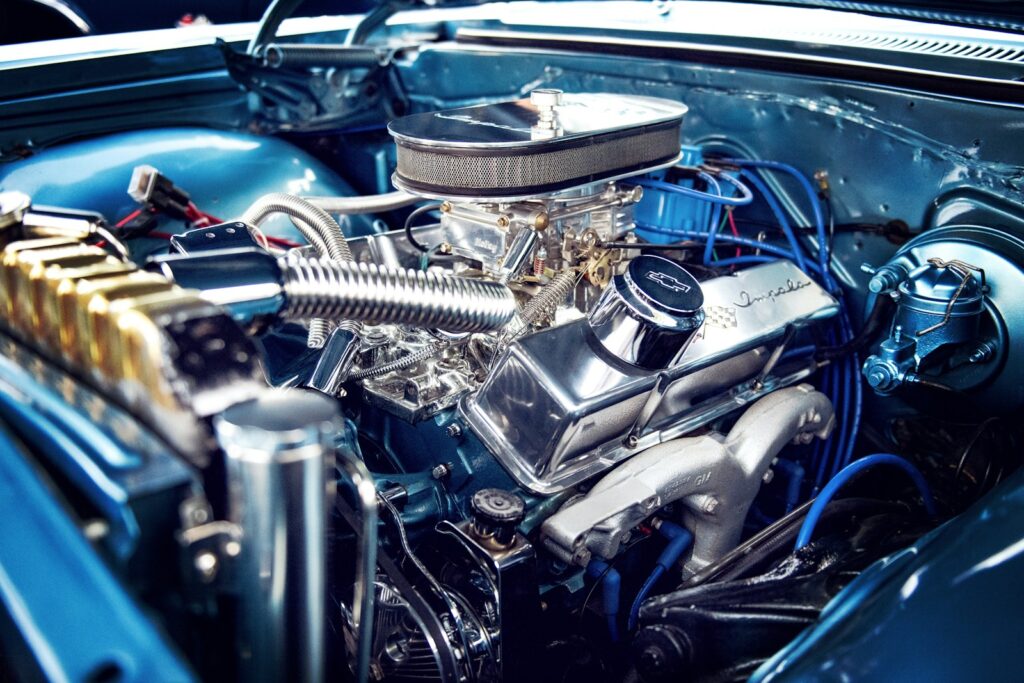
6. **Advanced Operator Techniques: Smooth Operation and Terrain Adaptation**Achieving peak fuel efficiency in heavy equipment operation often boils down to the operator’s skill in executing smooth, progressive movements. Jerky, abrupt actions waste fuel and place unnecessary stress on machinery. Operators should cultivate finesse with controls, developing a nuanced touch that allows for fluid, continuous operations. A key aspect of advanced technique is anticipating changing conditions rather than merely reacting to them; this foresight enables smoother transitions and avoids sudden power demands. Applying power progressively, rather than all at once, allows the engine and hydraulics to work more efficiently. Similarly, releasing the throttle early when approaching stopping points or when momentum can carry the machine reduces fuel consumption during deceleration. Furthermore, the ability to coordinate multiple functions simultaneously when appropriate can streamline operations and reduce overall work time, contributing directly to fuel economy. These sophisticated operator tips for fuel economy not only lead to substantial fuel savings—with skilled operators potentially using “10-15% less fuel than less-skilled operators on identical machines”—but also significantly reduce machine wear and enhance overall productivity.
Adapting operating techniques to various ground conditions is another crucial element of advanced fuel efficiency. Different terrains demand different approaches to maintain productivity and conserve fuel. On soft or unstable ground, reducing speed helps prevent wheel slip, which wastes power and fuel. When climbing inclines, maintaining steady momentum is generally more fuel-efficient than applying full, sudden power. Operators should learn to effectively utilize the weight and momentum of the machine to their advantage on slopes, allowing gravity to assist where possible. Adjusting cutting depth based on material density and moisture content is also vital; struggling against overly deep cuts or dense material dramatically increases fuel consumption. Earthmoving equipment emissions increase when machines struggle against unfavorable terrain, making intelligent terrain adaptation a direct contributor to both efficiency and environmental responsibility. Planning the approach based on a thorough understanding of ground conditions is therefore essential to maintaining peak efficiency.
Weather conditions also significantly influence heavy machinery fuel consumption, necessitating specific adjustments to operating practices. In cold weather, allowing proper warm-up time is important, but excessive idling should still be avoided. Utilizing block heaters when available can reduce the required warm-up time, as cold engines and hydraulics inherently operate less efficiently. Operators should also consider fuel treatments to prevent gelling in extreme cold, which can severely impact fuel delivery. Conversely, in hot weather, monitoring cooling systems closely is paramount to prevent overheating. It is critical to avoid unnecessary high idle periods with the misconception of “cooling down” the machine; this often wastes fuel without significant benefit. Scheduling more demanding tasks during cooler parts of the day can also reduce strain on the engine and cooling systems. Lastly, maintaining clean radiators and coolers ensures optimal heat dissipation, preventing the engine from working harder than necessary. These weather-based adjustments are vital for managing heavy machinery fuel consumption and ensuring consistent performance in diverse environmental conditions.

7. **Leveraging Technology and Data: The Smart Path to Efficiency**In the ever-evolving landscape of heavy equipment operation, technology has emerged as an indispensable ally in the quest for superior fuel efficiency. Modern machinery isn’t just about raw power; it’s about intelligent operation, and at the heart of this intelligence are telematics and advanced monitoring systems. These sophisticated platforms are transforming how companies manage their fleets, offering unprecedented insights into every facet of a machine’s performance, thereby paving the way for substantial savings and optimized productivity.
Telematics systems, for instance, are the digital eyes and ears of a fleet, constantly tracking vital parameters. They meticulously monitor fuel consumption rates, pinpointing exactly how much diesel is being used and when. Crucially, they record idle time, engine load factors, and even operator behaviors that directly influence efficiency. This wealth of data empowers companies with ‘telematics fleet fuel reporting,’ a powerful tool for identifying opportunities for improvement. Companies that actively integrate and utilize this data frequently report impressive fuel savings, often ranging from 5-15% across their entire fleets, underscoring the profound impact of data-driven decision-making.
Beyond simple tracking, regular fuel consumption analysis is a best practice for fuel management, helping to identify patterns and preempt potential problems. By tracking fuel use per operating hour and comparing similar machines performing similar tasks, managers can quickly identify outliers that might signal maintenance issues or inefficient operating practices. This analytical approach also enables companies to set clear benchmarks and establish achievable goals for continuous improvement, fostering a culture of accountability and quantifying tangible savings in the process.
To bridge the gap between data and action, performance feedback systems provide real-time insights to operators. These can range from in-cab displays showing current fuel consumption and indicator lights for optimal operating ranges to more comprehensive performance scoreboards that compare operator efficiency. Coupled with regular feedback sessions from supervisors, these systems transform abstract data into actionable advice, making efficiency visible and immediately actionable. This direct feedback loop is crucial for supporting fuel management for heavy machinery, empowering operators to adjust their techniques on the fly and continuously refine their skills.
Read more about: A Comprehensive Review of Facebook: Tracing Its Evolution, Features, Controversies, and Enduring Global Impact

8. **Operator Training and Skill Development: Cultivating a Culture of Expertise**Even the most technologically advanced machinery requires a skilled hand at the controls to unlock its full potential. The human element remains paramount in achieving heavy equipment fuel efficiency, and this is where comprehensive operator training and continuous skill development become critical. Certified and accredited operators possess a deeper understanding of how to manage fuel usage, and with proper instruction and unwavering commitment to recommended practices, fuel utilization can be maximized across the board.
Structured operator training programs form the bedrock of an efficient workforce. These programs should be comprehensive, covering the basic principles of engine and hydraulic efficiency, machine-specific operating techniques, and practical exercises where fuel consumption is measured. Regular refresher courses are equally vital to reinforce good habits and ensure that operators stay abreast of evolving best practices and technologies. The return on investment for effective operator training fuel efficiency programs is often seen within months, directly translating into reduced fuel costs and enhanced profitability for the company.
Beyond formal training, peer coaching and knowledge sharing create a powerful, self-sustaining ecosystem of efficiency. Experienced operators can play an invaluable role in mentoring newer team members, passing down insights gleaned from years in the field. Regular team meetings provide a forum to share techniques, discuss challenges, and collectively identify improvements. Ride-along observation sessions offer hands-on learning opportunities, while fostering a culture that intrinsically values efficiency transforms individual efforts into a collective pursuit, elevating the entire team’s performance.
To further incentivize and cement these practices, certification and incentive programs can be remarkably effective. Recognizing and rewarding efficient operators drives continuous improvement and fosters a sense of pride in their work. This could include certificates for completing fuel efficiency training, operator efficiency competitions with prizes, bonuses based on measurable fuel savings, or public recognition programs for top performers. Companies that implement incentive programs for construction equipment fuel economy often see an extraordinary return on investment, with a 300-500% gain on the cost of incentives through significantly reduced fuel usage, proving that investing in people pays dividends.

9. **Future Trends in Equipment Efficiency: Pioneering Sustainable Operations**The heavy equipment industry is not static; it’s a dynamic sector constantly innovating, especially in the realm of fuel efficiency. Looking ahead, the future of heavy equipment operation is characterized by a significant shift towards more sustainable and technologically integrated solutions. These emerging trends promise to further reduce reliance on traditional fossil fuels and enhance operational efficiency through groundbreaking advancements.
One of the most exciting trends is the transition to alternative fuels and power sources. Biodiesel and renewable diesel, derived from organic materials like plant and animal fats, are anticipated to increasingly replace regular gasoline. These fuels can be used in existing equipment with minimal or no modifications and can drastically lower greenhouse gas emissions, with biodiesel reducing CO2 emissions by 5-10% and renewable diesel by up to 50%. Furthermore, natural gas (LNG and CNG) and propane are gaining appreciation for their fewer gaseous emissions compared to diesel, with natural gas equipment releasing 90% less particulate matter. The drive toward electrified powertrains is also a noteworthy milestone, with hybrid systems combining battery power with conventional diesel engines, offering 30-50% fuel cost savings, and electric supply construction equipment delivering zero-emissions operation, particularly valuable in applications requiring repeated stop-and-start cycles.
Artificial intelligence (AI) and predictive technologies are transforming equipment operation by moving beyond reactive maintenance to proactive optimization. Predictive maintenance fuel efficiency systems are now capable of identifying potential problems before they even affect performance, ensuring machines operate at peak efficiency with minimal downtime. Operator assistance systems, often integrated into the cab, can suggest optimal techniques in real time, guiding operators towards more fuel-efficient movements. Moreover, autonomous and semi-autonomous functions are being developed to optimize fuel use by precisely controlling movements and engine parameters, while real-time load sensing and power adjustment systems dynamically match power output to the exact demands of the task. These cutting-edge technologies work best when supported by skilled operators who understand how to collaborate with them, rather than contending against their capabilities.

10. **Comprehensive Benefits of Reducing Fuel Consumption: Economic and Environmental Imperatives**Reducing fuel consumption in heavy equipment is not merely a cost-cutting measure; it unfolds a comprehensive array of advantages that extend far beyond immediate financial gains. It is a strategic imperative that touches upon environmental conservation, operational optimization, and regulatory adherence, all while contributing to a more sustainable and profitable construction industry.
At the forefront are the immediate cost savings. Fuel expenses are, without a doubt, a substantial portion of overall operating costs for developmental operations. For instance, an excavator consuming above 20 liters per hour, with diesel costing approximately $1.20 per liter, can incur up to $240 daily in fuel charges alone. By implementing innovative approaches, a 20% reduction in fuel charges translates into a significant $48 daily savings per machine. When scaled across an entire fleet and a long project timeline, the cumulative turnover for larger-scale projects becomes truly substantial, directly impacting the company’s financial health.
Beyond direct fuel savings, there are considerable reductions in maintenance and repair costs. Mitigating strain factors on engine performance and fuel usage patterns are frequently correlated, leading to fewer engine failures and a reduced demand for costly maintenance protocols. This approach lessens physical damage to vital parts, such as engine emission control systems, battery power units, and fuel injectors, all of which benefit from effective fuel utilization. By extending the lifespan of engine parts and components, companies can save thousands of dollars annually that would otherwise be spent on unexpected repairs and routine maintenance.
The long-term environmental impact is equally profound and increasingly critical. The combustion of diesel releases carbon dioxide (CO2), a primary greenhouse gas contributing to global warming, with around 2.7 kg of CO2 released per liter of average diesel consumption. Consequently, cutting fuel use directly mitigates greenhouse gas emissions; for example, if a construction fleet reduces its fuel utilization by 10,000 liters per year, it prevents 27,000 kg of CO2 from being emitted into the ambient environment. Additionally, reducing fuel consumption decreases other harmful air pollutants like nitrogen oxides (NOx) and particulate matter (PM), which contribute to significant air quality problems and respiratory diseases. Furthermore, given that oil and gas are limited natural reservoirs, lowering their consumption by heavy-duty equipment helps conserve these vital resources for future generations.

11. **Operational Efficiency and Regulatory Compliance: Driving Sustainable Growth**Beyond the immediate financial and environmental benefits, a commitment to fuel efficiency intrinsically links to enhanced operational efficiency, improved equipment reliability, and vital regulatory compliance. These aspects collectively drive sustainable growth, ensuring that construction companies are not only profitable but also responsible and future-proof.
One of the most compelling operational benefits is the extended equipment life. Efficient fuel utilization significantly reduces pressure on engines and other crucial parts, directly contributing to a longer lifespan for heavy-duty equipment. Running machines within ideal RPM ranges, as highlighted earlier, helps prolong their efficiency and minimizes wear and tear. This increased durability leads to higher production for the company by lowering the chances of costly downtime and frequent repairs, ensuring that valuable assets remain operational and productive for longer periods.
Moreover, machine reliability and overall performance are substantially improved through regular service and the intake of premium fuels and additives. Well-maintained engines ensure more effective combustion of gasoline, resulting in more reliable power generation and seamless operation across diverse tasks. This dependability is crucial for establishing functional efficiency and consistently fulfilling project deadlines, providing a competitive edge in a demanding industry where delays can be expensive.
Enhanced operator comfort and safety are also indirect yet significant benefits. Minimizing idle hours and making the most possible out of equipment often translates into smoother operations, which in turn improves worker comfort. A quieter, less strained machine facilitates a safer workplace with fewer distractions caused by excessive noise and vibration. This attention to operator well-being not only boosts morale but can also contribute to reduced fatigue and improved concentration, further enhancing productivity and safety on the job site.
Regulatory compliance is another non-negotiable aspect. Strict emission regulations, such as the US construction sector’s Tier 4 standards, are applied to diesel-powered machinery to manage emissions of PM, NOx, and other pollutants. Adhering to these guidelines protects construction enterprises from legal concerns and avoids substantial fines that, depending on the gravity of the infraction, might vary from thousands to millions of dollars. Beyond avoiding penalties, businesses that incorporate smart fuel-saving methods and technology frequently receive incentives, including tax breaks, subsidies, and grants from government bodies. These monetary benefits can significantly offset the upfront expenses of putting fuel-saving initiatives into place, thereby increasing their commercial appeal and encouraging broader adoption of greener technologies.

12. **Strengthening Social Responsibility and Innovation: Beyond the Bottom Line**In today’s interconnected world, a company’s success is increasingly measured not just by its financial performance, but also by its commitment to social responsibility and its capacity for innovation. Reducing fuel consumption in heavy equipment is a powerful lever for enhancing a brand’s reputation and driving forward technological advancements that benefit the entire industry.
An enhanced brand reputation is a direct outcome of demonstrating a dedication to minimizing ecological impacts and lowering fuel use. These concerns are weighing heavily on stakeholders’ minds, including consumers, financiers, and skilled workers who are increasingly drawn to organizations with strong environmental credentials. Businesses renowned for their proactive environmental efforts frequently forge stronger ties with local communities and regulatory agencies, creating a foundation of trust and respect that can be invaluable in navigating complex projects and public perception.
Furthermore, reducing fuel usage is a direct and quantifiable means of contributing to broader corporate sustainability goals. Many businesses establish specific objectives, such as lowering carbon emissions and encouraging environmentally beneficial behavior. A builder can tangibly demonstrate its sustainable credentials by quantifying its CO2 reductions, providing concrete evidence of its commitment to a greener future. This transparency and accountability resonate deeply with clients and partners who prioritize sustainability, offering a distinct competitive advantage.
The drive to reduce fuel usage also inherently leads to the adoption of cutting-edge technologies. This includes the integration of advanced solutions like electric and hybrid engines, alongside the installation of sophisticated telematics systems for real-time monitoring and data analysis. These technologies do more than just increase energy savings; they propel industry-wide technological breakthroughs. Businesses that are early adopters of these innovations frequently gain a significant edge over their competitors, enabling them to provide more affordable and ecologically friendly solutions that meet evolving market demands and regulatory requirements.
Finally, the continuous pursuit of energy conservation acts as a powerful catalyst for encouraging research and development and fostering innovation across the heavy equipment sector. This ongoing invention has the potential to improve not only fuel efficiency but also overall equipment productivity and reliability. For instance, advancements in battery design and energy storage can enable electric machines to run for more extended periods, further pushing the boundaries of what’s possible in sustainable construction. This dynamic interplay between necessity and innovation ensures that the industry remains at the forefront of technological progress, constantly striving for a future where heavy machinery operates with unprecedented efficiency and minimal environmental footprint.
The journey to mastering heavy equipment fuel efficiency is a multifaceted one, extending from the daily vigilance of operators to the strategic deployment of cutting-edge technology and a forward-thinking commitment to sustainability. As we’ve explored, the cumulative impact of these efforts is truly transformative, yielding not only substantial financial savings but also profound environmental benefits, extended equipment lifespans, and a stronger industry reputation. Every gallon saved represents a dual victory: more money reinvested into operations and fewer emissions released into our precious atmosphere. The diesel dilemma, while persistent, is increasingly being met with innovative solutions and a collective resolve to build a more efficient, sustainable future. It’s a testament to the power of informed decisions, skilled operation, and the relentless pursuit of progress that the heavy equipment sector is not just building infrastructure, but also building a better tomorrow.