
The world of trucking operates on a foundation of unyielding reliability, immense power, and, perhaps most critically, the enduring heart of the vehicle: its engine. Whether tasked with hauling colossal payloads across vast stretches of highway or executing intricate urban deliveries in demanding environments, the engine’s longevity stands as a paramount factor for fleet operators and individual truck owners alike. Understanding the meticulous evolution and diverse characteristics of these intricate powerplants offers an invaluable insight into what truly distinguishes some trucks as virtually unstoppable workhorses, while others might present consistent operational challenges, directly impacting profitability and uptime.
This comprehensive exploration delves into the intricate history and nuanced technical specifications that define engine performance and durability across the wide spectrum of truck segments. Our focus extends beyond mere horsepower figures or peak torque ratings; we’re meticulously examining the very DNA of these machines, tracing their lineage from pioneering, rudimentary designs to the sophisticated, highly engineered systems that power today’s commercial giants. This journey is designed to illuminate how various engine technologies have systematically addressed the persistent, fundamental demand for reliable, long-lasting performance in an ever-evolving and increasingly rigorous industry.
In this initial segment, we embark on a compelling journey back through time, meticulously detailing the foundational engine types that powered the earliest trucks and systematically laid the groundwork for modern commercial transportation. We will uncover the initial, often surprising, breakthroughs, analyze the incremental, yet vital, improvements, and observe the significant shifting preferences that have shaped the powertrain landscape over more than a century. Throughout this historical review, we maintain a keen, analytical eye on the inherent design characteristics and engineering philosophies that collectively contribute to an engine’s ultimate ability to withstand the relentless rigors of heavy-duty use over extended operational periods.
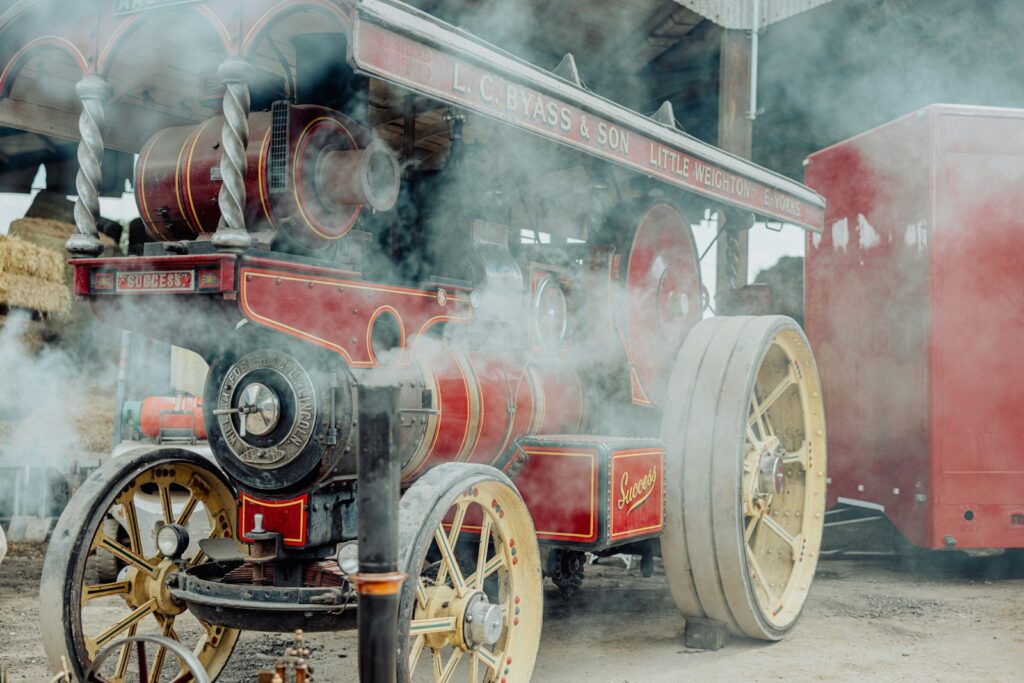
1. **Early Steam Engines in Wagons**:The genesis of heavy-duty transport, surprisingly, did not begin with the familiar roar of an internal combustion engine, but with the hiss and chug of steam. The steam-powered fardier, conceived by Nicolas-Joseph Cugnot in 1769, stands as the earliest ancestor for both trucks and cars. While Cugnot’s invention was a groundbreaking conceptualization, steam wagons themselves did not become a common sight until the mid-19th century, marking the true dawn of mechanized freight movement. These early vehicles were constrained by primitive road infrastructure, largely limited to short hauls, often connecting factories to nearby railway stations, acting as crucial links in early logistics chains.
The engineering behind these early steam wagons, though rudimentary by today’s standards, was remarkably robust for their time. They were meticulously constructed to manage substantial loads, reflecting an early understanding of the demands placed on freight carriers. The pivotal appearance of the first semi-trailer in 1881, notably towed by a De Dion-Bouton steam tractor, unequivocally signaled a growing ambition for greater carrying capacities and more efficient transport solutions. This demonstrated an early recognition of the fundamental need for articulated vehicles to manage larger payloads, pushing the engineering boundaries of steam power.
Steam wagons, despite their utility, enjoyed a finite reign. They continued to be actively sold in nations such as France and the United States right up to the critical juncture of World War I, and until 1935 in the United Kingdom. A pivotal shift occurred then, as significant changes in road tax rules rendered them increasingly uneconomic when juxtaposed against the rapidly advancing and considerably more efficient diesel lorries. This moment represented a profound turning point in powertrain dominance, starkly highlighting how economic and regulatory frameworks, alongside technological improvements, dictate the long-term viability and operational longevity of engine types.
Read more about: A Highway Hazard: 12 Trucks Towed More Than Driven Due to Constant Electrical Failures
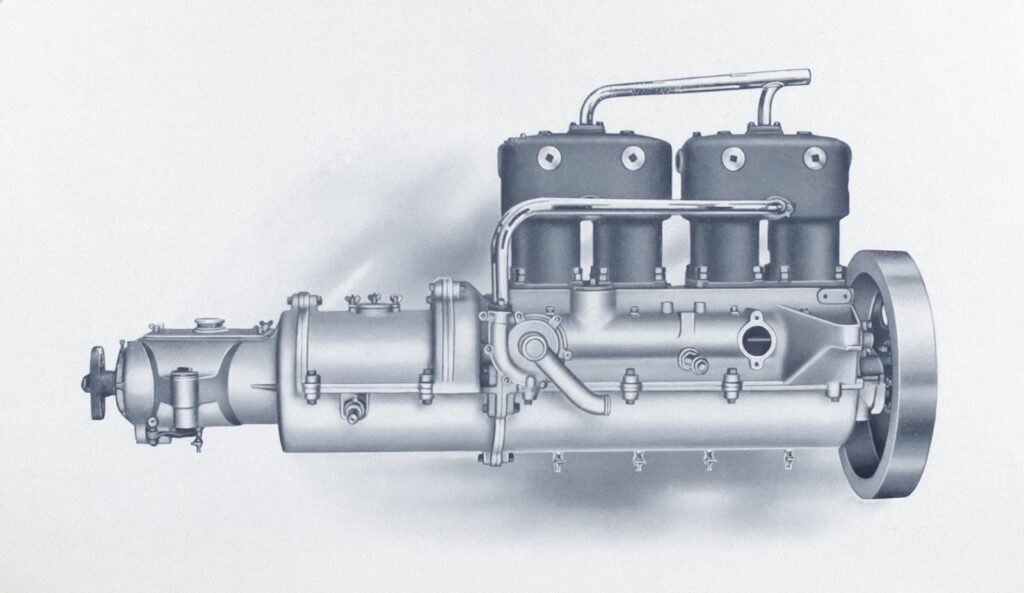
2. **Internal Combustion Engine (ICE) Pioneers**:The true and irreversible revolution in truck power arrived with the advent of the internal combustion engine, an innovation that would profoundly and permanently reshape the landscape of freight transport. In 1895, the visionary engineer Karl Benz achieved a monumental feat by meticulously designing and constructing the very first internal combustion truck. This pioneering vehicle quickly showcased its remarkable adaptability, with some of Benz’s initial trucks being cleverly modified into buses by Netphener later the very same year, underscoring its versatility for carrying both vital goods and essential passengers.
Just a single year later, in 1896, Gottlieb Daimler, another preeminent automotive pioneer, unveiled his own innovative iteration: the formidable Daimler Motor Lastwagen. This remarkably swift succession of groundbreaking inventions powerfully underscored the intense, transformative innovation rapidly unfolding within the nascent automotive world. These early internal combustion engines, while admittedly rudimentary compared to contemporary standards, offered a truly significant leap over the limitations of steam power in terms of operational efficiency, attainable speed, and unparalleled functional flexibility, promising greater distances with reduced operational overhead.
The profound impact of Benz and Daimler’s pioneering work resonated almost immediately and extensively across the burgeoning automotive industry. Other prominent and forward-thinking companies of the era, including established names like Peugeot, Renault, and Büssing, rapidly followed suit, diligently developing and enthusiastically producing their own distinctive versions of internal combustion engine trucks. This remarkably widespread and swift adoption firmly established the internal combustion engine as the undisputed dominant force for truck propulsion, laying the essential groundwork for all future developments in engine design and performance, which would inevitably contribute to enhanced vehicle longevity and capability.
Read more about: Driving Value Forward: 9 New Entry-Level Cars Redefining the Segment in 2025

3. **Early American ICE Trucks**:Across the Atlantic, the United States swiftly embraced the internal combustion revolution, adeptly adapting this transformative new technology to its burgeoning industrial and logistical requirements. The very first truck manufactured domestically in the United States proudly emerged from the Autocar company in 1899. These pioneering American workhorses were equipped with modest 5 or 8 horsepower (4 or 6 kW) engines, starkly reflecting the foundational stages of early engine development. Despite their seemingly low initial power outputs, these vehicles represented a profoundly crucial step in mechanizing American commerce and systematically laying the foundational infrastructure for what would eventually become a robust domestic trucking industry.
Another significant and notable American contribution to early truck design surfaced with George Eldridge of Des Moines, Iowa, who ingeniously constructed his own truck in 1903. This particular vehicle showcased several intriguing aspects of early American engineering innovation. It prominently featured an engine with two opposed cylinders, a design choice aimed at achieving smoother operation, coupled with a sturdy chain drive system, a then-common and reliable method of power transmission for heavy-duty applications. The remarkable survival of a 1903 Eldridge truck, now meticulously preserved and proudly displayed at the Iowa 80 Trucking Museum, serves as a tangible testament to the impressive durability and intrinsic engineering ingenuity of these early American truck builders.
Trucks from this specific era of the early 20th century characteristically relied on two-cylinder engines. These powerplants were lauded for their relatively straightforward design, which offered a fundamental and reliable level of performance for the moderate loads they were specifically engineered to carry. Their typical carrying capacity ranged effectively from 1.5 to 2 metric tons (approximately 3,300 to 4,400 lb), representing a significant improvement over traditional horse-drawn alternatives and proving entirely sufficient for the localized, short-haul distribution demands prevalent at the time. This formative period marked the vital years where foundational engine designs unequivocally proved their intrinsic capability, meticulously setting the crucial stage for future, incremental improvements in power, fuel efficiency, and ultimately, long-term operational longevity.
Read more about: Why American Pickup Trucks Became Colossal: Unpacking the Complex Web of Regulations, Culture, and Market Forces
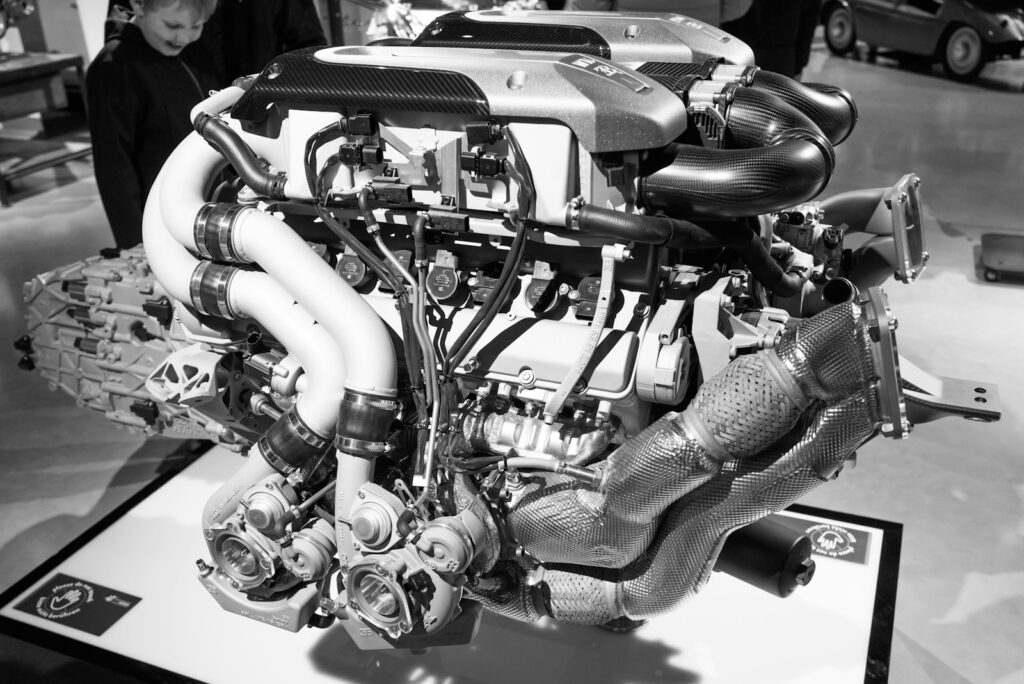
4. **Post-WWI ICE Advancements**:The period immediately following World War I inaugurated a crucially transformative era of innovation for internal combustion engines, fundamentally enhancing their practicality, operational efficiency, and overall performance in commercial trucks. This critical time witnessed the introduction of several pivotal advancements that dramatically improved both the engine’s operational characteristics and the driver’s experience. Among the most significant of these was the widespread adoption of electric starters, which effectively replaced the cumbersome and often dangerous manual hand-cranking methods, improving user convenience and reducing potential wear from difficult starts.
Beyond mere operational convenience, the very architectural design of truck engines began a profound evolutionary journey. The post-WWI era prominently witnessed the widespread development and enthusiastic adoption of engines featuring an increased number of cylinders, specifically moving towards more balanced 4, 6, and 8-cylinder configurations. This strategic increase in cylinder count brought with it numerous tangible benefits, including significantly smoother engine operation, substantially greater power output, and a more robust delivery of torque, all of which were absolutely critical attributes for handling progressively heavier loads and confidently tackling more challenging terrains.
These profound advancements in core engine design, coupled with improvements in supporting technologies, paved the definitive way for the development of even more sophisticated and robust drivetrains. While the provided context primarily highlights the advancements in transmission systems, such as the emergence of 9, 10, 13, 15, and 18-speed setups becoming increasingly common in North America, it explicitly links this progress to “advances both in transmission and engine power.” This vital synergy meant trucks could now more effectively harness their increased power, leading directly to greater operational efficiency, improved hauling capabilities, and a demonstrably more robust overall powertrain engineered for sustained, heavy-duty work, influencing engine longevity.
Read more about: 12 Defining ’70s Moments That Shaped Our World (And What Vanished Along The Way!)
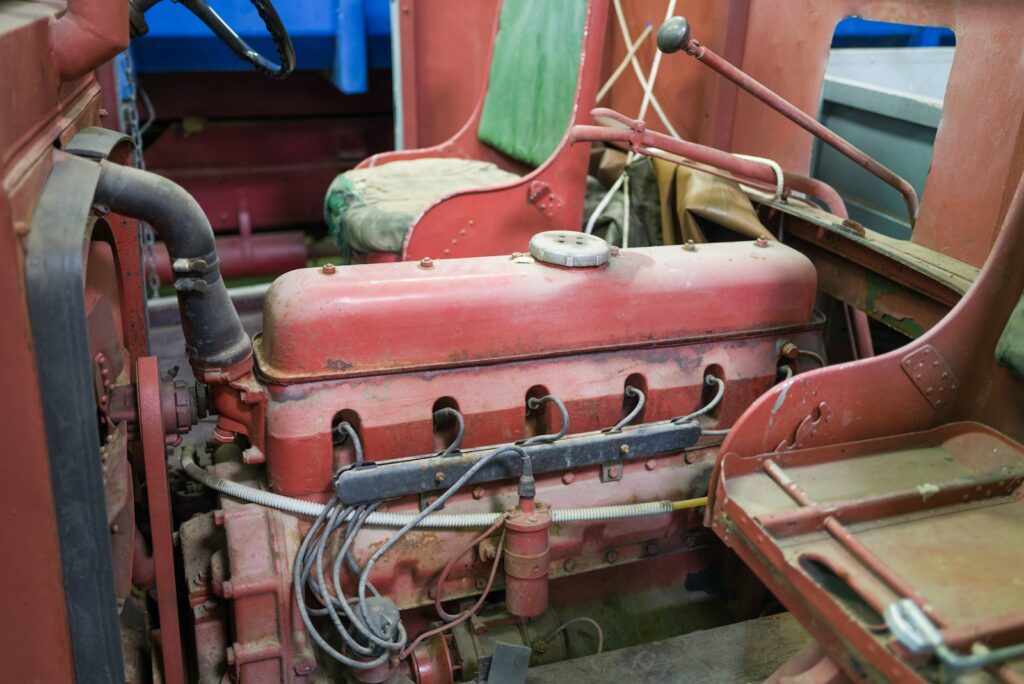
5. **The Rise of Diesel Engines in Europe**:While the internal combustion engine had already established its undeniable dominance, a new, distinct form of power—the formidable diesel engine—began its significant ascent, particularly gaining powerful traction across the European continent. Although Rudolph Diesel had originally invented his namesake engine in 1897, it remarkably took several decades for this groundbreaking technology to be successfully integrated into production trucks. It was the engineering pioneer Karl Benz who ultimately ushered in this pivotal integration, introducing the diesel engine into commercial trucks in 1923, thereby marking a true watershed moment in the expansive history of heavy transportation and foreshadowing a profound shift in power.
The inherent and compelling advantages of diesel engines—chief among them their superior torque output, exceptional fuel efficiency, and a widely perceived, robust durability—quickly became abundantly apparent to discerning operators. By the 1930s, diesel engines had become an increasingly common and preferred choice in trucks across much of Europe. This notably rapid and widespread adoption was primarily driven by the continent’s pressing demand for robust, economically viable freight transport systems that could reliably handle diverse and often challenging loads while traversing varied and demanding terrains. The promise of a longer operational lifespan and significantly lower running costs made diesel an overwhelmingly attractive proposition for commercial fleets.
Today, the vast majority of heavier trucks globally, and indeed almost universally across Europe, are powered by exceptionally sophisticated four-stroke diesel engines. These modern powerplants are frequently enhanced with advanced induction systems, prominently featuring turbochargers and intercoolers, meticulously designed to maximize both raw power output and critical fuel efficiency under varied operating conditions. This continuous evolution has been coupled with increasingly stringent regulatory demands, such as the European Union’s pervasive Euro VI emission regulations and the forthcoming, even more rigorous, Euro 7 standards. These regulations actively push manufacturers to develop even cleaner, more fuel-efficient, and inherently more durable diesel powerplants, underscoring a commitment to superior long-term performance and a significantly reduced environmental footprint.
Read more about: The CVT Conundrum: 10 SUVs Graded on Transmission Reliability – From Bulletproof to Breakdown-Prone

6. **Diesel’s Slower Acceptance in the US**:The trajectory of the diesel engine towards widespread acceptance in the United States unfolded along a distinctly different path compared to its rapid integration across Europe. While Autocar, a prominent and respected American truck manufacturer, notably introduced diesel engines for heavy-duty applications as early as the mid-1930s, this pioneering effort did not immediately precipitate an industry-wide paradigm shift. The intrinsic demand for these more powerful and inherently fuel-efficient engines did, however, prompt Autocar to launch its seminal “DC” model, a designation signifying “diesel conventional,” in 1939, catering to the nascent need for robust commercial vehicles.
Despite these significant early inroads and the clear advantages offered by diesel power, the broad acceptance of diesel engines within the broader U.S. trucking industry proved to be a considerably more protracted process. Gasoline engines remarkably maintained their deeply entrenched stronghold, astonishingly remaining in widespread use on heavy trucks well into the 1970s. This prolonged and somewhat unique preference for gasoline power in heavy applications can be attributed to a confluence of various complex factors, including cheaper gasoline, established manufacturing infrastructure, and a cultural familiarity with gasoline powerplants, creating a unique operational context for engine longevity in American trucks.
Even in the contemporary truck market, a distinct and persistent split regarding engine types continues to characterize the North American landscape. While the overwhelming majority of heavy-duty trucks are now almost universally powered by advanced diesel engines, a significant proportion of smaller trucks, encompassing popular sport utility vehicles, versatile vans, and ubiquitous pickups, alongside certain light and medium-duty truck segments, still predominantly utilize gasoline engines. However, the market is currently undergoing a steady and discernible evolution, marked by a noticeable increase in the production of diesel-engined models across these lighter categories, suggesting a gradual convergence towards diesel’s inherent advantages in torque and fuel efficiency, which are directly correlated with long-term operational performance and extended engine life.
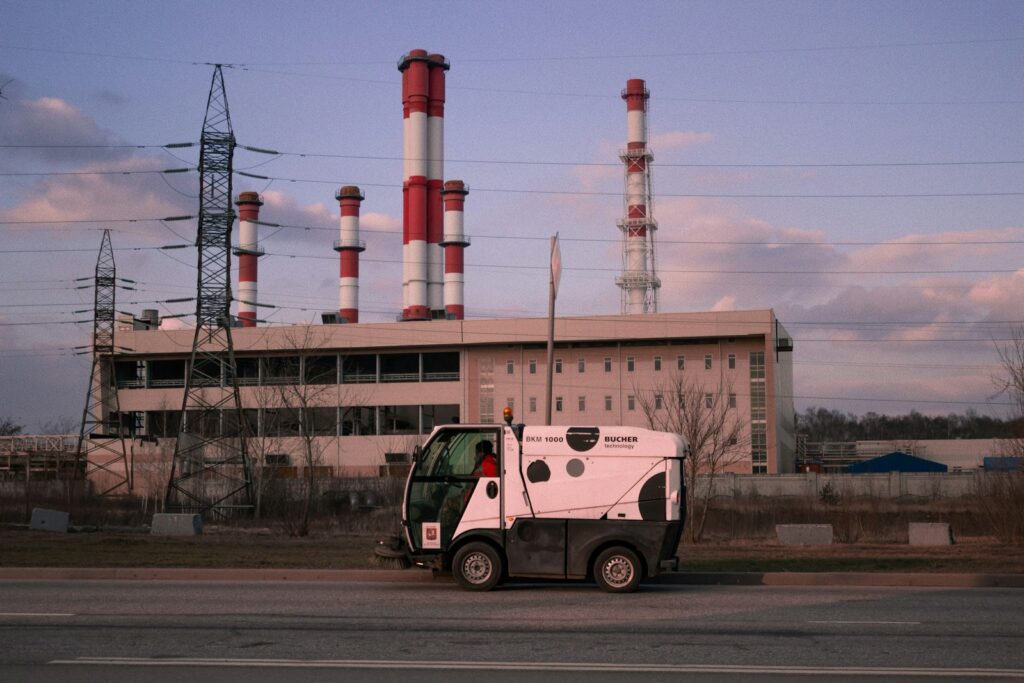
7. **The Modern Diesel Powerhouse**:As we navigate the contemporary landscape of heavy-duty trucking, the four-stroke diesel engine remains the undisputed king for the most demanding applications worldwide. Today’s powerplants are exceptionally sophisticated, representing decades of relentless engineering refinement. They are meticulously designed to deliver immense torque, remarkable fuel efficiency, and unparalleled durability—traits that are non-negotiable for commercial operators. This intrinsic robustness, coupled with continuous innovation, solidifies their position as the benchmark for long-term operational performance in the trucking industry.
A cornerstone of modern diesel engine performance and efficiency is the advanced induction system, prominently featuring turbochargers and intercoolers. Turbochargers force more air into the engine’s cylinders, allowing for more complete combustion and significantly boosting power output without increasing displacement. The intercooler then cools this compressed air, making it denser and further enhancing combustion efficiency. This pairing ensures modern diesel trucks generate maximum power and torque across a broad RPM range, confidently hauling colossal loads over vast distances with unwavering reliability.
Furthermore, the longevity of these heavy-duty diesel engines is increasingly intertwined with stringent global regulatory demands. The European Union’s Euro VI and forthcoming Euro 7 standards compel manufacturers to innovate continuously. This pressure isn’t merely about reducing emissions; it actively drives the development of cleaner, more fuel-efficient, and inherently more durable diesel powerplants. By pushing for advanced materials and precision manufacturing, these regulations inadvertently contribute to engines built to withstand even greater stresses and operate reliably for millions of miles.
The vast majority of heavier trucks globally, and almost universally across Europe, depend on these meticulously engineered four-stroke diesel engines. Their continued evolution, balancing immense power with environmental responsibility, ensures their enduring relevance in a world demanding both performance and sustainability from its heavy transport solutions.
Read more about: Beyond the Screen Name: Uncovering the Shocking True Identities of Your Favorite Celebrities
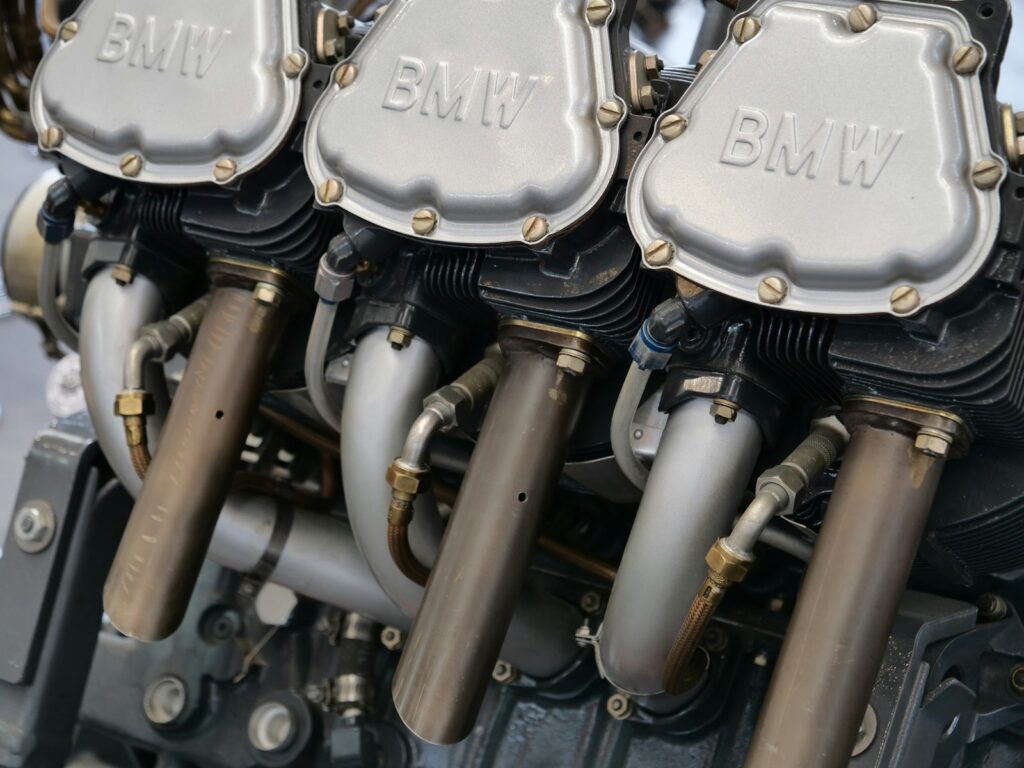
8. **The Ascent of CNG Engines**:Amidst the dominant diesel landscape, Compressed Natural Gas (CNG) engines have steadily carved out a significant niche. These powerplants offer a compelling proposition, particularly for fleets operating within specific, often localized, parameters. Their primary allure lies in lower fuel costs and a demonstrably reduced carbon emissions footprint. This combination makes CNG an attractive option for businesses focused on managing operational expenses and addressing environmental concerns.
The applications where CNG engines truly shine often involve short-range vocations with centralized refueling infrastructure. A prime example is the United States refuse industry, where a significant proportion of trucks now employ CNG engines. These vehicles operate on fixed routes, returning to a central depot daily, making CNG fueling stations a practical and economically sensible investment. Concrete mixers are another vocational segment where CNG has found considerable success, leveraging cleaner combustion and stable fuel pricing.
However, widespread adoption for long-haul freight has been hampered by range limitations. Natural gas, in its compressed form, has a lower energy density than liquid diesel, requiring larger or more numerous fuel tanks for comparable operational ranges. This engineering challenge, coupled with a less extensive national refueling infrastructure, has prevented broader uptake in long-distance hauling.
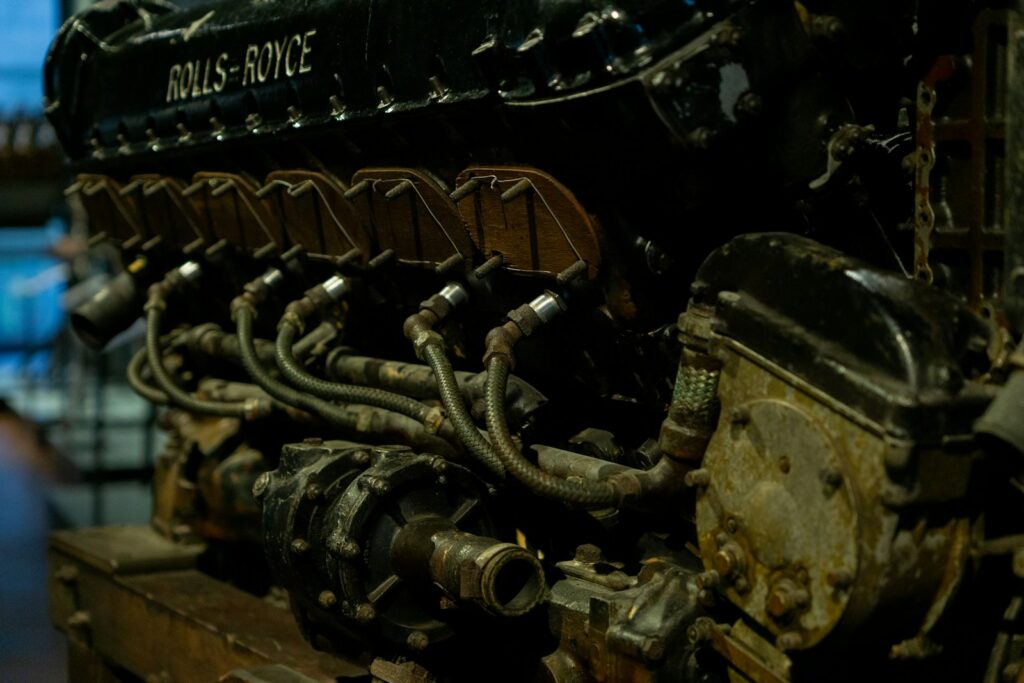
9. **Electric Motors: A Silent Revolution**:While seemingly a modern innovation, electrically powered trucks surprisingly predate their internal combustion counterparts. These early electric vehicles were continuously available from the mid-19th century, finding success in urban delivery roles where quiet operation and lack of emissions were advantageous. By the 1920s, manufacturers like Autocar Trucks offered a range of electric trucks, recognizing their utility for specialized work vehicles like forklifts.
However, the impressive energy density of liquid fuels soon overshadowed electric trucks. The ability to carry significantly more energy in a smaller, lighter package meant internal combustion engines offered far greater range and power, leading to the decline of electric propulsion. For decades, electric trucks remained a niche solution, confined to industrial applications where their unique characteristics outweighed battery limitations.
The tides began to turn dramatically in the 2000s, as groundbreaking advancements in battery technology and higher-volume production significantly broadened the applicability for electric propulsion. New chemistries and more efficient designs allowed greater energy storage, making electric trucks viable for a much wider array of roles. Today, manufacturers are actively electrifying all truck segments, driven by technological readiness, escalating environmental concerns, and increasingly stringent national regulatory requirements. This push is particularly evident in China and Europe, spearheading a silent revolution towards cleaner and more efficient urban logistics.
The journey towards fully electric long-haul over-the-road trucks remains the most challenging frontier. While progress is being made in battery capacity and charging infrastructure, the sheer demands of continuous, heavy-duty operation over vast distances require monumental battery packs that add considerable weight and cost. Manufacturers are tirelessly working to overcome these hurdles, exploring innovative solutions like ultra-fast charging and modular battery designs to make electric power a truly competitive and enduring solution for every segment of the trucking industry.
Read more about: Beyond the Runway: A Deep Dive into Ralph Lauren’s Legendary Car Collection, Valued at Over $600 Million

10. **Hydrogen-Powered Trucks: The Future Fuel**:As the industry aggressively seeks to displace diesel engines, hydrogen-powered trucks are emerging as a compelling contender, especially for the most demanding long-range applications. The vision for hydrogen is clear: to offer the zero-emission benefits of electric propulsion without the inherent weight and range limitations currently associated with battery-electric systems. This technology represents a crucial pathway for heavy-duty freight haulers who cannot compromise on payload capacity or extensive operational routes.
The rationale behind hydrogen’s optimism is rooted in its energy density and rapid refueling capabilities, which more closely mirror the operational characteristics of traditional diesel trucks. Unlike battery-electric vehicles that require lengthy charging times and massive battery arrays, hydrogen fuel cell trucks can be refueled in minutes, similar to conventional vehicles, and can offer greater range with a lighter overall vehicle weight. This makes them particularly attractive for “long-range over-the-road trucks,” which, as one publication suggests, “will probably run on hydrogen, not batteries, which are too expensive” for such demanding roles.
Despite their nascent presence, with “Heavy electric trucks and hydrogen-powered trucks new to the market in 2021,” there is substantial interest from major freight haulers. They recognize hydrogen’s potential to deliver sustainable, long-term performance without the compromises currently faced by other zero-emission alternatives. Challenges include developing a robust hydrogen production and distribution infrastructure and reducing fuel cell system manufacturing costs. However, hydrogen’s unique advantages position it as a formidable future fuel that could redefine engine longevity and operational efficiency for the heaviest and longest-distance trucking tasks.

11. **Evolution of Drivetrains: Beyond Manual**:The sheer power and longevity of a truck engine are only as effective as the system designed to transmit that power to the wheels. Over time, truck drivetrains have undergone a remarkable evolution, moving beyond basic manual “crash boxes” to sophisticated automatic and automated manual transmissions. These dramatically enhance both efficiency and driver experience, directly responding to advancements in engine power. This ensures increased horsepower and torque can be effectively harnessed for demanding applications, ultimately contributing to the engine’s overall durability and operational lifespan.
Historically, larger trucks predominantly relied on manual transmissions without synchronizers—the notorious “crash boxes.” These required drivers to master demanding techniques like double-clutching or “floating” gears for smooth shifts and to manage immense forces. While these transmissions saved bulk and weight, their operational complexity could lead to driver fatigue. However, their inherent durability, when properly operated, contributed to the longevity of the entire powertrain.
Today, the landscape is rapidly shifting. Automatic and automated manual transmissions (AMTs) for heavy trucks are becoming increasingly common, reflecting significant “advances both in transmission and engine power.” These modern systems utilize sophisticated electronics and hydraulics to manage gear changes seamlessly, optimizing engine performance, improving fuel economy, and crucially, reducing driver workload. In North America, setups with 9, 10, 13, 15, and 18 speeds are common, while Europe sees 8, 10, 12, and 16 gears in manual transmissions, with automated versions offering 5 to 12 gears. This precision ensures the engine consistently operates within its optimal power band, mitigating stress and contributing directly to enhanced longevity.
The integration of these advanced drivetrains means heavy trucks can now more effectively manage power and torque distribution, adapting instantaneously to varying loads and terrains. This sophisticated synergy between engine and transmission not only leads to greater operational efficiency and improved hauling capabilities but also creates a demonstrably more robust overall powertrain, meticulously engineered for sustained, heavy-duty work.
Read more about: A Highway Hazard: 12 Trucks Towed More Than Driven Due to Constant Electrical Failures

12. **Emissions and Longevity: A Regulatory Balance**:The intersection of environmental responsibility and engine longevity has become a defining characteristic of contemporary truck engine development. As concerns about air quality and climate change intensify, regulatory bodies worldwide are imposing increasingly stringent emission standards, fundamentally reshaping how truck engines are designed and operated. These regulations, while primarily aimed at reducing pollution, paradoxically drive innovations that often contribute to enhanced engine durability and long-term operational performance, creating a complex but beneficial balance.
The environmental impact of trucks is undeniable; they contribute to air, noise, and water pollution. As the context highlights, “most trucks run on diesel, and diesel exhaust is especially dangerous for health,” with NOx and particulates causing thousands of early deaths annually. This grim reality has spurred a global commitment to cleaner transport. The European Union’s Euro VI and forthcoming Euro 7 standards exemplify this, pushing for stricter exhaust limits and even tackling air pollution from brakes and tires. Similar efforts are seen globally, with many countries restricting truck CO2 emissions to help limit climate change.
To meet these demanding standards, manufacturers are compelled to invest heavily in advanced engine technologies, including highly efficient combustion systems, sophisticated exhaust after-treatment devices, and precision electronic controls. These engineering marvels are designed to extract maximum power while minimizing harmful outputs. The result is engines that are built with tighter tolerances, utilize higher-quality materials, and are subjected to more rigorous testing, all of which directly translate into greater inherent reliability and an extended operational lifespan. The constant drive to develop “cleaner, more fuel-efficient, and inherently more durable diesel powerplants” is a clear testament to this regulatory influence on longevity.
Furthermore, the long-term vision for the industry includes a significant shift towards zero-emission vehicles. Many countries have pledged that “30% of sales of trucks and buses will be zero emission by 2030,” further accelerating the development of electric and hydrogen powertrains. This commitment underscores a future where longevity is not only measured in miles but also in sustainable environmental impact.
An ending paragraph of the article.
Read more about: The 14 Most Fuel-Efficient Cars of 2025: Expert Insights to Save You Thousands Annually
From the rudimentary chugs of early steam wagons to the sophisticated, high-tech powerplants of today, the journey of the truck engine is a compelling narrative of relentless innovation and an unwavering pursuit of longevity. We’ve witnessed the transformative shifts from basic internal combustion to the refined diesel stalwarts, and now stand at the precipice of a new era, powered by the silent hum of electricity and the clean promise of hydrogen. What remains constant throughout this evolution is the fundamental demand for a heart that can endure—a robust, reliable engine that keeps the wheels of commerce turning, miles after mile, decade after decade. The future of trucking, whether propelled by advanced fossil fuels or emerging zero-emission technologies, will undoubtedly continue this legacy, driven by engineering excellence and the enduring spirit of the open road.