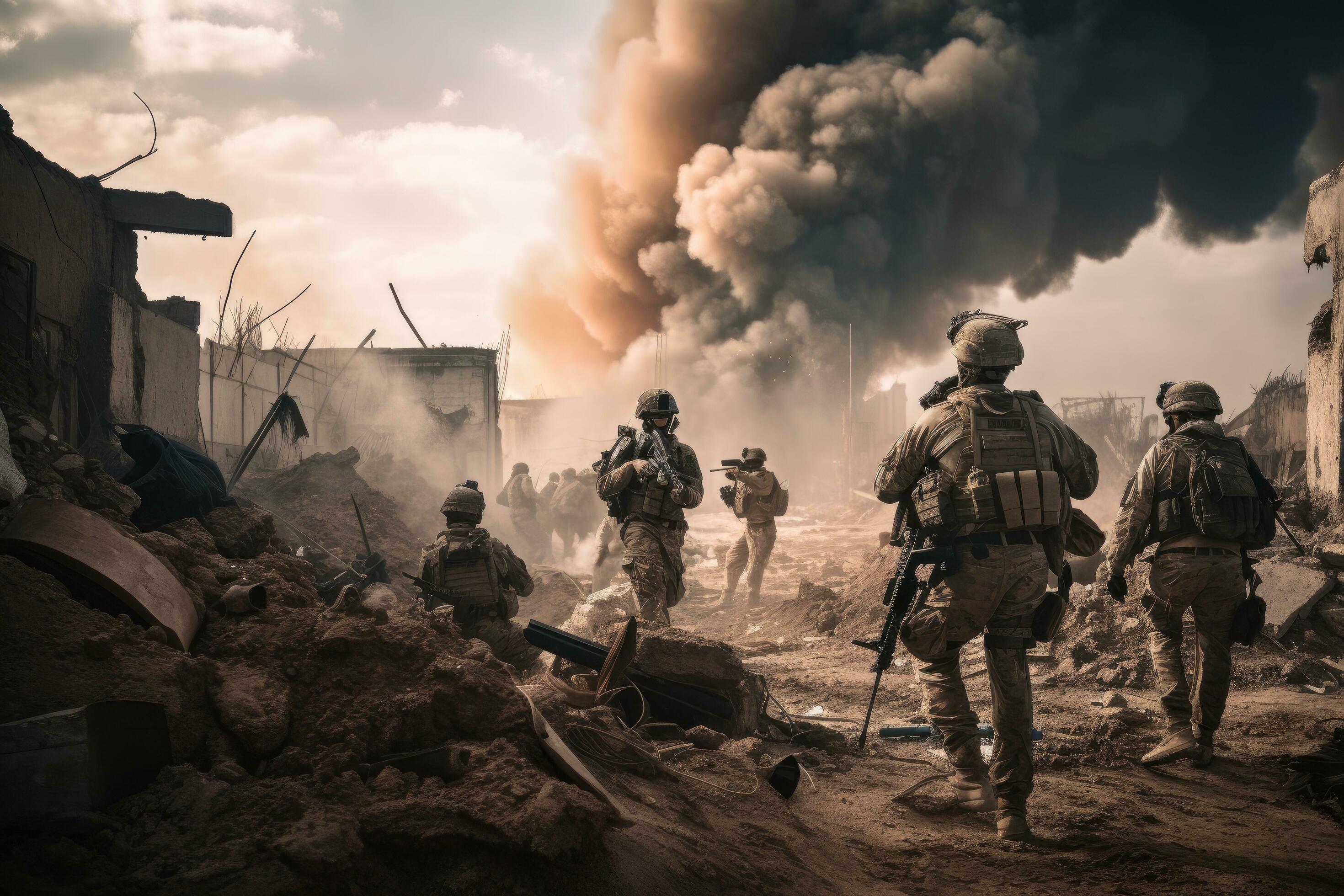
War is a topic that has captivated storytellers for centuries, its inherent drama, heroism, and horror providing an endless wellspring of narrative potential. While cinema has certainly given us some unforgettable war films, there’s a compelling argument to be made that television, with its expansive canvas and long-form storytelling capabilities, often goes deeper, hits harder, and ultimately delivers a more complete and resonant experience. Television shows thrive on high drama, and there’s pretty much nothing more high drama than an actual war.
These series don’t just depict military strategy or the outcome of battles; instead, they immerse audiences in the grit, fear, chaos, and courage felt by those who lived through it. It’s this glimpse into the human experience that makes TV the perfect medium for exploring the deeper emotional and psychological impacts of war, allowing characters and conflicts to breathe and evolve in ways a two-hour movie rarely can. More than just explosions and heroic charges, the true power of these war series lies in their ability to delve into the intimate ramifications for individuals, exploring sacrifice, futility, and the inherent absurdity of these conflicts with unparalleled scope. Prepare to brush up on your military history, because we’re about to explore 14 of the best war shows of all time, and why they consistently outshine their big-screen counterparts.
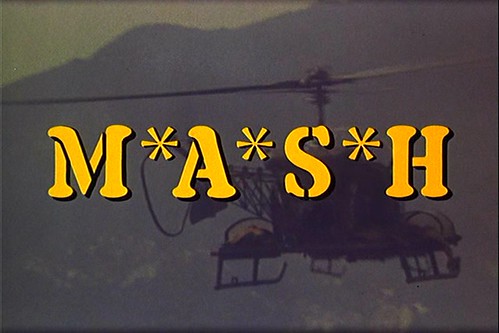
1. **M*A*S*H**”M*A*S*H” isn’t just one of the best war shows ever made — it’s truly one of the greatest and most popular series in television history, period. This iconic show masterfully demonstrates how humor, even gallows humor, can not only survive but thrive amidst the darkest of circumstances, something few war movies have successfully achieved over an extended run. Its setting in the midst of the Korean War allowed it to deliver sharp, poignant commentary on the Vietnam War, which was still ongoing when the series began, making it incredibly relevant and impactful.
The genius of “M*A*S*H” lies in its ability to balance incredibly dark topics with a broad and irreverent sense of humor, handling the war with a light touch that paradoxically made its anti-war message even stronger. Revolving around the doctors and nurses who work in a surgical unit at a military hospital in Korea, the series offered a unique window into the daily lives, struggles, and sanity-preserving antics of those on the front lines of medical care. This sustained exploration of character and theme over 11 seasons allowed for a depth that a movie simply cannot replicate, showcasing the collective human spirit amidst chaos.
Its monumental success is undeniable; “M*A*S*H” ran for 11 seasons on CBS, spinning off from a film of the same name, and its finale episode drew in an astonishing 105.97 million viewers when it finally went off the air in 1983. To put that into perspective, the entire population of the United States in 1983 was just over 233 million, meaning nearly half the country tuned in. It remains the most watched episode of a scripted series in television history, an achievement that speaks volumes about its enduring appeal and profound impact. This sustained cultural resonance and deep dive into the psychological toll of war, underscored by humor, is a triumph movies rarely touch.
Read more about: The Enduring Spirit: Exploring the World of Comedic Stars Amidst Hollywood’s Tragic Echoes
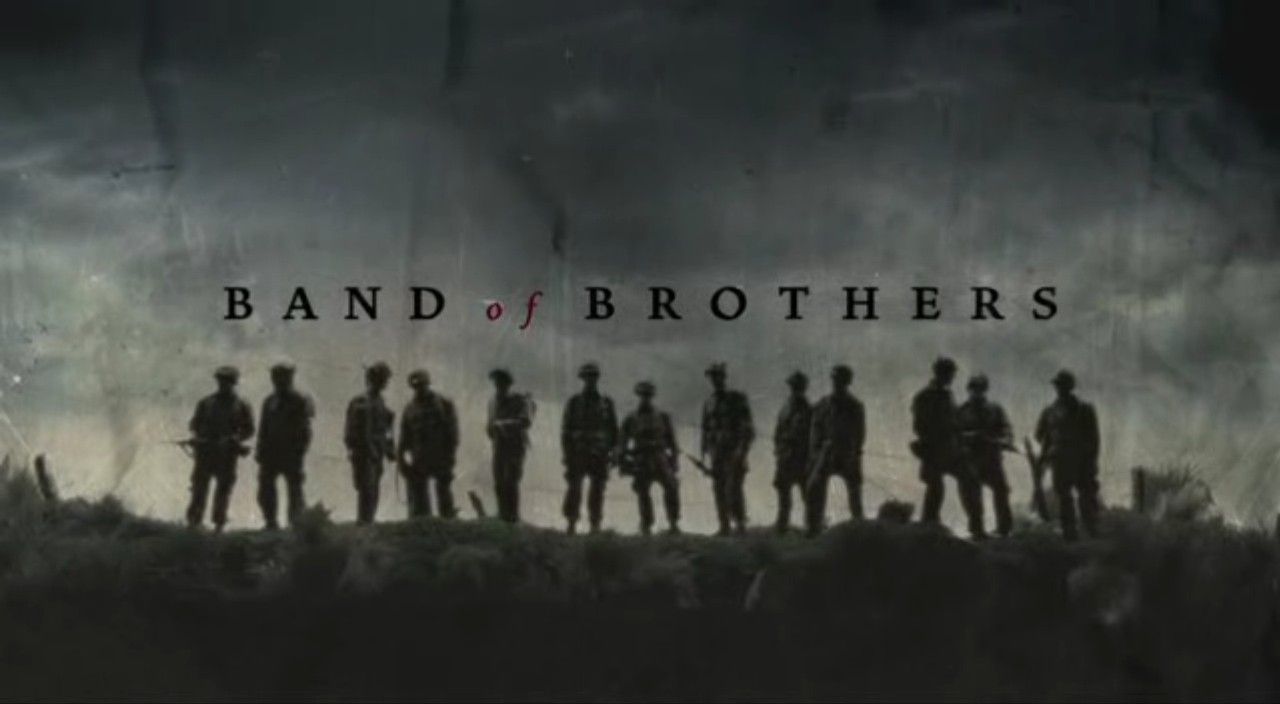
2. **Band of Brothers**You know what’s scarier than invading Europe as part of the Allied forces? Jumping out of a plane and parachuting down as part of an invasion of Europe. “Band of Brothers” sets the gold standard for opulent television war dramas, a ten-part miniseries that meticulously follows a group of paratroopers in World War II, from their grueling days of training at boot camp to their eventual arrival in Europe, culminating in the fall of Nazi Germany. Producers Steven Spielberg and Tom Hanks, also responsible for some of the best World War II movies, spared no expense in bringing these dramatic wartime exploits to life.
What truly elevates “Band of Brothers” above its cinematic counterparts is its immersive, extended narrative. Over ten hours, viewers become deeply invested in the lives of Easy Company, a unit of the 101st Airborne Division, experiencing their triumphs, traumas, and unbreakable bonds as they face D-Day, the Battle of the Bulge, and countless other hellish engagements. This long-form approach allows for an endless supply of characters to get emotionally invested in, showcasing the collective experience of war rather than focusing on just one or two protagonists, a common limitation of war films.
Beyond its unparalleled production values and historical accuracy, the series is also famously a “who’s who” of up-and-coming actors who made early appearances here, including Michael Fassbender, James McAvoy, Simon Pegg, Andrew Scott, Jimmy Fallon, and Dominic Cooper. The sheer scope and emotional gravity, coupled with its celebratory yet unflinching honor of soldier sacrifices, created an experience that resonated deeply. More than two decades later, it remains the benchmark for telling a sweeping, character-driven war story on the small screen that few films can achieve.
Read more about: The Phenomenal ‘Toms’: From Digital Icons to Hollywood Comebacks – Unpacking Their Enduring Impact

3. **Hogan’s Heroes**Released while the United States was embroiled in the Vietnam War, a conflict networks were discouraged from commenting negatively upon, “Hogan’s Heroes” achieved something truly remarkable. It created a biting satire of modern war, able to highlight the inherent ridiculousness of conflict, by cleverly setting its comedy in a previous war. Depicting life in a World War II prisoner-of-war camp, it was an intentionally goofy, yet brilliant, counterpart to serious war narratives like “The Great Escape,” offering a unique perspective rarely explored in war films.
The premise is simple but executed with comedic precision: a group of Allied soldiers in a POW camp consider it their duty to sabotage Axis war efforts as much as possible, all while their bumbling German captors remain hilariously oblivious. What makes “Hogan’s Heroes” so engaging, and arguably superior in its niche to many war comedies on film, is the incredible depth brought by its cast. Since it was released just two decades after the end of World War II, many of its actors had personal, profound experience with the conflict, enriching their characters as a result.
Werner Klemperer (Colonel Wilhelm Klink) and John Banner (Sergeant Hans Schultz) came from Jewish families that emigrated to the United States in the lead-up to the war, and Robert Clary (Louis LeBeau) was himself a Holocaust survivor. Despite their experiences — or perhaps because of them — they were able to imbue “Hogan’s Heroes” with a note-perfect sense of humor, delivering satire with a nuanced understanding of its subject. This blend of real-world history and sharp comedic writing, maintained over multiple seasons, provides a lasting commentary on conflict that few films could sustain.
Read more about: Samantha Ruth Prabhu: An Unfiltered Look at the Reign and Resilience of a South Indian Icon
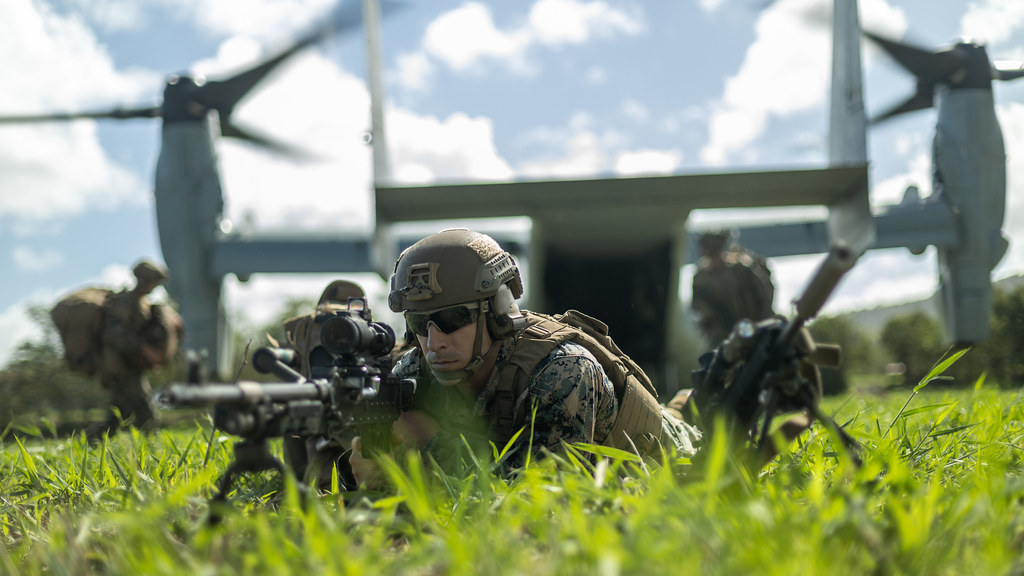
4. **The Pacific**While “Band of Brothers” focused on the European theater, “The Pacific” masterfully served as its equally compelling counterpart, shifting its gaze to the brutal and often overlooked battles against the Japanese in the Pacific theater of World War II. Released in 2010, this series meticulously follows a battalion of Marines through some of the biggest engagements in the Pacific, including the now-legendary Battle of Iwo Jima, beginning just after the United States entered the war in the wake of the attack on Pearl Harbor. Its ten-part structure allowed for an unflinching, visceral portrayal of this often-underrepresented front.
Like its predecessor, “The Pacific” benefits immensely from the collaborative genius of producers Steven Spielberg and Tom Hanks, ensuring stellar production values and a large ensemble cast filled with relatable characters. What truly distinguishes it, and positions it above many standalone war films, is its commitment to not romanticize war. Instead, it shows the painful reality of fighting in the Pacific, bringing viewers into some of World War II’s bloodiest battles from Guadalcanal to Peleliu and Okinawa through the real-life accounts of U.S. Marines Robert Leckie, Eugene Sledge, and John Basilone.
The stellar acting, coupled with the use of advanced prosthetics and immersive visuals, makes it a visceral watch that pulls no punches. In addition to James Badge Dale in the lead role as PFC Robert Leckie, “The Pacific” also features Rami Malek, William Sadler, and Jon Bernthal, amongst many others, all delivering powerful performances that embody the physical and psychological toll of combat. This extended narrative format allows for a deeper exploration of the characters’ enduring trauma and the relentless nature of the Pacific war, offering a comprehensive and haunting experience that cinema rarely achieves.
Read more about: Beyond the Buzz: Unpacking the Hidden Nausea of Next-Gen EVs and How Tech is Tackling Car Sickness
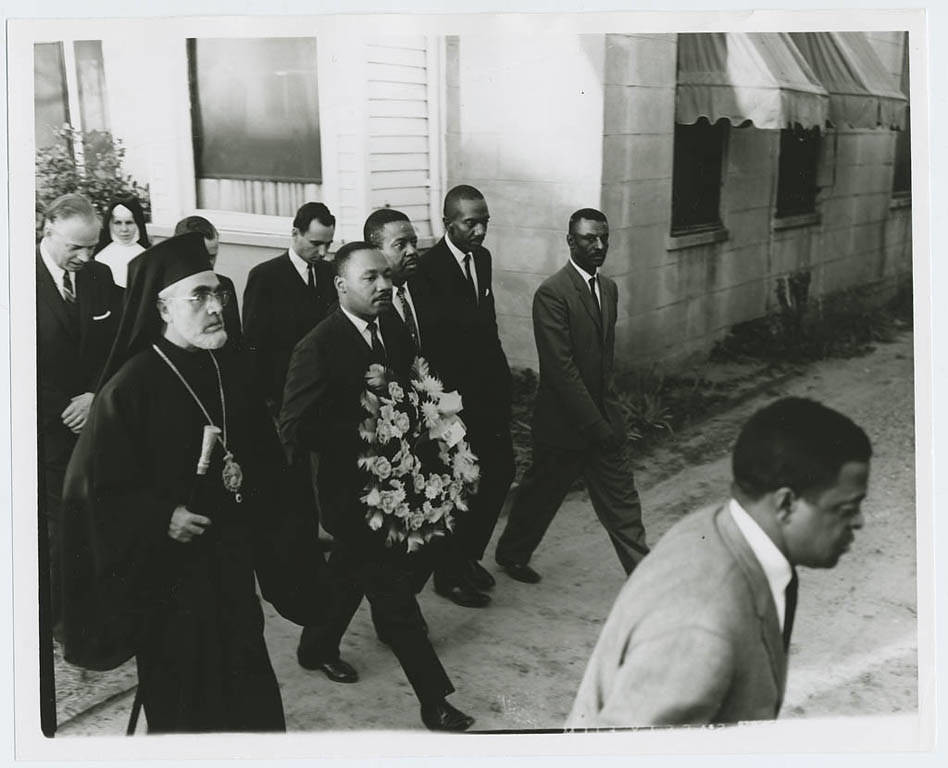
5. **North and South**The American Civil War, a conflict that turned half of the country against the other, is at the heart of the popular 1980s miniseries “North and South.” This epic production beautifully illustrates how the long-form television format can capture the intricate human drama and societal divisions of a major historical event with far greater scope and emotional impact than any single film. It revolves around the profound friendship between Orry Main (Patrick Swayze) and George Hazard (James Read), two men from vastly different backgrounds who meet as classmates at West Point in the years leading up to the war.
Main, the son of a wealthy Southern plantation owner, and Hazard, hailing from Pennsylvania with a devoted abolitionist for a sister, Virgilia (Kirstie Alley), find their bond tested by the escalating national tensions. Naturally, Main and Virgilia immediately have a spark, despite their fundamental differences in opinion over, well, the morality of owning a human life. This personal connection against the backdrop of an impending national catastrophe allows the series to explore the deeply personal costs of ideological conflict in a way that resonates profoundly over its extended runtime.
Over the course of several years, as the country descends into war, their convictions and alliances are challenged, and “North and South” meticulously details all the minor and major dramas that accompany life during a civil war. This extensive narrative allows for a multi-faceted exploration of the conflict’s impact on families, friendships, and entire communities, offering a tapestry of experiences that a feature film could only ever glimpse. The ability to track these intertwined lives and their evolving relationships through such a turbulent period truly showcases television’s superiority in handling vast historical sagas.
Read more about: The AI Eye on Our Roads: How New Traffic Cameras Are Reshaping Enforcement and Safety
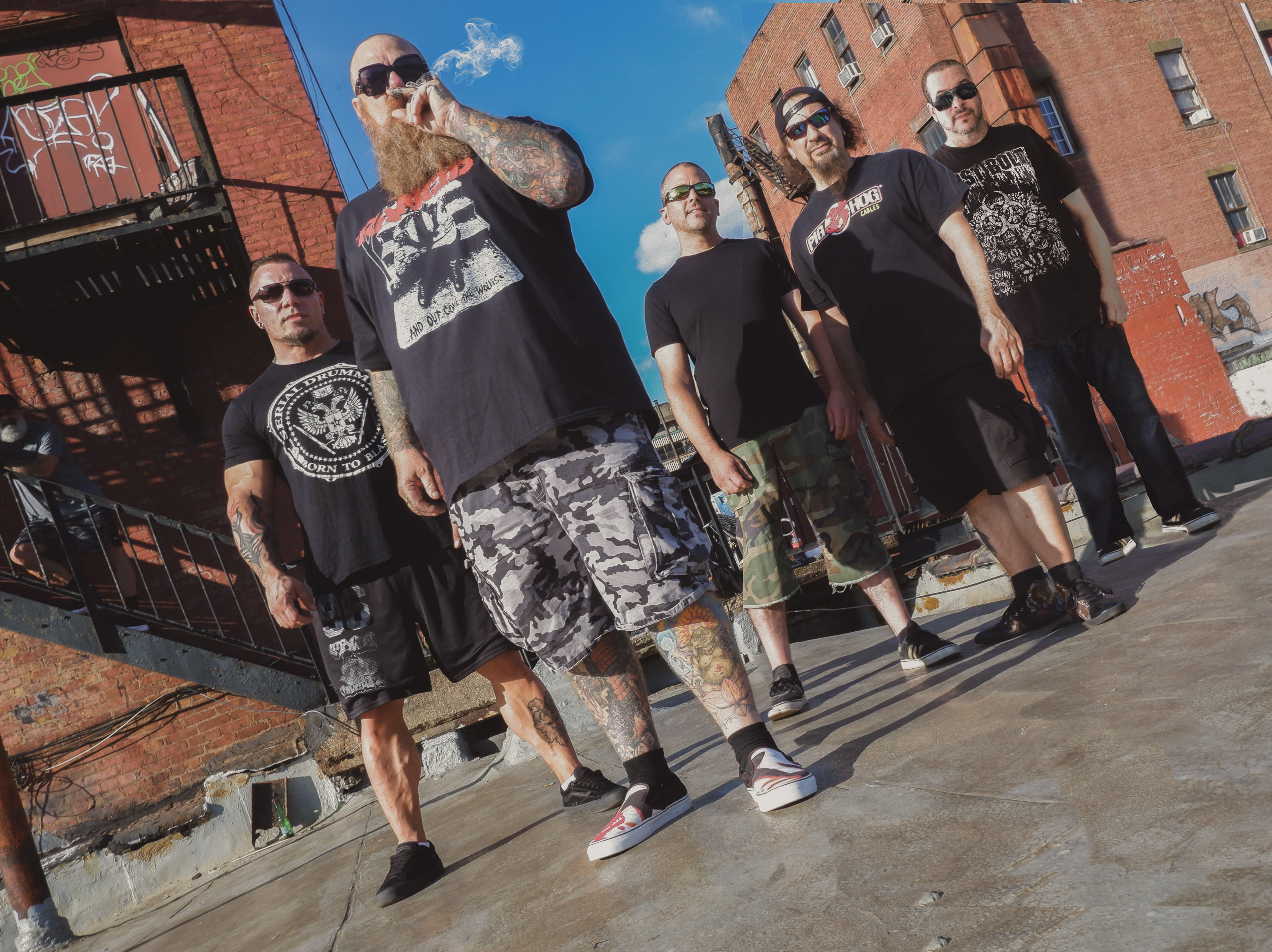
6. **Generation Kill**Often, television shows focus on wars of the past, as more modern conflicts are seen as too fresh or difficult to romanticize. “Generation Kill,” by stark contrast, fearlessly sets its sights on the American invasion of Iraq in 2003, and was released just five years later, when the Iraq War was still officially raging. This HBO miniseries stands as a prime example of how the small screen can tackle contemporary conflict with an immediacy and unflinching realism that often eludes blockbuster cinema, which tends to shy away from such raw, recent history.
Based on Rolling Stone journalist Evan Wright’s reporting with the U.S. Marines, this seven-part miniseries tracks the 1st Reconnaissance Battalion during the 2003 invasion, capturing the chaos, adrenaline, and dark humor that characterize modern combat. While there are plenty of soldiers featured, with a massive ensemble cast playing Marines, the show is tellingly told from the perspective of a journalist (Lee Tergesen) who has been sent along with the troops to cover the burgeoning conflict. This journalistic lens provides a grounded, observational viewpoint that enriches its authenticity.
“Generation Kill” is a great war miniseries in its own right, showcasing the gritty, unvarnished truth of the war without glorification. It’s also memorable for being one of the main breakthrough roles for Alexander Skarsgård, who appeared in this the same year that he began his turn as Eric Northman on “True Blood.” The series’ ability to explore the moral ambiguities, systemic flaws, and psychological impact of a very recent war, all within a comprehensive, character-driven narrative, makes it a powerful and essential watch that few films dare to emulate in such detail.
Read more about: Global Titans: An In-Depth Look at the World’s Most Influential Personalities of Late 2025
7. **Sharpe**War is terrible, but in 18th-century England, it also had a way of providing social status for young men who otherwise would have little opportunity to distinguish themselves. This fascinating socio-historical context is brilliantly brought to life in “Sharpe,” a series that proves the episodic format is perfect for following a dynamic character through a sprawling historical conflict. Sean Bean, in a career-defining role, stars as Richard Sharpe, a soldier who rises to prominence in the midst of the Napoleonic Wars, showcasing a blend of cunning, bravery, and grit that makes him an instantly compelling protagonist.
Based on a popular novel series by Bernard Cornwell, “Sharpe” details the international exploits of Sharpe as he wages war and gets into all kinds of scrapes along the way, from intricate espionage to intense battlefield engagements. The show originally ran for four years in the mid-1990s, with each episode suitably epic in tone, running over an hour and a half and functioning more as mini-films rather than typical parts of a series. This “mini-film” approach within a larger serial narrative allowed for both episodic satisfaction and overarching character development across its extensive run.
Audiences were drawn in by the undeniable charm and robust performance of Sean Bean, so much so that even author Bernard Cornwell admitted he began to think of Sean Bean when writing for the character instead of his original envisioned image. The robustness of Sharpe’s many wartime adventures, his moral ambiguities, and his journey through the ranks of the British army during a pivotal historical period, all explored over multiple entries, offers a depth and continuous engagement that a single war movie could simply never achieve. “Sharpe” was brought back a decade later for two more made-for-TV productions, cementing its enduring legacy.
War’s enduring grip on our imaginations, from the clash of ancient swords to the silent terror of submarine warfare, proves that conflict offers an unparalleled stage for human drama. As we continue our journey through the absolute best war TV shows, it becomes even clearer why these long-form sagas consistently outshine their cinematic counterparts. They don’t just chronicle battles; they build worlds, explore individual psyches, and weave intricate tapestries of historical and emotional depth that a two-hour film can scarcely begin to touch. Let’s delve into seven more essential series that truly leverage the power of television to bring the battlefield, and its profound human cost, into our living rooms with unparalleled impact.
Read more about: The Phenomenal ‘Toms’: From Digital Icons to Hollywood Comebacks – Unpacking Their Enduring Impact

8. **Generation War**Stepping away from the Allied perspective, “Generation War” is an uncompromising German production that offers a poignant and often devastating look at World War II through the eyes of its own youth. This series tracks five friends from Berlin as their lives are irrevocably altered by the escalating conflict, taking them in vastly different directions. It’s an incredibly empathetic portrayal, serving as a powerful reminder that the first victims of the Third Reich were, in fact, German citizens themselves.
The narrative masterfully intertwines the fates of brothers Wilhelm, a consummate soldier, and Friedhelm, who is much more reluctant; Charlotte, a nurse secretly in love with Wilhelm; Greta, an aspiring singer and bartender; and Viktor, her Jewish boyfriend. As young Germans, they navigate a war that changes them in ways they never could have imagined, with consequences that are frequently devastating. The series’ ability to explore these personal transformations and the moral complexities faced by ordinary people within a wartime context provides a richness rarely achieved in film.
While it faced some controversy upon its initial release, particularly regarding historical interpretations, “Generation War” is now widely regarded as one of the best series about World War II to emerge from Germany. Its frank depiction of the destruction wrought upon a generation, combined with its profound empathy for its subjects, makes it a vital and thought-provoking watch that challenges conventional narratives. This comprehensive approach allows for a nuanced understanding of a conflict that still reverberates today.
Read more about: Beyond the Screen Name: Uncovering the Shocking True Identities of Your Favorite Celebrities
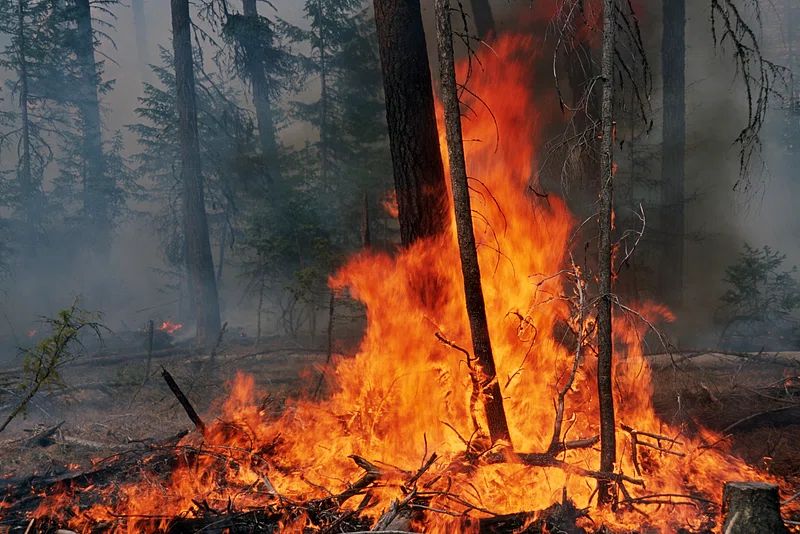
9. **World on Fire**”World on Fire” takes a truly ambitious and sweeping approach to World War II, eschewing a single military focus to instead portray the conflict through the eyes of ordinary people across multiple countries. This series brilliantly demonstrates how television can connect disparate storylines, showing the war’s impact not just on soldiers on the front lines, but also on journalists, civilians, and members of local resistance movements in Britain, Poland, France, Germany, and the U.S.
At its heart is Harry Chase, a young Englishman who begins his wartime career as an interpreter and eventually joins a British espionage agency. However, the true strength of the show lies in its ensemble cast, which allows for a tapestry of human experiences. We witness the emotional fallout, moral dilemmas, and surprising acts of courage and cruelty that unfold far beyond the battlefield, offering a deeply human look at how war disrupts and defines countless lives.
Though some critics found its earnestness bordering on “cheesiness,” many appreciated its straightforward storytelling and ability to deliver on dramatic expectations. As Robert Lloyd of The Los Angeles Times aptly put it, “‘If ‘World on Fire’ is rarely surprising, it’s not full of bad surprises, either, and there is something comforting in the deft way it satisfies dramatic expectations: Expect the expected.'” Plus, with Sean Bean making an appearance, it’s hard to turn down a war drama that keeps you hooked across its two seasons, even with delays like the COVID-19 pandemic.
Read more about: Academy’s Crossroads: Unpacking the Oscar Eligibility Debates and Rule Evolutions for the Modern Film Era
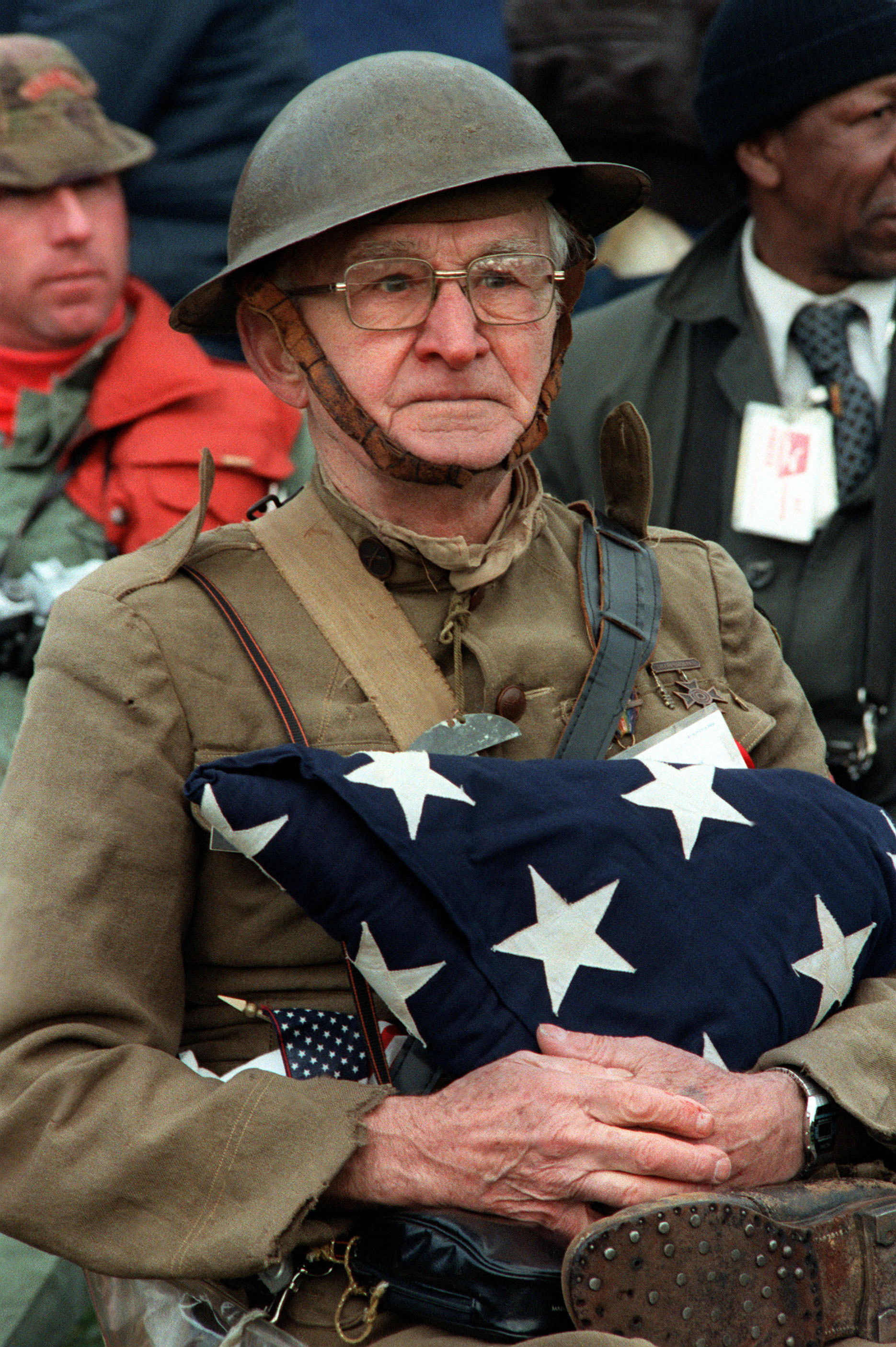
10. **The World at War**For those who seek an unvarnished, factual account of history, “The World at War” stands as an undisputed titan among documentaries. Airing on ITV in 1973, this exhaustive 26-episode series set the bar for comprehensive historical storytelling, capturing seemingly every single aspect of World War II through painstaking research and detailed individual segments. For decades, it was considered *the* definitive documentary on the subject, shaping how countless viewers understood the monumental conflict.
Its ambition and scope are truly awe-inspiring. “The World at War” neglects hardly an angle of the war, meticulously covering major military campaigns, the geopolitical machinations, and the profound impact of the conflict on the home front across various nations. Narrated by Sir Laurence Olivier, its blend of rare archival footage, eyewitness testimonies, and expert analysis brought history to life for a generation who did not experience the war firsthand.
Indeed, the influence of “The World at War” cannot be overstated. Without its groundbreaking work in demonstrating what the genre was capable of accomplishing, it’s hard to imagine the profound impact later documentary filmmakers like Ken Burns would have on public television. It’s a testament to television’s unique ability to present complex historical events with a depth and breadth that feature films, by their very nature, cannot hope to replicate, making it an essential watch for any history buff.
Read more about: Academy’s Crossroads: Unpacking the Oscar Eligibility Debates and Rule Evolutions for the Modern Film Era
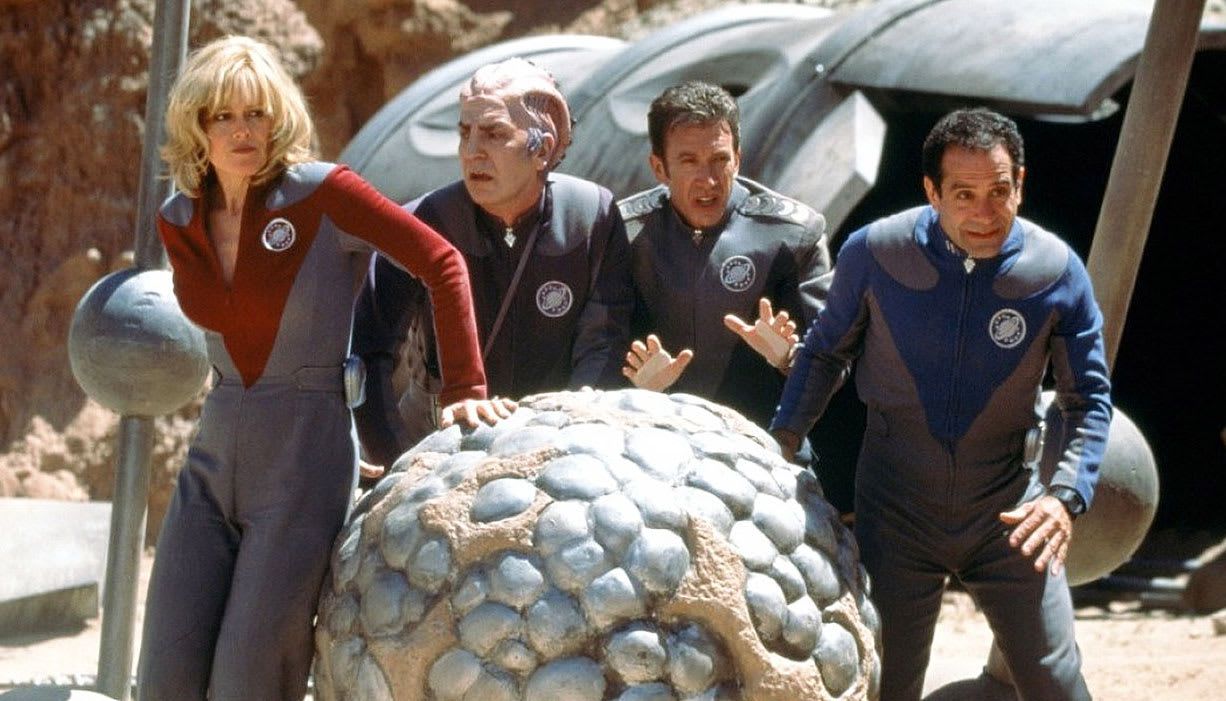
11. **Das Boot**Submarine warfare is a unique beast, a claustrophobic dance of terror and tedium, and “Das Boot” captures it with chilling precision. This small-screen follow-up to Wolfgang Peterson’s acclaimed 1981 film, which is widely considered the best submarine movie ever made, delves even deeper into the lives of a German U-boat crew. The series, which translates to “The Boat,” expands upon the film’s premise by introducing elements of disillusionment with the Nazi regime and even open rebellion, showcasing the moral complexities faced by those caught in the conflict.
The series boldly explores the psychological toll of extended patrols beneath the waves, where the constant threat of depth charges and the stifling confines push men to their limits. One U-boat faces a mutiny, forcing its captain to grapple with complicated feelings about his role in the German military, while another captain contemplates the audacious act of defecting to the Allies. This intricate web of personal and political struggles highlights the human cost of war beyond just the physical battles.
Running for four seasons, “Das Boot” captivated global audiences, in part due to its multi-language approach to the war. By focusing primarily on the German Kriegsmarine and their internal struggles, it offered a perspective often overlooked in English-language productions. The series excels at portraying not only the excitement and terror of naval combat but also the crushing mundanity, making for a compelling and often unsettling viewing experience that transcends national allegiances.
Read more about: Beyond the Glam: 14 Unfiltered Jennifer Lopez Looks That Redefine Everyday Style
12. **’Allo ‘Allo**Leave it to the British to find the humor in the darkest corners of World War II. “‘Allo ‘Allo” is a farcical sitcom set in Nazi-occupied France, proving that sometimes, surreal comedy and gallows humor are the most potent tools for showcasing the inherent absurdity of conflict. This wildly popular BBC production stars Gordon Kaye as Rene Artois, a café owner in a small French town who finds himself unwillingly roped into the French Resistance while also catering to his often-bumbling German customers.
Rene, a character who embodies a sort of “Chaotic Neutral” ethos, becomes the helpless witness and accidental confidant to the myriad schemes of both the Resistance and the German occupiers. He’s a fount of knowledge regarding their various plans and intrigues, information he usually tries desperately to keep to himself, leading to endless comedic situations. The brilliance of “‘Allo ‘Allo” lies in its ability to poke fun at the stereotypes and clichés of wartime narratives without ever diminishing the gravity of the underlying conflict.
A massive hit in its native Britain, the show ran for nine seasons, demonstrating its enduring appeal and its unique ability to sustain comedic commentary on war over a long period. Its legacy was even cemented with a reunion special years after its finale, combining documentary interviews with new scripted material. “‘Allo ‘Allo” stands as a testament to how humor, skillfully applied, can provide a lasting and insightful perspective on history, a feat few war films can hope to match.
Read more about: Academy’s Crossroads: Unpacking the Oscar Eligibility Debates and Rule Evolutions for the Modern Film Era

13. **The Pillars of the Earth**While not a traditional battlefield drama, “The Pillars of the Earth” immerses viewers in a different kind of war: the constant struggle for power and survival during a period of widespread lawlessness. Set in 12th-century Britain, this Starz miniseries primarily focuses on the lives within the growing cathedral town of Kingsbridge, yet it all unfolds within the tumultuous context of the Anarchy. This bitter fight for the crown between Empress Maud and Stephen of Blois creates a societal chaos that deeply impacts every character.
The series brilliantly illustrates how television can explore the pervasive effects of war on society, even when direct battles aren’t always in the foreground. The widespread lawlessness, the shifting allegiances, and the constant uncertainty of who is truly in charge reveal how conflict can dismantle the very foundations of daily life. Viewers witness how individuals try to build a future on such “shifting sands,” highlighting the profound challenges faced by ordinary people during times of political instability.
With stellar performances from an incredibly talented ensemble cast including Ian McShane, Hayley Atwell, Eddie Redmayne, and Rufus Sewell, “The Pillars of the Earth” transcends its medieval setting to offer timeless insights into human ambition, faith, and resilience. While battle sequences are present, the series’ true power lies in its detailed portrayal of a society grappling with the long-term consequences of a fractured leadership, making it a classic period miniseries that deepens our understanding of historical conflict beyond the immediate clash of arms.
Read more about: Beyond the Face Value: Unpacking The Rings of Power Recasts and the Profound Meanings of ‘Lord’ in and out of Middle-earth
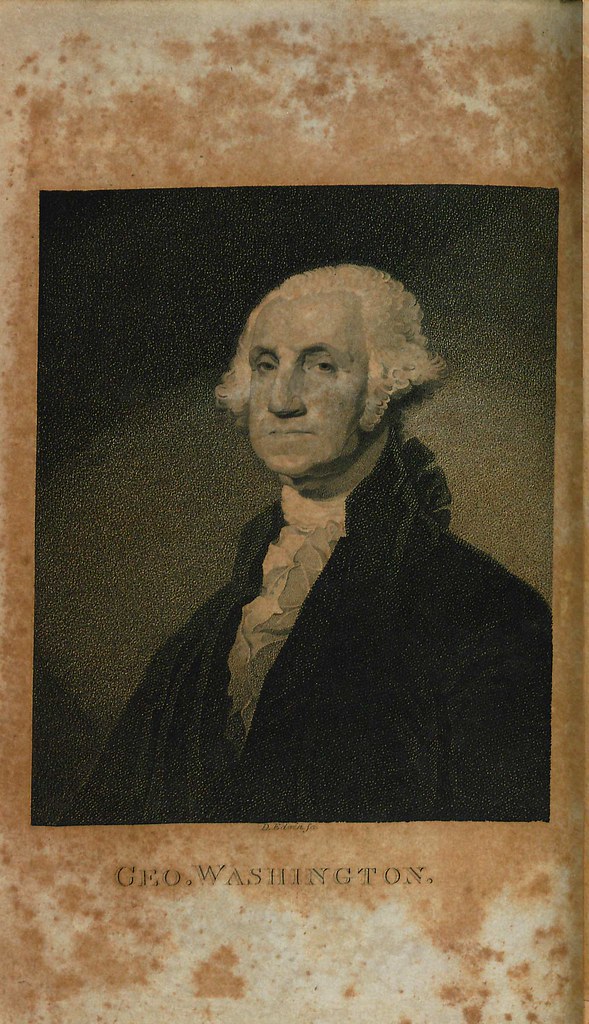
14. **Turn: Washington’s Spies**Before the age of drones and satellite surveillance, espionage during wartime was a clandestine art relying on daring individuals and ingenious networks. “Turn: Washington’s Spies,” inspired by Alexander Rose’s popular history book, brings the American Revolution’s secret war to vivid life, showcasing how intelligence gathering was as crucial as open combat. Starring Jamie Bell as Abraham Woodhull, a Long Island farmer, the series plunges viewers into the covert operations of a nascent spy network for George Washington’s patriots.
Initially reluctant, Woodhull quickly demonstrates a remarkable aptitude for espionage, growing into his pivotal role over the show’s four seasons. “Turn” excels at building tension and intrigue, highlighting the constant danger faced by those operating behind enemy lines and the high stakes involved in every whispered word or hidden message. This extended narrative allows for a detailed exploration of the formation and evolution of America’s first spy ring, something a film could only ever superficially touch upon.
Jamie Bell provides the stable, compelling heart of the production, surrounded by a talented cast portraying both rebel spies and Redcoat adversaries. The series’ flexibility allowed it to improve over time, resolving early issues and solidifying its place as a compelling historical drama. “Turn: Washington’s Spies” offers a unique and intricate perspective on the Revolutionary War, proving that the battles fought in the shadows were every bit as gripping and significant as those on the open field, making it an essential watch for anyone fascinated by the clandestine side of conflict.
These 14 exceptional war TV shows don’t just put us on the front lines; they invite us into the lives, minds, and hearts of those who experience conflict in all its brutal, absurd, and occasionally heroic forms. They prove, time and again, that the expansive canvas of television provides the perfect medium for truly delving into the grit, fear, chaos, and courage felt by those who live through war, leaving an indelible mark long after the credits roll. So, grab your popcorn, clear your schedule, and prepare for an immersive journey into military history that movies, for all their glory, simply can’t match.