The world of rhythm and blues mourns the passing of Frankie Beverly, a towering figure whose smooth baritone and profound songwriting captivated audiences for over five decades. Beverly, the iconic frontman, songwriter, and founder of the legendary soul and funk band Maze, died on Tuesday, September 10, 2024, at the age of 77. His family announced his passing on Wednesday, sharing a message across his social media accounts that conveyed both deep sorrow and an earnest request for privacy during this time of profound grief.
His death marks the end of an era for countless fans who cherished his ability to craft timeless anthems that became the soundtrack to life’s most joyous communal moments. While the precise cause of his demise was not disclosed by his family, Beverly had previously mentioned only minor throat problems and explicitly denied any history of cancer, stating earlier this year, “I’ve never had any cancer or anything like that.” He lived a life dedicated to preserving his health and his craft, telling Black Doctor.org, “I really do take pride in what I’ve been given and do the best I can in that.”
Frankie Beverly leaves behind a colossal musical legacy, defined by his unwavering commitment to pure soul and an extraordinary ability to connect with listeners on a deeply personal level. His journey from a Philadelphia youth with a prodigious vocal talent to the leader of a band that would become a staple in Black culture is a narrative of persistence, artistic integrity, and a unique sound that defied conventional pop stardom while achieving an almost mythical status among its devotees. This exploration delves into the foundational elements of his remarkable life and career, chronicling the emergence of an artist whose influence remains indelible.
1. **A Musical Life Concludes: The Passing of a Legend**On September 10, 2024, the soul music world collectively paused to acknowledge the departure of Frankie Beverly, a name synonymous with enduring R&B and the heartfelt sound of Maze. The esteemed singer-songwriter, who had just concluded a farewell tour earlier in the year, passed away at 77, leaving behind a profound legacy that resonated with generations of music lovers. His family’s official announcement on social media platforms echoed a deep personal loss, asking for space to navigate their grief privately.
The statement, posted on Wednesday, September 11, began with a poignant reflection: “Grieving the loss of a loved one is a deeply personal and emotional experience.” It continued, “During this time, as we are navigating feelings of sorrow, reflection, and remembrance we kindly ask for privacy and understanding, allowing us the space to grieve in our own way.” This plea underscored the family’s desire for solitude during a period of immense personal reflection, as they honored the memory of Howard Stanley Beverly, known globally as Frankie Beverly.
Their message also beautifully encapsulated the essence of the man and his life: “He lived his life with pure soul as one would say, and for us, no one did it better. He lived for his music, family and friends. Love one another as he would want that for us all.” This sentiment, shared across various news outlets, underscored Beverly’s core values and the profound impact he had beyond his musical endeavors. While the family refrained from detailing the cause of death, the emphasis remained on celebrating a life lived with unwavering dedication to art, camaraderie, and genuine human connection.

2. **Philadelphia Roots: Early Life and Musical Beginnings**Born Howard Stanley Beverly on December 6, 1946, Frankie Beverly’s musical odyssey began in the vibrant, fertile grounds of Philadelphia, a city renowned for its rich musical heritage. His formative years in the East Germantown neighborhood proved instrumental, where he first discovered and nurtured his vocal talents as a soloist in church. This early exposure to gospel music undoubtedly laid a foundational layer for the soulful depth that would later define his distinctive sound.
As a teenager, Beverly’s prodigious talent quickly caught attention. He briefly lent his voice to an ensemble known as “The Silhouettes,” a group that had already achieved national recognition with their 1958 hit “Get a Job.” This experience, though perhaps short-lived, provided him with an invaluable glimpse into the professional music circuit. His innate passion for music, however, soon spurred him to form his own groups, marking the initial steps of his entrepreneurial spirit in the industry.
He founded his own doo-wop group, “The Blenders,” showcasing his early inclinations toward vocal harmony and structured arrangements. Following this, he recorded several songs with another group, “The Butlers.” These early endeavors demonstrated not only his versatile vocal abilities but also his burgeoning skills as a bandleader and songwriter, laying crucial groundwork for the legendary career that would follow. His deep connection to Philadelphia was further solidified when the 6000 block of Norwood Street in Germantown was named “Frankie Beverly Way” in his honor, a testament to his lasting impact on his hometown.

3. **The Evolution to Raw Soul: A New Musical Direction**Beverly’s artistic vision continued to mature and evolve beyond the traditional doo-wop and vocal harmony styles of his early groups. His transformation of “The Butlers” into “Raw Soul” in 1970 marked a significant pivot, moving towards a more adventurous fusion of genres. This period saw his sound bearing the distinct influence of groups like Sly and the Family Stone, who were pioneering a dynamic blend of soul, rock, and funk, pushing the boundaries of contemporary music.
Raw Soul’s sound was characterized by its raw energy and a burgeoning sophistication, hinting at the expansive musical palette that would later define Maze. This period was one of intense experimentation and growth, as Beverly sought to carve out a unique identity in the burgeoning funk and soul landscape. The group’s commitment to this new, genre-bending approach set them apart from many of their contemporaries, forecasting the distinctiveness that would become their hallmark.
Seeking new opportunities and a broader audience for their evolving sound, Beverly and the members of Raw Soul made the bold decision to relocate to San Francisco in 1972. This move, however, was not without its trials. “San Francisco was no Disneyland. It was real, with real hurts and heartaches,” Beverly recounted, describing a period of financial hardship and struggle. Despite these formidable challenges, they persevered, managing to secure bookings in smaller clubs, steadfastly honing their craft and awaiting their pivotal moment.
Read more about: The Indelible Reign of Prince: A Forbes Retrospective on the Musical Genius, Financial Acumen, and Cultural Impact of an Icon
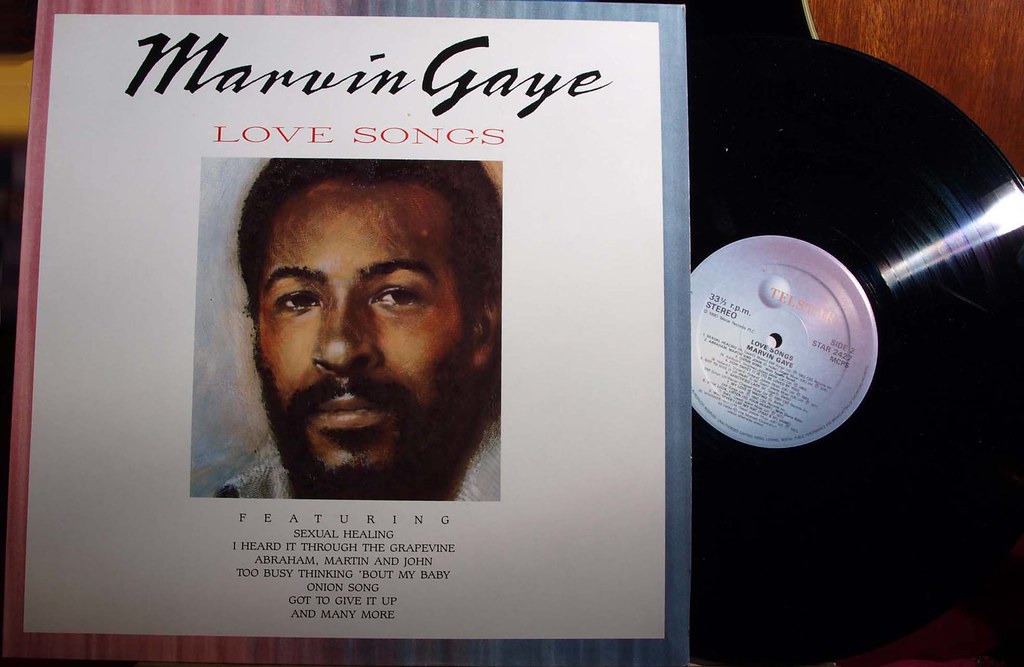
4. **Marvin Gaye’s Mentorship: The Birth of Maze**The turning point for Raw Soul arrived through a serendipitous encounter in San Francisco. While performing in one of the city’s smaller venues, the group caught the attention of Marvin Gaye’s sister-in-law. Impressed by their talent and unique sound, she quickly alerted the legendary singer-songwriter to their presence. This introduction proved to be one of the most significant moments in Frankie Beverly’s career, initiating a mentorship that would forever alter his band’s trajectory.
Marvin Gaye, recognizing their immense potential, extended a crucial invitation, taking Raw Soul under his wing. He not only invited them to tour with him as his opening act in 1976 but also offered invaluable guidance and support, famously suggesting a change that would lead to their iconic new identity. “He loved me like a little brother,” Beverly later recalled, highlighting the deep personal and professional bond they shared. It was Gaye who advised them to change their name from Raw Soul to Maze, a moniker that would soon become synonymous with soulful elegance and enduring musicality.
This pivotal mentorship opened doors that had previously been inaccessible. With Gaye’s advocacy and the band’s undeniable talent, Maze, featuring Frankie Beverly, secured a deal with Capitol Records. In 1977, they released their debut album, “Maze Featuring Frankie Beverly,” which marked the beginning of an extraordinary run. Beverly acknowledged Gaye’s role, stating, “certainly working with him helped bring our demos back to life,” underscoring the immense impact of this collaboration on launching their professional recording career.
5. **Defining the Maze Sound: R&B Chart Dominance Without Pop Crossover**Under the new name and with Capitol Records, Maze, led by Frankie Beverly, rapidly cultivated a distinctive sound that would come to define an era of soul and funk. Their music was a sophisticated blend of soulful melodies, infectious funk grooves, and Beverly’s signature smooth baritone. It was a sound deeply rooted in the traditions of R&B but imbued with a unique authenticity that resonated powerfully with its core audience. This artistic integrity allowed them to build a loyal following, cementing their status within the Black music community.
Between 1977 and 1993, Maze enjoyed a remarkable period of sustained success, releasing eight studio albums and two live records. Eight of these ten projects achieved gold certification, a testament to their consistent popularity and the devotion of their fanbase. Two of their albums, 1985’s “Can’t Stop the Love” and 1989’s “Silky Soul,” topped the Billboard R&B Albums chart, further underscoring their dominance within the genre. They also placed 29 songs on Billboard’s R&B singles chart, with nine reaching the Top 10, demonstrating a consistent ability to produce hits that resonated deeply.
Despite this profound success and influence within R&B, Maze never achieved the widespread mainstream pop crossover that many of their contemporaries sought. Their singles occasionally “dented the upper echelons of the Hot 100” and they reached as high as Number 25 on the Billboard 200 Albums chart, but a broader pop audience largely eluded them. J.D. Considine, a music critic, aptly described Beverly as “the biggest R&B star you never heard of” in 1994. Yet, this lack of mainstream recognition did not diminish their impact, as Beverly himself remarked, acknowledging a “cult kind of thing” that he cherished more than broader fame, affirming the unique, enduring bond with his dedicated audience.
6. **”Before I Let Go”: A Cultural Anthem’s Unexpected Journey**Among Maze’s extensive catalog of beloved songs, “Before I Let Go” stands as an undisputed magnum opus, evolving from a heartfelt studio track into an unofficial national anthem for countless Black community celebrations. Released in 1981 on their fifth album, “Live in New Orleans,” the song’s origins are surprisingly personal, initially penned by Beverly about the emotional struggle of moving on from a love he deeply cherished but knew was ultimately unsustainable. “I was seeing some lady but I was just with someone (else) and we broke up,” he shared with Essence in 2020. “And it got kind of hard because I wasn’t with the woman I wanted to be with and I couldn’t stay with the one I was with.”
The original conception of “Before I Let Go” was not as the upbeat, celebratory groove it eventually became. Beverly described it as neither a ballad nor a “groove song” in its initial form. It was the collective genius of the band during rehearsals that transformed the track, imbuing it with the infectious, joyous rhythm that has since become its hallmark. “When the band got a hold of it, we started rehearsing it, and that’s when it got the sound that you guys hear now,” Beverly explained, highlighting the collaborative alchemy that birthed its iconic form.
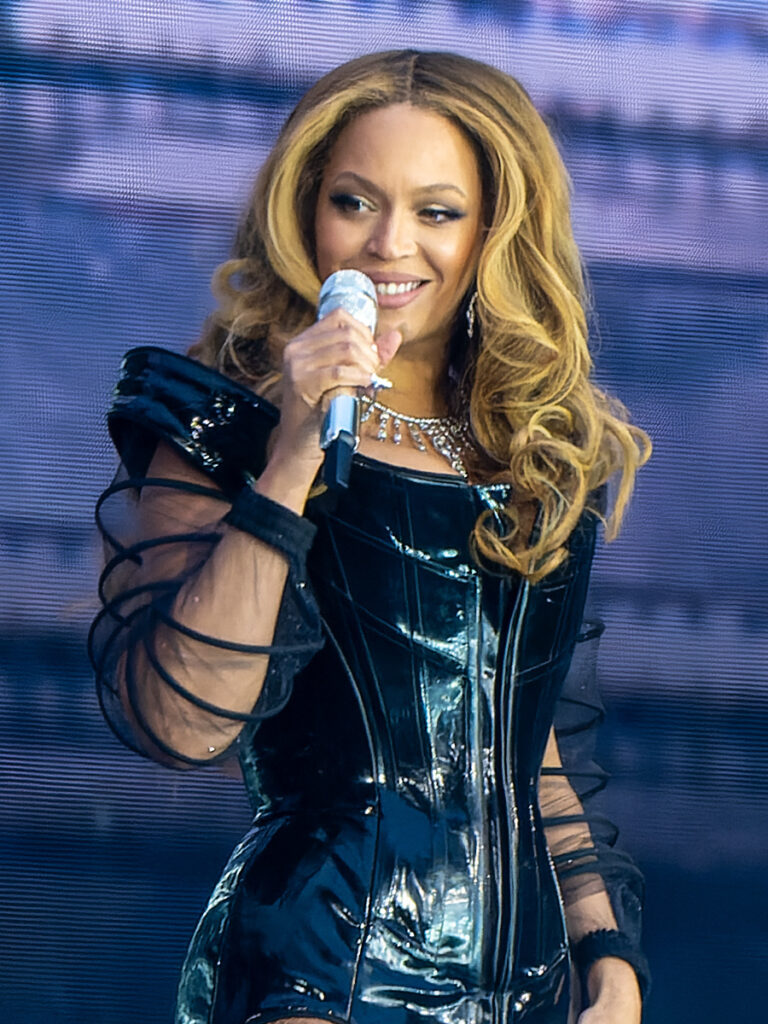
Over four decades since its release, “Before I Let Go” has transcended its musical origins to become a staple at cookouts, family reunions, and any gathering where celebration and unity are paramount. Its ubiquitous presence led to its description as “a unifying Black anthem and an unfailing source of joy,” by The New York Times podcast “Still Processing.” Its cultural prominence was further amplified in 2019 when Beyoncé covered the song for her “Homecoming” film and live album, a rendition that Frankie Beverly hailed as “one of the high points of my life.” He expressed astonishment at its longevity and impact, stating, “It’s too impressive… to even hear you say it’s like the Black folks national anthem, that’s even more than I can wrap my head around.”
7. **Beyond “Before I Let Go”: A Legacy of Enduring Hits**While “Before I Let Go” stands as Maze featuring Frankie Beverly’s most recognized anthem, the band’s extensive catalog is replete with numerous other enduring hits that equally resonated with generations of fans. These tracks, characterized by Beverly’s smooth baritone and the band’s distinctive soul-funk instrumentation, solidified Maze’s reputation as consistent purveyors of authentic R&B. They crafted a sonic tapestry that eloquently chronicled the nuances of life, love, and human connection.
“Joy and Pain” is one such cornerstone, its philosophical depth and relatable lyrics cementing its place in hearts. Radio DJ Patty Jackson eloquently praised its message, noting, “When he wrote ‘Joy and Pain,’ think of the lyrics, ‘You’re going to have joy. You’re going to have pain. You’re going to have sunshine. You’re going to have rain,’ and that’s life.” This song offered a candid reflection on the cyclical nature of human experience, affirming that both happiness and hardship are integral parts of existence, often serving as a comforting balm.
Other beloved tracks like “Happy Feelin’s” and “Golden Time of Day” capture a more overtly uplifting and celebratory spirit, becoming synonymous with good times and communal gatherings. “Happy Feelin’s” in particular, with its infectious groove and optimistic message, embodies the very essence of the joy Maze’s music often evoked. These songs contribute to the band’s unique ability to craft music that feels both deeply personal and universally accessible, fostering an atmosphere of warmth and shared happiness.
Furthermore, songs such as “We Are One,” “Southern Girl,” and “Love is the Key” showcase the breadth of Maze’s lyrical and musical themes. “We Are One” speaks to unity and collective spirit, while “Southern Girl” offers a romantic ode, underscoring Beverly’s versatility. These compositions, along with others like “Can’t Get Over You,” contributed to their impressive run of 29 songs on Billboard’s R&B singles chart, with nine reaching the Top 10, demonstrating a consistent ability to produce impactful hits.

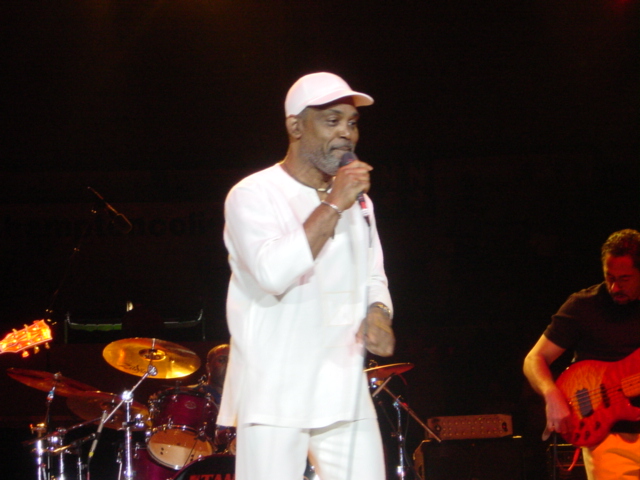
8. **The Allure of Live Performance: Maze’s Signature Stage Presence**A significant part of Maze featuring Frankie Beverly’s enduring legend was their electrifying and deeply engaging live performances. For decades, attending a Maze concert was an immersive experience, a communal ritual where the audience and band converged in an atmosphere of mutual adoration. Beverly, with his captivating stage presence, possessed an unparalleled ability to connect with every person, making each performance feel intimate and personal.
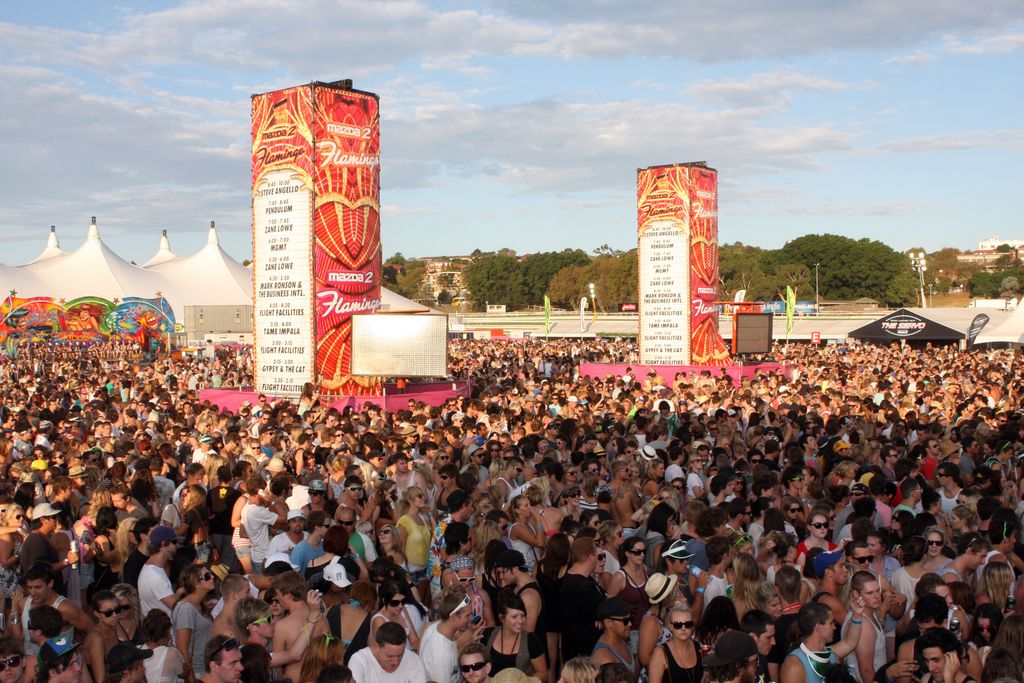
Central to their iconic stage aesthetic was the band’s distinctive all-white attire. This visual signature became as recognizable as Beverly’s voice, embodying a sense of purity, elegance, and timelessness that mirrored their music. The “sea of dancing fans, many wearing white clothing like Beverly himself often donned,” at events such as the Essence Festival, created a striking visual symphony, transforming concerts into a unified celebration. This collective expression reinforced the bond between Maze and their dedicated fanbase.
Music critic Ben Ratliff of The New York Times, describing a Maze performance in 2009, characterized their shows as “rehearsed rituals, working up to a rare and special audience feeling: deep, sentient serenity, not the usual kind of lose-yourself pop catharsis.” This observation perfectly encapsulated the unique quality of a Maze concert, where the focus was less on frenetic energy and more on a profound, meditative connection forged through “repetitive funk in slow to medium tempos, without a lot of instrumental flexing.”
Beverly’s vocal delivery in a live setting further contributed to this distinct experience. Ratliff noted his voice was “half-scorched,” and while “some of the usual traces of Donny Hathaway and Sam Cooke weren’t coming through,” he compensated by “keeping it in the middle register and by adding small vocal gestures to the rhythm cycles — percussive uh-uhs and dibba-dibbas, gospel grunts.” His ability to infuse performance with raw emotion allowed his lyrics, which spoke of “joy and desire,” to resonate with profound realism.
9. **The Essence Festival Connection: A Cultural Institution**The relationship between Frankie Beverly and Maze and the Essence Festival of Culture in New Orleans was a testament to the band’s profound cultural significance. For 15 consecutive years, Maze held the coveted closing act slot, transforming the festival into a spiritual home for their music and their fans. This enduring association cemented Maze’s role as a vital thread in the fabric of Black culture, making their performances an eagerly anticipated highlight.
The energy during Maze’s Essence Festival sets was legendary. Hakeem Holmes, vice president of the Essence Festival, recalled how Beverly’s performances would “turn the crowd into a sea of dancing fans.” This vibrant spectacle, often featuring many attendees also donning white attire in homage, transcended a typical concert. It became a powerful demonstration of unity and collective joy, where people from all walks of life celebrated through shared rhythm and melody.
Marc Morial, president of the National Urban League and a former mayor of New Orleans, vividly recounted his consistent front-row presence at Maze’s closeout shows. He described turning to witness a crowd that was “joyful like a choir” singing every word alongside Beverly. Morial emphasized that Beverly’s music “had feeling. It had positive themes of love, happiness, family and togetherness,” creating an atmosphere that was “electrical and magical.”
Upon Beverly’s passing, the Essence Festival organizers acknowledged his unparalleled contribution. “Frankie Beverly’s artistry wasn’t just about sound; it was the very thread that stitched together our collective memories and moments of joy,” they affirmed. This sentiment highlights the healing aspect and communal spirit inherent in Maze’s music, a legacy that the organizers vowed would “forever echo in our hearts and continue to inspire.”
Read more about: A Deep Dive into the Number 9: Unearthing Its Mystical Legacy, Mathematical Wonders, and Cultural Resonance in Nine Essential Documentaries for 2025

10. **A Grand Farewell: The Culmination of a Touring Career**After five decades of captivating audiences, Frankie Beverly announced his retirement from touring earlier this year. This decision culminated in the “I Wanna Thank You Farewell Tour,” a series of poignant final shows designed to offer his loyal fanbase one last opportunity to experience his legendary performances live. The tour was not merely a series of concerts, but a heartfelt parting gesture from an artist dedicated to his craft.
The farewell tour included significant stops, notably concluding with his final shows at The Dell Music Center in North Philadelphia, his beloved hometown. During these historic performances, Beverly began the transition of passing “the lead vocalist torch to Tony Lindsay,” ensuring that the musical legacy of Maze would continue, albeit with a new voice. This thoughtful succession plan reflected Beverly’s deep commitment to the band’s future.
Beverly himself reflected on this momentous transition with characteristic grace. “It’s been a great ride through the decades,” he stated, expressing gratitude for the unwavering support he had received. His parting words, “Let the music of my legacy continue,” underscored his belief in the enduring power of Maze’s sound and its continued resonance across generations. This statement was not just a farewell but a profound wish for his artistry to live on.
In March, prior to his passing, Frankie Beverly received a well-deserved Lifetime Achievement Award from the NAACP Image Awards. This honor served as a powerful recognition of his immense contributions to music and culture throughout his illustrious career. It celebrated not only his artistic achievements but also his profound influence and the indelible mark he left on the landscape of rhythm and blues.

11. **Tributes from Across Generations: Honoring a Soul Icon**The news of Frankie Beverly’s passing elicited a powerful outpouring of grief and admiration from across the cultural spectrum, with celebrities, athletes, and fans sharing heartfelt tributes. This wide-ranging response underscored the pervasive and intergenerational impact of his music, demonstrating how Maze’s sound had permeated various aspects of American life, particularly within the Black community, creating a shared soundtrack.
Philadelphia Eagles quarterback Jalen Hurts, known for his “old soul” in music, posted a deeply emotional statement on X. “His timeless music, his powerful words and his lasting impact,” Hurts wrote, expressing devastation and adding, “My prayers are with the Beverly family… His legacy will live on forever. Rest easy my friend. Long Live Frankie.” This tribute from a prominent contemporary sports figure highlighted how Beverly’s influence transcended age.
Fellow Philadelphia native Questlove, of The Roots, honored Beverly with an Instagram story, while Grammy-winning vocalist Patti LaBelle shared a personal anecdote. LaBelle posted a photo of Beverly attending one of her performances, with the caption, “I love you Frankie! Thank you for always lifting us higher! Rest in love and peace!” These messages from musical peers emphasized the respect and affection Beverly commanded within the industry.
Basketball Hall of Famer Earvin “Magic” Johnson also took to X to express the profound importance of the music legend to him and his wife. “Music fans around the world are feeling a devastating loss today. I can’t begin to tell you how much I loved Frankie as a true musical artist but even more as a person,” Johnson shared. He added, “He was a gentle soul and always gave fans their money’s worth with every performance.”
Philadelphia radio DJ Patty Jackson further illuminated Beverly’s legacy, particularly his lyrical prowess and the disconnect between his cultural impact and formal accolades. Jackson praised the profound lyrics of songs like “Joy and Pain,” noting their profound connection to life’s realities. She also lamented, “It’s a doggone shame that he’s never won a Grammy,” a sentiment shared by many fans who felt his immense influence deserved greater recognition.

12. **The Indelible Mark: A Legacy Transcending Mainstream Accolades**Frankie Beverly’s career with Maze presents a unique narrative: that of an artist who achieved legendary status and profound cultural impact without necessarily attaining mainstream pop superstardom. As critic J.D. Considine noted in 1994, Beverly was “the biggest R&B star you never heard of” to a broader audience. Yet, this distinction never diminished his standing among devoted followers; instead, it solidified a deeper, more personal connection.
Beverly himself openly embraced this dynamic, acknowledging a “cult kind of thing” he cherished more than broader fame. This “cult” was characterized by unwavering loyalty and an almost mythical status, particularly within the Black community. It was a bond built not on fleeting pop trends, but on the authentic, soulful honesty of his music, creating a timeless soundtrack for life’s significant moments.
The themes embedded in Maze’s music—love, happiness, family, and togetherness—were consistently positive and uplifting, resonating deeply with listeners. Yet, Beverly also infused his lyrics with a striking realism and, as Ben Ratliff observed, “a horror of hurting anyone,” even amidst euphoria. This nuanced approach allowed his songs to touch upon the complexities of human emotion, reflecting life as it truly is.
Beverly’s enduring appeal across all ages, he believed, was a testament to a divine connection. In an interview with Essence, he humbly stated that he felt “God made a path for my music to reach each generation.” This sentiment encapsulates the spiritual essence of his artistry, which transcended simple entertainment to become a source of comfort, unity, and inspiration. His passing leaves an undeniable “chasm in the world of R&B,” but his music, indeed, “will live on forever.”
The collective mourning for Frankie Beverly is not merely for a musician; it is for a cultural architect whose melodies provided the rhythm for life’s most precious memories. His legacy is one of unwavering authenticity, a profound ability to connect with the human spirit, and a timeless body of work that will continue to uplift, unite, and inspire for generations to come. Though the stage lights may dim, the pure soul of Frankie Beverly and Maze will continue to illuminate hearts around the world.