The lives of military veterans are rich tapestries woven with threads of courage, sacrifice, and often, profound personal transformation. From ancient battlefields to modern conflicts, these individuals dedicate a significant portion of their lives to service, and their return to civilian society is a journey as complex as their time in uniform. Yet, despite widespread recognition, the true depth of their experiences, the challenges they face, and the immense contributions they continue to make often remain under-examined.
As a senior media editor, I’ve seen countless stories, but few resonate with the enduring impact and societal importance of our veterans. It’s a topic that demands more than a passing glance; it requires an in-depth exploration to truly understand the multifaceted realities that shape their lives post-service. This article aims to pull back the curtain on some lesser-known, yet critically important, aspects of the veteran experience, diving into their definitions, global perceptions, historical contexts, and the evolving systems of support designed to honor their sacrifices.
Join us as we embark on a journey through 12 essential truths that illuminate the remarkable world of military veterans, exploring how different nations recognize their contributions, the historical shifts in their treatment, and the specific challenges they navigate. Our goal is to provide a comprehensive, engaging, and deeply informative look at the individuals who have borne the battle, shaping our past and influencing our future.
1. **Defining the Veteran: More Than Just ‘Old’**The term “veteran” carries a profound weight, often conjuring images of age and extensive experience. Indeed, the word itself originates from the Latin ‘vetus’, meaning ‘old’, and broadly refers to “a person who has significant experience (and is usually adept and esteemed) and expertise in an occupation or field.” This initial definition, as noted by Dictionary.com, sets a wide net, acknowledging expertise gained over time in any profession.
However, when we speak of “military veterans,” the definition becomes more precise, yet still commonly misunderstood. Merriam-Webster, Inc. clarifies that “A military veteran is a person who is no longer serving in the armed forces.” A prevalent misconception, particularly in the United States, suggests that only those who have served in combat or retired from active duty can be rightfully called military veterans. This is not accurate; the U.S. government defines a veteran as “a person who has served in the armed forces (including the Reserve and certain members of the United States National Guard) and was discharged under conditions other than dishonorable.”
This distinction is crucial, as it broadens our understanding of who falls under the umbrella of military service and qualifies for associated benefits and recognition. It emphasizes that service alone, rather than combat exposure or a specific retirement status, is the defining factor. Recognizing this comprehensive definition is the first step towards a more inclusive and accurate appreciation of all individuals who have worn the uniform.

2. **The Global Perception: How Societies View Their Veterans**Public attitudes towards veterans are far from monolithic; they vary significantly across countries and are often shaped by historical contexts and political climates. In many nations, military veterans are typically accorded immense “respect and honour.” This special treatment often manifests in various forms, from public acknowledgments to dedicated holidays and specific entitlements that underscore a nation’s gratitude for their service.
However, this sentiment is not universally positive. The context reveals that “negative feelings towards veterans may be held in certain situations: veterans of unpopular or lost conflicts may be discriminated against.” This highlights a stark reality: societal appreciation can be conditional, influenced by the public’s perception of the conflicts themselves. Post-1945 Germany, for instance, saw veterans “neither honoured in any special way by the general public, nor have their dedicated Veterans Day,” indicating a distinct shift in national sentiment following a lost war.
The media plays a significant role in shaping these public attitudes, as “The way veterans are portrayed in the media is likely to contribute to public attitudes.” A 2020 survey indicated that veterans themselves feel media representation could be improved by avoiding certain stereotypes. This underscores the power of narrative and the ongoing need for thoughtful, nuanced portrayals that accurately reflect the diversity of veteran experiences, moving beyond simplistic heroic or victimized archetypes.
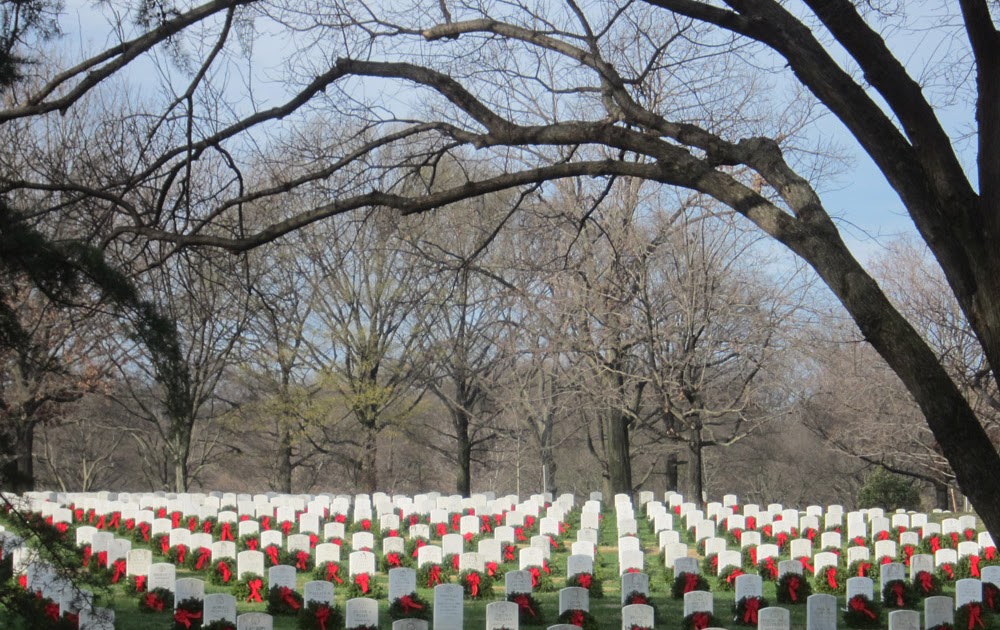
3. **Honoring the Brave: Worldwide Traditions and Commemorations**Across the globe, numerous countries uphold longstanding traditions, ceremonies, and holidays specifically designed to honor their veterans. These acts of remembrance and appreciation serve as vital cultural anchors, connecting generations to the sacrifices made for national security and peace. These observances are often deeply ingrained in national identities, reflecting unique historical journeys and values.
In Commonwealth member states, “Remembrance Day is held on November the 11th and is focused mostly on the veterans who died in service.” This solemn occasion is marked by the wearing of red or white poppies—symbols of remembrance or peace—and the laying of wreaths and flowers at memorials. It’s a powerful collective moment of reflection, ensuring that the fallen and those who served are never forgotten, and their contributions are publicly acknowledged with dignity and respect.
Beyond formal holidays, other nations have cultivated distinct, poignant customs. Russia, for example, established a post-World War II tradition where “newly married couples would on their wedding day visit a military cemetery.” This beautiful practice intertwines new beginnings with historical sacrifice, weaving veterans’ legacies into the fabric of ongoing life. Similarly, in France, “those wounded in war are given the first claim on any seat on public transit,” a practical yet deeply symbolic gesture of honor and preferential treatment for their injured heroes. These diverse practices underscore a universal human need to express gratitude and preserve the memory of those who served.
.jpg)
4. **The UK’s Evolving Support: From Neglect to Modern Programs**Britain’s relationship with its veterans has undergone significant evolution, marked by periods of stark neglect followed by progressively more structured support. Historically, “Britain, with its historic distrust of standing armies, did little for its veterans before the 19th century,” a revealing detail that contrasts sharply with modern perceptions of military honor. The establishment of “two small hospitals for them in the 1680s” was a meager effort, leaving “the streets [of London and other cities] teemed with disabled or disfigured veterans begging for alms.” This paints a grim picture of widespread societal indifference and a lack of institutional care for those who had served.
The devastating impact of the First World War, however, proved to be a pivotal moment, “focused national attention on veterans, especially those who had been partly or wholly disabled.” This era spurred the creation of innovative programs, such as “The King’s National Roll Scheme (KNRS), an employment program for disabled veterans.” Described as “practical, innovative, and ahead of its time,” the KNRS was critical in stimulating national discourse on the state’s responsibility towards disabled veterans, laying the groundwork for future benefits and support systems. This period marked a significant shift from mere charity to a recognition of state obligation.
Fast forward to the 21st century, and Britain now stands out with “one of the highest densities of veterans in a major country, with 13 million in 2000, or 219 per 1,000 population.” The terminology itself has adapted, with “Ex-service” becoming the British term for veterans, specifically those who “served in the British Empire or Commonwealth Armed Forces.” This high veteran population, coupled with historical lessons, has led to a more robust, though still evolving, framework of care, with agencies like the Service Personnel and Veterans Agency playing a crucial role in addressing their needs today.
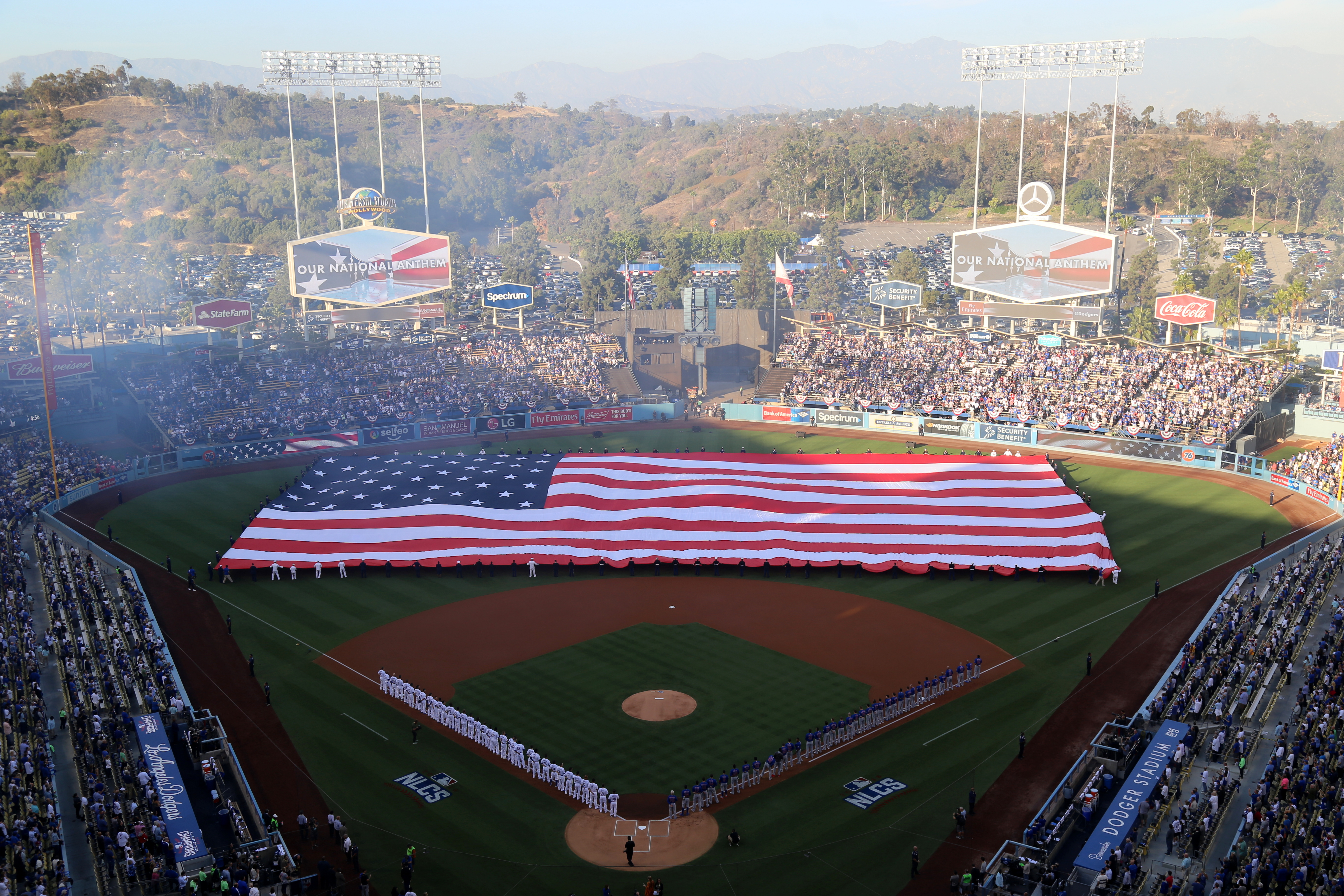
5. **US Veteran Benefits: A Legacy of Care, From Lincoln to Today**The United States boasts a complex and evolving system of veteran benefits, rooted in a profound historical commitment to those who served. President Abraham Lincoln’s poignant second inaugural address in 1865, towards the end of the American Civil War, famously called “[T]o care for him who shall have borne the battle, and for his widow, and his orphan.” This powerful sentiment laid a foundational principle for American veteran care that continues to resonate, even as the mechanisms of support have grown considerably.
The immediate aftermath of the Civil War saw the rise of significant veterans’ organizations, such as the Grand Army of the Republic and United Confederate Veterans, which played a crucial role in advocating for their members. However, the period following the First World War revealed the vulnerabilities and potential instability caused by discontented veterans. The “Bonus Army of unemployed veterans” became “one of the most important protest movements of the Great Depression,” marching on Washington, D.C., to demand promised bonuses, underscoring the vital need for robust and timely support.
Today, the framework for U.S. veterans’ benefits is extensive, with “Each state of the United States [setting] specific criteria for state-specific veterans’ benefits.” Federal medical benefits from the Department of Veterans Affairs (VA) hospitals also have clear criteria: prior to September 7, 1980, veterans needed at least 180 days of active duty, and after that date, at least 24 months. Importantly, these time limits are waived “if the veteran was medically discharged and receives a VA service-connected disability stipend,” demonstrating a flexible approach to severe service-related conditions. This intricate system reflects a long-standing national effort to fulfill Lincoln’s vision, though the journey has been marked by both triumphs and challenges in ensuring comprehensive care.
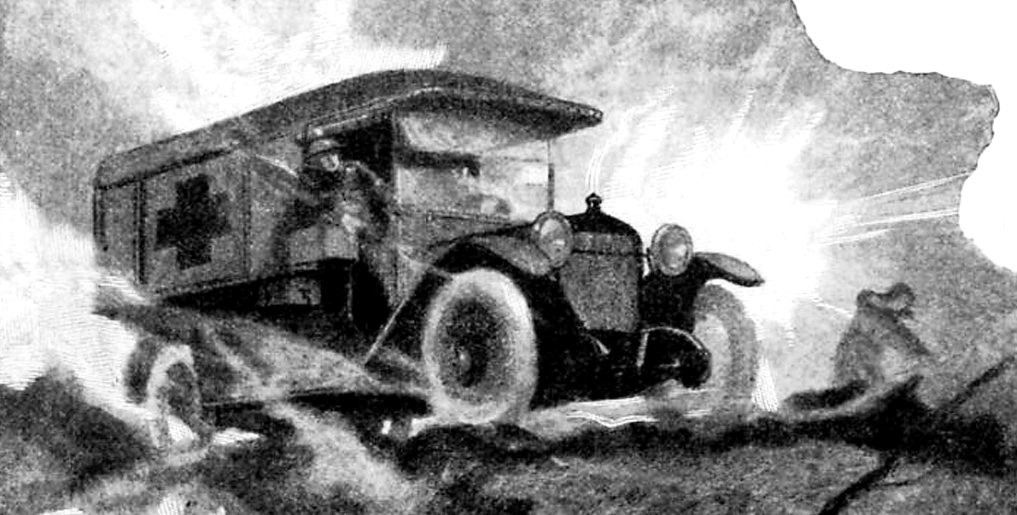
6. **The Post-WWII Transformation: The GI Bill’s Impact on America**The period following the Second World War witnessed an unprecedented transformation in veteran support, particularly in the United States, largely spearheaded by the revolutionary G.I. Bill. Learning from the discontent of WWI veterans, “most of the participating states set up elaborate veterans’ administrations.” In the U.S., it was powerful “veterans groups, like the American Legion and Veterans of Foreign Wars organization, that pushed for and got the G.I. Bill enacted,” demonstrating the collective power of veteran advocacy.
The G.I. Bill was nothing short of a societal game-changer, granting veterans “access to free or subsidized education and health care.” This access to education, often previously out of reach, had a monumental “significant economic impact.” It allowed millions of returning service members to pursue higher education or vocational training, equipping them with skills essential for the burgeoning post-war economy. The result was not just individual upliftment but a broader national advancement as a newly educated workforce drove innovation and productivity.
Crucially, “with the aid of VA loans [veterans] were able to buy housing and establish themselves as part of a growing American middle class.” This facilitated homeownership, a cornerstone of the American dream, contributing directly to “The explosion of the suburbs [that] created sufficient housing for veterans and their families.” The G.I. Bill thus did more than provide benefits; it fundamentally restructured American society, empowering veterans to achieve upward mobility, foster economic growth, and lay the foundation for the middle class that defined much of the latter 20th century. It remains a testament to the profound positive impact that comprehensive veteran support can have on an entire nation.

7. **The 21st-Century Veteran: Navigating New Battlefields Post-Deployment**The landscape of military service, particularly for those involved in Operation Enduring Freedom (OEF) and Operation Iraqi Freedom (OIF), has introduced a unique set of challenges distinct from previous generations of veterans. One of the most significant shifts has been a greater reliance on reservists and an unprecedented rate of repeat deployments. This paradigm means that a substantial portion of troops, up to 80% at the beginning of OEF, comprised National Guard and Reserve members, with approximately 40% of currently serving military personnel experiencing multiple deployments.
This increased deployment rate often translates into more frequent transitions between civilian and military life, coupled with heightened uncertainty, longer terms of service, and shorter ‘dwell times’ at home. The constant flux can be incredibly taxing, contributing to greater stress among these service members who may not be as ‘steeped in military culture’ as their active-duty counterparts. The repeated shifts make the readjustment process particularly difficult, challenging their ability to establish stable routines and reconnect with civilian life.
Furthermore, advancements in medical technology, while undoubtedly life-saving, have inadvertently led to a higher number of survivors returning from war with severe injuries that would have been fatal in earlier conflicts. While fewer service members die in the immediate aftermath, more return with physical and psychological wounds that are “more serious, and in turn more emotionally devastating, than ever before.” This demands a more intensive and prolonged support system for recovery.
Among these profound injuries, traumatic brain injury (TBI) has emerged as an increasingly common concern. The effects of TBI can range dramatically from a mild concussion to severe neurological damage and amnesia, impacting cognitive function, emotional regulation, and overall quality of life. Understanding and addressing these complex injuries is paramount for supporting the long-term well-being of our 21st-century veterans.
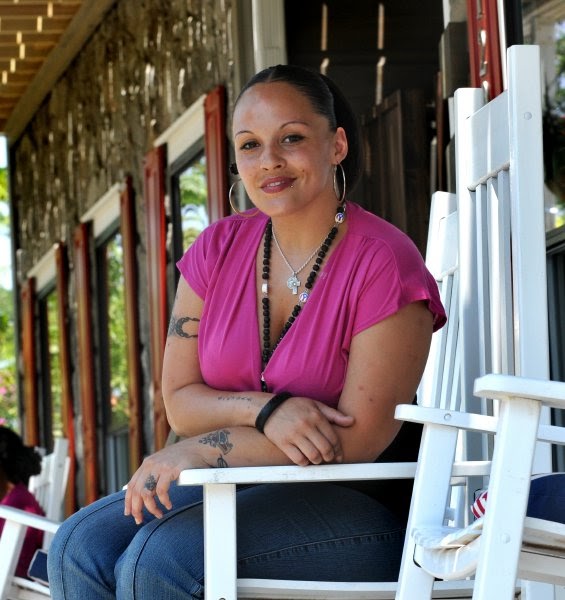
8. **Breaking the Silence: The Growing Visibility of Female Veterans**Women have proudly served in the United States military for over two centuries, yet their contributions have often gone unrecognized, leading some to refer to them as ‘the invisible veterans.’ This historical oversight meant that women were not fully acknowledged as veterans until after World War II, and consequently, they were ineligible for crucial VA benefits for an extended period. This disparity highlights a deeply rooted issue of gender inequality within the system of veteran support.
Today, women constitute more than 8 percent of all U.S. veterans, and notably, they make up nearly 11.6 percent of OEF/OIF/OND Veterans. Their growing presence and unique experiences are finally gaining deserved attention. This increased visibility is reflected in events such as a tri-state women veterans conference in Pendleton, Oregon, in April 2008, which drew 362 attendees, demonstrating a clear demand for community and recognition.
A significant barrier many female veterans face is a reluctance to self-identify as veterans and, subsequently, a lower rate of utilizing available benefits compared to their male peers. To combat this, initiatives like the ‘new Women Veterans Program’ created by Erica Borggren, former Director of the Illinois Department of Veterans Affairs, are crucial. Such programs aim to educate and empower female veterans to access the support they’ve earned. Moreover, a growing number of states are now recognizing June 12 as Women Veterans Day, either through legislative action or proclamation, marking a powerful step towards honoring their distinct service.
9. **Beyond the Battlefield: The Enduring Fight of African American Veterans**African Americans have answered the call to duty in every conflict fought by or within the United States, yet their service has frequently been met with profound challenges on the home front. Following World War I, Black veterans faced severe racial persecution upon returning to the U.S., particularly in Southern cities, a stark contrast to the ideals of freedom they fought to uphold. This systemic discrimination continued after World War II, with Black veterans still being “denied equality at home” even after President Harry S. Truman’s landmark desegregation of the military.
Despite the pervasive racism, these Black veterans emerged as powerful catalysts for change, playing a pivotal and inspiring role in the Civil Rights Movement of the 1950s and 1960s. Their experiences abroad, coupled with the hypocrisy of fighting for democracy while being denied it at home, fueled their determination to secure civil liberties and equal rights for all African Americans. Their military training and discipline often translated into organized and impactful advocacy for social justice.
Today, the legacy of their struggle and perseverance continues through dedicated organizations like The National Association for Black Veterans (NABVETS). This vital organization provides essential advocacy and support for African American and other minority veterans, addressing their specific needs and ensuring their contributions are never overlooked. Their ongoing work underscores the importance of equitable treatment and recognition for all who have served, regardless of race.
Read more about: Robert Mitchum: The Unflinching Gaze of a Noir Icon’s Life and Legacy
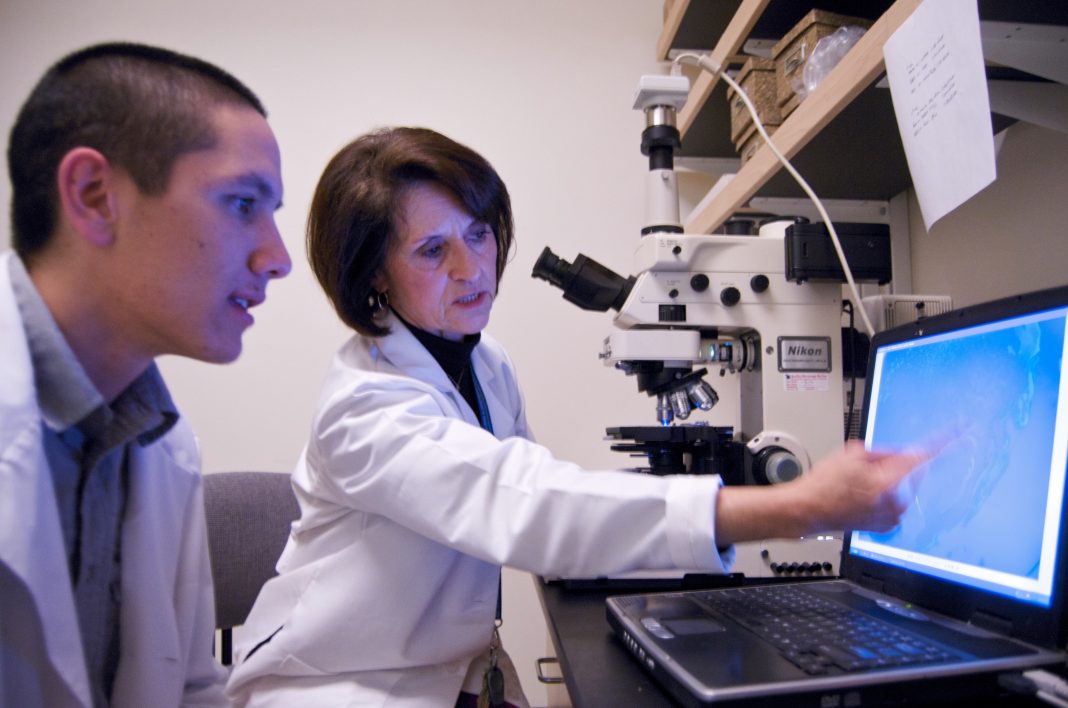
10. **A Silent Epidemic: Understanding Suicide Risk Among Veterans**The profound impact of military service on mental health is nowhere more evident than in the alarming rates of suicide among veterans. Across Australia, Canada, the U.K., and the U.S., military veterans of all ages face a substantially elevated suicide risk compared to the general population, with younger veterans being particularly vulnerable. This sobering reality demands our urgent and sustained attention, highlighting a critical gap in support systems.
Intriguingly, research in several of these countries has indicated that deployment to a war zone, unless in a direct combat role, has not been consistently associated with an increased risk of suicide. Instead, studies, including one by the U.S. army, point to initial military training as a career stage carrying significant risk. This complex picture suggests that the stressors contributing to suicide extend beyond direct combat exposure, encompassing the entire military experience and transition.
Multiple factors are identified as contributing to this heightened risk. Personnel most at risk include those with a troubled childhood, those of low rank, individuals in close-combat roles, and those who leave service soon after joining. Beyond these demographic and service-related factors, the inherent challenges of military life itself can foster environments conducive to mental health crises. Common risk factors include depression, posttraumatic stress disorder (PTSD), alcohol misuse, bullying, and ual harassment within service ranks.
The consequences of these unaddressed issues are tragically evident. A 2010 London Metro article, ‘Veterans prone to suicide,’ cited a Mental Health Foundation report revealing that many UK veterans of the Afghanistan War had ‘plunged into alcohol problems, crime and suicide’ upon their return. In the U.S., the statistics are even more stark: the suicide rate among veterans is an astounding ‘300% the national average,’ accounting for ‘30% of the suicides in the US annually.’ Even in Japan, a 2015 report revealed 56 Self Defense Force members committed suicide after overseas missions, underscoring a global crisis that requires comprehensive, culturally sensitive interventions.
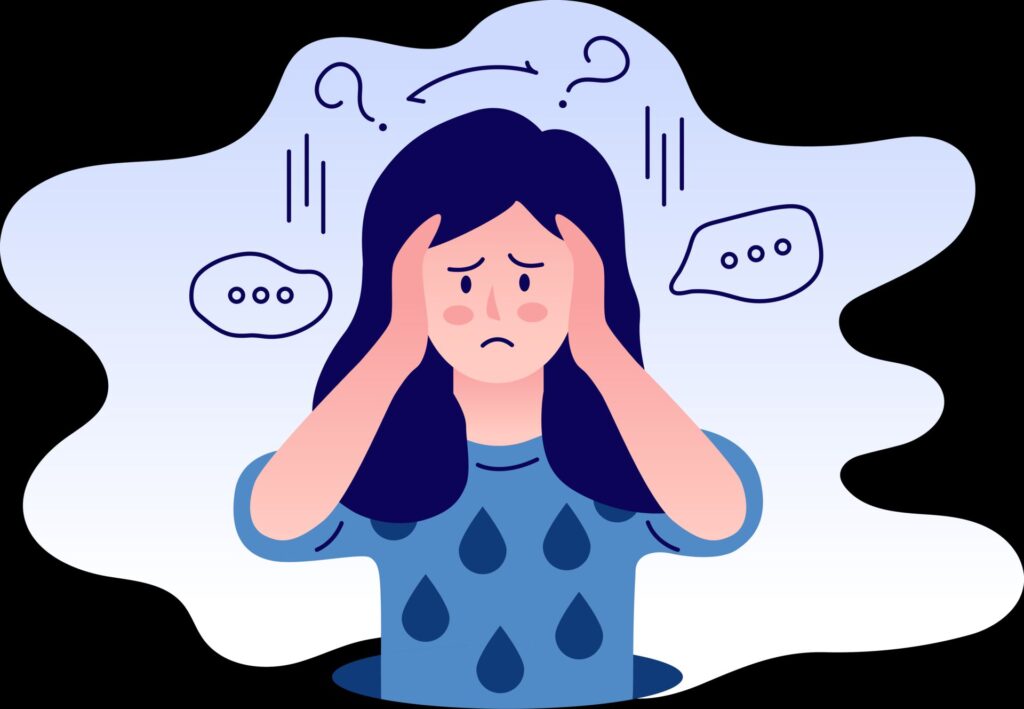
11. **The Invisible Scars: Confronting Post-Traumatic Stress Disorder (PTSD)**Among the most profound and pervasive mental health challenges faced by veterans is Posttraumatic Stress Disorder (PTSD), a condition that profoundly affects a significant number of individuals who have served. Studies focusing on combat-related PTSD reveal a wide prevalence, with estimates ranging from 4-17% among United States veterans, while their United Kingdom counterparts show slightly lower but still substantial numbers of 3-6%. These figures represent millions of lives grappling with the enduring psychological aftermath of service.
In response to this critical need, new and innovative treatment programs are continuously emerging to assist veterans struggling with post-combat mental health issues, including depression and PTSD. Cognitive Behavioral Therapy (CBT) has become a cornerstone of treatment, considered the “standard of care for depression and PTSD by the United States Department of Defense.” CBT is a highly effective psychotherapeutic approach that helps patients identify and change negative thought patterns and behaviors, fundamentally altering how they process and respond to their emotional experiences. Its proven efficacy has extended to online programs that combine CBT with therapist interaction, making vital support more accessible.
Beyond CBT, Eye Movement Desensitization and Reprocessing (EMDR) is another recognized effective and noninvasive, drug-free treatment for PTSD. While its efficacy against specific military traumatic exposure requires further testing, it offers a promising avenue for recovery. It’s also critical to note that younger veterans, particularly those under the age of 25, face a higher risk for PTSD compared to their older peers, and severe PTSD in this demographic is associated with increased risks for metabolic syndrome and, tragically, suicide.
Amidst these therapeutic advancements, music therapy has re-emerged as a powerful tool for healing. Its origins in veteran care trace back to “Modern music therapy becam[ing] a norm in the Veteran’s Administration hospitals during and after both World Wars,” with early applications like playing recordings on a Victrola showing “measurable positive effects on the wounded and shell-shocked patients.” Today, music therapy continues to provide veterans with a unique and non-verbal means to express themselves, find an escape from anxiety, and actively cope with their PTSD, fostering emotional release and mental well-being.
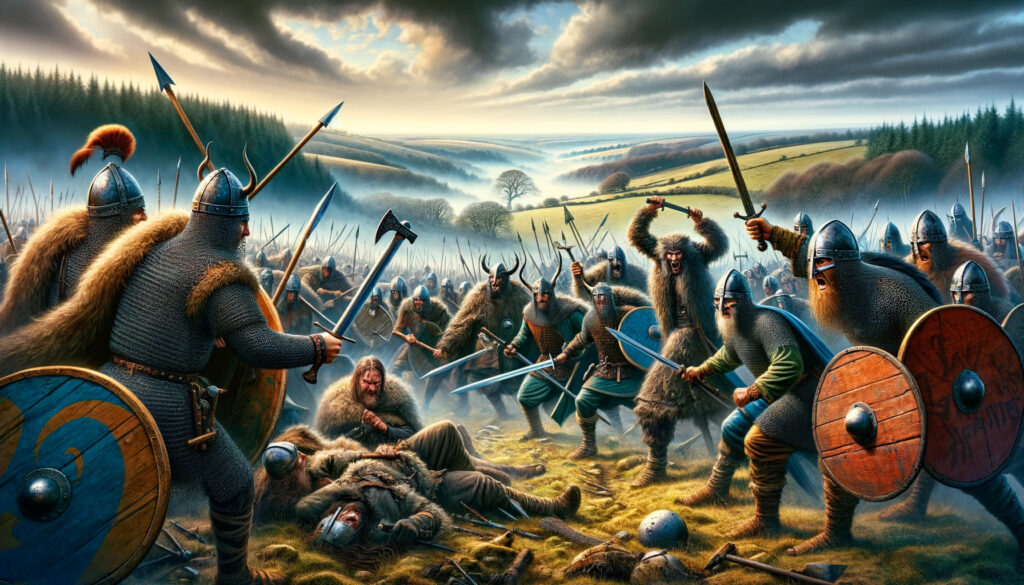
12. **The Battle Continues: Addressing Homelessness and Other Veteran Disorders**The transition from military service to civilian life can be a profoundly difficult adjustment, often leading to a range of severe social and health challenges. For many veterans, the lingering effects of their service manifest as difficulty adjusting to normal life, frequently contributing to issues like imprisonment, homelessness, and relationship breakdown. Figures from 2009 in the UK painted a stark picture, revealing that twice as many veterans were incarcerated as there were British troops currently serving in Afghanistan, while research consistently shows that a significant portion of homeless individuals have served in the armed forces. The Times newspaper also reported in 2009 that the number of ‘military veterans in jail has more than doubled in six years’ in England and Wales, a staggering increase that underscores the severity of the issue.
Beyond these societal challenges, veterans are also at a higher risk than the general population for various medical and psychological disorders. This vulnerability is particularly pronounced among younger veterans, those under the age of 25, who face an increased risk for substance use disorders, including alcohol use disorder, and mental illnesses in general. These conditions often complicate their ability to reintegrate successfully, creating a cycle of hardship that requires targeted intervention and support.
Fortunately, a growing network of help is available, largely thanks to independent, charitable organizations stepping in to fill gaps where government services have historically been inadequate. It’s a challenging situation, as some governments may be hesitant to highlight the negative effects of military service and the difficulties of readjustment, fearing an adverse impact on recruitment for their armed forces. However, the necessity of comprehensive aftercare and rehabilitation services cannot be overstated.
For any veteran struggling, it’s crucial to understand that seeking help is a sign of strength, not weakness. Military service is, by its very nature, often a ‘profoundly unnatural experience,’ and debriefing and rehabilitation into the community—whether it involves medical, psychological, practical, or financial assistance—is a legitimate need. Organizations like Combat Stress, a veterans mental health charity, reported a ‘53% increase in referrals from doctors’ in 2009, indicating a growing awareness and need for professional support.
The scale of these challenges is evident in statistics from the U.S., where an estimated ‘57,849 homeless veterans’ were recorded in January 2013, accounting for 12 percent of all homeless adults. Alarmingly, nearly 8 percent of these homeless U.S. veterans were female, highlighting specific vulnerabilities within this demographic. These figures underscore the urgent need for robust, accessible support systems that address the full spectrum of challenges veterans face, ensuring that no one who has served is left behind in their journey back to civilian life.
Our journey through these essential truths about military veterans reveals a profound dedication to service, often followed by immense personal hurdles. From the global reverence some receive to the silent battles many fight with mental health and homelessness, the veteran experience is as diverse as it is demanding. Understanding these realities isn’t just about acknowledging sacrifice; it’s about building a society that genuinely cares for ‘him who shall have borne the battle, and for his widow, and his orphan,’ ensuring their well-being and honoring their indelible contributions to our shared world.