
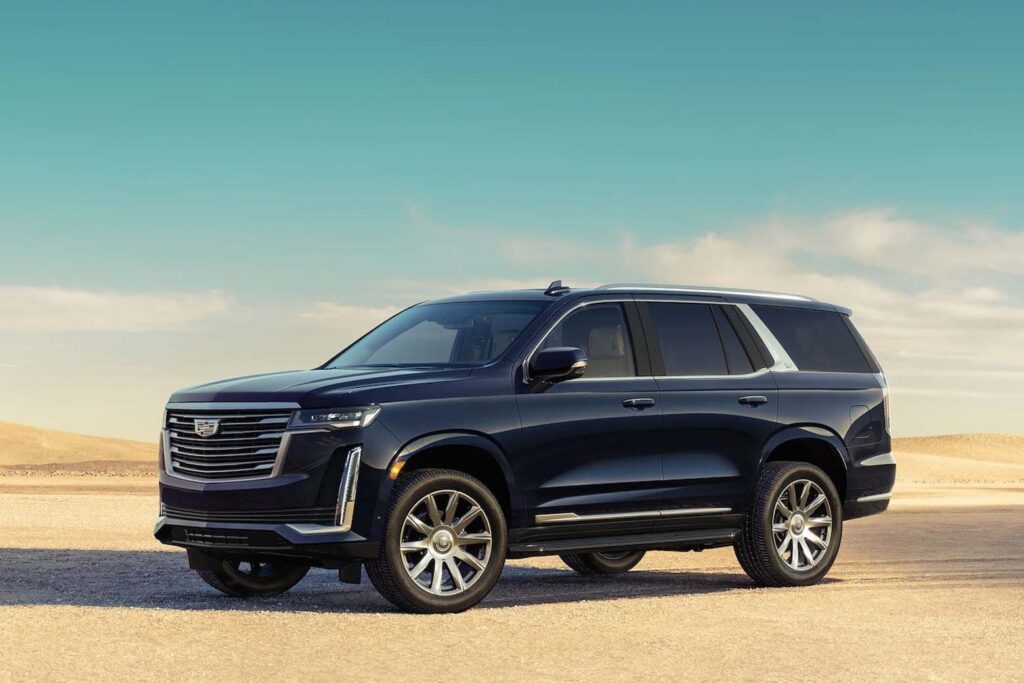
Classic cars are no longer just a nostalgic pursuit; they’ve firmly established themselves as a powerful and increasingly popular investment category. What was once seen as a high-risk endeavor for a select few is now a well-recognized avenue for portfolio diversification and significant returns. With production numbers finite and time steadily reducing their availability, the vast majority of investment-grade classic cars are consistently appreciating in value, offering a unique blend of passion and profit for discerning investors.
This appeal extends beyond mere financial gains. Owning a classic car provides immense personal satisfaction—a stark contrast to the abstract nature of stocks or bonds. It’s an investment you can actively experience: driving a piece of history, admiring its engineering, and sharing it with a vibrant community of fellow enthusiasts. While the days of finding ultra-cheap classics that skyrocket into multi-million-dollar assets might be less common, the market remains rich with vintage models poised for steady appreciation. In the following sections, we’ll explore some of the most compelling classic cars, detailing their unique attributes and why they represent smart choices for today’s investor.
**The Undeniable Appeal: Why Classic Cars Make Stellar Investments**
From a financial perspective, classic cars have delivered impressive long-term returns. The last five years alone have seen a massive surge in popularity, leading to increased sales on major online auction platforms like Bring a Trailer and Collecting Cars. This heightened interest translates into tangible gains, with some classics appreciating by as much as 25% annually—a rate that significantly outperforms the S&P 500’s average annual return. Even a more conservative 10-15% annual gain is a common sight in this dynamic market.
Over the long haul, returns are even more compelling. Luxury investment indexes report that specific classic cars have achieved an astonishing 500% increase in value since the turn of the millennium. This track record of stability has made classic car investment so reliable that platforms like TheCarCrowd now enable enthusiasts to buy fractional shares in classic vehicles, allowing for shared profits and democratizing access to this exciting asset class.
Beyond the numbers, the personal enjoyment from owning a classic car often represents the greatest upside. There’s profound satisfaction in experiencing these rare machines firsthand—driving them, admiring their design, and becoming a steward of automotive history. Many investors cherish preserving these iconic vehicles, ensuring their legacy. This path also opens doors to a special community of like-minded individuals, fostering connections through a shared passion. Responsible enjoyment, balancing preservation with the thrill of driving, is a core tenet of classic car ownership.
Here are some of the classic cars that stand out as prime investment opportunities right now:
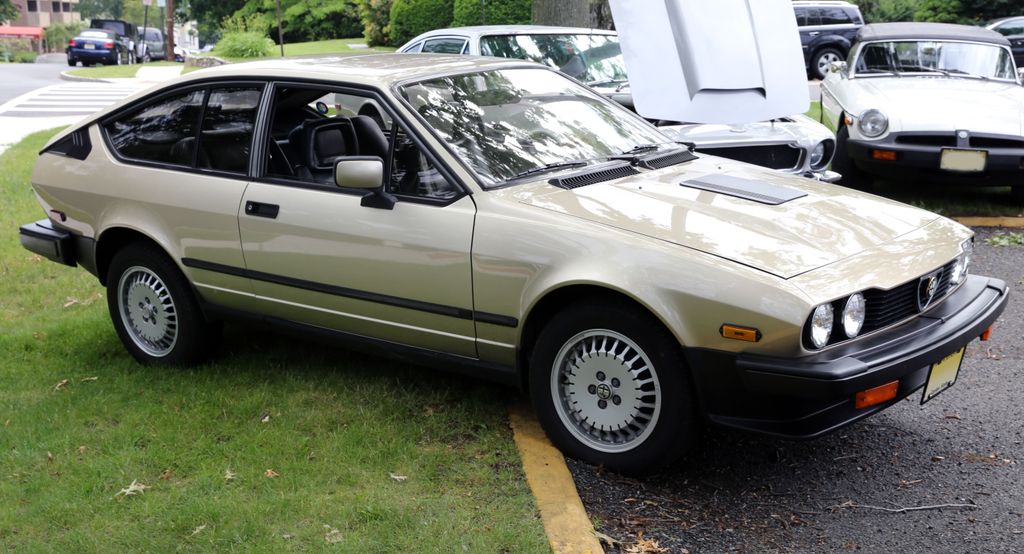
1. **Alfa Romeo GTV6**The Alfa Romeo GTV6, an Italian-designed coupe built on the race-derived 116 type chassis, boasts an unmistakable 1980s aesthetic. This period in automotive design is currently enjoying a significant resurgence in collector demand, positioning the GTV6 squarely within this trend. Despite over 20,000 units produced, its value has shown a consistent upward trajectory in recent years, a trend experts anticipate will continue.
The GTV6’s appreciation is bolstered by a broader phenomenon, as other vintage Alfa Romeo models concurrently experience spikes in value. The brand’s legacy of passionate engineering, distinctive styling, and engaging driving dynamics contributes significantly to its growing appeal among collectors. Its unique character and performance pedigree ensure its place as a desirable classic for investment.
Powered by a vibrant 2.5L V6 engine, the GTV6 delivers a spirited and engaging driving experience, characteristic of Alfa Romeo. The most sought-after model years for investment purposes typically range from 1981 to 1986. For those seeking a classic European sports coupe that promises both driving enjoyment and solid financial returns, the Alfa Romeo GTV6 presents an enticing proposition.
Car Model Information: 2025 GMC Sierra 1500 SLT
Name: Alfa Romeo Alfetta
Caption: 1978 Alfa Romeo Alfetta GTV 2.0
Manufacturer: Alfa Romeo
Production: 1972–1987
Assembly: Arese,Rosslyn, Gauteng
BodyStyle: Sedan (automobile)
Layout: Front-engine, rear-wheel-drive layout
Related: Alfa Romeo Giulietta (116),Alfa Romeo Alfa 6,Alfa Romeo 90
Categories: 1980s cars, Alfa Romeo vehicles, Articles with short description, CS1 Dutch-language sources (nl), CS1 French-language sources (fr)
Summary: The Alfa Romeo Alfetta (Type 116) is a front-engine, five-passenger saloon and fastback coupé manufactured and marketed by Italian automaker Alfa Romeo from 1972 to 1987 with a total of over 400,000 units produced during its production run.
The Alfetta was noted for the rear position of its transaxle (clutch and transmission) and its De Dion tube rear suspension — an arrangement designed to optimize handling by balancing front/rear weight distribution, as well as maintaining a low polar moment of inertia and low center of gravity. The interior of Coupé models featured a then unusual central tachometer placement — by itself, directly in front of the driver.
The Alfetta name, which means “little Alfa” in Italian is derived from the nickname of the Alfa Romeo Alfetta (Tipo 159), a successful Formula One car which in its last iteration introduced in 1951, paired a transaxle layout to De Dion tube rear suspension — like its modern namesake.
Get more information about: Alfa Romeo Alfetta
Buying a high-performing used car >>>
Brand: Alfa Romeo Model: GTV6
Price: $47,498 Mileage: 22,707 mi.
Read more about: Why We Still Adore Them: A Deep Dive into the Most Gloriously Awkward ’80s Cars That Were So Ugly, They Became Icons
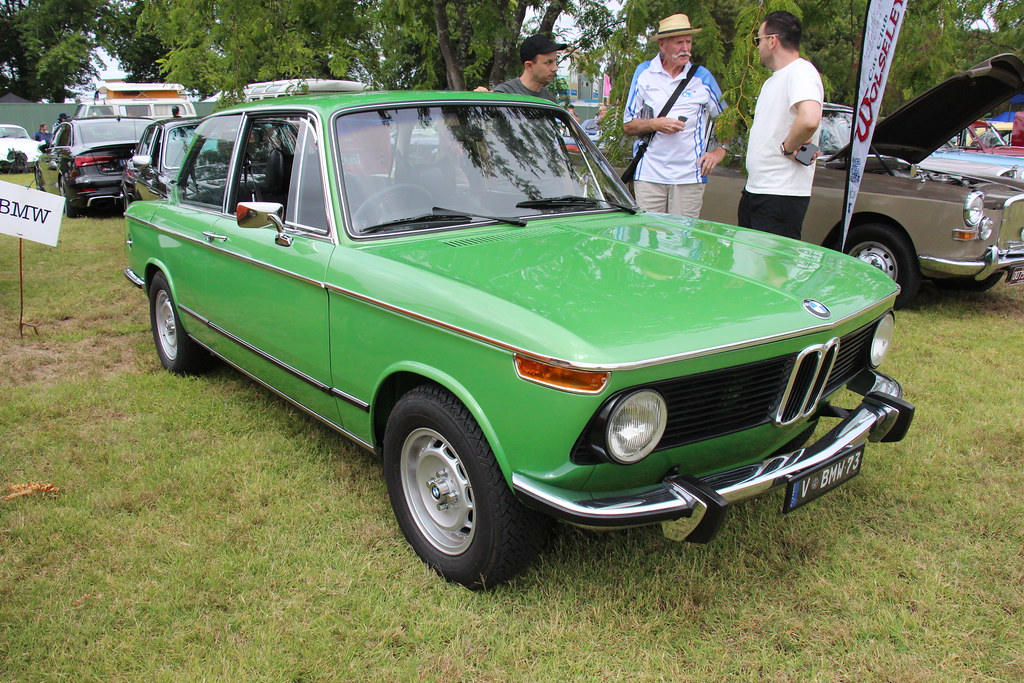
2. **BMW 2002**Once an accessible classic, the agile BMW 2002 has steadily appreciated in value over the last decade, with clean examples now commanding between $20,000 and $50,000. Its name, derived from its 2.0-liter engine and two-door configuration, captures its iconic, driver-focused design that resonates deeply with enthusiasts worldwide.
All trims and years of the 2002 are desirable, a testament to its enduring quality and timeless appeal. However, certain variants are particularly coveted due to their rarity and enhanced performance. The Targa, the 2000tii Touring, and especially the high-performance Turbo models often attract a premium from collectors.
A strong preference exists for examples built before 1974, when BMW switched to a square taillight setup. The earlier round taillight design is often favored for its purer aesthetic, adding to the desirability of these earlier models. With desirable years spanning 1968-1973 and a reliable 2.0L Inline-Four engine, the BMW 2002 remains a consistently appreciating and highly sought-after investment.
Car Model Information: 1971 BMW 2002
Name: BMW 02 Series
Caption: BMW 1600-2
Production: 1966–1977,837,038 units
Assembly: Munich
Class: Compact executive car
BodyStyle: 2-door coupé , 2-door convertible , 3-door hatchback
Layout: Front-engine, rear-wheel-drive layout
Engine: ubl
Wheelbase: cvt
Length: cvt
Width: cvt
Height: cvt
Weight: cvt
Transmission: 4-speed manual , 5-speed manual ,3-speed automatic
Successor: BMW 3 Series (E21)
Designer: Giovanni Michelotti
Manufacturer: BMW
Categories: 1970s cars, Articles with short description, BMW vehicles, CS1 German-language sources (de), CS1 Italian-language sources (it)
Summary: The BMW 02 Series is a range of sporty compact executive cars produced by German automaker BMW between 1966 and 1977, based on a shortened version of the New Class Sedans.
The first 02 Series produced was the 1600-2 (later renamed 1602) in 1966. In 1975, the 02 Series was replaced by the E21 3 Series (except for the 1502 model, which continued until 1977).
Get more information about: BMW 02 Series
Buying a high-performing used car >>>
Brand: BMW Model: 2002
Price: $45,550 Mileage: 5,001 mi.
Read more about: Beyond the Hype: Unpacking Why Vintage Japanese Cars Are Commanding Astounding Prices at Auction
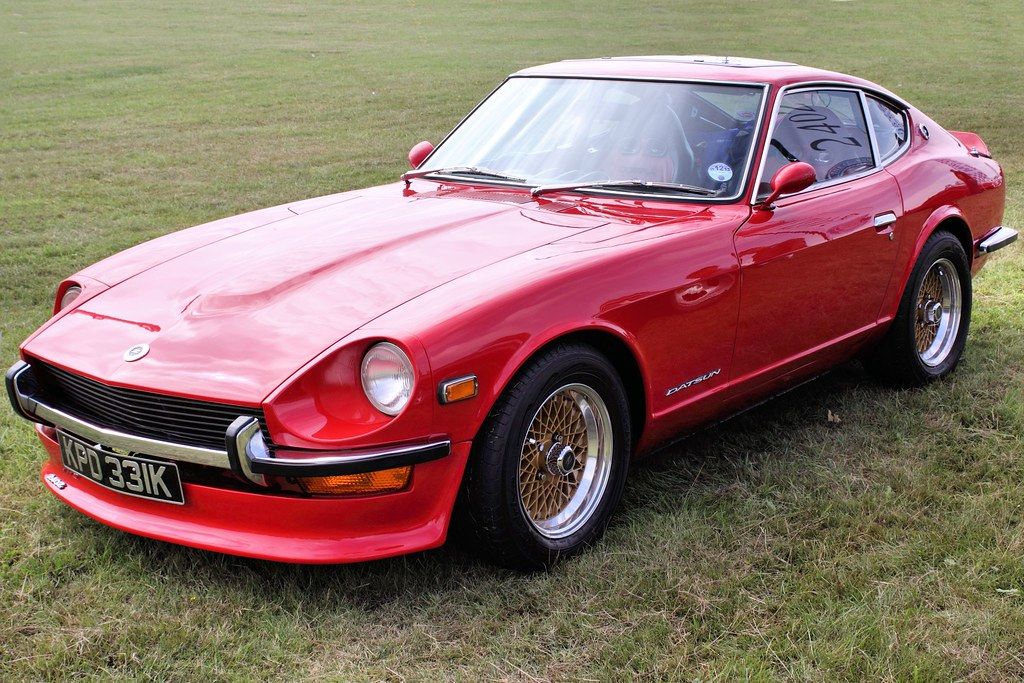
3. **Datsun 240/260/280Z**Datsun’s Z lineup—the 240Z, 260Z, and 280Z—offers an incredible combination of vintage sports car aesthetics and thrilling performance, often likened to the Porsche 911. Remarkably, all these models have seen their values consistently climb, a significant shift considering they were bargains just one or two decades ago. This continuous appreciation underscores their growing status as serious collector cars.
The Z-cars’ enduring appeal stems from their sleek Japanese design, robust straight-six engines, and an engaging driving experience that remains exhilarating. They symbolize an era of accessible sports car performance, with their heritage now globally recognized by collectors. This upward trend shows no signs of slowing, making any model in the Datsun Z series a shrewd investment.
Uniquely, modified race-build Zs also tend to hold their value quite well, offering an alternative investment path compared to many classics where strict originality is paramount. This market flexibility is a distinctive advantage for these models. With desirable years spanning 1969-1978 and primarily powered by a 2.4L Straight-Six, the Datsun Z series is an excellent investment for enthusiasts of classic Japanese performance.
Car Model Information: 1980 Datsun 280ZX 10TH ANNIVERSARY
Name: Nissan Fairlady Z (Datsun 240Z, 260Z, and 280Z)
Aka: unbulleted list
Manufacturer: Nissan
Production: 1969–1978
Class: Sports car
Layout: Front-engine, rear-wheel-drive layout
Assembly: Hiratsuka, Kanagawa
BodyStyle: unbulleted list
Designer: Yoshihiko Matsuo
Predecessor: Datsun Sports
Successor: Nissan Fairlady Z (S130)
Caption: 1970–1973 Nissan Fairlady Z
Categories: 1970s cars, All Wikipedia articles written in American English, All articles with unsourced statements, Articles with short description, Articles with unsourced statements from February 2021
Summary: The Nissan S30, sold in Japan as the Nissan Fairlady Z but badged as the Datsun 240Z, 260Z, and 280Z for export, are 2-seat sports cars and 2+2 GT cars produced by Nissan from 1969 until 1978. The S30 was conceived of by Yutaka Katayama, the President of Nissan Motor Corporation U.S.A., and designed by a team led by Yoshihiko Matsuo, the head of Nissan’s Sports Car Styling Studio. It is the first car in Nissan’s Z series of sports cars.
The S30 had four-wheel independent suspension and a powerful straight-six engine with an overhead camshaft, features identified with far more expensive premium European sports cars and coupés such as the Jaguar E-Type and BMW 2800 CS, but absent from similarly priced sports cars such as the Alfa Romeo Spider, MGB and Opel GT, which had smaller four-cylinder engines and rear live axles. The S30’s styling, engineering, relatively low price, and impressive performance resonated with the public, received a positive response from both buyers and the motoring press, and immediately generated long waiting lists.
As a halo car, the S30 broadened the acceptance of Japanese carmakers beyond their image as producers of practical and reliable but prosaic and unfashionable economy cars. Datsun’s growing dealer network—compared to limited production imported sports cars manufactured by Jaguar, BMW, Porsche, Alfa Romeo, and Fiat—ensured both easy purchase and ready maintenance.
The S30 was initially sold alongside the smaller four-cylinder Datsun Sports, which was dropped from production in 1970. The S30 240Z is unrelated to the later 240SX, sold as the Silvia in Japan.
Get more information about: Nissan Fairlady Z (S30)
Buying a high-performing used car >>>
Brand: Datsun Model: Z
Price: $69,980 Mileage: 17,351 mi.
Read more about: Golden Years, Chrome Dreams: Unlocking the Hobby and Investment Potential of Classic Cars for Retirees

4. **International Harvester Scout (& Scout II)**For those seeking a robust vintage 4×4, the International Harvester Scout and Scout II present a compelling investment alternative to the now-exorbitant Ford Bronco. These authentic off-roaders can still be acquired for a fair price, with some specimens available for $10,000 to $15,000. This affordability offers an attractive entry point into the booming classic SUV market.
While lower-priced options exist, cleaner, more pristine, and highly original examples of the Scout can command prices up to $80,000. This broad valuation spectrum highlights significant appreciation potential, particularly for well-preserved or expertly restored models. Their rugged charm and utilitarian design appeal to a growing segment of collectors valuing authentic off-road heritage.
Crucially, both the Scout and Scout II are outstanding candidates for restomod off-road builds, integrating classic styling with modern performance. This adaptability adds another layer of investment appeal, as such custom projects can considerably boost their market value and desirability. With desirable years from 1961-1980 and multiple engine options, the International Harvester Scout series offers a versatile and promising investment.
Car Model Information: 2017 Honda Accord Touring
Name: International Scout
Caption: 1978 Scout II wagon
Manufacturer: International Harvester
Production: 1961–1980
Class: Full-size,SUV
Assembly: Fort Wayne, Indiana
BodyStyle: SUV
Layout: Front-engine, rear-wheel-drive layout,rear-wheel drive
Categories: 1970s cars, 1980s cars, All-wheel-drive vehicles, All articles needing additional references, All articles with dead external links
Summary: The International Scout is an off-road vehicle produced by International Harvester from 1960 to 1980. Created as a competitor for the Jeep CJ, the Scout was the precursor of more sophisticated SUVs, including the Ford Bronco, Chevrolet Blazer, and the later Jeep Cherokee.
Produced for two generations, the Scout was designed as an open-top two-door truck as a base vehicle with options to configure it as a station wagon, half-cab pickup truck, or a soft-top convertible.
International Harvester assembled the model line in its facility in Fort Wayne, Indiana.
Get more information about: International Scout
Buying a high-performing used car >>>
Brand: International Harvester Model: Scout
Price: $19,960 Mileage: 86,317 mi.
Read more about: Cruising in These 14 Classic Trucks? Here’s What Road Enthusiasts Secretly Think About You.
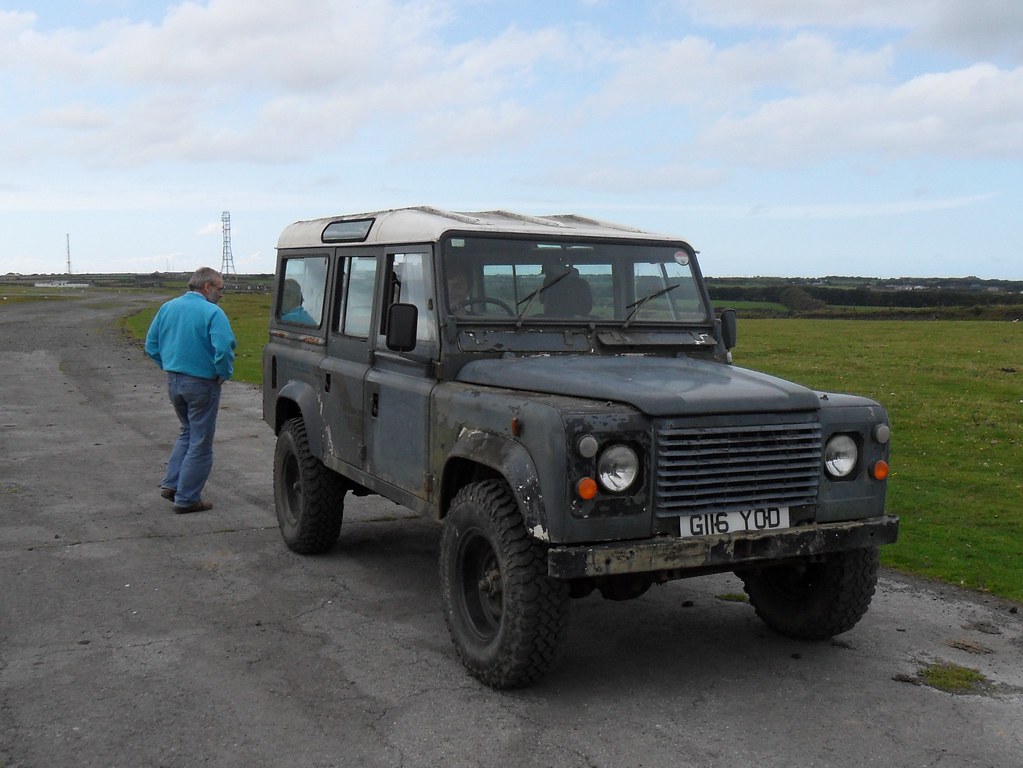
5. **Land Rover Defender**The Land Rover Defender, even in its vintage forms, typically represents a substantial initial investment, yet its price continues to rise consistently year after year. This unwavering appreciation solidifies its position as a truly fantastic investment vehicle, driven by its iconic global recognition, unparalleled off-road prowess, and a timeless design beloved by enthusiasts worldwide.
A unique investment angle for the Defender lies in the availability of “basket-case” examples at more accessible price points. These vehicles, often requiring extensive restoration, present a significant opportunity for those with the resources and vision to undertake such projects. The robust industry of expert restoration outfits specializing in vintage Defenders further supports this, enabling the transformation of neglected vehicles into highly valuable assets.
While the initial outlay for acquisition and meticulous restoration can be considerable, the Defender’s strong market demand and continuous value growth often make such endeavors profoundly rewarding. For investors prepared for these commitments, the Land Rover Defender remains a blue-chip classic, offering both substantial financial returns and the prestige of owning an automotive legend. Desirable years span 1983-1997, with diverse engine options.
Car Model Information: 2017 Honda Accord Touring
Caption: 2015 Land Rover Defender 90 (Australia)
Name: Land Rover Defender
Manufacturer: ubl
Class: Small offroader
Aka: Land Rover 90, Ninety, 110, One Ten, One Two Seven (1983–1990)
Production: ubl
Predecessor: Land Rover Series III
Successor: Land Rover Defender (L663)
Assembly: Shah Alam,Kulim
Layout: Front-engine, four-wheel-drive layout,four-wheel drive
Categories: 1990s cars, 2000s cars, 2010s cars, All-wheel-drive vehicles, All Wikipedia articles written in British English
Summary: The Land Rover Defender (introduced as the Land Rover One Ten, joined in 1984 by the Land Rover Ninety, plus the extra-length Land Rover One Two Seven in 1985) is a series of British off-road cars and pickup trucks. They have four-wheel drive, and were developed in the 1980s from the Land Rover series which was launched at the Amsterdam Motor Show in April 1948. Following the 1989 introduction of the Land Rover Discovery, the term ‘Land Rover’ became the name of a broader marque, no longer the name of a specific model; thus in 1990 Land Rover renamed them as Defender 90 and Defender 110 and Defender 130 respectively.
The vehicle, a British equivalent of the Second World War derived (Willys) Jeep, gained a worldwide reputation for ruggedness and versatility. With a steel ladder chassis and an aluminium alloy bodywork, the Land Rover originally used detuned versions of Rover engines.
Though the Defender was not a new generation design, it incorporated significant changes compared to the Land Rover series, such as adopting coil springs front and rear. Coil springs offered both better ride quality and improved axle articulation. The addition of a centre differential to the transfer case gave the Defender permanent four-wheel-drive capability. Both changes were derived from the original Range Rover, and the interiors were also modernised. Whilst the engines were carried over from the Series III, a new series of modern and more powerful engines was progressively introduced.
Even when ignoring the series Land Rovers and perhaps ongoing licence products, the 90/110 and Defender models’ 33-year production run were ranked as the sixteenth longest single-generation car in history in 2020.
In 2020, Jaguar Land Rover introduced an all new generation of Land Rover Defender Land Rover Defender (L663) switching from body on chassis to integrated bodywork and from live, rigid axles to all around independent suspension.
Get more information about: Land Rover Defender
Buying a high-performing used car >>>
Brand: Land Rover Model: Defender
Price: $19,960 Mileage: 86,317 mi.
Read more about: The Unseen Terrors: How the Making of ‘Seven’ Challenged Hollywood and Its Stars, Including Morgan Freeman
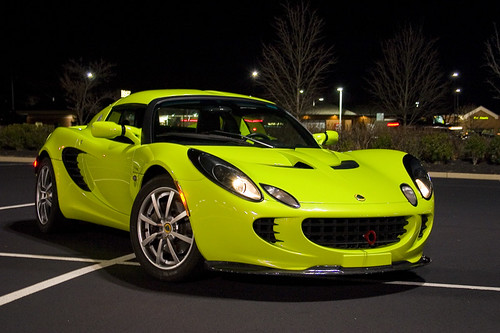
6. **Lotus Elise**The Lotus Elise is renowned as an engineering marvel, meticulously developed with an unwavering focus on minimizing weight, resulting in one of history’s most agile and best-handling sports cars. This single-minded dedication to lightness has garnered an immense following among automotive purists who demand an unfiltered, truly engaging driving experience, making the Elise the epitome of a “true driver’s car.”
This widespread adoration among enthusiasts directly fuels its strong position as a sound investment. The ultra-lightweight coupe is not just admired; it’s actively sought after by collectors who recognize its unique place in sports car history and its exceptional dynamic capabilities. The Elise’s minimalist design, precision chassis, and communicative steering all contribute to its legendary status and sustained collector appeal.
As the automotive landscape shifts towards heavier and more complex vehicles, the purity and driver engagement of the Elise become increasingly rare and valuable. This ensures its continued relevance and desirability in the classic car market. For investors, it represents an asset that provides immense driving pleasure while simultaneously promising consistent appreciation. With desirable years from 1996-2011 and powered by a responsive 1.8L Inline-Four, the Lotus Elise offers a thrilling and astute financial investment.
Car Model Information: 2005 Lotus Elise Supercharged
Caption: Lotus Elise S Club Racer (Series 3)
Name: Lotus Elise
Manufacturer: Lotus Cars
Production: 1996–2021,35,124 produced
Assembly: Hethel,Norfolk,England
Predecessor: Lotus Elan#Elan M100
Successor: Lotus Emira,Lotus Theory 1
Class: Sports car
BodyStyle: Targa top,Roadster (automobile)
Layout: Rear mid-engine, rear-wheel-drive layout
Platform: Lotus small car platform
Sp: uk
Categories: 2000s cars, 2010s cars, All Wikipedia articles written in British English, All articles with dead external links, All articles with unsourced statements
Summary: The Lotus Elise is a sports car conceived in early 1994 and released in September 1996 by the British manufacturer Lotus Cars. A two-seater roadster with a rear mid-engine, rear-wheel-drive layout, the Elise has a fibreglass body shell atop its bonded extruded aluminium chassis that provides a rigid platform for the suspension, while keeping weight and production costs to a minimum. The Elise was named after Elisa Artioli, the granddaughter of Romano Artioli who was chairman of Lotus and Bugatti at the time of the car’s launch.
Production of the Elise, Exige and Evora ended in 2021. It was replaced by the Lotus Emira.
Get more information about: Lotus Elise
Buying a high-performing used car >>>
Brand: Lotus Model: Elise
Price: $69,900 Mileage: 25,000 mi.
Read more about: Beyond the Redline: A MotorTrend Exploration of Earth’s Ultimate Speed Machines and Natural Wonders
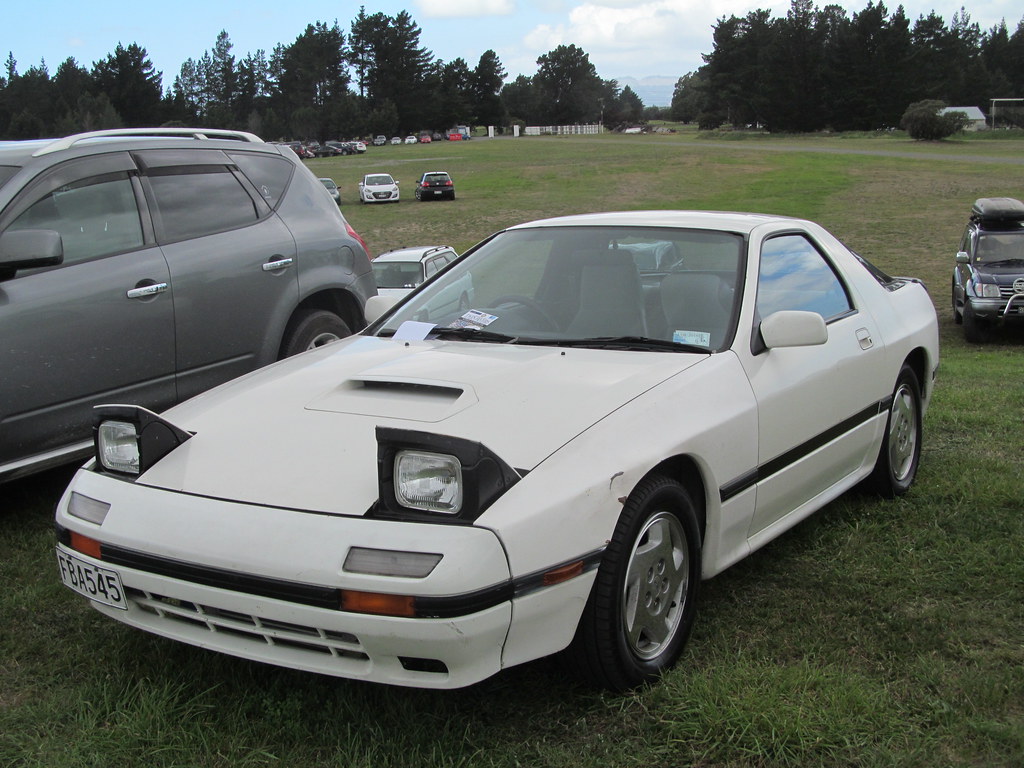
7. **Mazda RX-7**The Mazda RX-7 vividly demonstrates the surging popularity of JDM (Japanese Domestic Market) vehicles within the collector car community. Clean examples of this distinctive sports car are now routinely trading for prices nearing $50,000, and this upward trend is expected to continue. The RX-7’s sleek, unmistakably Japanese design embodies the innovative spirit of its era, captivating enthusiasts worldwide.
A key differentiator and a significant contributor to the RX-7’s unique appeal is its groundbreaking Wankel rotary engine. This unconventional power unit delivers a distinctively high-revving driving experience and represents a fascinating chapter in automotive engineering history. This potent combination of striking aesthetics and singular mechanical prowess firmly establishes the RX-7 as a modern-day classic, attracting both performance fanatics and those who appreciate engineering originality.
The ongoing appreciation of the RX-7 signifies a broader market recognition for well-preserved and original examples of iconic JDM performance cars. Its unmistakable character and proven motorsport heritage ensure its place as a highly desirable and financially sound investment. With desirable years spanning 1985-1997 and featuring 1.1L, Turbocharged 1.1L, and 1.3L Wankel Rotary engines, the Mazda RX-7 offers a compelling and truly unique addition to any investment-grade classic car portfolio.
Car Model Information: 1986 Mazda RX-7 GXL 2D Coupe
Name: Mazda RX-7
Caption: 1994 Mazda RX-7 R2 (FD3S)
Manufacturer: Mazda
Aka: Mazda Savanna RX-7 (Japan, 1978–1991),Mazda ɛ̃fini RX-7 (Japan, 1991–1997)
Class: Sports car
Production: 1978–2002,811,634 produced
Assembly: Hiroshima
Platform: Mazda F platform
Layout: Front-engine, rear-wheel-drive layout#Front mid-engine, rear-wheel-drive layout
Predecessor: Mazda RX-3
Successor: Mazda RX-8
Categories: 1980s cars, 1990s cars, 2000s cars, 24 Hours of Le Mans race cars, All articles needing additional references
Summary: The Mazda RX-7 is a front mid engine, rear-wheel-drive, rotary engine-powered sports car, manufactured and marketed by Mazda from 1978 to 2002 across three generations, all of which incorporated the use of a compact, lightweight Wankel rotary engine.
The first-generation RX-7, codenamed SA (early) and FB (late), is a two-seater two-door hatchback coupé. It featured a 12A carbureted rotary engine as well as the option for a 13B rotary engine with electronic fuel injection in later years. The second-generation RX-7, carrying the internal model code FC, was offered as a two-seater coupé with a 2+2 option available in some markets, as well as in a convertible body style. This was powered by the 13B rotary engine, offered in naturally aspirated or turbocharged forms. The third-generation RX-7, model code FD, was offered as a two-seater coupé with a 2+2 version offered as an option for the Japanese market. It featured a sequentially turbocharged 13B REW engine.
More than 800,000 RX-7s were manufactured over its lifetime.
Get more information about: Mazda RX-7
Buying a high-performing used car >>>
Brand: Mazda Model: RX-7
Price: $13,991 Mileage: 52,352 mi.
Read more about: Beyond the Hype: Unpacking Why Vintage Japanese Cars Are Commanding Astounding Prices at Auction
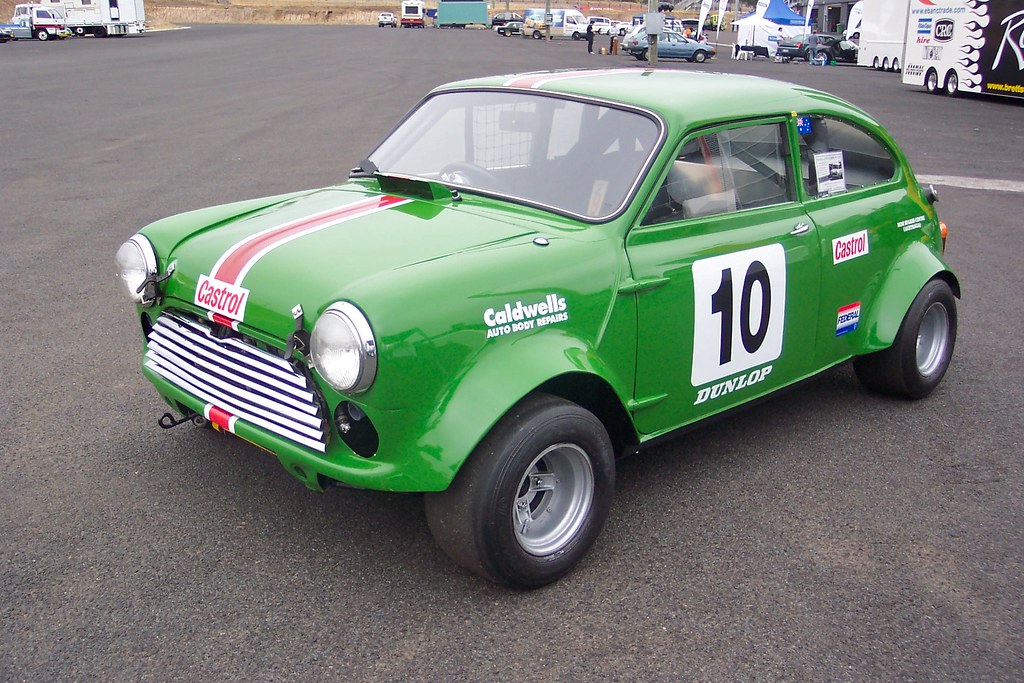
8. **Mini Cooper**The original Mini Cooper isn’t merely a car; it’s a profound 1960s British popular culture icon that swiftly transcended its humble origins to become a global sensation. Produced for several decades under the stewardship of various manufacturers—including the British Motor Corporation, British Leyland, and the Rover Group in the UK alone—these charmingly diminutive vehicles captured hearts worldwide with their ingenious packaging and surprisingly spirited performance. Their distinct character and instantly recognizable form factor have cemented their status as beloved classics.
Today, spurred by the widespread popularity of the modern, revitalized Mini model, interest in its vintage predecessor has dramatically surged. This renewed attention has directly translated into a significant influx of collector demand, leading to a consistent and measurable increase in the value of clean, well-preserved used specimens. The original Mini’s enduring appeal is rooted in its timeless design, profound historical significance, and the sheer, unadulterated joy it continues to offer to both drivers and admirers, solidly securing its place as a cherished automotive asset.
For astute investors, the Mini Cooper represents a classic that brilliantly combines relative affordability with a robust potential for appreciation, particularly for examples that meticulously retain their originality and quintessential charm. Its extensive production span means that sourcing parts and connecting with a vibrant community of fellow enthusiasts is remarkably straightforward, further bolstering its overall appeal. With desirable years spanning from 1959 all the way to 2000, and offering a compelling range of engaging inline-four engines from 848cc to 1,275cc, the Mini Cooper delivers a unique synthesis of historical weight and promising investment returns.
Car Model Information: 2018 MINI Hardtop Cooper S
Sp: uk
Caption: 1959 Morris Mini-Minor (first one built)
Name: Mini
Aka: Austin 850,Rover Mini,Austin Cooper,Austin Mini,Austin Partner,Austin Seven,Innocenti Mini,Leyland Mini,Morris 850,Morris Mascot,Morris Mini Minor,Riley Elf,Wolseley 1000 (South Africa),Wolseley Hornet
Layout: Front-engine, front-wheel-drive layout
Manufacturer: British Motor Corporation,British Leyland,Rover Group
Production: 1959–2000 (5.38 million)
Class: City car
BodyStyle: sedan (car),convertible,Station wagon,sedan delivery,coupe utility
Engine: BMC A-series engine,Straight-four engine
Designer: Alec Issigonis,John Sheppard (car designer)
Transmission: 4-speed manual,AP automatic transmission,5-speed manual (optional extra on some later models)
Length: cvt,cvt,cvt
Width: cvt
Height: cvt
Weight: cvt
Wheelbase: cvt,cvt
Related: Mini Moke,Austin Metro,Innocenti Mini,Mini Wildgoose,Mini Marcos
Successor: Austin Metro,Mini Hatch
Assembly: Panmure, New Zealand
Categories: 1960s cars, 1970s cars, 1980s cars, 1990s cars, 2000s cars
Summary: The Mini is a very small two-door, four-seat car, produced for four decades over a single generation, with many names and variants, by the British Motor Corporation (BMC) and its successors British Leyland and the Rover Group, and finally (briefly) under BMW ownership. Minis were built as fastbacks, estates, convertibles, and various other body styles. Minus a brief 1990s hiatus, from 1959 into 2000, an estimated 5.38 million of all variations combined were built, and the Mini’s engines also powered another 2 million Mini Metros, though the Mini eventually outlasted its successor.
Initially, the Mini was marketed under the Austin and Morris names, as the Austin Seven and Morris Mini-Minor; the Austin Seven was renamed Austin Mini in 1962 and Mini became a marque in its own right in 1969. Retrospectively, the car is known as the “Classic Mini” to distinguish it from the modern MINI family of vehicles produced since 2001 by German carmaker BMW, who took ownership of the Mini name following the sale of Rover Group in 2000.
This distinctive two-door car was designed for BMC by Sir Alec Issigonis. Its space-saving transverse engine and front-wheel drive layout – allowing 80% of the area of the car’s floorpan to be used for passengers and luggage – influenced a generation of car makers. The front-wheel-drive, transverse-engine layout were used in many other “supermini” style car designs such as Honda N360 (1967), Nissan Cherry (1970), and Fiat 127 (1971). The layout was also adapted for larger subcompact designs. In 1999, the Mini was voted the second-most influential car of the 20th century, behind the Ford Model T, and ahead of the Citroën DS and Volkswagen Beetle. It is also considered an icon of 1960s British popular culture.
The Mini Mark I had three major UK updates: the Mark II, the Clubman, and the Mark III. Within these was a series of variations, including an estate car, a pick-up, a van, and the Mini Moke, a jeep-like buggy. The performance versions, the Mini Cooper and Cooper “S”, were successful as both race and rally cars, winning the Monte Carlo Rally in 1964, 1965, and 1967. The Mini was manufactured in England at the Longbridge plant in Birmingham located next to BMC’s headquarters and at the former Morris Motors plant at Cowley, as well as in Australia (Victoria Park/Zetland BMC Australia factory) and later also in Spain (Authi), Belgium, Italy (Innocenti, as the Innocenti Mini), Chile, Malta, Portugal, South Africa, Uruguay, Venezuela, and Yugoslavia (IMV). In 1980, British Leyland launched the Mini’s follow-up, the Austin Metro, however the Mini outlasted it and continued to be produced at Longbridge until October 2000.
Get more information about: Mini
Buying a high-performing used car >>>
Brand: Mini Model: Cooper
Price: $14,564 Mileage: 73,273 mi.
Read more about: Behind the Grease and Grime: 12 Cars That Make Mechanics Secretly Cheer (Or Curse) When You Roll In
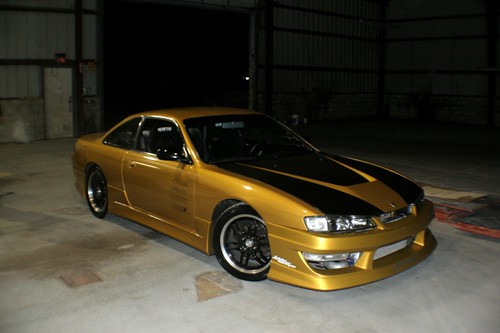
9. **Nissan 240SX**Following the Nissan 200SX S12 model, the 240SX profoundly etched its legacy as a quintessential sporty vintage Japanese hatchback that captivated an entire generation of drivers and enthusiasts. Produced across two distinctive generations—the S13 from 1989 to 1994, and the S14 from 1994 to 1998—both iterations have rightfully earned their place as incredibly popular collector cars. Their inherent agile handling, beautifully balanced chassis, and significant tuning potential quickly made them darlings of the burgeoning drifting and aftermarket scenes, cultivating an enduring cult following.
Propelled by a robust 2.4-liter inline-four engine, these models are far from mere relics of the past; they remain active and influential participants in today’s diverse automotive culture. While a considerable number of surviving examples continue to be extensively modified and rigorously raced, leading to an increasingly diminishing pool of untouched, original vehicles, this growing scarcity is a key driver behind the rising value of well-preserved and unmolested examples. This palpable trend strongly indicates that the 240SX is poised for continued value appreciation in the coming years, as discerning enthusiasts actively seek out these increasingly rare gems.
Perhaps one of the most compelling aspects for aspiring classic car investors is the 240SX’s remarkable relative affordability. With clean examples typically transacting anywhere from $10,000 to $25,000, it stands out distinctly as one of the more accessible investment-grade cars on this meticulously curated list. For those eager to enter the burgeoning JDM classic market without committing an exorbitant initial outlay, the Nissan 240SX, with desirable years spanning from 1989 to 1998, presents an enticing and financially astute proposition, promising both exhilarating driving experiences and solid potential returns.
Car Model Information: 1997 Nissan 240SX LE
Name: Nissan 240SX
Manufacturer: Nissan
Class: Sports car
Production: 1988–1998
Layout: FR layout
Caption: 1990 Nissan 240SX SE Hatchback (S13) in the USA.
Platform: Nissan S platform
Assembly: Kanda, Fukuoka
Related: Nissan Silvia,Nissan 180SX
Predecessor: Nissan Silvia#S12
ModelYears: 1989-1998
Categories: 1990s cars, All articles needing additional references, All articles to be expanded, All articles with unsourced statements, Articles needing additional references from June 2008
Summary: The Nissan 240SX is a sports compact car that was introduced to the North American market by Nissan in 1988 for the 1989 model year. It replaced the outgoing 200SX (S12) model. Most of the 240SXs were equipped with the 2.4-liter inline-four engine (KA24E from 1989 to 1990 and KA24DE from 1990 to 1998). The KA24E had a single overhead cam and the KA24DE had dual overhead cams. Two distinct generations of the 240SX, the S13 (1989–1994) the S14 (1994-1998) were produced, based on the Nissan S platform.
The 240SX is closely related to other S platform based vehicles, such as the Japanese-market Silvia and 180SX, and the European-market 200SX. Although their names are similar, the 240SX is unrelated to the 240Z or the 280ZX.
The 240SX is known for its popularity within drifting and tuner culture. However, due to the popularity of the S-chassis in drifting and related competitions, prices for vehicles and parts have greatly increased due to higher demand. This problem is sometimes known as “drift tax”.
Get more information about: Nissan 240SX
Buying a high-performing used car >>>
Brand: Nissan Model: 240SX
Price: $49,995 Mileage: 152,446 mi.
Read more about: Beyond the Hype: Unpacking Why Vintage Japanese Cars Are Commanding Astounding Prices at Auction

10. **Porsche 924/944**The Porsche 924 and 944, once controversially perceived by some purists as mere rebadged Volkswagens rather than embodying the spirit of “true” Porsches, have since undergone a dramatic and well-deserved re-evaluation within the classic car market. These innovative front-engined, water-cooled transaxle models are now consistently commanding considerably higher values, signaling a widespread recognition of their sophisticated engineering prowess and their undeniable, integral connection to Porsche’s illustrious heritage. This burgeoning appreciation isn’t an isolated phenomenon; rather, it reflects a broader, accelerating trend of increasing desirability for virtually all vintage Porsches, extending even to previously overlooked “oddball” models such as the 914 and 928.
From a purely financial perspective, the 924 and 944 unequivocally stand as some of the most compelling investment cars presently featured on this list. Their synergistic combination of sophisticated engineering, impeccably balanced handling, and distinct, timeless styling, all meticulously encased within the prestigious Porsche badge, renders them increasingly attractive to a diverse range of collectors. The market has finally converged with what astute enthusiasts have intuitively understood for years: these are genuine Porsches, delivering an engaging driving experience and maintaining a profound connection to the brand’s storied history, even with a layout that bravely diverged from the traditional rear-engined configuration.
Their investment viability is further significantly enhanced by the impressive array of performance variants available throughout their production lines. With desirable years spanning a broad period from 1976 to 1991, and offering a versatile selection of engine options including naturally aspirated and turbocharged 2.0L, 2.5L, 2.7L, and a potent 3.0L inline-fours, there exists a specific 924 or 944 perfectly suited to various budget constraints and desired performance thresholds. As the classic car market continues its inevitable maturation and scarcity naturally increases, these transaxle Porsches are proving to be exceptionally astute additions to any discerning classic car investment portfolio, consistently demonstrating strong appreciation potential.
Read more about: Golden Years, Chrome Dreams: Unlocking the Hobby and Investment Potential of Classic Cars for Retirees
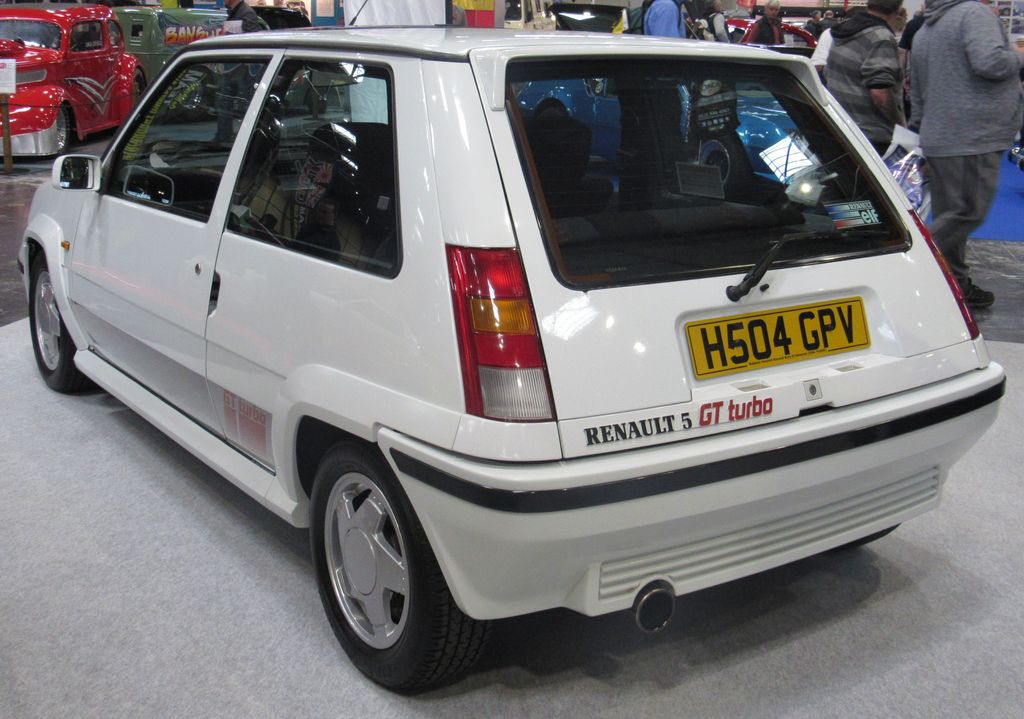
11. **Renault 5 GT Turbo**The Renault 5 GT Turbo is far more than just another hot hatch; it represents a quintessential homologated, street-legal Euro classic directly descended from an iconic Group B rally car. This profound lineage unequivocally imbues it with an undeniable motorsport pedigree, rendering it not only an outrageously cool car but also one that delivers an undeniably thrilling and visceral driving experience. Its aggressively purposeful styling, prominently featuring an ultra-widebody aero kit, immediately communicates its high-performance intentions and its direct connection to the legendary golden age of rallying.
What truly distinguishes the 5 GT Turbo in today’s dynamic market is its astonishing and rapid appreciation rate. It arguably stands as the fastest-appreciating classic car currently available for under six figures, having witnessed a truly remarkable 25% increase in value over just the last year alone. This meteoric rise powerfully underscores its surging popularity and robust demand among a growing cohort of collectors and enthusiasts who acutely recognize its unique blend of storied heritage, exhilarating performance, and raw, unfiltered driving excitement. Few cars manage to offer such a potent and desirable combination of thrills and tangible financial upside.
The profound allure of its Group B heritage cannot be overstated; it deeply taps into a rich vein of nostalgia and widespread admiration for an era of truly unrestricted motorsport innovation and daring. This, seamlessly coupled with its distinctive and instantly recognizable aesthetics and genuinely engaging driving dynamics, firmly secures its prominent place as a highly sought-after investment. With desirable years ranging from 1980 to 1986 and powerfully propelled by a potent turbocharged 1.4L or 1.5L Inline-Four, the Renault 5 GT Turbo offers an exhilarating and exceptionally promising financial opportunity for those who are quick enough to seize it.
Car Model Information: 2017 Honda Accord Touring
Name: Renault 5
Caption: Second generation R5
Manufacturer: Renault
Production: 1972–1996
Class: Supermini car
Successor: Renault Clio,Renault Twingo
Categories: 1980s cars, 1990s cars, Articles with French-language sources (fr), Articles with Spanish-language sources (es), Articles with short description
Summary: The Renault 5 is a five-passenger, three or five-door, front-engine, front-wheel drive hatchback supermini manufactured and marketed by the French automaker Renault over two generations: 1972–1985 (also called R5) and 1984–1996 (also called Super 5 or Supercinq).
The R5 was marketed in the United States and Canada as Le Car, from 1976 until 1983. Renault marketed a four-door sedan variant, the Renault 7, manufactured from 1974 until 1984 in Spain by Renault’s subsidiary FASA-Renault and exported to select markets.
The Renault 5 became the best-selling car in France from 1972 until 1986, with a total production exceeding 5.5 million over 14 years, making it France’s most popular car.
Get more information about: Renault 5
Buying a high-performing used car >>>
Brand: Renault Model: 5 GT Turbo
Price: $19,960 Mileage: 86,317 mi.
Read more about: The Mileage Mystery: Decoding Oil Consumption Across 9 Key Engine Types for Savvy Car Owners
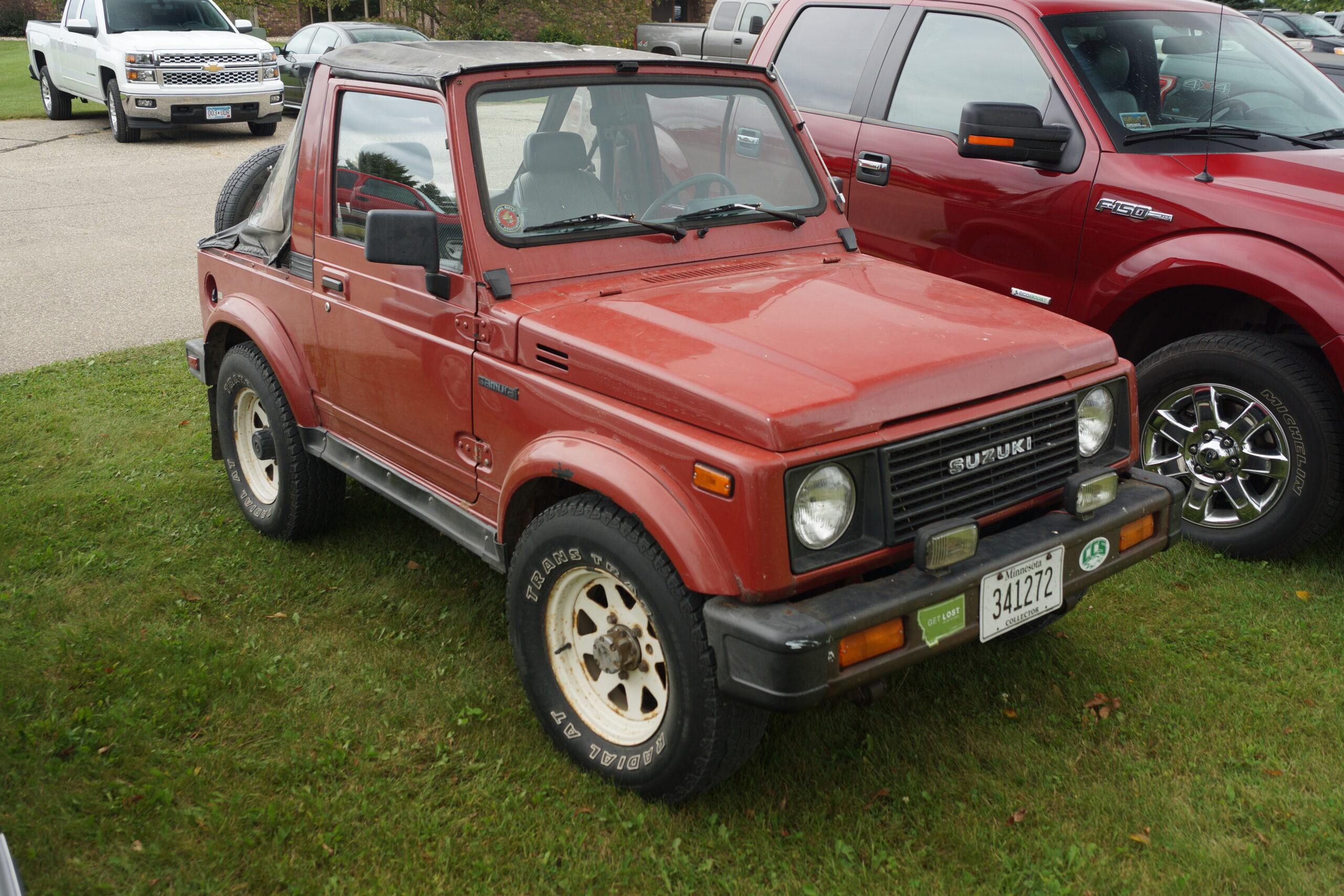
12. **Suzuki Samurai**The Suzuki Samurai, once widely regarded as merely a quirky and exceptionally affordable 4×4 platform, has quietly but assuredly undergone a remarkable transformation into a legitimate collector car. While it may not share the high-performance glamour or exotic appeal of some other vehicles gracing this list, its rugged simplicity, unparalleled off-road capability, and charmingly utilitarian design have collectively garnered a dedicated, albeit niche, following that consistently expands year after year. It distinctly represents a different kind of classic, one profoundly valued for its inherent utility, robust reliability, and unequivocally distinct character.
This escalating and steadily growing interest signifies that the Samurai is no longer perceived as just a cheap, utilitarian off-roader; it has firmly emerged as a compelling investment opportunity. With an average example still typically fetching around $10,000, it presently remains one of the more accessible entry points into the thriving classic 4×4 market. This commendable affordability makes it relatively straightforward for eager enthusiasts to seamlessly add one to their collection, whether their intention is light restoration, extensive off-road modification, or simply as a strategic long-term hold, confidently anticipating its value to steadily climb.
The Samurai’s enduring appeal fundamentally stems from its honest, unequivocally no-frills approach to off-roading, delivering an authentic and unadulterated vintage experience that many contemporary SUVs often conspicuously lack. Its ingeniously lightweight construction and compact dimensions render it surprisingly nimble and adept on challenging trails, endearing it immensely to serious adventurers and off-road aficionados. For investors actively seeking an unconventional yet demonstrably promising automotive asset, the Suzuki Samurai, with desirable years spanning from 1985 to 1995 and powered by a remarkably reliable 1.3L Inline-Four, presents a compelling and truly unique investment proposition.
Car Model Information: 1987 Suzuki Samurai
Name: Suzuki Jimny
Caption: 2019 Suzuki Jimny SZ5
Manufacturer: Suzuki
Production: April 1970 – present (2.85 million units sold by September 2018)
Class: Off-road vehicle,mini SUV
BodyStyle: SUV,van,convertible,pickup truck
Layout: Front-engine, rear-wheel-drive layout,Front-engine, four-wheel-drive layout
Chassis: Body-on-frame
Related: Maruti Gypsy
Categories: 1980s cars, 1990s cars, 2000s cars, 2010s cars, All Wikipedia articles written in British English
Summary: The Suzuki Jimny is a series of four-wheel drive off-road mini SUVs, manufactured and marketed by Japanese automaker Suzuki since 1970. Originally belonging to the kei class, Japan’s light automobile tax/legal class, the company continues to market a kei-compliant version for the Japanese and global markets as the Jimny, as well as versions that exceed kei-class limitations. Suzuki has marketed 2.85 million Jimnys in 194 countries through September 2018.
Get more information about: Suzuki Jimny
Buying a high-performing used car >>>
Brand: Suzuki Model: Samurai
Price: $24,000 Mileage: 21,797 mi.
Read more about: Unearthing Hidden Gems: 13 Forgotten Hot Hatches from the ’70s, ’80s, and ’90s That Still Go Like Hell
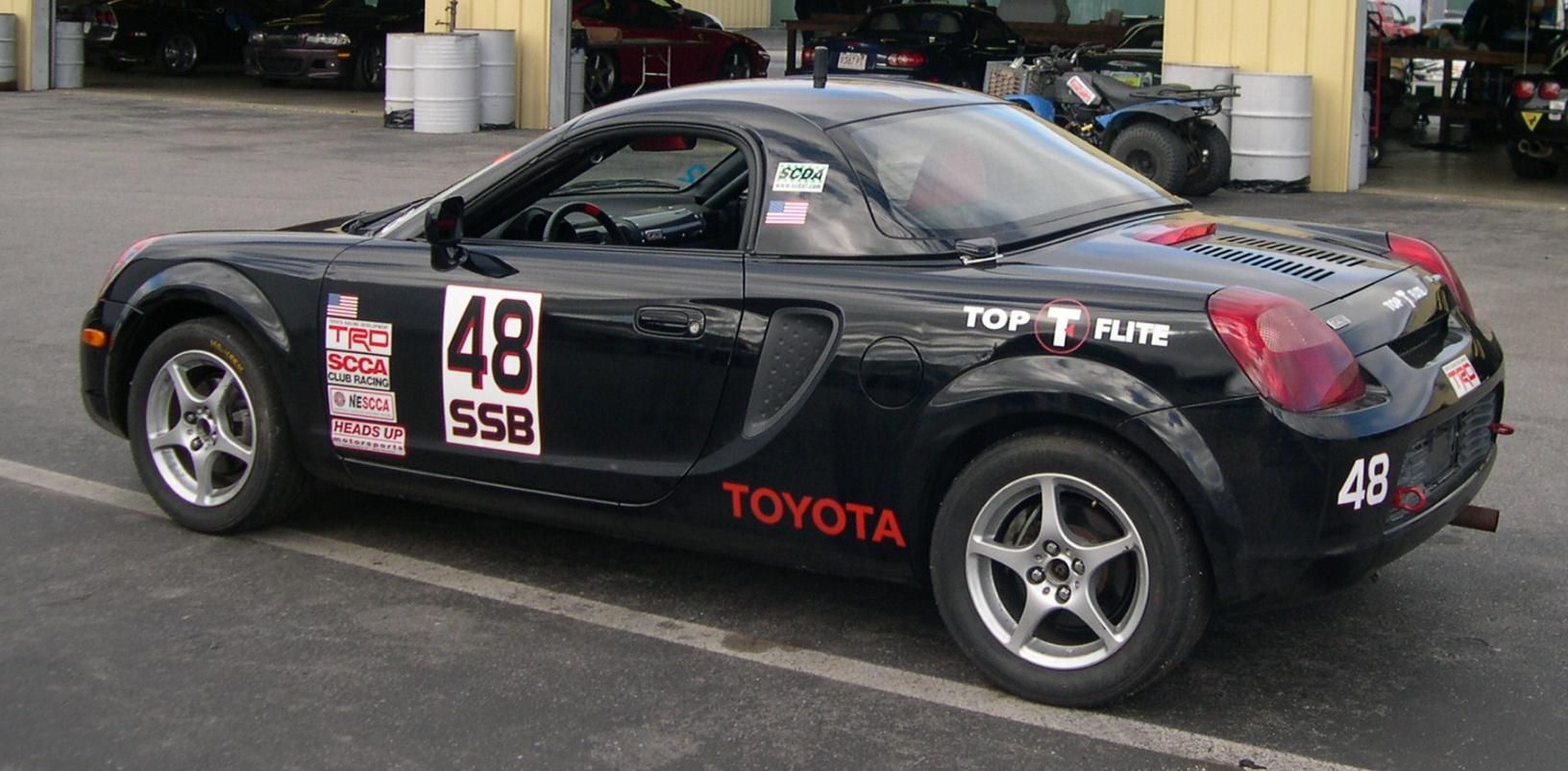
13. **Toyota MR2**The Toyota MR2 masterfully carved a unique and indelible niche in automotive history, presenting an exotic yet surprisingly affordable sports car classic that redefined expectations. It proudly holds the singular distinction of being Japan’s trailblazing first-ever rear mid-engined production car, a groundbreaking engineering feat that immediately set it distinctly apart from its contemporaries upon its debut. Produced across three truly distinctive generations, the initial two (W10 and W20) are, by an overwhelming consensus, the most desirable from both an investment and a collector’s standpoint, profoundly embodying the purest and most unadulterated essence of the pioneering MR2 concept.
The MR2’s ingenious mid-engine layout, seamlessly combined with its meticulously lightweight chassis and exceptionally responsive engines, consistently delivered unparalleled handling dynamics and a truly engaging, visceral driving experience that remarkably rivaled much more exorbitantly priced European sports cars of its era. This compelling blend of accessible performance, affordability, and exotic, head-turning styling rapidly propelled it to become an unequivocal favorite among a broad spectrum of enthusiasts. Furthermore, the MR2 was extensively and rigorously campaigned in motorsport disciplines across the globe, both by dedicated factory teams and countless passionate privateer drivers, forging a formidable and enduring racing heritage that significantly adds substantial value and undeniable prestige to its legacy.
As a powerful testament to its enduring appeal and steadily growing collector status, clean examples of the MR2 are increasingly and actively sought after by discerning buyers. Its innovative design, proven track record on the demanding race tracks, and the uniquely thrilling driving dynamics intrinsically offered by its mid-engine configuration collectively ensure its continued and robust appreciation within the discerning classic car market. With desirable years spanning from 1984 to 1999 and powered by various highly capable Inline-Four engines, including 1.5L, 1.6L, or Supercharged 1.6L variants, the Toyota MR2 offers a truly smart and exceptionally exhilarating investment opportunity.
Car Model Information: 2003 Toyota MR2 Spyder
Name: Toyota MR2
Caption: Second generation MR2
Manufacturer: Central Motors
Aka: Toyota MR (France and Belgium)
Production: 1984–2007
Assembly: Sagamihara, Kanagawa
Class: Sports car
Layout: Rear mid-engine, rear-wheel-drive layout
ModelYears: 1985–2007
Categories: 1990s cars, 2000s cars, All Wikipedia articles written in American English, All articles containing potentially dated statements, All articles needing additional references
Summary: The Toyota MR2 is a line of two-seater, mid-engined, rear-wheel-drive sports cars, manufactured in Japan and marketed globally by Toyota from 1984 until 2007 over three generations: W10 (1984–1989), W20 (1989–1999) and W30 (1999–2007). It is Japan’s first rear mid-engined production car.
Conceived as a small, economical and sporty car, the MR2 features a straight-four engine, transversely mounted in front of the rear axle, four-wheel disc brakes, and fully independent coilover suspension – MacPherson struts on each wheel.
The name MR2 stands for either “mid-ship run-about 2-seater” or “mid-engine, rear-wheel-drive, 2-seater”. In French-speaking markets, the vehicle was renamed Toyota MR because the abbreviation “MR2” sounds like the profanity “merdeux” when spoken in French.
Get more information about: Toyota MR2
Buying a high-performing used car >>>
Brand: Toyota Model: MR2
Price: $22,999 Mileage: 6,309 mi.
Read more about: Fake It Till You Make It: 14 Epic Kit Cars That Deliver Supercar Thrills on a Budget
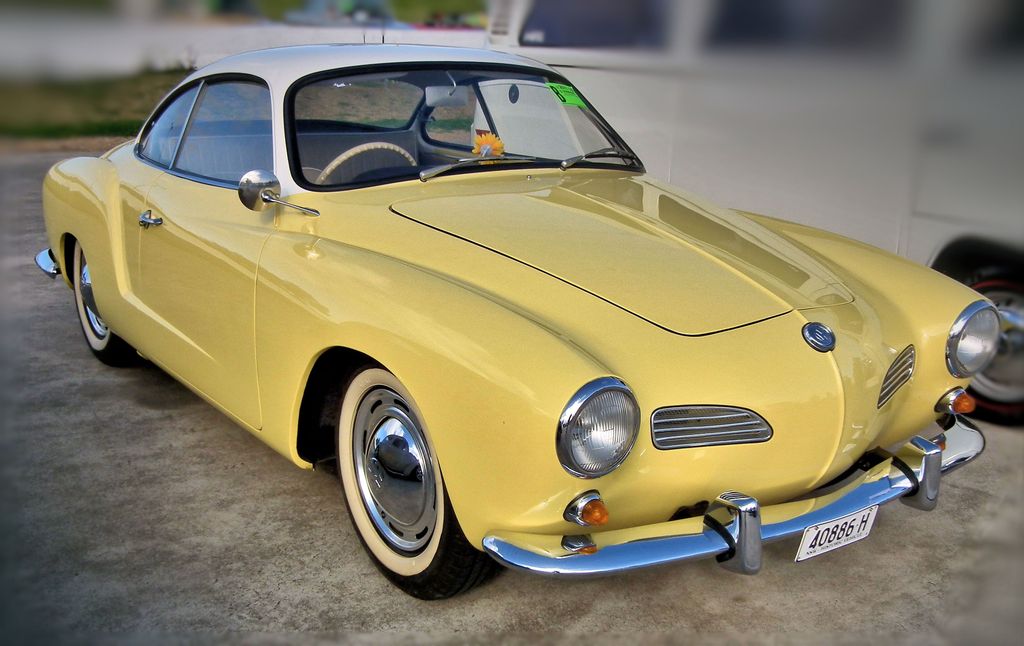
14. **Volkswagen Karmann Ghia**The Volkswagen Karmann Ghia unequivocally stands as another stunningly designed classic car that presents remarkable investment potential at a relatively accessible entry point for enthusiasts. Adorned with exquisitely elegant bodywork masterfully penned by the renowned Italian design firm Carrozzeria Ghia and meticulously hand-built with precision by the esteemed German coach-building house Karmann, it brilliantly marries timeless European artistry with Volkswagen’s legendary reliability and robust engineering. This distinguished heritage alone sets it distinctly apart, offering a truly unique blend of sophisticated style and inherent, unwavering substance.
Constructed atop the sturdy and universally dependable Type 1 Beetle platform, the Karmann Ghia inherently inherits a profound legacy of mechanical simplicity and unwavering robustness. This foundational excellence ensures that the car is not merely a breathtaking showpiece but also a surprisingly practical and eminently usable classic. Its shared underpinnings with the ubiquitous Beetle translate into relatively easy availability of parts and readily accessible service expertise, significantly mitigating the typical anxieties and complexities often associated with classic car ownership, making it a more approachable option.
One of the most exceptionally appealing aspects of the Karmann Ghia for discerning potential investors is its distinctive ability to be driven on a regular basis without disproportionately affecting its overall value, provided it is consistently and properly maintained. This offers the rare and coveted luxury of genuinely enjoying your automotive asset firsthand while it simultaneously appreciates in market value. With desirable years gracefully spanning from 1955 to 1974 and offering a choice of dependable 1.2L, 1.3L, 1.5L, or 1.6L Flat-Four engines, the Volkswagen Karmann Ghia represents a financially astute and genuinely enjoyable investment for the discerning collector.
Car Model Information: 2017 Honda Accord Touring
Name: Volkswagen Types 14, 34, and 145
Caption: 1962 Type 14 VW Karmann Ghia
Manufacturer: Volkswagen
Production: Germany,Type 14: 1955–1974,Type 34: 1961/1962–1969,
445,238 total units built:,Coupé: 364,401 (Type 14 and 34),Cabriolet: 80,837 (all Type 14)
Brazil,Type 14: 1962–1971,TC (Touring Coupé): 1972–1975,
41,689 total units built:,Coupé: 23,393,Cabriolet: 177,TC (Touring Coupé): 18,119
Related: Volkswagen Beetle,Volkswagen Type 3,Puma (car manufacturer)#Volkswagen era
Class: Sports car
BodyStyle: convertible (car)
Engine: flat-4
Designer: Carrozzeria Ghia
Layout: RR layout
Successor: Porsche 914,Volkswagen Scirocco,Volkswagen SP2
Assembly: Osnabrück
Categories: 1960s cars, 1970s cars, All articles with unsourced statements, Articles with short description, Articles with unsourced statements from May 2023
Summary: The Volkswagen Karmann Ghia are a family of three overlapping sports car models produced by Volkswagen, marketed in 2+2 coupe (1955–1975) and 2+2 convertible (1957–1975) body styles, though German production ended one year before that in Brazil. Internally designated the Type 14 (1955–1975), the Type 34 (1962–1969), and the Type 145 TC (1972–1975; Brazil), the Karmann Ghia cars combined the floorpans and mechanicals of the Type 1 / Beetle or Type 3 ‘ponton’ models with styling by Italy’s Carrozzeria Ghia, and hand-built bodywork by German coachbuilding house Karmann.
The 1955 Type 14 Karmann Ghia was just the second Volkswagen passenger car ever produced, after the Beetle, and launched six years before the Type 3 notchbacks, fastbacks and Variants (squarebacks). They were faster and more expensive than the Beetle, but very cramped in the back, despite their wider, postwar and nearly slabsided body design. Two years later, in 1957, a convertible was added.
In 1961, the Karmann Ghia briefly lost its title of fastest Volkswagen, upon launch of the more powerful 1500cc Type 3 models, but later that year, Volkswagen, Ghia, and Karmann presented an all new Karmann Ghia – Type 34, using the Type 3’s floorpan and 1500cc powertrain. Made from 1962 to 1969, this had both new, more modern, angular and roomier bodywork; and a new, more luxurious interior, making it substantially more expensive than all other VW passenger cars. Additionally, the Type 34 was one of the world’s first cars with a power operated steel sunroof option. The Type 34 Karmann Ghia thus became VW’s range-topper again – costing up to twice the price of a Beetle – while the cheaper Type 14 remained in production. Only the latter offered a convertible.
Failure to offer the Type 34 in the United States – the Karmann Ghia’s most important market – combined with high pricing elsewhere likely contributed to limited sales, and after the type 14 also received the 1500cc engine in 1967, production of Type 34s was ended during 1969. Volkswagen of Brazil nevertheless looked for an alternative in its market segment, and so Carrozzeria Ghia was again commissioned, to design a third Karmann Ghia model, for the South American market, the Karmann Ghia TC (Touring Coupé), made in Brazil from 1972–1975. The result was a stylish, rakish fastback that offered good interior space for a 2+2 car.
For its final model year, the vestigial rear seat in the Type 14 was discontinued for North American models, as it lacked provisions for seat belts; all Karmann Ghias for 1974 were marketed strictly as two-seaters.
More than 445,000 Karmann Ghias were produced in Germany over the car’s production life, not including the Type 34 variant. Volkswagen do Brasil (Volkswagen Brasil) produced 41,600 Type 34s in Brazil for South America between 1962 and 1975.
Long noted for its exterior styling, the Karmann Ghia was designed with input from numerous individuals at Carrozzeria Ghia and was strongly influenced by Virgil Exner’s work, though all of its designers passed without a definitive individual styling attribution.
Get more information about: Volkswagen Karmann Ghia
Buying a high-performing used car >>>
Brand: Volkswagen Model: Karmann Ghia
Price: $19,960 Mileage: 86,317 mi.
Read more about: Unearthing the Automotive Ghosts: 14 Forgotten Two-Seater Sports Cars That Demand Your Attention
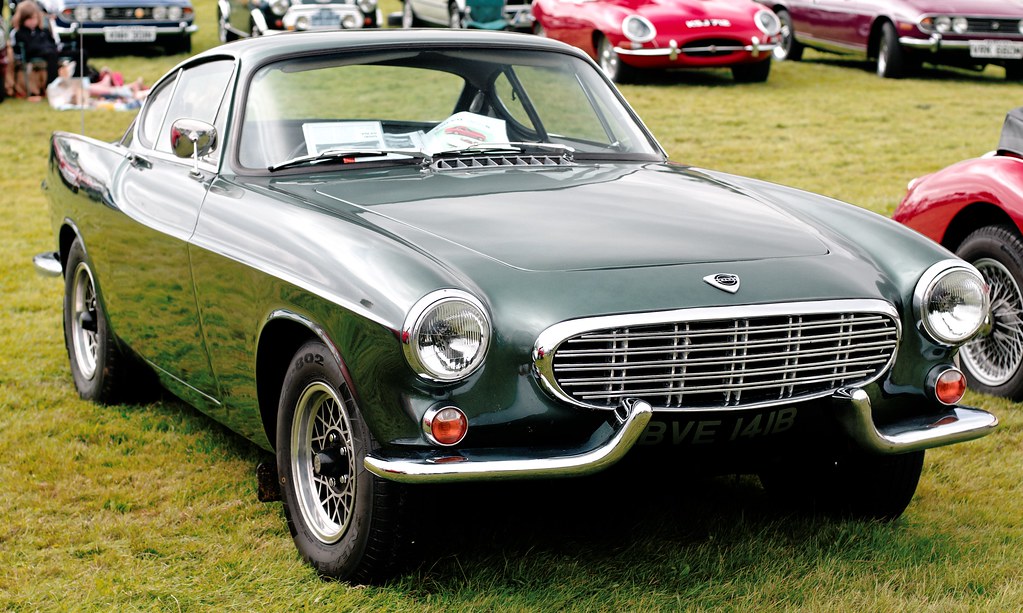
15. **Volvo 1800S**The Volvo 1800S is, by all objective measures, an undeniable automotive classic, embodying a sleek midcentury Scandinavian design aesthetic that has wonderfully and gracefully stood the rigorous test of time. Frequently celebrated for its impeccably elegant lines and remarkably robust engineering, it holds an iconic and revered place in motoring history, not least due to its memorable and famous role in “The Saint” television series, where it was prominently driven by the legendary Roger Moore. This powerful cultural association significantly bolsters its enduring allure and undeniable collector appeal.
While impeccably clean, perfectly original, or expertly restored examples of the 1800S typically command prices ranging anywhere from $20,000 to $60,000, astute investors are well aware that unique opportunities often exist for potentially even greater profit margins. For those with a keen and discerning eye, coupled with a willingness to undertake a rewarding restoration project, neglected specimens can be acquired for only a few thousand dollars. This makes the 1800S a potentially very profitable investment opportunity, allowing for substantial appreciation after meticulous and careful restoration efforts.
Though its direct investment value is paramount, it is undeniably worth noting that the 1800S is, without question, one of the coolest and most intriguing cars Volvo has ever produced, a sentiment frequently echoed by enthusiasts and critics alike. Its distinctive blend of unwavering, reliable Swedish engineering and gracefully executed Italian-inspired design offers a truly unique and enriching classic car experience. With highly desirable years spanning from 1961 to 1973 and powerfully propelled by dependable 1.8L or 2.0L Inline-Four engines, the Volvo 1800S confidently remains a blue-chip classic, consistently poised for continued and robust market appreciation.
**The Downsides and Deliberations of Classic Car Investment**
While the allure of classic car investment is undeniably potent, discerning investors must acknowledge and thoroughly understand its inherent downsides. Chief among these are the persistent risks of misrepresentation, where vehicles might cunningly conceal hidden mechanical issues, non-original components, or undisclosed structural damage, all of which can significantly impact their true market value. Unlike the relatively stable realm of traditional financial instruments, accurately predicting the long-term appreciation trajectory of a classic car can be highly speculative, given that collector tastes and broader market dynamics are in a constant state of evolution, making thorough due diligence absolutely essential before any significant purchase.
Beyond acquisition, ownership inherently entails substantial and ongoing operational costs. Maintenance expenses, particularly for rare or exotic models that necessitate specialized mechanics and often hard-to-find, costly replacement parts, can rapidly and considerably erode potential profits. Insurance for these valuable and unique assets frequently demands specialty coverage from specific outfits, which may come with restrictive conditions such as limits on use and mileage, or the requirement of secure indoor storage. Furthermore, securing adequate, climate-controlled storage facilities incurs additional recurring expenses. Moreover, classic cars intrinsically represent illiquid assets; converting them to cash can be a time-consuming and often complex process, effectively tying up capital for extended periods, and any profits realized are, of course, subject to capital gains tax.
**Strategic Selection: Finding Your Automotive Asset**
Successful classic car investment demands a sophisticated blend of genuine passion coupled with meticulous strategic planning. A profound and genuine enthusiasm for the chosen vehicle not only enhances the intrinsic ownership experience but also provides immense personal satisfaction, a critical factor considering that ongoing upkeep costs can sometimes partially or entirely offset financial appreciation. Identifying and utilizing reputable sourcing channels, such as specialized online auctions like Bring a Trailer or The Market by Bonhams, or engaging expert brokers, is absolutely critical for minimizing the significant risks associated with verifying authenticity and assessing the true condition of a vehicle. Thorough due diligence is paramount; this involves exhaustive research into a car’s complete history, understanding its different model variants, and scrutinizing its current and projected market trajectory, ideally augmented by independent and unbiased advice from respected marque specialists.
Several key factors profoundly influence a classic car’s investment potential. The car’s originality is paramount, with “matching numbers” examples consistently commanding a premium, as is its inherent rarity, a fundamental driver of its intrinsic value. Comprehensive documentation—detailing its complete ownership history, any competition records, and diligent servicing history—provides invaluable provenance and transparency. Furthermore, innovative engineering, profound historical significance, an iconic and enduring appearance, and a proven motorsport pedigree, particularly if intrinsically linked to famous drivers or historically significant events, can dramatically enhance a classic’s long-term worth. Even previous ownership by a noteworthy celebrity or memorable appearances in film or television can significantly bolster its market value and desirability.
**Evolving Market Dynamics and Expert Strategies for 2025**
The dynamic classic car market continues its rapid evolution, with experts consistently confirming its viability and potential for 2025, albeit with discernible shifts in prevailing trends. A notable and significant shift observes heightened demand for “modern classics” originating from the 1980s and 1990s, a trend primarily driven by younger demographics, specifically Millennials and Gen Z, who increasingly gravitate towards these models over more traditional muscle cars or pre-1970s vehicles. This powerful generational influence is actively reshaping market preferences, with Japanese classics and “Radwood-era” vehicles gaining substantial and accelerating traction. While online auction platforms maintain their robust presence, live auctions are steadily regaining prominence for high-value sales, emphasizing the critical importance of employing diverse and adaptive selling strategies.
To effectively maximize investment returns, investors should strategically prioritize vehicles possessing strong historical significance, unwavering originality, or inherently limited production numbers, as these fundamental traits consistently correlate with stronger appreciation rates. Employing rigorous analytical valuation methods, which include meticulously tracking auction results and consulting with specialized experts, is absolutely crucial for accurately identifying undervalued opportunities within perennially sought-after segments such as 1960s–1970s muscle cars and iconic post-war European sports cars. Diversification across different automotive eras, prestigious brands, and geographical origins can significantly mitigate market volatility, effectively balancing established “blue-chip” classics with emerging icons for robust portfolio growth.
Prudent cost management is equally crucial; meticulously budgeting an estimated 15-20% of the initial acquisition value annually for storage, comprehensive insurance, and essential maintenance is absolutely essential. Furthermore, utilizing specialized climate-controlled storage facilities whenever possible is highly recommended to preserve asset condition. Ultimately, well-timed exit strategies, which judiciously focus on aligning sales with favorable market cycles, effectively leveraging digital platforms, and consigning high-value assets to reputable auction houses, are paramount to maximizing liquidity and achieving optimal, profitable divestment in this inherently dynamic and exciting market.
**Conclusion: A Rewarding, Yet Demanding, Investment**
Car Model Information: 2024 Volvo XC60 B5 Core
Name: Volvo P1800
Caption: 1965 Volvo 1800S
Designer: Pelle Petterson
Manufacturer: Volvo Cars
Assembly: West Bromwich,Torslanda,Gothenburg,Arica
Production: 1961–1973,coupé: 39,407,sports estate: 8,077
Layout: Front-engine, rear-wheel-drive layout
Transmission: Volvo M40 transmission,Overdrive_(mechanics)#In_Europe,Borg-Warner 35 transmission
Length: convert
Width: 1700 mm
Abbr: on
Height: convert
Weight: convert
Wheelbase: 2450 mm
Related: Volvo Amazon
Engine: Volvo B18 engine#B18,Volvo B18 engine#B20
Class: Sports car
BodyStyle: coupe,shooting brake
Predecessor: Volvo P1900
Categories: 1970s cars, All articles needing additional references, All articles with dead external links, All articles with unsourced statements, Articles needing additional references from March 2018
Summary: The Volvo P1800 (pronounced eighteen-hundred) is a 2+2, front-engine, rear-drive sports car manufactured and marketed by Volvo Cars between 1961 and 1973. Originally a coupé (1961–1972), it was also offered in a shooting brake configuration toward the end of its production (1972–1973). Styling was by Pelle Petterson under the tutelage of Pietro Frua when Frua’s studio was a subsidiary of the Italian carrozzeria Ghia, and the mechanicals were derived from Volvo’s Amazon/122 series.
Marketed as a touring car rather than a sports car, the P1800 became widely known when driven by British actor Roger Moore in the television series The Saint, which aired from 1962 to 1969.
In 1998, an 1800S owned by Irv Gordon (1940–2018) was certified as the highest mileage private vehicle driven by the original owner in non-commercial service—having exceeded 3.25 million miles (over 5.23 million km) as of his death in 2018.
Get more information about: Volvo P1800
Buying a high-performing used car >>>
Brand: Volvo Model: 1800S
Price: $38,899 Mileage: 12,014 mi.
Read more about: Unsung Heroes of the Asphalt: 14 Low-Maintenance Classic Cars That Deserve a Spot in Your Garage
Classic cars offer a truly unique and compelling blend of tangible enjoyment and significant investment potential, serving as an exceptional means to diversify portfolios and provide substantial long-term returns. However, achieving success in this inherently volatile and specialized market hinges critically on rigorous research, a profound and nuanced understanding of prevailing market trends, meticulous asset selection, and diligent financial planning to account for ongoing ownership costs. For those individuals possessing genuine passion for automobiles and adopting a strategic, well-informed approach, navigating the fascinating complexities of classic car investment can prove to be an immensely rewarding endeavor, offering the dual satisfaction of owning a cherished possession and cultivating a valuable, appreciating asset.

.jpg "Ever Wondered What It Costs? Unpacking the Wild World of Celebrity Event Fees, Featuring 10 Stars Whose Price Tags Will Make Your Jaw Drop!")