Remember that stressful family road trip last summer? Cramped quarters, questionable air conditioning, and a vehicle that felt more like a rattling box than a comfortable cruiser? It’s a common scenario, often leaving us dreaming of a better way to tackle long hauls and daily commutes. This year, we’re here to help you truly change that narrative.
This comprehensive guide helps you navigate the exciting, rapidly evolving world of new SUVs in 2025. We’ll assist in finding the perfect vehicle to meet your specific needs and elevate your driving experience. We delve into everything from foundational safety to intricate fuel efficiency, ensuring you’re equipped to make an informed decision for enjoyable family adventures.
As discerning buyers look towards the future, the 2025 SUV market promises a compelling array of options. Our expert analysis provides critical insights to understand vehicle nuances, empowering you to identify the model that truly resonates with your family’s unique requirements, preparing you for your ideal automotive companion.
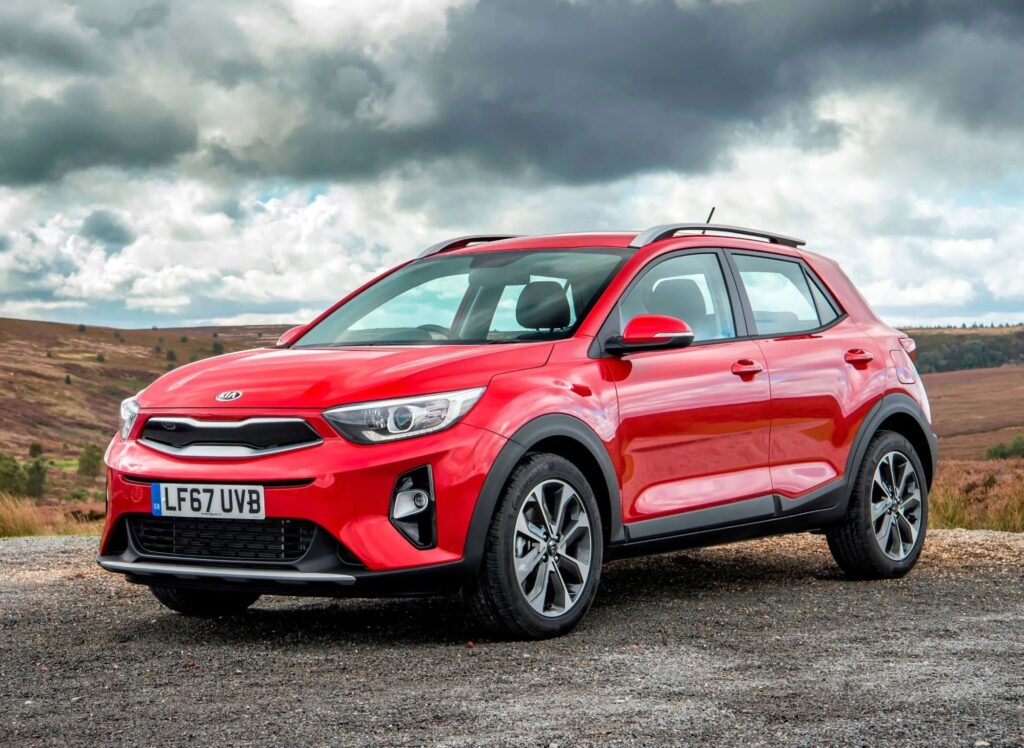
1. **Understanding SUV Sizes and Passenger Capacity**The quest for the best new SUV for 2025 begins with size and capacity. SUVs vary greatly, from nimble compact models suited for urban environments to commanding full-size titans for family expeditions. Your lifestyle dictates which category serves you best.
Consider regularly transported passengers and cargo volume. For smaller families or city driving, a compact SUV is ideal, lauded for “excellent for city driving and fuel efficiency.” However, be aware of its “limited cargo space” compared to larger options.
Stepping up, mid-size SUVs strike “a balance between space and fuel economy, suitable for most families.” They offer extra room for passengers and generous cargo, without sacrificing maneuverability or economic operation. This segment appeals greatly to growing families or weekend adventurers.
Full-size SUVs sit at the apex, built for uncompromising space and utility. For larger families, frequent carpooling, or extended trips with significant luggage, these vehicles provide “maximum passenger and cargo space.” This capability, however, generally entails “lower fuel efficiency,” a trade-off buyers must carefully weigh.
Market trends confirm the enduring importance of space, with “a 2024 study indicated that 45% of SUV buyers prioritized spaciousness over fuel efficiency.” This highlights the ongoing demand for roomy interiors and versatile cargo, making size a cornerstone of your 2025 SUV selection.
Read more about: Beyond Self-Parking: Unveiling 12 Transformative Futuristic Car Features That Will Revolutionize City Driving
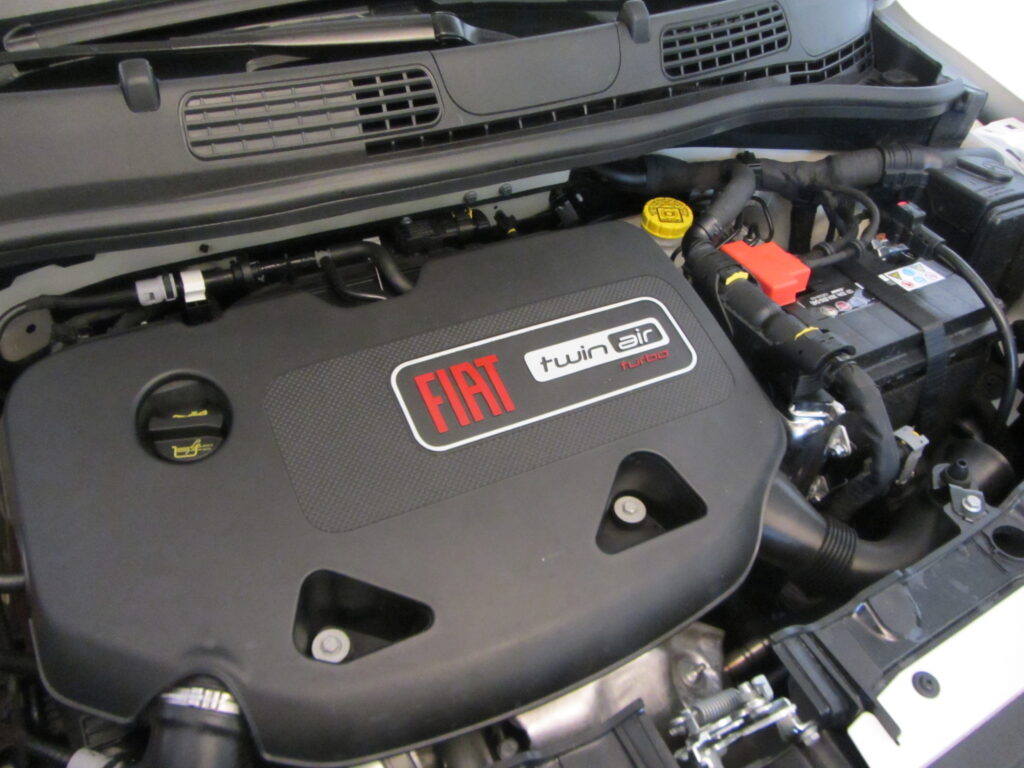
2. **Exploring Fuel Efficiency and Diverse Engine Options**Beyond dimensions, the powertrain and its fuel efficiency are pivotal for prospective SUV owners in 2025. With environmental consciousness and operating costs under scrutiny, engine choice profoundly impacts long-term ownership. The market now offers an impressive array of options, each distinct.
Traditional gasoline engines remain popular, especially for drivers prioritizing raw power and established refueling infrastructure. These powertrains “offer powerful performance but lower fuel efficiency” than electrified counterparts, often favored for towing. Fuel price fluctuations and emissions standards increasingly push towards economical alternatives.
Hybrid engines represent a compelling bridge technology, combining gasoline and electric power sources. These systems are engineered “for improved fuel economy,” utilizing electric motors at lower speeds and for regenerative braking, seamlessly transitioning to gasoline when more output is required. This synergy means fewer pump visits and reduced emissions.
The surge in hybrid SUV popularity is undeniable, supported by market shifts. A recent report “suggests hybrid SUVs have seen a 20% increase in sales in the past year,” indicating growing acceptance and efficacy. This uptick underscores a consumer trend towards vehicles blending traditional utility with modern efficiency.
For those embracing the future, electric engines offer ultimate environmental benefits and potential operational savings. They boast “zero tailpipe emissions and potential cost savings on fuel.” While “limited range” is a consideration, battery and charging infrastructure advancements rapidly mitigate this, making electric SUVs increasingly attractive.
Read more about: The Controversial Laws Forbidding At-Home Car Washes: A Comprehensive Consumer Reports Guide

3. **Prioritizing Advanced Driver-Assistance Systems (ADAS)**In modern automotive design, safety transcends structural integrity; it links to sophisticated technologies preventing accidents. As you evaluate a 2025 SUV, safety “should be a top priority.” This brings us to Advanced Driver-Assistance Systems (ADAS), increasingly refined in contemporary vehicles.
ADAS features lead automotive safety innovation, acting as a vigilant co-pilot to augment driver awareness. Systems like adaptive cruise control, lane departure warning, and automatic emergency braking are “becoming increasingly common in new SUVs.” They significantly improve safety and “reduce the risk of accidents.”
Consider Adaptive Cruise Control, easing highway driving. This system “maintains a safe following distance from the vehicle ahead,” autonomously adjusting speed to match traffic flow. It reduces fatigue and enhances vigilance, allowing drivers to focus on the broader road.
Similarly, Lane Departure Warning provides crucial preventative safety, especially during long journeys or distractions. This intelligent mechanism “alerts the driver if the vehicle drifts out of its lane,” prompting immediate corrective action. This proactive notification can avert serious incidents.
Automatic Emergency Braking is among the most impactful ADAS features, intervening when human reaction time is insufficient. It “automatically applies the brakes to avoid or mitigate a collision,” using sensors to detect impending impacts. This technology provides an essential last line of defense, a significant leap in safety.
Read more about: Unpacking Excellence: The Definitive Guide to 2025’s Most Coveted Luxury SUVs and Their Unrivaled Safety Innovations

4. **Deciphering Safety Ratings and Crash Test Results**While ADAS offers proactive protection, passive safety understanding requires independent safety ratings and crash test results. This critical step moves beyond manufacturer claims to objective evaluations. “Before making a purchase, review the safety ratings and crash test results of the SUVs you are considering,” as these reveal a vehicle’s ability to protect occupants.
In the U.S., two prominent organizations lead these evaluations: the IIHS (Insurance Institute for Highway Safety) and NHTSA (National Highway Traffic Safety Administration). They conduct rigorous, standardized crash tests simulating various real-world scenarios, yielding invaluable benchmarks for consumers to compare vehicle safety.
The IIHS is renowned for its “Top Safety Pick” and “Top Safety Pick+” awards, requiring superior crashworthiness and advanced front crash prevention. Vehicles earning these accolades prove structural integrity and effective safety technologies. Understanding these helps buyers quickly identify highly protective models.
Concurrently, the NHTSA’s five-star safety rating system provides an easily digestible summary of performance in frontal, side, and rollover tests. Higher star ratings signify greater occupant protection likelihood. Both organizations publish detailed findings publicly, making this vital information accessible to every prospective buyer.
By diligently examining these independent safety evaluations, you gain evidence-based understanding of how an SUV is engineered to withstand impacts and protect occupants. This analytical approach, combining ADAS review with crash test data, ensures safety remains “a top priority,” providing peace of mind for your family.
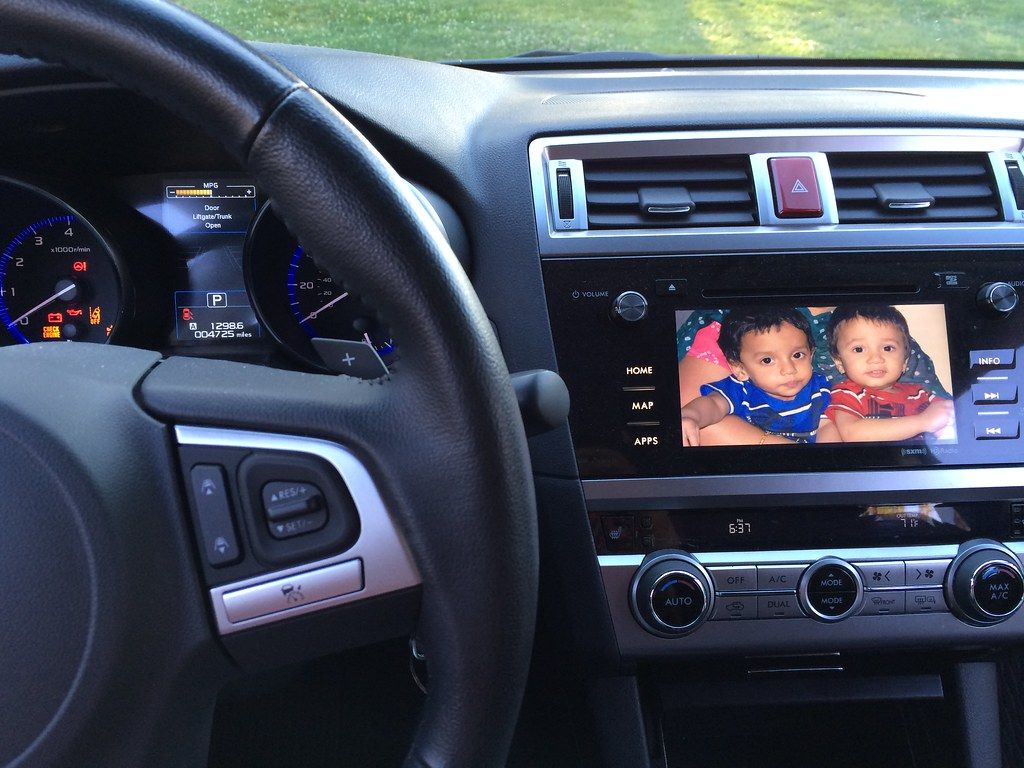
5. **Integrating Cutting-Edge Infotainment and Connectivity**Beyond core attributes, the modern SUV experience is shaped by its infotainment and connectivity systems. Today’s vehicles are extensions of our digital lives, designed to keep us connected, entertained, and informed. “Modern SUVs boast impressive technology and infotainment systems, enhancing both driving experience and passenger comfort,” crucial for your 2025 model.
When exploring SUV cabins, savvy buyers “look for features like large touchscreens, smartphone integration (Apple CarPlay and Android Auto), built-in navigation, and high-quality audio systems.” These form the bedrock of a sophisticated infotainment suite, transforming the dashboard into a command center. A responsive touchscreen is paramount for intuitive interaction.
Seamless device integration is a non-negotiable expectation. “Apple CarPlay and Android Auto seamlessly integrates your smartphone with the vehicle’s infotainment system,” mirroring essential apps onto the display. This ensures familiarity and reduces the learning curve, allowing safe, effortless digital connectivity while driving.
Furthermore, a dedicated “built-in navigation provides turn-by-turn directions without relying on your smartphone,” offering a robust, integrated solution, especially where cell service is spotty. A “high-quality audio system enhances the listening experience for passengers,” transforming trips into immersive auditory journeys.
In an increasingly connected world, advanced connectivity features are vital for passengers. “Wi-Fi hotspots are becoming increasingly important for passengers,” enabling multiple devices to stay online. This supports remote work, streaming, or keeping children engaged, ensuring your 2025 SUV functions as a truly connected mobile hub.
Read more about: Beyond Self-Parking: Unveiling 12 Transformative Futuristic Car Features That Will Revolutionize City Driving

6. **Advanced Driver Assistance Technologies for Enhanced Driving**While foundational Advanced Driver-Assistance Systems (ADAS) like automatic emergency braking and adaptive cruise control are now expected, the 2025 SUV market pushes the boundaries further with even more sophisticated driver assistance technologies. These innovations transcend basic safety alerts, offering remarkable convenience and actively reducing the cognitive load on drivers. Modern SUVs are evolving into vigilant co-pilots, expertly guiding occupants through increasingly complex driving scenarios, from bustling city streets to sprawling highways.
Among these advanced features, parking assist systems stand out as a true revelation, particularly for those who frequently navigate urban environments. These intelligent systems can “guide you into parking spaces automatically,” effectively eliminating the stress and precision required for parallel or perpendicular parking maneuvers. Imagine effortlessly slotting your full-size SUV into a tight spot, all with the vehicle doing most of the work—it’s a testament to how far automotive technology has come in simplifying everyday challenges.
Complementing parking assist are sophisticated “360-degree cameras,” which deliver an unparalleled “bird’s-eye view of the vehicle’s surroundings.” This comprehensive visual coverage is invaluable, especially when maneuvering in crowded parking lots, tight driveways, or during low-speed operations where traditional mirrors might miss crucial obstacles. By providing a complete, stitched-together image of the area around the vehicle, these cameras vastly improve situational awareness, allowing drivers to navigate with greater confidence and prevent minor bumps or scrapes.
Furthermore, automated lane-keeping assist systems represent a significant stride towards more autonomous driving. Building upon basic lane departure warnings, this technology actively “helps keep the vehicle within its lane” by applying subtle steering corrections. This feature is particularly beneficial on long highway stretches, where it mitigates driver fatigue and helps maintain consistent lane positioning, contributing significantly to both safety and comfort for all occupants. These advanced systems work in harmony to elevate the entire driving experience.
These cutting-edge driver assistance technologies are far more than mere optional extras; they are integral components designed to enhance both safety and convenience for the modern SUV owner. By automating or simplifying common driving tasks, they empower drivers to feel more relaxed and focused, making every journey, whether a quick errand or a cross-country adventure, considerably more enjoyable. Exploring and understanding these sophisticated aids is absolutely crucial when considering your ideal 2025 SUV, ensuring you invest in a vehicle that truly caters to an effortless and secure driving future.
Read more about: The Hidden Car Feature That Could Track Your Every Move: A Consumer’s Guide to Disabling It
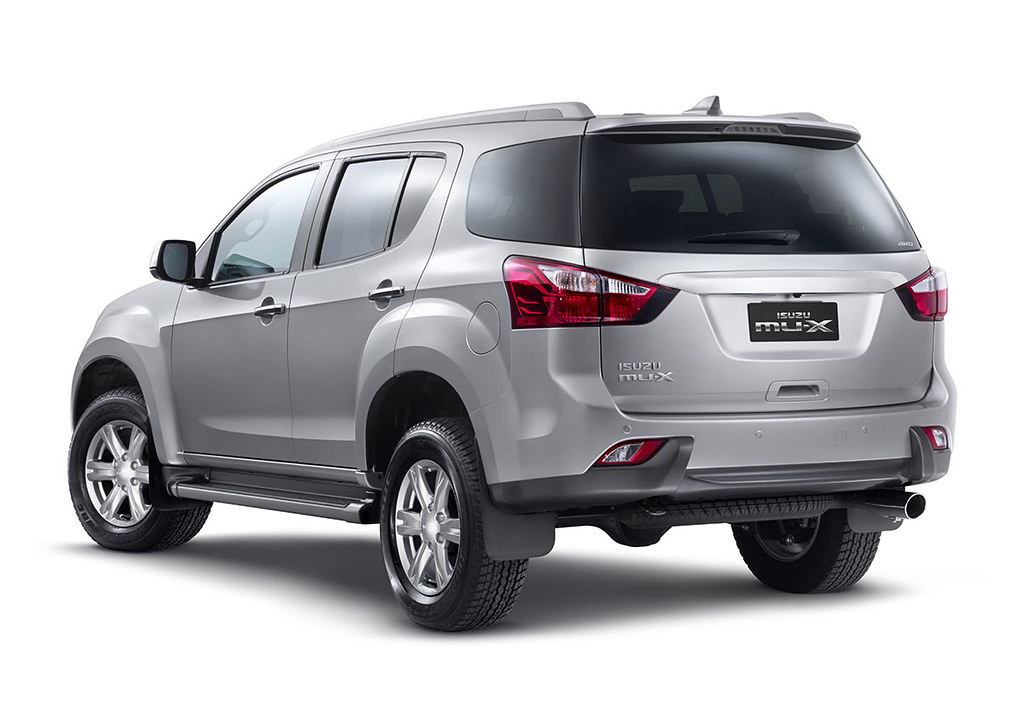
7. **Debunking Common Myths About Modern SUVs**Despite their widespread popularity, Sports Utility Vehicles (SUVs) often grapple with persistent misconceptions that can sway potential buyers unfairly. It’s time to separate fact from fiction and address some of the most enduring myths surrounding these versatile vehicles. The modern SUV, especially the 2025 models, has evolved significantly, often defying outdated stereotypes and offering capabilities that might surprise even seasoned automotive enthusiasts.
One prevalent myth is that “all SUVs are gas guzzlers.” This perception stems from earlier generations of SUVs, which were indeed often less fuel-efficient due to their larger engines and heavier frames. However, the automotive landscape has dramatically shifted. Today’s market offers a compelling array of hybrid and electric SUVs that “offer excellent fuel efficiency.” With innovations in engine technology, aerodynamics, and the proliferation of electrified powertrains, many 2025 SUVs are surprisingly economical to run, significantly reducing their environmental footprint and ownership costs.
Another common misconception posits that “SUVs are unsafe.” This belief often arises from the higher center of gravity associated with SUVs, which could, in earlier designs, lead to rollover concerns. However, contemporary engineering and rigorous testing have largely rendered this myth obsolete. The reality is that “many modern SUVs achieve top safety ratings from independent organizations” like the IIHS and NHTSA. They are built with advanced crumple zones, reinforced chassis, and a suite of active safety features (ADAS) designed to protect occupants and prevent accidents, making them incredibly secure vehicles for families.
Finally, some perceive SUVs as “impractical for city driving,” citing their size and maneuverability challenges. While full-size SUVs might indeed be less nimble in dense urban environments, this generalization overlooks the vast diversity within the SUV segment. “Compact SUVs are well-suited for urban environments,” offering easy parking, nimble handling, and efficient performance perfectly tailored for city life. Their elevated driving position also provides better visibility in traffic, making them a practical and popular choice for city dwellers seeking versatility without compromise.
By shedding light on these common fallacies, it becomes clear that modern SUVs have undergone a remarkable transformation. They are no longer solely defined by their perceived drawbacks but rather by their technological sophistication, enhanced safety, and impressive fuel efficiency across a spectrum of sizes. Approaching your 2025 SUV search with current facts, rather than outdated myths, will undoubtedly lead to a more informed and satisfying decision.
Read more about: Why Your Idling Car is a Secret Fuel Thief: Uncovering the Hidden Costs and Practical Solutions for Every Driver

8. **Navigating SUV Pricing and Maximizing Value**The journey to owning a new 2025 SUV inevitably leads to the crucial topic of pricing. Understanding how much an SUV costs, what factors influence that price, and how to assess its overall value is paramount for any discerning buyer. This segment of our guide will equip you with the insights needed to navigate the financial aspects of your purchase, ensuring you not only find the right vehicle but also secure the best possible deal for your investment.
The price of a 2025 SUV can “vary significantly depending on the size, features, and brand.” From economical compact models to luxurious full-size variants, the market offers a vast spectrum. Entry-level compact SUVs might start around $25,000, providing essential features and reliable performance. As you move towards mid-size and then full-size segments, or opt for premium brands and advanced technological packages, prices can quickly escalate, ranging from $40,000 to “well over $70,000 for larger, luxury SUVs.”
To truly maximize value, buyers must look beyond the initial sticker price and consider the total cost of ownership. This includes factors like fuel efficiency, insurance costs, expected maintenance, and projected resale value. For instance, while an electric SUV might have a higher upfront cost, its “potential cost savings on fuel” and lower maintenance requirements could offer substantial long-term financial benefits. Conversely, a vehicle with a high depreciation rate, even if initially affordable, could prove more costly over time.
When evaluating an SUV’s price, it’s essential to align it with your “family’s unique needs and budget.” There’s often a sweet spot where features, performance, and cost converge. Don’t be swayed by unnecessary upgrades if they don’t serve your specific requirements. Focus on core attributes like safety, reliability, and the features that genuinely enhance your daily driving experience. Remember, a higher price doesn’t always equate to better value if those extra features aren’t utilized.
Understanding these pricing dynamics and focusing on long-term value will empower you to make a smart financial decision. By carefully weighing the initial purchase price against ongoing operational costs and resale potential, you can confidently select a 2025 SUV that not only meets your family’s needs but also represents a sound and sustainable investment for the years to come.
Read more about: The Ultimate Guide to 8 Affordable, Long-Lasting Tire Brands That Could Equip Your Car for a Lifetime

9. **The Power of Comparative Analysis for Informed Decisions**In a market teeming with exceptional 2025 SUV models, making a truly informed decision requires more than just browsing; it demands a strategic “comparative analysis.” This methodical approach involves systematically evaluating different vehicles side-by-side, meticulously examining their strengths and weaknesses against your specific criteria. Without this crucial step, you risk overlooking a superior option or settling for a vehicle that doesn’t perfectly align with your family’s needs.
Online resources serve as invaluable tools for this comparative process. Websites such as Kelley Blue Book (KBB), Edmunds, and Consumer Reports are indispensable platforms that “compare features, specifications, and reviews” for a vast array of models. They provide detailed breakdowns of everything from engine performance and fuel economy to cargo capacity and safety ratings, often presenting the data in easy-to-digest formats. Utilizing these resources allows you to quickly narrow down your options, filtering by price range, desired features, and user feedback, saving you significant time and effort.
However, statistics and online reviews, while highly informative, only tell part of the story. The tactile, immersive experience of a “test drive several models to experience them firsthand” is absolutely non-negotiable. This is where you assess comfort, handling, acceleration, braking, and the intuitive feel of the infotainment system. Does the steering feel responsive? Is visibility adequate? Do the seats provide sufficient support for long journeys? These subjective yet critical elements can only be evaluated from behind the wheel, allowing you to gauge the vehicle’s true resonance with your driving style.
During your comparative analysis, pay close attention to the details that matter most to you. This could involve comparing specific advanced driver-assistance systems, scrutinizing interior material quality, or evaluating the functionality of the cargo area for your lifestyle. By identifying the subtle differences and nuances between models, you gain a holistic understanding that transcends spec sheets. This meticulous comparison ensures that your final choice is not merely a good SUV but the *best* new SUV for your unique circumstances and preferences, tailored precisely to your family’s demands.
Read more about: Consumer Reports’ Definitive Guide: Unpacking the Most Reliable Midsize SUVs for 2024 and Beyond

10. **Tailoring Your 2025 SUV Choice to Your Family’s Unique Needs**After meticulously exploring SUV sizes, fuel efficiency, advanced safety features, cutting-edge technology, pricing, and engaging in thorough comparative analysis, the final, most personal step in your journey is tailoring the ultimate choice to your family’s distinctive needs. This isn’t just about picking a vehicle; it’s about selecting a mobile hub that perfectly integrates into your lifestyle, enhancing every journey and meeting every expectation. Your ideal 2025 SUV should feel like an extension of your family, built for your adventures.
Begin by revisiting your core priorities. Is maximum passenger capacity for a large family your non-negotiable? Or is superior fuel economy for a daily commute more critical? Perhaps it’s a blend of robust safety features for precious cargo, or state-of-the-art infotainment to keep everyone entertained on long trips. By clearly articulating these primary drivers, you can filter through the remaining contenders with confidence, ensuring the SUV you select excels in the areas that matter most to you and your loved ones.
Consider your daily routines and occasional escapades. Do you frequently haul sports equipment, or require ample space for grocery runs? Is off-road capability a weekend necessity, or is a comfortable, quiet highway cruiser your preference? Every aspect of your lifestyle should influence the final decision, from the type of engine to the tire choice, from cargo management systems to the overall driving dynamics. A thoughtful match between vehicle attributes and personal usage patterns is the hallmark of a truly successful purchase.
Ultimately, “making an informed decision based on your family’s unique needs and budget” is the goal. The perfect 2025 SUV isn’t a one-size-fits-all solution; it’s a carefully considered outcome of your diligent research and personal preferences. Trust your instincts from the test drives, refer back to the data, and select the SUV that resonates most strongly with your vision for comfortable, safe, and enjoyable travels for years to come. Your ideal automotive companion awaits.
As we conclude our comprehensive exploration of the 15 best new SUVs of 2025, it’s clear that the automotive landscape is more dynamic and exciting than ever. The vehicles hitting the market are not just modes of transport; they are sophisticated ecosystems designed to offer safety, comfort, connectivity, and efficiency. We hope this guide has empowered you with the knowledge and confidence to embark on your own SUV selection journey, transforming that stressful family road trip memory into a distant past. The road ahead is filled with possibilities, and with the right 2025 SUV, every adventure awaits. Happy driving, and here’s to many memorable miles!