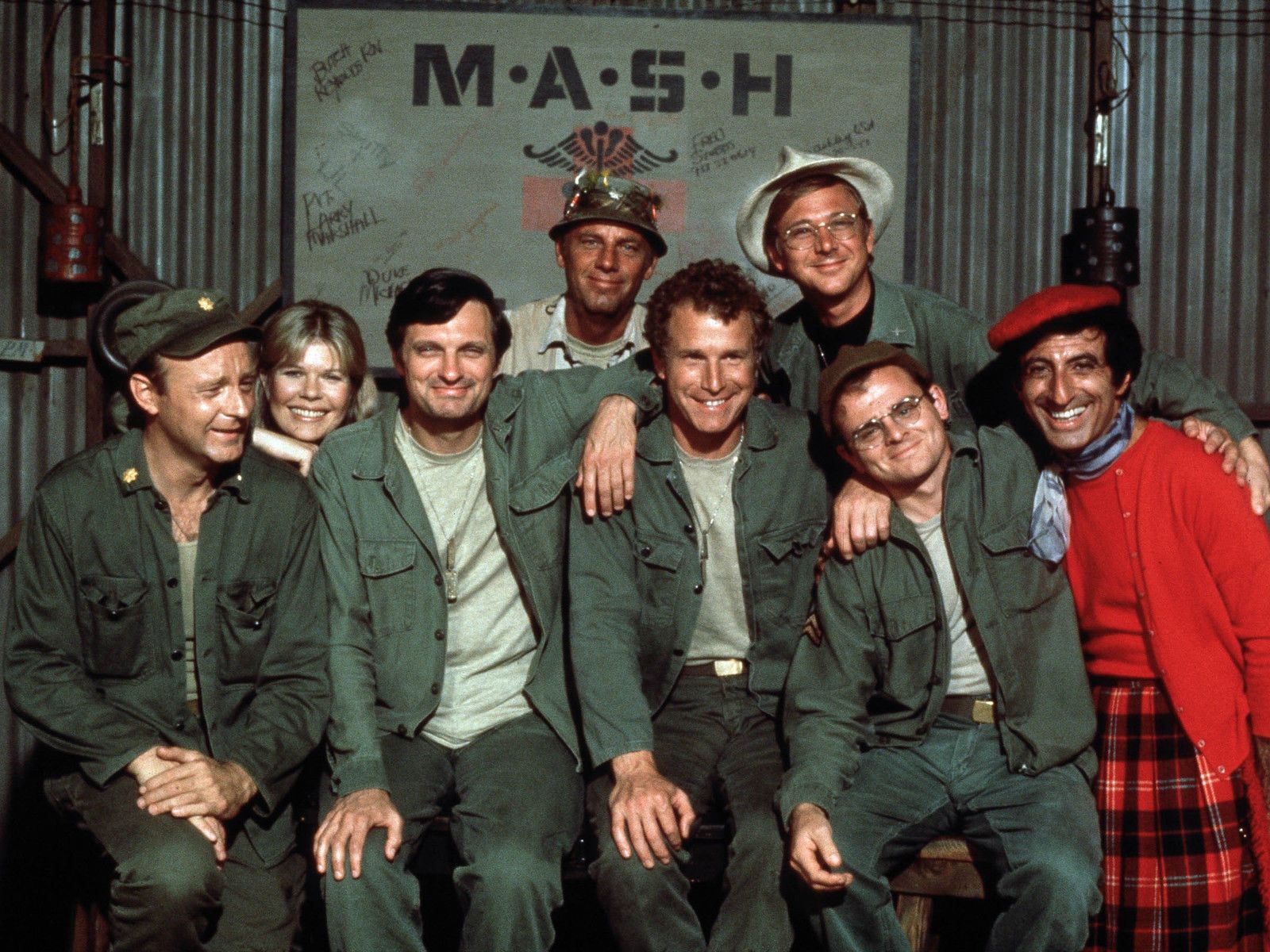
Welcome, fellow aficionados of television history, to a deep dive into one of the most beloved and critically acclaimed series of all time: M*A*S*H. This American war comedy-drama, which graced our screens from September 17, 1972, to February 28, 1983, wasn’t just a show; it was a cultural phenomenon, developed by Larry Gelbart as the first original spin-off from the 1970 film, and ultimately becoming the best-known of the M*A*S*H works. It masterfully blended humor with the stark realities of war, set against the backdrop of the 4077th Mobile Army Surgical Hospital in Uijeongbu, South Korea, during the Korean War.
For 11 seasons and 256 episodes, M*A*S*H captivated audiences, pushing the boundaries of what a “situation comedy” could be. Often described as a “dark comedy” or a “dramedy,” it explored dramatic subject matter with wit and gravitas, frequently questioning America’s role in the Cold War and offering a profound statement on the nature of conflict. The series’ unique ability to shift from silly to sobering, often within a single episode, truly set it apart, making it a powerful allegory that resonated deeply with viewers, especially during its early seasons which aired while the Vietnam War was still ongoing.
While time marches on for all of us, the legacy of M*A*S*H and the unforgettable characters who populated the 4077th remains vibrant. Today, we’re embarking on a journey through the lives of the remarkable actors who brought these iconic figures to life, focusing on their integral roles, memorable contributions, and the indelible marks they left on this groundbreaking series, all strictly based on the rich historical context provided. It’s a testament to their talent and dedication that their work continues to spark curiosity and wonder about the world they created.
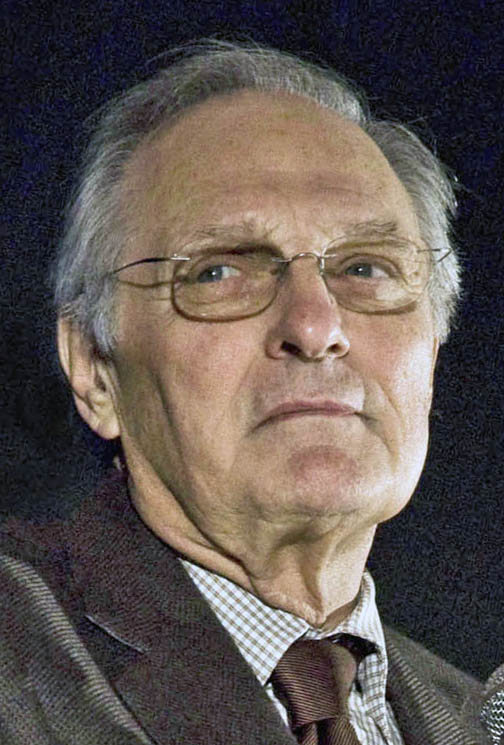
1. **Alan Alda as Captain Benjamin Franklin “Hawkeye” Pierce**Alan Alda’s portrayal of Captain Benjamin Franklin “Hawkeye” Pierce was, without a doubt, the anchor of M*A*S*H. As the chief surgeon and one of the primary protagonists, Alda appeared in all 256 episodes, making him one of the four characters to be on the show for its entire 11-season run. His character, often a reluctant civilian draftee, served as the moral compass and often the witty, cynical voice of reason amidst the chaos of the Korean War, forming a foundational part of the series’ identity.
Alda’s involvement with M*A*S*H extended far beyond his acting prowess. He was a significant creative force behind the scenes, contributing to the show’s writing and directing staff. His ideas, such as the unique “Dreams” episode, where characters’ simultaneous lyrical and disturbing dreams are shown during a deluge of casualties, demonstrate his innovative spirit. His influence on the show’s creative direction, particularly as it evolved into a drama with comedic overtones, was profound, especially after co-creator Larry Gelbart and Executive Producer Gene Reynolds departed.
His exceptional talent was widely recognized with numerous accolades throughout the show’s run. Alda won the Emmy for Best Lead Actor in a Comedy Series in 1974 and again in 1982, and was also named Actor of the Year, Series, in 1974. His directing achievements were acknowledged with Directors Guild of America Awards for Outstanding Directorial Achievement in a Comedy Series in 1977, 1982, and 1983. Furthermore, he secured the Golden Globe for Best Actor in a Television Series (Musical or Comedy) an impressive six times: in 1975, 1976, 1980, 1981, 1982, and 1983, and received a Humanitas Prize in 1980 for his writing. These awards underscore his multifaceted contribution to the series’ success.
However, even amidst such success, working relationships could be complex. Jackie Cooper, who directed Alda in several episodes during the first two seasons, noted that Alda concealed what Cooper felt was a lot of hostility toward him, leading to strained communication by the end of Cooper’s tenure. Despite any off-screen tensions, Alda’s commitment to M*A*S*H was unwavering, and he played a crucial role in shaping the series, even being persuaded by CBS to produce a slightly shortened 11th season and the farewell movie finale, despite his initial wish for season 10 to be the last. His influence was undeniably central to M*A*S*H becoming one of the greatest television shows of all time.
Read more about: Judy Farrell, Actress Known for ‘M*A*S*H’ Role as Nurse Able, Dies at 84

2. **Loretta Swit as Major Margaret “Hot Lips” Houlihan**Loretta Swit brought to life Major Margaret “Hot Lips” Houlihan, the head nurse of the 4077th, a character whose evolution was as compelling as the series itself. Swit appeared in 239 episodes, making her one of the longest-serving cast members, and her character was instrumental in depicting the challenges and triumphs of women serving in wartime. Initially portrayed as a rigid “regular Army” character, Margaret’s journey saw her develop into a more nuanced and empathetic individual, especially as the series progressed.
Margaret’s characterization underwent a significant shift in later seasons, becoming “a less pointed comedy foil” as the show leaned more into drama. This gentler characterization allowed Swit to explore deeper emotional layers, making Margaret a more relatable and beloved figure to audiences. Her interactions with the civilian draftees, particularly Hawkeye, often provided both comedic tension and moments of profound understanding, showcasing the diverse attitudes toward Army life.
Loretta Swit’s exceptional performance earned her critical acclaim and multiple awards. She was honored with the Emmy for Outstanding Supporting Actress in a Comedy or Variety or Music Series twice, in 1980 and 1982, acknowledging her significant impact on the show’s comedic and dramatic balance. Her talent was also recognized with a Golden Globe nomination, further cementing her status as a pivotal figure in the M*A*S*H ensemble.
Swit’s continued connection to the M*A*S*H legacy is evident in her participation in reunion events. She reunited with fellow cast members Mike Farrell and William Christopher, along with producers and director, at the partially restored outdoor set in Malibu Creek State Park in 2008 to celebrate its restoration. Her presence in the “M*A*S*H: 30th Anniversary Reunion” further highlighted her enduring bond with the series and its cast, ensuring her place in the show’s celebrated history.
Read more about: Loretta Swit, the Emmy-Winning ‘Hot Lips’ Houlihan of ‘M.A.S.H.’, Dies at 87, Leaving a Legacy of Versatility and Impact
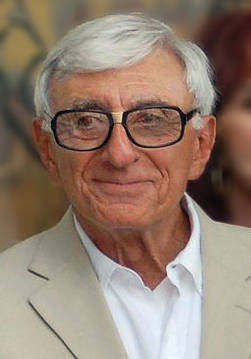
3. **Jamie Farr as Corporal/Sergeant Maxwell Q. Klinger**Jamie Farr’s portrayal of Maxwell Q. Klinger provided M*A*S*H with some of its most memorable comedic moments, particularly in the early seasons. Klinger’s journey from a combat medic desperately attempting to secure a Section 8 psychiatric discharge by cross-dressing and other outlandish antics was a consistent source of humor. He appeared in 217 episodes, beginning as a recurring character in seasons 1–3 before becoming a regular from season 4 through 11, solidifying his indispensable role in the 4077th.
Klinger’s character underwent a significant transformation over the show’s run. When Gary Burghoff left the series early in season 8, Klinger made a pivotal shift from combat medic to company clerk, taking over Radar’s responsibilities. With this change, the context notes that he “discontinued cross-dressing and other attempts to get a Section 8 psychiatric discharge,” marking a maturation of the character and a greater acceptance of his role within the Army.
This evolution showcased Farr’s versatility as an actor, demonstrating his ability to maintain Klinger’s unique charm while adapting to more serious responsibilities. Klinger, much like other characters such as Lieutenant Colonel Blake and Major Winchester, helped demonstrate various American civilian attitudes toward Army life, offering a distinctly humorous, yet often poignant, perspective on the absurdity and challenges of war.
Jamie Farr’s enduring connection to M*A*S*H is clear through his participation in retrospective events. He was a featured cast member in “M*A*S*H: When Television Changed Forever,” a one-hour retrospective commemorating the show’s 50th anniversary in 2022, where he provided exclusive new interviews. His involvement underscores his lasting impact on the series and the affection he holds for the role and its legacy.
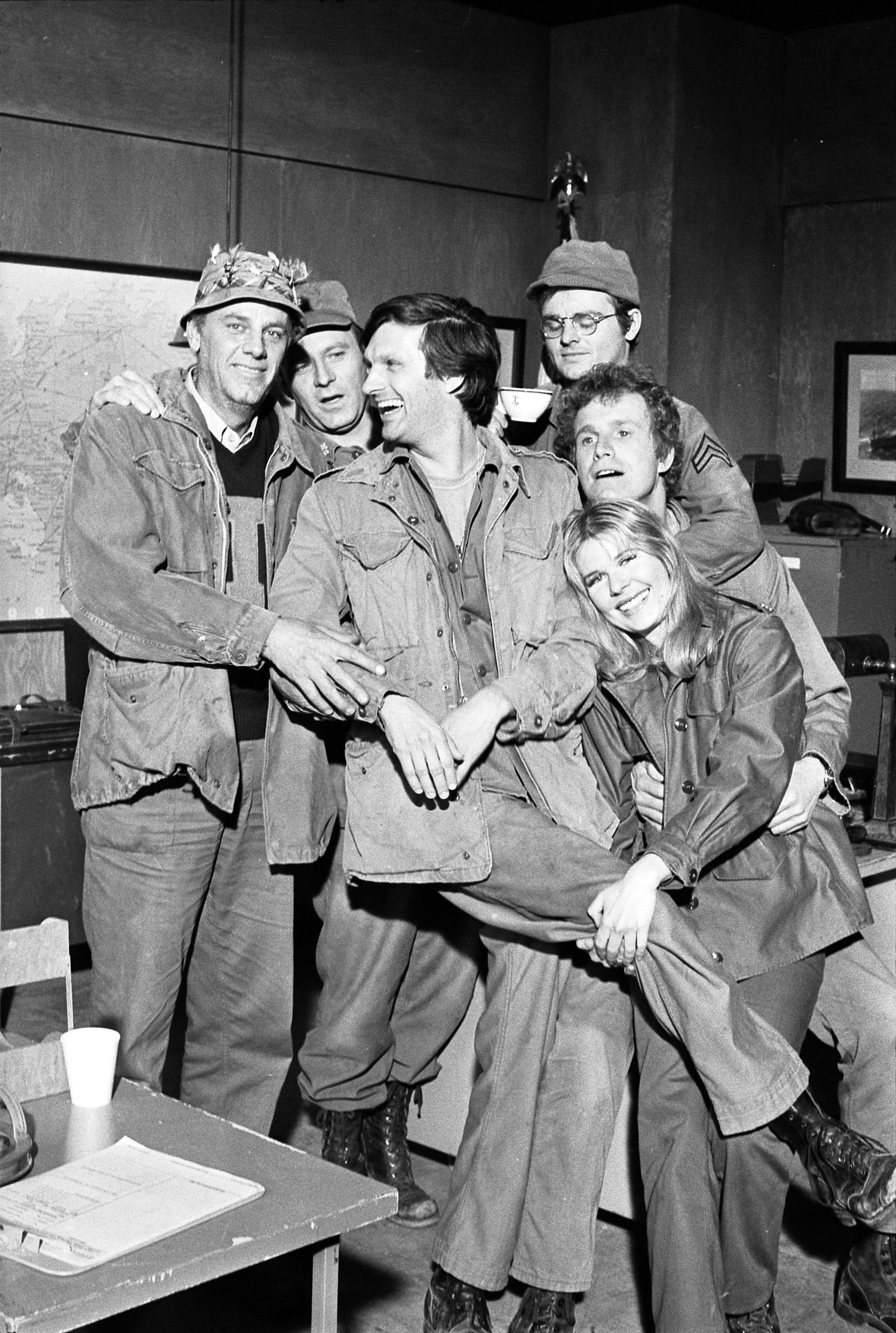
4. **McLean Stevenson as Lieutenant Colonel Henry Blake**McLean Stevenson charmed audiences as Lieutenant Colonel Henry Blake, the laid-back and often beleaguered commanding officer of the 4077th, during the first three seasons of M*A*S*H. Appearing in 70 episodes, Stevenson’s portrayal of Blake as a surgeon and leader provided a much-needed touch of warmth and human fallibility. His character embodied the civilian attitudes towards Army life, often yearning for home and struggling with the responsibilities of command in a chaotic environment.
Stevenson was a gifted performer of physical and verbal comedy, and his contributions were central to the show’s original comedic foundation. His departure after Season 3, along with Wayne Rogers’s, was a significant event, marking a major turning point in the series’ evolving tone. Blake’s character was famously written out, replaced by Harry Morgan as Colonel Sherman T. Potter, signaling a new chapter for the 4077th.
His talent was recognized early in the show’s run. McLean Stevenson won the Golden Globe Award for Best Supporting Actor in a Television Series in 1974, underscoring the immediate impact and appreciation for his performance. His ability to deliver both humor and a sense of understated pathos made Henry Blake an incredibly beloved figure, whose absence was deeply felt by viewers.
Sadly, McLean Stevenson had passed away in 1996, as noted in the context, prior to the “M*A*S*H: 30th Anniversary Reunion” in 2002. However, his enduring presence was acknowledged in the reunion special through previously filmed interviews, allowing viewers to reflect on his significant contribution to the series. His image was also part of the cast who appeared in a partial reunion for IBM product commercials in the late 1980s, further cementing his place in M*A*S*H history.” , “_words_section1”: “1948
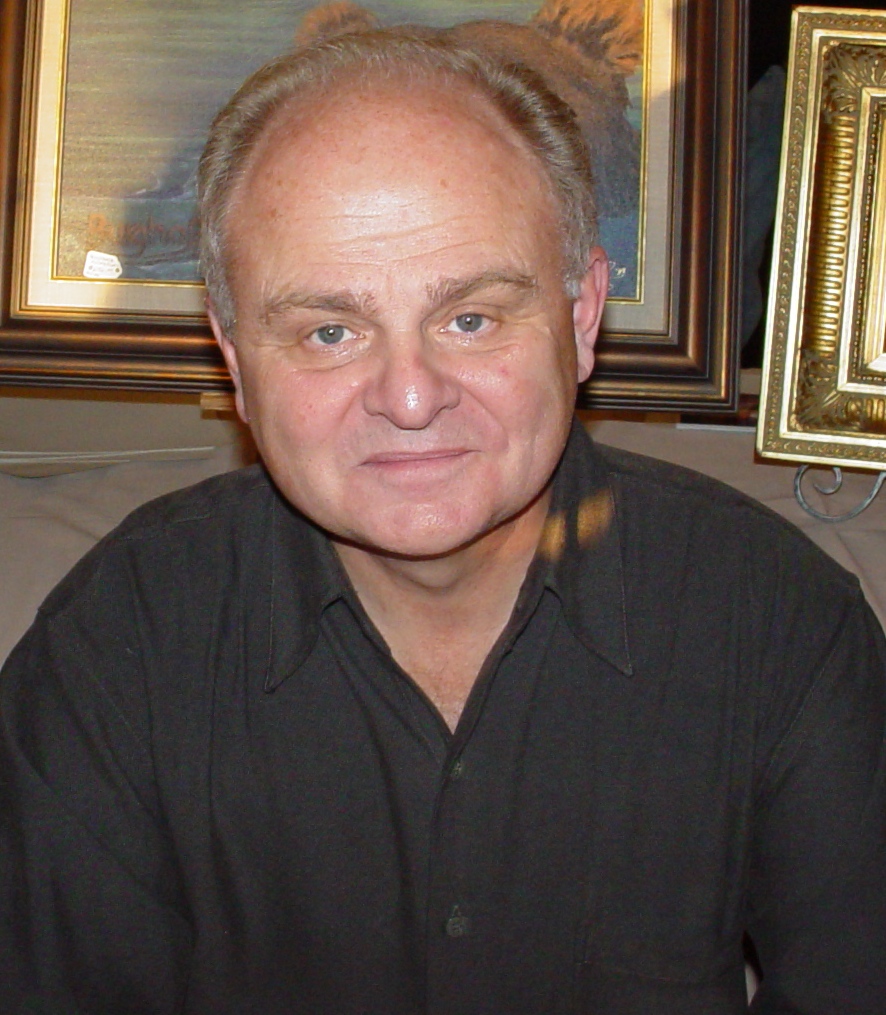
5. **Gary Burghoff as Corporal Walter Eugene “Radar” O’Reilly**Gary Burghoff brought to life one of television’s most iconic and beloved characters: Corporal Walter Eugene “Radar” O’Reilly, the soft-spoken, naive, yet incredibly perceptive company clerk and bugler of the 4077th. Burghoff was a unique talent, being the only actor from the original 1970 film to reprise his role in the television series, appearing in a remarkable 156 episodes across the first eight seasons. His portrayal of Radar, with his uncanny ability to anticipate orders and his deep empathy, made him the emotional heart of the unit.
Radar’s almost supernatural intuition, his collection of stuffed animals, and his innocence provided a stark contrast to the cynicism and chaos of the war, offering moments of genuine warmth and humanity. He was often the conscience of the camp, a grounding force whose connection to home and simpler times resonated deeply with audiences. Burghoff’s nuanced performance allowed Radar to develop from a somewhat childlike figure to a more mature and responsible individual, especially as he took on greater responsibilities within the unit.
His exceptional talent was not only evident in his endearing performance but also recognized with critical acclaim. Gary Burghoff was honored with an Emmy for Outstanding Supporting Actor in a Comedy Series in 1977, a testament to his pivotal role in M*A*S*H’s success and his ability to stand out in a truly remarkable ensemble cast. His character’s departure early in season eight marked another significant shift for the series, as Jamie Farr’s Klinger stepped into the company clerk role.
The context reveals that Burghoff’s departure, alongside other talented comedic performers, also contributed to the show’s evolving tone, moving further into dramatic territory. While the context does not provide information about Gary Burghoff’s passing, his iconic portrayal of Radar O’Reilly remains a highlight of M*A*S*H’s celebrated run, solidifying his place as an unforgettable figure in television history.
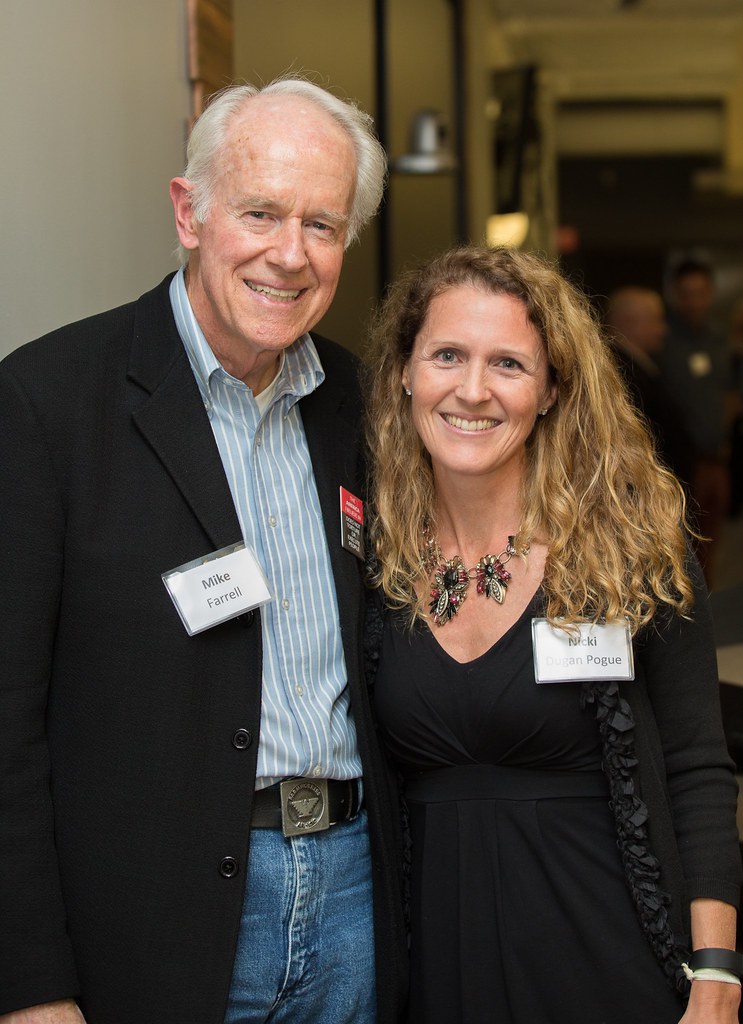
6. **Mike Farrell as Captain B.J. Hunnicutt**Stepping into the considerable shoes of Wayne Rogers, Mike Farrell joined the M*A*S*H cast as Captain B.J. Hunnicutt, a surgeon who quickly became Hawkeye Pierce’s new best friend and surgical partner. Farrell appeared in 183 episodes, from season 4 through the series finale in season 11, and his character brought a different dynamic to the 4077th. Unlike Trapper, B.J. was a devoted family man, whose longing for his wife Peg and daughter Erin provided a poignant emotional depth to the series.
B.J.’s arrival marked a subtle yet significant shift in the show’s character dynamics. The context notes that while Trapper John had been Hawkeye’s partner in “high jinks and womanizing,” B.J. offered Hawkeye “a more mature best friendship.” This allowed the writers to explore more profound themes of camaraderie, responsibility, and the emotional toll of war on individuals far from their loved ones, further solidifying the show’s move toward “dramedy.”
Farrell’s performance was instrumental in maintaining the show’s core relationships while evolving its narrative focus. His character, as a civilian draftee, continued to represent the unwilling participants in the war, often voicing the frustrations and desires for peace that resonated with contemporary audiences. His quiet integrity and unwavering commitment to his family provided a powerful contrast to the ever-present chaos of the M*A*S*H unit.
Mike Farrell has remained a prominent figure in the M*A*S*H legacy, actively participating in various retrospective events. He notably hosted the “M*A*S*H: 30th Anniversary Reunion” in 2002, where he had the opportunity to interact with Wayne Rogers, the actor he replaced, showcasing the continuity and camaraderie of the cast. Furthermore, he reunited with Loretta Swit and William Christopher at the Malibu Creek State Park set in 2008 to celebrate its partial restoration. Most recently, the context confirms that Farrell was a featured cast member, providing exclusive new interviews, in “M*A*S*H: When Television Changed Forever,” a one-hour retrospective commemorating the show’s 50th anniversary in 2022, indicating his continued active presence and enduring connection to the series. The context does not provide information about his passing.
Read more about: Loretta Swit, the Emmy-Winning ‘Hot Lips’ Houlihan of ‘M.A.S.H.’, Dies at 87, Leaving a Legacy of Versatility and Impact

7. **Harry Morgan as Colonel Sherman T. Potter**When McLean Stevenson departed M*A*S*H after its third season, the series faced the daunting task of replacing its beloved commanding officer. Enter Harry Morgan as Colonel Sherman T. Potter, a seasoned, no-nonsense yet deeply compassionate career soldier who took the helm of the 4077th. Morgan, already an acclaimed actor, appeared in 182 episodes from season 4 through 11, brilliantly filling the void and establishing a new, vital leadership presence for the unit.
Colonel Potter’s character provided a refreshing contrast to Henry Blake’s laid-back style. As a voluntary enlistee and a “regular Army” character, Potter brought a sense of military order and gravitas, yet his underlying warmth, artistic hobbies, and deep care for his personnel quickly endeared him to both the camp and the audience. He served as a stable, paternal figure amidst the shifting dynamics of the later seasons, offering guidance and a steady hand during the constant influx of casualties and emotional turmoil.
Morgan’s ability to balance humor with moments of profound dramatic weight was exemplary, enriching the show’s evolving “dramedy” identity. His performance earned him widespread recognition, including an Emmy for Outstanding Supporting Actor in a Comedy or Variety or Music Series in 1980, underscoring his significant impact on the series’ later success. He candidly admitted that by season 9 (1980–1981), he felt “the cracks were starting to show,” acknowledging the creative challenges the long-running series faced.
Harry Morgan’s indelible portrayal of Colonel Potter ensured that the leadership of the 4077th remained compelling and authentic throughout its run. While the context provides no information about his passing, his Emmy-winning work and his candid reflections on the show’s trajectory stand as a testament to his enduring legacy within the M*A*S*H universe. His steady hand helped guide the series through its later seasons, leaving an unforgettable mark.
Read more about: Loretta Swit, the Emmy-Winning ‘Hot Lips’ Houlihan of ‘M.A.S.H.’, Dies at 87, Leaving a Legacy of Versatility and Impact

8. **David Ogden Stiers as Major Charles Emerson Winchester III**Following Larry Linville’s departure, M*A*S*H introduced another pivotal character to balance the surgical team: Major Charles Emerson Winchester III, portrayed with exquisite precision and aristocratic flair by David Ogden Stiers. Appearing in 133 episodes from season 6 through 11, Winchester arrived as a highly skilled, Harvard-educated surgeon whose upper-crust demeanor and disdain for the rustic conditions of the 4077th provided a rich new source of comedic friction and dramatic exploration.
Winchester was a brilliant addition to the cast, serving as a sophisticated, albeit often snobbish, counterpoint to Hawkeye and B.J.’s more egalitarian sensibilities. His character was instrumental in deepening the show’s capacity for social commentary, as he frequently demonstrated the “various American civilian attitudes toward Army life” through his refined tastes, intellectual pursuits, and thinly veiled contempt for the perceived vulgarity of his colleagues. Despite his often-cold exterior, Stiers’s performance occasionally revealed a hidden empathy, particularly when confronted with the raw suffering of the war.
Stiers’s nuanced portrayal allowed Winchester to evolve from a one-dimensional antagonist into a more complex figure, capable of both great arrogance and surprising acts of kindness. His presence significantly contributed to the “greater weighting of drama in later series M*A*S*H,” as the clash between his intellectualism and the brutal reality of the front lines often led to profound and moving moments, pushing the boundaries of the sitcom format. His character was integral to the post-Gelbart/Reynolds era, shaping the show’s dramatic growth.
David Ogden Stiers’s contribution extended beyond his captivating acting; his character’s iconic possessions, such as “Major Winchester’s Webcor tape recorder and phonograph,” were even featured in the “M*A*S*H: Binding Up the Wounds” exhibition at the National Museum of American History. The context provided does not offer details about David Ogden Stiers’s passing. However, his sophisticated and often hilarious portrayal of Major Charles Emerson Winchester III remains a critical element in M*A*S*H’s enduring appeal, cementing his status as one of television’s most memorable characters.
As we reflect on the incredible journey through the lives and legacies of the M*A*S*H cast, it becomes abundantly clear that this series was far more than just a television show. It was a groundbreaking ensemble piece, a powerful commentary on the human condition during wartime, and a testament to the extraordinary talent of the actors who brought these unforgettable characters to life. From the cynical wit of Hawkeye to the aristocratic charm of Winchester, each member of the 4077th left an indelible mark, not just on the fictional Korean landscape, but on the hearts and minds of millions of viewers worldwide. Their collective genius allowed M*A*S*H to transcend its genre, offering laughter, tears, and profound insights that continue to resonate decades later. It’s a truly remarkable achievement that their work continues to educate and entertain, sparking curiosity and wonder about the world they so brilliantly created.