The roar of a powerful V8 engine, the scent of burning rubber, and the thrill of raw, unadulterated speed — these are the sensations that define the golden era of American muscle cars. Born in the late 1940s and reaching their zenith in the subsequent two decades, muscle cars embodied a unique philosophy: delivering extremely high-performance vehicles at an accessible price point. This ambition fueled a fierce competition among the US automobile giants, often referred to as the ‘Big Three,’ as they innovated with potent engines housed in relatively lightweight, bare-bones bodies.
In this chaotic, exhilarating period of automotive innovation, a few extraordinary machines emerged that pushed the boundaries of performance and exclusivity. While thousands of muscle cars rolled off assembly lines, a select handful were produced in such minuscule numbers that they have since ascended to legendary status. These are not merely cars; they are artifacts of a bygone era, engineering marvels, and testaments to the audacious spirit of American automotive design. Their scarcity makes them unicorns, commanding millions when they appear at auction.
Join us on an immersive journey as we meticulously explore some of the rarest muscle cars the ‘Big Three’ ever conceived. From one-off experimental models to limited-run homologation specials, each vehicle on this list tells a captivating story of ambition, innovation, and unparalleled power. We’ll delve into their specifications, their historical significance, and what makes them such prized possessions for enthusiasts and collectors worldwide. Prepare to be amazed by these exceptionally rare American automotive icons.
1. **Shelby Mustang GT500 Super Snake (1967)**
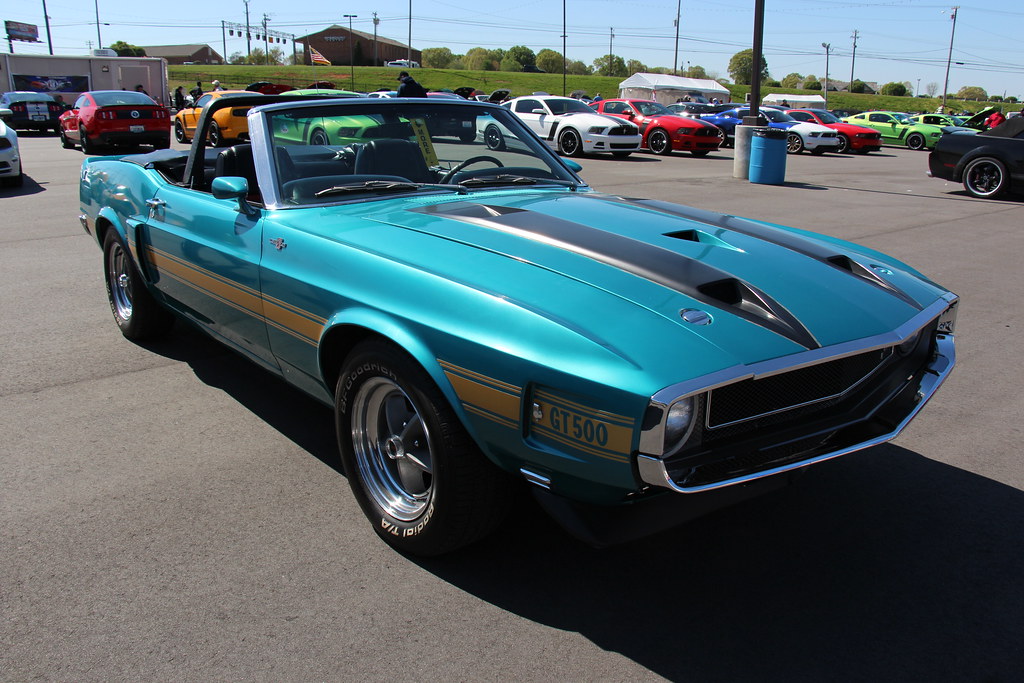
When discussing the absolute pinnacle of muscle car rarity, the 1967 Shelby Mustang GT500 Super Snake stands alone. With only a single example ever produced, it is quite literally a one-of-one masterpiece, conceived during a period when Carroll Shelby was already elevating the Mustang to iconic performance heights. This singular vehicle represents an audacious experiment, marrying the formidable GT500 chassis with an engine of unparalleled racing pedigree, pushing the boundaries of what a road-legal car could be.
The genesis of the Super Snake was a unique collaboration between Carroll Shelby and Goodyear, intended to promote their new line of economy Thunderbolt tires. To demonstrate the tires’ durability and performance, Shelby decided to create something truly spectacular. He took a GT500 and, in a stroke of engineering brilliance, installed a 427 ci V-8 engine directly sourced from the legendary Ford GT40 MkII race car – the very car that had swept the podium at the 24 Hours of Le Mans. This was not merely an engine swap; it was an infusion of pure racing DNA into a street-legal machine.
The ultimate test for this extraordinary creation involved running the car for 500 miles at a blistering speed of 142 mph. The goal was to ascertain whether Goodyear’s new tires possessed the structural integrity to withstand such extreme conditions. Remarkably, the test run was a resounding success, with the tires retaining an astonishing 97% of their original tread. This feat alone cemented the Super Snake’s reputation as a marvel of both power and endurance, a testament to Shelby’s engineering prowess and Goodyear’s tire technology.
Ford initially harbored plans to produce 50 units of this super-powerful car. However, the dream was ultimately shelved due to the astronomical cost of building each unit, which was twice that of a normal GT500. This economic reality inadvertently sealed the fate of the Super Snake as a singular, irreplaceable artifact. Its unique backstory, unparalleled performance credentials, and extreme rarity have made it one of the most desirable and valuable muscle cars in existence, demonstrated by its sale for a cool $2.2 million in 2019.
Car Model Information: 2017 Honda Accord Touring
Name: Shelby Mustang
Caption: 1965 Shelby Mustang GT350
Manufacturer: Unbulleted list
Aka: Unbulleted list
Production: Unbulleted list
Designer: John Chun
Assembly: Unbulleted list
Class: Unbulleted list
Platform: Unbulleted list
Related: Ford Mustang (first generation),Ford Mustang (fifth generation)
Layout: Front-engine, rear-wheel-drive layout
Categories: 1970s cars, 2000s cars, 2010s cars, 2020s cars, All Wikipedia articles written in American English
Summary: The Shelby Mustang is a high-performance variant of the Ford Mustang built by Shelby American from 1965 to 1967 and by the Ford Motor Company from 1968 to 1970.
In 2005, Ford revived the Shelby nameplate for a high-performance model of the fifth-generation Ford Mustang.
Get more information about: Shelby Mustang
Buying a high-performing used car >>>
Brand: Shelby Model: Mustang GT500 Super Snake
Price: $19,960 Mileage: 86,317 mi.
Read more about: Rev Up for 2025: 12 Sports Cars That Will Electrify Your Driving Experience and Set the Roads Ablaze

2. **1970 Chrysler 300 Hurst Convertible**
Amidst the raw power and aggressive styling of muscle cars, a unique blend of luxury and performance emerged in the form of the 1970 Chrysler 300 Hurst Convertible. This particular model stands as a testament to exclusivity, being a one-off creation originally designed not for the drag strip, but for a rather more glamorous purpose: wowing crowds at parades. Its existence is a curious footnote in muscle car lore, showcasing how even the Big Three’s most powerful offerings could be reimagined for specialized roles.
The Chrysler 300 Hurst Convertible was instantly recognizable by its famous white and gold color scheme, a signature aesthetic for Hurst collaborations that exuded both elegance and undeniable authority. This striking visual package signaled a departure from the typical, more understated luxury of a standard 300, hinting at the performance capabilities lurking beneath its polished exterior. It was a car that demanded attention, perfectly suited for its original role as a crowd-pleaser.
Underneath its luxurious exterior, this unique convertible housed a formidable 440 Magnum V8 engine. While the vehicle’s primary function might have been ceremonial, Chrysler and Hurst ensured it retained the muscle car spirit through its robust powertrain. This combination of upscale features and serious horsepower made it a distinctive offering, appealing to an audience that appreciated both refinement and raw power in equal measure, even if its true performance potential was rarely fully unleashed.
Today, this solitary 1970 Chrysler 300 Hurst Convertible continues to captivate enthusiasts around the globe. Its unique story, stunning appearance, and the fact that it is a singular creation from a collaboration between two legendary names in American automotive history have cemented its place as a prized collectible. It represents a fascinating intersection of luxury, performance, and promotional spectacle, a true unicorn that bridges the gap between show car and muscle machine.
Car Model Information: 2017 Honda Accord Touring
Name: Chrysler 300
Caption: 1971 Chrysler 300
Production: 1962–1971
Assembly: Jefferson North Assembly#Jefferson Avenue Assembly,Detroit,Michigan,United States
Manufacturer: Chrysler Corporation
Predecessor: Chrysler Saratoga
Successor: Chrysler Cordoba
Class: Fullsize car,Muscle car
BodyStyle: hardtop
Layout: Front-engine, rear-wheel drive layout
Related: Imperial (automobile),Chrysler New Yorker,Chrysler Newport,Chrysler Saratoga
Categories: 1960s cars, 1970s cars, Articles with short description, CS1 errors: generic name, Chrysler vehicles
Summary: The Chrysler 300 (Chrysler 300 Sport Series) is a full-size automobile produced by Chrysler from 1962 until 1971. It was a continuation of the earlier Chrysler 300 letter series. Chrysler decided to consolidate its product line and the sedan replaced the 1961 Chrysler Windsor, which itself filled the place in Chrysler’s line previously occupied by the Saratoga just the year before that (1960) and also filled in for the discontinued DeSoto product line. At the time, it was considered a luxurious “muscle car”, with all the performance of the Dodge and Plymouth products of the time, but with the luxury features expected of the Chrysler name.
The 300 was positioned as a more affordable version of the exclusive 300 “letter series”, and a sporty variant of a full-size automobile, adding 4-door hardtop version and running alongside that model until its discontinuation in 1966. It became the sole 300 model until 1971, when production ended. The 300 name returned to the Chrysler line in 1979 as an option package on the Cordoba coupe.
Get more information about: Chrysler 300 non-letter series
Buying a high-performing used car >>>
Brand: Chrysler Model: 300 Hurst Convertible
Price: $19,960 Mileage: 86,317 mi.
Read more about: Revving Up History: Unearthing the Forgotten Engines That Forged American Muscle Legends
3. **1966 Shelby Cobra 427 Super Snake**
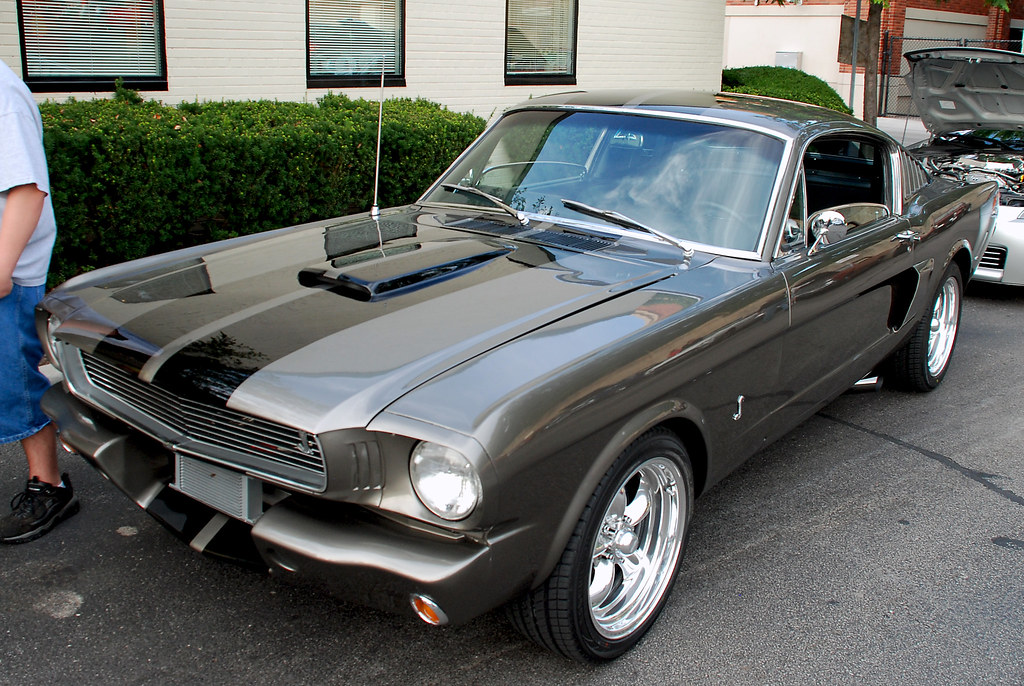
The 1966 Shelby Cobra 427 Super Snake is not merely a rare car; it is an untamed beast, an icon of raw, unadulterated American power that pushed the limits of what was considered road-legal. With only two units ever produced, this machine represents Carroll Shelby’s audacious vision to fuse the blistering performance of a race car with just enough civility to be driven on public roads, resulting in one of the most extreme and legendary performance vehicles ever conceived.
The design of the Shelby Cobra Super Snake was fundamentally rooted in the already formidable S/C model, a track-focused variant renowned for its aggressive capabilities. To transition this purebred racer into something minimally road-legal, Shelby’s team meticulously added essential components such as mufflers to quiet its thunderous exhaust, a windshield for visibility, and bumpers for basic compliance. These modifications, however, did little to dilute the car’s inherent ferocity; they merely provided a thin veneer of street-friendliness.
What truly set the Super Snake apart was its engine: a monstrous 7.0-liter V-8 unit, further boosted by a pair of Paxton superchargers. This formidable powertrain unleashed an incredible surge of power, allowing the car to rocket from 0 to 60 mph in approximately three seconds and achieve a top speed tantalizingly close to 200 mph. This level of performance was groundbreaking for its era, positioning the Super Snake as one of the fastest and most thrilling machines money could buy, a true testament to over-the-top engineering.
The legend of the Super Snake is further embellished by the famous anecdote involving comedian Bill Cosby. Shelby gifted one of the two units to his close friend, but Cosby quickly found the car too difficult and intimidating to maneuver, famously returning it. His humorous recounting of the experience in his 1968 album “200 MPH” only added to the car’s mythical status. Tragically, the other unit was involved in a devastating crash and deemed beyond repair, leaving the Shelby-owned Cobra Super Snake as the sole surviving example, which commanded an astonishing $5.5 million at auction in 2021.
Car Model Information: 2017 Honda Accord Touring
Caption: AC Cobra 427
Layout: front-engine, rear-wheel drive layout
Manufacturer: AC Cars,Shelby American
Production: 1965–1967
Name: MkIII
Aka: AC Shelby Cobra , Shelby AC Cobra
BodyStyle: Roadster (automobile)
Assembly: Thames Ditton,Surrey,England
Predecessor: AC Ace
Class: Sports car
Successor: AC MK IV
Related: AC 428,Shelby Daytona
Engine: cvt,V8 engine
Wheelbase: cvt
Length: cvt
Width: cvt
Height: cvt
Weight: cvt
Categories: 1960s cars, AC vehicles, All articles with unsourced statements, Articles with short description, Articles with unsourced statements from December 2014
Summary: The AC Cobra, sold in the United States as the Shelby Cobra and AC Shelby Cobra, is a sports car manufactured by British company AC Cars, with a Ford V8 engine. It was produced intermittently in both the United Kingdom and later the United States since 1962.
Get more information about: AC Cobra
Buying a high-performing used car >>>
Brand: Shelby Model: Cobra 427 Super Snake
Price: $19,960 Mileage: 86,317 mi.
Read more about: Rev Up for 2025: 12 Sports Cars That Will Electrify Your Driving Experience and Set the Roads Ablaze

4. **1969 Chevrolet Corvette ZL1**
The 1969 Chevrolet Corvette ZL1 stands as one of the rarest and most legendary Corvettes ever built, a testament to Chevrolet’s relentless pursuit of performance during the muscle car era. With only two units ever produced – one convertible and one coupe – this car’s extreme scarcity is directly attributable to the staggering cost of its revolutionary engine package, making it more exclusive than almost any other vehicle in the Corvette lineage.
The genesis of the ZL1 was fueled by a vision within Chevrolet to dominate the Canadian-American racing circuit. Vince Piggins, Chief of the Product Performance Division, championed the idea of replacing the legendary L88 engine with an all-aluminum big-block. This lobbying effort culminated in the 1969 ZL1 Corvette, packed with a new big-block engine option. This all-aluminum 427 C.I. engine featured a dry-sump oil system, weighed 100 pounds less than the L88, and boasted sturdier connecting rods and open-chamber heads, representing a significant leap in racing engine technology.
While Chevrolet officially rated the ZL1 engine at 430 horsepower – the same as the L88 – many experts contend that its true output was significantly higher, estimated to be between 560 and 585 horsepower. This deliberate underrating was a common tactic to manage official compliance and potentially deter the general public, drawing in serious race teams instead. The cost of this engine package alone was an eye-watering $4,700, which in 1969 was nearly equivalent to $40,000 today, and incredibly, more expensive than an entire base model 1969 Corvette.
Due to its incredible performance, groundbreaking engineering, and almost prohibitive price tag, the 1969 Corvette ZL1 quickly became a legend among collectors. The convertible variant, a meticulously restored example, recently fetched an astounding $3.14 million at an RM Sotheby’s auction. Its rarity is further underscored by the fact that ZL1 Corvettes required several mandatory options, including the G81 Positraction Rear Axle, J56 Special Heavy-Duty Brakes, and F41 Special Front and Rear Suspension, ensuring that these few cars were comprehensively built for extreme performance.
Car Model Information: 2017 Honda Accord Touring
Name: Chevrolet Corvette (C3)
Caption: 1973 Chevrolet Corvette Stingray
Manufacturer: Chevrolet
Aka: Chevrolet Corvette Stingray,(1968–76)
Production: August 1967 – October 1982
ModelYears: 1968–82
Platform: General Motors Z platform
Assembly: St. Louis Truck Assembly,Bowling Green Assembly Plant
Predecessor: Chevrolet Corvette (C2)
Successor: Chevrolet Corvette (C4)
Class: Sports car
BodyStyle: Convertible (car),coupé
Layout: Mid-engine design
Engine: {{cvt,305,cuin,L,1,Chevrolet small-block engine (first- and second-generation)#LG4,V8 engine
Transmission: manual transmission,manual transmission,Turbo-Hydramatic,Automatic transmission
Wheelbase: cvt
Length: {{cvt,182.1,in,mm,0
Width: {{cvt,69.2,in,mm,0
Height: {{cvt,47.8,in,mm,0
Weight: cvt
Designer: GM & Chevrolet design staff,Zora Arkus-Duntov,Bill Mitchell (designer)
Categories: 1970s cars, 1980s cars, All articles with unsourced statements, Articles with short description, Articles with unsourced statements from April 2024
Summary: The Chevrolet Corvette (C3) is the third generation of the Corvette sports car that was produced from 1967 until 1982 by Chevrolet for the 1968 to 1982 model years. Engines and chassis components were mostly carried over from the previous generation, but the body and interior were new. It set new sales records with 53,807 produced for the 1979 model year. The C3 was the second Corvette to carry the Stingray name, though only for the 1969–76 model years. This time it was a single word as opposed to Sting Ray as used for the 1963–67 C2 generation. The name was then retired until 2014 when it returned with the release of the C7.
The most expensive Corvette C3 to sell in history was a 1969 L88 Lightweight, one of only four lightweight L88s to be produced. It was sold by Barrett-Jackson in January 2014 for $2,860,000 (£1,728,941).
Get more information about: Chevrolet Corvette (C3)
Buying a high-performing used car >>>
Brand: Chevrolet Model: Corvette ZL1
Price: $19,960 Mileage: 86,317 mi.
Read more about: Revving Up History: Unearthing the Forgotten Engines That Forged American Muscle Legends
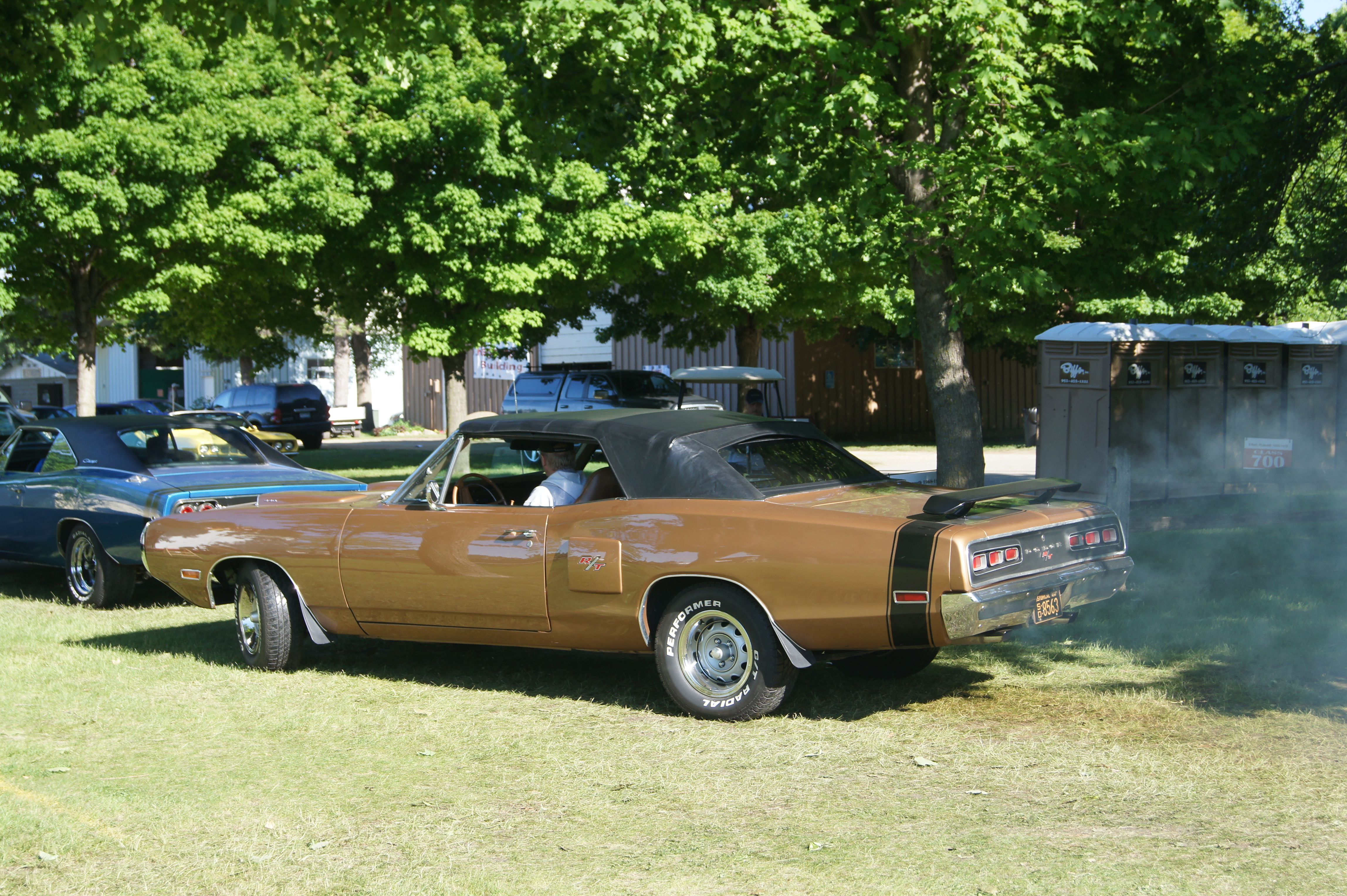
5. **1970 Dodge Coronet R/T Convertible**
The 1970 model year of the Dodge Coronet R/T Convertible is an exceptionally rare find, a true gem in the pantheon of American muscle cars. While competing models like the Chevy Chevelle LS6 might have seen relatively low production numbers, Dodge took exclusivity to an entirely different level, churning out a mere two units of this potent convertible in 1970. This extreme scarcity contributes significantly to its near-mythical status and colossal value in today’s collector market.
The primary driver behind such incredibly limited production numbers was, unequivocally, the cost of the HEMI V8 engine option. This formidable powertrain, renowned for its brute force and engineering superiority, came with a hefty price tag in 1970 – an additional $718. This figure, equivalent to approximately $5,600 in today’s money, represented a premium upgrade for the already high-performance 425-horsepower engine, making it a luxurious and exclusive choice that only a handful of buyers could or would justify.
Beyond its rarity, the 1970 Dodge Coronet R/T Convertible represented the pinnacle of Dodge’s performance-oriented offerings for the Coronet line. The R/T, or ‘Road and Track,’ designation signaled a car built for serious speed and handling, equipped with distinctive styling cues and, most importantly, the legendary HEMI V8. Its presence, even in such limited numbers, spoke volumes about Dodge’s commitment to delivering top-tier muscle to enthusiasts who sought the ultimate in factory-engineered power.
This inherent exclusivity has undeniably propelled the value of the ’70 Coronet R/T Convertible to stratospheric levels over time. While a HEMI-equipped Coronet hardtop coupe managed to fetch an impressive $305,000 at a Mecum auction in 2014, the convertible variants are expected to command even higher figures. Given that this previous sale occurred over a decade ago, automotive experts and collectors widely anticipate that a 1970 HEMI Coronet Convertible could very well surpass the coveted $1 million mark in today’s fiercely competitive market, solidifying its place as one of the most desirable muscle cars ever.
Car Model Information: 2017 Honda Accord Touring
Name: Dodge Coronet
Caption: 1967 Dodge Coronet R/T
Manufacturer: Dodge
Production: 1949–1959,1965–1976
Class: Full-size
Predecessor: Dodge Custom
Successor: Dodge Dart
Layout: FR layout
Categories: 1950s cars, 1970s cars, All articles with dead external links, All articles with unsourced statements, Articles with dead external links from June 2016
Summary: The Dodge Coronet is an automobile that was marketed by Dodge in seven generations, and shared nameplates with the same bodyshell with varying levels of equipment installed. Introduced as a full-size car in 1949, it was the division’s highest trim line and moved to the lowest level starting in 1955 through 1959. The name was reintroduced on intermediate-sized models from the 1965 until 1976 model years. Muscle car versions were available starting in 1965 with the 383 and 426 wedge cu in (7.0 L) Chrysler RB engine, followed in 1966 by the powerful 426 cu in (7.0 L) Chrysler Hemi. Other performance models included the “Superbee”, and featured, the 383 cu in (6.3 L) Magnum, among other engine options. The nameplate “coronet” is a type of crown worn by royalty.
In the 1980s, the Coronet was used on Dodge models marketed in Colombia.
Get more information about: Dodge Coronet
Buying a high-performing used car >>>
Brand: Dodge Model: Coronet R/T Convertible
Price: $19,960 Mileage: 86,317 mi.
Read more about: Get Ready to Rev Your Engines: A Deep Dive Into Val Kilmer’s Jaw-Dropping Car Collection, Both On-Screen and Off!

6. **1966 Dodge Coronet Hemi four-door sedan**
In an era defined by two-door coupes and flamboyant designs, the 1966 Dodge Coronet Hemi four-door sedan emerges as one of the most surprising and profoundly rare muscle cars ever created. With a mere two units ever made, this vehicle is the quintessential “factory sleeper” – an unassuming family sedan cloaking a pavement-pounding, high-performance secret under its hood. Its existence challenges the conventional image of a muscle car, making it a unique and historically significant anomaly from the Big Three.
What makes this particular Coronet sedan so extraordinary is the powerplant it housed: the legendary 426 Hemi engine. This monstrous V8 was known for its incredible output and was typically reserved for Dodge’s most aggressive, track-oriented models. To find it nestled within the confines of a four-door sedan is a testament to the diverse and sometimes unconventional experiments undertaken by automobile companies during the chaotic muscle car wars. It was, in essence, a wolf in sheep’s clothing, ready to shock unsuspecting challengers on the street.
The decision by Dodge to produce such a vehicle, even in such limited numbers, highlights a fascinating aspect of muscle car culture: the desire for understated power. While many enthusiasts craved overt displays of horsepower, a select few appreciated the subtlety of a car that could blend in yet possess the capability to dominate. This Coronet sedan perfectly embodied that ethos, offering a unique blend of practicality and ferocious performance that few other vehicles of its time could match.
Its extreme rarity, combined with the sheer audacity of its configuration, places the 1966 Dodge Coronet Hemi four-door sedan in a class of its own. It’s not just a rare car; it’s a conversation piece, a symbol of a brief moment when manufacturers dared to experiment with power in unexpected packages. For serious collectors, this sedan represents a deeply intriguing piece of automotive history, a powerful reminder that true muscle could manifest in the most surprising of forms, challenging perceptions of what a performance vehicle could be.
Our journey through the extraordinary landscape of American muscle cars continues, moving now to uncover even more exceptionally scarce models that define the golden age of performance. While the previous section delved into the absolute rarest, with production numbers often in the single digits, this segment expands our horizons to include vehicles whose limited runs still make them coveted treasures. These are machines that, despite slightly higher production figures, remain incredibly difficult to find and are deeply woven into the fabric of automotive lore. Each car on this list tells a captivating story of engineering prowess, audacious design, and a relentless pursuit of speed that continues to mesmerize enthusiasts and collectors worldwide.
Car Model Information: 1967 Dodge Coronet Restomod
Name: Dodge Coronet
Caption: 1967 Dodge Coronet R/T
Manufacturer: Dodge
Production: 1949–1959,1965–1976
Class: Full-size
Predecessor: Dodge Custom
Successor: Dodge Dart
Layout: FR layout
Categories: 1950s cars, 1970s cars, All articles with dead external links, All articles with unsourced statements, Articles with dead external links from June 2016
Summary: The Dodge Coronet is an automobile that was marketed by Dodge in seven generations, and shared nameplates with the same bodyshell with varying levels of equipment installed. Introduced as a full-size car in 1949, it was the division’s highest trim line and moved to the lowest level starting in 1955 through 1959. The name was reintroduced on intermediate-sized models from the 1965 until 1976 model years. Muscle car versions were available starting in 1965 with the 383 and 426 wedge cu in (7.0 L) Chrysler RB engine, followed in 1966 by the powerful 426 cu in (7.0 L) Chrysler Hemi. Other performance models included the “Superbee”, and featured, the 383 cu in (6.3 L) Magnum, among other engine options. The nameplate “coronet” is a type of crown worn by royalty.
In the 1980s, the Coronet was used on Dodge models marketed in Colombia.
Get more information about: Dodge Coronet
Buying a high-performing used car >>>
Brand: Dodge Model: Coronet
Price: $46,500 Mileage: 2,818 mi.
Read more about: High-Performance Thrills, Sensible Spends: 15 Cars That Rival the Porsche 911 Without the Hefty Price Tag

7. **1969 Chevrolet Camaro ZL-1**
While the Camaro nameplate might resonate differently in today’s automotive landscape, the 1960s and 1970s marked a completely different narrative for this iconic machine. During that exhilarating era, the Camaro stood shoulder to shoulder with revered competitors from Ford, Plymouth, Buick, and Dodge, firmly establishing itself as one of the most sought-after performance cars in the vibrant American muscle scene. The 1969 Chevrolet Camaro ZL-1, in particular, rose to prominence as a definitive pinnacle of this glorious golden age.
What truly cemented the ZL-1’s legendary status was its extreme exclusivity, with only 69 units ever rolling off the production line. This limited production instantly made it a highly desirable machine for serious performance enthusiasts. At its heart lay the legendary 427 cubic-inch all-aluminum ZL-1 big-block V8 engine, a powerhouse originally conceived and developed for the demanding world of racing, directly infusing purebred performance into a street-legal package.
This formidable engine closely resembled the equally renowned L88 427, but distinguished itself with a unique camshaft featuring slightly more lift and a shorter duration on the intake, enhancing its already potent capabilities. This meticulous engineering ensured the ZL-1 was not just a powerful car, but a finely tuned instrument of speed. Its unparalleled heritage and performance pedigree were underscored by a stunning Hugger Orange ZL-1 COPO Camaro, complete with a special ducted hood, which commanded an impressive $1,094,500 at a Barrett-Jackson auction in 2020.
Car Model Information: 2018 Chevrolet Camaro 1LS
Name: Chevrolet Camaro
Manufacturer: Chevrolet
Production: 1966–2002,2009–2023
ModelYears: 1967–2002,2010–2024
Class: Pony car
BodyStyle: coupe,convertible
Platform: GM F platform,GM Zeta platform,GM Alpha platform
Layout: Front-engine, rear-wheel-drive layout
Categories: 1970s cars, 1980s cars, 1990s cars, 2+2 coupés, 2000s cars
Summary: The Chevrolet Camaro is a mid-size American automobile manufactured by Chevrolet, classified as a pony car. It first went on sale on September 29, 1966, for the 1967 model year and was designed to compete with the Ford Mustang. The Camaro shared its platform and major components with the Firebird, produced by General Motors’ Pontiac division that was also introduced for the 1967 model year.
Four distinct generations of the Camaro were developed before production ended in 2002. The nameplate was revived on a concept car that evolved into the fifth-generation Camaro; production started on March 16, 2009.
Production of the sixth generation of the Camaro ended in December 2023, for the 2024 model year.
Get more information about: Chevrolet Camaro
Buying a high-performing used car >>>
Brand: Chevrolet Model: Camaro
Price: $18,785 Mileage: 69,196 mi.
Read more about: Revving Up History: Unearthing the Forgotten Engines That Forged American Muscle Legends
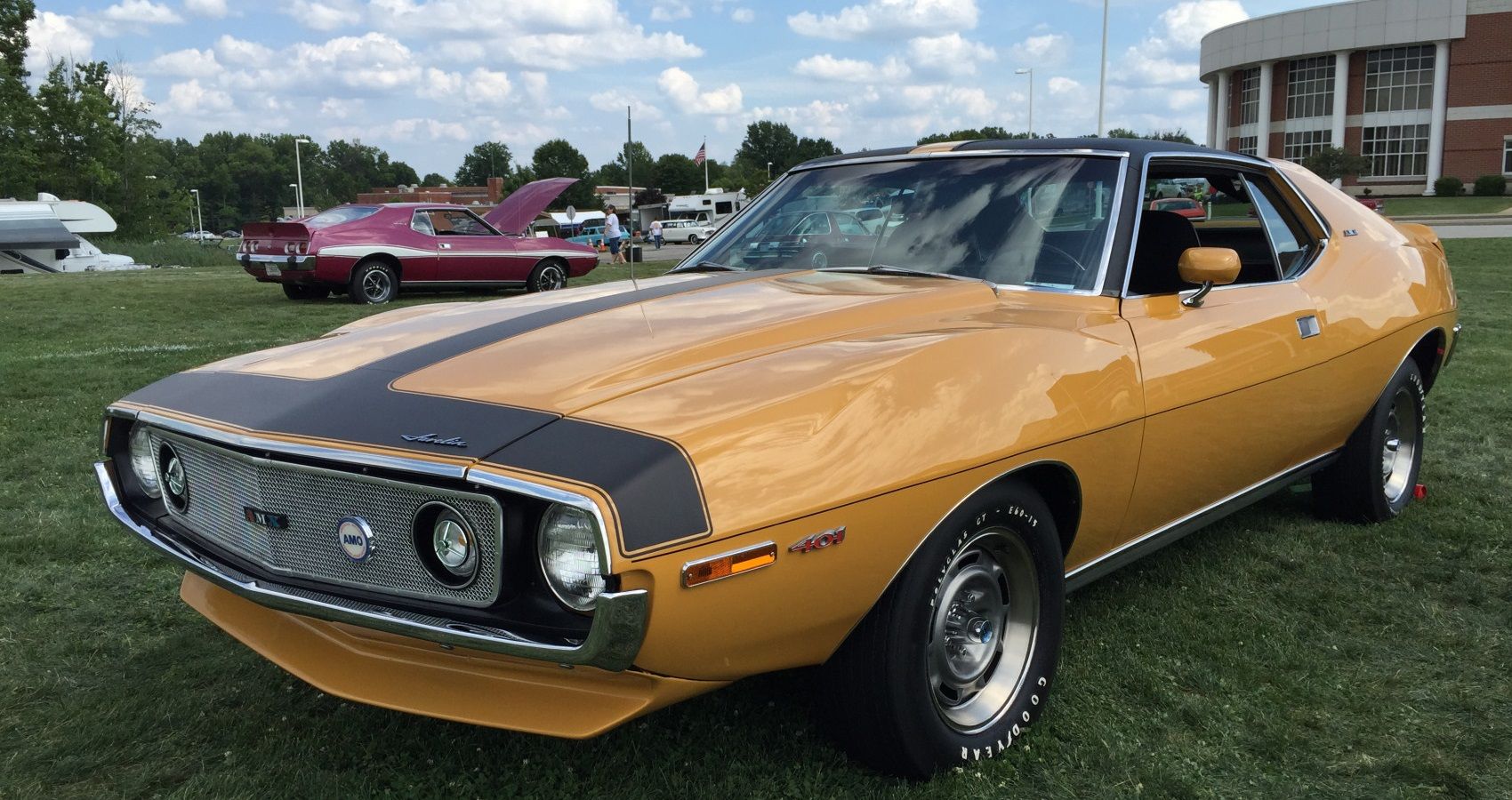
8. **1971 AMC “Matador Machine”**
The AMC Rebel Machine earned its place as a standout muscle car of the 1970s, making a bold statement with its performance. However, its successor, the Matador, has largely remained a relatively obscure footnote in muscle car history, making its rare variants all the more fascinating. Even scarcer and far more intriguing was the 1971 Matador when it was equipped with the highly sought-after sporty “Machine Go Package,” transforming the understated sedan into a genuine contender.
Underneath its somewhat unassuming exterior, the Matador Machine’s robust 6.6-liter V8 engine already packed a significant punch, delivering formidable power. However, it was the addition of the “Machine Go Package” that truly elevated its performance credentials to muscle car levels. This special package introduced a suite of critical upgrades designed to enhance every aspect of its drive, ensuring it could hold its own against the fiercest competitors of its day.
Key enhancements included a performance-oriented four-barrel carburetor, providing improved fuel delivery and horsepower, alongside front disc brakes for superior stopping power. The package also boasted dual exhausts, allowing the V8 to breathe more freely and produce a more aggressive sound, coupled with wider tires mounted on distinctive 15-inch slot-style wheels for enhanced grip. Further sharpening its dynamics was a dedicated handling package that incorporated a crucial rear sway bar, significantly improving cornering stability and overall responsiveness. A total of 68 AMC Matador Machines were produced, but according to Hagerty, only 24 of them were equipped with a 4-speed manual transmission, making those specific variants extraordinarily rare and highly prized by collectors.
Read more about: Buyer Beware: 12 Cars That Will Cost You a Fortune Before You Hit 50,000 Miles
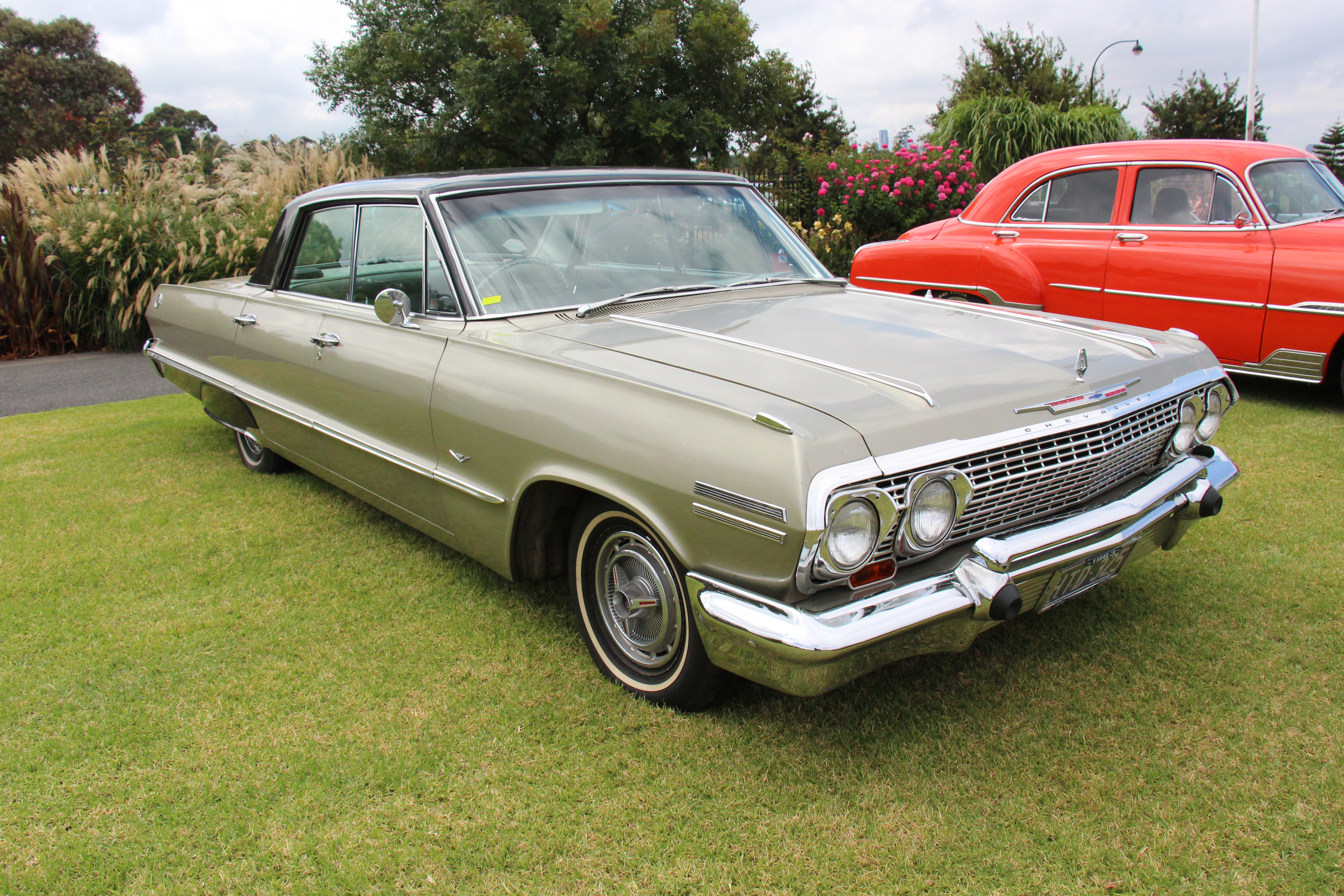
9. **1963 Chevrolet Impala Z11**
The 1963 Chevrolet Impala Z11 wasn’t just another performance car; it was a purpose-built drag-racing machine, meticulously engineered from the ground up with one goal in mind: to dominate the drag strip. Chevrolet developed the Z11 model as a direct and formidable competitor to the equally legendary Ford Thunderbolt, aiming to assert its prowess in the fiercely competitive world of straight-line acceleration.
This high-performance Impala introduced the Regular Production Option (RPO) Z11, a package that was nothing short of revolutionary for its time. It featured a monstrous Big-Block V8 engine with an extended stroke, designed for maximum torque and horsepower. Enhancing its breathing capabilities were a two-piece lifted aluminum intake manifold and a pair of dual four-barrel carburetors, ensuring an immense flow of air and fuel. Coupled with a redesigned intake system and a sky-high compression ratio of 13.5:1, this setup made the Z11 an absolute powerhouse.
To further sharpen its drag-racing edge, weight reduction became another paramount focus for Chevrolet’s engineers. A comprehensive effort was made to shed excess pounds, with many traditionally steel components being replaced by lighter aluminum. This included critical parts such as the fenders, bumpers, hood, various brackets, the grille, and all associated braces. Furthermore, luxury and convenience items like the radio, heater, sound-deadening materials, and even the front sway bar were entirely removed. These drastic changes collectively resulted in an impressive 300-pound weight reduction compared to a standard Impala, making the Z11 an agile and ferocious competitor.
The historical significance of the 1963 Impala Z11 is undeniable, particularly when considering its impact on drag racing history. The most expensive example sold to date fetched a remarkable $524,000 at auction in 2017. This specific model carried immense historical weight, being recognized as the very first serial-numbered RPO Z11 Impala ever built, a testament to its pioneering spirit. Adding to its allure, this particular car was famously driven by the celebrated drag racer Dave Stickler, further cementing its place as a revered artifact of automotive performance.
Car Model Information: 1963 Chevrolet Impala Base
Name: Chevrolet Impala
Caption: Fourth generation model (1967)
Manufacturer: Chevrolet
Production: 1957–1985,1994–1996,1999–2020
ModelYears: 1958–1985,1994–1996,2000–2020
Predecessor: Chevrolet Bel Air,Chevrolet Lumina#Second generation (1995–2001)
Successor: Chevrolet SS,Chevrolet Caprice
Platform: GM B platform,GM W platform,GM W platform (GMX211) (2005–2013),GM Epsilon platform#Epsilon II
Class: Full-size car,Mid-size car
Layout: Front-engine, rear-wheel-drive layout,Front-engine, front-wheel-drive layout
Categories: 1960s cars, 1970s cars, 1980s cars, 1990s cars, 2000s cars
Summary: The Chevrolet Impala () is a full-size car that was built by Chevrolet for model years 1958 to 1985, 1994 to 1996, and 2000 to 2020. The Impala was Chevrolet’s popular flagship passenger car and was among the better-selling American-made automobiles in the United States.
For its debut in 1958, the Impala was distinguished from other models by its symmetrical triple taillights. The Chevrolet Caprice was introduced as a top-line Impala Sport Sedan for model year 1965, later becoming a separate series positioned above the Impala in 1966, which, in turn, remained above the Chevrolet Bel Air and the Chevrolet Biscayne. The Impala continued as Chevrolet’s most popular full-sized model through the mid-1980s. Between 1994 and 1996, the Impala was revised as a 5.7-liter V8–powered version of the Chevrolet Caprice Classic sedan.
In 2000, the Impala was reintroduced again as a mainstream front-wheel drive car. In February 2014, the 2014 Impala ranked No. 1 among Affordable Large Cars in U.S. News & World Report’s rankings. When the 10th generation of the Impala was introduced for the 2014 model year, the 9th generation was rebadged as the Impala Limited and sold only to fleet customers through 2016. During that time, both versions were sold in the United States and Canada. The 10th-generation Impala was also sold in the Middle East and South Korea.
Get more information about: Chevrolet Impala
Buying a high-performing used car >>>
Brand: Chevrolet Model: Impala
Price: $89,991 Mileage: 15,837 mi.
Read more about: Unearthing the Thunder: 10 Forgotten Drag Cars That Dominated the Strip and Deserve a Roaring Comeback

10. **1969 Dodge Charger Daytona With Four-Speed Manual**
The original Dodge Charger Daytona stands as an enduring icon of American muscle, instantly recognizable by its distinctive aerodynamic styling. Adding to its mystique and desirability is the fact that it was produced for just one single model year, contributing significantly to its inherent rarity. Out of the 503 Daytonas that were meticulously manufactured in 1969, an exclusive subset of only 70 units were fortunate enough to be fitted with the awe-inspiring, high-performance 426 HEMI V8 engine, a powertrain synonymous with raw power and dominance.
However, even within that already exclusive group of HEMI-equipped Daytonas, true scarcity emerges when considering the transmission choice. An even more limited number, a mere 22 units, came factory-equipped with the more engaging and highly sought-after four-speed manual transmission. This particular combination transforms the Daytona into a quintessential ’60s American muscle car, offering an unparalleled and exhilarating driving experience that connects the driver directly to its immense power, making every shift a visceral engagement with automotive history.
The auction block has consistently affirmed the Charger Daytona’s legendary status and colossal value. The most expensive Dodge Charger Daytona sold to date was a truly stunning copper-colored example, which commanded an astounding $1.43 million at a Mecum Auctions event in 2023. Prior to this, the record was held by a meticulously restored model finished in an elegant Dark Green Metallic, which also fetched an impressive $1.43 million, showcasing the consistent demand for these rare machines. Interestingly, this Dark Green Metallic Daytona is now back on the market, creating a buzz among collectors as it aims to surpass its previous record, a testament to its enduring appeal and skyrocketing value.
Car Model Information: 2017 Honda Accord Touring
Name: Dodge Charger Daytona
Caption: 1969 Dodge Charger Daytona
Manufacturer: Dodge
Production: 1969–1970,2006–2009,2013,2017–2023
Class: Muscle car
Layout: FR layout
Categories: 1960s cars, 1970s cars, 2000s cars, All articles needing additional references, All articles with unsourced statements
Summary: Dodge produced three separate models with the name Dodge Charger Daytona, all of which were modified Dodge Chargers. The name was taken from Daytona Beach, Florida, which was an early center for auto racing and still hosts the Daytona 500, NASCAR’s premier event. The original Dodge Charger Daytona was designed to beat the competition in NASCAR racing. It was the first NASCAR vehicle to reach 200 miles per hour, which was a major milestone at the time.
Get more information about: Dodge Charger Daytona
Buying a high-performing used car >>>
Brand: Dodge Model: Charger Daytona
Price: $19,960 Mileage: 86,317 mi.
Read more about: Revving Up History: Unearthing the Forgotten Engines That Forged American Muscle Legends
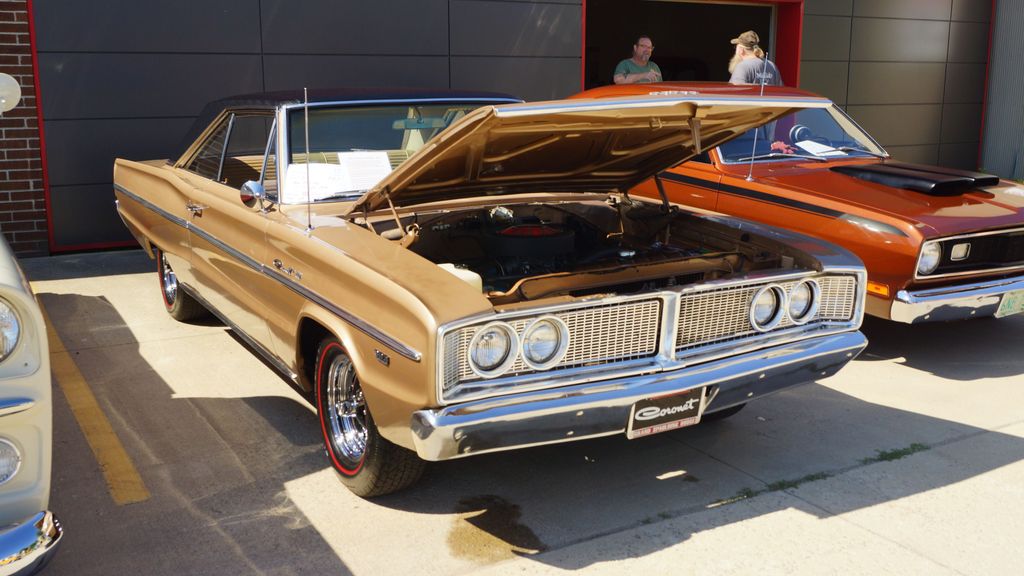
11. **1966 Dodge Coronet 440 Convertible**
The Dodge Coronet, while a classic example of an American muscle car, often found itself overshadowed by the sheer volume of powerful V8-equipped vehicles that roared out of Detroit during the fervent 1960s. Yet, Mopar, with its signature engineering prowess, significantly elevated the Coronet’s status by offering the formidable 426 HEMI V8 as an optional engine. This monstrous powerplant transformed the seemingly ordinary Coronet into a veritable sleeper powerhouse, arguably marking what could be considered Dodge’s very first true sleeper car – a subtle exterior hiding an unbridled beast within.
Delving into the production figures reveals the depth of its rarity: a total of 738 units of the 1966 Coronet were equipped with the revered HEMI V8. However, an even more exclusive subset emerges when considering the convertible variants, with only twelve of these open-top marvels ever produced. Within this scarce group, Dodge offered two distinct trim levels: the more luxurious Coronet 500 and the slightly more stripped-down Coronet 400. It is the Coronet 400 that truly stands out for its extreme rarity, with only six units ever produced, solidifying its position as one of the scarcest HEMI-powered convertibles of its entire era.
Valuing such an elusive gem can be challenging, as evidenced by its auction history. According to Hagerty, the highest recorded sale for a Coronet Convertible HEMI was in 2017, when a Coronet 500 trim model achieved $176,000 at an RM Sotheby’s auction. However, the even rarer Coronet 440 convertible models have appeared only infrequently at auctions, making it difficult to precisely determine their top market value. Nevertheless, given the robust and ever-increasing demand for rare American muscle cars, automotive experts widely anticipate that a 440 model, should one ever surface for sale, could command an even higher price, possibly soaring into the upper echelons of collector car values.
Car Model Information: 2017 Honda Accord Touring
Name: Dodge Coronet
Caption: 1967 Dodge Coronet R/T
Manufacturer: Dodge
Production: 1949–1959,1965–1976
Class: Full-size
Predecessor: Dodge Custom
Successor: Dodge Dart
Layout: FR layout
Categories: 1950s cars, 1970s cars, All articles with dead external links, All articles with unsourced statements, Articles with dead external links from June 2016
Summary: The Dodge Coronet is an automobile that was marketed by Dodge in seven generations, and shared nameplates with the same bodyshell with varying levels of equipment installed. Introduced as a full-size car in 1949, it was the division’s highest trim line and moved to the lowest level starting in 1955 through 1959. The name was reintroduced on intermediate-sized models from the 1965 until 1976 model years. Muscle car versions were available starting in 1965 with the 383 and 426 wedge cu in (7.0 L) Chrysler RB engine, followed in 1966 by the powerful 426 cu in (7.0 L) Chrysler Hemi. Other performance models included the “Superbee”, and featured, the 383 cu in (6.3 L) Magnum, among other engine options. The nameplate “coronet” is a type of crown worn by royalty.
In the 1980s, the Coronet was used on Dodge models marketed in Colombia.
Get more information about: Dodge Coronet
Buying a high-performing used car >>>
Brand: Dodge Model: Coronet 440 Convertible
Price: $19,960 Mileage: 86,317 mi.
Read more about: A Costly Lesson Learned: 15 New Cars Buyers Would “Unbuy” to Escape Terrible Fuel Economy

12. **1972 Buick GSX 455**
The Buick GSX entered the muscle car arena as a truly well-rounded contender, a rare feat in an era often dominated by raw power at the expense of other attributes. It brilliantly combined potent performance with striking aesthetics, superior handling capabilities, and a surprising degree of comfort qualities that were seldom found together in muscle cars of its time. Despite its inherent strengths, the GSX was produced in remarkably limited numbers, a factor that has only served to amplify its value and desirability over the decades.
The initial 1971 model year saw just 124 units built, establishing its exclusivity early on. However, it is the 1972 version that truly distinguishes itself as one of the rarest, with an even more constrained production run of only 44 units. Buyers in 1972 were presented with three distinct engine options, but among them, the most elusive was the potent 250-horsepower 455 V8-powered GSX. An incredibly scarce four units of this particular configuration were ever produced, making it a unicorn among muscle cars.
Adding another layer of exclusivity, only one of these four ultra-rare cars came equipped with a four-speed manual transmission, making it a singular masterpiece for enthusiasts seeking ultimate driver engagement. While there are currently no known public auction records specifically for this ultra-rare 250-horsepower GSX, other GSX models have undeniably been making significant waves in collector circles. For instance, the most expensive 1972 Buick GSX sold to date was a 350 CI V8-powered variant, which fetched an impressive $90,200 at a Mecum Auctions event in 2021. Given the burgeoning demand for classic American muscle cars, it is highly probable that if one of the elusive 250-horsepower GSX models were to ever surface for sale, it would command a significantly higher price, cementing its status as an undisputed automotive treasure.
Car Model Information: 2017 Honda Accord Touring
Name: Gran Sport
Logo: Buick gs emblem.png
Producttype: Performance car
Currentowner: General Motors
Producedby: General Motors
Introduced: [object Object]
Related: T-Type
Markets: U.S.
Categories: All Wikipedia articles in need of updating, All articles with unsourced statements, Articles with short description, Articles with unsourced statements from September 2020, Articles with unsourced statements from September 2025
Summary: The Gran Sport name has been used on several high-performance cars built by General Motors for its Buick brand since 1965. In the GM brands hierarchy, Buick was surpassed in luxury and comfort appointments only by Cadillac, which did not produce performance models. As a result, the Buick GS series were the most opulently equipped GM sport models of their era.
The Gran Sport performance enhancements on all Buick products during this era sought to affirm Buick’s tradition of producing powerful and comfortable products going back to the 1930s when all Buicks of the time were upgraded to the Buick Fireball Straight Eight, then installed the 278 cu in (4.6 L) Roadmaster engine in the shortest model Special and introduced the Century, known as “the banker’s hot rod” with a three speed synchromesh manual transmission. The Gran Sport sought to identify cars that were fun to drive with a luxury approach.
Get more information about: Buick Gran Sport
Buying a high-performing used car >>>
Brand: Buick Model: GSX 455
Price: $19,960 Mileage: 86,317 mi.
Read more about: Under the Hood: Unmasking 7 Overrated American Cars and Celebrating 7 Overlooked Gems That Deserve Your Attention
As we bring this extensive exploration to a close, it’s clear that the allure of these rare American muscle cars transcends mere mechanics and horsepower. They are not just vehicles; they are thundering monuments to a bygone era of audacious engineering, unrestrained competition, and the relentless pursuit of performance. From the first spark of an idea in a designer’s mind to the roar of a monstrous V8 at full throttle, each of these machines represents a unique chapter in automotive history, a testament to the ingenuity of the ‘Big Three’ and the passion of a generation. Their rarity today only amplifies their legend, turning once-expensive factory specials into priceless artifacts that continue to captivate and inspire, reminding us of a time when the roads were ruled by raw, unfiltered power and unmistakable American spirit. These aren’t just cars; they are legends in motion, forever etched into the annals of automotive greatness.