Finding a snake in your backyard can certainly be startling, a moment that often sends a chill down your spine. It’s a natural reaction to the unknown, but it’s crucial to remember that not all snakes are creatures to fear, nor are they all threats lurking in the grass. In fact, many species are entirely non-venomous, playing an incredibly vital and beneficial role in keeping our gardens healthy by diligently controlling pests and maintaining the delicate balance of the ecosystem right outside our doors. Knowing which snakes are harmless—and truly understanding why their presence is so important—can transform that initial panic into appreciation and even respect.
This comprehensive guide will introduce you to 15 incredible non-venomous snakes you might encounter in your backyard or during your outdoor adventures. We’ll explore how to identify them, where they’re commonly found, and the positive impact they have on their habitats. To ensure peace of mind and informed interaction, it’s absolutely essential to understand the fundamental differences between venomous and non-venomous snakes, and to learn safe, effective identification methods that empower you to coexist peacefully with these helpful, often misunderstood neighbors.
One of the most important things to know about snakes is the precise distinction between being venomous and poisonous, as these terms are often mistakenly used interchangeably. Venomous snakes actively inject venom through their fangs, typically as a defense mechanism or to subdue prey. Poisonous creatures, conversely, cause harm when ingested. Since snakes (with one rare exception) don’t pose a danger when eaten, the appropriate term for harmful species is “venomous.” By correctly identifying snakes, you avoid unnecessary panic and respond appropriately, whether letting a harmless creature go or seeking professional help for a truly dangerous one. This knowledge fosters respect and reduces fear through accurate information.
Curious how to spot non-venomous snakes? Look for traits like round pupils, smooth scales, and a slender head, often lacking the classic “triangle” shape of many venomous species. Their physical characteristics are key: smooth, glossy scales often with simple patterns, and eyes with distinctly round pupils. While body size varies, it’s often moderate, and their coloration, bold or plain, allows them to blend swiftly. These are the classic signs you’ve found a harmless, non-venomous snake.
Some helpful sayings can also aid in quick identification. For example, to tell a venomous coral snake from a harmless milk snake, remember: “Red touches yellow, kills a fellow. Red touches black, friend of Jack.” While useful, these rhymes aren’t universal, so always prioritize careful observation. Don’t fall for common myths either; most non-venomous snakes would rather flee than bite, and their bite severity is usually minor. Understanding these points helps prevent snake bites and promotes a more informed attitude, allowing you to appreciate these natural pest controllers.

1. **Garter Snake**Garter snakes are among the most widespread harmless species you’ll spot in North America, often seen slithering through garden beds. These slender reptiles are easily identified by their distinctive longitudinal stripes that run the length of their bodies, in colors like green, brown, or vibrant yellow. Typically growing 2-3 feet long, they have keeled scales, giving them a slightly rough appearance. Their mild, non-threatening nature makes them a welcome sight for those familiar with them.
These active snakes are true garden helpers, frequently found in gardens, grassy fields, and near water sources across the U.S. They are diurnal, active during daylight hours, making them easier to spot as they bask in the sun or hide under rocks. Their fast, flickering movements are quite captivating to observe as they go about their daily routines.
What makes garter snakes truly beneficial is their diet, making them excellent for natural pest control. They eagerly consume garden pests like slugs, earthworms, small insects, and even small rodents, playing a crucial role in keeping your plants healthy and local ecosystems balanced. If you spot one, you can admire its graceful movements from a distance, appreciating its valuable contribution to your local environment.
Read more about: Reclaim Your Haven: 14 Surprising Yard Attractants That Invite Snakes and How to Send Them Packing

2. **Eastern Rat Snake**The Eastern rat snake is an impressive non-venomous species, often serving as nature’s unsung hero of pest management. These snakes are characterized by their sleek black bodies with a glossy sheen and striking white underbellies. While this is typical for the Eastern variety, coloration varies regionally, with central states housing yellow rat snakes with four dark stripes, and western varieties being patterned gray. They are impressive climbers, often found in trees or scaling the walls of barns and outbuildings.
These constrictors can grow to remarkable lengths, often up to six feet, and some even longer, with a muscular build that makes them truly imposing. Despite their intimidating size, Eastern rat snakes are surprisingly shy around humans, preferring to keep their distance. They are common throughout the eastern U.S., particularly in wooded areas, barns, and suburban environments where food sources are plentiful, indicating a healthy ecosystem.
Farmers and homeowners alike appreciate Eastern rat snakes for their exceptional natural talent at controlling rodent populations. They are expert at keeping mouse and rat numbers in check, making them incredibly useful on farms and in any area where rodent infestations are a concern. Don’t be alarmed if you see one; their contribution to ecological balance is immense, and watching them glide effortlessly through their habitat can be quite mesmerizing.
Read more about: Your Essential Guide: 13 Dangerous U.S. Snakes You Don’t Want to See in Your Yard

3. **Milk Snake**Milk snakes are truly stunning reptiles, adorned in striking bands of red, black, and cream or yellow, which make them stand out in any landscape. Unfortunately, their bold coloration frequently leads to them being mistaken for the venomous coral snake, a common misconception that often causes unwarranted fear. This visual mimicry is a natural defense mechanism, crucial for safe identification.
These beautifully patterned snakes were once wrongly accused of stealing milk from cows, a myth that, despite its absurdity, gave them their memorable name. In reality, milk snakes were simply hunting mice and other small rodents in barns where dairy cows were kept. They are widely distributed across woodlands and fields in the central and eastern U.S., favoring habitats that offer cover and abundant prey.
Milk snakes belong to the kingsnake family and, like their cousins, possess an immunity to venom. This allows them to prey on other snakes, including some venomous species, though their primary diet consists of rodents and other small prey, naturally reducing pest infestations. To differentiate them from coral snakes, remember the crucial rhyme: “Red touches yellow, kills a fellow. Red touches black, friend of Jack.” With milk snakes, the red bands always touch black bands, making them harmless.
Read more about: Harrison Ford’s Epic Farewell: Unpacking the Journey to His Final Indiana Jones Adventure

4. **Black Racer**Living up to their name, black racers are among the fastest snakes in North America, capable of traveling at speeds up to 4 mph, a truly impressive feat. These slender, agile snakes are typically solid black or dark gray with distinctive white chins and bellies, lacking the glossy sheen of rat snakes and presenting a more matte appearance. They can reach impressive lengths of 3-5 feet, giving them a sleek and powerful presence.
Black racers are found throughout the southeastern U.S., thriving in a variety of open habitats such as gardens, meadows, and forests. With excellent daytime vision, these active hunters pursue their prey with remarkable speed and precision. They are diurnal, making them relatively easy to spot as they swiftly maneuver through the underbrush or across open areas, pursuing lizards, rodents, and even other snakes.
Despite their intimidating speed and bold attitude, black racers are completely non-venomous and harmless to humans. Unlike many non-venomous snakes that flee or freeze when threatened, racers may sometimes stand their ground and even chase intruders, a defensive behavior that can be startling but is purely a bluff. They play a vital role in controlling pest populations, feeding on frogs, rodents, insects, and other small prey, all without the use of venom.
Read more about: The Real Cost of Speed: 14 Sports Cars & What Financial Experts REALLY Think About Your Investment
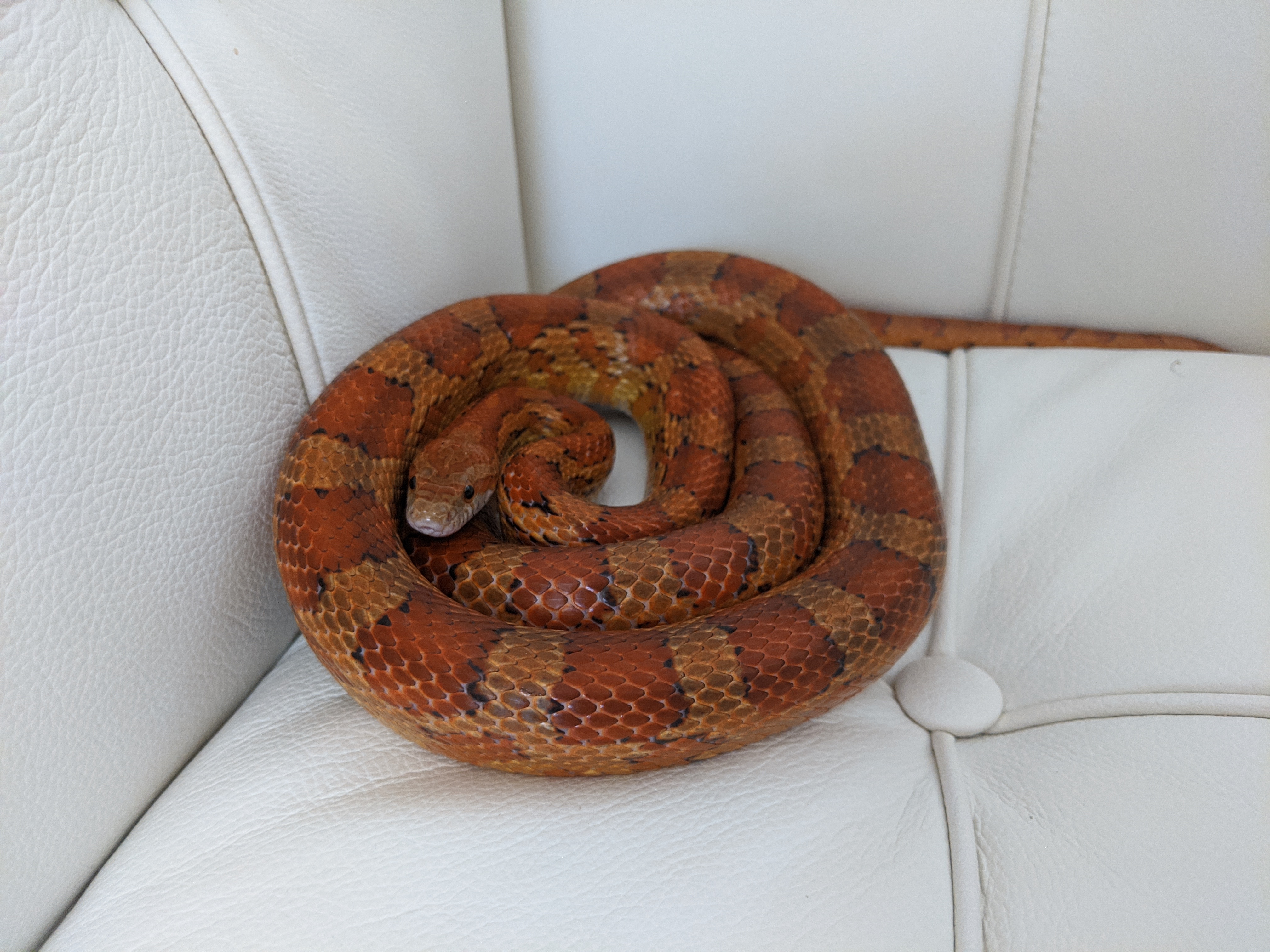
5. **Corn Snake**Corn snakes are undeniably among North America’s most beautiful serpents, graced with vibrant orange scales adorned with bold red blotches, each typically bordered in black. This striking pattern often resembles kernels of Indian corn, which is how they earned their distinctive name. Their bellies display an equally recognizable black-and-white checkerboard pattern, making their identification unmistakable for those who know what to look for.
These visually stunning snakes thrive in the southeastern U.S., commonly found in agricultural fields, abandoned buildings, and wooded areas. They are excellent climbers, frequently seen in trees or scaling the walls of barns and outbuildings in search of prey. Their adaptability to various environments, particularly those associated with human activity like farms, showcases their ability to coexist in a variety of settings.
Docile by nature, corn snakes rarely bite even when handled, which has contributed to their popularity as pets. In the wild, they are incredibly useful natural rodent controllers, especially beneficial on farms where they help keep mouse and rat populations in check. Admiring a corn snake’s vibrant colors is an experience in itself, reminding us of the intricate beauty found in our natural world. Their docility and beneficial role make them a cherished part of wildlife, contributing significantly to the health of agricultural landscapes.
Read more about: Beyond the Script: 10 Jaw-Dropping Real-Life Incidents That Shaped Harrison Ford’s Legendary Persona

6. **Northern Water Snake**The Northern water snake is a robust, thick-bodied aquatic specialist, frequently found near water bodies such as ponds, lakes, and streams throughout the northeastern U.S. Their coloration is highly variable, typically appearing in shades of brown, gray, or reddish with darker crossbands or blotches that often fade as they age. Their keeled scales give them a rough, non-shiny appearance, which helps them blend seamlessly with their surroundings, making them masters of aquatic camouflage.
These snakes are exceptional swimmers and can often be seen basking on rocks, logs, or vegetation along the water’s edge, soaking up the sun’s warmth. They are formidable hunters in their watery domain, feeding on fish, frogs, and crayfish, playing a crucial role in maintaining the balance of aquatic ecosystems. Their presence is a clear indicator of a healthy water habitat, rich with biodiversity.
Northern water snakes are often misidentified as the venomous cottonmouth (water moccasin) due to their robust build and aquatic habits, leading to unnecessary fear. However, key differences help distinguish them: water snakes have round pupils, unlike the elliptical pupils of cottonmouths, and they lack the distinct facial pit between the eye and nostril.
While they can be defensive when cornered or handled, often flattening their heads or striking if threatened, they are purely non-venomous and just want to be left alone to patrol their watery territory. Understanding these distinctions is vital for peaceful coexistence with these common backyard pond residents.
Read more about: Beyond the Bite: Unmasking North America’s 12 Deadliest Animals and Essential Survival Strategies for Your Next Wilderness Adventure

7. **Ringneck Snake**The ringneck snake is a truly tiny and secretive creature, making it one of the more delightful and often overlooked finds in a backyard ecosystem. Barely reaching 10-15 inches long, these petite treasures are small, sleek, and easily identifiable by their smooth, dark bodies—usually black, slate, or dark brown—which contrast beautifully with a vibrant orange or yellow ring around their neck and a matching bright belly. This distinctive collar is their namesake and a clear identifier.
Often found in the eastern U.S., these nocturnal snakes prefer moist environments and spend much of their time hiding under rocks, logs, garden debris, or leaf litter, making them less frequently seen during the day. Their shy and elusive nature means that spotting a ringneck snake is a special treat, a reminder of the hidden wonders thriving just beneath the surface of our immediate surroundings.
Despite their charming appearance and shy disposition, ringneck snakes play a significant role as beneficial garden visitors. They primarily feast on insects, earthworms, and small amphibians, making them valuable allies in pest control. Their tiny size and gentle temperament ensure they are completely harmless to humans, posing no threat whatsoever. Discovering one is a subtle sign of a healthy, biodiverse garden, where even the smallest creatures contribute to the overall ecological balance.
Continuing our fascinating exploration of the vital, often unseen, residents of our backyards, we delve deeper into even more non-venomous snakes that contribute significantly to a healthy local environment. Each of these species possesses unique adaptations and behaviors that make them invaluable components of our natural world, transforming fear into informed appreciation. As we continue to uncover their individual stories, it becomes clear that these slithering neighbors are not just harmless, but truly essential.

8. **Dekay’s Brown Snake**Don’t let the unassuming name of the Dekay’s Brown Snake, often simply called a brown snake, mislead you into thinking it’s anything less than a valuable garden helper. These diminutive serpents rarely exceed 12 inches in length, making them easy to overlook but no less significant. They typically wear subtle tan or brown coats, which can sometimes feature two parallel rows of small, dark spots and a faint lighter stripe running down their back, perfectly blending them into their preferred environment.
These incredibly gentle creatures are typically found under mulch, garden stones, or even beneath flower pots, demonstrating their preference for moist, hidden habitats. They thrive in a variety of settings, from quiet suburban gardens to more urban environments where many other snake species struggle to survive. Their ability to adapt and persist in close proximity to human activity highlights their resilience and discreet nature.
Dekay’s Brown Snakes are true specialists in garden services, focusing their diet on invertebrates like slugs, snails, and earthworms. This makes them exceptional natural pest controllers, diligently working to protect your plants and maintain the soil’s health without any chemical intervention. Spotting one of these tiny, soft-bodied insectivores is a subtle yet clear indicator of a thriving, biodiverse garden ecosystem, showcasing nature’s quiet efficiency.
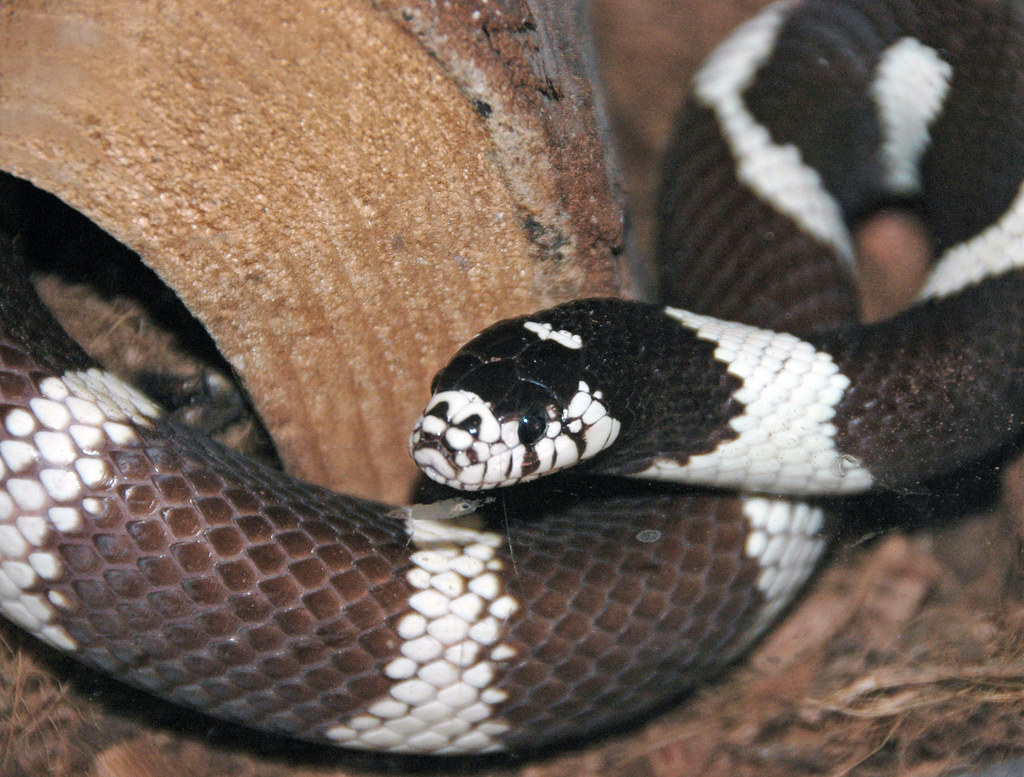
9. **Common Kingsnake**With their striking patterns and confident presence, Common Kingsnakes truly live up to their regal name. Draped in bold bands of black, white, and sometimes even a touch of red, their sleek, glossy scales create an unmistakable appearance. These patterns completely encircle their powerful bodies, distinguishing them from other banded species like the coral snake, a crucial detail for identification in the field.
Kingsnakes are nature’s renowned snake-eating specialists, a fascinating adaptation that makes them invaluable allies in controlling populations of other snakes, including venomous ones like rattlesnakes. They possess a remarkable immunity to snake venom, allowing them to subdue and consume dangerous counterparts. This unique dietary habit plays a significant role in maintaining ecological balance, making them a formidable and beneficial presence.
These adaptable reptiles are found across the southern U.S., thriving in diverse habitats ranging from open fields and dense forests to suburban areas. Their preference for basking in open spaces often makes them relatively easy to spot, showcasing their distinctive beauty. Despite their intimidating predatory prowess, Common Kingsnakes are non-venomous and generally docile towards humans, making their presence a welcome sign of a healthy and balanced local ecosystem.
Read more about: Kris Kristofferson, the Country Music Renegade and Rhodes Scholar Who Redefined American Artistry, Dies at 88

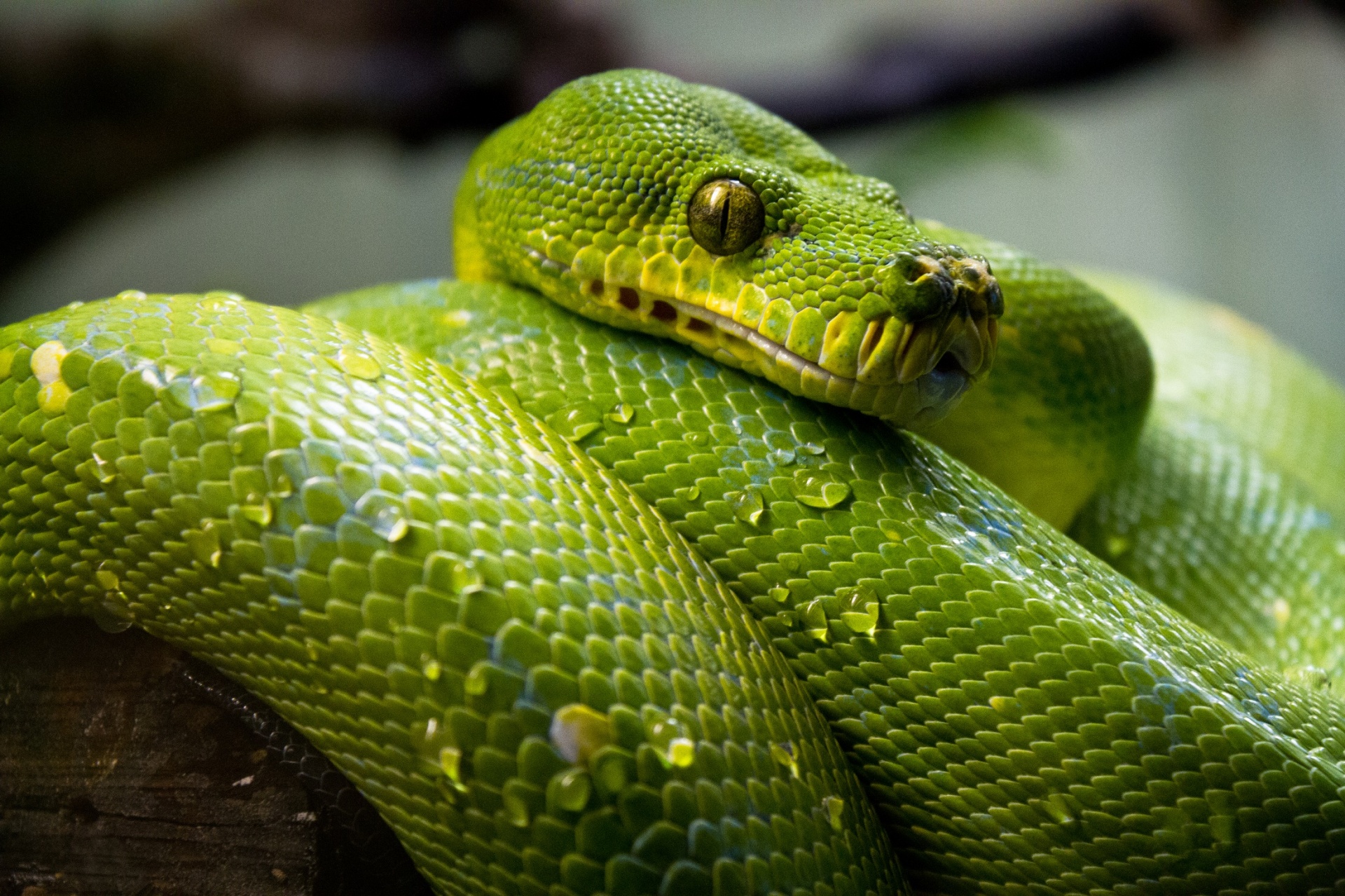
10. **Rough Green Snake**Imagine a living vine, perfectly camouflaged among the leaves and branches – that’s the Rough Green Snake. These slender beauties are aptly named for their uniform, vibrant bright green coloration, which allows them to disappear seamlessly into foliage. With a thin yellow underbelly, they are often mistaken for actual plant stems when motionless, a testament to their exceptional natural camouflage.
Rough Green Snakes are typically found throughout the southeastern U.S., gracefully navigating shrubs, trees, and other dense vegetation, often near water sources. They are primarily arboreal, spending most of their time climbing, where their slender bodies and gentle nature make them fascinating to observe as they move with an almost fluid elegance through the branches. Unlike many snakes that flee upon approach, green snakes often freeze, relying entirely on their natural disguise.
These gentle creatures are invaluable insect specialists, with a diet primarily consisting of grasshoppers, crickets, and caterpillars. By diligently feasting on these garden pests, they provide an excellent, natural form of pest control without any harm to humans. Their presence enriches the biodiversity of your backyard, acting as a vibrant indicator of a healthy, thriving ecosystem where even the smallest predators play a critical role.
Read more about: Yo, Adrian! What Happened To The Iconic Cast Of The Original ‘Rocky’ Movie?

11. **Smooth Earth Snake**Beneath the surface of your garden lies a world teeming with life, and among its most secretive inhabitants is the Smooth Earth Snake. These tiny, unassuming creatures rarely exceed 12 inches in length, making them incredibly easy to overlook in their preferred habitats. Their uniform brown, gray, or reddish bodies, devoid of distinctive markings except for a slightly lighter belly, allow them to blend effortlessly into leaf litter, soil, and under rocks.
Equipped with pointed snouts perfectly adapted for burrowing, Smooth Earth Snakes spend the majority of their lives creating intricate tunnel networks just beneath the soil surface. This subterranean lifestyle makes them a rare find for most gardeners, often only discovered when turning compost, digging in beds, or moving rocks. Their shy and elusive nature ensures they typically go about their beneficial work unnoticed.
These underground specialists play a crucial role in soil health and garden pest control. Their primary diet consists of earthworms and other soft-bodied invertebrates, helping to aerate the soil and manage pest populations from below. Despite their startling appearance if suddenly unearthed, Smooth Earth Snakes are completely harmless to humans, and when exposed, they typically freeze rather than flee, highlighting their gentle disposition and ecological importance.
Read more about: Beyond the Script: 10 Jaw-Dropping Real-Life Incidents That Shaped Harrison Ford’s Legendary Persona

12. **Eastern Hognose Snake**Prepare for a touch of drama with the Eastern Hognose Snake, truly the “drama queen” of the non-venomous world. Named for its distinctly upturned snout, which resembles a pig’s nose, this snake stands out immediately. Its stout body displays varied blotchy patterns in shades of brown, tan, and black, providing excellent camouflage among fallen leaves and sandy soil, its preferred habitat throughout the southeastern U.S.
When threatened, the Eastern Hognose puts on an astonishing theatrical performance. It flattens its neck and head dramatically, much like a cobra, hisses loudly, and may even strike out, though always with a closed mouth. If this intimidating display fails to deter a perceived threat, it escalates to its most famous act: playing dead. The snake will roll onto its back, lie motionless with its mouth agape, and even emit a musky odor, convincing predators it’s no longer a viable meal.
Despite this elaborate show, Eastern Hognose Snakes are completely harmless to humans. Their diet primarily consists of amphibians, particularly toads and frogs, making them important predators in their ecosystems. Watching an Eastern Hognose snake’s theatrics is a unique and memorable experience, showcasing nature’s incredible diversity and the remarkable adaptability of these fascinating, non-venomous creatures.
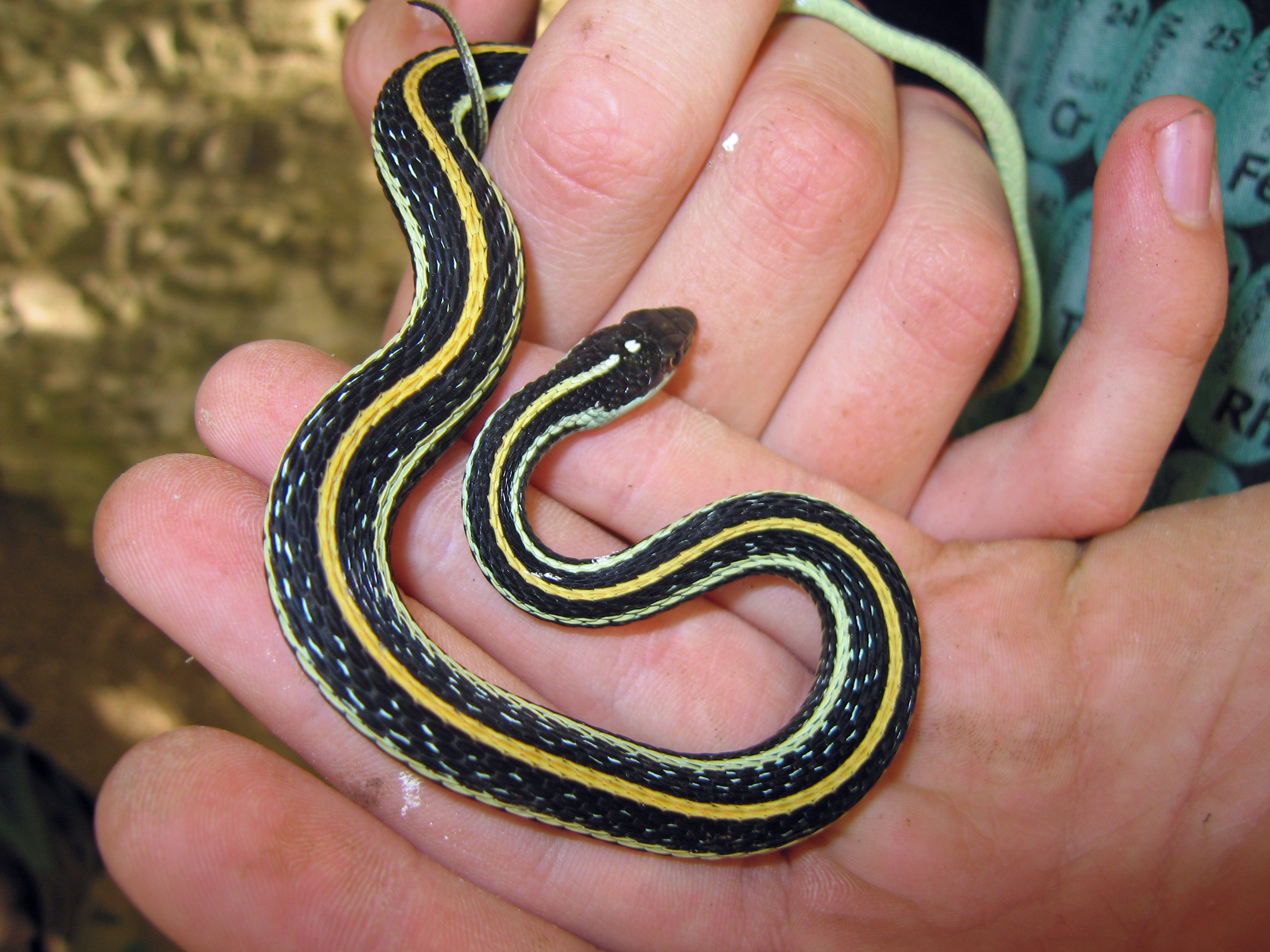
13. **Western Ribbon Snake**Sleek, slender, and exceptionally graceful, the Western Ribbon Snake is a true waterside resident, often seen as a more refined cousin to the garter snake. These elegant reptiles are immediately identifiable by their long, delicate bodies adorned with three vibrant yellow or white stripes that run down a background of chocolate-brown or black. A key distinguishing feature is that their side stripes are positioned higher on the body compared to garter snakes, giving them a distinctively polished look.
Almost exclusively found near water, Western Ribbon Snakes are masterful swimmers, effortlessly gliding through ponds, lakes, and along stream banks in the central and southern U.S. They are frequently observed basking on sun-warmed rocks or logs by the water’s edge, soaking up energy. Their elongated tails further enhance their aquatic prowess, allowing for agile movements in their watery domain.
Their diet primarily consists of small amphibians, tadpoles, and fish, making them vital contributors to the health of aquatic ecosystems. By managing populations of these smaller creatures, ribbon snakes help maintain a delicate balance in their habitat. Non-poisonous and gentle, spotting a Western Ribbon Snake in its natural environment is a treat for any wildlife enthusiast, a testament to the beauty and intricacy of nature’s design.
Read more about: The Enduring Symbol: A Comprehensive Examination of the Dollar Sign’s Origins, Evolution, and Modern Applications
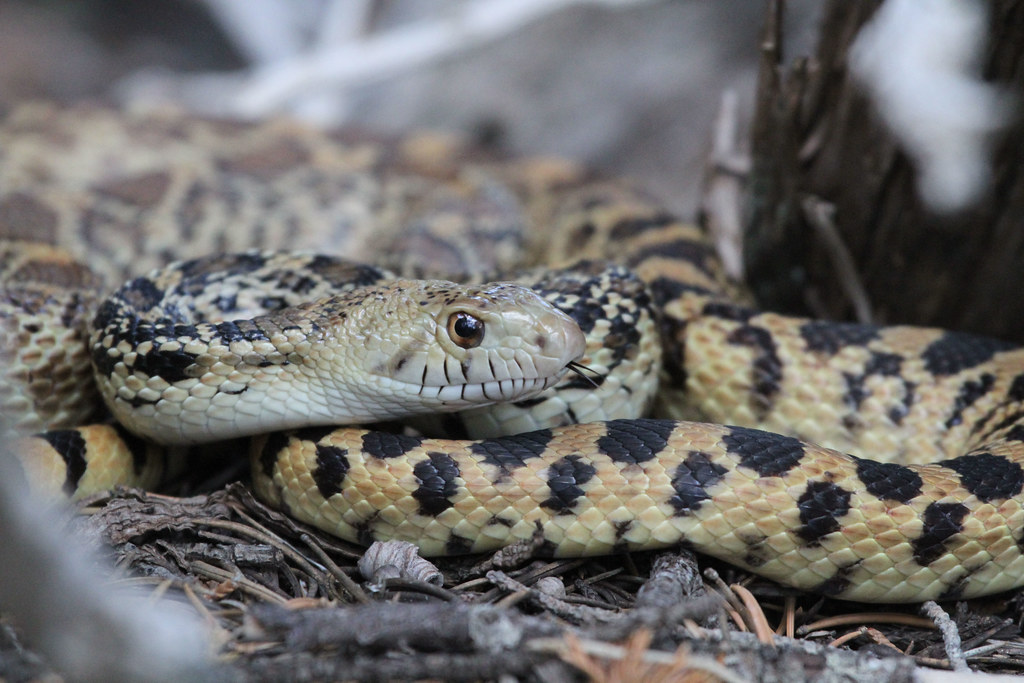
14. **Gopher Snake**Meet the Gopher Snake, a master of deception whose impressive defensive display often causes it to be mistaken for a rattlesnake. These powerful constrictors are built like tanks, with thick, muscular bodies typically growing 4-7 feet long. Their cream or tan bodies feature large, striking brown or black blotches running down the back, which can sometimes merge into stripes near the tail, accompanied by smaller spots along their sides.
When threatened, Gopher Snakes put on an extraordinary show: they flatten their heads into a triangular shape, vibrate their tails rapidly against the ground (mimicking a rattle), and emit an extraordinarily loud hiss – among the noisiest of all North American snakes! Despite this intimidating performance, they are completely harmless to humans, relying purely on bluff to deter perceived threats.
Found in sandy soils and grasslands across the central U.S., Gopher Snakes are exceptional burrowers, creating extensive underground tunnel systems. Farmers particularly appreciate their voracious appetite for pocket gophers, mice, and rats, which are common agricultural pests. Their diligent hunting and burrowing activities play a significant role in rodent control, making them valuable allies in maintaining healthy farmlands and gardens, all without the use of venom.
Read more about: Florida Unveiled: Exploring the Sunshine State’s Deep History, Diverse Landscapes, and Enduring Allure
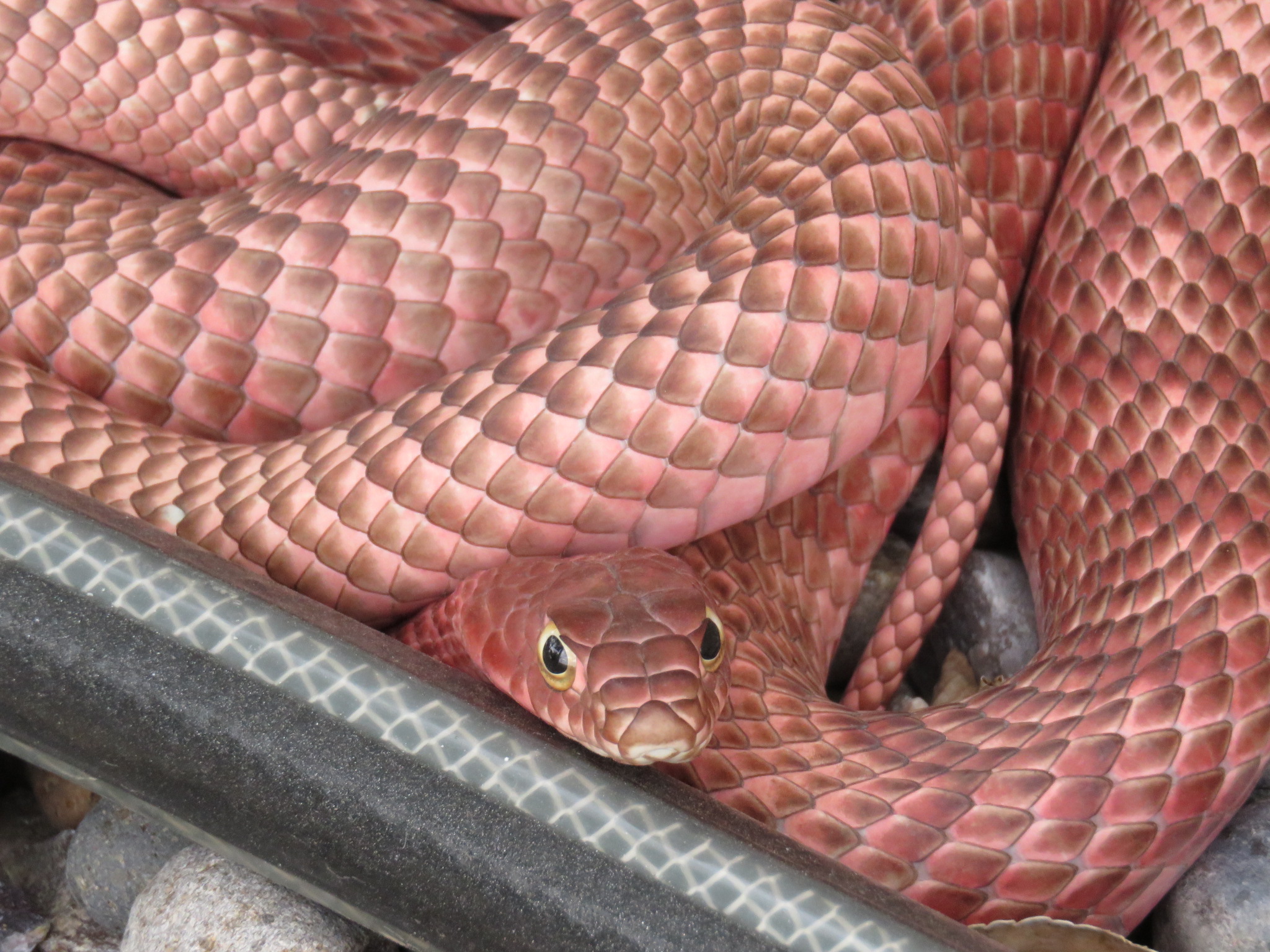
15. **Coachwhip**Completing our journey through non-venomous backyard inhabitants is the Coachwhip, a snake renowned for its incredible speed and unique appearance. Resembling braided leather whips, these impressive reptiles are among America’s longest snakes, sometimes exceeding 8 feet in length. Their coloration is particularly striking, transitioning dramatically from a dark brown or black near the head to a much lighter tan or even pink toward the tail, creating that distinctive whip-like gradient.
Coachwhips are lightning-fast and surprisingly intelligent hunters, actively pursuing their prey during daylight hours. Unlike most snakes, they have excellent vision and often hunt with their heads raised high, scanning the environment. They may even stand tall on their coiled bodies to gain a better vantage point, showcasing their remarkable agility and observational skills as they pursue lizards, rodents, and birds across open areas.
Found predominantly in the central and southern U.S., particularly in more arid or open habitats, the Coachwhip is an intimidating sight due to its size and speed. However, despite their formidable appearance, they are entirely harmless to humans and play a crucial ecological role by controlling various pest populations. Their presence is a thrilling reminder of the dynamic and diverse wildlife that can thrive even in our immediate surroundings, a true marvel of natural adaptation.
From the delicate ringneck to the powerful gopher snake, and the lightning-fast coachwhip, these non-venomous snakes are far more than just creatures to be tolerated; they are valuable, often unsung, members of your backyard ecosystem. Learning to identify them not only dispels unnecessary fear but also fosters a deeper appreciation for the intricate web of life that surrounds us. By understanding their crucial roles in natural pest control and maintaining ecological balance, we can transform apprehension into respect, encouraging peaceful coexistence with these remarkable, and often misunderstood, neighbors. Embrace the wild wisdom they bring, and help cultivate a thriving, biodiverse environment right outside your door.