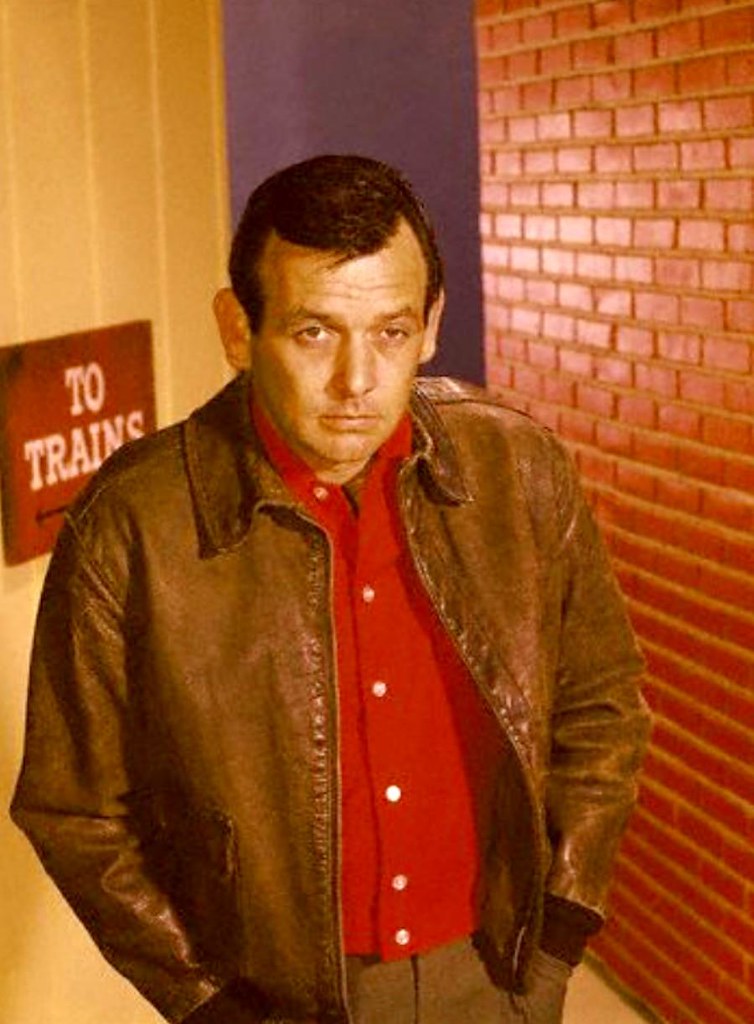
The landscape of American television in the 1960s was dominated by a distinct brand of heroic figures, but few commanded the screen with the quiet intensity and empathetic gravitas of David Janssen. Best known for his iconic portrayal of Dr. Richard Kimble in the groundbreaking series *The Fugitive*, Janssen carved out a career marked by relentless hard work, an unwavering commitment to his craft, and a compelling on-screen presence that resonated deeply with millions. His journey from modest beginnings to mainstream stardom was a classic Hollywood saga, one imbued with both triumphs and the poignant undercurrent of a life cut short far too soon.
Janssen’s magnetism lay not in overt heroics, but in his ability to embody complex, often vulnerable characters. He brought a sophisticated nuance to roles that could easily have fallen into cliché, lending a brooding low-key performance style that connected intimately with viewers. His premature death at the age of 48 left an indelible mark on an industry he helped shape, inviting fans and critics alike to perpetually wonder what further depths his remarkable talent might have explored. His impact, however, remains undeniable, a testament to an actor who understood the power of the small screen like few others.
Indeed, Janssen’s career was a testament to the volatile fortunes of Hollywood, a journey from supporting film roles to 60s TV stardom, and then to a period of disillusionment and persistence in the 70s. His workaholic nature and dedication to improving his craft were evident in every role he undertook, even as the changing tides of the entertainment industry presented new challenges. This article embarks on an in-depth exploration of the man behind the legendary roles, tracing the arc of a life that, despite its brevity, left an extraordinary and enduring legacy.
1. From Nebraska Roots to Hollywood Dreams
David Janssen began his life as David Harold Meyer on March 27, 1931, in the unassuming village of Naponee, located in Franklin County, southern Nebraska. His father, Harold Edward Meyer, worked as a banker, while his mother, Berniece Graf, had a more flamboyant past, having once been known as Miss Nebraska and a performer in the famous Ziegfeld Follies. This early familial connection to show business, through his mother’s glamorous history, undoubtedly provided a nascent spark for David’s own burgeoning artistic inclinations, imbuing him with an early understanding of performance and its inherent challenges.
The trajectory of his early life shifted significantly following his parents’ divorce in 1935. Berniece, his mother, subsequently relocated with young David to Los Angeles, a move that would place him squarely in the heart of the burgeoning entertainment world. In 1940, she married Eugene Janssen, and it was his stepfather’s name that David would later adopt when he officially entered show business as a child, setting the stage for a new identity and career path in Hollywood.
Janssen’s talents extended beyond the nascent realm of acting; he also excelled academically and athletically. During his time at Fairfax High School, he proved to be a formidable presence on the basketball court, showcasing a natural athleticism that was remarkable. He even set a school scoring record, an achievement that impressively endured for over two decades, further illustrating his diverse capabilities and determined spirit. It was amidst this backdrop of youthful accomplishment that his professional acting career quietly began.
His inaugural foray into film occurred at the tender age of thirteen, a very early start that hinted at the dedication that would characterize his adult career. This initial experience laid the groundwork for a prolific output, as by the age of twenty-five, he had already amassed credits in twenty films. Interspersed with his early acting pursuits was a two-year period of service as an enlisted man in the United States Army. During his time posted at Fort Ord, California, Janssen formed friendships with fellow enlistees Martin Milner and Clint Eastwood, demonstrating his ability to forge connections even outside the entertainment sphere.
Read more about: From Ancient Roots to Modern Resonances: Unpacking the Enduring Legacy of the Name Rachael

2. The Uncredited Start: Navigating Hollywood’s Early B-Picture Landscape
Despite his early start in films at age thirteen, David Janssen’s path to stardom was not immediate or straightforward. His formative years in Hollywood saw him take on a series of small, often uncredited roles throughout the 1940s and 1950s. These parts, though minor, provided invaluable experience, allowing him to hone his craft and gain familiarity with the demanding environment of film production. He possessed a strong screen presence and a nascent versatility, shifting between film and television work with relative ease, even in these early stages of his career.
After an unsuccessful attempt to land Broadway roles, Janssen returned to Hollywood, where he eventually signed a contract with 20th Century-Fox. The studio, in an attempt to mold him into a particular image, went so far as to bleach his hair blond. They even tried, unsuccessfully, to persuade him to undergo ear surgery, reportedly to lessen his resemblance to the iconic Clark Gable. However, these efforts proved futile, and Fox ultimately dropped him, leading to another crucial transition in his early professional life.
His next significant move was signing with Universal, a studio known for its prolific B-picture output. This period marked a challenging phase for Janssen, as he appeared in an astonishing thirty-two movies for Universal, few of which were particularly memorable. Reflecting on this time, Janssen humorously, yet tellingly, described his roles as an “agreer.” He once remarked, “The star would say, ‘Don’t you think so.’ I’d agree with him and disappear from the picture.” This phase, while lacking in star-making turns, was crucial for building his experience, resilience, and understanding of the mechanics of filmmaking, laying a deep foundation for his later breakthroughs.
These initial struggles and the numerous uncredited or minor roles were a testament to Janssen’s persistence. He didn’t waste time getting started, and even in these early, less-than-glamorous parts, he demonstrated a strong work ethic. This groundwork was essential, allowing him to develop his range and an ability to carry strong dramatic scenes, skills that would prove indispensable when larger, more demanding roles finally came his way. His dedication during this period, despite the lack of major recognition, truly fueled his artistic drive.

3. Finding His Diamond: Breaking Through with *Richard Diamond, Private Detective*
It was television that ultimately provided David Janssen with his first real escape from the anonymity of B-movie obscurity and established him as a leading man. The opportunity arose when actor and producer Dick Powell chose him to portray the title character in *Richard Diamond, Private Detective*. This series, which aired from 1957 to 1960, proved to be a significant turning point, allowing Janssen to step into a role that showcased his distinct blend of charm, intensity, and witty cleverness.
As Richard Diamond, Janssen embodied one of the first hard-boiled TV detectives, bringing a fresh, engaging persona to the burgeoning medium. The character was clever and witty, and Janssen’s performance allowed his natural charisma to shine through. The series successfully brought him in front of weekly audiences, where his unique blend of rugged handsomeness—acceptable to men and downright attractive to women viewers—made him almost the perfect TV hero, laying the groundwork for his future iconic roles.
One of the series’ more distinctive elements was the portrayal of Diamond’s secretary, “Sam.” Intriguingly, Sam appeared only as a pair of legs and a voice, a clever narrative device that added to the show’s allure. This role is particularly notable as it marked Mary Tyler Moore’s very first television series role, adding a fascinating footnote to the history of television. Janssen’s work in *Richard Diamond, Private Detective* not only brought him wider recognition but also solidified his profile as a capable and engaging leading man on the small screen.
This role allowed Janssen to demonstrate his capacity for sustained character development over multiple episodes, a crucial skill for the era of episodic television. Though he now had a bigger profile, he consistently craved new challenges, always pushing to expand his craft beyond any single success. The series effectively positioned him for his next, even more monumental, role that would forever cement his place in television history, but first, he continued to pursue opportunities to stretch his acting muscles.
4. The Ascent of Richard Kimble: Becoming a 60s TV Icon in *The Fugitive*
In 1963, David Janssen landed the role that would define his career and etch his image into the collective consciousness of a generation: Dr. Richard Kimble in *The Fugitive*. This series, which ran until 1967, was a cultural phenomenon, captivating audiences with its gripping premise. Janssen’s character was a Midwestern doctor wrongly accused of murdering his wife, perpetually on the run from the law, while relentlessly searching for the real killer—a mysterious one-armed man. This narrative premise provided a compelling stage for Janssen’s brooding, low-key performance.
Janssen’s portrayal of Kimble was deeply layered and expressive, conveying the constant tension and emotional weight of a man living under a death sentence for a crime he didn’t commit. His nuanced performance, infused with a profound sense of struggle against injustice, resonated powerfully with viewers on a personal level. He embodied the existential dread and desperate hope of his character with such authenticity that he swiftly became a 60s TV icon, his face synonymous with the relentless pursuit of truth and exoneration.
*The Fugitive* stood out from its contemporaries due to its gritty noir sensibility and remarkable emotional depth. Janssen’s ability to convey complex inner turmoil through subtle gestures and powerful silences distinguished his performance. This connection with the audience—their shared sense of injustice and the emotional journey of a man fighting for his innocence—set the series apart from anything else on television at the time. His acting and fan appeal would become the very heart of the show’s immense success and lasting legacy.
Beyond the individual episodes, the overarching narrative of Kimble’s quest provided a compelling reason for viewers to tune in week after week. Janssen’s empathetic performance anchored this journey, ensuring that despite the episodic nature of his encounters, the core emotional stakes remained high. He wasn’t just a character; he became a symbol of perseverance and the human spirit’s fight for justice, leaving an indelible mark on television history and influencing countless serialized dramas that followed.
5. Making Broadcast History: The Groundbreaking Finale of *The Fugitive*
By 1967, after four compelling seasons, the Nielsen ratings for *The Fugitive* had begun to decline. This presented ABC, the network behind the series, with a crucial decision regarding its future. Originally, there was a consideration to simply cancel the show outright, leaving Dr. Richard Kimble’s story unresolved, a common practice for series nearing their end during that era. However, the immense popularity of David Janssen’s character and the loyalty of the show’s most hardcore fans became a significant factor that ultimately shifted the network’s stance.
Leonard Goldberg, a visionary ABC executive, recognized the profound connection viewers had forged with Kimble’s relentless quest for truth. He insisted forcefully that *The Fugitive* be given a proper series finale, arguing that audiences deserved narrative closure after years of following Kimble’s harrowing journey. Goldberg’s intervention proved pivotal, leading to a groundbreaking two-hour final episode that would forever change the landscape of television storytelling by setting a new precedent for how popular series should conclude.
The culminating two-part episode, titled “The Judgment,” aired on August 29, 1967. The broadcast was nothing short of a cultural event, achieving an unprecedented 72 percent viewer share. This staggering number set a record for the greatest number of American homes to watch a series finale at the time, underscoring the collective yearning for resolution and the profound impact the show had on its audience. It definitively proved that viewers wanted, and would turn out in droves for, narrative satisfaction.
The success of “The Judgment” extended its influence well beyond its initial broadcast, establishing a new standard for wrapping up beloved stories. It demonstrated the power of a well-executed finale to not only satisfy a dedicated fanbase but also to make broadcast history. This monumental conclusion was a testament to Janssen’s enduring popularity and the compelling narrative he anchored, but it also left him at a significant crossroads in his own career, needing to navigate life beyond the iconic role of The Fugitive.

6. Beyond the Small Screen: Janssen’s Foray into Feature Films
Following the monumental success of *The Fugitive* finale, David Janssen didn’t simply rest on his laurels. He was an actor driven by a profound desire for new challenges and was particularly keen on avoiding being typecast by his iconic role as Dr. Richard Kimble. With this ambition firmly in mind, he pivoted his focus back to the big screen, actively seeking out under-explored cinematic terrain and embracing a variety of film projects that would allow him to showcase his versatility beyond television.
Janssen’s earlier film work, post-*Richard Diamond*, had included thrillers and suspense dramas, where he consistently delivered solid performances. Now, armed with significantly greater visibility, he took on roles designed to broaden his cinematic appeal. In 1968, he accepted a significant part opposite one of Hollywood’s biggest stars, John Wayne, in *The Green Berets*. In this controversial Vietnam War film, Janssen played war correspondent George Beckworth, whose skepticism of the war served as a crucial balance to Wayne’s staunchly patriotic colonel, adding nuance to the narrative and showing Janssen as an equal to cinema’s big guns.
His filmography during this period included other notable features such as *The Shoes of the Fisherman* (1968), where he played a television journalist reporting on the election of a new Pope, and *Marooned* (1969), a space story where he was an astronaut tasked with rescuing three stranded men in orbit. These roles demonstrated his ability to inhabit diverse characters across various genres, proving he was more than just a television actor. He also starred as a Los Angeles police detective trying to clear himself in the 1967 film *Warning Shot*, which was notably shot during a break between the third and fourth seasons of *The Fugitive*.
Despite these efforts, his film roles didn’t always replicate the widespread visibility or iconic status he had achieved on television. Yet, Janssen was growing his range and his ability to carry strong dramatic scenes, continually striving for roles that balanced style with substance. He remained dedicated to his craft, even if the fanfare for his cinematic ventures was sometimes less pronounced than for his small-screen triumphs. However, the allure of television, and the creative control it could offer, continued to beckon him.

7. The Complexities of *O’Hara, U.S. Treasury* and the Brilliance of *Harry O*
Even after his forays into feature films and his vow not to rest on his *Fugitive* success, David Janssen found himself drawn back to leading roles in television series, looking for opportunities to explore different characters and narratives. His first major return to series television post-*Fugitive* was *O’Hara, U.S. Treasury* (1971–1972), where he played the title character, Treasury Agent Jim O’Hara. Despite Janssen’s proven appeal, the series failed to capture a sustained audience and lasted for only a single season, highlighting the inherent challenges of launching new shows, even with a beloved star.
Undeterred, Janssen embarked on another series venture, *Harry O*, which aired from 1974 to 1976. In this critically acclaimed show, Janssen starred as Harry Orwell, a grizzled private eye operating out of Los Angeles. The role allowed him to inhabit a character far removed from the youthful vigor of Richard Kimble. Harry Orwell was depicted as a bit cynical, brave yet hobbled by the physical infirmities of a hard life that were catching up to him as he neared 50. This portrayal resonated deeply with critics, who praised the role for its depth and maturity, recognizing Janssen’s ability to evolve his screen persona.
*Harry O* is considered by many TV critics as a small masterpiece of the television form, with Janssen embodying the special charisma that very few actors possess before the television camera. He was an actor capable of creating a profound sense of character through the rhythms of his speech, the way he cocked his head, or shrugged his shoulders, alert to all the minute physical and vocal maneuvers that define individual personality. His Harry Orwell was a man who used his world-weary charm and self-deprecatory humor to navigate complex situations, often with a bad back, an old sports car on the fritz, and a reliance on bus schedules, adding to his relatable, contemplative appeal.
Despite the positive critical feedback and Janssen’s compelling performance, *Harry O* ultimately fell victim to what the context describes as “network politics,” leading to its cancellation. This outcome proved to be a profound disappointment for Janssen. Disillusioned by the unpredictable nature of series television and the lack of creative control, he reportedly swore he would never do another regular TV series after *Harry O* ended, signaling a significant shift in his approach to his career and his quest for greater creative satisfaction.

8. A New Chapter: The Allure of TV Movies and Miniseries
After his decisive break from regular series television following the cancellation of *Harry O*, David Janssen was poised for a new chapter in his career. His disillusionment with the network system, particularly the “network politics” that had cut short a critically acclaimed show, spurred him to pursue projects that offered greater creative satisfaction and more substantial character development. This strategic pivot led him primarily to the burgeoning world of made-for-TV movies and miniseries, a format that allowed for more contained narratives and often deeper dives into complex roles, free from the grind of weekly production.
Janssen quickly proved his versatility in this new landscape, embracing roles that showcased a broader emotional and dramatic range. He took on diverse characters that challenged him beyond the familiar detective archetype. For instance, in the 1977 TV movie *A Sensitive, Passionate Man*, he delivered a compelling performance as an alcoholic, working opposite Angie Dickinson. This role was a testament to his ability to portray vulnerability and struggle, moving far beyond the stoic resilience of Dr. Richard Kimble or the cynical wit of Harry Orwell.
Another notable made-for-TV film was *Nowhere to Run* (1978), where he played an engineer who devised an unbeatable system for blackjack. This project, co-starring Stefanie Powers and Linda Evans, allowed him to explore a different facet of character, one that blended intellectual prowess with a touch of roguish cleverness. These individual telefilms became a canvas for Janssen’s evolving artistry, allowing him to embody different lives and narratives without the long-term commitment he had grown to resent in episodic series.
His distinctive, impressively husky voice found a powerful new application as the narrator for the sweeping TV miniseries *Centennial* (1978–79). While narrating all twelve episodes, Janssen also appeared in the final episode, demonstrating his continued on-screen presence. This ambitious production, which chronicled the history of a fictional Colorado town, provided him with a platform to contribute to a culturally significant project, aligning with his desire for roles that balanced “style with substance.”
In 1979, Janssen further immersed himself in the prestige of miniseries with *S.O.S. Titanic*. In this poignant dramatization, he took on the role of John Jacob Astor, the wealthy American businessman who tragically perished on the ill-fated liner, playing opposite Beverly Ross as his wife, Madeleine. This role, rich in historical context and human drama, showcased Janssen’s capacity for portraying real-life figures with gravitas, further solidifying his reputation as an actor capable of profound and nuanced performances in high-profile productions. He consistently fulfilled the goals he had set for himself after *Harry O*, seeking out roles that reflected his growth and showcased his refined artistry.

9. The Private Man: Marriages and Relationships
Beyond the demanding spotlight of his professional life, David Janssen navigated a complex personal world, marked by two marriages and a public affair. His first marriage was to interior decorator Ellie Graham, a union that began in 1958. For a decade, Graham was his steadfast partner, sharing in his burgeoning fame and offering a stable counterpoint to the chaotic demands of a Hollywood career. Their relationship, however, faced its share of challenges, as is often the case for public figures under intense scrutiny.
Amidst marital problems with Ellie in 1964, Janssen engaged in a three-month affair with actress Suzanne Pleshette. This period of marital difficulty and his subsequent relationship highlight the intense pressures and temptations inherent in the lives of prominent actors. Despite the undeniable challenges, Janssen and Graham’s marriage endured until their divorce in 1968, marking the end of a significant chapter in his personal life that had spanned his breakout years with *Richard Diamond* and the peak of *The Fugitive*’s success.
Years later, in 1975, Janssen found love again and married actress-turned-socialite Dani Crayne. This second marriage, which would last until his untimely death in 1980, marked a different phase in his personal journey. Crayne became his devoted companion, and their life together in Malibu reportedly offered him a sense of calm and partnership in his later years. While details of his personal life were often discussed in Hollywood circles, Janssen largely maintained a degree of privacy, managing his affairs with a discretion that many of his peers struggled to achieve.
Though his personal relationships attracted the “normal amount of Hollywood gossip,” Janssen’s focus remained largely on his craft. His relationships, both the public and the more private, painted a picture of a man seeking connection and stability amidst the ever-changing landscape of his professional endeavors. His ability to forge lasting bonds, even when faced with the inherent difficulties of celebrity, speaks to a deeply human desire for companionship and understanding that underpinned his often solitary and intensely focused career. He managed his personal affairs better than most actors of his profile, suggesting a man who, despite his fame, held a strong sense of personal boundaries.
Read more about: The Most Underrated Celebrity Couples: 15 Iconic Romances You Seriously Need to Be Talking About

10. The Visible Toll: Age and the Ravages of a Demanding Life
David Janssen’s dedication to his craft was legendary, but it came at a profound personal cost. The grueling pace of his work schedule, compounded by certain personal habits, began to visibly manifest in his physical appearance. By his mid-forties, observers noted a striking contrast between his chronological age and his outward presentation, regretfully noting he “looked decades older than he really was.” This premature aging served as an early, tragic indicator that all was not well beneath the surface of his charismatic public persona.
The demands of starring in multiple television series back-to-back, transitioning between film and TV movies, and the constant pressure to deliver nuanced performances, placed immense strain on his body and mind. The relentless work ethic, praised as a testament to his commitment, simultaneously chipped away at his health. The intense schedule left him little time for rest and recuperation, steadily eroding the vitality that had made him such a compelling screen presence in his younger years.
Friends and colleagues, those closest to him, began to express their worries about his appearance. Their concerns were not mere idle gossip but genuine apprehension for a man who seemed to be burning the candle at both ends. His haggard look, the lines etched deeper than expected, and a general air of weariness became increasingly noticeable, signaling a deeper struggle. These outward signs were a stark precursor to his eventual fate, whispering warnings that, in hindsight, were tragically clear.
His demanding lifestyle, while fueling his artistic output and ensuring his constant presence on screens big and small, was also systematically taking its toll. The vibrancy that had defined his youth was slowly being replaced by a visible exhaustion, a poignant reminder that even the most dedicated artists are subject to the immutable laws of human endurance. This visible transformation underscored the sacrifices made in the relentless pursuit of his passion, ultimately highlighting the precarious balance between professional ambition and personal well-being.

11. The Unseen Battle: A Heavy Smoker’s Addiction
Among the personal habits that tragically accelerated David Janssen’s physical decline, his heavy smoking was perhaps the most devastating. He was “a known chain smoker who reportedly went through up to four packs a day,” a habit that was not only widely discussed but also tragically common in Hollywood during his era. This relentless tobacco use was more than just a casual indulgence; it was a profound addiction that inexorably damaged his health, even as he continued to captivate audiences on screen.
The sheer volume of his daily cigarette consumption placed an unimaginable strain on his cardiovascular system. Each puff contributed to a silent, insidious deterioration within his body, a process that remained largely hidden from the public eye. While his on-screen roles often portrayed him as vigorous and dynamic, capable of enduring the challenges of a fugitive or a grizzled detective, his internal battle with nicotine was far more formidable and ultimately unwinnable.
This pervasive habit, coupled with his demanding work schedule, created a lethal combination that his body simply could not withstand indefinitely. The connection between heavy smoking and accelerated aging was less understood by the general public at the time, but the visible effects on Janssen served as a stark, if then unheeded, warning. His appearance, aged beyond his years, became a somber testament to the profound and damaging impact of his tobacco addiction.

12. The Silent Culprit: Arterial Blockages and Medical Findings
The true extent of the damage inflicted by David Janssen’s lifestyle and habits was not fully revealed until after his death. Autopsy reports provided a somber and definitive confirmation of what many had suspected: Janssen “had major arterial blockages likely caused by his decades of heavy smoking.” These medical findings laid bare the internal struggles that had tragically foreshadowed his premature demise, offering a scientific explanation for his declining health and visibly aged appearance.
The diagnosis of significant arterial blockages painted a clear picture of advanced cardiovascular disease, a direct consequence of his prolonged and intense tobacco use. This internal affliction compromised the very lifeblood of his body, hindering the efficient functioning of his heart and other vital organs. It underscored that despite his robust on-screen performances, his body was in “far rougher shape than anyone knew,” a silent testament to the cumulative toll of his choices.
These findings served as a tragic validation of the concerns voiced by his friends and the observations of those who noted his premature aging. They transformed the anecdotal worries into a stark medical reality, highlighting the undeniable link between his habits and his health. The autopsy offered a definitive, if heartbreaking, explanation for the suddenness of his passing, forever linking his heavy smoking to the deterioration of his arteries and, ultimately, to his fatal heart attack.

13.A Tragic Farewell: The Sudden Death and Unfinished Legacy
The entertainment world was plunged into mourning on February 13, 1980, when David Janssen suffered a fatal heart attack in the early morning hours. He was at his beachfront home in Malibu, California, just shy of his 49th birthday. The suddenness of his death, at the relatively young age of 48, sent “shockwaves across Hollywood,” robbing the industry of a beloved and promising talent. “He had no prior history of heart problems,” according to early reports, making the event all the more shocking to his inner circle and fans alike.
His longtime friend and fellow actor, Stuart Whitman, discovered paramedics frantically working on Janssen outside his home around 4:30 a.m. Whitman recounted the desperate efforts to revive him, noting, “They had taken him out of bed and they were working on him… Then one of the paramedics said, ‘I think I’ve got a heartbeat,’ and they took him to the hospital.” Despite these valiant attempts, Janssen was pronounced dead an hour later in the emergency room of Santa Monica Hospital. The profound sense of loss was immediate and palpable, echoing through the industry.
At the time of his passing, Janssen was deeply engaged in a new television movie, *Father Damien*. He had “just begun filming a television movie playing the part of Father Damien, the priest who dedicated himself to the leper colony on the island of Molokai, Hawaii.” This role, embodying a figure of profound compassion and sacrifice, represented another step in his quest for creatively satisfying projects. His death left the project tragically unfinished, a poignant symbol of the potential that remained unrealized. The part was subsequently reassigned to actor Ken Howard, but for many, it would always be associated with the talented actor who had begun the journey.
Read more about: Presley Chweneyagae: Tracing the Life, Death, and Enduring Legacy of South Africa’s Oscar-Winning ‘Tsotsi’ Star at 40
14. An Enduring Legacy: The Fugitive, the Walk of Fame, and What Could Have Been
Despite his tragically early departure, David Janssen left behind an indelible mark on Hollywood, a legacy that continues to resonate decades later. For his profound contributions to the television industry, he was honored with a star on the Hollywood Walk of Fame, proudly situated on the 7700 block of Hollywood Boulevard. This star serves as a permanent testament to his enduring impact, a tangible reminder of an actor who commanded the screen with a unique blend of intensity and vulnerability.
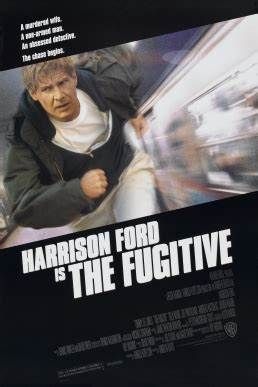
His most iconic role, Dr. Richard Kimble in *The Fugitive*, remains a cultural touchstone from the 1960s. Janssen’s empathetic portrayal influenced “generations of serialized dramas,” setting a high bar for complex character development and compelling narrative arcs. The show’s enduring popularity was further underscored by a successful movie remake in the 1990s, starring Harrison Ford and Tommy Lee Jones, a clear indicator of the lasting power of the story Janssen had helped bring to life. But as significant as *The Fugitive* was, it was “only a part of the David Janssen story.”
Janssen’s career arc, from his “modest film roles of the 40s and 50s, to his mainstream 60s stardom, to the disillusionment and persistence of the 70s,” stands as a classic “saga of the volatile fortunes of Hollywood.” His “workaholic perseverance reflected his commitment to improving his craft as an actor,” always striving for new challenges and deeper artistic expression. He understood, like few others, the nuance required for the small screen, making him a truly unique talent.
Yet, his “premature passing left his fans to wonder what might have been.” The profound sense of unfulfilled potential lingers, a poignant “what if” in the annals of Hollywood history. One can only imagine the additional rich characters he might have brought to life, the further depths of emotion he might have explored had he been granted more years. The expressiveness and empathy of Janssen’s performance in *The Fugitive* still smolders as the heart and soul of one of the best and most cohesive TV series ever created, ensuring his place among the television greats.
Read more about: Harrison Ford: a Legend’s Enduring Passions, Late Career Resurgence, and Future Flight Path
David Janssen’s journey, though abruptly halted, paints a vivid portrait of a dedicated artist wrestling with the demands of his profession and the complexities of his personal life. His brilliance was undeniable, his impact profound. As we look back, it’s clear that the quiet intensity he brought to every role, the human struggle he so expertly conveyed, continues to resonate. His legacy isn’t just a collection of memorable performances, but a testament to the power of authentic storytelling and the enduring appeal of a man who, against all odds, searched for truth and left an indelible mark on our collective imagination. He truly was a small-screen legend whose star shines ever bright, reminding us of the captivating talent that was David Janssen.