The bond between humans and dogs is truly a profound and enriching experience, one that has been celebrated for millennia. For many, especially seniors, a canine companion offers far more than just a pet; they provide unwavering loyalty, boundless affection, and a daily dose of joy and purpose. Dogs have an incredible ability to adapt to human behavior, understanding and communicating with us in ways that truly earn them the heartwarming sobriquet of ‘man’s best friend’. Their presence can transform a house into a home filled with warmth and laughter, offering a comforting routine and active engagement in daily life. From hunting to herding, pulling loads to offering therapy, dogs perform countless invaluable roles for humans, with companionship standing out as one of their most cherished contributions.
Embarking on the journey to welcome a new dog into your life is an exciting prospect, one that calls for careful consideration to ensure a harmonious match. With an estimated global dog population ranging from 700 million to 1 billion, and dogs being the most popular pet in the United States, present in 34–40% of households, the sheer diversity of our canine friends is astounding. Dogs have been selectively bred over thousands of years for specific behaviors, sensory capabilities, and physical attributes, resulting in an incredible array of shapes, sizes, and colors. This vast phenotypic diversity means that while every dog is unique, understanding general characteristics can help illuminate which type of companion might best integrate into a senior’s lifestyle, ensuring mutual happiness and well-being.
This article aims to provide a thoughtful exploration of various dog characteristics, drawing on examples of diverse breeds to illustrate how these traits might influence daily life. We will delve into aspects such as size, unique anatomical features, potential health considerations, and behavioral tendencies, all of which are crucial points for seniors to ponder when seeking a new furry friend. By understanding the inherent differences and shared qualities across the canine world, you can make an informed decision that leads to a fulfilling and joyful companionship for years to come. Remember, the goal is to find a dog whose general needs and characteristics align beautifully with your own, creating a truly special bond built on understanding and care.
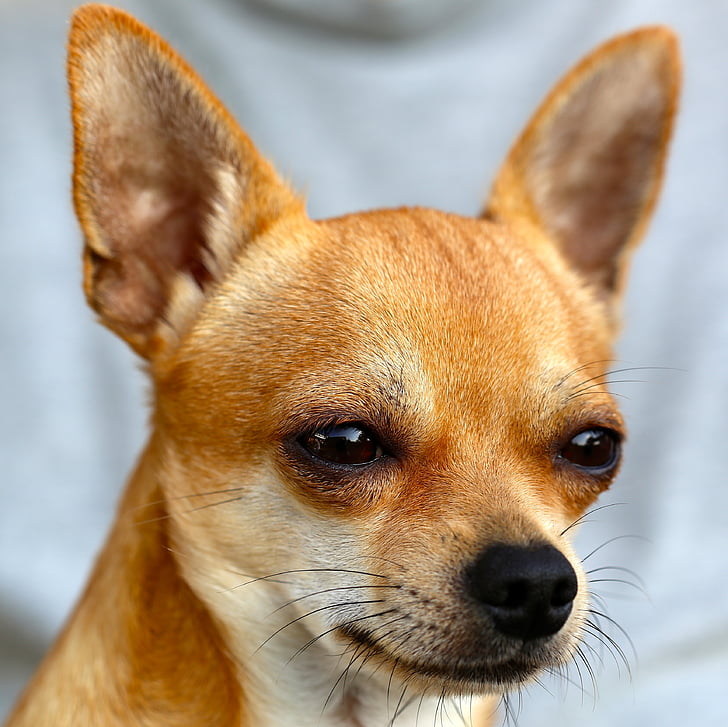
1. **Chihuahua**When considering a canine companion, size often plays a significant role in a senior’s decision, and the Chihuahua exemplifies the smaller end of the spectrum. These tiny dogs typically weigh between 0.5 to 3 kg (1.1 to 6.6 lb) and stand just 13 to 20 cm (5.1 to 7.9 in) tall. This diminutive stature makes them incredibly manageable for those with limited space, or for individuals who prefer a companion that can be easily carried or transported. Their small footprint allows them to thrive in apartments or smaller homes, and their presence can offer the comforting warmth of a lap dog without requiring extensive physical handling that might be challenging for some seniors.
Despite their small size, all healthy dogs, including Chihuahuas, possess the same fundamental number of bones, with the exception of tail variations. However, selective breeding since domestication has led to miniaturization in smaller types, making their skeletal structure more delicate than that of their larger counterparts. This means that while they are convenient to handle, they also require careful attention to prevent accidental injury. Understanding this physical fragility is a key aspect of their care, ensuring they are kept safe from falls or rough play that could lead to orthopedic issues.
Considering the health of any potential companion is paramount, and Chihuahuas, like all breeds, have their own set of general considerations. Numerous disorders are known to affect dogs, both congenital and acquired, and common causes of death include heart and renal failure. While the context doesn’t specify unique health issues for Chihuahuas, their small size can influence how certain conditions manifest or how medications are administered. Regular veterinary check-ups become even more crucial for small breeds to monitor their overall health and address any concerns proactively, helping to ensure a long and healthy life.
Behaviorally, dogs have been shaped by millennia of contact with humans, acquiring the ability to understand and communicate with us. Traits of high sociability and a lack of fear are common in domesticated dogs, making them eager companions. While the context doesn’t detail the Chihuahua’s specific temperament, their capacity for hypersocial behavior means they often form strong, affectionate bonds with their owners. This devotion can be particularly rewarding for seniors seeking a constant, loving presence, as these dogs thrive on close human interaction and often prefer to be right by their owner’s side, becoming cherished members of the family unit.
Effective communication is the cornerstone of any strong bond, and dogs utilize a rich repertoire of cues, including eye gaze, facial expression, vocalization, and body posture. Even small dogs like the Chihuahua benefit immensely from consistent training and clear communication from their human companions. While their physical needs might be less demanding than larger breeds, their mental and emotional needs are just as significant. Engaging them with gentle play, positive reinforcement, and understanding their subtle signals can foster a responsive and well-adjusted companion, ensuring they feel secure and loved within their new home.
Read more about: Strategic Foundations: Understanding the U.S. Military’s Global Power and Operational Framework

2. **Great Dane**At the opposite end of the size spectrum from the Chihuahua, we encounter the majestic Great Dane, a breed known for its impressive stature. These gentle giants typically range from 50 to 79 kg (110 to 174 lb) in weight and stand between 71 to 81 cm (28 to 32 in) tall. Their sheer physical presence commands attention, and seniors considering such a large companion must realistically assess their living space and physical capabilities. A Great Dane requires ample room to move comfortably, both indoors and outdoors, and their strength necessitates an owner who can manage them during walks and interactions, ensuring safety for both the dog and the handler.
From an anatomical perspective, the Great Dane’s skeleton is a testament to the extensive phenotypic diversity found within the canine order. Compared to their wolf-like ancestors, selective breeding has significantly increased the size of the skeleton in larger types such as mastiffs, which the Great Dane embodies. Their skeletal structure is well adapted for running, featuring vertebrae on the neck and back with extensions for strong back muscles, and long ribs that provide ample room for their vital heart and lungs. The shoulders are unattached to the skeleton, allowing for remarkable flexibility, all contributing to their powerful yet often graceful movement. Understanding this robust physical design is key to appreciating their potential energy and strength.
Health considerations for larger breeds are a crucial aspect of responsible ownership. While the median longevity for dogs is approximately 12.7 years, lifespan can vary widely among breeds, and larger dogs generally tend to have shorter lifespans. Obesity, for instance, correlates negatively with longevity, with studies finding obese dogs to have a life expectancy approximately a year and a half less than dogs with a healthy weight. Great Danes can be prone to specific health challenges, including musculoskeletal issues due to their rapid growth and size, and careful attention to diet, exercise, and regular veterinary care is essential to support their overall well-being throughout their lives. Preventative measures and early detection of any health concerns are vital.
In terms of behavior, dogs perform many roles for humans, including companionship, protection, and therapy. Despite their imposing size, Great Danes are often renowned for their gentle and affectionate natures, making them wonderful companions. However, their size and strength mean that early and consistent training and socialization are absolutely non-negotiable. Instilling good manners from a young age ensures that a large dog understands boundaries and responds reliably to commands, preventing potential difficulties down the line. A well-trained Great Dane can be a calm and loving presence, adapting well to a senior’s household with the right foundation.
Communication with a Great Dane, like any dog, involves understanding their body posture, eye gaze, and vocalizations. Their large size often means their body language is more pronounced, making their signals potentially easier to read. While their barks can be deep and resonant, dogs’ acute sense of hearing, up to four times greater than humans, means they can pick up the slightest sounds from far distances. For seniors, a large, well-trained companion can offer a sense of security and a constant, loving presence. The key lies in understanding their unique needs and providing the dedicated care and training they require to thrive and bring immense joy to their human family.
Read more about: The Ultimate Transmission Tease: Scoring 10 Iconic Cars from Satisfying Throws to Grind City

3. **Dachshund**Moving to another fascinating example of canine diversity, the Dachshund is a breed where specific physical attributes have been intentionally cultivated, most notably dwarfism leading to their characteristic short legs. The context explicitly states that “dwarfism has been selectively bred for some types where short legs are preferred, such as dachshunds and corgis.” This distinctive elongated body and short leg structure is a defining feature that has functional origins, allowing them to navigate certain environments with unique agility. For seniors, their moderate size and distinctive appearance can be quite endearing, but understanding the implications of their unique anatomy is crucial for their long-term health and comfort.
Their skeletal structure, while still comprising the same fundamental number of bones as other dogs, has undergone specific adaptations due to dwarfism. While the dog’s skeleton is generally well-adapted for running, breeds with artificially shortened limbs have different biomechanics. This means that while they may excel at certain tasks, their physical build can also predispose them to particular musculoskeletal challenges. The emphasis on short legs requires a thoughtful approach to their physical activities and environment, ensuring their movements are supported and their spine is protected from undue strain. Providing a home environment with ramps instead of stairs or limiting high jumps can significantly contribute to their well-being.
Considering health, numerous disorders can affect dogs, and musculoskeletal diseases such as arthritis and myopathies are among them. For breeds like the Dachshund with their distinctive spinal column, these conditions can be particularly pertinent. Maintaining a healthy weight is paramount, as obesity correlates negatively with longevity and can exacerbate strain on their unique skeletal structure. Regular veterinary check-ups become essential to monitor spinal health, joint integrity, and overall mobility. An informed approach to their health needs can help prevent or manage conditions, ensuring they remain active and comfortable companions throughout their lives.
Dog behavior has been profoundly shaped by millennia of contact with humans, leading to their remarkable ability to understand and communicate with us. Despite their unique physical form, Dachshunds exhibit the full range of canine intelligence and personality. They are known for their lively and often bold personalities, which are general dog traits where selection has influenced the fight-or-flight response and emotional processing. Their capacity for social-cognitive skills, paralleling those of children, means they are highly capable of learning and forming strong bonds. Engaging them in mentally stimulating activities and consistent, positive training is vital to harness their intelligence and ensure a well-adjusted companion.
Furthermore, dogs’ senses are incredibly keen, with their sense of smell being particularly prominent, detecting chemical changes in the environment to pinpoint various locations. While not explicitly stated for Dachshunds in the context, their original purpose often involved scent tracking, which speaks to a heightened natural instinct known as prey drive. This inherited trait, influenced by breeding, means they might be highly motivated by scents and exploring. For seniors, understanding this innate drive can translate into engaging play, enrichment activities, and thoughtful management during walks, ensuring a stimulated and happy dog who finds joy in their surroundings while staying safe.
Read more about: The Domesticated Dog: A Comprehensive Examination of Its Origins, Evolution, and Profound Influence on Human Society
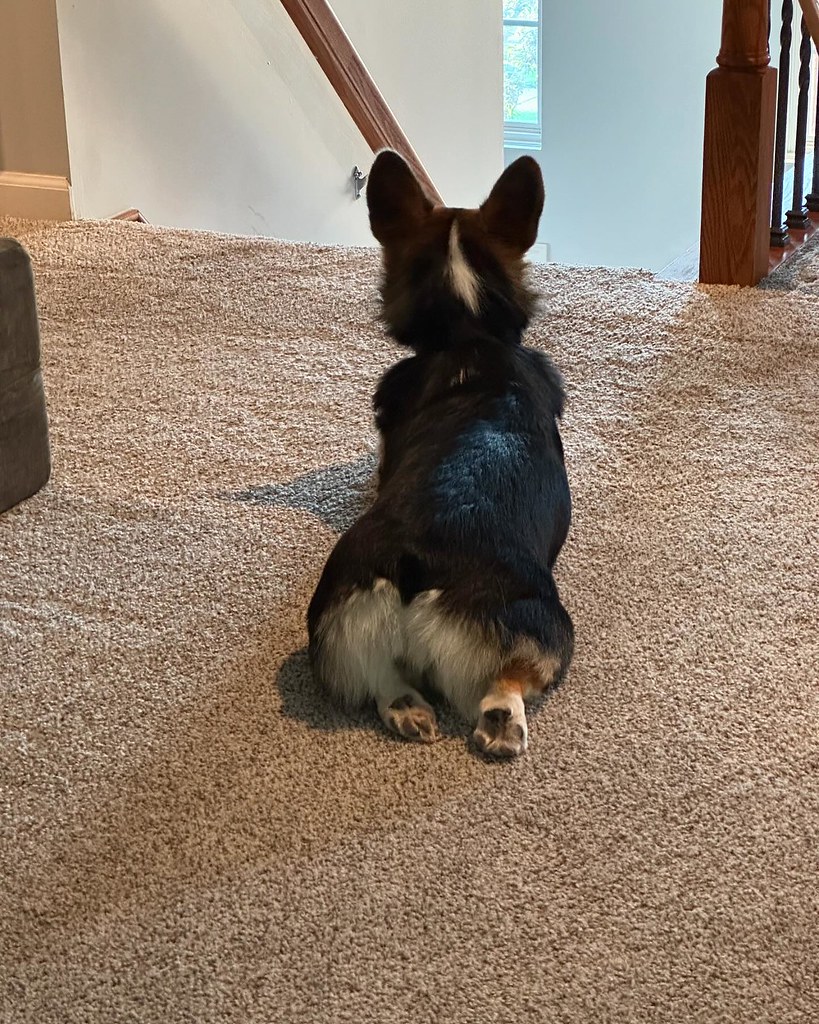
4. **Corgi**Like the Dachshund, the Corgi is another endearing breed where “dwarfism has been selectively bred for some types where short legs are preferred.” These dogs possess a sturdy, robust body set upon those characteristic short limbs, presenting a distinctive and charming silhouette. For seniors, the Corgi’s manageable size and intelligent, personable demeanor often make them highly appealing companions. However, as with any dog chosen, a thorough understanding of their physical traits and how these inform their care is a crucial step towards a successful and enduring bond.
Despite their unique proportions, Corgis, like all healthy dogs, share the fundamental anatomical blueprint of their species, possessing the same number of bones with variations primarily in size and proportion. The selective breeding for dwarfism, while creating a compact and robust body, also means that their skeletal structure carries weight differently than breeds with longer limbs. This structural characteristic makes it especially important to support their physical well-being through appropriate exercise and weight management. The dog’s skeleton, while generally well-adapted for diverse activities, requires attentive care to maintain its integrity in breeds with specialized builds.
Health considerations are always at the forefront of responsible pet ownership. As noted, numerous disorders can affect dogs, and obesity correlates negatively with longevity, with obese dogs having a shorter life expectancy. For Corgis, maintaining an ideal body weight is particularly critical to minimize stress on their spine and joints, given their elongated back and short legs. Regular veterinary check-ups allow for early detection and management of any musculoskeletal issues or other health concerns that might arise. A proactive approach to their health ensures that these beloved companions can enjoy a vibrant and comfortable life alongside their senior owners.
Behaviorally, dogs have been bred for desired traits, and their behavior has been shaped by millennia of human contact. While the context doesn’t detail specific Corgi behaviors, dogs perform many roles for humans, including herding. Historically, many breeds with a sturdy, low-slung build were developed for herding livestock, a role that demands intelligence, focus, and a resilient temperament. These traits, often inherent in such breeds, can manifest as a keen intelligence and a desire for engagement. For seniors, harnessing this inherent intelligence through positive reinforcement training and engaging activities can lead to a highly responsive and devoted companion, making daily interactions enriching and enjoyable.
Moreover, a dog’s intelligence is a key factor in their ability to integrate into human households and learn new commands. Researchers have shown that dogs can learn by inference, with examples like Rico, a Border Collie, knowing labels for over 200 items, and Chaser, another Border Collie, associating over 1,000 words with verbal commands. While Corgis are not Border Collies, their intelligence implies a need for mental stimulation. Providing puzzles, short training sessions, and interactive play can keep their minds sharp and prevent boredom. This mental engagement, combined with understanding their unique physical needs, ensures a well-rounded and content companion, enriching the lives of both the dog and their senior human.
This section continues our exploration of diverse dog characteristics, focusing on anatomical features, sensory capabilities, and general care requirements for the remaining five breeds. As seniors consider bringing a new furry friend into their lives, understanding these unique traits is paramount to ensuring a healthy, happy, and harmonious companionship. We’ll delve into how skull types impact health, the significance of different coat types, and how a dog’s extraordinary senses influence their behavior and needs, helping you make the most informed decision for your unique lifestyle.
Read more about: Art’s Provocative Edge: A Chronicle of the Exhibits That Ignited Uproar and Redefined Artistic Boundaries
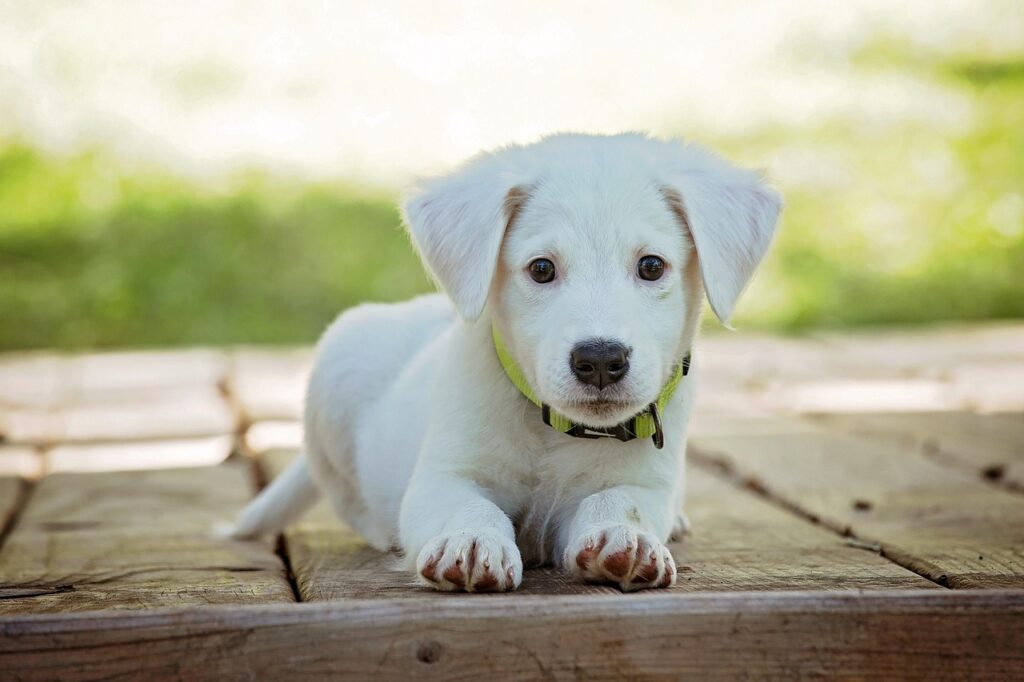
5. **Pug**Transitioning from breeds known for their distinct leg structures, we now turn our attention to the Pug, a charming companion renowned for its unique facial features. The Pug exemplifies the “very short and broad brachycephalic type” of skull, which is a significant anatomical feature to understand. While undeniably endearing, this skull shape has specific implications for a dog’s health and well-being, particularly concerning their respiratory system. For seniors, it’s crucial to be aware of how these features might affect daily care and potential veterinary needs.
The brachycephalic skull type means that Pugs have a shortened snout and flattened face, which can lead to various health considerations, most notably those related to breathing. While the dog’s skeleton has identical components regardless of breed, the divergence in skull shape is profound. This unique conformation can affect airflow and temperature regulation, making them more susceptible to respiratory distress, especially in warm weather or during strenuous exercise. Responsible ownership involves being vigilant about their breathing patterns and ensuring they do not overexert themselves, providing a comfortable and well-ventilated environment.
Indeed, numerous disorders are known to affect dogs, and for breeds like the Pug, upper respiratory tract diseases are a particular concern. The context highlights that dogs can acquire such diseases affecting the nasal cavity, larynx, and trachea. It’s important to note that while they are highly adaptable and loving companions, their distinct physical attributes necessitate proactive health management. Regular veterinary check-ups focused on their respiratory health, combined with careful monitoring at home, are key to ensuring a good quality of life for a brachycephalic dog.
Beyond their physical needs, Pugs, like all dogs, have been shaped by millennia of contact with humans, acquiring the ability to understand and communicate with us. They are known for their affectionate and sociable personalities, traits of high sociability that are common in domesticated dogs. This makes them wonderful, devoted companions for seniors who appreciate a dog that thrives on close interaction and offers constant, loving presence. Their moderate exercise requirements also make them well-suited for lifestyles that may not involve extensive physical activity, as long as their breathing is carefully managed.
Understanding a Pug’s specific needs, especially related to their brachycephalic skull, is an act of love and responsibility. By providing a calm home environment, avoiding extreme temperatures, and engaging in appropriate, gentle exercise, seniors can enjoy a deeply rewarding relationship with these charming dogs. Their unique appearance comes with unique care requirements, and being prepared for these ensures a happy, healthy life for your beloved Pug, enriching your home with their cheerful spirit.
Read more about: The Unfiltered Truth: Dame Dash Unleashes Bombshell Revelations on Jay-Z, R. Kelly, and Aaliyah’s Shadowy Past
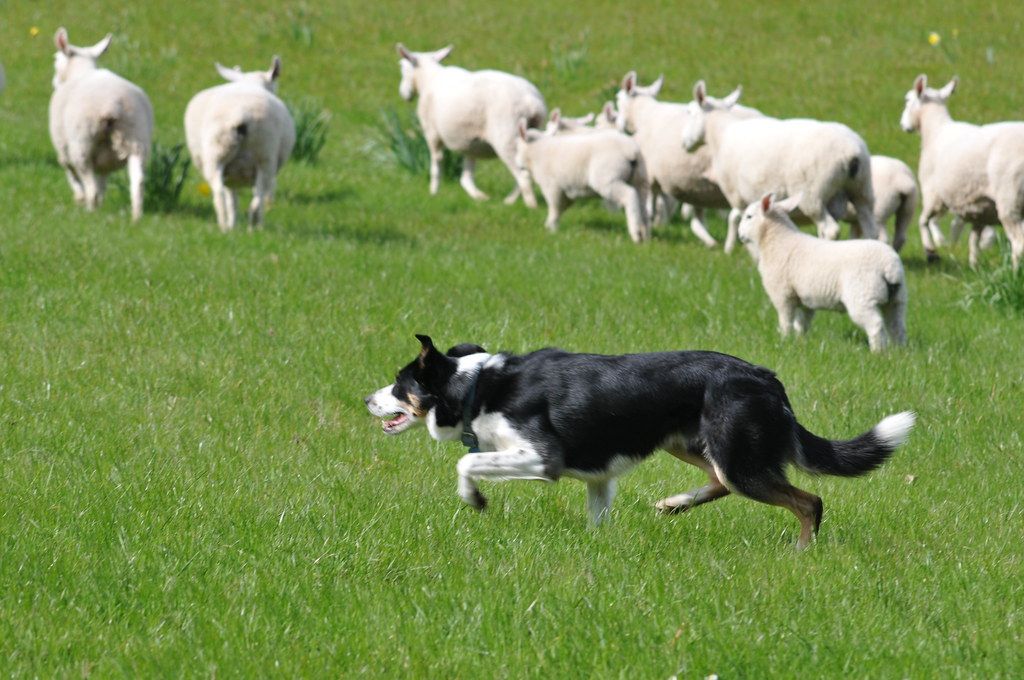
6. **Collie**Moving to a different anatomical profile, the Collie exemplifies the “intermediate mesocephalic or mesaticephalic type” of skull. This skull shape is often considered well-balanced and is characteristic of many dog breeds, relating to general canine physiology and often associated with intelligence and sensory capabilities. For seniors seeking a companion, a dog with a mesocephalic skull typically presents fewer breed-specific respiratory challenges compared to brachycephalic breeds, making them generally robust and capable of engaging in a variety of activities.
The dog’s skeleton is generally well adapted for running, with features such as vertebrae on the neck and back having extensions for strong back muscles and long ribs providing ample room for the heart and lungs. A mesocephalic skull typically complements this structure, allowing for efficient breathing and physical prowess. While the context doesn’t detail the Collie’s specific physical attributes beyond its skull type, this general conformation often indicates a dog capable of moderate to high activity levels, requiring a senior owner who can provide consistent, engaging exercise, whether through walks or active play.
Collies are renowned for their intelligence, a characteristic that makes them highly trainable and responsive companions. The context highlights that dog behavior has been shaped by millennia of human contact, acquiring the ability to understand and communicate. Researchers have shown dogs can learn by inference, with examples like Rico and Chaser, Border Collies, demonstrating impressive vocabulary and learning abilities. While Collies are not Border Collies, they share a similar intellectual capacity, suggesting they thrive on mental stimulation and positive reinforcement training, making them incredibly rewarding partners for seniors who enjoy interactive engagement.
Their intelligence also extends to their sensory capabilities. Dogs possess an acute sense of hearing, up to four times greater than humans, enabling them to pick up the slightest sounds from far distances. This heightened hearing, coupled with their sharp minds, means Collies are often very alert and responsive to their environment. For seniors, this can be a double-edged sword: while they make excellent watchdogs, they may also be sensitive to loud noises, requiring a calm and predictable home environment. Understanding their sensory world helps in creating a secure and comfortable living space.
Ultimately, a Collie offers a wonderful blend of intelligence, loyalty, and a balanced physical structure, making them a superb companion for active seniors. Their need for mental engagement means they will thrive with an owner who can dedicate time to training, games, and consistent interaction. By appreciating their cognitive abilities and providing outlets for their intelligence, seniors can foster an incredibly deep and satisfying bond with a Collie, enriching both their lives through mutual understanding and companionship.
Read more about: Marilyn Monroe: A Reassessment of a Life Defined by Stardom, Struggle, and Enduring Iconography

7. **Yorkshire Terrier**Turning our attention to the Yorkshire Terrier, we focus on another crucial aspect of canine diversity: coat types and their specific grooming requirements. The context mentions that the coats of domestic dogs are of two varieties – “double” or “single” – and that some breeds are hairless, while others have very thick corded coats. The Yorkshire Terrier, with its characteristic long, silky single coat, stands out and requires particular attention to grooming, which is a significant consideration for seniors.
The grooming needs of a Yorkshire Terrier are quite specific. The context notes that “the coats of certain breeds are often groomed to a characteristic style, for example, the Yorkshire Terrier’s ‘show cut’.” This implies that their beautiful coat isn’t just for show; it requires regular maintenance to prevent tangles, matting, and to keep the dog comfortable and healthy. For seniors, assessing their ability or willingness to commit to daily brushing and regular professional grooming is an important step. This dedication ensures the dog’s comfort and prevents potential skin issues that can arise from neglected coats.
Beyond aesthetics, a dog’s coat plays a role in their overall health. The context mentions dermatological disorders such as alopecia and pyoderma, which can be linked to coat and skin health. Proper grooming is a preventative measure against such conditions. Regular brushing stimulates the skin, distributes natural oils, and allows for early detection of any skin irritations or parasites. While smaller dogs like the Yorkshire Terrier are generally more manageable to bathe and groom at home, the length and texture of their coat mean it’s a consistent, ongoing task.
Despite their sometimes delicate appearance, Yorkshire Terriers are full of personality and typically exhibit traits of high sociability and a lack of fear, making them eager and affectionate companions. Their small size makes them ideal for apartment living or for seniors with limited mobility who prefer a lap dog. While their physical exercise needs may be less demanding than larger breeds, their mental and emotional needs are just as significant. They thrive on human interaction and can be quite playful, offering constant companionship and a lively presence in the home.
For seniors considering a Yorkshire Terrier, the commitment to their distinctive coat care is perhaps the most unique consideration. With proper grooming, these tiny companions are truly stunning and can provide immense joy. Their devotion and lively spirit, combined with manageable size, make them wonderful additions to a senior’s life, provided the owner is prepared for the delightful ritual of keeping their coat in tip-top condition.
Read more about: Is Your Perfect Pet (or Thanksgiving Dish) Written in the Stars? Find Out Based on Your Zodiac Sign
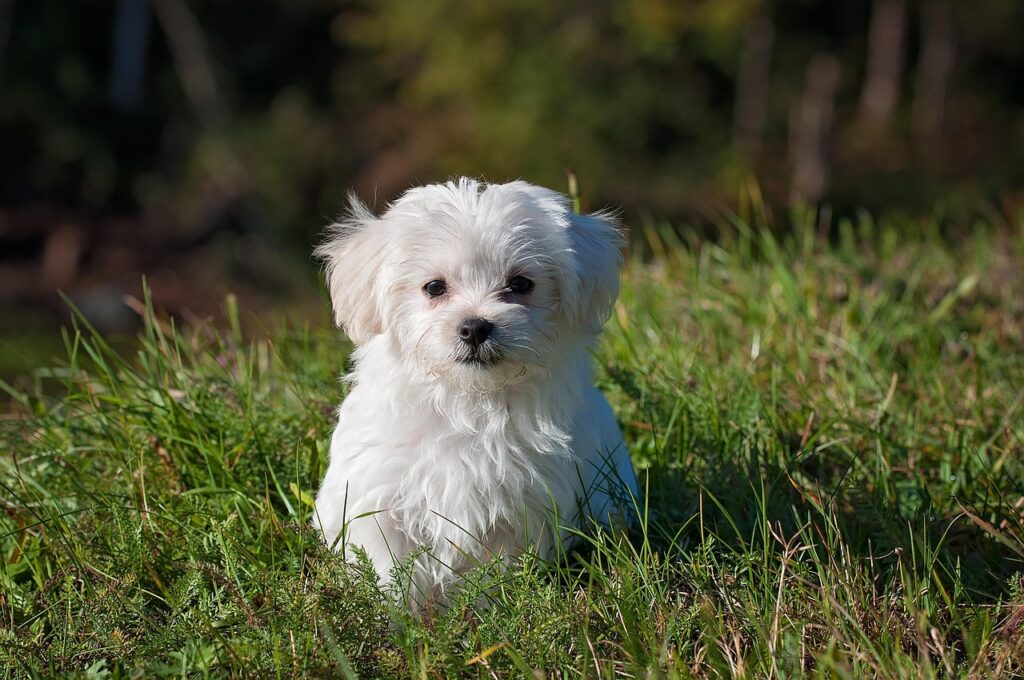
8. **Bloodhound**Next, we explore a breed celebrated for one of the most extraordinary sensory capabilities in the canine world: the Bloodhound and its profound sense of smell. The context states that dogs have “roughly forty times more smell-sensitive receptors than humans, ranging from about 125 million to nearly 300 million in some dog breeds, such as bloodhounds.” This highlights their unparalleled olfactory prowess and its significant role in their behavior, training, and enrichment needs, offering unique considerations for seniors.
The Bloodhound’s sense of smell is their defining characteristic and deeply influences their behavior. This sense “is the most prominent sense of the species; it detects chemical changes in the environment, allowing dogs to pinpoint the location of mating partners, potential stressors, resources, etc.” For seniors, understanding this powerful instinct, often described as a natural instinct called prey drive (though for Bloodhounds it’s more accurately a ‘scent drive’), is essential for management during walks and outdoor activities. A Bloodhound following a captivating scent can be incredibly determined, requiring an owner with the strength and attentiveness to manage them on a leash.
Training a Bloodhound involves harnessing this remarkable sensory ability. Their intelligence and social-cognitive skills, paralleling those of children, mean they are highly capable of learning. Positive reinforcement, often incorporating scent work or ‘nose games,’ can be incredibly enriching for them, providing mental stimulation that is just as important as physical exercise. For seniors, this can translate into engaging and satisfying activities, such as hiding treats and letting the dog find them, which can be done indoors and provides a wonderful way to bond without requiring extensive physical exertion.
While Bloodhounds are generally known for their docile and gentle temperament indoors, their outdoor behavior is heavily dictated by their nose. The context mentions that dogs mark their territories by urinating on them, which is more likely when entering a new environment, and that their communication includes gustatory communication (scents). This constant interaction with their olfactory world means they are always processing information, which makes walks an adventure but also a focused activity. Seniors should be prepared for a dog that will want to stop and sniff frequently, exploring the world through its nose.
Choosing a Bloodhound means welcoming a dog with an incredible gift. Their profound sense of smell not only provides them with a rich internal world but can also be a unique source of connection and enjoyment for their human companions. For seniors who appreciate a dog with a strong purpose and unique behavioral needs, and who are prepared to engage with their olfactory talents, a Bloodhound can be an immensely rewarding and loving addition to the family, bringing an unparalleled dimension of canine companionship.
Read more about: Mitzi Gaynor, the Effervescent Song-and-Dance Queen, Dies at 93: A Legacy of Razzle-Dazzle and Hollywood Charm
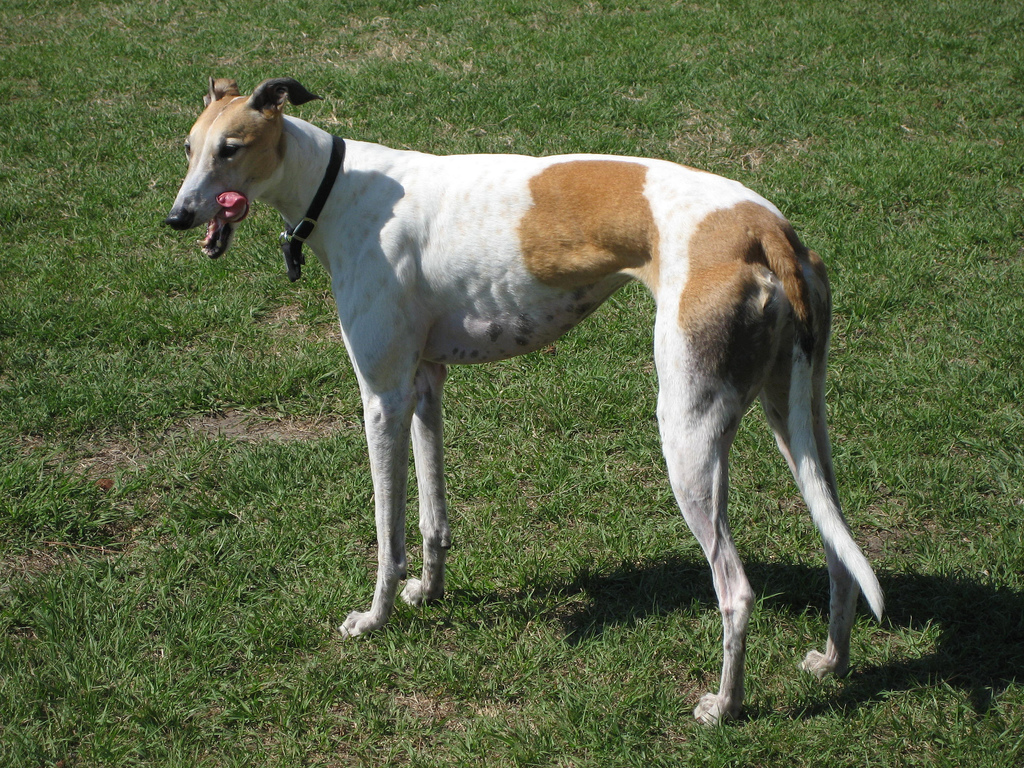
9. **Sighthound (Type)**Finally, we consider Sighthound types, a group of breeds characterized by their elongated, “dolichocephalic type” skulls and general physical attributes geared towards speed and visual hunting. Breeds like Greyhounds, Salukis, and Whippets fall into this category, possessing bodies “well adapted for running” and an incredible ability to spot and pursue prey at a distance. For seniors, these dogs present a distinct set of considerations, particularly regarding their activity levels and exercise needs.
The dolichocephalic skull is associated with a narrow, long head, which enhances their visual field, making them adept at spotting movement over vast distances. Coupled with their athletic build, featuring long ribs for heart and lungs and shoulders unattached to the skeleton for flexibility, Sighthounds are built for bursts of intense speed. This means that while they might be calm and quiet indoors, they have an innate need for regular opportunities to run and stretch their legs in a safe, enclosed area. For seniors, ensuring access to such spaces, or being able to manage short, brisk walks, is essential.
Their exercise needs are crucial for both physical and mental well-being. The context notes that musculoskeletal diseases such as arthritis can affect dogs, and while Sighthounds are generally healthy, appropriate exercise helps maintain joint health. Conversely, obesity correlates negatively with longevity, and preventing it is key, especially for active breeds. Seniors should understand that while a Sighthound might enjoy lounging, their physical structure demands an outlet for their running prowess to keep them in peak condition and prevent boredom or frustration.
Behaviorally, Sighthounds are often described as sensitive and gentle, forming strong bonds with their human companions. While their prey drive is strong and sight-driven, they also exhibit traits of high sociability. Their social-cognitive skills are well-developed, meaning they respond well to positive reinforcement and clear communication. For seniors, their generally quiet demeanor indoors can be a huge plus, as they are not typically boisterous housemates once their exercise needs have been met.
Bringing a Sighthound into a senior’s life offers the unique joy of a graceful, athletic companion. Understanding their dolichocephalic skull type and the physical demands of their running ability is key to their care. While they require specific exercise opportunities, their calm indoor presence and affectionate nature make them wonderful, low-maintenance house companions once those needs are met. For seniors who can provide a secure space for a good run and appreciate a dog with elegance and speed, a Sighthound can be a truly rewarding and serene partner.
Choosing a canine companion is a deeply personal and significant decision, especially for seniors seeking to enrich their lives with the warmth and unwavering loyalty of a dog. As we’ve explored the diverse characteristics of these nine wonderful breeds, from their varying sizes and unique anatomies to their distinct sensory capabilities and behavioral traits, the overarching message remains clear: informed choice is the foundation of a truly harmonious bond. Each dog is a world of wonder, possessing an incredible capacity for understanding, communication, and boundless affection. By carefully considering how a dog’s general needs align with your own lifestyle and preferences, you’re not just choosing a pet; you’re inviting a cherished family member into your home. The journey to find your perfect ‘man’s best friend’ is one of thoughtful consideration, leading to years of shared joy, purpose, and unconditional love, reminding us all of the profound and beautiful connection we share with these remarkable animals.