The 1970s. Ah, what a decade! Like a wild rock album played at maximum volume, it was an era that shunned subtlety, embracing the bold, the brash, and the unapologetically stylish in every facet of life – and especially when it came to cars. While some might grumble about the decade’s later ‘Malaise Era’ brought on by new emissions rules and rising fuel prices, the truth is that the 70s began with an absolute bang, birthing some of the most exciting muscle cars and supercars ever conceived, machines designed not just to move you, but to command attention and dominate the road.
Indeed, these weren’t merely ‘old cars’ destined for the scrapyard; they were, and still are, profound statements on wheels. They represent a tangible connection to a golden era of automotive history, a time when engineers and designers pushed boundaries with a fervent passion. Today, these mechanical marvels are now prized collectibles, fetching jaw-dropping prices at auctions and in private sales, their value soaring as enthusiasts and investors recognize their unique place in the automotive pantheon.
So, buckle up, because we’re about to embark on an exhilarating journey. We’ve curated a list of 14 of the most iconic, rare, and eye-wateringly expensive vintage cars from the 1970s, machines that are far more than just metal and rubber. They are investment-grade masterpieces, each with a story, a roar, and a legacy that continues to inspire awe among car lovers and collectors alike. Prepare to have your perceptions of classic car values recalibrated as we unveil these timeless treasures.

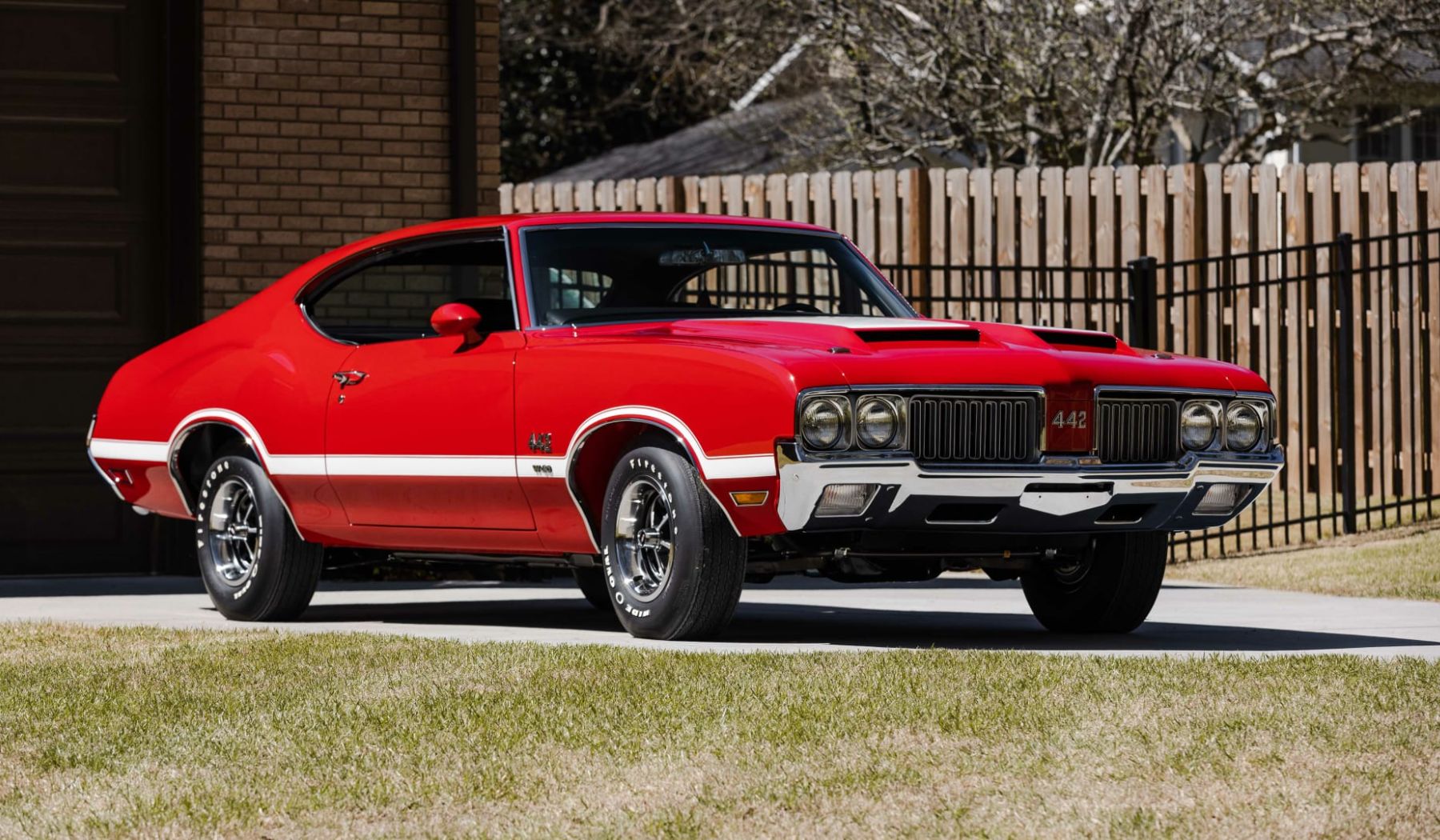
1. **1972 Oldsmobile Cutlass 442 Convertible**The 1970s kicked off with a flourish, and the 1972 Oldsmobile Cutlass 442 Convertible perfectly encapsulated that spirit. This wasn’t just a car; it was a statement, a rumbling symphony of a 455-cubic-inch V8 engine nestled within a sleek convertible body, unequivocally built to dominate the streets. It perfectly symbolized an era when American automakers were creating powerful, stylish cars that, crucially, still felt approachable to the everyday enthusiast.
This particular model, the 1972 Oldsmobile 442, holds a special place in the hearts of muscle car aficionados. While new emissions standards were beginning to temper the raw power of some vehicles, the 442 introduced a W30 package that delivered a potent 310 horsepower, complete with a Ram Air induction system. It was Oldsmobile’s defiant roar against the tide, ensuring its legacy as a true performer.
Its performance was genuinely remarkable for the time, a testament to the engineering prowess of the era. According to *Muscle Cars Illustrated*, *Hi-Performance Cars Magazine* recorded a blistering 14.37-second quarter-mile at 98 mph behind the wheel of the ’72. This feat alone cemented its status as the second-fastest muscle car of the year, a title that resonates deeply with collectors.
Today, these cars are still treasured for their classic design and the vivid memories they evoke of simpler, high-octane times. The average price for these beauties might fluctuate, but a top-tier example, such as the convertible, can command prices around $110,000, reflecting its highly desired collectible status and the sheer joy it brings to those lucky enough to own one.
Car Model Information: 2022 Dodge Challenger R/T
Name: Oldsmobile Cutlass Supreme
Manufacturer: Oldsmobile
Production: 1965–1997
Layout: FR layout
Successor: Oldsmobile Intrigue
Class: Personal luxury car
Caption: 1970 Oldsmobile Cutlass Supreme
Categories: 1960s cars, 1970s cars, 1980s cars, 1990s cars, All Wikipedia articles written in American English
Summary: The Oldsmobile Cutlass Supreme is a mid-size car produced by Oldsmobile between 1966 and 1997. It was positioned as a premium offering at the top of the Cutlass range. It began as a trim package, developed its own roofline, and rose during the mid-1970s to become not only the most popular Oldsmobile but the highest selling model in its class.
It was produced as a rear-wheel drive two-door hardtop, sedan, and station wagon into the 1980s, and a convertible through 1972. In 1988 Oldsmobile sought to capitalize on the brand equity of the Cutlass Supreme marque by replacing it with a downsized front-wheel drive model based on the General Motors W platform.
When production ended there was no direct replacement for the Cutlass Supreme, although the Intrigue introduced for 1998 was designed in size and price to replace all the Cutlass models.
Get more information about: Oldsmobile Cutlass Supreme
Buying a high-performing used car >>>
Brand: Oldsmobile Model: Cutlass 442 Convertible
Price: $24,497 Mileage: 65,414 mi.
Read more about: Gearhead Dreams: 15 Iconic Defunct Car Brands We Desperately Want Back on the Road
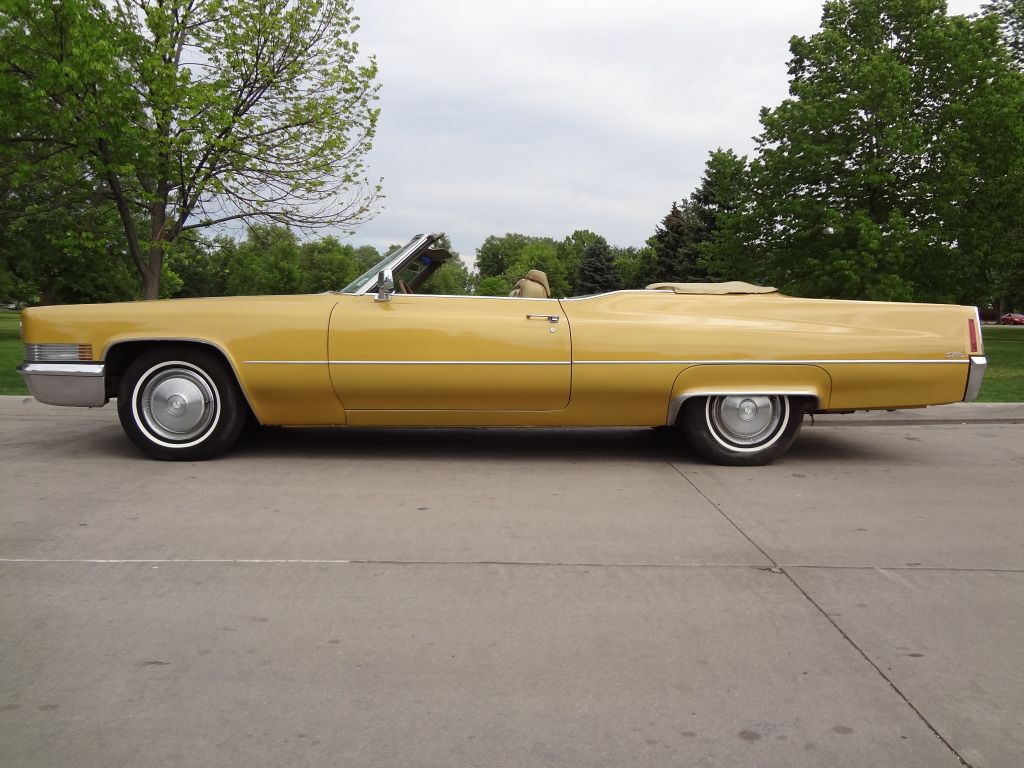
2. **1970 Cadillac DeVille Convertible**When we talk about luxury cruising, the 1970 Cadillac DeVille Convertible didn’t just participate; it *was* the peak. The very name Cadillac is synonymous with luxury, and this particular car embodies everything the brand stood for at its absolute heyday. It wasn’t simply a means to traverse from point A to point B; it was, unequivocally, a rolling status symbol, designed to announce your arrival with unparalleled grace and grandeur.
Imagine the scene: cruising down a wide boulevard, the top down, the sun glinting off its gleaming chrome, the powerful V8 engine offering a smooth, effortless ride. The DeVille Convertible was more than transportation; it was an experience, a statement of success and impeccable taste. Its sheer presence commanded respect, turning heads wherever it went.
While an average 1970 Cadillac DeVille might hover around the $20,000 mark today, do not be fooled. The true gems, the all-original, showroom-fresh models, are in a league of their own. The fact that one of these beauties fetched a staggering six figures in 2023 serves as a potent reminder of just how much these meticulously preserved pieces of automotive art can truly be worth. It’s a testament to their enduring appeal and the meticulous care some owners bestow upon them.
Car Model Information: 1964 Cadillac DeVille Base
Name: Cadillac DeVille
Caption: 2004 Cadillac DeVille DHS
Manufacturer: Cadillac
Production: 1958–2005
ModelYears: 1959–2005
Class: luxury car
Layout: FR layout
Predecessor: Cadillac Series 62
Successor: Cadillac DTS
Categories: 1950s cars, 1960s cars, 1970s cars, 1980s cars, 1990s cars
Summary: The Cadillac DeVille is a model name used by Cadillac over eight generations, originally to designate a trim level of the 1949 Cadillac Series 62 and later for a standalone model in the brand range. The last model marketed specifically as a DeVille was the 2005 full-size sedan, at the time, Cadillac’s largest model.
For 2006, the DeVille nameplate was retired, when the model line was carried forward (with minor revisions) as the Cadillac DTS, using a nomenclature adopted by the Cadillac STS and CTS.
Get more information about: Cadillac de Ville series
Buying a high-performing used car >>>
Brand: Cadillac Model: DeVille
Price: $36,000 Mileage: 36,453 mi.
Read more about: Why We Still Adore Them: A Deep Dive into the Most Gloriously Awkward ’80s Cars That Were So Ugly, They Became Icons

3. **1974 Maserati Indy**Ah, the Maserati Indy. The name itself hints at its racing pedigree, honoring Maserati’s two triumphant Indy 500 wins, and the car itself delivers on that promise of prestige and performance. This Italian masterpiece is defined by an exquisite blend of luxury, exclusivity, and that unmistakable, intoxicating touch of Italian craftsmanship that sets it apart from the crowd.
Designed specifically for buyers who demanded both blistering performance and undeniable prestige, the Maserati Indy was a rare jewel. Its aesthetic appeal is undeniable, characterized by sleek, flowing lines that have, quite simply, refused to age. It carries a timeless elegance that transcends transient fads, making it as captivating today as it was half a century ago.
But the Indy’s allure isn’t just skin deep; its scarcity adds another layer to its desirability. With only 1,104 units ever produced, finding one is a genuine challenge, and owning one is a privilege. This limited production run only amplifies its mystique and its commanding presence in the collector car market, making each sighting a special occasion.
The market has certainly recognized its profound significance. While not reaching the stratospheric heights of some hyper-exotics, a 1974 Maserati Indy can still fetch an impressive $114,240, as evidenced by recent sales. This price point solidifies its position as a highly desirable collectible, a true testament to its enduring design and the rich heritage it carries.
Car Model Information: 1974 Maserati Indy
Name: Maserati Indy
Manufacturer: Maserati
Production: 1969–1975,1,104 produced
Assembly: Modena
Designer: Virginio Vairo
Class: Grand tourer
BodyStyle: 2+2 (car body style),coupé
Layout: Front-engine, rear-wheel-drive layout
Engine: V8 engine,4.7 L Tipo AM 107/1 V8,4.9 L Tipo AM 107/49 V8
Transmission: ZF Friedrichshafen,Borg-Warner
Wheelbase: 2600 mm
Abbr: on
Length: 4740 mm
Width: 1760 mm
Height: 1220 mm
Weight: 1680 kg
Predecessor: Maserati Sebring
Sp: uk
Categories: 1970s cars, All articles needing additional references, All stub articles, Articles needing additional references from May 2020, Articles with short description
Summary: The Maserati Indy (Tipo AM116) is a four-seater fastback grand tourer produced by the Italian car manufacturer Maserati from 1969 to 1975. It was the first car produced by Maserati under Citroën ownership.
Get more information about: Maserati Indy
Buying a high-performing used car >>>
Brand: Maserati Model: Indy
Price: $74,980 Mileage: 50,538 mi.
Read more about: Beyond the Legends: A Deep Dive into 14 Underrated Maseratis with Enduring Appeal
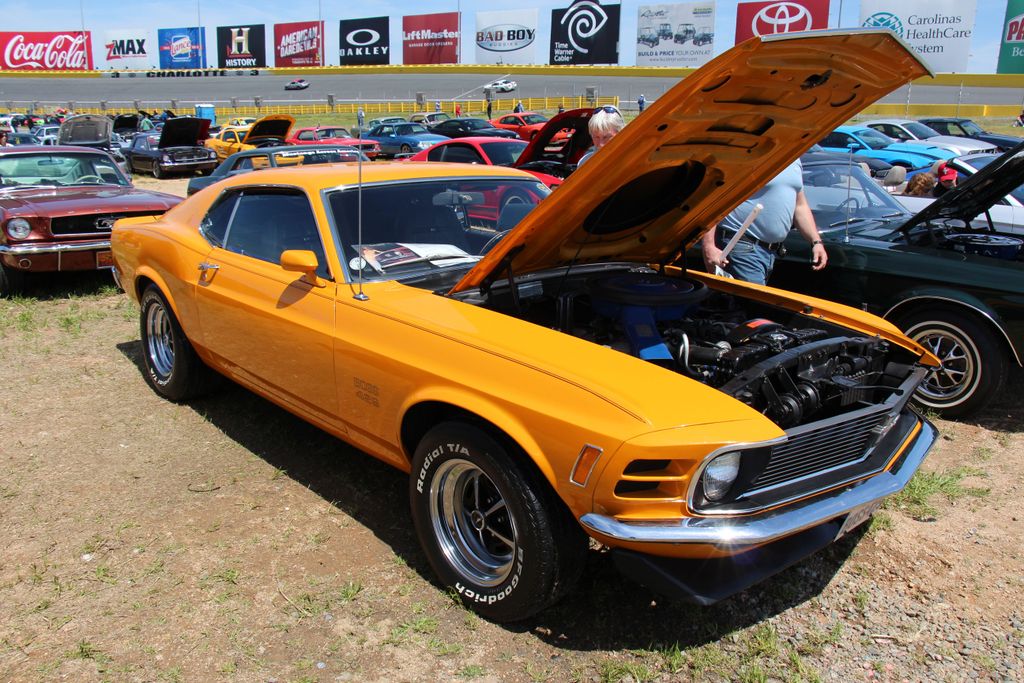
4. **1970 Ford Mustang Boss 429**If ever there was a car that embodied the raw, untamed spirit of American muscle, it was the 1970 Ford Mustang Boss 429. This isn’t just a Mustang; it’s a legend, a ‘holy grail’ for collectors, and its story is as compelling as its aggressive stance. Its extreme rarity, with fewer than 500 built in 1970, instantly elevates it to an elite echelon of automotive treasures, making it one of the most sought-after vehicles of its era.
The Boss 429’s existence was inextricably linked to NASCAR’s glory days. Ford needed to homologate its new ‘Boss 429’ semi-hemispherical engine for use in NASCAR racing, and the Mustang was the chosen chariot. This direct connection to the thunderous roar of the racetrack imbues the car with an almost mythical status, a tangible piece of motorsport history you can actually drive – if you’re brave enough.
Interestingly, despite its now-legendary status, the Boss 429 wasn’t an instant hit on the showroom floors. Ford, it seems, prioritized meeting NASCAR engine requirements over effective marketing. This led to modest sales at the time, a peculiar twist of fate that ironically contributes to its incredible rarity and desirability today. Oh, how times change!
Fast forward to today, and the market tells a very different story. The 1970 Ford Mustang Boss 429 regularly commands jaw-dropping prices, with examples fetching as much as $462,000. This phenomenal appreciation in value is a clear indicator of its revered status, a powerful muscle car that went from a relative sales flop to an undeniable automotive icon.
Car Model Information: 2008 Ford Mustang GT Premium
Name: Ford Mustang
Caption: 2018 Ford Mustang GT 5.0
Aka: Ford T5 (Germany)
Manufacturer: Ford Motor Company
Production: March 1964 – present
ModelYears: 1965–present
Class: Unbulleted list
BodyStyle: Unbulleted list
Layout: Front-engine, rear-wheel-drive layout
Categories: 1970s cars, 1980s cars, 1990s cars, 2+2 coupés, 2000s cars
Summary: The Ford Mustang is an American automobile manufactured and marketed by Ford since 1964, as Ford’s longest nameplate in continuous production. Currently in its seventh generation, it is the fifth-best selling Ford car nameplate. The namesake of the “pony car” automobile segment, the Mustang was developed as a highly styled line of sporty coupes and convertibles derived from existing model lines, initially distinguished by its pronounced “long hood, short deck” proportions.
Originally predicted to sell 100,000 vehicles yearly, the 1965 Mustang became the most successful vehicle launch since the 1927 Model A. Introduced on April 17, 1964 (16 days after the Plymouth Barracuda), over 400,000 units were sold in its first year; the one-millionth Mustang was sold within two years of its launch. In August 2018, Ford produced the 10-millionth Mustang; matching the first 1965 Mustang, the vehicle was a 2019 Wimbledon White convertible with a V8 engine.
The success of the Mustang launch led to multiple competitors from other American manufacturers, including the Chevrolet Camaro and Pontiac Firebird (1967), AMC Javelin (1968), and Dodge Challenger (1970). It also competed with the Plymouth Barracuda, which was launched around the same time. The Mustang also had an effect on designs of coupes worldwide, leading to the marketing of the Toyota Celica and Ford Capri in the United States (the latter, by Lincoln-Mercury). The Mercury Cougar was launched in 1967 as a unique-bodied higher-trim alternative to the Mustang; during the 1970s, it included more features and was marketed as a personal luxury car.
From 1965 until 2004, the Mustang shared chassis commonality with other Ford model lines, staying rear-wheel-drive throughout its production. From 1965 to 1973, the Mustang was derived from the 1960 Ford Falcon compact. From 1974 until 1978, the Mustang (denoted Mustang II) was a longer-wheelbase version of the Ford Pinto. From 1979 until 2004, the Mustang shared its Fox platform chassis with 14 other Ford vehicles (becoming the final one to use the Fox architecture). Since 2005, Ford has produced two generations of the Mustang, each using a distinct platform unique to the model line.
Through its production, multiple nameplates have been associated with the Ford Mustang series, including GT, Mach 1, Boss 302/429, Cobra (separate from Shelby Cobra), and Bullitt, along with “5.0” fender badging (denoting 4.9 L OHV or 5.0 L DOHC V8 engines).
Get more information about: Ford Mustang
Buying a high-performing used car >>>
Brand: Ford Model: Mustang
Price: $16,785 Mileage: 81,832 mi.
Read more about: The Ultimate Transmission Tease: Scoring 10 Iconic Cars from Satisfying Throws to Grind City
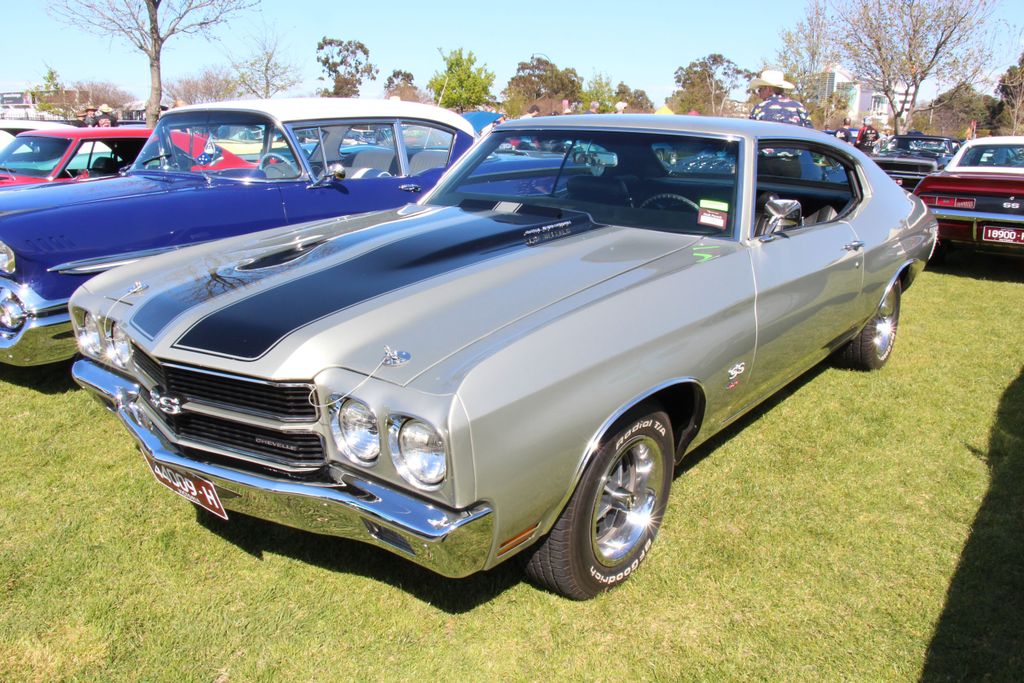
5. **1970 Chevrolet Chevelle SS-454 LS6**When we talk about muscle cars that didn’t just look great but packed a seismic punch, the 1970 Chevrolet Chevelle SS-454 LS6 is often at the top of the list. This wasn’t merely a Chevelle; it was a beast, an apex predator of the asphalt, and a testament to Chevrolet’s audacious commitment to power during the muscle car wars. It combined aggressive styling with an engine that was truly in a class of its own.
The heart of this magnificent machine was its formidable LS6 V8 engine. This powerhouse produced a record-setting 450 horsepower, an astonishing figure for the time, cementing its reputation as one of the most potent production engines ever fitted into an American muscle car. It was brute force personified, delivered with a satisfying, visceral roar that sent shivers down spines and put smiles on faces.
However, what truly propels the Chevelle SS-454 LS6 into the upper echelons of collectibility is its extreme rarity. Less than 1% of all Chevelles built in 1970 were equipped with this legendary LS6 engine. It’s estimated that there are only around 20 to 25 of these cars left in existence today, making each surviving example an incredibly precious artifact of automotive history.
Given its rarity and immense power, it should come as no surprise that these phenomenal machines generally change hands for six figures. With top sales reaching an incredible $600,000, the 1970 Chevrolet Chevelle SS-454 LS6 stands as a monumental investment and a thrilling reminder of a golden age when horsepower was king and subtlety was an afterthought.
Car Model Information: 2022 Dodge Challenger R/T
Name: Chevrolet Chevelle
Caption: 1970 Chevrolet Chevelle SS 396 Sport Coupe
Manufacturer: Chevrolet
Production: 1963–1977
ModelYears: 1964–1977
Class: Mid-size
Platform: GM A platform (RWD)
Layout: FR layout
Successor: Chevrolet Malibu
Categories: 1970s cars, All articles needing additional references, All articles that may contain original research, All articles with specifically marked weasel-worded phrases, All articles with unsourced statements
Summary: The Chevrolet Chevelle is a mid-sized automobile that was produced by the Chevrolet division of General Motors (GM) in three generations for the 1964 to 1977 model years. Part of the GM A-body platform, the Chevelle was one of Chevrolet’s most successful nameplates. Body styles included coupes, sedans, convertibles, and station wagons. The “Super Sport” versions were produced through the 1973 model year and Lagunas from 1973 through to 1976.
After a four-year absence, the El Camino was reintroduced as part of the new Chevelle lineup in 1964.
From 1964 to 1969, GM of Canada sold a modified version of the Chevelle that included a Pontiac-style grille, and a LeMans instrument panel, marketed as the Beaumont.
The Malibu was the top-of-the-line model to 1972, and completely replaced the Chevelle nameplate starting with the redesigned, and downsized 1978 model year.
Get more information about: Chevrolet Chevelle
Buying a high-performing used car >>>
Brand: Chevrolet Model: Chevelle SS-454 LS6
Price: $24,497 Mileage: 65,414 mi.
Read more about: Revving Up History: Unearthing the Forgotten Engines That Forged American Muscle Legends
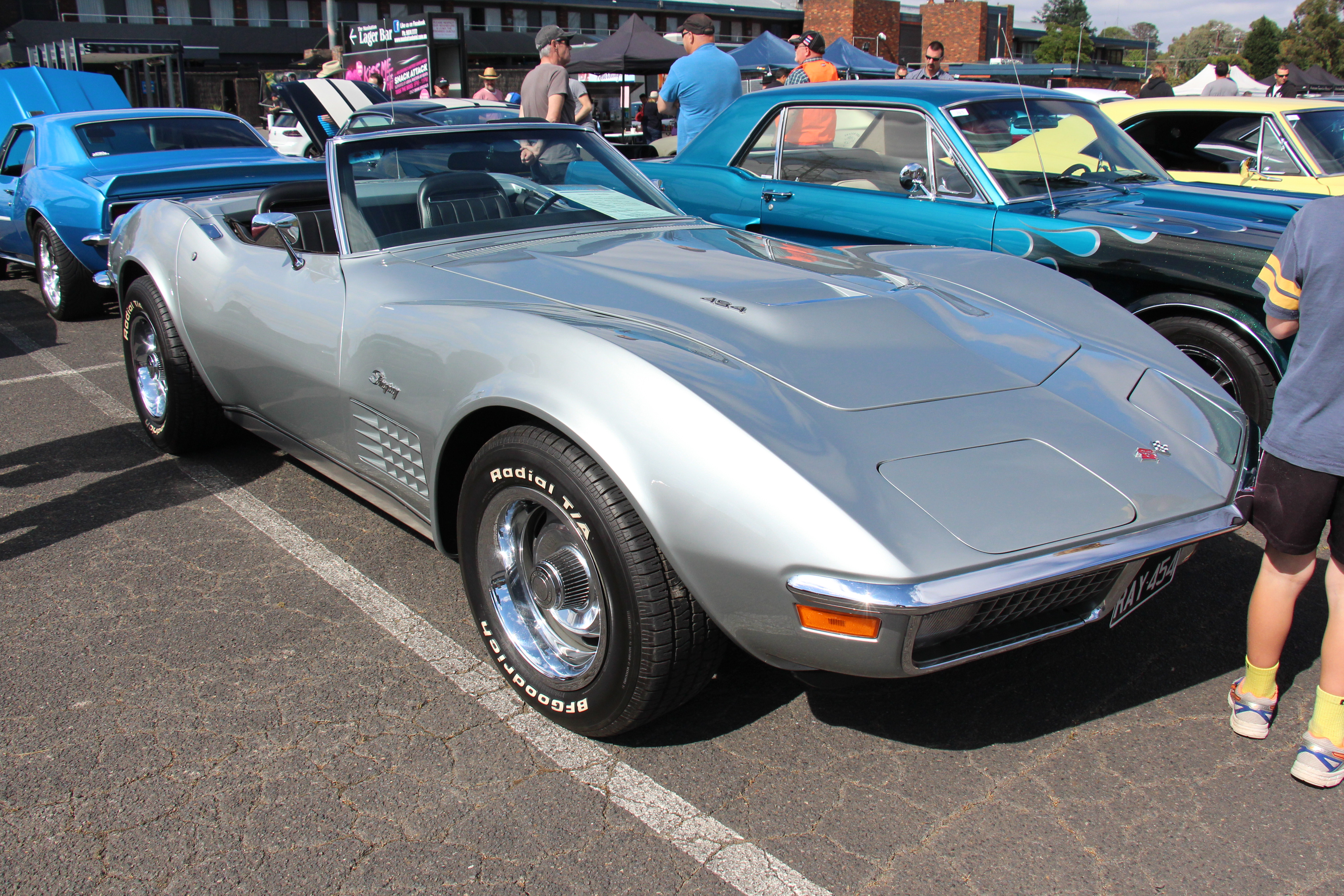
6. **1971 Chevrolet Corvette ZR2 454**For those who believed performance was king, the 1971 Chevrolet Corvette ZR2 454 wasn’t just another model; it was a coronation. This car didn’t just push boundaries; it shattered them with an audacity that still echoes through the halls of automotive legend. Its very creation was a bold statement from Chevrolet, a defiant testament to their belief in raw, unadulterated power and track-ready prowess.
The ZR2’s exclusivity is almost unparalleled. With only 12 units ever built in 1971, this model isn’t just rare; it’s practically mythical, making it one of the rarest Corvettes in the brand’s storied history. This extreme scarcity ensures that each sighting, each auction, each opportunity to simply gaze upon one, is an event in itself, imbued with profound significance for collectors.
But its value isn’t merely about exclusivity. The ZR2 was designed as a track-ready street car, a no-compromise machine that could conquer the circuit and still be driven home – albeit with a firm hand and a strong will. It stripped away comforts to focus on pure, unadulterated performance, featuring heavy-duty suspension, bigger brakes, and a robust driveline, all centered around a mighty 454 cubic-inch V8 engine.
The 1971 Chevrolet Corvette ZR2 454 is a monument to Chevrolet’s boldness and a thrilling embodiment of an era where performance reigned supreme. For collectors, it represents more than just a car; it’s a piece of racing heritage, a symbol of engineering ambition, and an investment that has soared to a breathtaking $785,000, confirming its status as one of the most valuable cars of the decade.
Car Model Information: 2022 Dodge Challenger R/T
Name: Chevrolet Corvette (C3)
Caption: 1973 Chevrolet Corvette Stingray
Manufacturer: Chevrolet
Aka: Chevrolet Corvette Stingray,(1968–76)
Production: August 1967 – October 1982
ModelYears: 1968–82
Platform: General Motors Z platform
Assembly: St. Louis Truck Assembly,Bowling Green Assembly Plant
Predecessor: Chevrolet Corvette (C2)
Successor: Chevrolet Corvette (C4)
Class: Sports car
BodyStyle: Convertible (car),coupé
Layout: Mid-engine design
Engine: {{cvt,305,cuin,L,1,Chevrolet small-block engine (first- and second-generation)#LG4,V8 engine
Transmission: manual transmission,manual transmission,Turbo-Hydramatic,Automatic transmission
Wheelbase: cvt
Length: {{cvt,182.1,in,mm,0
Width: {{cvt,69.2,in,mm,0
Height: {{cvt,47.8,in,mm,0
Weight: cvt
Designer: GM & Chevrolet design staff,Zora Arkus-Duntov,Bill Mitchell (designer)
Categories: 1970s cars, 1980s cars, All articles with unsourced statements, Articles with short description, Articles with unsourced statements from April 2024
Summary: The Chevrolet Corvette (C3) is the third generation of the Corvette sports car that was produced from 1967 until 1982 by Chevrolet for the 1968 to 1982 model years. Engines and chassis components were mostly carried over from the previous generation, but the body and interior were new. It set new sales records with 53,807 produced for the 1979 model year. The C3 was the second Corvette to carry the Stingray name, though only for the 1969–76 model years. This time it was a single word as opposed to Sting Ray as used for the 1963–67 C2 generation. The name was then retired until 2014 when it returned with the release of the C7.
The most expensive Corvette C3 to sell in history was a 1969 L88 Lightweight, one of only four lightweight L88s to be produced. It was sold by Barrett-Jackson in January 2014 for $2,860,000 (£1,728,941).
Get more information about: Chevrolet Corvette (C3)
Buying a high-performing used car >>>
Brand: Chevrolet Model: Corvette ZR2 454
Price: $24,497 Mileage: 65,414 mi.
Read more about: Gear Up for the Future: 11 Legendary Classic Cars Powering Back to Life in 2026
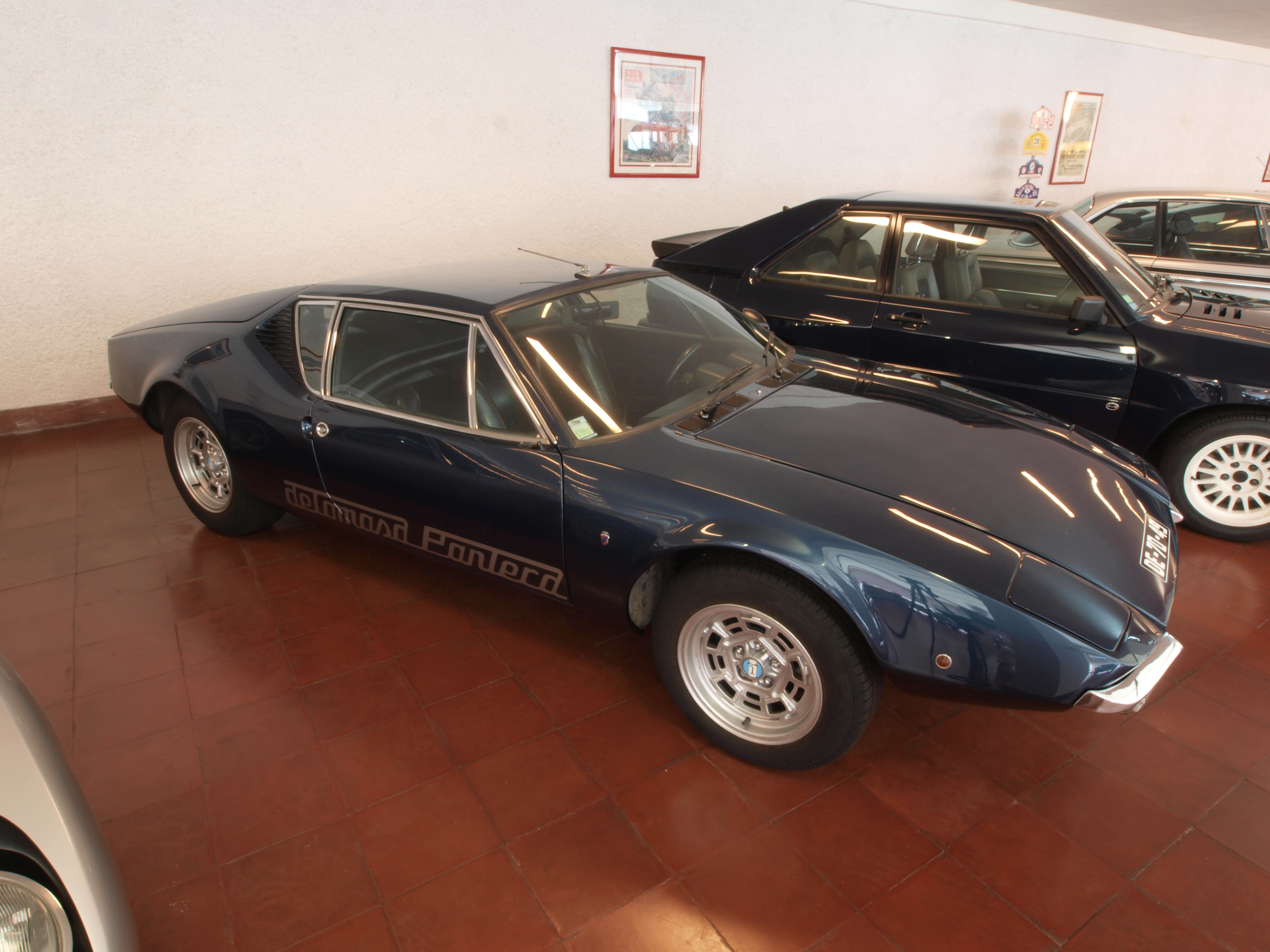
7. **1972 De Tomaso Pantera**Ah, the 1972 De Tomaso Pantera. Here we have a truly fascinating machine, a supercar that, at first glance, could easily be confused with a Ferrari from the same era. With its racecar-inspired curves, a distinctly boxy body, and those oh-so-cool pop-up headlights, the Pantera certainly looked the part of a high-end Italian exotic. Yet, its backstory and ambition set it apart, making it a compelling entry in the pantheon of 70s collectibles.
This striking design was no accident. The Pantera was a collaboration of Italian flair and American muscle, an ambitious venture to create a more accessible mid-engine exotic. While a similar-looking Ferrari from that decade, such as the 365 GT, was commanding over $20,000 back then—more than double the Pantera’s original price—the De Tomaso offered a compelling alternative that packed serious punch for its price point.
Beneath its sleek, wedge-shaped body lay a heart of pure American power: a robust Ford 351 Cleveland V8 engine. This formidable powerplant ensured that the Pantera’s performance measured up, even today, offering exhilarating acceleration and a truly engaging driving experience. It was a fusion of two automotive worlds, creating something truly unique and memorable.
However, its spirited nature meant it wasn’t for the faint of heart. *Jalopnik’s* Kristen Lee famously claimed it was “quite difficult to drive,” a testament to its raw, unfiltered character, demanding skill and respect from its pilot. This untamed spirit only adds to its legend, making it a car appreciated by those who truly understand and embrace its distinctive personality. With prices now hitting $112,706, the 1972 De Tomaso Pantera stands as a beloved, high-value classic, celebrating the audacious spirit of its designers and its fascinating dual heritage.
Car Model Information: 2022 Dodge Challenger R/T
Name: De Tomaso Pantera
Caption: De Tomaso Pantera GT5-S
Manufacturer: De Tomaso
Assembly: Modena
Production: 1971–1992 (7,260 produced)
Designer: Tom Tjaarda,Marcello Gandini
Class: Sports car
BodyStyle: coupé
Layout: Rear mid-engine, rear-wheel-drive layout
Engine: ubl
Abbr: on – later spec
Order: Ford small block engine#351W
Transmission: Manual transmission,List of ZF transmissions
Wheelbase: 2500 mm
Length: 158 in
Disp: flip – later spec
Width: 67 in
Height: 1100 mm
Weight: 1474 kg
Predecessor: De Tomaso Mangusta
Successor: De Tomaso Guarà
Categories: 1980s cars, 1990s cars, All Wikipedia articles needing clarification, Articles with hAudio microformats, Articles with short description
Summary: The De Tomaso Pantera is a mid-engine sports car produced by Italian automobile manufacturer De Tomaso from 1971 to 1992. Italian for “Panther”, the Pantera was the automaker’s most popular model, with over 7,000 manufactured over its twenty-year production run. More than three quarters of the production were sold by American Lincoln-Mercury dealers from 1972 to 1975; after this agreement ended De Tomaso kept manufacturing the car in ever smaller numbers into the early 1990s.
Get more information about: De Tomaso Pantera
Buying a high-performing used car >>>
Brand: De Tomaso Model: Pantera
Price: $24,497 Mileage: 65,414 mi.
Read more about: Luxury’s Reckoning: 15 Brands Battling Inventory Crises and the Specter of Failure
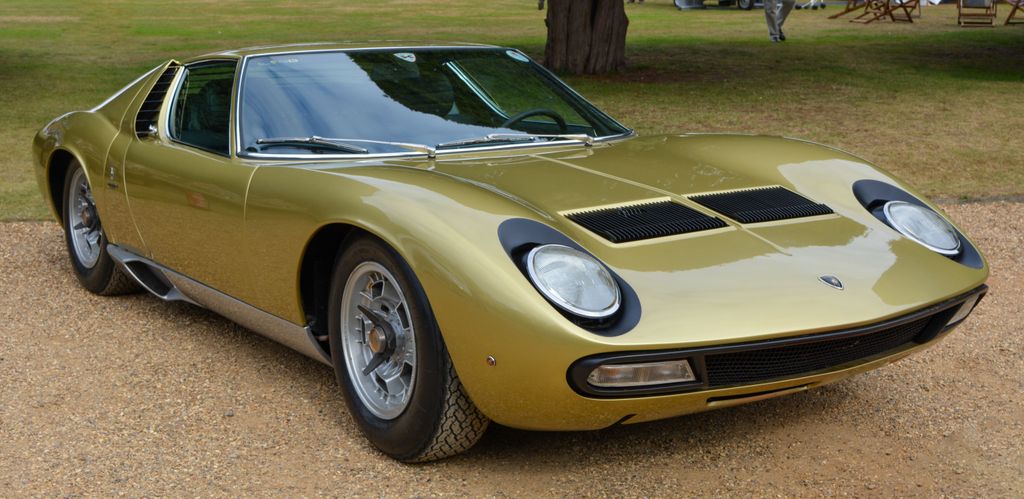
8. **1971 Lamborghini Miura SV**And so, our journey through the magnificent automotive landscape of the 70s continues, leading us straight to what many consider the very pinnacle of exotic car design: the 1971 Lamborghini Miura SV. This wasn’t just a car; it was a revolution, a jaw-dropping sculpture of metal and passion that still causes hearts to skip a beat today. Introduced in the early part of the decade, the Miura SV immediately set new benchmarks, not just for performance, but for sheer, unadulterated visual drama.
Beneath that breathtaking silhouette lay the thrumming heart of a true beast. Its mid-mounted 4.0-liter V12 engine was a marvel of engineering, effortlessly churning out a mighty 385 horsepower. This colossal power translated into exhilarating performance, launching the Miura SV from 0 to 60 mph in a blistering 5.8 seconds and pushing it to a top speed of 186 mph. These figures were truly stratospheric for the era, solidifying its reputation as one of the fastest and most thrilling machines on the planet.
The Miura SV wasn’t simply fast; it was beautiful, a rolling piece of art that redefined what a supercar could be. Its sensual curves and aggressive stance were a masterclass in Italian design, creating an aesthetic that has, quite simply, refused to age. It’s a testament to its enduring appeal that today, this Italian masterpiece is among the most valuable vintage Lamborghinis in the collector car market, with estimated values soaring between a staggering $1.5 million and $3.5 million. Owning a Miura SV isn’t merely acquiring a car; it’s possessing a legend.
Car Model Information: 2022 Dodge Challenger R/T
Name: Lamborghini Miura
Caption: 1971 Lamborghini Miura P400 SV
Manufacturer: Lamborghini
Production: 1966–1973
Assembly: Sant’Agata Bolognese
Successor: Lamborghini Countach
Class: Sports car
BodyStyle: coupé
Layout: Transverse engine,rear mid-engine, rear-wheel-drive layout
Engine: cvt,Lamborghini V12,V12 engine
Transmission: Manual transmission
Wheelbase: 2500 mm
Abbr: on
Length: 4360 mm
Width: 1760 mm
Height: 1055 mm
Weight: 1292 kg
Designer: Marcello Gandini
Sp: us
Categories: 1970s cars, All Wikipedia articles written in British English, All articles needing additional references, All articles with unsourced statements, Articles needing additional references from February 2024
Summary: The Lamborghini Miura is a sports car produced by Italian automaker Lamborghini between 1966 and 1973. The car was the first high-performance production road car with a rear mid-engine, rear-wheel-drive layout, which has since become the standard for performance-oriented sports cars. When released, it was the fastest production car in the world.
The Miura was originally conceived by Lamborghini’s engineering team, which designed the car in its spare time against the wishes of company founder Ferruccio Lamborghini, who preferred powerful yet sedate grand touring cars over the race car-derived machines produced by local rival Ferrari. However, when the development mule was revealed to Ferruccio, he gave approval for its development to continue.
The Miura’s rolling chassis was presented at the 1965 Turin Auto Show, and the prototype P400 debuted at the 1966 Geneva Motor Show. It received stellar receptions from showgoers and the motoring press alike, each impressed by Marcello Gandini’s sleek styling and the car’s revolutionary mid-engine design.
Lamborghini’s flagship, the Miura received periodic updates and remained in production until 1973. A year later the Countach entered the company’s lineup, amid tumultuous financial times for the company.
Get more information about: Lamborghini Miura
Buying a high-performing used car >>>
Brand: Lamborghini Model: Miura SV
Price: $24,497 Mileage: 65,414 mi.
Read more about: Strategic Investments: The Classic Cars Skyrocketing in Value That Savvy Collectors Are Watching

9. **1973 Ferrari 365 GTB/4 Daytona**From one Italian icon to another, we segue smoothly into the ferocious elegance of the 1973 Ferrari 365 GTB/4 Daytona. If the Miura was a flamboyant opera, the Daytona was a sharp, purposeful ballet of speed and sophistication. It proudly carried the torch from its predecessor, the revered 275 GTB/4, and in doing so, firmly established itself as the fastest production car of its time, a title not bestowed lightly by the discerning enthusiasts of the 70s.
Underneath that iconic, long bonnet resided a formidable 4.4-liter V12 engine, a masterpiece of Italian engineering that delivered a blistering 352 horsepower. This wasn’t just about raw power; it was about the symphony it produced, the precise, intoxicating roar that accompanied its incredible performance. It could rocket from 0 to 60 mph in just 5.4 seconds and achieved a top speed of 174 mph, truly putting it in a league of its own when it came to road-going performance.
The Daytona’s design, with its aggressive yet graceful lines, embodies the very essence of Ferrari. It’s a car that looks fast even when standing still, a testament to its race-bred heritage and undeniable charisma. Unsurprisingly, this magnificent machine remains a prized possession for classic Ferrari collectors, with the exceedingly rare Daytona Spyders commanding truly premium prices at auction, pushing estimated values between $500,000 and a breathtaking $2.5 million. It’s a slice of Maranello magic, revered and sought after across the globe.
Car Model Information: 2022 Dodge Challenger R/T
Name: Ferrari 365 GTC/4
Caption: 1972 365 GTC/4
Manufacturer: Ferrari
Production: 1971–1972,505 produced
Assembly: Modena
Designer: Aldo Brovarone
Class: Grand tourer
BodyStyle: 2+2 (car body style),coupé
Layout: Front-engine, rear-wheel-drive layout
Engine: Ferrari Colombo engine#365,V12 engine
Transmission: Manual transmission
Wheelbase: 2500 mm
Abbr: on
Length: 4550 mm
Width: 1780 mm
Height: 1270 mm
Weight: 1450 kg
Predecessor: Ferrari_365#365_GTC_and_GTS
Related: Ferrari Daytona
Sp: uk
Categories: All articles needing additional references, Articles needing additional references from October 2018, Articles with short description, Cars introduced in 1971, Commons category link is on Wikidata
Summary: The Ferrari 365 GTC/4 (Type F101) is a 2+2 grand tourer produced by Ferrari from 1971 to 1972. It was based on the chassis of the Ferrari 365 GTB/4 “Daytona”, and in the very short two-year production run 505 examples of the GTC/4 were produced. Its chassis and drivetrain, however, were carried over mostly unaltered (apart from a wheelbase stretch to provide more satisfying rear seat room) on its successor, the 1972 365 GT4 2+2.
Get more information about: Ferrari 365 GTC/4
Buying a high-performing used car >>>
Brand: Ferrari Model: 365 GTB/4 Daytona
Price: $24,497 Mileage: 65,414 mi.
Read more about: Beyond the Fretboard: Unleashing Eddie Van Halen’s Epic Garage of Rocking Rides and Raw Power

10. **1970 Mercedes-Benz 280SL Pagoda**Leaving the fiery temperament of Italy for a moment, we turn our gaze to the cool, understated elegance of Germany, and specifically, the 1970 Mercedes-Benz 280SL “Pagoda.” This car wasn’t built for track dominance or outrageous top speeds; it was crafted for cruising with an unparalleled sense of style and engineering integrity. The Pagoda stands as a timeless symbol of luxury and refinement from the 1970s, proving that sometimes, grace trumps outright aggression.
Powering this distinguished roadster was a wonderfully smooth 2.8-liter inline-six engine, an engineering marvel known for its reliability and refined performance rather than explosive power. It offered a composed and effortless driving experience, perfectly suited for long, stylish journeys. While its 0-60 mph time of 9 seconds and a top speed of 124 mph might not set any records against its exotic peers, it perfectly delivered on its promise of sophisticated, comfortable open-top motoring.
What truly defines the Pagoda, beyond its impeccable build quality, is its distinctive concave hardtop, a design feature that not only gave it its charming nickname but also enhanced its visual appeal and structural rigidity. These cars are often discovered in utterly pristine condition at vintage car shows today, testament to the care they’ve received and their inherent quality. With estimated values ranging from $100,000 to a healthy $500,000, the 280SL Pagoda remains one of the most elegant and desirable classic cars from the 1970s, a true beacon of German automotive excellence.
Read more about: Unleashing the Legends: The 15 Most Valuable 1970s Cars Commanding Top Dollar Today
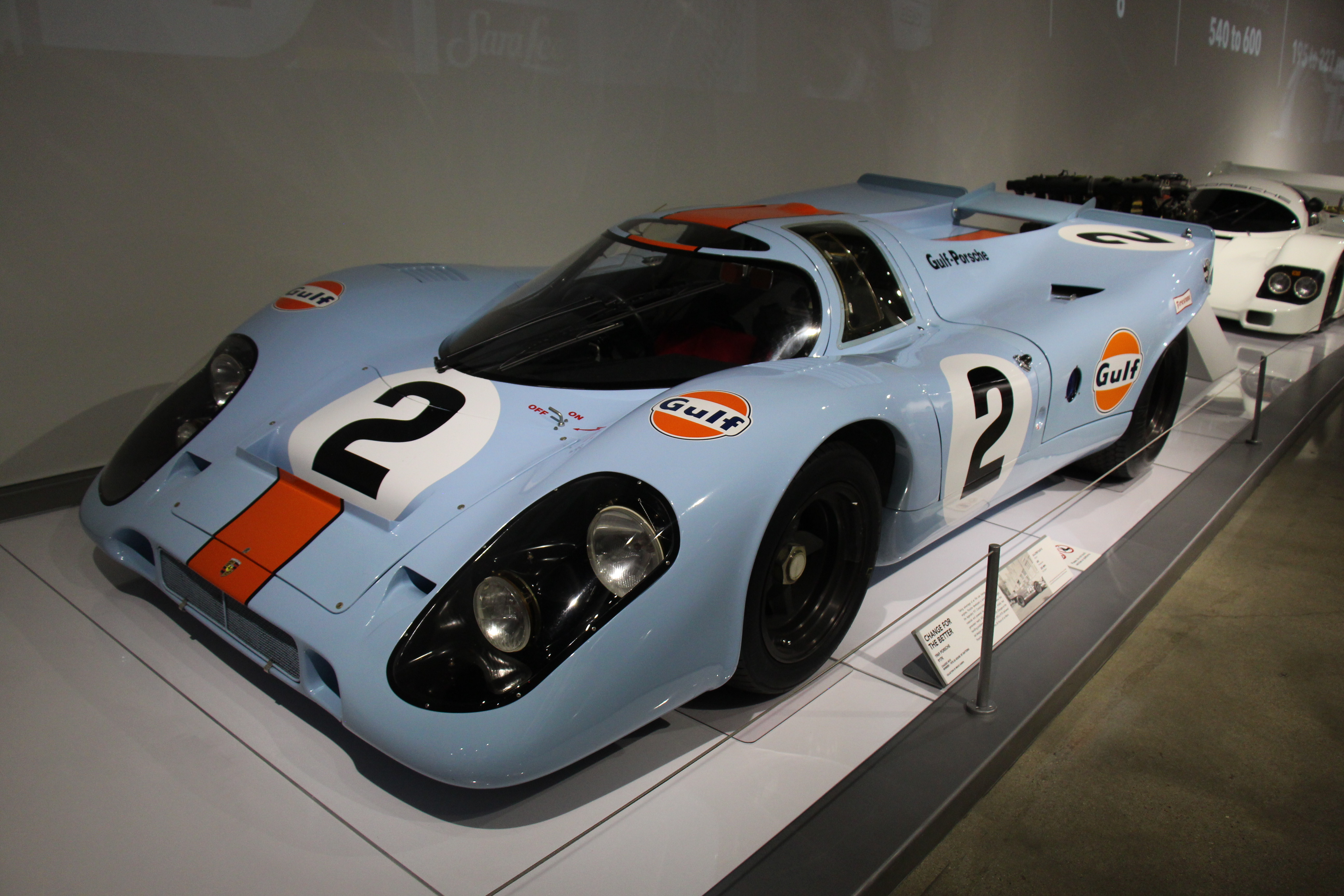
11. **1971 Porsche 917K**Now, for a truly mind-bending machine that transcends the very definition of a “road car” – the legendary 1971 Porsche 917K. This isn’t just a car; it’s a purebred racing monster, a titan of motorsport that utterly dominated the circuits and carved its name into the annals of history, most famously at the grueling 24 Hours of Le Mans. If you want to talk about “worth a lot of money,” then prepare to have your socks truly knocked off.
Beneath its unmistakable, aerodynamic bodywork, the 917K housed a phenomenal 4.5-liter flat-12 engine. This engineering masterpiece generated an absolutely staggering 600 horsepower, a figure that was almost incomprehensible in its era, cementing its status as one of the fastest race cars ever built. To put its ferocity into perspective, it could hurtle from 0 to 60 mph in a physics-defying 2.3 seconds and achieved a blistering top speed of 240 mph. This wasn’t just speed; this was a weaponized blur of precision and power.
The 917K’s story is one of ultimate triumph and exclusivity. With only a mere handful ever constructed, this machine is not just rare; it’s practically unobtainable for most, reserved for the most elite collections. Its legendary status, race-winning pedigree, and sheer scarcity push its estimated value into the stratosphere, ranging from an astronomical $10 million to an utterly unbelievable $15 million. It’s more than a car; it’s a living piece of motorsport royalty, a testament to Porsche’s relentless pursuit of victory.
Read more about: Hollywood’s Most Audacious Crashes: The Jaw-Dropping Costs of Wrecking 14 Legendary Cars in Film History
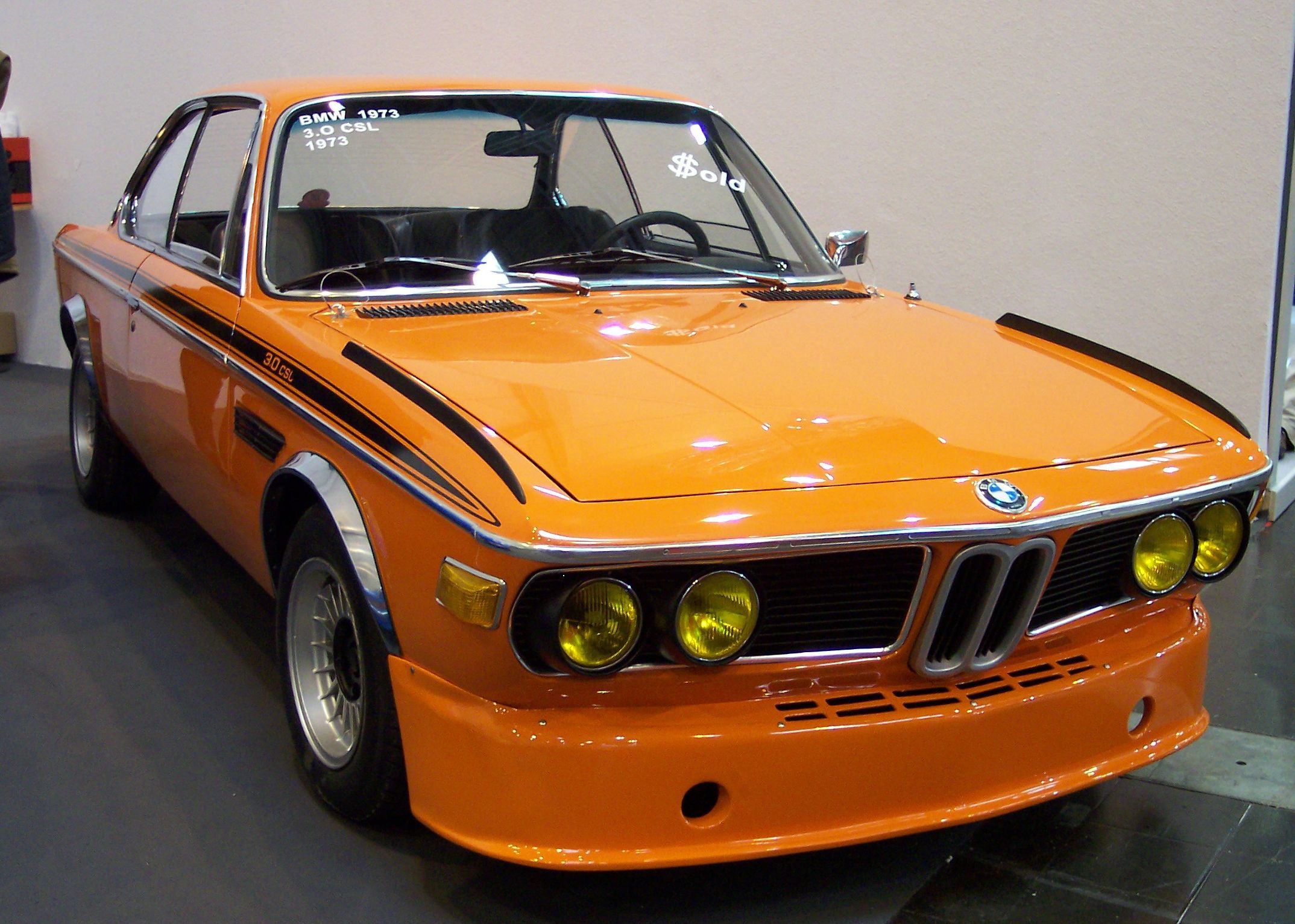
12. **1973 BMW 3.0 CSL**Shifting gears back to the street, but with a palpable racing spirit, we encounter the magnificent 1973 BMW 3.0 CSL. Affectionately nicknamed the “Batmobile” – and for very good reason, just look at that aerodynamic wizardry – this car was not merely a handsome coupe; it was purpose-built for racing, a homologation special designed to conquer track day glory and look utterly sensational doing it. It truly embodies BMW’s “Ultimate Driving Machine” ethos before the slogan was even coined.
The CSL achieved its incredible performance through a relentless focus on lightweight construction, featuring bespoke body panels that shaved crucial pounds. Power came from a potent 3.2-liter inline-six engine, producing a healthy 206 horsepower. This combination allowed for a formidable driving experience, propelling the Batmobile from 0 to 60 mph in a respectable 6.5 seconds and on to a top speed of 134 mph. These weren’t just numbers; they were a promise of engaging, driver-focused exhilaration.
Its striking design, complete with a distinctive rear spoiler and aggressive front air dam, immediately broadcast its intentions. The 3.0 CSL didn’t just compete; it became a genuine motorsport icon, dominating touring car championships and captivating audiences. Today, its rarity, iconic design, and impeccable racing pedigree ensure its status as one of the most desirable BMW vintage cars on the market, with estimated values comfortably sitting between $100,000 and an impressive $500,000. It’s a true collector’s item, a beautiful blend of track ferocity and road-going elegance.
Car Model Information: 2017 Honda Accord Touring
Name: BMW E9
Manufacturer: BMW
Production: 1968–1975
Assembly: Rheine
Class: Grand tourer
Layout: Front-engine, rear-wheel-drive
BodyStyle: Coupé
Related: BMW New Six
Engine: BMW M30,straight-six engine
Wheelbase: Convert
Length: Convert
Width: Convert
Height: Convert
Predecessor: BMW New Class coupé
Successor: BMW 6 Series (E24)
Designer: Wilhelm Hofmeister (automobile designer)
Platform: BMW New Class
Categories: All articles with unsourced statements, Articles with short description, Articles with unsourced statements from January 2019, BMW model codes, BMW vehicles
Summary: The BMW E9 is a range of coupés produced by German automaker BMW from 1968 to 1975. Initially released as the 2800 CS model, the E9 was based on the BMW 2000 C / 2000 CS four-cylinder coupés, which were enlarged to fit the BMW M30 six-cylinder engine. The E9’s bodywork was built by Karmann.
As a racing car, the E9 was very successful in the European Touring Car Championship and the Deutsche Rennsport Meisterschaft, especially the 3.0 CSL homologation model.
The E9 range was replaced by the E24 6 Series.
Get more information about: BMW E9
Buying a high-performing used car >>>
Brand: BMW Model: 3.0 CSL
Price: $19,960 Mileage: 86,317 mi.
Read more about: Unpacking the ‘M’: A Deep Dive into BMW’s Motorsport Heritage and Ultimate Driving Machines

13. **1975 Lamborghini Countach LP400**And now, prepare yourselves, for we unveil a car that didn’t just define the supercar, it violently ripped up the rulebook and drew its own. The 1975 Lamborghini Countach LP400. Marcello Gandini, the visionary, was tasked with creating something even more fantastical than the already legendary Miura, and with the Countach, he didn’t just succeed; he created an alien spacecraft for the road, a visual shockwave that set the design language for generations of exotics to come.
Its outrageous features were instantly iconic, from those dramatic scissor doors that announced your arrival with the flourish of a matador, to the distinctive groove cuts in the roof. But it was that dramatically slanted and narrowed front end, a razor-sharp wedge, that gave it an undeniable “future of cars” vibe – a prophecy that, while not entirely accurate for the masses, perfectly captured the imagination of the 70s and 80s dreamers. It was pure, unadulterated fantasy made metal.
Driving such a machine, as *Road & Track* famously hinted, is “quite the experience,” demanding respect and skill. While specific performance figures like 0-60 times and top speeds aren’t explicitly listed in the immediate context for this particular entry, its V12 heart (a hallmark of Lamborghini supercars) ensured it was a ferocious performer, worthy of its dramatic looks. This prestigious and utterly collectible supercar is, unsurprisingly, regularly seen at auction fetching multi-million dollar figures, cementing its status not just as a car, but as a cultural icon and a monumental investment.
Car Model Information: 2017 Honda Accord Touring
Name: Lamborghini Countach
Caption: Lamborghini Countach LP5000 QV
Manufacturer: Lamborghini
Production: 1974–1990
Assembly: Sant’Agata Bolognese
Designer: Marcello Gandini
Class: Sports car
BodyStyle: coupe
Layout: Longitudinal engine,mid-engine,rear-wheel-drive
Related: Lamborghini LM002
Engine: Lamborghini V12,V12 engine,LP400, LP400 S: {{cvt,3929,cc,L,1,disp=flip
Transmission: synchromesh,Manual transmission
Wheelbase: 96.46 in
Abbr: on (LP5000QV)
Order: flip
Length: 162.99 in
Width: LP 400: {{cvt,74.28,in,mm,0,abbr=on,order=flip
Height: 42.13 in
Weight: {{convert,1300.5,kg,lb,0,abbr=on
Predecessor: Lamborghini Miura
Successor: Lamborghini Diablo
Doors: Scissor doors
Sp: uk
Categories: 1980s cars, 1990s cars, All articles with unsourced statements, Articles containing Italian-language text, Articles containing Piedmontese-language text
Summary: The Lamborghini Countach ( KOON-tahsh) is a rear mid-engine, rear-wheel-drive sports car produced by the Italian automobile manufacturer Lamborghini from 1974 until 1990. It is one of the many exotic designs developed by Italian design house Bertone, which pioneered and popularized the sharply angled “Italian Wedge” shape.
The wedge style was introduced to the public in 1970 with the Lancia Stratos Zero concept car. The first showing of the Countach prototype was at the 1971 Geneva Motor Show, as the Lamborghini LP500 concept.
The “Countach” nameplate was reused for the Sián-based limited-production hybrid-electric model called the Countach LPI 800-4 in 2021.
Get more information about: Lamborghini Countach
Buying a high-performing used car >>>
Brand: Lamborghini Model: Countach LP400
Price: $19,960 Mileage: 86,317 mi.
Read more about: Revived Legends: Unpacking the Surprising Comebacks of Iconic Automotive Stars
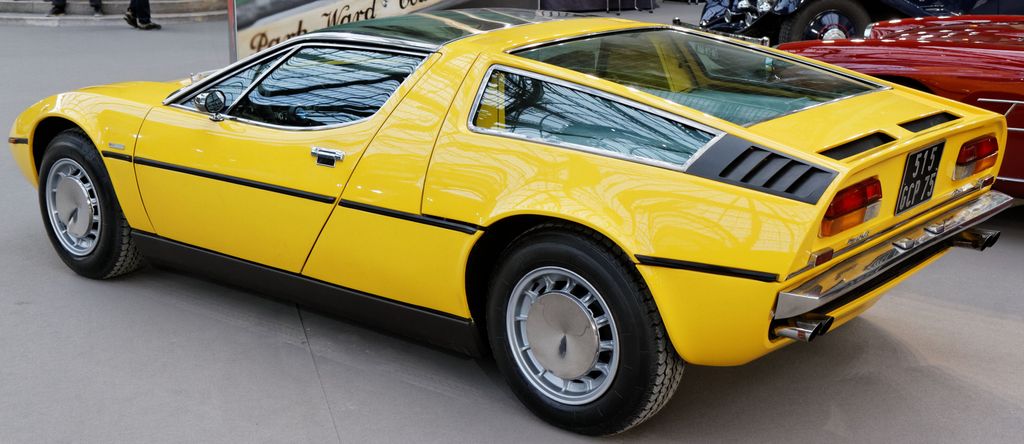
14. **1972 Maserati Bora**Finally, we bring our exhilarating 70s automotive adventure to a close with another Italian gem, a rare supercar that often gets overlooked but commands immense respect: the 1972 Maserati Bora. This was a truly groundbreaking vehicle for Maserati, marking their audacious leap into the mid-engine road car arena, a bold statement against its rivals and a clear signal of the brand’s forward-thinking ambition.
The Bora was a harmonious blend of form and function, featuring a sleek, wedge-shaped body that spoke volumes of its speed and agility. Its design was further elevated by a rather artistic stainless steel roof panel, creating a striking contrast and an unmistakable silhouette that remains captivating to this day. It’s the kind of attention to detail that elevates a car from mere transportation to a genuine piece of automotive art.
Underneath that stunning exterior, the U.S. import models of the Bora housed a formidable 4.9-liter V8 engine, delivering a potent 310 horsepower. This powerhouse propelled the car to 60 mph in a brisk 6.5 seconds and achieved a top speed exceeding 170 mph. While it might not have been the absolute fastest car of the decade, the combination of its pioneering mid-engine layout, exquisite design, and impressive performance has ensured its status as a highly sought-after collectible, with market values reaching an impressive $120,034. It’s a testament to Maserati’s engineering and aesthetic brilliance, a truly magnificent closing act for our list.
Car Model Information: 1973 Maserati Bora 4.9 Coupe
Name: Maserati Bora
Manufacturer: Maserati
Production: 1971–1978 (Bora 4.7 L),(289 produced){{r,maserati47
Assembly: Modena
Class: Sports car
BodyStyle: coupé
Layout: Rear mid-engine, rear-wheel drive layout
Engine: unbulleted list
Transmission: Manual transmission
Wheelbase: 2600 mm
Abbr: on
Length: 4335 mm
Width: 1768 mm
Height: 1134 mm
Weight: convert
Related: Maserati Merak
Designer: Giorgetto Giugiaro
Sp: us
Categories: All articles needing additional references, All articles with unsourced statements, Articles needing additional references from July 2009, Articles with short description, Articles with unsourced statements from May 2020
Summary: The Maserati Bora (Tipo AM117) is a two-seat, rear mid-engine, rear-wheel drive sports car and grand tourer, manufactured by Maserati from 1971 to 1978. In common with other Maserati cars of the era, it is named after a wind, Bora being the wind of Trieste. The Bora was the company’s first mid-engined street car and ended Maserati’s reputation for producing fast but technologically out of date cars, also being the first Maserati with four wheel independent suspension. In contrast, competitor Lamborghini had first used full independent suspension in 1964.
Get more information about: Maserati Bora
Buying a high-performing used car >>>
Brand: Maserati Model: Bora
Price: $189,900 Mileage: 33,637 mi.
Read more about: Unearthing the Truth: The Compelling Saga of Nicolas Cage’s $276,000 T-Rex Skull and the Philosophical Quest It Ignited
As our engine roars into the distance, it’s clear that the 1970s, far from being just a decade of disco and daring fashion, was a truly golden era for automotive design and engineering. From the unapologetic muscle of American legends to the ethereal beauty and blistering pace of Italian exotics and the precision of German engineering, these machines were more than just metal and rubber. They were statements, declarations of power, style, and ambition that continue to captivate and inspire. Each car on this list, whether a track-dominating beast or a boulevard-cruising icon, represents a tangible piece of history, an investment not just in a vehicle, but in a legacy. So, as the values of these timeless treasures continue their upward trajectory, one thing remains certain: the spirit of the 70s, in all its bold, beautiful, and sometimes utterly bonkers glory, lives on in these magnificent machines.