Timothy Olyphant is a rare breed in Hollywood – an actor who seems to effortlessly blend a polished, leading-man presence with the raw, unpredictable energy of a seasoned stand-up comedian. While you might recall his intense portrayals in series like *Deadwood* or *Justified*, there’s a magnetic charm that radiates from him the moment he steps into an interview, transforming what could be a standard Q&A into a masterclass of wit and candid reflection. His recent turn as Kirsh in FX’s *Alien: Earth* only further cements his reputation as an artist who navigates complex genre storytelling with an utterly unique flair.
It’s this distinct blend of sophistication and accessibility that makes any conversation with Olyphant an absolute joy, mirroring the very essence of what makes GQ’s writing style so compelling. He approaches his time onscreen, whether in a dramatic role or a late-night chat, with the precision of someone testing bits for their own special, delivering quippy counters and self-aware observations that keep you thoroughly entertained. This isn’t just an actor promoting a project; it’s an experience with a personality, where every anecdote and perfectly timed pause reveals a deeper layer to the man behind the memorable characters.
Today, we’re pulling back the curtain on this intriguing individual, venturing beyond the scripted performances to explore the authentic Timothy Olyphant. We’ll delve into the foundational elements of his craft, his candid thoughts on his latest venture into the iconic *Alien* universe, the intriguing dynamics of working with a visionary like Noah Hawley, and the genuine, often hilarious, anecdotes that pepper his journey. Prepare for an insightful and undoubtedly fun ride with an an actor who truly marches to the beat of his own drum, proving that even in the most intense roles, there’s always room for “Tim being Tim.”
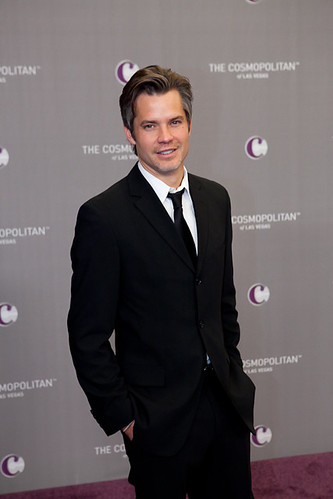
_Cropped.jpg/440px-Timothy_Olyphant_(8166716475)_Cropped.jpg)
1. Timothy Olyphant: The Born Comedian and Interview Maestro
It might come as a surprise to some, especially those who’ve only encountered his intense portrayals in series like *Deadwood* or *Justified*, but Timothy Olyphant is, at his core, a born comedian. Don’t let his recent turn as Kirsh in FX’s *Alien: Earth* fool you; a quick watch of any interview with the 57-year-old star reveals an actor who treats his time in the spotlight with the precise timing and observational wit of a seasoned stand-up comic’s “tight five.” He doesn’t just answer questions; he performs, honing his material and ensuring every moment resonates with a captivating blend of self-awareness and impeccable delivery.
Just last month, during an appearance on *Jimmy Kimmel Live!*, Olyphant effortlessly spun a joke about *Sex and the City* never inviting him back. “After six seasons,” he quipped, “I thought they were just playing the long game. Turns out… no.” This wasn’t an isolated incident. In a recent Zoom conversation, he proved to be a master of the quippy counter, consistently ready with a sharp, often perfectly timed, retort for nearly every query thrown his way, keeping the interviewer on their toes and the conversation vibrantly engaging.
In fact, his dedication to comedic perfection is such that he wasn’t even fazed when called out for reusing a particularly good joke on two different late-night shows. “I told him I never listen to the podcast, but I read the transcripts,” Olyphant recalled, cracking himself up. He mused, “Why can’t I just say that every time I go onto any talk show or podcast? We’ll see how long I keep that going, but I think I’ve said it three times now.” This pragmatic yet playful approach highlights a significant motto for Olyphant: “When it works, it works.”
2. His “Tim Being Tim” Acting Philosophy
For Timothy Olyphant, acting isn’t about entirely vanishing into a character; it’s a nuanced process of channeling a distinct, recognizable version of himself, regardless of how outlandish the role might appear. When pressed about the meticulous preparation for embodying one of *Alien: Earth’s* advanced synthetics, his reply was direct and understated: “You’re going to be disappointed by this answer: very little.” This isn’t indicative of a lack of dedication, but a revealing articulation of his fundamental acting philosophy, prioritizing profound authenticity.
“I showed up to this gig the same way I show up to others, which is I try to bring myself to the role,” Olyphant elaborated. He firmly believes that even when a character is “sort of dressed up”—like Kirsh, a robotic scientist experimenting on Xenomorph eggs—the inherent essence of the actor should shine through. His ultimate creative goal is to cultivate a performance so intrinsically rooted in his own persona that, if his wife or closest friends were watching, “they could say to themselves, ‘That’s just Tim being Tim.'”
This philosophy becomes compelling when applied to a character as intricate as Kirsh. In *Alien: Earth*, Kirsh is presented as much as an assemblage of intricate “nuts and bolts” within the terrifying *Alien* universe as he is unmistakably imbued with Olyphant’s distinct presence. The actor masterfully infuses the synthetic being with his inherent charm, subtle mannerisms, and a discernible spark of personality, creating a character that feels both chillingly alien and strangely familiar. This unique ability to ground even the most fantastical roles in his own authentic personality consistently renders his performances so compelling and profoundly believable.
3. Bringing Kirsh to Life in *Alien: Earth*: The Synthetic Scientist
Timothy Olyphant’s portrayal of Kirsh in *Alien: Earth* has quickly emerged as a standout character, capturing critical and audience appreciation. Kirsh, a robotic scientist, meticulously experiments on formidable Xenomorph eggs—a task Olyphant humorously suggests is performed between hours of binge-watching *Justified*. This pivotal role in the first *Alien* TV series presented a considerable challenge, one Olyphant candidly admitted concerned him about potentially “fall[ing] on [his] face on this one.”
Despite these trepidations, the positive response to Kirsh has been overwhelming. Olyphant deeply appreciates this, acknowledging the hard work. “I appreciate it a great deal. I am not exactly sure what I do prior to when I show up to the set, but whatever it is, I consider it hard work,” he shared. His candor highlights his unwavering commitment to his craft, even when imbuing a character that could have been one-dimensional with compelling depth.
One visually striking—and personally uncomfortable—aspect involved the dramatic expulsion of white blood from his mouth during a fight scene. “I’m not going to say it’s comfortable,” he wryly stated, asserting his “right as a member of the Screen Actors Guild” to “bitch” about the sticky discomfort. Yet, Olyphant recognized the contradiction: “It’s just so ing uncomfortable and nasty, but while it’s happening, you’re like, *This is going to look great. So we have to do it.*” This willingness to endure for cinematic impact—”Because it’s going to play. It’s going to play like gangbusters”—perfectly encapsulates the professional dedication within the unique *Alien* universe.

4. The Unique Challenges and Charms of Filming in Thailand
The ambitious production of *Alien: Earth* whisked Timothy Olyphant away to the vibrant, yet frequently demanding, locale of Thailand for several months. While the experience offered a rich backdrop, it presented distinct logistical and personal hurdles. Olyphant’s immediate response about difficulties was delivered with seasoned weariness: “I don’t know if anyone’s told you, but it’s hot.” He elaborated that Hollywood productions often choose remote international locations during less-than-ideal times, ensuring oppressive heat was a constant companion.
Despite the sweltering conditions, Olyphant’s perspective on Bangkok, where much of the filming transpired, remarkably evolved. “I liked it more the longer we were there. Incredible place,” he shared, highlighting an appreciative shift. This adaptability speaks volumes about his grounded nature and ability to find positives even in demanding environments. His character’s visually striking bleached eyebrows, maintained for months, garnered polite smiles from the amiable Thai people, adding another unique layer to the immersive experience.
One particularly amusing anecdote from his time in Thai culture involves a relatable linguistic misadventure. Olyphant recounted his earnest attempt to order local cuisine: “when I tried to order food in Thailand, I tried to ask the waiter, in Thai, for his favourite thing on the menu.” His sincere effort humorously backfired when he later checked Google Translate, discovering he had actually been repeatedly telling the unsuspecting waiter to “return my gaze.” He found this surprising reality even funnier than his original, mistaken intention, illustrating his knack for extracting genuine humor from awkward situations.
5. The Art of Collaboration: Trusting Noah Hawley and Tackling IP
When a monumental project like *Alien: Earth* lands on an actor’s desk, the decision to commit is complex. For Timothy Olyphant, one pivotal factor stood above all others: his profound and unwavering trust in visionary showrunner Noah Hawley. “That’s the first answer: Noah,” he stated, explaining his confidence. Their deep-seated professional relationship, cultivated through collaborations like *Fargo*, is remarkably strong, making a phone call from Hawley inherently “a great phone call to get,” signaling an opportunity for meaningful and challenging work.
Olyphant unreservedly describes Hawley as a true “auteur,” a rarity in committee-driven television. “There’s not many like him, period, but especially in television,” Olyphant observed, underscoring Hawley’s singular vision. He famously told Hawley years ago that “if he sent me a call sheet, I’d show up,” a testament to his absolute faith in Hawley’s artistic direction, which offered him a “real challenge” he deeply appreciated.
This trust is significant given Olyphant’s candid perspective on working within giant Intellectual Properties (IPs). He admitted, “I really haven’t done a lot of ’em,” and offered an unglamorous assessment: in mega-franchises, “you aren’t working for one guy, you’re working for a committee.” He believes that while these opportunities might be “big, bright, shiny objects,” “most people that are in them are miserable.” *Alien: Earth*, under Hawley, presented a welcome contrast: “This was not that kind of an opportunity. This was an opportunity to work for Noah. That’s not nothing,” Olyphant emphasized, highlighting its exceptional nature and prioritization of artistic integrity.
6. The Hawley Touch: Turning Iconic Films into Acclaimed TV Series
Timothy Olyphant has collaborated with Noah Hawley on two groundbreaking projects: *Fargo* and *Alien: Earth*, both successfully transforming film properties into compelling television. When asked about Hawley’s secret, Olyphant offered a colorful assessment of his creative genius: “Well, the man’s got big balls for lack of more elegance to him,” highlighting Hawley’s courage and willingness to take significant risks. This boldness, Olyphant believes, stems from a deeper wellspring of creativity; “He’s got a lot to say. He enjoys taking big swings, and he aspires to have a conversation with his heroes.”
This approach means Hawley isn’t merely content with replicating source material; he actively engages with it, adding new layers and pushing narratives into uncharted territories. Olyphant connects Hawley’s exceptional output to foundational principles: “I remember reading years ago that the key to being a really good writer is reading a lot and writing a lot, and he does that,” he stated, affirming, “It’s not by accident that he’s making the kind of work he’s making.”
This meticulous and visionary approach is profoundly evident in *Alien: Earth* itself, which—as described—is about “more than just a monster.” Hawley’s sophisticated vision builds upon Ridley Scott and James Cameron’s legacies. “It all came back to that moment where you realize Ian Holm isn’t British—he’s an android,” Hawley admitted, focusing on the human-synthetic dilemma. Producer David W. Zucker noted: “Horror here takes on all different varieties. You’ve got the creatures, sure. But you’ve also got the horror of what’s happening in a world with very close correlations to our own—technological disruptions, ecological disruptions.” This broadened thematic canvas, driven by Hawley’s “big swings,” elevates the franchise, making it culturally relevant and utterly captivating.

7. Raylan Givens: An Enduring Icon and His Legacy
While character names might often evade Timothy Olyphant’s recall, one name stands out as indelibly etched into his and television history: Raylan Givens. “Raylan Givens [from Justified] is easily one of the greatest names in TV history,” Olyphant wholeheartedly agreed, a statement few fans of Elmore Leonard’s iconic creation would dispute. The character, a U.S. Marshal with a penchant for a Stetson and a very particular brand of justice, became a cultural touchstone, largely thanks to Olyphant’s captivating portrayal.
Olyphant was quick to credit the original architect of this memorable name and persona. “That man was created by Elmore Leonard. He came up with that name, I believe, after he met a guy named Raylan. Elmore had an ear, as they say. When he heard something, he knew when it sounded good.” This insight into Leonard’s creative process—his keen observation and ability to capture an essence in a name—adds another layer of appreciation for the character’s profound impact. It’s not just a name; it’s a testament to the power of a master storyteller.
The enduring legacy of Raylan Givens extends far beyond the screen. “Now, thanks to him and Graham Yost and that TV show, there’s a lot of people with dogs and children named Raylan,” Olyphant proudly noted. This is the true mark of a character who has transcended the medium, becoming woven into the fabric of everyday life. To have a character inspire such personal connections speaks volumes about the depth of writing and performance that brought Raylan Givens to life.
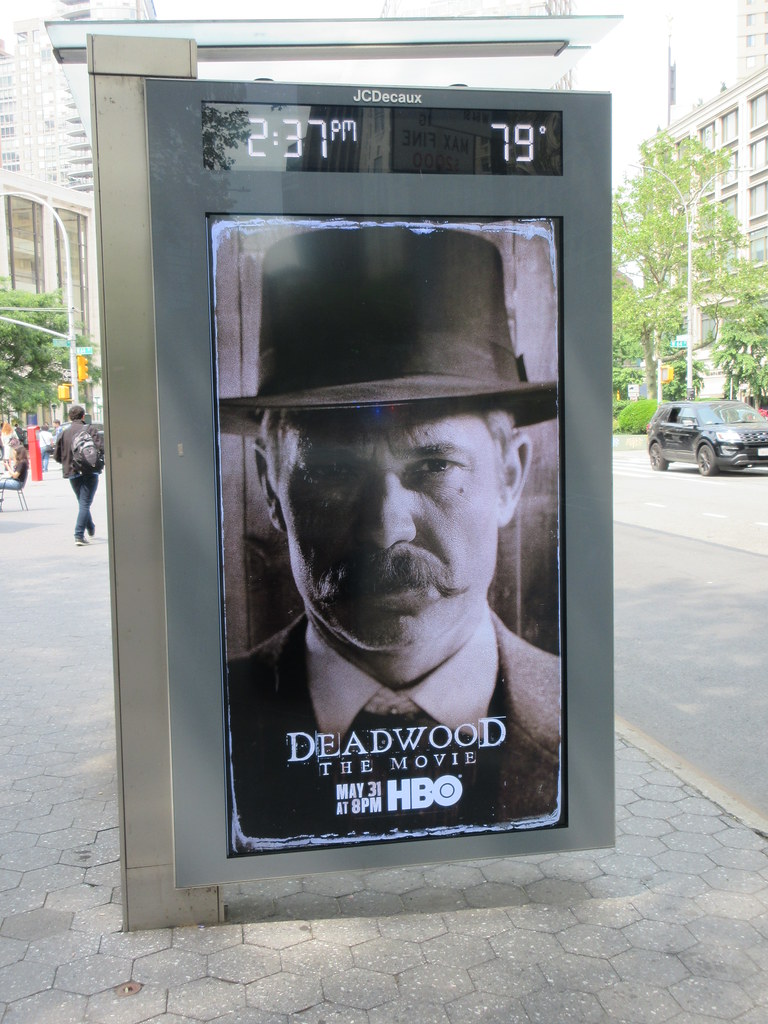
This connection to deeply impactful roles extends to Olyphant’s appreciation for revisiting characters, as seen with the *Justified: City Primeval* revival and the *Deadwood* movie. He drew an interesting parallel to the James Bond franchise, suggesting that *Justified* has the potential for reinvention while maintaining its core appeal. It’s clear that for Olyphant, returning to these beloved characters offers a unique fulfillment, allowing him to explore new facets of their lives and legacies, always rooted in the strong foundation laid by their creators.

8. Decoding Directorial Notes: From Operatic to Actable
Behind every compelling performance lies not just an actor’s talent, but often a director’s guiding hand, for better or worse. Timothy Olyphant offered a delightful peek behind the curtain at some of the more memorable, and at times perplexing, directorial notes he’s received throughout his career. One legendary example came from David Milch on the set of *Deadwood*, a notoriously verbose and visionary showrunner. Milch’s notes, Olyphant recalled, could get “operatic.”
He vividly recounted a scene with Molly Parker where Milch delivered a particularly abstract instruction: “You know how there’s a Good Goofy and a Bad Goofy on each shoulder? He’s like, ‘There’s a Good Goofy on your left talking to her, but Bad Goofy’s on your right shoulder and he’s talking to you too. So every now and then, I should look over to my right shoulder and listen to Bad Goofy.’ That was an actual note.” It sounds like something out of a meta-comedy, yet Olyphant’s reaction was pragmatic: “Did you do it?” “Oh, yeah. It’s in there. I was like, ‘You want it? Coming up, buddy!'”
This anecdote beautifully illustrates Olyphant’s ability to translate even the most esoteric direction into an “actable action.” He elaborated on the often-challenging nature of directorial feedback, stating, “Every time a director comes over, nine times out of ten, it’s gibberish. They’re not telling you anything that’s necessarily useful or even doable.” Yet, he recognizes the underlying truth that “something didn’t work” and they’re essentially asking for a retake, hoping for a different approach. The true test, for Olyphant, is a note that is “very actable, simple… like, ‘In that moment there, flirt.’ That’s actable, right? But very few directors even have that vocabulary.”
He also fondly remembered a truly impactful note from Lawrence Kasdan on the set of *Dreamcatcher*. After a few takes, Kasdan approached him, not with poetic metaphor, but with direct, cutting honesty: “Tim, there’s a joke there, but we wouldn’t know it because you keep ing it up. Do we move on, or do you want another shot at it?” Olyphant declared this, without hesitation, to be “a great note.” It’s a testament to his respect for clear, actionable feedback, valuing candor and efficiency over flowery, unplayable suggestions, showcasing his dedication to perfecting the craft.
9. The Fast Lane Not Taken: A Candid Look at a Pivotal Decision
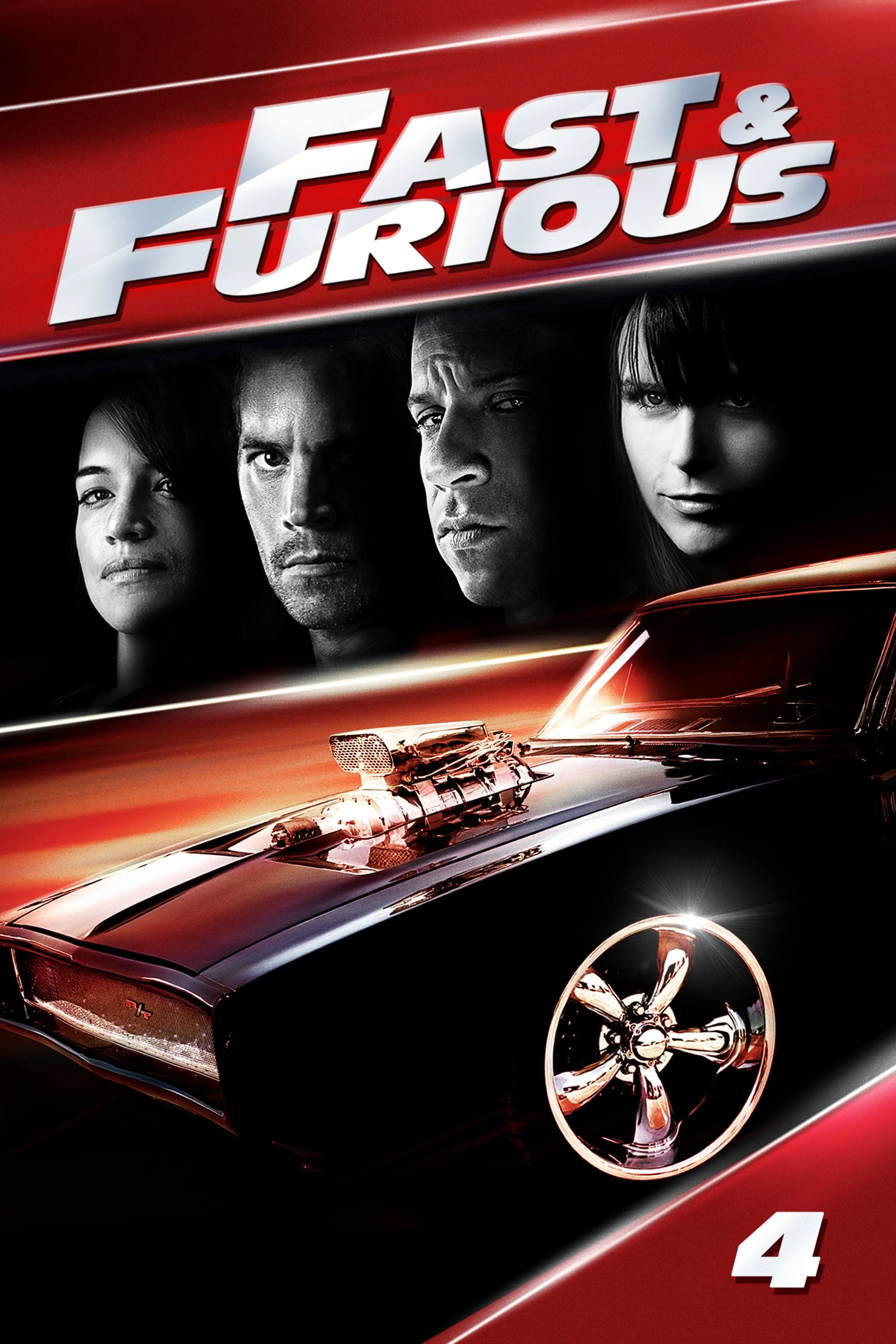
In the sprawling landscape of Hollywood careers, pivotal choices can often define an actor’s trajectory. For Timothy Olyphant, one such moment came early in his career when he was offered the lead role in *The Fast and the Furious*, a part that eventually catapulted Vin Diesel to superstardom. Reflecting on this decision over two decades later, Olyphant revealed a refreshing lack of regret, a sentiment that speaks volumes about his priorities and perspective.
In a candid interview, Olyphant stated unequivocally that he has “never had a moment” of regret about turning down the opportunity. Despite the *Fast and Furious* franchise’s colossal box office success and global appeal, he maintained a profound contentment with the path his career has ultimately taken. This isn’t to say he dismisses the films’ impact; he acknowledged their positive outcomes for all involved but simply harbors no longing for a different level of fame or a different kind of career.
The backstory illuminates the dynamics of Hollywood casting. Producer Neal H. Moritz initially envisioned Olyphant for the lead but pivoted to Diesel when Olyphant declined. This move became a landmark moment for Diesel, launching him into the spotlight and paving the way for one of the most explosive franchises in cinematic history. Olyphant’s decision, however, underscored his commitment to a different kind of professional fulfillment, one not necessarily dictated by mainstream blockbusters.
His reflection on this ‘road not taken’ highlights a consistent theme in his career: a preference for artistic integrity and personal resonance over purely commercial considerations. Despite missing out on a role that could have dramatically altered his trajectory, Olyphant remains grounded. His acclaimed work on series like *Justified* and his versatile roles across various genres stand as a testament to his dedication to meaningful work, offering a glimpse into the nuanced decisions actors navigate in an industry driven by both artistic expression and commercial viability.

10. Fame, Fulfillment, and The Freedom to Choose
Timothy Olyphant’s approach to his career is deeply rooted in a refreshing groundedness, particularly concerning fame and the choices it affords. When confronted with the playful suggestion that he might not have watched some of his own films, Olyphant humbly responded that fame has not consumed him. This lack of pretension is a hallmark of his persona, revealing an actor who finds value in the work itself rather than the external validation or the trappings of celebrity.
He openly highlighted his comfort with the level of recognition he receives, striking a delicate balance between visibility and the personal freedom to work on projects that genuinely resonate with him. This discerning approach means he prioritizes roles that offer creative fulfillment, rather than chasing the glittering lure of mainstream blockbuster roles for their own sake. It’s a pragmatic and wise perspective, allowing him to maintain authenticity in an industry often characterized by its manufactured glamour.
Olyphant’s commitment to artistic integrity shines through in his diverse portfolio, which spans critically acclaimed dramas like *Deadwood* and *Justified* to his current role in *Alien: Earth*. His career journey is a powerful reminder that success in the entertainment industry isn’t a singular, monolithic concept. For him, it’s about the multifaceted nature of fulfilling and meaningful work, defined by personal satisfaction rather than the size of a paycheck or the intensity of the spotlight.
As he looks ahead, Olyphant maintains this pragmatic approach to his craft and the opportunities that come his way. His reflections offer an insightful look into the complex decisions actors navigate, striving to align artistic expression with professional viability. His unwavering commitment to authenticity and creative fulfillment truly stands as a testament to his enduring appeal and unique position in Hollywood, proving that a grounded spirit can thrive even amidst the industry’s highest highs.
Read more about: The Royal Exodus: When Love and Liberty Led Princes and Princesses to ‘Quietly Divorce’ Royal Life in America
11. The Emmy Dance: A Refreshingly Candid Approach to Accolades
In the often-overwrought world of awards season, Timothy Olyphant brings a breath of fresh air with his utterly candid and humorous perspective on accolades, particularly the Emmys. The Emmy-nominated actor, whose portrayal of Raylan Givens in the *Justified* revival once again put him in the conversation, treats the pursuit of awards with a distinct, self-deprecating wit. As he playfully quipped about the “honor of being snubbed,” he set a tone that values the joy of the craft far above the glint of a golden statue.
Olyphant’s jesting extends to his own acting capabilities, jokingly pondering his “acting ceiling” even as he acknowledges the “rich, weird, and deeper opportunities” that have come his way. This self-aware humility is a refreshing counterpoint to the intense campaigning often seen during awards season, where recognition can feel as much about strategic positioning as it is about the performance itself. He navigates these complexities with a grace that suggests a deeper understanding of the industry’s machinations.
In a moment that perfectly encapsulated his charm, Olyphant addressed the Emmy voters directly, employing a trademark self-deprecating style. He openly acknowledged his hard work and the undeniable luck he’s had with landing “great parts.” Yet, he concluded with a dose of stark reality: “the reality that he may not get any better as an actor.” This remarkably honest take, in an industry often shrouded in pretense, is a powerful reminder of his commitment to authenticity.
Timothy Olyphant’s perspective is more than just entertaining; it’s a valuable lesson in embracing the unpredictable nature of both acting and life in Hollywood. His approach—a blend of genuine enthusiasm for his work, sharp wit, and an unwavering commitment to remaining grounded—serves as a delightful counter-narrative to the relentless pursuit of industry validation. In a landscape where accolades can often overshadow the art, Olyphant reminds us that sometimes, the true reward is simply the joy of telling a great story, his unique way of being “Tim being Tim” winning us over every single time.