The enchanting glow of Cinderella’s castle, the iconic silhouette of Mickey Mouse, the heartwarming tales of Pixar – these are the images most readily conjured when one thinks of Disney. For decades, the House of Mouse has meticulously cultivated a squeaky-clean, family-friendly brand, a veritable bastion of wholesome entertainment. Yet, beneath this shimmering veneer of G-rated magic and PG adventures lies a fascinating, often overlooked history: a rich tapestry of R-rated cinema that has consistently challenged perceptions and expanded the studio’s reach into surprisingly mature territory. This isn’t just about a few edgy experiments; it’s a strategic, long-standing engagement with adult storytelling that predates the streaming wars and continues to evolve in unexpected ways.
How did a corporation synonymous with animated princesses and talking animals become a quiet force in adult-oriented film? The answer, as we’ll explore, lies in Disney’s ingenious and consistent use of sub-corporations. Arms like Hollywood Pictures and Touchstone Pictures were meticulously established to act as conduits, allowing Disney to reap the financial benefits of adult entertainment while deftly shielding its core brand from anything deemed too violent, too explicit, or simply too “R.” This masterful circumvention allowed for creative freedom and market diversification, ensuring that Disney could still cater to a broader audience without ever putting Mickey’s reputation on the line. It’s a testament to savvy business acumen and a keen understanding of public perception, proving that even the most family-focused conglomerates have a darker, more complex side to their cinematic portfolio.
Today, with the advent of Disney+ and its bundled integration with Hulu, this once-stealthy strategy has been thrust into the digital spotlight. The sheer volume of R-rated films now readily available under the Disney umbrella has sparked renewed curiosity and, for some, a touch of cognitive dissonance. As adults, we often crave narratives that push boundaries, explore complex themes, and don’t shy away from the gritty realities of life – even after the kids are asleep and the princess movies are tucked away. This deep dive into Disney’s historical and contemporary R-rated offerings isn’t just a nostalgic look back; it’s an essential examination of how a media giant has consistently navigated the tricky waters of adult content, shaping not only its own legacy but also the broader landscape of entertainment.
Now, let’s explore seven foundational examples that illustrate Disney’s early and enduring commitment to R-rated storytelling, demonstrating how these films, though bearing different studio labels, were very much part of the Disney ecosystem.
1. Tombstone (1993)
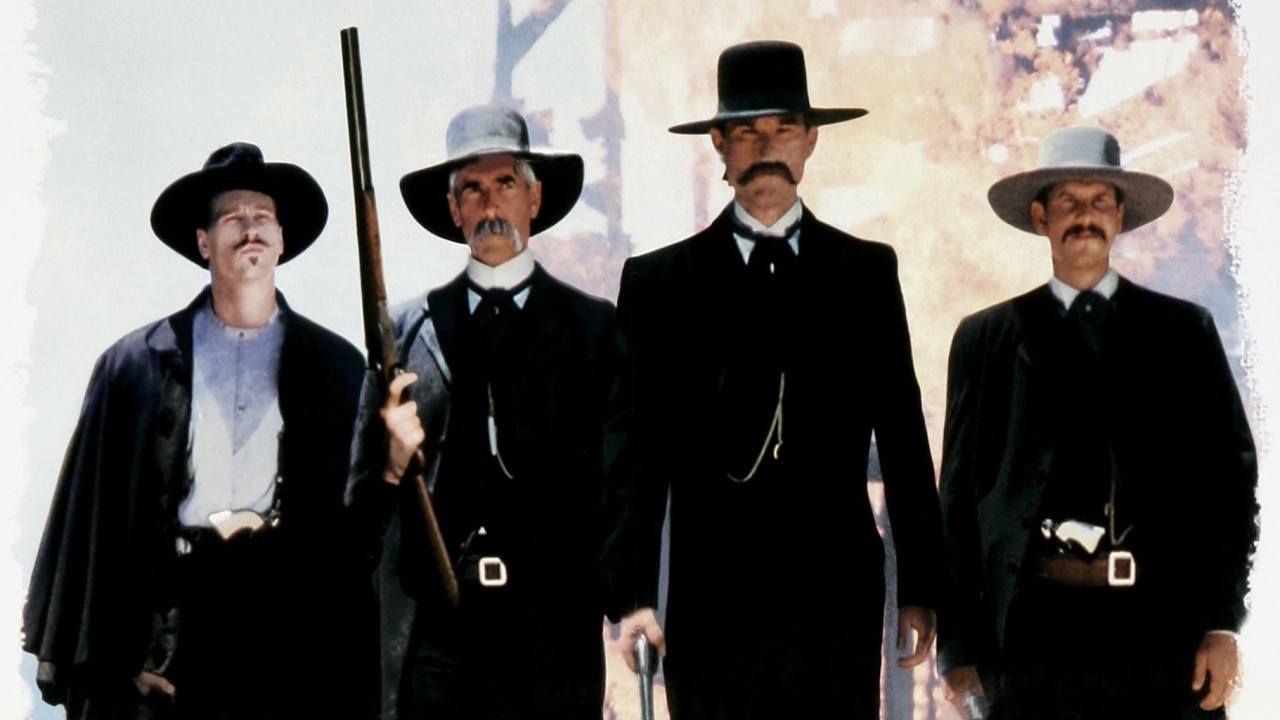
Imagine a discussion about the greatest modern Westerns ever made, and it’s highly likely that George P. Cosmatos’s “Tombstone” will gallop onto the list with critical acclaim. This epic flick, penned by screenwriter Kevin Jarre, isn’t just a genre standout; it’s a masterclass in ensemble acting, featuring a stellar cast that brings the Old West to vivid, often violent, life. Its endlessly quotable dialogue has seeped into pop culture, and its slick, less “stodgy” style often serves as a perfect entry point for younger viewers interested in appreciating the genre, despite its mature rating.
But make no mistake, beneath the stylistic flair and compelling performances, “Tombstone” doesn’t shy away from the harsh realities of its setting. The action is intense, the violence startling, and the narrative unflinching in its portrayal of frontier justice and moral ambiguities. These elements collectively meant that a traditional Disney release was out of the question. To navigate this, Disney ingeniously co-produced “Tombstone” under its Hollywood Pictures banner, effectively creating a separate entity for a film that would never wear the Cinderella castle logo.
Furthermore, Disney leveraged its formidable distribution arm, Buena Vista, to handle the North and South American distribution of “Tombstone.” This strategic maneuver highlights a consistent theme: Disney’s ability to retain financial windfalls and market reach from adult entertainment while maintaining a pristine brand image for its core, family-oriented content. It’s a clever business model that allowed for diversification and profitability without compromising the perceived wholesome identity of the House of Mouse.
Read more about: 10 Iconic Roles That Prove Sam Elliott Is a Cinematic Legend
2. Ed Wood (1994)
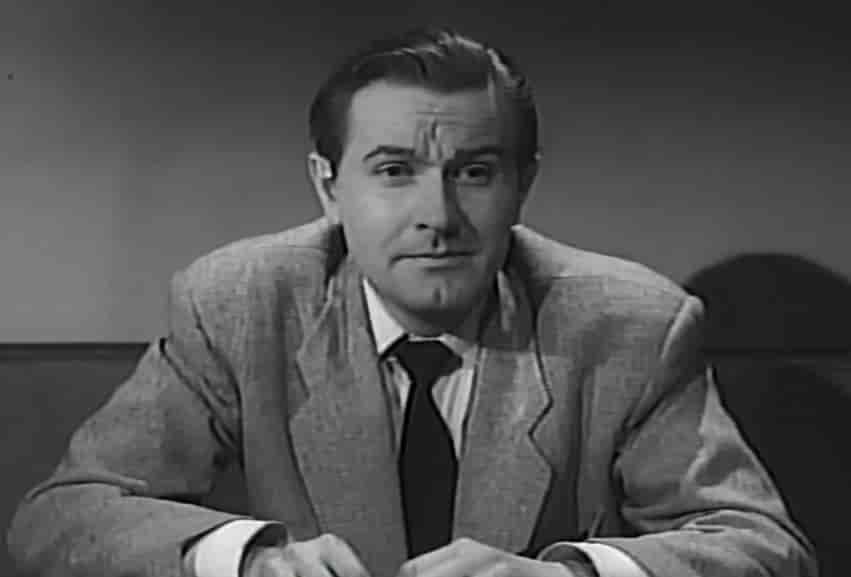
On the surface, Tim Burton’s 1994 biopic “Ed Wood” possesses a certain whimsical charm that might, in an alternate universe, have allowed for a proper Disney release. The film is, after all, an incredibly heartfelt work that practically leaps from the screen with sincerity, warmth, and humor, capturing the spirit of one of cinema’s most infamous “bad” filmmakers. However, the subject matter itself, focusing on a director who worked within the exploitation movie industry and the myriad difficulties he and his peers faced, necessitated a layer of distance from the Disney brand.
The creative team understood that to genuinely tell Wood’s story, which often involved unconventional filmmaking practices and a cast of eccentric characters, the film needed a certain freedom that the Disney name simply couldn’t afford. It was this understanding of artistic integrity, combined with commercial pragmatism, that brought Disney’s “ever-reliable Touchstone-Buena Vista tag team” into play. Touchstone Pictures, another one of Disney’s sub-labels designed for more mature fare, co-produced the film, while Buena Vista handled the distribution.
This partnership allowed director Tim Burton to work his distinctive magic, crafting a black-and-white masterpiece that celebrates passion, perseverance, and the eccentricities of Hollywood’s fringes. The film’s critical success and enduring legacy stand as a testament to the effectiveness of Disney’s sub-label strategy, demonstrating that the company was willing to back unconventional, R-rated projects when the artistic merit and potential returns justified the strategic brand separation.
Read more about: 14 Cinematic Clashes: Where On-Screen Tension Was Palpable and Stakes Were Sky-High

3. High Fidelity (2000)
Before he was stealing scenes in blockbusters and fronting tenacious rock bands, Jack Black was making his ascent in the comedy world, and “High Fidelity” provided a fantastic platform for his burgeoning talent alongside John Cusack. This 2000 comedy gem, adapted from a 1995 novel, is a fun character piece delving into the life of a music-obsessive, his tumultuous love life, and his career running a record store. It’s not a film that relies on extreme violence or explicit uality for its R-rating, but rather a profusion of adult language.
The film “honestly earns its ‘R’ rating primarily due to its language.” The dialogue is sharp, witty, and frequently peppered with expletives, reflecting the authentic conversations and frustrations of its characters. While Jack Black indeed “steals a lot of scenes” with his memorable performance, the pervasive cursing meant that, as the context eloquently puts it, “Disney was never going to slap Cinderella’s castle on this bad boy.” The inherent nature of the script, while comedic and relatable, simply didn’t align with the family-friendly image of the main Disney brand.
Consequently, “High Fidelity” found its home under Disney’s established R-rated infrastructure. The film was “co-funded by Touchstone” Pictures, reinforcing the sub-label’s role as a haven for projects that required a more adult sensibility, and was “distributed by, you guessed it, Buena Vista.” This repeated pattern underscores Disney’s sophisticated dual-brand approach: maintaining the sanctity of its primary identity while strategically leveraging its subsidiary companies to tap into diverse genres and audience segments, proving that even a heartfelt comedy about records and relationships could contribute to the larger corporate empire.
Read more about: TikTok’s Time Machine: How Viral Trends Are Reviving Decade-Old Movies, Shows, and Chart-Topping Tracks
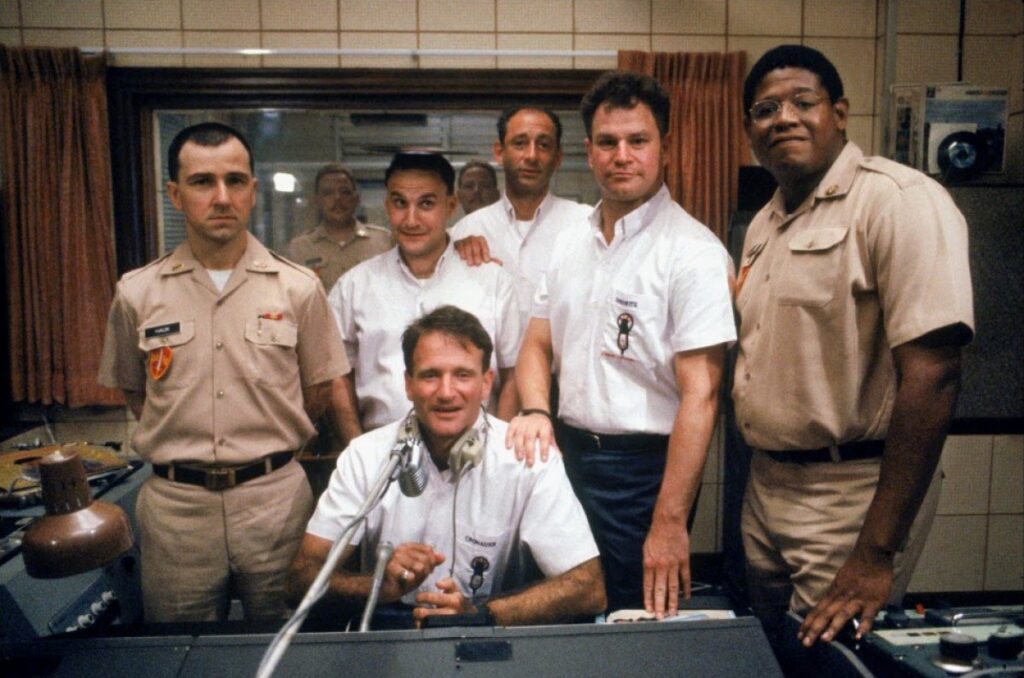
4. Good Morning, Vietnam (1987)
Robin Williams left behind an enduring legacy of cinematic brilliance, and while some of his iconic roles are frequently celebrated, “Good Morning, Vietnam” from 1987 is a hit that perhaps warrants a timely reinvestigation. Loosely based on the life of Adrian Cronauer, a real-life former Air Force sergeant and DJ, the film provided Williams with a perfect canvas for his improvisational genius and heartfelt dramatic chops. His performance was undeniably crucial in helping audiences connect with the story, a powerful blend of humor and pathos set against the backdrop of the Vietnam War.
However, the film’s subject matter and its authentic portrayal of wartime realities made its R-rating virtually unavoidable. The context notes that “both the language at play, as well as the wartime setting, made it virtually impossible for ‘Good Morning, Vietnam’ to pass ratings boards with anything less than an ‘R’.” This wasn’t a film that could sanitize its dialogue or gloss over the harshness of its environment without sacrificing its integrity and impact. To truly convey Cronauer’s experiences and the atmosphere of the war, the narrative required an adult lens.
In line with its established strategy for mature content, Disney co-produced this venture “through Touchstone Pictures.” This again exemplifies how the company utilized its sub-labels to engage with significant, adult-oriented stories that were nonetheless compelling and commercially viable. “Good Morning, Vietnam” became a critical and box office success, further demonstrating the efficacy of Disney’s strategy to compartmentalize its brand, allowing Touchstone to carry the torch for more challenging, R-rated narratives while the main Disney brand continued to focus on its traditional family fare.
Read more about: Jack Jones: An In-Depth Look at the Enduring Legacy of the ‘Love Boat’ Crooner and Nightclub Hitmaker

5. The Joy Luck Club (1993)
It’s a common misconception that an R-rating automatically equates to gratuitous violence, explicit uality, or vulgar language. “The Joy Luck Club,” a profoundly moving film from 1993, elegantly shatters this narrow perception. Lauded by many critics as one of the best films of its year, this feature earned its R-rating not through shock value, but through its unblinking commitment to mature dramatic tone and adult themes. This was cinema crafted specifically for adults, delving into the intricate layers of family dynamics, historical trauma, romance, and the profound experience of loss.
The overarching themes of the film – the complex relationships between Chinese immigrant mothers and their American-born daughters, the weight of cultural heritage, and the unspoken pains passed down through generations – demanded a narrative depth and emotional intensity that would naturally resonate with an adult audience. As the context explicitly states, “its dramatic tone and adult themes were never going to go the route of PG or PG-13 ratings.” A PG or PG-13 rating would have diluted the film’s emotional power and reduced its ability to fully explore its rich, nuanced subject matter.
Therefore, an R-rating was “absolutely necessary, in order to properly tell its story.” Disney, understanding the film’s artistic integrity and its appeal to a sophisticated audience, distributed “The Joy Luck Club” via Buena Vista and produced it “solely under the creative arm of Hollywood Pictures.” This serves as yet another powerful illustration of Disney’s flexible corporate structure, enabling it to champion critically acclaimed, R-rated dramas that explore the human condition with unflinching honesty, all while meticulously safeguarding its primary brand’s image.
Read more about: From Gridiron Gladiator to Global Icon: Decoding Travis Kelce’s Viral Moments, Epic Rides, and Fairytale Engagement Frenzy
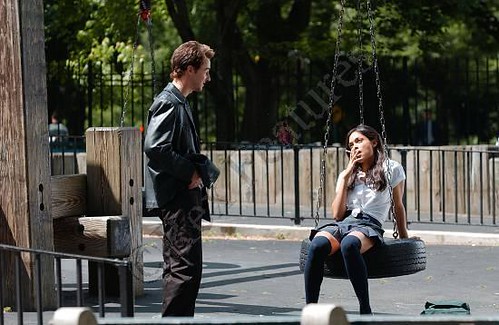
6. 25th Hour (2002)
Edward Norton has a reputation for delivering compelling, even mesmerizing screen presences, and in Spike Lee’s “25th Hour,” he arguably achieves one of his career-best performances. The film masterfully details a man’s final days of freedom before he begins a seven-year prison sentence for drug offenses, serving as a poignant and often searing character study. Norton takes the powerful words from David Benioff’s screenplay and makes them profoundly his own, particularly during a memorable monologue that remains a highlight of the film.
Beyond its gripping central performance, “25th Hour” is also notable for its stark post-9/11 New York City setting, a contextual element that lends the film an additional layer of gravitas and melancholy, capturing the mood of a city grappling with trauma. The film’s mature themes – guilt, regret, friendship, betrayal, and the harsh realities of the justice system – inherently called for an R-rating. It’s a narrative that doesn’t shy away from complex moral questions and the consequences of one’s choices, demanding an adult perspective.
To bring this powerful and somber urban drama to the screen, “25th Hour” was “co-produced between Lee’s own 40 Acres and a Mule Filmworks and Touchstone Pictures (among others).” Furthermore, it was “distributed via Buena Vista,” reinforcing the consistent pattern of Disney utilizing its sub-corporations to support and release films that, while critically important and artistically significant, would not fit the mold of its main, family-oriented brand. The film stands as a testament to Disney’s role in fostering profound cinematic experiences through its extended network.
Read more about: Queen Bey’s Coveted Collection: An Exclusive Deep Dive into Beyoncé’s 15 Most Glamorous and Powerful Rides
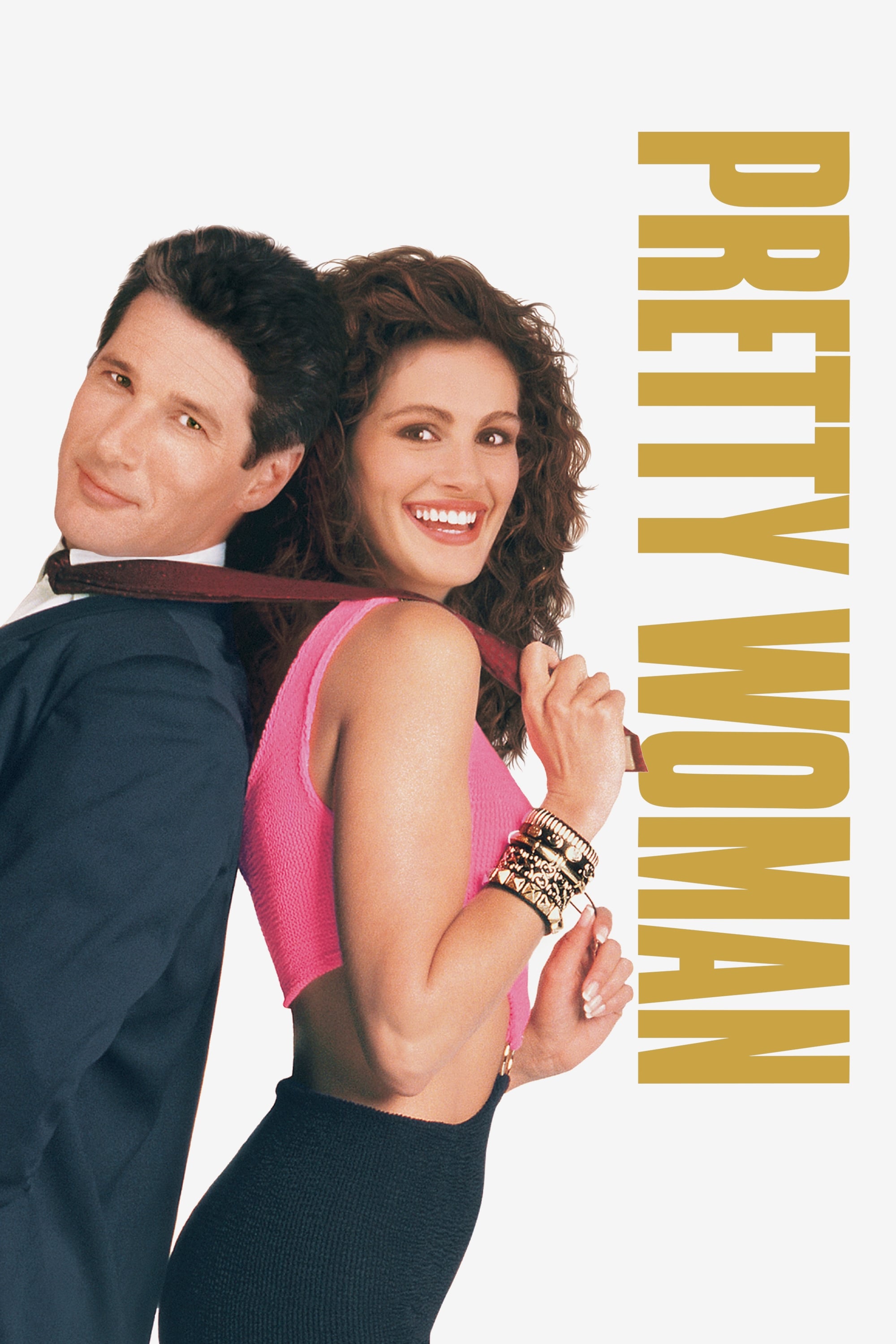
7. Pretty Woman (1990)
The journey of a film from initial screenplay to final product can be a wild, transformative ride, and “Pretty Woman” offers a truly fascinating case study. Originally, screenwriter J. F. Lawton envisioned a significantly darker and comparatively grittier tale centered on a Los Angeles worker. Fast-forward to the film’s eventual production under director Garry Marshall, and what emerged was “one of the most successful romantic comedies of the nineties,” a true star-making turn for Julia Roberts, whose chemistry with co-star Richard Gere, coupled with the lightened tone, propelled the movie to immense popularity.
Despite its eventual romantic comedy sheen and heartwarming conclusion, the core premise of “Pretty Woman” – a narrative firmly centered around work – “necessitated that Disney co-produce via Touchstone Pictures, rather than its home brand.” Even with the lighter, more palatable tone, the adult nature of the protagonist’s profession was a fundamental aspect of the story that inherently pushed it beyond the boundaries of a traditional Disney release. It was a subject that, regardless of how it was ultimately presented, required the distance provided by a sub-label.
This decision underscores Disney’s meticulous brand management. They recognized the immense commercial potential of “Pretty Woman” – its magnetic stars, its engaging story, and its feel-good appeal – but also understood that its thematic elements mandated a strategic separation. Touchstone Pictures once again served as the perfect vehicle, allowing Disney to capitalize on a massive box office hit and cultural phenomenon, while preserving the carefully constructed, wholesome image of the Walt Disney Studios brand.
Our journey through Disney’s unexpected R-rated catalog continues, further illuminating the shrewd corporate maneuvers that allowed the House of Mouse to dabble in decidedly un-Mickey-like territory. We’ve seen how Disney leveraged its sub-labels for everything from gritty Westerns to poignant dramas. Now, let’s unearth a few more gems from that earlier era before we shift gears to the truly modern paradigm: Disney’s embrace of mature content through the sprawling ecosystem of its streaming platforms.
Read more about: OMG, Remember Them?! These 15 Pop Stars Were Our Ultimate Summer & Music Video Heartthrobs!

8. Starship Troopers (1997)
At first glance, Paul Verhoeven’s 1997 film, “Starship Troopers,” might seem like just another sci-fi action flick, albeit one with a penchant for giant, gooey bugs. But to dismiss it as such would be to miss the wonderfully subversive genius at its core. Adapted from Robert A. Heinlein’s 1959 novel, the movie, with a sharp screenplay by Edward Neumeier, is a masterful exercise in satire, slyly poking holes in fascist and authoritarian ideologies.
Verhoeven and Neumeier, already notorious for their work on the equally brutal “RoboCop,” ensured that “Starship Troopers” was not only entertaining but also unrepentantly violent. The film doesn’t flinch from depicting the visceral horrors of warfare, presenting a bleak, often darkly humorous, vision of humanity’s fight against an alien menace. It’s a wildly ambitious piece of cinema that balances its critical commentary with exhilarating, albeit gory, action sequences.
Perhaps the most astonishing aspect for those unfamiliar with Disney’s intricate corporate structure is the fact that “Starship Troopers” was co-produced by Disney’s own Touchstone Pictures. This collaboration once again highlights Disney’s remarkable ability to back films that were diametrically opposed to its core brand image, allowing a deeply satirical and extremely violent blockbuster to flourish under its extended umbrella, all while keeping the main Disney logo far from the carnage.
Read more about: Journey Through the Cosmos: Ranking 10 Essential Sci-Fi Films That Shaped Cinematic History for Enthusiasts
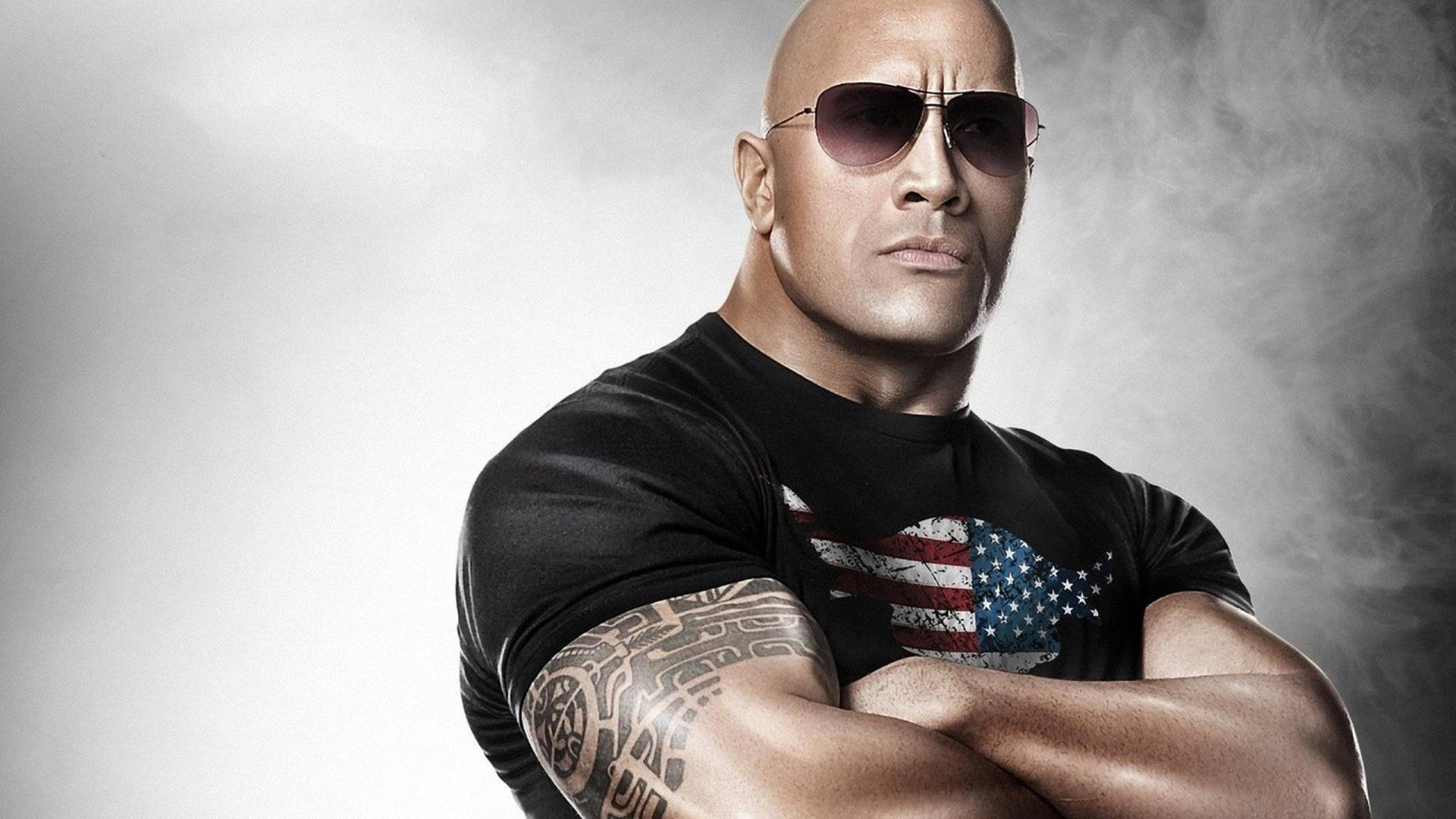
9. The Rock (1996)
Before Michael Bay became synonymous with explosion-heavy blockbusters, his early work included films like 1996’s “The Rock.” This action-packed thriller skillfully blended Bay’s stylish background in music videos and commercial production with high-octane action cinema, creating a pulse-pounding experience that largely holds up today. It’s a masterclass in ensemble casting, featuring magnetic performances from Nicolas Cage, Michael Biehn, Ed Harris, and the legendary Sir Sean Connery.
“The Rock” epitomizes the very core of Disney’s historical strategy to circumvent associating its primary brand with R-rated content. The film, laden with intense action, mature themes, and robust language, was precisely the kind of production that necessitated a distinct corporate buffer. Hollywood Pictures, one of Disney’s dedicated sub-corporations for such fare, served this purpose perfectly.
This allowed the House of Mouse to retain the significant financial windfalls generated by popular adult entertainment like “The Rock,” all while ensuring the Disney brand remained pristine and family-friendly. It’s a brilliant, if somewhat clandestine, business model that underscores the corporation’s foresight and willingness to play in multiple cinematic sandboxes without muddying its iconic image.
Having explored some of the most compelling R-rated projects from Disney’s earlier sub-label strategy, we now arrive at the present day – an era where the lines are blurred, and mature content is overtly offered under the Disney umbrella. The advent of the Disney+ bundle with Hulu has fundamentally reshaped how audiences perceive Disney’s relationship with R-rated cinema, bringing an astonishing array of films directly into our living rooms. This pivotal shift marks a new chapter, where transparency reigns and the once-covert R-rated offerings are now a celebrated, accessible part of the streaming landscape.
Read more about: 14 Cinematic Clashes: Where On-Screen Tension Was Palpable and Stakes Were Sky-High

10. Poor Things (2023)
Emma Stone’s Oscar-winning turn in “Poor Things” is a tremendous performance that anchors one of the most aesthetically stunning and utterly bizarre films of recent memory. The movie introduces us to Bella Baxter, a woman with a truly terrifying and unconventional origin: she is the reanimated body of a woman who committed suicide, now imbued with the mind of her unborn daughter. This premise sets the stage for a unique and unforgettable journey of self-discovery.
As Bella slowly, yet fiercely, grows to maturity and navigates the complexities of the world, audiences are treated to a narrative that is bold, provocative, and often deeply unsettling. It is, unequivocally, not a film for everyone – and certainly not one to watch with the entire family. Yet, its uncompromising vision has cemented its place as one of director Yorgos Lanthimos’s finest works, earning both critical adoration and significant box office success.
Distributed by Searchlight Pictures, a studio now firmly under the Walt Disney Studios Motion Pictures umbrella, “Poor Things” represents the new frontier of Disney’s engagement with R-rated content. It’s a testament to the company’s willingness to embrace and promote artistically daring, adult-oriented cinema through its acquired labels, allowing for truly singular storytelling to reach a broad audience via streaming platforms like Hulu.
Read more about: Hollywood’s Infamous Landmines: 14 Films That Absolutely Decimated A-List Careers
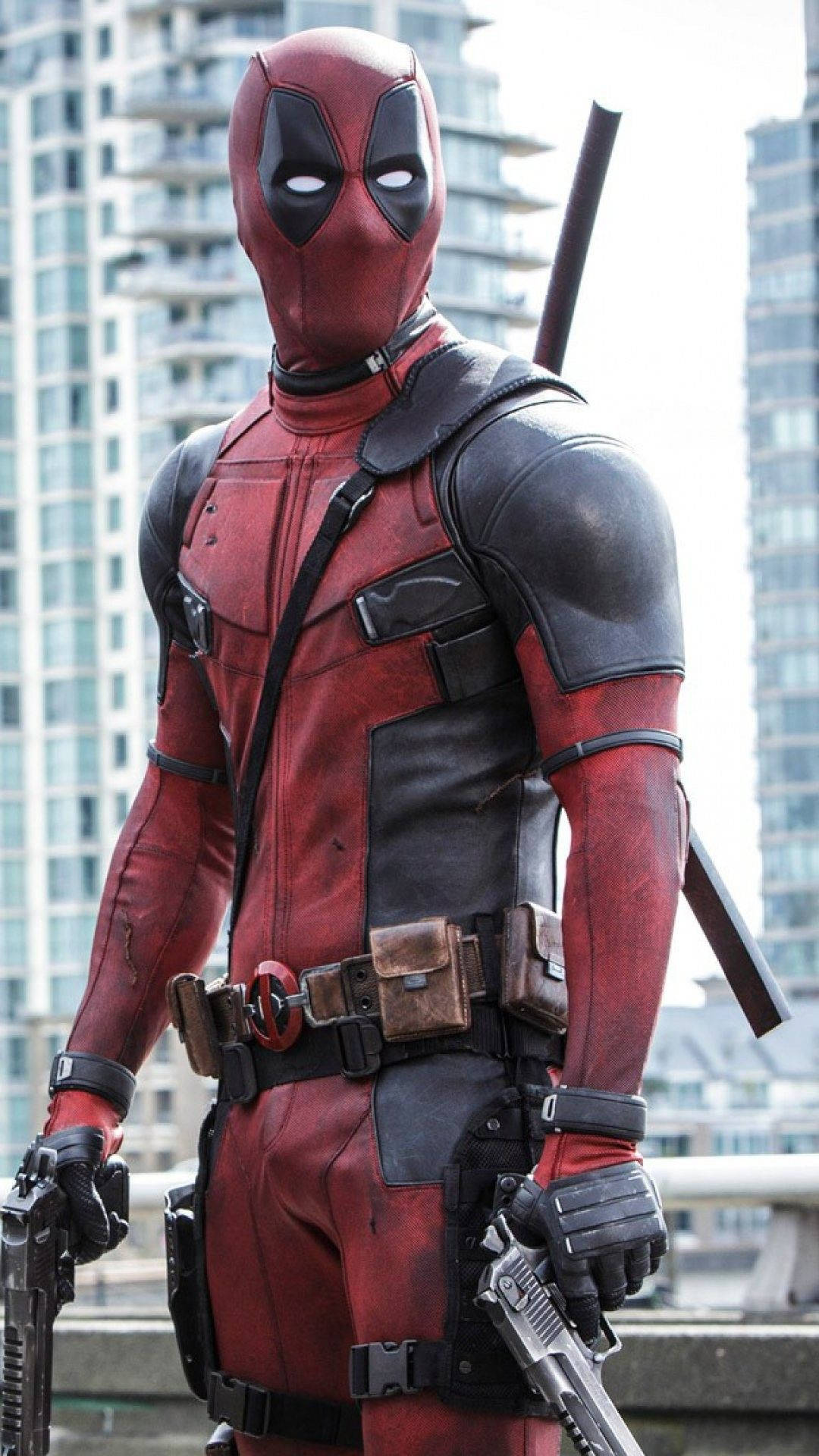
11. Deadpool (2016)
If there’s one film that has become the poster child for Disney’s R-rated offerings in the modern era, it’s arguably “Deadpool.” This irreverent, fourth-wall-breaking superhero romp, starring Ryan Reynolds as the titular wise-cracking assassin, was an absolute breath of fresh air when it burst into cinemas in 2016. Its unique blend of lightning-fast jokes, brutal action, and unexpected moments of poignancy created a character unlike any other in the superhero pantheon.
Deadpool, an assassin diagnosed with cancer who undergoes experiments that grant him superpowers, delivers quips at a dizzying pace, making it almost impossible to catch every punchline on a first watch. While the humor is undeniably raunchy and adult-oriented, the film also manages to weave in genuine emotional depth, particularly concerning Wade Wilson’s relationship with Vanessa.
“Deadpool” was originally released by 20th Century Fox, a company later acquired by Disney. Its continued presence and immense popularity on platforms like Hulu within the Disney+ bundle signals a significant shift. The film, and its impending sequel “Deadpool & Wolverine” (which is hotly anticipated to challenge its R-rated crown), clearly demonstrate Disney’s strategy to incorporate beloved, mature franchises into its wider content library, proving that even the most foul-mouthed heroes can find a home under the Mouse’s ever-expanding tent.
Read more about: Prepare for a Pop Culture Plot Twist: 14 Celebrities You Thought Were American — But They’re Absolutely Not!
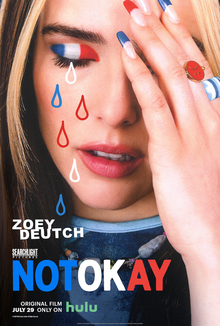
12. Not Okay (2022)
“Not Okay,” a 2022 Hulu original film, immediately sets its tone with a forthright warning to the viewer: you are about to witness the story of an unlikable woman. Zoey Deutch delivers a compelling performance as Danni, a struggling would-be influencer desperate for online notoriety. Her desperation leads her down a perilous path, culminating in a colossal lie: she fabricates an elaborate story of surviving a terrorist attack, despite being nowhere near the actual incident.
The film offers a fascinating, albeit uncomfortable, deep dive into the intoxicating and often toxic world of influencer culture. It meticulously charts Danni’s ascent to viral fame, the fleeting adoration, and the inevitable, brutal reckoning that follows. Viewers are left to grapple with their own moral compass, deciding whether Danni ultimately deserves sympathy for her misguided quest for validation or the full weight of the consequences for her deceptive actions.
As a Hulu exclusive, “Not Okay” perfectly illustrates Disney’s strategic use of its bundled streaming services to host contemporary, R-rated content that directly engages with pressing social and cultural issues. It’s a sharp, relevant commentary on the perils of digital identity, performative activism, and the harsh realities of online “cancellation,” showcasing Disney’s capacity to deliver critically astute, mature dramas outside its traditional brand.
Read more about: Lights, Camera, Walkout! 15 Times Directors Ditched Major Blockbusters Mid-Production

13. Prey (2022)
For many, 2022’s “Prey” isn’t just one of the best films in the long-running Predator franchise; it’s arguably *the* best. This phenomenal entry takes the iconic alien hunter back to 1719, focusing on Naru, a fierce and skilled Comanche woman portrayed brilliantly by Amber Midthunder. When the Predator arrives on Earth, Naru finds herself thrust into a deadly game of survival, forced to draw upon every ounce of her cunning, resilience, and courage to protect her people and herself.
“Prey” is a masterclass in tension and action, revitalizing a beloved franchise by offering a fresh perspective and a captivating protagonist. Amber Midthunder’s star-making performance is undeniable, propelling her to widespread recognition. Beyond its thrilling narrative, the film achieved another historic milestone: it was the first-ever blockbuster production to be dubbed entirely in the Comanche language, a significant cultural achievement that garnered widespread praise.
Released as a Hulu exclusive, “Prey” stands as a prime example of Disney’s expanding genre reach and its willingness to invest in high-quality, R-rated storytelling for its streaming audience. The critical acclaim for this film was resounding, and rightly so, confirming that Disney, through its subsidiary platforms, is delivering exhilarating, mature content that not only entertains but also pushes boundaries and celebrates diverse cultural narratives.
Read more about: The Unseen Depths of Obsession: Unpacking the Real-Life Scandals Behind the True Crime Documentaries Captivating Audiences
From the clandestine operations of sub-labels in the late 20th century to the overt, curated offerings on its sprawling streaming platforms today, Disney’s journey with R-rated content has been a quiet revolution, a fascinating evolution for a company once solely defined by animated castles and talking animals. What began as a strategic necessity to diversify its portfolio without sullying its pristine brand image has blossomed into a sophisticated, multi-faceted approach to entertainment, acknowledging that even the most devoted Disney fans sometimes crave stories with a bit more grit, a touch more edge, and a whole lot more adult complexity. The Mouse House, it turns out, has a much wider palate than many ever imagined, proving that even magic can get a little wild sometimes.