The ’90s. A decade often remembered as the dawn of CGI, ushering in a new era of cinematic spectacle that simultaneously kicked practical effects to the curb while delivering jaw-dropping visuals. Yet, beyond the groundbreaking action flicks, the ’90s also gifted us a trove of beloved rom-coms, nail-biting thrillers, and innovative dramas. Many of these films, while perhaps not always topping the box office charts upon their initial release, have since matured into cultural touchstones, quietly gathering legions of devoted fans.
But what does it mean for a film to be “obscure” in today’s hyper-connected world? According to Merriam-Webster, ‘obscure’ can mean “not widely known” or “not prominent or famous,” implying a depth that requires a closer look. This rich definition perfectly encapsulates the spirit of many ’90s films that, despite their initial reception, are now enjoying a renaissance, finding new life and a vast audience on streaming platforms like Netflix.
Netflix, ever the curator of our collective nostalgia, currently boasts a strong variety of these ’90s gems. While the service offers “no shortage of cult classic movies,” one particular title has recently made a significant splash, resonating deeply with viewers old and new. It’s a film that embodies the very essence of a ‘cult classic’ and, for many, serves as a poignant reminder of the era’s unique charm, proving that true quality and wit always find their moment in the sun. This is the story of that film, and several other “most watch-worthy ’90s gems” currently captivating audiences.
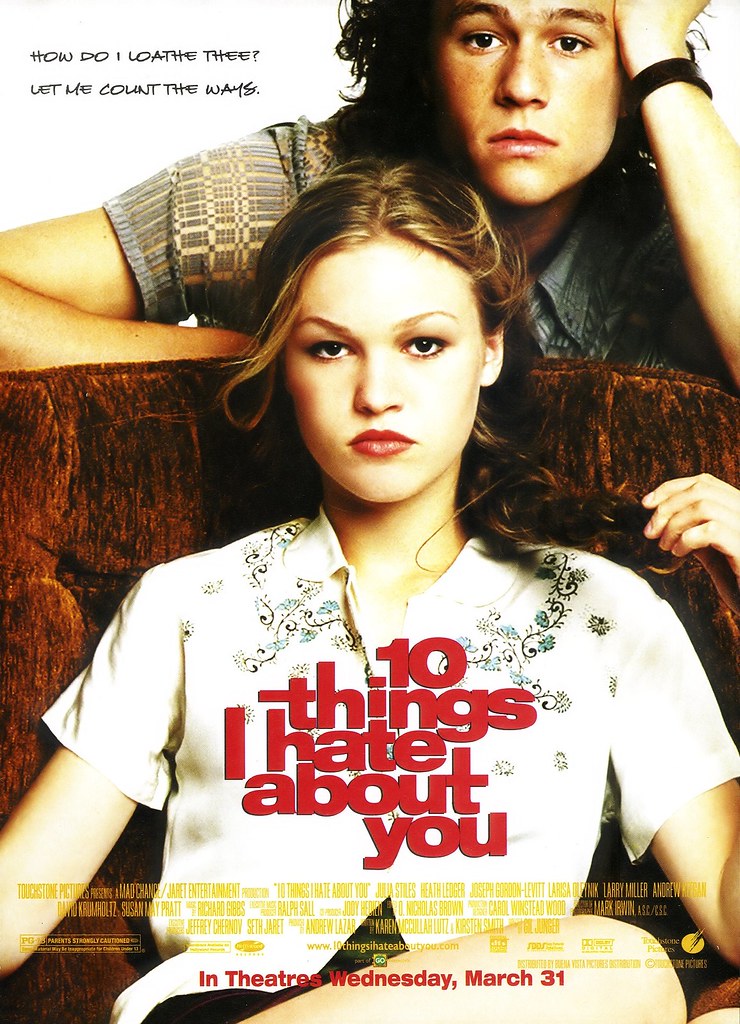
1. 10 Things I Hate About You (1999): The Unsung Bard of Teenage Angst
When *10 Things I Hate About You* joined Netflix on September 28th, it was a reunion, a homecoming for a film lauded as a “must-watch movie that has endured the test of time.” This Gil Junger-directed 1999 movie, which “helped launch the careers of Heath Ledger, Julia Stiles, and Joseph Gordon-Levitt,” has cemented its status as a vibrant cultural touchstone. Its presence signifies a quiet resurgence, drawing in new fans to this ’90s cult classic.
What truly elevates *10 Things I Hate About You* beyond a mere teen comedy is its clever foundation. It’s a “successful modernization of Shakespeare’s The Taming of the Shrew,” masterfully transposing characters and themes into a chaotic 1990s high school. This academic ambition, blended seamlessly with youthful angst and humor, makes it both “a great rom-com and an amazing teen movie,” appealing to diverse audiences without condescension.
The movie’s enduring appeal stems from its “multi-layered characters and charming leads portrayed by a stellar cast.” Heath Ledger’s magnetic Patrick Verona and Julia Stiles’ “beautiful but abrasive Kate” offer complex, relatable figures. Their unexpected romance, driven by a mischievous scheme, feels authentic and irresistible, enhanced by a “clever script, witty one-liners, and irresistible romance.” The “soundtrack also deserves a mention,” perfectly capturing its ’90s spirit.
It’s no wonder that *10 Things I Hate About You* remains “a benchmark for teen romcoms” and has been “well-loved since its release.” Its strong critical and audience reception, alongside its cultural impact, confirm its lasting legacy. This makes it a prime example of a ’90s gem that, while perhaps not an immediate blockbuster, has steadily, and deservedly, become a quiet triumph on the streaming landscape.
2. Léon: The Professional (1994): A Darkly Poetic Debut
Stepping into a grittier side of ’90s cinema, Luc Besson’s *Léon: The Professional* is a 1994 thriller notable for marking the “big-screen debut” of a young Natalie Portman. Her raw, unforgettable performance as 12-year-old Mathilda remains a cornerstone of the film’s powerful impact, showcasing a talent that would define her career for decades to come. This intense narrative highlights a distinct vein of ’90s storytelling.
The premise is dark: Mathilda is “reluctantly taken in by Léon, a professional assassin, after her family is murdered.” This tragic catalyst sets the stage for an “unusual relationship,” evolving from guardianship into mentorship, as she “learns the assassin’s trade.” Jean Reno’s portrayal of the titular Léon—a man of few words but profound emotion—contrasts sharply with Mathilda’s youthful vulnerability, forming the true heart of the film.
*Léon: The Professional* stands as a testament to the ’90s penchant for bold, character-driven thrillers. It leaves a lasting impression, prompting reflection on themes of innocence lost, revenge, and unexpected bonds formed in adversity. Its inclusion on Netflix provides an opportunity to revisit a masterclass in tension and emotional depth, appreciating its unique contribution to the cinematic landscape.
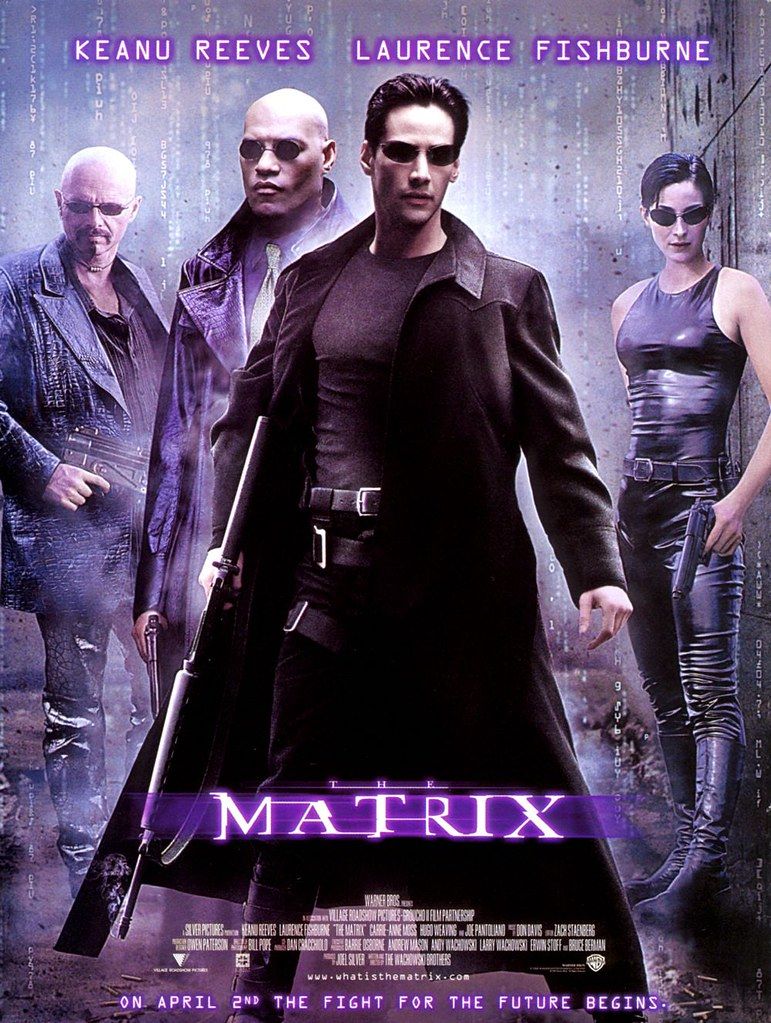
3. The Matrix (1999): Red Pilling a Generation
Few films of the 1990s have left such an indelible mark on cinema and popular culture as the Wachowskis’ *The Matrix*. Released in 1999, this “game-changing sci-fi action thriller” was a philosophical awakening disguised as spectacle. It challenged viewers to question reality itself, a concept that resonated deeply as digital anxieties simmered, fundamentally redefining its genre.
The narrative immediately grabs you, centering on “a computer hacker named Neo (Keanu Reeves)” who stumbles upon a truth far more profound than any code he’s ever cracked. His journey, guided by enigmatic figures, plunges him into a dystopian future where humanity is unknowingly enslaved by intelligent machines. The revelation that the world is a meticulously constructed simulation completely upended conventional storytelling.
What made *The Matrix* so revolutionary was its unprecedented blend of visual effects, martial arts choreography, and philosophical themes. The “bullet time” effect became an instant cinematic icon, influencing countless films. This innovation was seamlessly integrated with a plot where Neo “joins forces with rebel warriors to battle a malevolent cyberintelligence that harvests and controls mankind,” exploring free will and the nature of perception.
Even today, *The Matrix* continues to be a touchstone for discussions on artificial intelligence, virtual reality, and existentialism. Its re-release on Netflix is a welcome opportunity for a new generation to experience its profound impact, and for existing fans to rediscover the genius that lies beneath its slick surface. It didn’t just set the bar high for sci-fi; it redefined it.
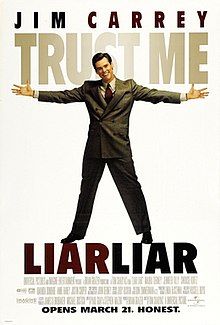
4. Liar Liar (1997): Jim Carrey’s Comedic Genius Unleashed
*Liar Liar* offered a masterclass in ’90s physical comedy, proving that sometimes, simple premises yield the most uproarious results. “Jim Carrey stars in this laugh-out-loud comedy” from 1997, perfectly showcasing his unique brand of elastic expressions, boundless energy, and unparalleled comedic timing. For many, it’s an essential entry in the canon of Carrey’s golden era, a true highlight of the decade’s comedic output.
The plot is a delightful twist on a common human foible: Carrey plays Fletcher Reede, a “pathological liar-lawyer whose life is turned upside down after his son makes a birthday wish that prevents him from telling lies for a full 24 hours.” This magical constraint creates a cascade of hilarious, chaotic situations as Fletcher navigates his life with brutal honesty, particularly in the courtroom. Carrey’s performance is a tour de force, embodying the absurdity.
Beyond the laughs, the film carries a surprisingly heartfelt message about honesty and reconnecting with loved ones. *Liar Liar* remains a beloved comedy because it’s genuinely funny and surprisingly poignant. Its re-availability on Netflix is a fantastic opportunity to revisit one of Jim Carrey’s most iconic and unrestrained performances, reminding us why he was a comedic legend.
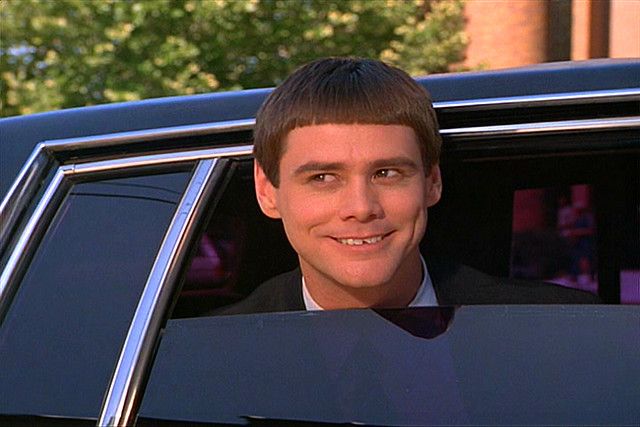
5. Dumb and Dumber (1994): The Buddy Comedy That Broke All Brain Cells
No discussion of ’90s comedies on Netflix would be complete without a nod to the utterly ridiculous, yet undeniably brilliant, *Dumb and Dumber*. This 1994 film, co-starring “Jim Carrey and Jeff Daniels,” redefined the buddy comedy genre with its unapologetic embrace of sheer stupidity. It remains a quintessential example of ’90s physical and absurdist humor, a beloved cultural phenomenon.
The premise is hilariously simple: “After a woman leaves a briefcase at the airport terminal, a dumb limo driver and his dumber friend set out on a hilarious cross-country road trip to Aspen to return it.” This seemingly noble quest quickly devolves into a series of increasingly outlandish misadventures, fueled by their profound lack of intelligence and unshakeable, if misguided, optimism.
What makes *Dumb and Dumber* enduringly popular is the incredible chemistry between Carrey’s Lloyd Christmas and Daniels’ Harry Dunne. Their portrayal of two characters so blissfully unaware of their own incompetence is a comedic masterclass, creating an unbreakable bond. Its brand of unapologetic absurdity continues to resonate, offering a perfect dose of nostalgic laughter for those revisiting this ’90s classic on Netflix.
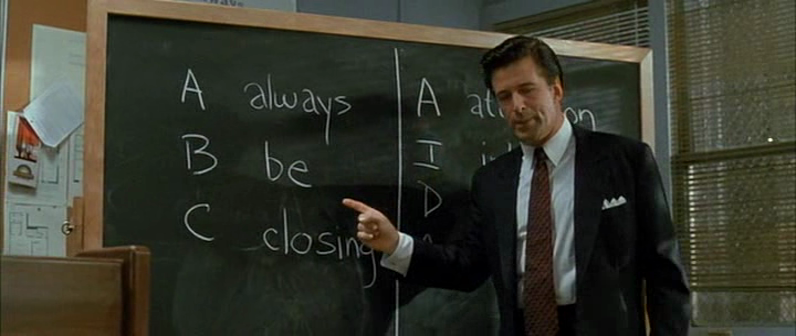
6. Glengarry Glen Ross (1992): The Brutal Art of the Sale
Shifting gears dramatically, *Glengarry Glen Ross* offers a stark and intense counterpoint to the ’90s comedies. This 1992 critically acclaimed drama, “based on David Mamet’s play of the same name,” is a masterclass in sharp dialogue, psychological tension, and raw human desperation. It’s a searing indictment of the cutthroat world of sales, brought to life by an assembly of acting legends.
The film “examines the lives of four desperate real estate agents after their office full of New York City salesmen is given the news that all but the top two will be fired at the end of the week.” This high-stakes ultimatum immediately ignites a simmering tension, pushing these men to their ethical and emotional limits as they scheme and lie in a desperate bid to save their jobs.
Mamet’s dialogue is legendary: sharp, rhythmic, and brutal. The “star-studded cast includes Al Pacino, Jack Lemmon, Alec Baldwin, Alan Arkin, Ed Harris, and Kevin Spacey,” delivering powerhouse performances that elevate an already brilliant script. Jack Lemmon’s career-defining turn as Shelley Levene is particularly poignant. Its presence on Netflix offers a valuable opportunity to experience this dramatic masterpiece, dissecting ambition and morality with surgical precision.
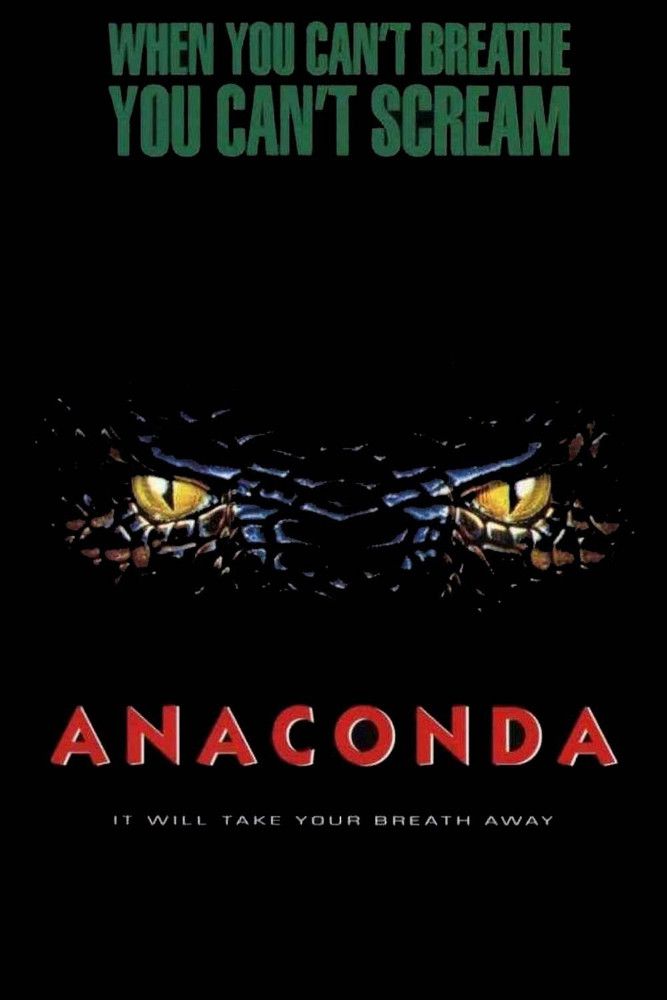
7. Anaconda (1997): Jungle Terror at Its Most Pulpy
For those craving pure, unadulterated ’90s creature feature thrills, *Anaconda* slithers onto Netflix with all its campy glory. This 1997 adventure horror film is a perfect example of the decade’s penchant for combining exotic locales with larger-than-life threats, offering a blend of suspense and B-movie charm that continues to entertain audiences seeking escapist cinema.
The plot establishes a perilous journey: “National Geographic’s Terri Flores (Jennifer Lopez) and her film crew are traveling deep in the Amazon jungle.” Their expedition takes a terrifying turn when they “are taken hostage by an insane hunter (Jon Voight),” whose singular obsession is to capture “the world’s largest — and deadliest — Anaconda snake.” What follows is a relentless pursuit through the unforgiving Amazon.
The film leans into its horror elements with jump scares and gruesome deaths, featuring the monstrous, CGI-enhanced predator and Jon Voight’s over-the-top portrayal of the deranged Paul Serone. While it may not win awards for profound messages, *Anaconda* delivers exhilarating, escapist entertainment, a hallmark of many ’90s popcorn flicks. Its availability on Netflix is a perfect excuse to “stream it now” and revel in a piece of ’90s B-movie gold.
Diving deeper into Netflix’s impressive vault of ’90s cinema, we uncover more distinctive films that continue to resonate, offering both sharp cultural commentary and pure entertainment. These are the cinematic artifacts that defined an era, now accessible for a new generation to dissect and appreciate, solidifying their place in the pantheon of watch-worthy classics. From indie darlings to darkly satirical thrillers, the ’90s catalog is far from exhausted, revealing layers of genius and unique contributions to film history.
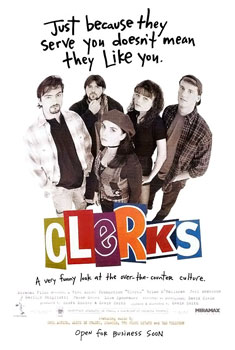
8. Clerks (1994): The Indie Anti-Epic That Spoke for a Generation
Kevin Smith’s *Clerks* isn’t just a movie; it’s a cultural touchstone that crystallized the slacker ethos of the mid-’90s. Shot in stark black and white on a shoestring budget, this 1994 indie marvel transformed a mundane New Jersey convenience store into a philosophical battleground for its deeply cynical yet undeniably relatable protagonists, Dante and Randal. It was a film that proved you didn’t need Hollywood polish to capture a zeitgeist, just a sharp script and a distinctive voice.
Its premise, deceptively simple, follows Dante, called in on his day off, as he grapples with the indignities of retail work alongside his video store-clerk friend, Randal. The film’s genius lies in its unvarnished dialogue—a torrent of pop culture references, existential musings on life’s trivialities, and surprisingly profound observations on relationships and responsibilities. It’s a snapshot of a particular brand of Gen X disillusionment, wrapped in layers of dry wit and raw honesty.
*Clerks* transcended its low-budget origins to become a foundational text for independent cinema. It demonstrated that compelling storytelling could emerge from the most unassuming settings, using everyday conversations to explore deeper truths about work, friendship, and the frustrating absurdity of adulting. Its raw aesthetic and unfiltered humor carved out a unique space, earning it a devout following that persists decades later.
For anyone looking to understand the independent film movement of the ’90s, or simply to revel in some truly iconic banter, *Clerks* on Netflix is an essential watch. It remains a testament to the power of authentic storytelling, proving that sometimes, the most profound cinematic experiences come from the least likely of places.
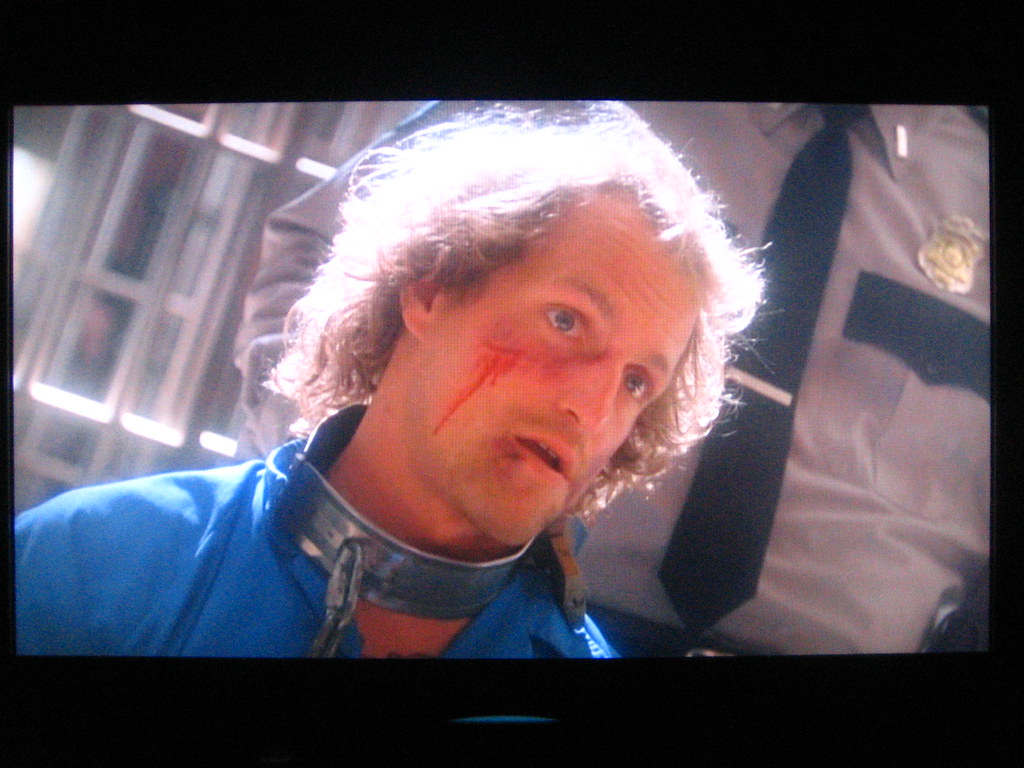
9. Natural Born Killers (1994): Oliver Stone’s Media Circus
Oliver Stone’s *Natural Born Killers* is less a film and more a cinematic assault, a hyper-stylized and controversial violent thriller from 1994 that remains as provocative today as it was upon its release. Starring Woody Harrelson and Juliette Lewis, it’s a searing, often uncomfortable, satire of American media obsession and the glorification of violence. Stone didn’t just direct; he flung a Molotov cocktail at the notion of celebrity, and the sensationalistic press eagerly captured the flames.
The film plunges viewers into the chaotic world of Mickey and Mallory Knox, two bloodthirsty young lovers whose cross-country killing spree inexplicably transforms them into instant tabloid-TV celebrities. Through a dizzying array of shifting film stocks, animation, and rapid-fire edits, Stone crafts a nightmarish commentary on how media consumption fuels and perverts our understanding of crime and fame. It’s an unrelenting visual and thematic onslaught that challenges the viewer to confront their own complicity.
Harrelson and Lewis deliver electrifying performances, embodying the twisted allure and disturbing nihilism of their characters. Their chemistry is both terrifying and magnetic, drawing you into a narrative that refuses to offer easy answers or moral clarity. The supporting cast, including Robert Downey Jr. as a sensationalist TV host, further underscores the film’s critique of the symbiotic relationship between criminals and the media machine that elevates them.
*Natural Born Killers* is not for the faint of heart, but its audacious style and unwavering critique of societal voyeurism make it a landmark ’90s film. Its presence on Netflix is a rare opportunity to revisit a work that, for all its controversy, remains an unparalleled exercise in cultural commentary, urging us to question the narratives we consume and create.
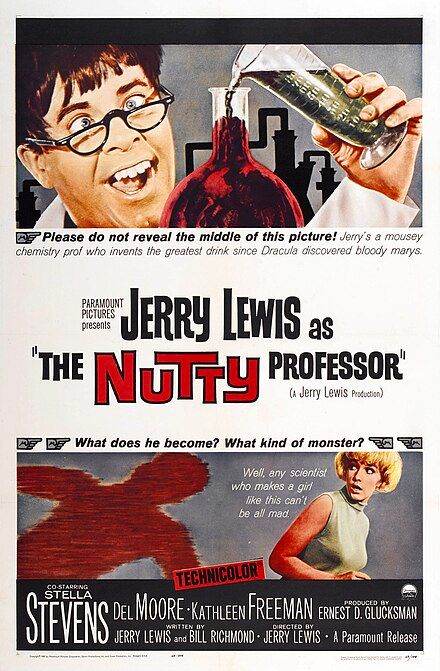
10. The Nutty Professor (1996): Eddie Murphy’s Transformative Genius
In a decade brimming with comedic innovation, *The Nutty Professor* stands out as a triumph of both physical comedy and groundbreaking special effects, all powered by the incomparable Eddie Murphy. This 1996 film offered Murphy a magnificent canvas to showcase his extraordinary versatility, not only as the brilliant but obese scientist Sherman Klump but also in multiple, unforgettable supporting roles, thanks to stunning prosthetics and character work.
The plot is a classic Jekyll-and-Hyde tale with a distinctly ’90s twist. Klump, a sweet-natured but socially awkward genius, yearns for acceptance and love. His invention of a miraculous potion promises to make him lean, but at the cost of unleashing his obnoxious, arrogant, and hyper-ualized alter-ego, Buddy Love. The contrast between these two personalities, both meticulously crafted by Murphy, provides endless comedic fodder, alongside surprising moments of pathos.
Murphy’s performance is nothing short of a comedic tour de force, embodying an entire family with distinct voices and mannerisms, transforming himself far beyond mere makeup. The film, lauded for its exceptional visual effects and Rick Baker’s Oscar-winning makeup, pushes the boundaries of cinematic transformation, allowing Murphy to explore themes of self-image, acceptance, and the dark side of superficial desires. It’s a testament to his comedic range and willingness to completely disappear into a character.
Beyond the belly laughs and technical achievements, *The Nutty Professor* offers a surprisingly heartfelt message about loving oneself for who they are, regardless of outward appearance. It’s a film that resonates with audiences by cleverly balancing its outrageous humor with a core of genuine emotion. Its return to Netflix is a perfect excuse to revisit a true comedic masterpiece that continues to delight and provoke thought.
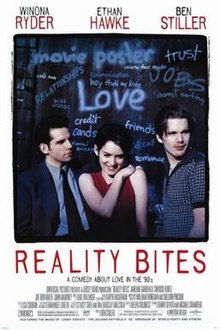
11. Reality Bites (1994): The Soundtrack of Post-College Existentialism
Before the term “millennial” became ubiquitous, there was Generation X, and for many, *Reality Bites* was their definitive cinematic anthem. This 1994 romantic comedy, directed by Ben Stiller and starring Winona Ryder, Ethan Hawke, and Stiller himself, perfectly encapsulated the ennui, ambition, and existential questioning of post-college life in the early ’90s. It wasn’t just a movie; it was a mirror reflecting the anxieties of a generation.
The film follows aspiring filmmaker Lelaina Pierce (Ryder) and her group of friends as they navigate dead-end jobs, uncertain career paths, and complex romantic entanglements in Houston, Texas. It’s a candid look at the disillusionment that often follows the promise of graduation, as the harsh realities of the adult world begin to bite. The characters’ struggles feel incredibly authentic, from their debates about selling out to their awkward attempts at forging meaningful relationships.
What makes *Reality Bites* enduring is its uncanny ability to capture a specific cultural moment. The characters’ conversations are filled with intelligent, witty, and often cynical observations about life, love, and the search for purpose. The film’s iconic soundtrack, featuring quintessential ’90s artists like Lisa Loeb and Lenny Kravitz, further cements its status as a time capsule, perfectly articulating the era’s blend of angst and optimism.
Its availability on Netflix allows a new generation to discover the charm and insight of this beloved romantic comedy, while offering a potent dose of nostalgia for those who lived through its era. *Reality Bites* remains a vital piece of ’90s cinema, a film that understood the complicated transition into adulthood with remarkable clarity and heart.
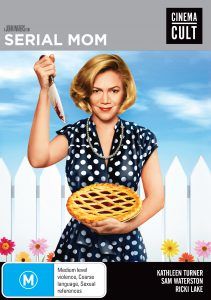
12. Serial Mom (1994): John Waters’ Suburban Carnage
From the brilliantly twisted mind of cult director John Waters comes *Serial Mom*, a 1994 campy slasher film that delights in subverting the idyllic facade of suburban life. Starring the magnificent Kathleen Turner, this black comedy revels in its outrageous premise, turning the seemingly perfect housewife and mother Beverly Sutphin into Baltimore’s most charmingly homicidal serial killer. It’s a masterclass in dark satire, pushing boundaries with a wink and a smile.
Beverly appears to be the quintessential suburban matriarch: devoted to her family, meticulous about her home, and deeply invested in community values. However, beneath this pristine exterior simmers a murderous rage, triggered by minor infractions against her strict moral code and perfect life. Whether it’s litterbugs, rude neighbors, or even a critically minded teacher, Beverly dispatches them with inventive, often hilariously gruesome, flair.
Kathleen Turner’s performance is nothing short of legendary, balancing suburban grace with chilling psychopathy. She imbues Beverly with an unsettling charm, making her both terrifying and oddly sympathetic as she justifies her heinous acts. Waters uses the film to brilliantly satirize everything from neighborly disputes to the sensationalism of true crime, all while wrapping it in his signature brand of transgressive humor and vibrant camp aesthetics.
*Serial Mom* isn’t just a slasher film; it’s a social critique dressed in a blood-splattered apron. Its cult status has only grown over the years, celebrated for its audacious premise and fearless execution. For those who appreciate humor as dark as it is intelligent, its presence on Netflix is an invitation to witness a unique and unforgettable piece of ’90s cinematic rebellion.

13. Starship Troopers (1997): More Than Just Giant Bugs
Paul Verhoeven’s *Starship Troopers* is often remembered for its relentless action and monstrous alien insects, but beneath the surface of this 1997 sci-fi epic lies a deeply cynical and surprisingly insightful satire on militarism, propaganda, and American exceptionalism. It’s a visually stunning, genre-defining feature that, for those paying close attention, doubles as a sharp critique of the very tropes it seems to embrace.
The film plunges humanity into an intergalactic war against a race of giant alien insects, depicting a futuristic, fascist-lite society where citizenship is earned through military service. We follow Johnny Rico and his high school friends as they enlist, eager to fight for “Federal Citizenship.” Verhoeven masterfully employs overt propaganda films and news segments within the narrative, creating a disconcerting vision of a society enthusiastically embracing war with unsettling parallels to historical authoritarian regimes.
While the creature effects and action sequences are spectacular—showcasing the evolving power of ’90s CGI—the true genius of *Starship Troopers* lies in its satirical intent, which was often misunderstood upon its initial release. It’s a B-movie dressed in A-list production values, deliberately presenting a glossy, jingoistic vision of war that slowly reveals its horrifying implications. The film’s over-the-top violence and morally ambiguous characters serve as a chilling warning rather than a celebration.
For discerning viewers, *Starship Troopers* remains a fascinating and highly relevant piece of ’90s cinema. Its availability on Netflix provides an opportunity to revisit a film that, far from being just a brainless bug-hunt, is a thought-provoking, albeit brutal, examination of power, patriotism, and the perils of unquestioning obedience.
The ’90s cinematic landscape, as explored through these gems, is far richer and more varied than mere nostalgia might suggest. From indie triumphs that defied conventions to blockbusters that subtly critiqued them, these films collectively form a vibrant tapestry of storytelling, reflecting a decade of cultural shifts and bold artistic choices. Netflix, in curating such a diverse collection, serves not just as a repository of entertainment, but as an essential archivist of an era’s evolving consciousness, allowing these “obscure” and iconic works to continually find new audiences and cement their indelible place in film history. So, queue them up—you might just discover your next favorite cult classic.
:max_bytes(150000):strip_icc():focal(902x701:904x703)/Taylor-Swift-Travis-Kelce-Amsterdam-070624-03-b71d09f4779b4d109dc7be8f2f372e15.jpg "The Final Play: Inside Taylor Swift and Travis Kelce’s Fairytale Engagement and Epic Love Story")