
For any car owner, understanding the intricate workings beneath the hood is key to responsible maintenance and prolonged vehicle life. Among the many fluids that keep your automobile running smoothly, one often falls victim to a pervasive myth: the idea that transmission fluid, particularly in modern automatic gearboxes, never needs to be changed. This notion, frequently bolstered by marketing phrases like “lifetime transmission fluid” or “sealed-for-life transmission,” has unfortunately led many drivers down a path of neglect, often with costly consequences.
Yet, deep within your car’s transmission lies Automatic Transmission Fluid, or ATF, the true “lifeblood” of the gearbox. This fluid is far from a set-it-and-forget-it component; it’s a hard-working lubricant, coolant, and hydraulic medium essential for seamless operation. Ignoring its vital role and the inevitable degradation it undergoes can pave the way for serious mechanical issues, undermining the very performance and longevity you expect from your vehicle.
In this in-depth guide, we’re going to pull back the curtain on this automotive misconception. We’ll explore exactly what ATF does, why the “lifetime” claim is so misleading, and what really happens to this crucial fluid over time. Understanding these critical aspects isn’t just about saving money on future repairs; it’s about empowering you with the knowledge to make informed maintenance decisions that truly safeguard your investment.
1. The Misconception of “Lifetime” Transmission Fluid
The automotive world is rife with technical jargon and marketing promises, and few phrases have caused as much confusion as “lifetime transmission fluid.” Mainstream automakers such as Audi, Toyota, BMW, Land Rover, Jaguar, Dodge, and Jeep have popularized the claim that their automatic gearboxes, filled with this special fluid, could supposedly last the vehicle’s lifespan without needing an automatic transmission fluid change. This sounds incredibly convenient on the surface, offering the allure of one less maintenance task to worry about for the duration of car ownership.
However, many seasoned mechanics and industry experts would argue that this claim sounds “more like a marketing gimmick than the underlying truth.” The term “lifetime” itself is highly ambiguous. Does it refer to the expected functional life of the fluid under ideal, normal driving conditions, or does it boldly declare an exemption from maintenance for the entire duration the vehicle is on the road? The silence from automakers on this crucial distinction only compounds the misunderstanding among car owners.
This widespread misconception has unfortunately led many drivers to neglect what is, in fact, an essential maintenance task. Believing the fluid to be immutable and everlasting, they forgo regular checks and changes, unwittingly exposing their transmission systems to unnecessary wear and tear. Recognizing that this belief is fundamentally a dangerous myth is the first critical step toward embracing proper automotive care and preventing severe issues down the line.
Read more about: Don’t Get Robbed at the Auto Shop: 15 Overpriced Car Repairs You Can Avoid or DIY

2. The Crucial Role of Automatic Transmission Fluid (ATF)
To truly grasp the importance of changing your transmission fluid, one must first understand the indispensable role ATF plays within your vehicle’s intricate transmission system. Imagine a complex array of mechanical, electrical, and hydraulic components working day and night, regardless of weather conditions. Holding everything together, and enabling its smooth operation, is the ATF. It’s not just a simple liquid; it’s a highly engineered substance vital for multiple critical functions.
Primarily, automatic transmission fluid acts as a lubricant, tirelessly working to reduce friction between the countless moving parts inside the gearbox. This essential lubrication significantly enhances their longevity and overall efficiency, preventing the premature wear that would otherwise occur. Without adequate lubrication, the metal-on-metal contact would quickly generate excessive heat and damage, leading to component failure.
Beyond lubrication, ATF is a key player in heat dissipation, a function critical for maintaining optimal operating temperatures within the transmission. The intense friction generated during gear changes and operation can create significant heat, and the fluid helps to carry this heat away, preventing overheating that can severely compromise the system. Furthermore, ATF facilitates smooth gear shifting by enabling hydraulic pressure. This pressure is absolutely crucial for the operation of both automatic and manual transmissions, providing the necessary force to engage and disengage gears with precision and fluidity. Lastly, the fluid also plays a vital role in cleansing and preventing the buildup of contaminants within the transmission unit, thereby promoting cleaner and more effective operation. These multifaceted duties underscore why ATF is indeed the “lifeblood” of your car’s gearbox.
3. Why Automakers and Gearbox Manufacturers Disagree
The narrative surrounding “lifetime” ATF becomes particularly complicated when you consider the disconnect between the vehicle manufacturers and the companies that actually produce the automatic gearboxes themselves. This divergence creates a confusing landscape for consumers, as conflicting advice often emerges from these different entities within the automotive industry. It’s a significant point of friction that directly impacts maintenance recommendations.
For instance, specific BMW, Jeep, and Ram vehicles equipped with ZF six- and eight-speed automatic transmissions are often sold with the automaker’s claim that the ATF is a “lifetime” fluid, ostensibly requiring no draining or replacement. Some car manufacturers even go to the extent of designing a transmission oil pan that physically “does not support fluid changes,” seemingly reinforcing their “sealed-for-life” stance. This design choice can make a fluid change a more complex and potentially more expensive operation, further discouraging owners from seeking this service.
However, in stark contrast, ZF—the very manufacturer of these transmissions—explicitly recommends a transmission fluid and filter change at intervals of 70,000 to 80,000 miles. This direct contradiction highlights the core issue: the “lifetime” claim from automakers doesn’t align with the operational realities and maintenance schedules advised by the component manufacturers who have intimate knowledge of the gearbox’s internal mechanics and wear characteristics. This fundamental disagreement suggests that “lifetime” may refer more to a warranty period or a bare minimum expectation, rather than genuine, long-term optimal performance without intervention.
4. The Silent Threat: What Happens When ATF Degrades
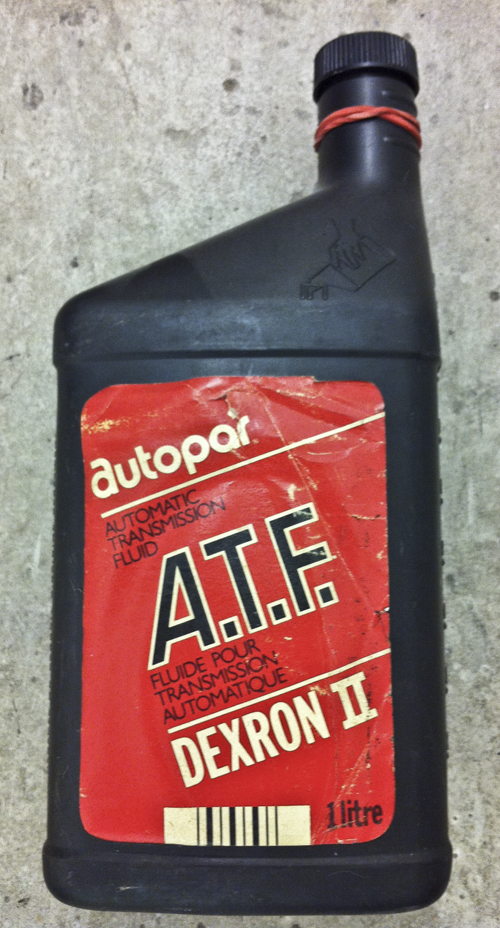
Neglecting automatic transmission fluid changes sets in motion a chain of events that is “not far from the consequences of skipping an engine oil change.” This comparison should immediately signal the seriousness of the issue, as engine oil neglect is widely understood to be detrimental. Just like engine oil, ATF is subject to degradation over time and mileage, and this deterioration doesn’t happen silently; it manifests as a silent, creeping threat to your transmission’s health.
Over its lifespan, it is entirely “not unusual for the ATF to collect fine metal particles.” These microscopic fragments are the unavoidable byproducts of normal wear and tear within the gearbox, even in a perfectly functioning transmission. However, when these particles accumulate in excessive quantities, they transform from inert debris into abrasive contaminants. This buildup significantly compromises the fluid’s ability to lubricate and protect, essentially turning a vital protector into a slow destroyer.
When the ATF becomes heavily laden with these metal particles and other contaminants, its fundamental properties—its viscosity, its lubricating capabilities, and its ability to dissipate heat—are severely diminished. This degraded state directly leads to premature gearbox failure. The fluid can no longer effectively perform its crucial functions of lubricating, cooling, cleaning, and enabling smooth gear shifts. As a leading cause of premature failure and accelerated wear, neglecting to change the ATF is a critical oversight, particularly relevant if you own or are considering buying a used car with a “lifetime ATF” designation, especially if it’s out of warranty or has clocked over 70,000 miles.

5. Understanding Transmission Fluid Degradation: The Science
At a fundamental level, transmission fluid degradation isn’t a mysterious process; it’s a predictable scientific phenomenon driven by the harsh operational environment within your car’s transmission system. Over time, a combination of factors relentlessly alters the fluid’s chemical structure and properties, progressively diminishing its effectiveness. Understanding these underlying scientific contributors is paramount to appreciating why regular maintenance is so critical.
The primary culprits behind transmission fluid degradation are heat, contamination from metal particles, and oxidation. Excessive heat, a constant byproduct of friction generated by moving parts and the sheer workload of the transmission, is particularly destructive. High temperatures cause the fluid to break down, losing its designed viscosity and its crucial lubricating capabilities. Imagine a thick, protective oil becoming thin and watery; its ability to cushion and protect components is severely compromised, leading to increased wear and tear.
Contaminants, primarily “fine metal particles” from the wear and tear of gears and clutch packs, introduce abrasives into the system, further compromising the fluid’s integrity. These particles act like microscopic sandpaper, accelerating wear on internal components. Oxidation, another key factor, occurs as the fluid is exposed to air and high temperatures, causing it to chemically break down and form sludge or varnish. As transmission fluid degrades, it becomes less effective at protecting transmission components. It may lose its ability to transmit hydraulic pressure, which is crucial for precise gear engagement, resulting in noticeable shifting difficulties and potential damage. The overall deterioration drastically impacts vehicle performance and shortens the lifespan of critical parts like gears and seals.

6. Direct Consequences: Potential Damage to Your Transmission
The notion that transmission fluid never needs changes is not merely a benign oversight; it’s a dangerous myth that directly precipitates significant, often catastrophic, damage to the transmission system itself. When the fluid degrades, it loses its ability to perform its vital functions, leaving the complex internal components vulnerable to destructive forces that ultimately lead to expensive repairs or even complete system replacement.
As the fluid ages and becomes contaminated, it loses its lubricating properties and becomes increasingly laden with debris and metal shavings. This diminishes its capacity to create a protective barrier around the transmission components. Without adequate lubrication, gears begin to grind, wearing down prematurely under the immense forces they are subjected to. This increased friction, in turn, generates even more heat, creating a vicious cycle where high temperatures accelerate fluid breakdown, leading to “overheating, ultimately leading to catastrophic transmission failure.” The cost of repairing or replacing a transmission can easily run into thousands of dollars, making preventative maintenance an incredibly smart financial decision.
Furthermore, the hydraulic pressure regulation, a crucial function of healthy transmission fluid, suffers dramatically when the fluid is neglected. Low hydraulic pressure can manifest as difficulty in shifting gears, causing rough or delayed shifts, or even erratic performance that severely compromises overall driving safety. The entire hydraulic system, essential for smooth and precise gear engagement, becomes sluggish and inefficient. In essence, “replacing the oil is cheaper than repairing damaged components,” a truth that applies universally across any vehicle’s engine, transmission, driveline, and braking system, emphatically undermining the dangerous myth that transmission fluid never needs changes.
Read more about: Decoding the Danger: 9 Alarming Health Effects of Energy Drinks You Can’t Afford to Ignore

7. Impact on Vehicle Performance
Neglecting routine transmission fluid changes can significantly impair a vehicle’s overall performance, an often-overlooked consequence that extends beyond mere component damage. Over time, contaminated or degraded fluid simply loses its fundamental ability to lubricate essential components within the transmission. This directly leads to increased friction and accelerated wear, creating a cascade of issues that diminish your driving experience.
As the fluid’s effectiveness diminishes, several unwelcome symptoms may start to arise, offering clear indicators that your transmission is struggling. You might notice delayed gear shifts, where your car hesitates before engaging the next gear, or even experience slipping gears, where the transmission struggles to maintain power transfer. Unusual noises emanating from the gearbox are also common red flags, all pointing toward underlying issues that severely hinder overall driving efficiency and smoothness.
Furthermore, the consequences can extend directly to your vehicle’s fuel economy, hitting you where it often hurts most: at the gas pump. A malfunctioning transmission, forced to compensate for its compromised fluid, may lead to excessive fuel consumption. The engine has to work harder to overcome the internal resistance, adding strain to the entire powertrain and contributing to long-term mechanical failures that are far costlier than a fluid change.
Ultimately, regular maintenance of transmission fluid is absolutely vital for sustaining optimal performance and ensuring a responsive, efficient vehicle. By adhering to manufacturer recommendations, vehicle owners can proactively avoid these costly repairs and ensure their vehicles operate smoothly, maintaining the integrity and value of their investment. Consider these effects carefully when evaluating the myth that transmission fluid never needs changes.
Read more about: Mechanic’s Crucial Warning: 15 Popular Vehicles That Turn into Costly Financial Traps Well Before 120,000 Miles

8. Manufacturer Recommendations
Automakers universally provide specific guidelines regarding transmission fluid maintenance, underscoring the critical importance of regular changes for optimal vehicle performance and longevity. These manufacturers offer detailed service schedules that meticulously delineate when and how often fluid changes should occur. Often, these recommendations are tucked away in your owner’s manual—a document many drivers seldom consult but should regard as their vehicle’s bible.
Typically, manufacturers recommend fluid changes at certain mileage intervals, which often range from 30,000 to 60,000 miles. However, it’s crucial to understand that this recommendation isn’t a one-size-fits-all directive. The precise interval can vary significantly based on numerous factors, including your specific driving conditions—whether you mostly do city driving, heavy towing, or highway cruising—the specific type of fluid your transmission uses, and the overall vehicle usage. Severe driving conditions, for instance, almost always necessitate more frequent changes.
Adhering to these manufacturer recommendations is not just about ticking a box on a service sheet; it actively prolongs the life of the transmission, potentially saving you thousands in future repairs. Beyond that, it ensures the vehicle operates efficiently, maintaining the smooth, responsive performance you expect. Failing to follow these meticulously crafted guidelines can result in notably reduced performance and a significantly increased risk of premature transmission failure, turning a minor oversight into a major headache.
This is why it is not just advisable but essential to consult the owner’s manual for your specific vehicle. This invaluable resource provides insight into all required maintenance practices, including the crucial information regarding transmission fluid changes tailored precisely to your car’s make and model. Don’t leave this to guesswork; let your manual guide your maintenance decisions.
Read more about: Unmasking the Must: 15 Essential Reasons Your Car’s AC Smells Funky & The Ultimate Fixes
9. Real World Case Studies
Beyond theoretical explanations, real-world case studies provide invaluable, concrete insights into the severe implications of neglecting regular transmission fluid changes. Numerous instances have been documented where vehicle owners, often misguided by the pervasive belief that transmission fluid never needs changes, have faced severe and costly damage to their vehicles.
For example, a revealing study involving a fleet of delivery vans highlighted the direct correlation between extended intervals without fluid changes and increased mechanical stress. This led to persistent issues with clutch slip and chronic overheating across the fleet. Eventually, the cumulative neglect resulted in significant vehicle downtime and exceptionally costly repairs, severely impacting the businesses relying on these vehicles.
Another poignant case involved a personal vehicle, where the owner experienced a premature transmission failure at around 100,000 miles—a mileage often associated with the ‘lifetime’ fluid myth. Tragically, the owner had genuinely believed the maintenance myths surrounding transmission fluid. Examination revealed that the neglected fluid had degraded to such an extent that metal shavings were permeating the entire system, acting as an abrasive slurry that destroyed critical internal components.
These compelling cases unequivocally underline the paramount importance of adhering to manufacturers’ recommendations for fluid changes, irrespective of any marketing claims. The consequences of ignoring proper maintenance can be far-reaching, directly impacting both vehicle performance and its overall longevity, turning what could have been a routine service into a total vehicle breakdown and a significant financial burden.
Read more about: Echoes of Dissent: The Controversial Songs That Defined America’s Airwaves

10. Automotive Technicians’ Insights
Automotive technicians, the frontline experts who diagnose and repair our vehicles daily, frequently encounter the widespread belief that transmission fluid never needs changes. However, they consistently emphasize that this pervasive notion, while convenient, can lead to deeply problematic and costly outcomes for car owners. Technicians report that although some modern vehicles may indeed be advertised with “lifetime” fluids, this term is almost always a dangerous misinterpretation of true maintenance needs, especially as vehicles age and accumulate miles.
Many technicians strongly advocate for routine fluid checks and timely changes, explaining that transmission fluid inevitably degrades over time due to the relentless trio of heat, contaminants, and friction it endures within the gearbox. Neglecting to change the fluid as recommended by component manufacturers allows this degradation to accelerate, leading to significant wear on critical transmission components. Research consistently indicates that regularly scheduled fluid changes demonstrably enhance transmission longevity and overall reliability, making it a wise investment in your vehicle’s future.
Moreover, automotive technicians stress the importance of adhering to specific manufacturer recommendations, noting that while general guidelines exist, each model may have unique requirements. These specifics are often based on the vehicle’s design, typical driving conditions, and individual maintenance history. Ignoring these critical details can result in severe transmission issues that could easily have been prevented with proactive care, highlighting the nuanced approach required for proper vehicle upkeep.
By prioritizing proper maintenance practices, technicians facilitate better vehicle performance, ensuring smooth and efficient operation, and crucially, helping owners prevent astronomically costly repairs. The belief that transmission fluid never needs changes fundamentally undermines effective automotive care and, without a doubt, jeopardizes the very health and operational integrity of the vehicle’s complex transmission system.
11. Recommendations from Industry Leaders
Industry leaders, comprising seasoned engineers, reputable manufacturers, and automotive authorities, consistently emphasize the critical importance of regular maintenance of transmission fluid. Their collective stance is clear: while modern engineering has indeed produced more durable fluids, the notion that transmission fluid never needs changes fundamentally contradicts the views of those with deep, technical understanding of vehicle mechanics. Many manufacturers provide specific intervals for changing transmission fluid, reflecting their commitment to actual vehicle longevity and peak performance.
These experts consistently advocate for a thorough understanding of one’s vehicle’s specific requirements. They strongly encourage owners to actively consult their owner’s manual for accurate and tailored maintenance schedules, rather than relying on general misconceptions or marketing rhetoric. Forgoing these manufacturer-specified guidelines can lead to significant issues over time, progressively weakening a vital component of your vehicle’s powertrain.
Furthermore, numerous industry studies rigorously support the practice of routine fluid changes to maintain optimal transmission performance. These studies demonstrate that the degradation of transmission fluid over time significantly impairs the lubricant’s ability to protect the intricate transmission system. This deterioration can result in costly repairs and a tangible reduction in vehicle efficiency, unequivocally underscoring the absolute necessity of diligent care for your transmission fluid.
Incorporating this expert advice into your regular vehicle maintenance routines not only profoundly enhances overall reliability but also significantly increases safety on the road. Thus, it is abundantly clear that neglecting the need for periodic transmission fluid changes runs directly counter to the professional consensus and established best practices within the broader automotive community, challenging a dangerous myth with proven wisdom.
Read more about: Academy’s Crossroads: Unpacking the Oscar Eligibility Debates and Rule Evolutions for the Modern Film Era

12. Embracing Proper Automotive Care
Proper automotive care, at its core, involves a commitment to regular maintenance practices that collectively ensure vehicle reliability, maximize efficiency, and ultimately prolong its life on the road. A key, often misunderstood, component of this essential maintenance is the urgent need to finally dispel the myth that transmission fluid never needs changes. As vehicles age and accumulate mileage, transmission fluid inevitably deteriorates, leading to a host of performance issues that can range from minor annoyances to catastrophic failures.
Maintaining a proactive schedule for routine inspections and fluid changes is absolutely vital for optimal vehicle operation and peace of mind. Regular checks empower you to identify potential problems early, often preventing them from escalating into far more costly repairs down the line. Actively monitoring transmission fluid levels and quality helps ensure smooth shifting, reduces unnecessary strain on the transmission, and protects its delicate internal components.
Automotive professionals, with their extensive hands-on experience, consistently advocate for adhering strictly to manufacturer guidelines regarding fluid changes. This ensures that drivers remain fully informed about their vehicle’s unique needs and the precise timing of necessary maintenance, reinforcing the paramount importance of proactive care in preserving transmission health and the overall integrity of your ride.
Read more about: The Essential DIY Car Maintenance Tasks That Can Save You $3,000 (Or More!) In Repairs
By fully embracing proper automotive care—which includes a steadfast commitment to understanding that transmission fluid absolutely requires periodic changes—drivers can effectively steer clear of significant vehicle issues, markedly enhance performance, and ultimately extend the dependable life of their transmissions. Don’t let marketing myths dictate your maintenance; empower yourself with knowledge and keep your gears grinding smoothly for miles to come. Protecting your transmission today is truly an investment in your vehicle’s future performance and reliability.