Car maintenance can often feel like a daunting and expensive task, but it doesn’t have to be. By incorporating a few hidden tricks and tips into your regular maintenance routine, you can save yourself thousands of dollars in potential repairs and keep your vehicle running smoothly for longer. These lesser-known maintenance hacks are simple, cost-effective, and can make a significant difference in the health of your car.
Whether you’re a seasoned driver or new to car ownership, understanding these tricks can help you avoid common pitfalls and unexpected breakdowns. This knowledge empowers you to take control of your car’s maintenance and ensure it remains in top condition without significant expense.
In this comprehensive guide, we’ll explore eight crucial maintenance strategies—seven ingenious ‘hidden tricks’ and one vital, yet frequently neglected, component—that could save you a fortune in repair costs. From using everyday household items for quick fixes to preventative measures extending the life of your vehicle, these tips ensure efficient, safe driving while cutting expenses.
1. **Use Baking Soda to Clean Battery Terminals**
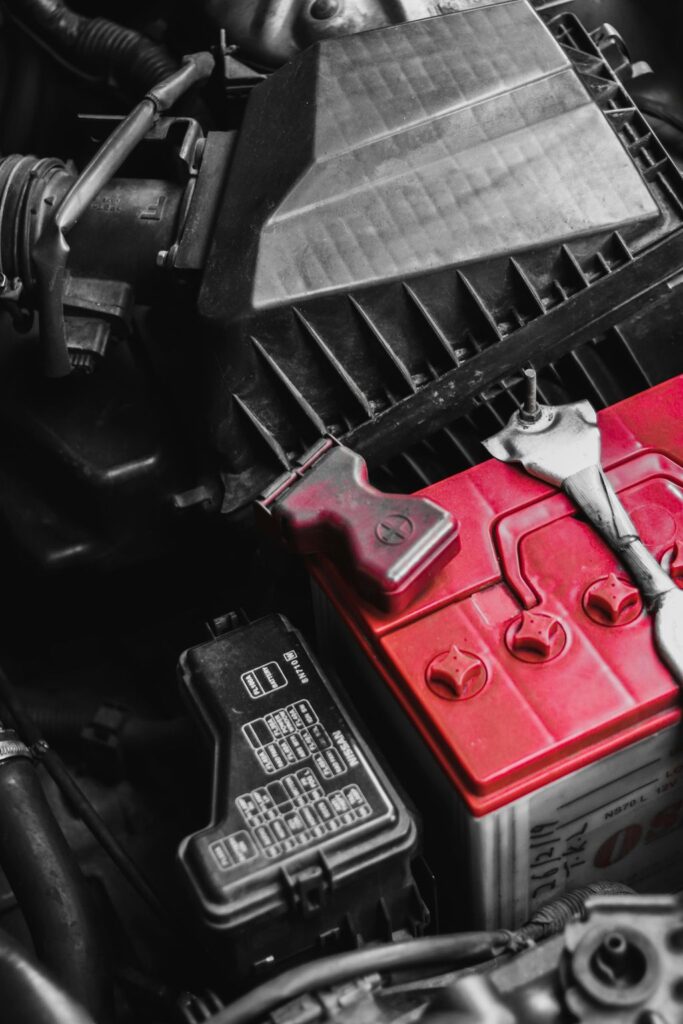
Battery terminals can accumulate corrosion over time, severely hindering your car’s ability to start and potentially leading to costly battery replacements. A simple and highly effective trick to combat this is using baking soda and water. Baking soda, a mild alkali, neutralizes the acidic corrosion on terminals, restoring good electrical contact and preventing further buildup.
To clean your battery terminals, first turn off the engine and disconnect the battery cables, starting with the negative terminal. Mix one tablespoon of baking soda with one cup of water. Apply this solution to the corroded terminals using an old toothbrush or a small brush, gently scrubbing to remove the corrosion. Rinse thoroughly with clean water and dry completely before reconnecting the battery cables, starting with the positive terminal, ensuring they are securely tightened.
Regularly cleaning battery terminals with baking soda prevents corrosion, improves starting performance, and extends battery life, saving money on replacements and ensuring car reliability. As an inexpensive and readily available household item, baking soda makes this a cost-effective and easy maintenance task. This preventive measure helps avoid a dead battery and premature replacement, significantly contributing to the longevity of your car’s battery and ensuring better electrical conductivity essential for the vehicle’s electrical system.
Read more about: The Essential DIY Car Maintenance Tasks That Can Save You $3,000 (Or More!) In Repairs
2. **Use a Penny to Check Tire Tread Depth**
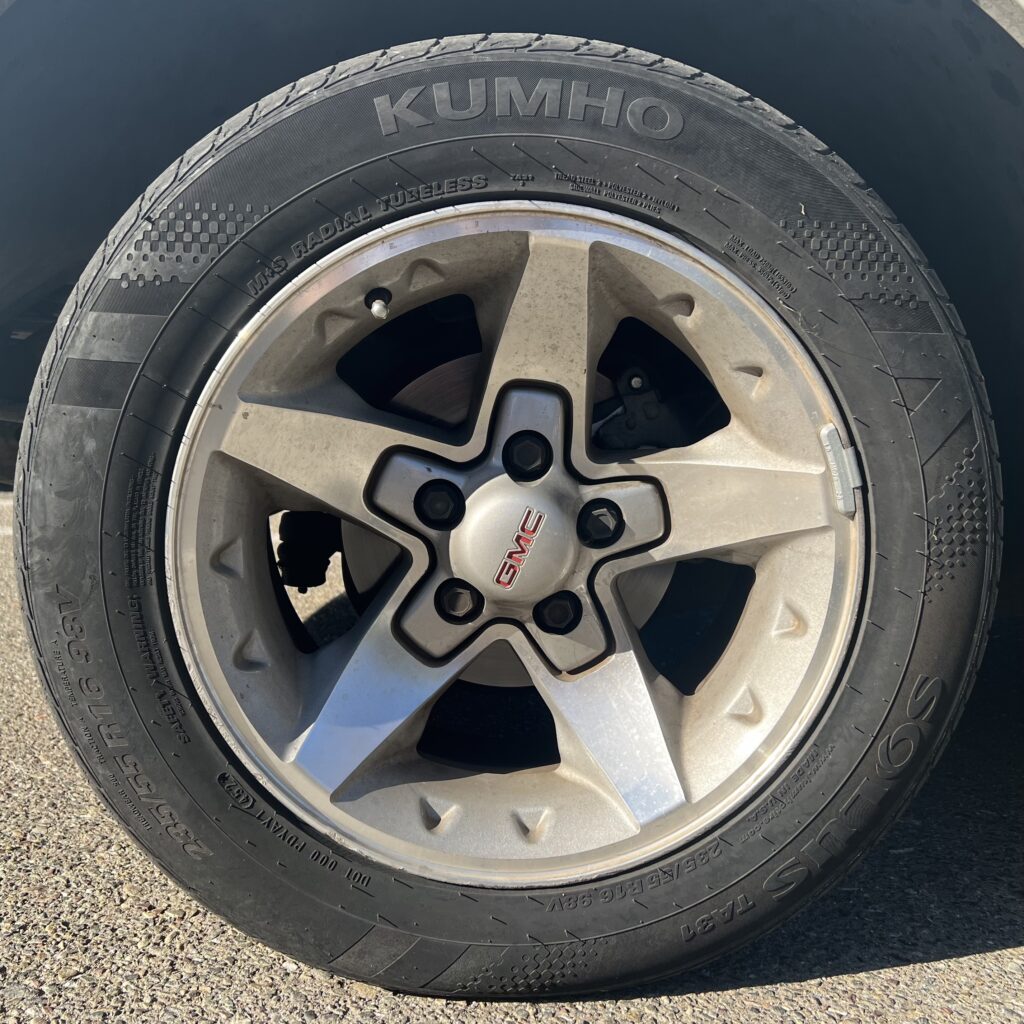
Tire tread depth is crucial for maintaining good traction and ensuring safe driving, especially in wet or slippery conditions. Worn-out tires can increase accident risk and reduce fuel efficiency. An incredibly easy and inexpensive way to check your tire tread depth is by using a penny.
To check your tire tread depth with a penny, insert the coin into the tire tread with Lincoln’s head facing down. Observe the position of Lincoln’s head relative to the tread. If the top of Lincoln’s head is covered by the tread, your tires have adequate depth. If you can see all of Lincoln’s head, it’s time to replace your tires.
Regularly using a penny to check tire tread depth helps maintain optimal tire performance and prolongs their lifespan. Driving with adequate tread ensures better grip and handling, which is especially important during adverse weather conditions. This preventive measure helps avoid the cost and hassle of unexpected tire replacements and reduces accident risk due to poor traction, enhancing driving safety and vehicle performance.
Read more about: The Essential DIY Car Maintenance Tasks That Can Save You $3,000 (Or More!) In Repairs

3. **Use Toothpaste to Clean Foggy Headlights**
Foggy or yellowed headlights significantly reduce visibility, making nighttime driving hazardous. Instead of spending money on expensive headlight restoration kits, a common household item—toothpaste—can effectively clean and restore your headlights. Toothpaste contains mild abrasives that remove oxidation and grime.
To clean foggy headlights with toothpaste, apply a small amount (preferably one with baking soda) to a soft cloth or sponge. Rub the toothpaste onto the headlight in circular motions, covering the entire surface. Rinse the headlight with clean water and dry it with a microfiber cloth. Repeat if necessary until the headlights are clear.
Regularly cleaning your headlights with toothpaste improves visibility, enhances your car’s appearance, and saves money on restoration products. This simple trick ensures your headlights remain bright and functional, contributing to safer driving conditions. It’s a cost-effective, easy-to-perform DIY solution for maintaining vehicle safety and aesthetics without professional services.
Read more about: Unlock the Pro Secret: Restore Your Headlights to Factory Shine with Household Items – No Kit Needed!

4. **Rotate Your Tires Regularly**
Tire rotation is an often-overlooked maintenance task that can significantly extend the life of your tires and improve your car’s handling. Uneven tire wear, caused by variations in weight distribution and driving forces, leads to reduced traction, increased fuel consumption, and premature replacements. By rotating your tires regularly, you ensure even wear and maximize their lifespan.
To effectively rotate your tires, always consult your owner’s manual for the recommended rotation pattern and interval, typically every 6,000 to 8,000 miles. General guidelines involve lifting the vehicle, securing it with jack stands, removing and repositioning the tires according to the pattern (e.g., front to rear), then reinstalling and tightening lug nuts to the specified torque. This process ensures balanced wear across all four tires.
Regular tire rotation prevents uneven wear, improves fuel efficiency, and significantly extends tire life, saving you money on tire replacements. The context highlights that this can save “around $187 a tire, which is nearly $748 for a brand-new set of four.” This proactive approach maintains optimal handling and safety. Moreover, it helps identify alignment issues early, allowing for timely adjustments that further prolong tire life, enhancing vehicle performance, safety, and driving experience while reducing long-term costs.
Read more about: Unmasking the Silent Threat: How to Spot a Slow Tire Leak Early, Without a Gauge, Like a Pro
5. **Use a Plunger to Fix Minor Dents**
Minor dents and dings on your car’s body are unsightly and can be costly to repair at a body shop. A simple and cost-effective trick for fixing small dents, especially shallow ones on flat surfaces like doors and fenders, is to use a household plunger. This method leverages suction to gently pull the metal back into its original position.
To fix a dent with a plunger, first clean the dented area thoroughly to remove any dirt or debris. Apply water to both the dent and the plunger to create a good, airtight seal. Press the plunger firmly against the dent, ensuring strong suction, then pull it out in a quick motion. Repeat this process several times if necessary, taking care to pull gently and gradually.
Using a plunger to fix minor dents effectively restores your car’s appearance and saves money on professional dent repairs. This simple trick helps maintain your car’s value and keeps it looking its best without incurring significant expenses. By addressing minor dents promptly, you prevent them from becoming larger issues, providing a budget-friendly and easy DIY method to maintain your vehicle’s exterior condition and preserve its resale value.
Read more about: Unlock the Hidden Hacks: Fixing Car Dents Without Suction Cups for the Savvy Owner

6. **Use Nail Polish to Touch Up Paint Chips**
Paint chips and scratches are inevitable, making your car look aged and neglected. More critically, they expose the underlying metal to moisture, leading to rust formation, which can cause extensive and costly damage. Instead of expensive professional touch-up services, you can use nail polish to conceal small paint imperfections. Nail polish comes in a wide variety of colors, making it easy to find a matching shade.
To touch up paint chips with nail polish, start by cleaning the chipped area thoroughly to remove any dirt and debris. This ensures proper adhesion. Apply a thin, precise layer of nail polish to the chipped area using the brush applicator, carefully filling the void. Allow it to dry for a few minutes. Repeat the application if necessary until the chip is filled and the color matches the surrounding paint. A clear top coat can be added for extra protection.
Using nail polish to touch up paint chips improves your car’s appearance and, crucially, prevents rust formation and spread. This simple trick saves money on professional paint repairs and helps maintain your car’s value by protecting its exterior from further damage. It provides a quick, affordable solution for small imperfections, preserving aesthetic appeal and resale value throughout the vehicle’s lifespan.
Read more about: Unlock Major Savings: 15 Essential Car Maintenance Hacks That Can Save You Over $1000 Annually (Even on Brand New Models)
7. **Lubricate Door Hinges with Cooking Spray**
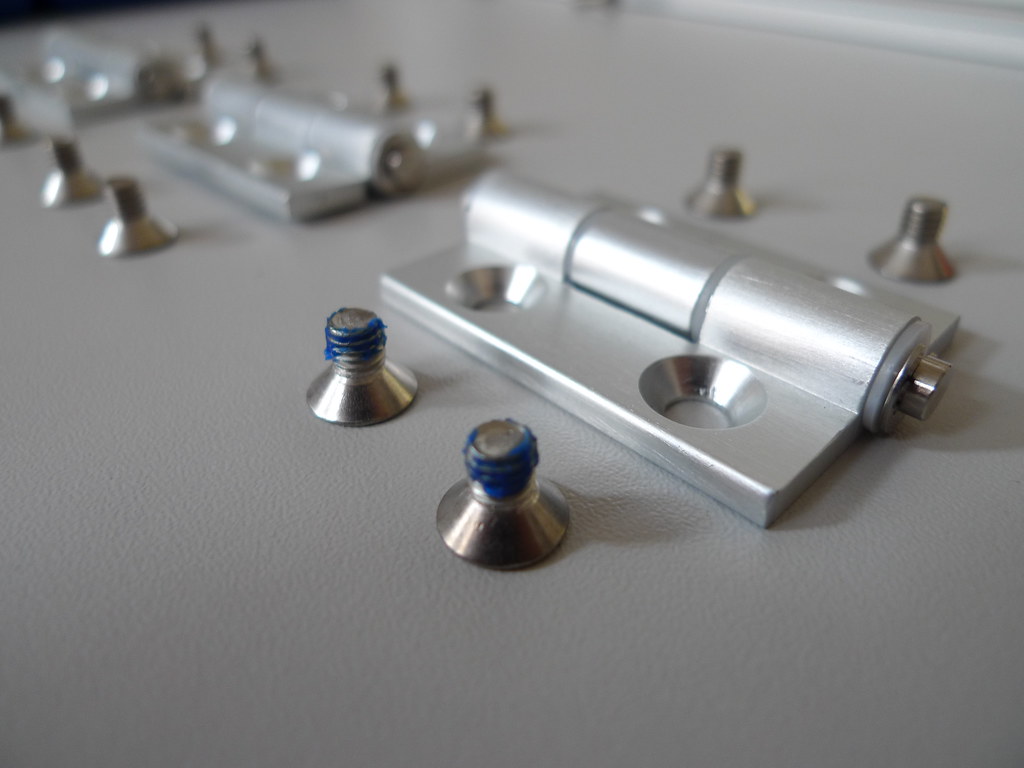
Squeaky door hinges are an annoying issue that can also lead to increased wear and tear over time. Rather than tolerating the noise or seeking specialized lubricants, an incredibly quick and inexpensive solution is to use common cooking spray. Cooking spray effectively reduces friction and eliminates squeaks, ensuring smooth and quiet operation of your car’s doors.
To lubricate door hinges with cooking spray, first clean the hinges thoroughly to remove any dirt and debris. This ensures the lubricant can work effectively. Spray a small amount of cooking spray directly onto the hinges, focusing on the pivot points and moving parts. After application, open and close the doors several times to distribute the lubricant evenly throughout the mechanism.
Lubricating your car’s door hinges with cooking spray prevents wear and tear, improves door functionality, and eliminates annoying squeaks. This simple trick saves money on hinge repairs and keeps your car’s doors operating smoothly and quietly. As a cost-effective and readily available solution, it enhances your driving experience by eliminating noise and preventing wear, ultimately prolonging the lifespan of the door components and contributing to overall vehicle integrity.
8. **Replace Your Cabin Air Filter**
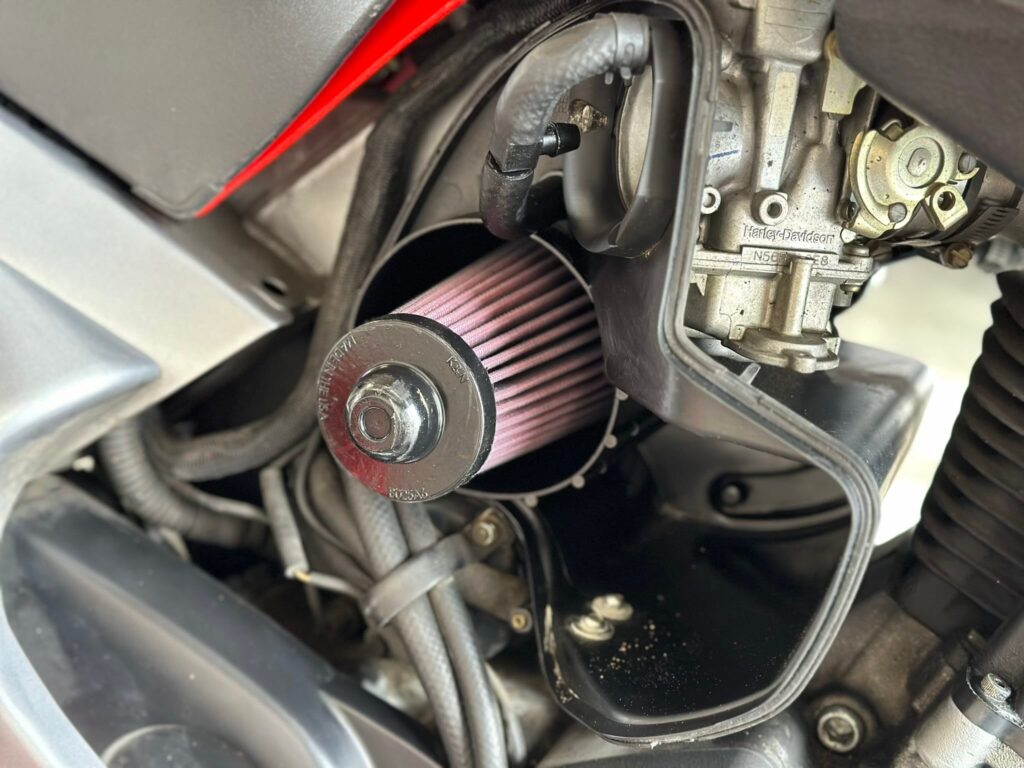
While engine air filters receive attention, the cabin air filter often goes unnoticed, despite its vital role. This filter prevents pollutants, dust, pollen, and allergens from entering your vehicle’s interior, directly impacting air quality. Neglecting a clogged filter can lead to major, costly problems for your air conditioning system, a situation every car owner wants to avoid.
An overly dirty cabin air filter restricts airflow to the HVAC system, forcing components like the blower motor to work harder and leading to premature wear. Servicing a struggling AC unit can cost around “$430–521,” while a full replacement is significantly higher, between “$1,319–2,515.4.” These figures underscore the financial importance of regular filter replacement in preventing exorbitant repair bills.
The maintenance tip is straightforward: change your cabin air filter every “12 months or 12,000 miles.” This routine, inexpensive replacement ensures optimal airflow and filtration, protecting both your health and your vehicle’s complex AC system. By adhering to this schedule, you avoid the cascade of problems a neglected filter can cause, from reduced heating/cooling efficiency to actual component failure. It’s a small, proactive measure that directly translates into better air quality, driving comfort, and substantial financial savings by safeguarding one of your car’s most expensive systems.
Mastering Essential Car Maintenance: From Wipers to Emissions, Strategies to Extend Vehicle Lifespan and Prevent Costly Repairs
Having covered the immediate DIY fixes and often-overlooked components that can yield substantial savings, our journey into proactive car care continues. This second section delves into crucial ongoing maintenance practices that go beyond quick hacks, focusing on systemic checks and replacements vital for your vehicle’s long-term health, safety, and continued efficiency. These steps might require a bit more attention, but their impact on preventing major repairs and preserving your car’s value is immense.
Read more about: Unmasking the Must: 15 Essential Reasons Your Car’s AC Smells Funky & The Ultimate Fixes

9. **Get New Windshield Wipers**
Windshield wipers might seem like a small detail, but their functionality is paramount for driving safety. As crucial components for visibility, especially during adverse weather conditions like rain or snow, worn-out wipers can significantly impair your ability to see the road clearly. This reduced visibility can transform a simple drive into a hazardous experience, increasing the risk of accidents.
Neglecting to replace worn wipers can lead to more than just an irritating streak across your windshield. The cost of new windshield wipers, typically ranging from “$50–61 for parts and labor,” is a minor expense when weighed against the potential financial burden and emotional toll of a car crash. The context underscores that “Repairing or replacing your car after a crash will cost you way more than new wipers.” This highlights the economic and safety imperative of keeping your wipers in top condition.
Taking preventative measures is simple and easily integrated into your routine: “Check your windshield wipers at the change of each season and replace when necessary.” This proactive approach ensures that you always have clear visibility, allowing you to react safely to changing road conditions. Regularly inspecting and replacing your wipers is a small investment in time and money that offers significant returns in safety and peace of mind on every journey.
Read more about: Unpacking Excellence: The Definitive Guide to 2025’s Most Coveted Luxury SUVs and Their Unrivaled Safety Innovations
10. **Check the Shocks, Springs, and Struts (aka the Suspension System)**
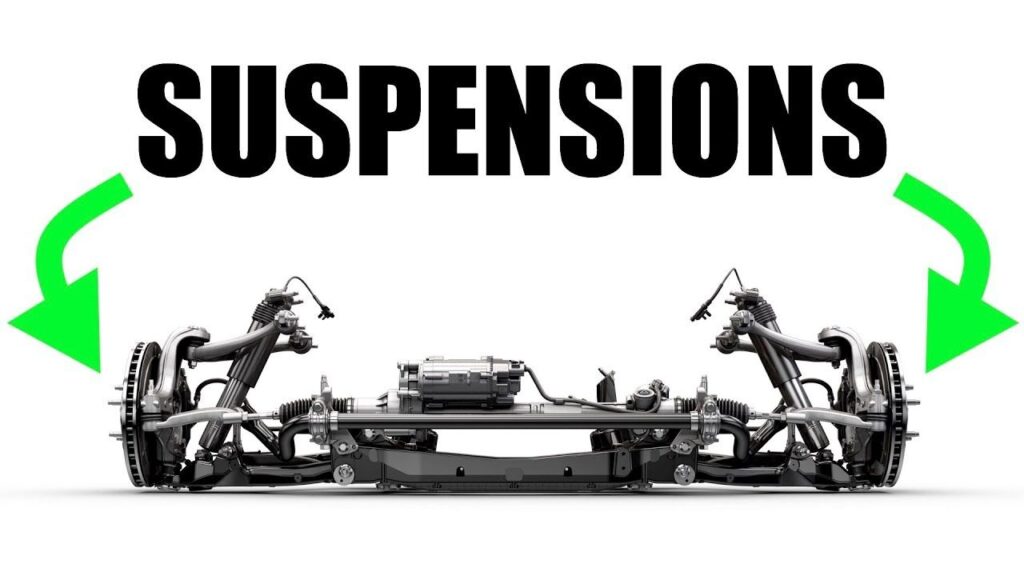
The suspension system, comprised of shocks, springs, and struts, is one of your car’s most vital yet often-overlooked components, acting as the critical link between your vehicle and the road. It plays a pivotal role in providing a smooth, stable ride by absorbing bumps and maintaining consistent tire contact with the road surface. When this intricate system begins to fail, the difference in your driving experience becomes immediately noticeable, often manifesting as a ride “bouncier than a trampoline park” or a general sense of instability.
Signs of a failing suspension system extend beyond just a rough ride. You might observe your car nose-diving during braking, squatting during acceleration, or leaning excessively when turning. Uneven tire wear, especially scalloping or cupping patterns, can also point to suspension issues, as the tires are no longer being held firmly against the road. These symptoms are not merely discomforts; they are indicators of compromised control and reduced vehicle responsiveness, directly impacting safety.
A compromised suspension system affects more than just comfort; it has serious implications for vehicle handling and braking efficiency. Worn shocks or struts can lead to reduced control, significantly longer braking distances, and increased tire wear, necessitating premature tire replacements. Although it might seem counterintuitive to replace all four shocks if only one is failing, the context explicitly advises this for the “overall life and well-being of your car.” This recommendation stems from the fact that suspension components wear synchronously, and replacing only one can lead to dangerous imbalances, accelerated wear on the new part, and continued poor performance.
Proactive maintenance is thus fundamental to preserving your suspension system and avoiding more significant, costly repairs down the line. The recommended interval for checking “the shocks and full suspension system” is “every 15,000–30,000 miles.” Adhering to this schedule allows for early detection of wear, enabling timely intervention before minor issues escalate into major component failures or more expensive overhauls. Investing in regular suspension checks ensures a safer, more comfortable drive, contributes to better tire longevity, and ultimately extends the functional lifespan of your entire vehicle.

11. **Check Your Coolant**
Coolant, often referred to as antifreeze, is an indispensable fluid that circulates through your engine to regulate its temperature, preventing both destructive overheating in hot conditions and freezing in cold climates. Its presence and condition are critical for the health of various interconnected systems within your vehicle, ensuring optimal engine performance and longevity. Without proper coolant, your engine is vulnerable to extreme thermal stress.
Over time, coolant can degrade, becoming acidic and losing its protective properties, which include corrosion inhibitors. This degradation exposes your engine to the risk of “serious corrosion inside your car,” which is described as “both gross and damaging.” Such corrosion can silently erode vital components such as the heater core, air conditioner condenser, radiator, and water pump, leading to expensive leaks, system failures, or even complete engine seizure. Given its widespread impact on “that much of your car’s overall health,” the importance of this maintenance task cannot be overstated.
Visually inspecting your coolant level and condition is a simple, yet powerful, diagnostic step. Check the fluid reservoir when the engine is cool; the level should be between the “min” and “max” marks. Observe the color – it should be vibrant and clean, not murky, brown, or contain floating debris. A milky or oily appearance can indicate a more serious problem, such as a head gasket leak. Always consult your owner’s manual to ensure you’re using the correct formula if a top-up or flush is needed.
The simplicity of checking your coolant contrasts sharply with the severity of problems its neglect can cause. The maintenance tip advises checking your coolant “twice a year—once before the warm weather hits and again before the cold weather swoops in.” This seasonal approach ensures your engine is adequately protected against extreme temperatures, safeguarding against thermal stress and prolonging the life of critical engine components. It’s a small, routine check that shields your car from substantial future expenses and helps maintain its peak operating efficiency.
Read more about: The Essential DIY Car Maintenance Tasks That Can Save You $3,000 (Or More!) In Repairs

12. **Check Your Spark Plugs**
Spark plugs are tiny but mighty components, essential for igniting the air-fuel mixture in your engine’s combustion chambers. They are directly responsible for ensuring smooth engine operation and optimal fuel efficiency. When your engine starts to misfire, idle roughly, or experience a noticeable drop in power, worn or fouled spark plugs are often among the first culprits to consider.
What makes spark plug maintenance particularly appealing is its low cost compared to the potential savings. A single spark plug typically “costs less than $10,” an incredibly modest investment when you consider the alternative. The context vividly highlights the stark financial contrast: avoiding a “major engine overhaul—because replacing that sucker starts at about $4,000.” This dramatic difference underscores the incredible value of this simple preventive measure.
To keep your engine purring and avoid those daunting repair bills, the recommendation is to “Check and change the spark plugs about every 30,000 miles.” Adhering to this schedule ensures consistent engine performance, better fuel economy, and reduces harmful emissions. Regularly inspecting and replacing spark plugs is a prime example of how a small, affordable maintenance task can prevent significant mechanical issues and save you a fortune in the long run.
Read more about: The Mileage Mystery: Decoding Oil Consumption Across 9 Key Engine Types for Savvy Car Owners
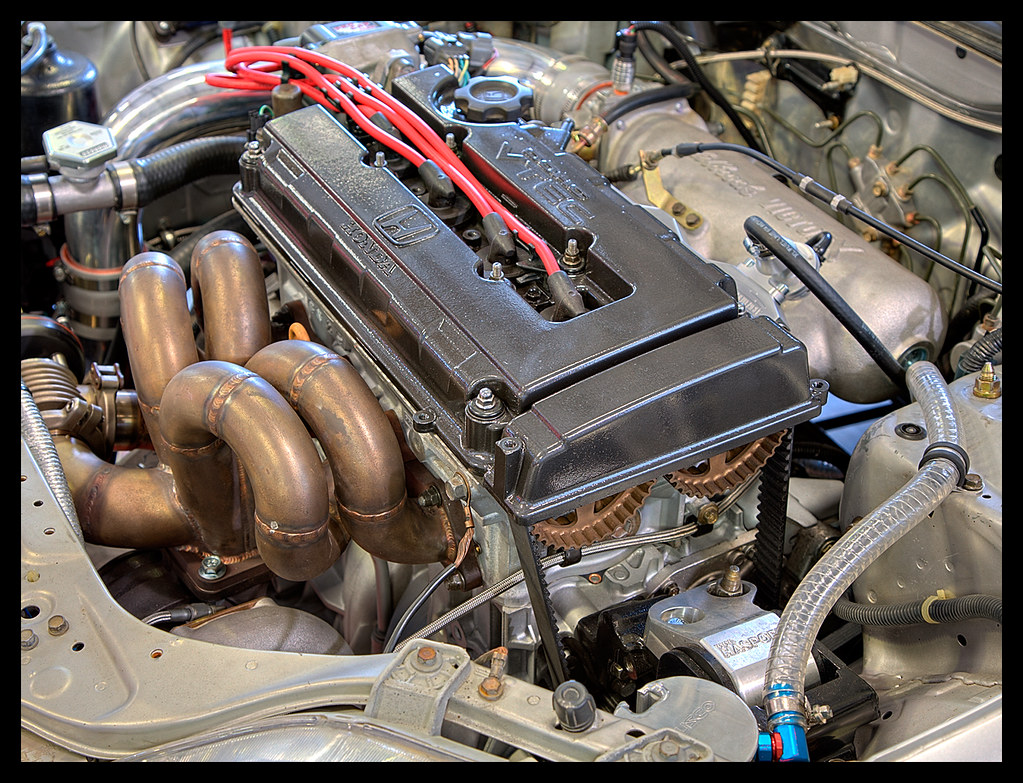
13. **Inspect Your Belts and Hoses**
The intricate network of belts and hoses under your car’s hood acts as its vital circulatory and power transmission system. Belts drive essential accessories like the alternator, power steering pump, and air conditioning compressor, while hoses carry crucial fluids such as coolant and brake fluid. While often out of sight, these flexible parts are subjected to constant stress from heat, friction, and vibration, making them highly susceptible to wear and eventual failure. A simple visual “once-over” inspection can be an incredibly powerful preventative measure against major breakdowns.
Neglecting these seemingly minor components can have catastrophic consequences for your vehicle’s operational integrity. “Worn-down belts can cause other damage to essential parts of your car,” potentially leading to expensive breakdowns if, for example, a serpentine belt snaps, disabling multiple systems. Even more critically, a “weak radiator hose could go belly-up completely,” resulting in your “engine to overheat and not run at all.” As the context succinctly puts it, “And running is kind of a car engine’s main job,” emphasizing that the continued function of these parts is directly linked to your engine’s ability to perform.
During your inspection, look for visible signs of wear such as cracking, fraying, glazing, or excessive looseness in belts. For hoses, check for bulges, leaks, hardening, softening, or cracking, especially near the clamps. A gentle squeeze can reveal if a hose has lost its resilience. Pay particular attention to the timing belt, which synchronizes engine components; its failure can lead to severe internal engine damage. Similarly, the serpentine belt, which powers multiple accessories, should be inspected for rib wear and tension.
Proactive inspection and timely replacement of belts and hoses are therefore paramount for vehicle reliability and avoiding extensive, often emergency, repair costs. Specific maintenance intervals are provided: “Replace your timing belt every 60,000 miles and your serpentine belt every 40,000 miles.” For hoses, it’s recommended to “change your hoses every four years or whenever one is showing signs of wear.” Adhering to these guidelines is a straightforward way to prevent sudden mechanical failures, ensure your car stays on the road, and keep your wallet safe from unexpected, hefty mechanic bills that could otherwise derail your budget.
Read more about: High-Mileage Havoc: The Crippling Electrical & Mechanical Nightmares Haunting Your Sports Car – A Deep Dive into the Ford S197 Mustang

14. **Check Your Headlights, Turn Signals, Brake, and Parking Lights**
Car lights are far more than mere aesthetic features; they are fundamental safety components that serve a dual purpose: illuminating your path and communicating your intentions to other drivers. From your headlights providing essential visibility during darkness or inclement weather, to your turn signals clearly indicating a lane change or turn, and your brake lights unequivocally announcing deceleration, each light serves a critical role in preventing accidents and ensuring smooth traffic flow.
A burnt-out bulb might seem like a trivial issue, but its implications are significant. Driving with a non-functioning headlight or brake light not only compromises safety but also has a direct and immediate impact on your finances. The context explicitly states that “Tickets are expensive and can jack up your car insurance costs.” These seemingly minor infractions can quickly accumulate into significant expenses, far outweighing the minimal cost of a simple bulb replacement. The message from the context is unequivocally clear: “Skip the tickets. Stay safe. Check your lights.”
Checking your vehicle’s lights is a remarkably simple, quick task that should be an integral part of your regular car care routine. The maintenance tip suggests, “Have a friend help you make sure everything is working well by testing out the headlights, turn signals, brake lights and parking lights once a month.” This collaborative approach ensures that all lights, even those not easily visible from the driver’s seat, are in proper working order, contributing to both your personal safety and the safety of others on the road.
Read more about: Unpacking Excellence: The Definitive Guide to 2025’s Most Coveted Luxury SUVs and Their Unrivaled Safety Innovations

15. **Do the Emissions Inspection**
Emissions inspections, while sometimes viewed as a regulatory obligation or a bureaucratic hurdle, are a vital component of environmental protection and comprehensive vehicle health monitoring. Depending on your specific geographic location, such as “the state or even county you live in,” your car “may be required to pass a state emissions inspection” to be legally driven. These inspections play a crucial role in ensuring your vehicle’s exhaust system is functioning correctly, thereby minimizing the release of harmful pollutants into the atmosphere.
A well-maintained car is typically one that passes emissions inspections “with flying colors,” which serves as another compelling reason to stay diligent with your regular maintenance schedule. A clean bill of health from an emissions test is often a strong indicator of an efficiently running engine and properly functioning catalytic converter. Conversely, failing an emissions test highlights specific areas of concern that need immediate attention, often preventing more severe engine problems down the line.
However, if your vehicle doesn’t “get a gold star,” the inspection facility provides invaluable feedback. They “will tell you what failed and what needs to be fixed so your car can fully pass the inspection.” This diagnostic information is crucial for addressing underlying issues that could affect performance, fuel economy, and longevity, ultimately ensuring your car is not only environmentally compliant but also “safe and road-ready.” Before your inspection, it’s often beneficial to ensure your check engine light is off, your tires are properly inflated, and your car has been driven for a while to reach operating temperature, as these factors can influence test results.
Integrating the emissions inspection into your annual vehicle care routine is a non-negotiable step for many drivers and a prudent practice for all. The maintenance tip advises, “Don’t forget to take your car in for inspection once a year.” It’s also wise to “Check with your local department of motor vehicles about the specific requirements in your state,” as regulations, testing methods, and renewal periods can vary significantly. This annual check-up not only keeps you compliant with local laws but also acts as a comprehensive health report for your car, catching potential problems early and preventing them from becoming critical and financially burdensome.
Read more about: The Mileage Mystery: Decoding Oil Consumption Across 9 Key Engine Types for Savvy Car Owners
The journey through these essential car maintenance insights reveals a clear truth: proactive care is the ultimate superpower against costly repairs and unexpected breakdowns. From the smallest windshield wiper blade to the intricate workings of the suspension and the environmental responsibility of emissions, every component plays a role in your vehicle’s health and your safety. By embracing these simple, actionable tips and integrating them into your routine, you’re not just maintaining a car; you’re safeguarding a significant investment, enhancing your daily driving experience, and ensuring reliable, stress-free journeys for years to come. Remember, a little informed effort today can save you a significant fortune tomorrow, keeping your wheels rolling smoothly and your budget happily intact.