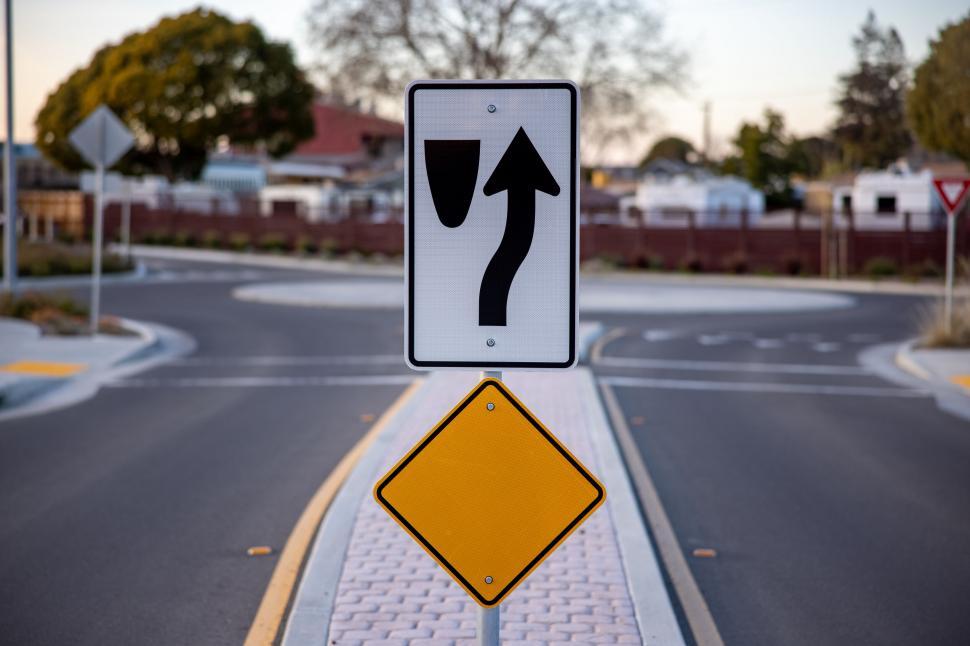
In the intricate dance of modern traffic, road signs serve as the silent conductors, orchestrating vehicle movements, ensuring safety, and fostering efficient navigation. Every single day, millions of drivers across the nation depend on this sophisticated, albeit often unnoticed, communication system to make split-second decisions, avoid potential collisions, and confidently steer towards their destinations. From the universally recognized octagonal stop sign to the nuanced directional arrows guiding us through complex interchanges, these visual cues are absolutely essential for maintaining orderly traffic flow and safeguarding public well-being.
However, what happens when this foundational system begins to falter? When a critical sign vanishes, when directions become muddled, or when the very markings intended to guide us fade into obscurity, the consequences can swiftly escalate from minor inconvenience to outright catastrophe. Accidents stemming from missing, poorly placed, faded, or confusing traffic signs are far more prevalent than many might imagine, frequently culminating in serious injuries, substantial property damage, and, tragically, even fatalities. These incidents don’t just create chaos on our roads; they also raise profound legal and ethical questions about responsibility and accountability.
Understanding the multifaceted role that traffic signs play, recognizing precisely how their absence or ambiguity directly contributes to perilous accidents, and grasping the available avenues for recourse is not merely an academic exercise; it is an absolute imperative for every road user. Whether you commute daily, enjoy leisurely drives, or simply navigate your local streets, a breakdown in this critical signage system can profoundly jeopardize your safety and, indeed, your legal rights. This comprehensive exploration will meticulously unpack the various ways in which faulty signage and related factors sow confusion among drivers, leading to dangerous and often preventable accidents, especially the alarming rise of wrong-way incidents. We aim to illuminate these critical issues, offering insights that can empower you to drive more safely and understand the profound importance of every single sign on our roadways.

1. **Missing Critical Signs**: One of the most straightforward yet profoundly dangerous scenarios arises when a vital traffic sign is simply absent. Imagine approaching an intersection, perhaps in an unfamiliar neighborhood, expecting a clear directive regarding the right-of-way, only to find no stop sign or yield sign where one should unmistakably be. This seemingly minor oversight immediately creates a vacuum of information, forcing drivers into perilous guesswork.
Without the explicit instruction to stop or yield, motorists may, understandably but incorrectly, assume they have the right-of-way. This often leads to devastating side-impact or T-bone collisions, where vehicles strike each other at high speeds from perpendicular directions. These types of crashes are notorious for their severe consequences, frequently resulting in extensive vehicle damage and serious, even life-threatening, injuries to occupants. The predictability that traffic signs are meant to provide evaporates, replaced by uncertainty and heightened risk.
The context explicitly notes, “At intersections without a stop or yield sign, especially in unfamiliar areas, drivers may wrongly assume they have the right-of-way—leading to side-impact or T-bone collisions.” This underscores how fundamental these regulatory signs are. Their absence is not just an inconvenience; it is a direct invitation to chaos, fundamentally undermining the safety protocols designed to protect all road users. A single missing sign can trigger a cascade of poor judgments and dangerous maneuvers, making its presence non-negotiable for public safety.
Read more about: Sara Jane Moore: An In-Depth Examination of the Enigmatic Figure Who Attempted to Assassinate President Ford

2. **Confusing or Contradictory Signage**: Beyond outright missing signs, an equally perplexing and dangerous issue arises when existing signage is confusing, contradictory, or simply unclear. Drivers rely on clear, consistent information to make split-second decisions, and any ambiguity can lead to hesitation, misinterpretation, and ultimately, accidents. This problem manifests in various forms, from signs with faded lettering that are difficult to read to those placed in illogical locations that defy common sense.
Consider a situation where a speed limit sign abruptly changes just before a sharp curve, or where two seemingly identical signs present conflicting instructions for a merging lane. Such scenarios leave even the most experienced drivers in a state of uncertainty, unsure of how to properly and safely respond. This momentary hesitation or incorrect interpretation of conflicting directives can be enough to trigger a crash, especially in fast-moving traffic or during challenging weather conditions where visibility is already compromised.
The core problem here is the erosion of trust in the communication system of the road. When signs contradict each other or are poorly maintained, drivers lose confidence in their reliability, leading them to either guess, hesitate, or react inappropriately. As the context states, “Faded lettering, signs placed in the wrong location, or conflicting instructions (like a speed limit change just before a sharp curve) can leave drivers unsure of how to respond.” This uncertainty is a direct pathway to increased risk and potential collision, turning what should be a guiding light into a source of perilous doubt.

3. **Unmarked Road Changes**: Our road networks are dynamic, constantly undergoing modifications, repairs, and expansions. While these changes are essential for infrastructure improvement, they introduce a significant hazard if not properly communicated to drivers. Unmarked road changes, such as newly established intersections, temporary construction zones, or sudden detours without adequate signage, frequently catch drivers completely off guard, creating immediate and severe safety risks.
Imagine driving along a familiar route only to encounter a new lane configuration or a sudden lane closure without any advance warning. Such unexpected alterations compel drivers to make last-minute decisions, often involving abrupt lane changes or sudden, hard braking. These hurried and uncoordinated maneuvers significantly increase the likelihood of rear-end crashes, as following drivers may not have sufficient time or distance to react safely to the unforeseen obstruction or alteration in traffic flow.
The problem is exacerbated in areas with heavy traffic or at night, where visibility is already reduced. The context highlights that “New intersections, temporary construction zones, or detours without proper signage often catch drivers off guard. This can lead to last-minute lane changes or braking, increasing the risk of rear-end crashes.” This demonstrates the critical necessity of proactive and clear communication when road conditions shift, ensuring that drivers are adequately prepared for upcoming changes rather than being confronted with dangerous surprises that jeopardize everyone’s safety.
Read more about: Tech Geek’s ‘Unknown’ Code: Unlock Your Car’s Hidden Menu Instantly Without Ever Visiting the Dealership

4. **Complex Intersections and Highway Ramps**: The design of road infrastructure itself can be a significant source of driver confusion, particularly at intricate intersections and multi-lane highway ramps. Modern road networks, while designed for efficiency, can become bewildering mazes with multiple lanes, exits, and entrances that demand a high level of concentration and swift, accurate decision-making from drivers. These complex configurations can easily overwhelm even experienced motorists.
A common and highly dangerous scenario unfolds when a driver approaches an exit ramp but misjudges the precise lane configuration or direction. This misjudgment can, terrifyingly, result in entering the highway in the wrong direction, a direct cause of catastrophic wrong-way driving incidents. The rapid succession of directional changes, coupled with numerous highway exits, often creates a profound sense of uncertainty regarding the correct path, leaving drivers vulnerable to making critical errors.
The text precisely states, “Many motorists find themselves bewildered by complex intersections and highway ramps that feature multiple lanes, exits, and entrances. These intricate designs can overwhelm drivers, leading to critical driver error.” It further elaborates, “Statistics reveal that a significant percentage of wrong-way crashes occur at complex intersections, where the combination of poor visibility and intricate layouts contributes to dangerous situations.” This highlights how vital intuitive and clear design is in these high-stakes environments to prevent misinterpretation and ensure drivers can navigate safely without inadvertent dangerous maneuvers.

5. **Inadequate Road Markings**: While signs provide directional and regulatory information from above, road markings offer crucial guidance directly on the pavement, delineating lanes, indicating turning movements, and signaling hazards. When these markings are inadequate, faded, or entirely absent, they become a silent accomplice to driver confusion, significantly elevating the risk of accidents. Drivers struggle to understand the proper flow of traffic, especially in situations demanding precise lane discipline.
Imagine attempting to navigate a multi-lane roundabout or a complex merging point where the lane lines are barely visible, particularly during rainfall or at night. The absence of clear guidance on the road surface can cause drivers to drift out of their lanes, make incorrect turns, or misjudge safe following distances. This disorientation can lead to side-swipes, head-on collisions if a driver strays into an opposing lane, or even drivers mistakenly entering one-way streets.
The context clearly links this to confusion: “Additionally, inadequate road markings can contribute to this confusion. When lane markings are faded or absent, drivers may struggle to understand the proper flow of traffic, leading them to make incorrect decisions.” This underscores that road markings are not mere suggestions but fundamental components of the road’s communication system. Their consistent maintenance and clear visibility are absolutely critical for fostering driver understanding and, consequently, ensuring safe and predictable traffic patterns for everyone on the road.

6. **Impaired Driving**: Beyond deficiencies in road infrastructure, human factors significantly contribute to driver confusion and, consequently, accident risk. Impaired driving stands out as one of the most critical of these factors, dramatically heightening the likelihood of misjudgment and dangerous behaviors. When individuals operate a vehicle under the influence of alcohol or drugs, their cognitive functions are severely compromised, rendering them less capable of accurately interpreting vital road signs, signals, and complex traffic situations.
Alcohol impairment, for instance, fundamentally reduces a driver’s ability to process information, react appropriately, and maintain focused attention—all skills indispensable for safe navigation. Their judgment deteriorates, reaction times slow, and their perception of reality becomes distorted, making them far more prone to driver confusion. This impairment frequently leads to severe errors, including the terrifying phenomenon of wrong-way driving, where a driver mistakenly enters a highway or street against the intended flow of traffic.
The statistics surrounding impaired driving are stark and alarming, painting a clear picture of its devastating impact. The text notes, “According to the National Highway Traffic Safety Administration, nearly 30% of all traffic fatalities involve a driver with a blood alcohol concentration (BAC) over the legal limit.” Furthermore, studies indicate that “drivers under the influence are more likely to overlook vital signage, further exacerbating the likelihood of confusion and wrong-way incidents.” Addressing impaired driving is thus an absolutely essential step in mitigating widespread confusion and dramatically enhancing overall road safety for every individual.
Read more about: Beyond the Tank: Unmasking the Dangerous Fuel Efficiency Trends and Driving Behaviors Imperiling Our Highways
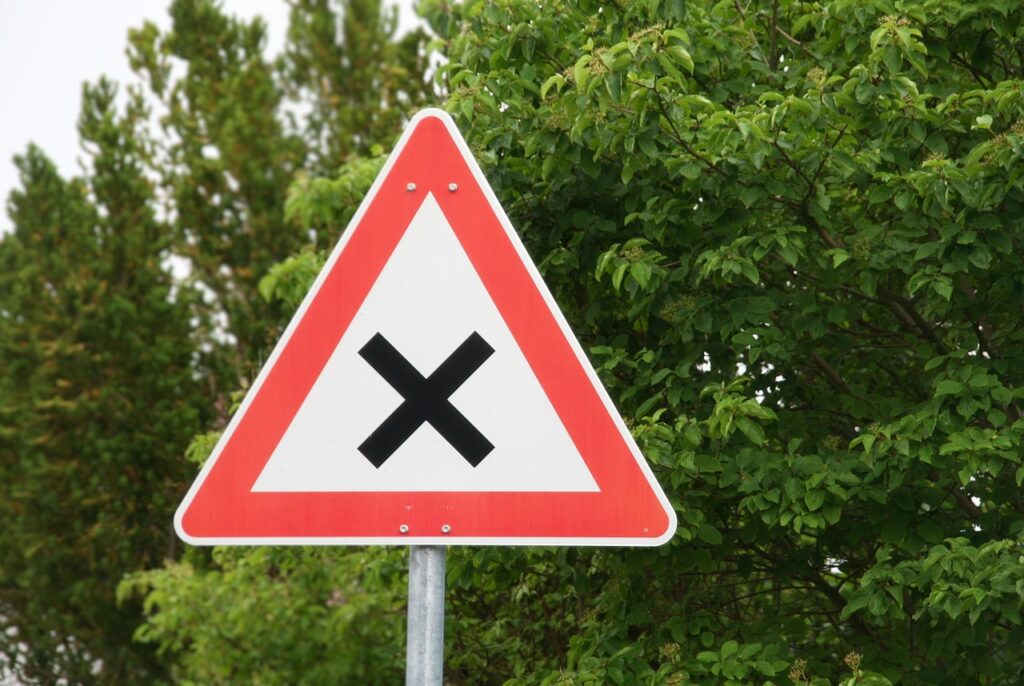
7. **Older Drivers and Cognitive Decline**: As the population ages, the challenges faced by older drivers become an increasingly significant factor in road safety, particularly concerning driver confusion. Cognitive decline, a natural part of the aging process for many, can markedly impact an individual’s ability to navigate complex road scenarios, significantly increasing the risk of misinterpretation, hesitation, and ultimately, dangerous driving incidents, including wrong-way entries.
Older drivers often confront unique challenges that contribute to heightened driver confusion. The combination of aging with specific cognitive impairments can lead to a misinterpretation of road signs and overall road layouts, making it difficult for them to accurately judge distances, assess speed, and understand directional cues. These difficulties are compounded by several specific factors that reduce their overall effectiveness behind the wheel.
The context outlines key contributing factors: “Decreased attention span, making it hard to focus on multiple road signs; Slower reaction times, leading to delayed decision-making; Impaired spatial awareness, causing difficulties in understanding the vehicle’s position relative to the road; Memory issues, which can result in forgetting familiar routes.” These challenges collectively elevate the likelihood of driver confusion and increase the risk of accidents for older drivers. Fostering safer driving environments, through clearer signage and targeted public education, is paramount to help mitigate these risks and protect this vulnerable segment of our driving population.
Continuing our examination of human factors and driving behaviors, it becomes clear that many elements beyond physical infrastructure contribute significantly to driver confusion and dangerous incidents, with a particular focus on the alarming prevalence of wrong-way crashes. These human elements, often subtle, can turn familiar roads into perilous pathways, demanding vigilance and a comprehensive understanding of their impact.
Read more about: The Unstoppable Shift: Deconstructing Why the Manual Parking Brake Is Fading in New Cars
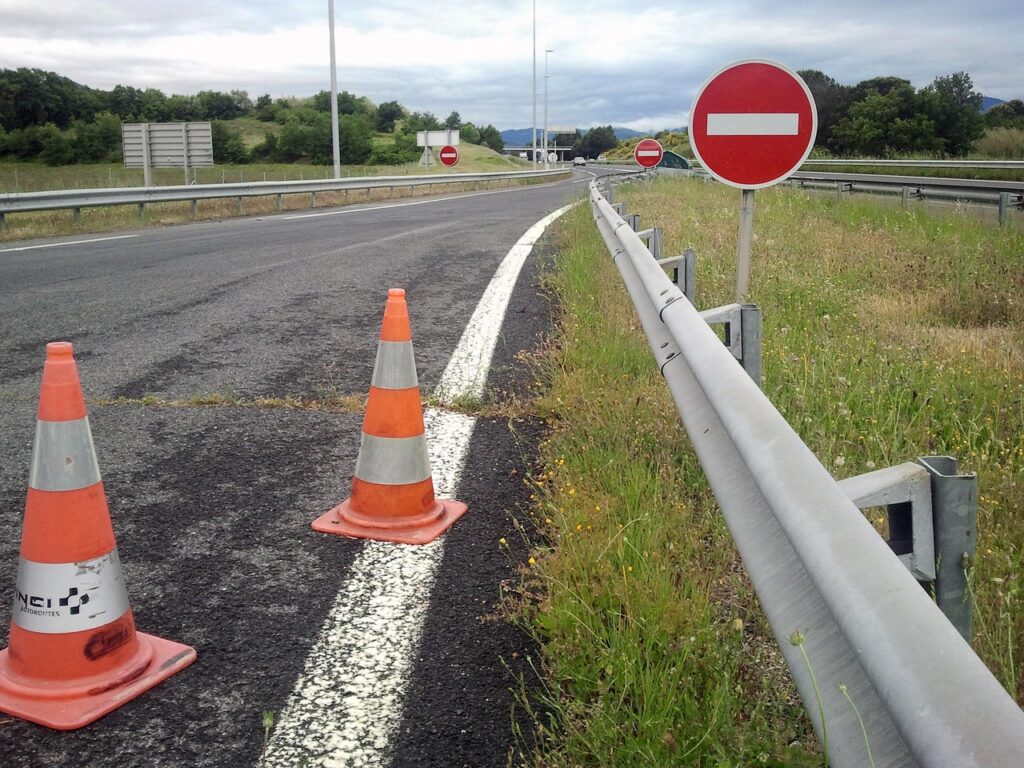
8. **Unfamiliarity with the Area**Unfamiliarity with an area can greatly increase the risk of driver confusion, especially when maneuvering through new roads or environments. Drivers who are not accustomed to a specific location often struggle to interpret traffic signs accurately, which can lead to wrong-way driving. For instance, they might misread directional signs or overlook important exit indicators, resulting in critical mistakes that contribute to wrong-way crashes.
Additionally, unfamiliarity with the area can impair a driver’s situational awareness, making them more susceptible to distractions. When traversing new routes, they may focus excessively on their surroundings rather than adhering to the rules of the road. This distraction can cause them to miss cues that would ordinarily prevent wrong-way driving.
Statistics indicate that a considerable percentage of wrong-way crashes occur on highways where drivers are unfamiliar with the layout. As a result, it is essential for local authorities to enhance the visibility of traffic signs and provide clearer instructions in areas prone to driver confusion.
Educating drivers about the risks associated with unfamiliar environments is equally vital to prevent these dangerous incidents. Addressing these challenges can greatly reduce the prevalence of wrong-way crashes on roadways.
Read more about: Unmasking the Deception: 9 Car Dealer Lies You Need to Know Before Buying Your Next Vehicle
9. **Distracted Driving**A staggering number of drivers underestimate the dangers posed by distractions such as texting, phone calls, and even eating while behind the wheel. These distractions can divert attention from the road, greatly increasing the risk of wrong-way driving. When drivers take their focus away from the task at hand, they become less alert, which can lead to serious mistakes, including entering the wrong lanes or highways.
Common distractions are particularly concerning. These include texting while driving, engaging in phone calls, eating or drinking, and adjusting the radio or navigation system. Each of these activities takes valuable attention away from driving, contributing to the likelihood of wrong-way crashes.
By recognizing the role of distracted driving in these incidents, drivers can take proactive steps to stay focused. Alert drivers are less likely to misinterpret road signs or become confused, which is vital for reducing wrong-way occurrences.
Public awareness campaigns that emphasize the dangers of distractions are essential in promoting safer driving habits and ultimately decreasing the frequency of dangerous wrong-way collisions on roadways.
Read more about: Beyond the Tank: Unmasking the Dangerous Fuel Efficiency Trends and Driving Behaviors Imperiling Our Highways

10. **Drowsy Driving**Fatigue can greatly impair a driver’s reaction time and decision-making abilities, often leading to dangerous outcomes on the road. Drowsy driving markedly increases the likelihood of driver confusion, which can result in wrong-way driving incidents. When a driver is fatigued, their ability to process information diminishes, making it difficult to notice vital signs or recognize road layouts.
This impairment may cause them to misinterpret directions or overlook warning signals that indicate a wrong-way entry. Studies show that drowsy drivers exhibit similar impairments to those under the influence of alcohol, including reduced attention spans and slower reaction times. This means they may fail to respond appropriately to changing traffic conditions, increasing the chances of making erratic maneuvers.
For example, a tired driver may mistakenly enter a highway going in the opposite direction, leading to potential collisions and severe consequences. Such errors are entirely preventable with adequate rest.
Addressing the dangers of drowsy driving is essential for public safety. Awareness campaigns focusing on the importance of rest before driving can help mitigate these risks, ultimately reducing the frequency of wrong-way crashes caused by driver confusion. Ensuring drivers understand the serious impact of fatigue is vital in creating safer roadways for everyone.
Read more about: The AI Eye on Our Roads: How New Traffic Cameras Are Reshaping Enforcement and Safety

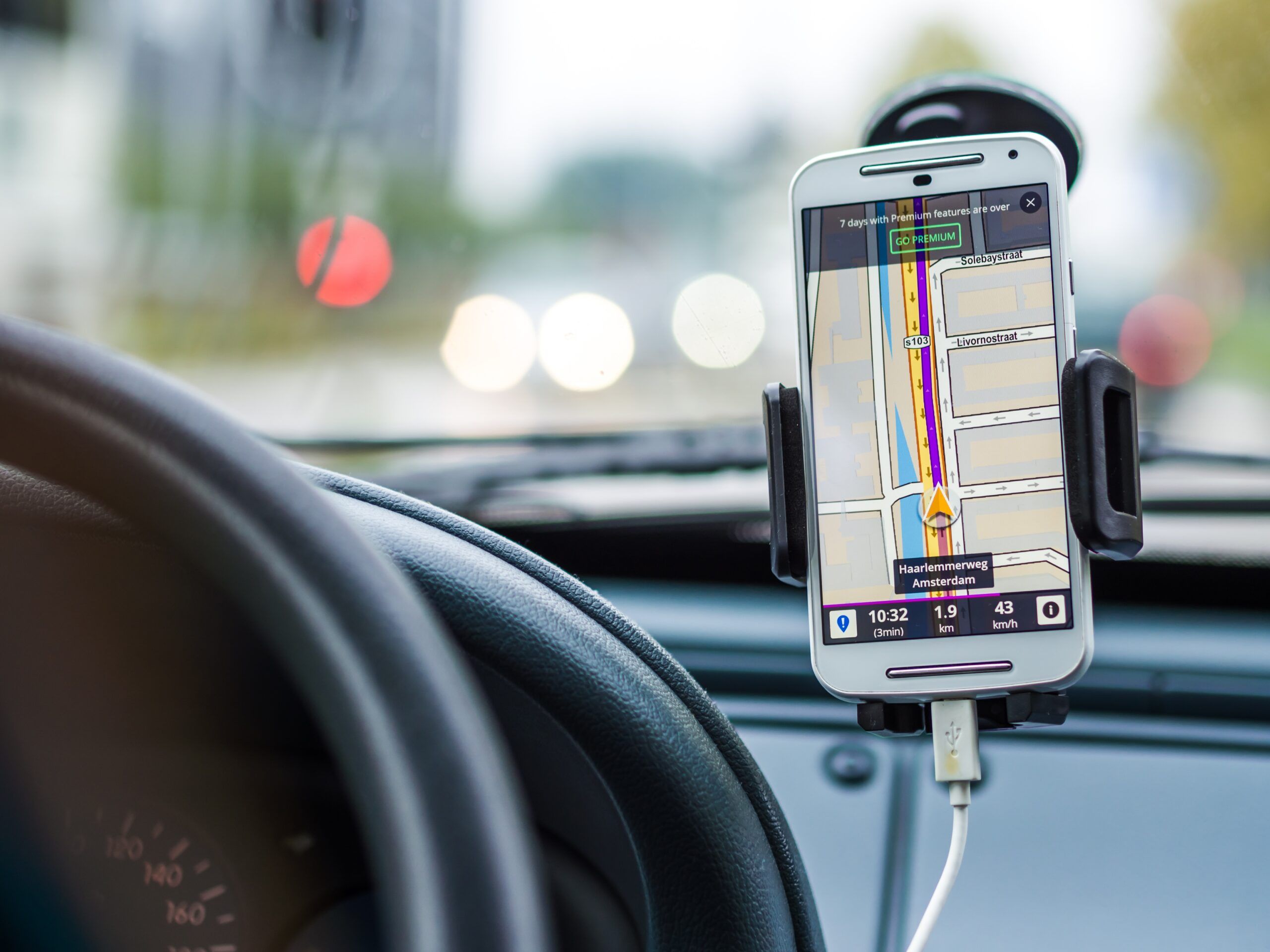
11. **Misinterpreting GPS Navigation**Maneuvering with GPS can sometimes lead to serious confusion, particularly in complex interchanges or when map data is outdated. Drivers often rely on GPS navigation for directions, but this reliance can contribute to wrong-way accidents. Misinterpreting GPS navigation can cause drivers to overlook essential traffic signs or take incorrect turns, resulting in dangerous situations on the road.
Several factors exacerbate this confusion. Drivers may struggle to interpret GPS instructions amidst multiple lane options in complex interchanges. Outdated map data can direct drivers onto roads that no longer exist or have changed configurations. Delayed directions, due to system lag, can lead to last-minute decisions that compromise safety.
Furthermore, focusing too heavily on the GPS can distract drivers from crucial road signs and markings, which provide real-time information. This inattention to surroundings can create a perfect storm for traffic incidents, leading to serious consequences, including wrong-way entries.
Addressing the potential pitfalls of misinterpreting GPS navigation is vital in reducing the frequency of wrong-way accidents and improving overall road safety. Drivers should be encouraged to use GPS as a guide, not a substitute for attentive driving and observation of actual road signage.
Read more about: Beyond the Basics: Unraveling America’s Most Misunderstood Traffic Signs and What They Really Mean
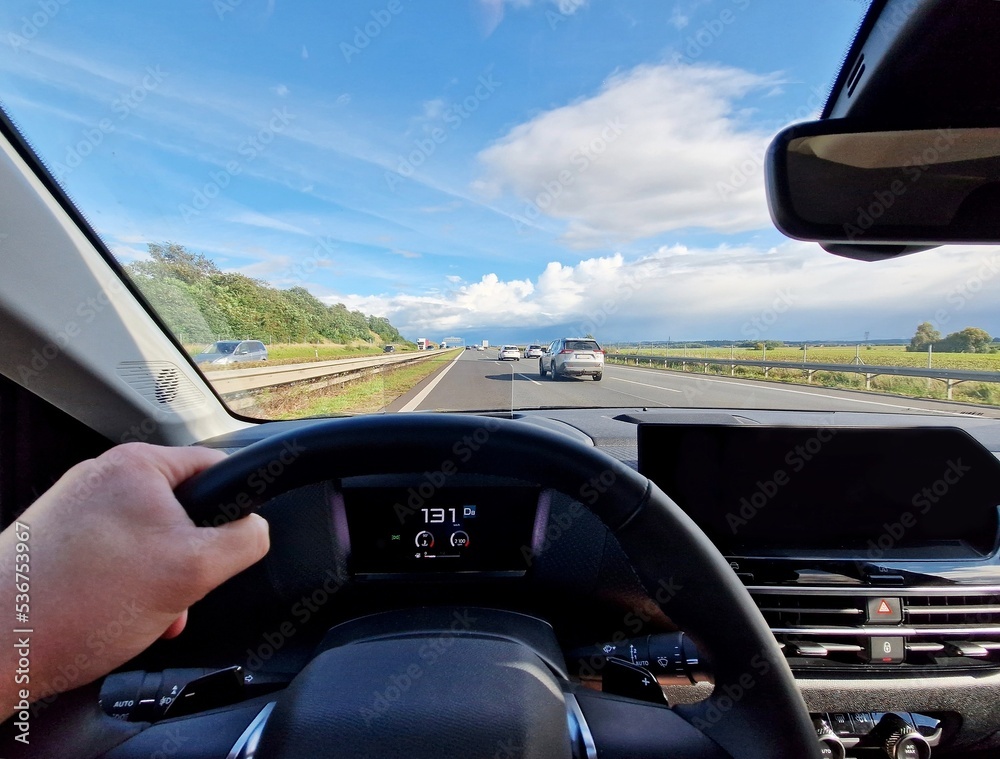
12. **Driving Under Stress or Emotional Distress**Driving under stress or emotional distress greatly affects a driver’s focus and decision-making abilities. When individuals experience heightened emotions, their capacity to concentrate diminishes, leading to driver confusion. This confusion can manifest in various ways, such as misreading road signs or failing to notice key directional indicators.
In such states, drivers might make impulsive actions, including entering a highway in the wrong direction, resulting in wrong-way driving incidents. Statistics reveal that emotional distress is a contributing factor in many highway accidents, where drivers, overwhelmed by personal issues or stressors, display impaired judgment. For instance, they may overlook critical signage or misinterpret lane markings, greatly increasing the risk of collisions.
The urgency of addressing emotional well-being is paramount, as studies indicate that drivers in distress are more likely to engage in unsafe behaviors. This vulnerability can compromise the safety of all road users.
To mitigate these risks, it is crucial to promote awareness about the dangers of driving while emotionally compromised. Individuals should recognize when they are not in a suitable state to drive and take necessary precautions, such as delaying travel or finding alternative transportation, to prevent potentially catastrophic outcomes.
Read more about: Unlock Up To 25% Off Your Car Insurance: The Essential Guide to Anti-Theft Devices That Slash Your Premiums

13. **Failure to Yield or Observe Traffic Signals**Although many drivers understand the importance of traffic signals, distractions and driving errors often lead to a dangerous disregard for these rules. Ignoring traffic signals or failing to yield can result in drivers mistakenly entering the wrong lane or roadway, considerably increasing the likelihood of wrong-way driving accidents. This negligence disrupts the intended flow of traffic and can have immediate, severe repercussions.
Several factors contribute to this alarming trend. Inattention, often caused by mobile phones or engaging with passengers, can prevent drivers from noticing critical signals. Fatigue diminishes a driver’s alertness, making them less likely to observe traffic directives. Impaired judgment, due to alcohol or drugs, can cloud a driver’s ability to assess situations accurately and react appropriately to signals.
Misinterpretation of signs, sometimes exacerbated by poor signage or complex layouts, can also lead to wrong assumptions about right-of-way, causing drivers to proceed when they should yield. When drivers neglect to observe traffic signals, they risk entering a highway intended for oncoming traffic, creating hazardous conditions for everyone.
These situations not only endanger the offending drivers but also put innocent road users at risk of severe accidents. Addressing the issue of failure to yield or observe traffic signals is essential for reducing the frequency of wrong-way driving incidents and ensuring safer roadways for everyone involved.
Read more about: 12 Critical Driving Mistakes: What Police Officers Instantly Spot to Issue You a Traffic Ticket
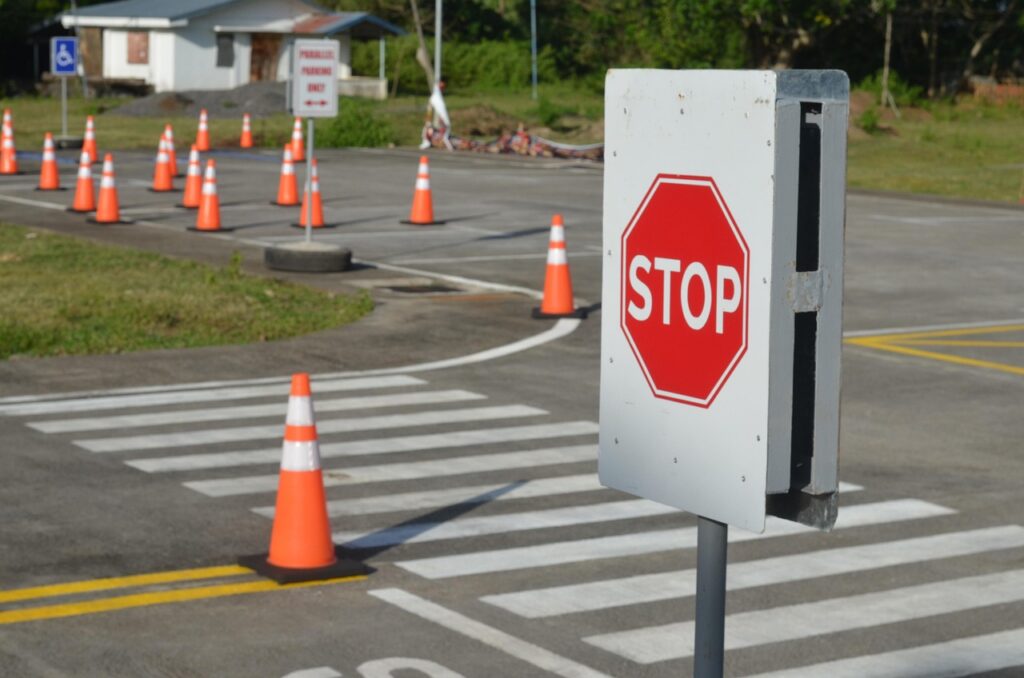
14. **The Cumulative Impact: Understanding Wrong-Way Crash Statistics**Wrong-way incidents pose a serious threat on roadways, with alarming statistics highlighting the frequency of these dangerous crashes. According to recent data, around 300 people die each year in the United States due to wrong-way crashes, indicating a persistent issue that demands urgent attention. This figure underscores the devastating impact of driver confusion and errors discussed throughout this article.
Driver confusion greatly contributes to these incidents, often arising from misreading signs or misunderstanding road layouts. Studies show that nearly 40% of wrong-way collisions involve drivers who were either intoxicated or impaired, further complicating the already precarious situation. This statistic powerfully demonstrates the critical link between human factors like impaired driving, distraction, and cognitive decline, and their catastrophic consequences on public safety.
In addition to human factors, road design also plays a vital, albeit secondary, role in these accidents. Poorly marked exits or confusing intersections can inadvertently lead drivers to mistakenly enter the wrong lane, thereby increasing the likelihood of a crash, particularly when combined with driver confusion. Statistics reveal that wrong-way incidents are most common during nighttime hours, when visibility is lower, and driver confusion can easily escalate.
To combat these challenges, public awareness campaigns are essential. Educating drivers about the risks associated with wrong-way driving and providing clearer signage can help reduce these incidents. For example, states have begun implementing innovative traffic signals and additional signage aimed at alerting drivers to potential wrong-way entry points. These efforts signify a proactive approach to addressing this multifaceted problem.
However, despite these efforts, the data shows that without ongoing public awareness and improved road layouts, the frequency of wrong-way crashes is unlikely to decline considerably. This emphasizes the continuous need for a focused, collaborative strategy involving drivers, road designers, and policymakers to mitigate these critical risks and enhance the safety of our roadways for all.
In conclusion, the intricate relationship between road infrastructure, human behavior, and the critical need for clear communication on our roadways cannot be overstated. From the silent guidance of traffic signs to the complex psychology of driver decisions, every element plays a pivotal role in preventing accidents and safeguarding lives. By understanding the challenges posed by confusing signage and the myriad human factors contributing to disorientation, we can collectively strive towards a future where every journey is safer and every destination reached without incident. The journey to safer roads is a shared responsibility, demanding constant vigilance and a commitment to clarity for the well-being of all. It is a commitment that society must continuously uphold, ensuring the language of our roads is always understood, never misinterpreted, and consistently guides us home safely. Trust in this critical system, and our collective safety, truly depends on it.