
A seismic event just rattled the gaming world, a quiet revolution born from the unlikeliest of places: a gardening simulator built on Roblox. For years, the industry narrative has been dominated by multi-million dollar AAA titles, sprawling live-service games, and the intense, competitive spectacle of battle royales like Fortnite. Yet, in June 2025, a 16-year-old’s creation, “Grow a Garden,” not only challenged this narrative but definitively rewrote it by achieving an astonishing 21.3 million concurrent players.
This wasn’t just a fleeting moment of virality; it was a profound signal. The record wasn’t merely about numbers; it illuminated a crucial shift in what captivates millions. It pointed towards a future where scale, softness, and speed might well define the next phase of gaming, moving away from the relentless pursuit of high-octane spectacle. This unexpected triumph suggests a reevaluation of what truly drives player engagement and economic success in a rapidly evolving digital landscape.
As we unpack this remarkable achievement, we’ll delve into the underlying forces that propelled “Grow a Garden” to such dizzying heights. From the allure of serene gameplay to the democratizing power of user-generated content and the strategic use of community-driven events, this story is a testament to the changing tides in interactive entertainment. It compels us to consider how accessible platforms and innovative approaches are not just complementing but actively redefining the benchmarks of success in gaming.

1. The Record-Shattering Ascent of ‘Grow a Garden’
On June 21, 2025, the gaming world witnessed an unprecedented moment: “Grow a Garden,” a Roblox-based game, soared to an astounding 21.3 million concurrent users. This meteoric rise wasn’t the result of a massive studio or years of development, but rather the ingenuity of a 16-year-old, who built the original game in just three days. This single event instantly crowned it the most concurrently played game in history, eclipsing established titans.
This feat notably surpassed the previous record held by Fortnite’s Galactus event, which peaked at 15.3 million concurrent players. Furthermore, it outdid other long-standing multiplayer giants like PUBG and CS:GO, proving that raw engagement doesn’t always require cutting-edge graphics or aggressive marketing. The message was clear: a different kind of game could capture the attention of a global audience.
While the active player count did dip back to 7.6 million within 60 minutes of its peak, the initial surge left an indelible mark. It unequivocally demonstrated that Roblox is no longer just a testing ground for experimental creations but a legitimate platform capable of hosting and facilitating record-breaking moments that redefine industry benchmarks. This shift highlights the growing influence of accessible, user-driven environments in challenging traditional gaming powerhouses.
Read more about: The Surprising Amount of Money Adele Spends Annually on Her Security Team

2. Cozy Over Combat: The New Gaming Paradigm
The fundamental appeal of “Grow a Garden” lies in its stark contrast to the dominant high-stakes, action-packed genres. It’s a game that eschews guns, explosions, and loot crates in favor of a serene, progression-based experience centered around seeds, upgrades, and cultivation. This emphasis on calm and creativity directly challenges the long-held belief that only intense competition can generate massive player numbers.
This trend, coined “cozy over combat,” mirrors the success of beloved titles such as Stardew Valley and FarmVille, which thrive on gentle mechanics and slow, rewarding progression. The allure is in the relaxation, the satisfaction of nurturing something, and the absence of high-pressure scenarios. It offers a digital escape that appeals to a broad demographic, including those who may feel alienated by more aggressive games.
As the context states, “Attention economics in 2025 favors frictionless flow over fight-or-flight drama.” This insightful observation encapsulates the essence of this shift. Players are increasingly drawn to experiences that offer a sense of ease and continuous engagement without the emotional taxation of constant conflict. “Grow a Garden” exemplifies this new preference, providing a tranquil haven that has resonated with millions globally.

3. The UGC Flywheel: Empowering Creators, Scaling Globally
One of the most remarkable aspects of “Grow a Garden’s” success is its origin as a user-generated content (UGC) creation. The initial game was conceived and brought to life by a teenager in an astonishing 72 hours, demonstrating the incredible speed and agility possible within UGC platforms. This rapid prototyping capability is a cornerstone of the modern gaming landscape, accelerating innovation.
Following its initial creation, studios like Splitting Point Studios and Do Big Studios stepped in to help scale the game. This collaborative model, where individual creativity meets professional development and scaling expertise, showcases Roblox’s true edge: the ability to facilitate “zero-to-global pipelines.” It enables a seamless transition from a simple idea to a massive, worldwide phenomenon, bypassing many traditional development hurdles.
The UGC flywheel represents a powerful ecosystem where passionate creators can rapidly develop and deploy content, constantly refreshing the platform and drawing in new players. This continuous cycle of creation, iteration, and distribution is a self-sustaining engine for growth, fostering a diverse array of experiences that cater to every imaginable niche. It democratizes game development, allowing anyone with an idea to potentially reach millions.
4. Event-Driven FOMO: Keeping Players Engaged
Beyond its core gameplay, “Grow a Garden” has mastered the art of player retention through a clever implementation of event-driven fear of missing out (FOMO). This strategy is crucial for live-service games, ensuring that players remain consistently engaged and return frequently. It capitalizes on the human desire to be part of ongoing, exclusive experiences.
The game’s developers implement weekly updates, introducing “New cosmetic updates and seasonal ‘blood moon’ boosts.” These regular content drops are not merely additions; they are carefully timed events designed to generate excitement and urgency. Each new release effectively “resets curiosity” and provides fresh incentives for players to log in, explore, and participate.
Crucially, this continuous stream of novelty “fuels replayability, and keeps TikTok buzzing,” leveraging social media to amplify its reach and appeal. The communal anticipation and discussion around new events create a powerful feedback loop, driving both existing players back into the game and attracting new ones curious about the latest happenings. It transforms the game into a dynamic, ever-evolving social phenomenon.

5. Low Barriers, High Ceilings: Gaming for Everyone
Another critical factor in “Grow a Garden’s” monumental success is its exceptional accessibility. In an era where many AAA titles demand powerful hardware, “Grow a Garden” champions inclusivity by running smoothly on a wide range of devices. The context highlights this with a simple yet profound statement: “No GPU? No problem.”
This low barrier to entry means that the game is not limited to those with high-end gaming rigs or the latest consoles. Instead, it “runs smoothly on school laptops and budget Androids,” opening the door to a massive, underserved global audience. This widespread compatibility is a direct pathway to broader market penetration and user acquisition, especially in regions with limited access to expensive gaming hardware.
Ultimately, “Grow a Garden succeeds because it’s accessible to everyone.” This universal reach is a powerful differentiator, allowing it to tap into demographics that might otherwise be excluded from the more graphically demanding corners of the gaming world. By prioritizing accessibility, the game has demonstrated that true viral success often hinges on reaching the widest possible audience, regardless of their technical specifications.

6. Beyond Users: Revenue and Real-World Economic Impact
“Grow a Garden’s” impact extends far beyond mere concurrent user counts; it has demonstrated significant real-world economic clout. In May 2025 alone, the game’s earnings were estimated at an impressive $12 million, underscoring the profitability of this new gaming paradigm. This financial success is a clear indicator that “emotionally ‘safe’ gameplay now beats spectacle and monetizes better,” as noted in the context.
The game’s commercial viability is further highlighted by its massive player engagement, accumulating 1.2 billion hours played. Such extensive playtime translates directly into opportunities for monetization, particularly through in-game purchases. Players are actively investing their time and, crucially, their money into this tranquil world.
Moreover, the economic impact has spilled over into broader digital economies. In-game items, such as “rare seeds and bee packs, are now traded on Discord and resale platforms.” This development is significant, as it mimics the vibrant, player-driven economies seen in titles like “early Counter-Strike skin economies.” It shows that a robust internal economy can emerge even in a ‘cozy’ game, fostering a secondary market that further engages players and generates value.
Read more about: Beyond the Hull: Decoding the U.S. Navy’s Path Forward – A Deep Dive into Admiral Caudle’s Vision and the ‘USS’ Legacy

7. The Shadows of Success: Criticisms and Sustainability
While “Grow a Garden’s” meteoric rise is undeniably impressive, its rapid ascent has not been without scrutiny. Analysts at TD Cowen raised legitimate “questions about inflated CCU via Southeast Asian botnets,” prompting a debate about the true organic nature of its record-breaking numbers. Although “Roblox’s own review found no irregularities,” such concerns are natural when an unexpected title achieves such unprecedented scale.
Beyond the bot debate, the issue of long-term sustainability remains a pertinent question. Despite its viral peak, the context notes that the game’s “Average CCU now hovers at 2.7 million.” While still a substantial figure, this represents a significant drop from its 21.3 million peak, leading to questions about its enduring appeal. The challenge lies in converting viral momentum into sustained, consistent player engagement.
Virality has been undeniably proven, showcasing the game’s ability to capture immediate attention on a massive scale. However, the context aptly points out that “long-term stickiness still isn’t” fully established. This ongoing discussion highlights a crucial challenge for any game that experiences rapid, explosive growth: the journey from fleeting sensation to lasting phenomenon requires continuous innovation and a deeper understanding of player retention dynamics.
8. Fortnite’s Historical Dominance: A Glimpse at an Industry Giant
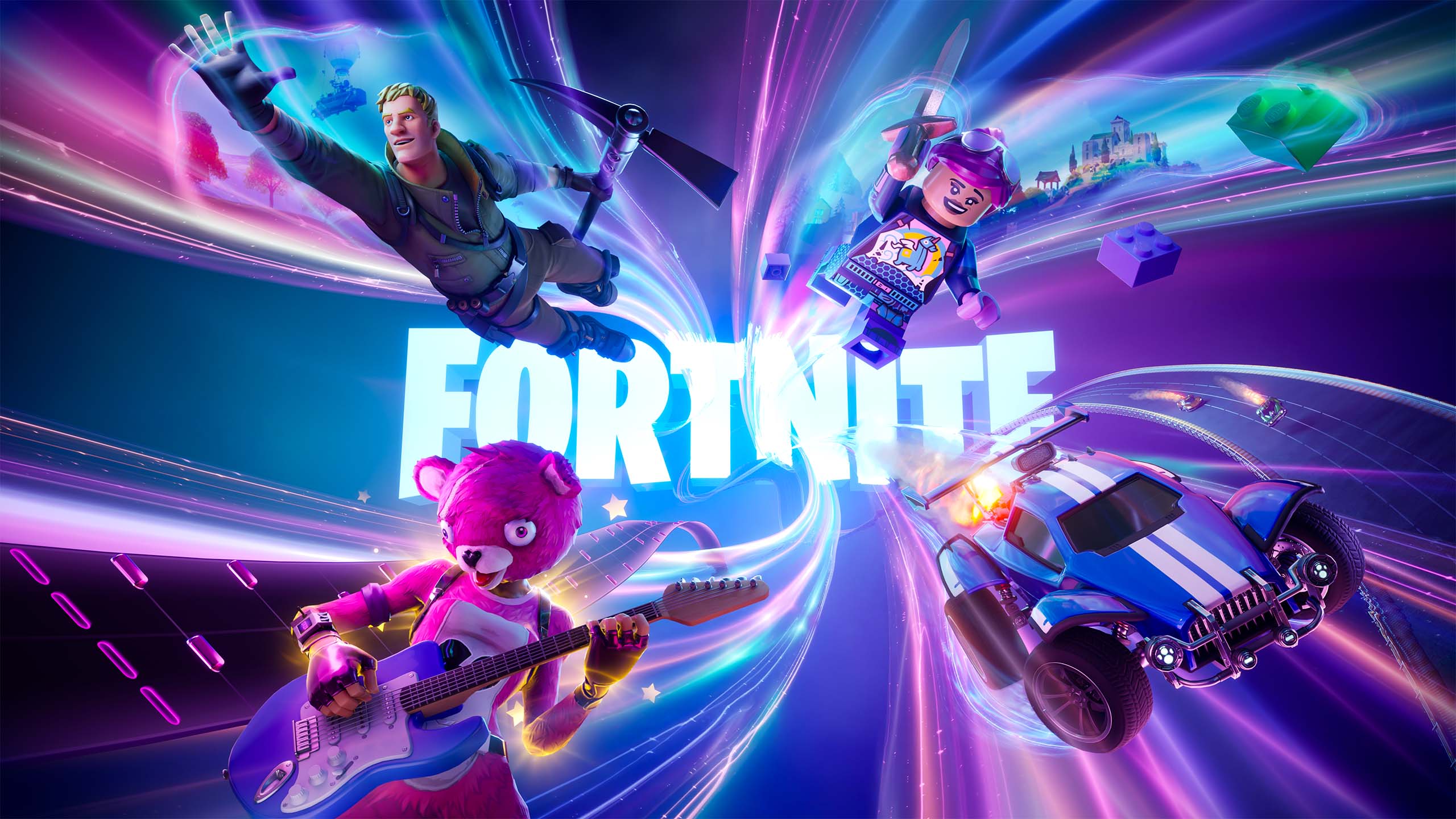
In 2017, Epic Games Inc. launched Fortnite Battle Royale, irrevocably altering the gaming landscape. This live-service game rapidly ascended to global phenomenon status, showcasing the immense profitability of in-game monetization, famously generating an estimated $5.5 billion in its inaugural year alone. It swiftly became, and largely remains, Epic’s most significant triumph, consistently accounting for over 80% of the company’s total revenue, sustained by its impressive 2–3 million active monthly players.
Epic’s strategic vision, however, extended beyond mere game development. Building on Fortnite’s colossal momentum, the company ventured into digital distribution in 2018 with the introduction of the Epic Games Store. This platform was a direct challenge to Valve Corporation’s Steam, which was then the undisputed market leader, offering users new avenues to purchase, download, and play games while fostering global player connections. Notably, Epic’s roots in gaming run even deeper, with the creation of the Unreal Engine dating back to 1998, a technology that has since evolved into its fifth iteration and an industry standard for AAA game development.
Even in 2025, amidst new challengers like “Grow a Garden,” Fortnite continues to command a formidable presence. The game boasts an astounding 650 million registered users, with approximately 1.3 million players logging in every single day. These numbers underscore a legacy that few games can match, demonstrating an enduring appeal that has ingrained itself in popular culture far beyond the traditional gaming community.
While its record-breaking concurrent player peak was recently eclipsed, Fortnite remains an undeniable cash cow for Epic Games and stands as the fourth-most-played game in the world. Its sheer scale and consistent engagement highlight a powerful, established ecosystem that, despite emerging shifts, continues to shape the competitive landscape of interactive entertainment.
9. Evolution into a Social Platform: More Than Just a Battle Royale
Epic Games understands that standing still in the fast-paced world of live-service gaming is a recipe for decline. Consequently, the company has continuously invested in Fortnite, meticulously transforming it from a singular battle royale experience into a sprawling, full-fledged social platform. This evolution has seen the integration of entirely new genres, moving beyond its core combat-centric gameplay to embrace racing, sandbox creation, and rhythm-based experiences, effectively broadening its appeal to a much wider audience.
This deliberate expansion has cemented Fortnite’s role as a vibrant social hub, frequently hosting large-scale social events that transcend typical gaming experiences. A prime example was the November 2024 Snoop Dogg concert, which drew an astonishing 14 million concurrent players to the platform. Beyond star-studded performances, the game also regularly orchestrates massive, narrative-driven in-game events tied to the launch or conclusion of a Fortnite season, creating shared cultural moments for its global player base.
Further solidifying this platform-centric strategy, Epic released the Unreal Editor for Fortnite (UEFN) in March 2023. This lightweight game engine empowers users with the tools to design, build, and even monetize their own games directly within the Fortnite ecosystem, strikingly similar to Roblox’s highly successful business model. This move effectively democratizes content creation, allowing countless aspiring developers to bring their visions to life within a massive, pre-existing audience.
By positioning Fortnite as a long-term creative platform, Epic is pushing aggressively into the Games-as-a-Service (GaaS) model. In this framework, user-generated content becomes a self-sustaining engine for engagement, while Epic strategically generates revenue from the diverse array of published experiences. This approach is a clear bid to cement Fortnite’s status as a lasting pillar of the gaming industry, extending its lifecycle well beyond the natural ebb and flow of a single game genre.

10. The Mechanics of Monetization: How Fortnite Stacks Its Billions
Fortnite’s ingenious free-to-play (F2P) business model has been a cornerstone of its colossal financial success. While the core game is free to download and play, Epic generates substantial income through the purchase of its digital currency, V-bucks, and seasonal battle passes. These battle passes, which can be acquired either for free or through purchase, reward players with exclusive in-game items for completing challenges and consistently engaging with the game over a defined period.
The game’s content is intelligently structured around distinct seasons, each introducing a fresh wave of gameplay elements, exclusive cosmetic objects, and dynamic changes to the in-game map. This constant stream of new gaming content and regular updates marks Fortnite as a quintessential “live game,” a service that is monetized over a significantly longer period than traditional games, which often rely on a one-time purchase model for their revenue.
Beyond V-bucks and battle passes, downloadable content (DLC) sales stand as another remarkably profitable revenue stream for Epic. Data from February 2020 indicated that a substantial 77% of surveyed Fortnite players had invested money in in-game purchases. This figure is particularly telling when considering the average spend per player, which rose from $84.67 in 2018 to an impressive $102.42 by 2020, easily surpassing the average price of a full AAA title, typically around $60-$70.
It’s important to note, however, that this aggressive monetization has not been without scrutiny. In 2023, Epic Games faced a $245 million settlement with the FTC due to deceptive sales practices, leading to $126 million in refunds for players charged for unwanted items in June 2025. This episode, while highlighting regulatory challenges, also underscores the sheer scale and economic impact of Fortnite’s in-game transactions and its pervasive influence on consumer spending habits within the gaming world.

11. Navigating the Product Lifecycle: Challenges to Sustainability
Even for a titan like Fortnite, game engagement is subject to the natural product life cycle, progressing through stages of introduction, growth, maturity, and eventual decline. This inherent trajectory mandates continuous innovation from developers to sustain player interest and revenue, a challenge that even the most successful titles must confront.
To understand Fortnite’s current position, it’s valuable to examine the trajectory of other legacy games. League of Legends (LoL), for instance, despite over a decade of continued user retention, has witnessed a declining user base since 2022, dropping from 180 million monthly average users (MAU) to 131 million in 2024, with a projected further decrease to 120 million in 2025. In response, developer Riot Games diversified its revenue streams by launching new titles like Teamfight Tactics and VALORANT, a strategic move to counteract LoL reaching its maturity stage.
Fortnite, which generated approximately 80% of Epic’s revenue in 2023, faces a similar risk. The context indicates a discernible dip in its average daily players, with almost 900,000 players lost between November 2024 and August 2025. While these numbers fluctuate with new seasons and chapters, the trend signals a potential vulnerability, making diversification of revenue streams a critical imperative for Epic to mitigate the impact of any future decline in Fortnite’s profitability.
Furthermore, the battle royale genre itself, which Fortnite helped popularize, is experiencing a broader decline in popularity. A Newzoo report shows that the genre accounted for 19% of total gaming hours in 2021, but this figure dropped significantly to just 12% in 2023 and 2024. This wider industry trend, coupled with the internal dynamics of Fortnite’s user engagement, presents a multifaceted challenge to its long-term sustainability, urging Epic to look beyond its flagship title for future growth.
12. The Unsung Heroes: Indie Developers and Ecosystem Vitality
Indie developers play an absolutely vital, if often unsung, role in the bustling ecosystems of digital storefronts such as the Epic Games Store and Steam. These smaller studios, often operating with limited resources, are crucial contributors to the powerful network effects that drive the success of these platforms. They consistently deliver unique, diverse, and often highly innovative gaming experiences that cater to niche audiences, frequently overlooked by the mass-market appeal pursued by AAA titles.
Steam’s enduring dominance is a testament to the profound importance of its indie developer community. In 2023, an overwhelming 98% of new releases on the platform originated from indie studios, and these titles collectively accounted for nearly half of Steam’s total revenue from game sales. This translates to a significant financial impact, with approximately $4 billion USD generated from indie games on Steam’s marketplace in 2024. Examples like *Hollow Knight*, developed for a modest $42,000, yet earning $248 million, starkly illustrate the high return on investment possible for well-crafted, niche titles.
However, indie developers face considerable hurdles in their quest for success. Chief among these is market oversaturation; with thousands of new games released annually, achieving discoverability is an immense challenge, particularly for teams with limited marketing resources. Unlike AAA publishers who wield massive advertising budgets, indie studios frequently struggle to cut through the noise, further hampered by smaller teams and tighter budgets that limit their access to the tools and resources needed to refine and polish their games to the highest degree.
Despite these formidable challenges, the impact of indie developers on the global gaming landscape is undeniable. They are relentless drivers of innovation, constantly bringing fresh perspectives and new gameplay mechanics to the industry. Their potential for viral success, exemplified by games like *Among Us* which reached a peak of 60 million daily active users, combined with their ability to cultivate incredibly loyal communities (players spending around 18 hours per week on indie games), makes them an indispensable asset for platform sustainability and diversification. Harnessing this creative energy is paramount for Epic’s future.

13. Epic Games Store: A David in a Goliath Market
Since its launch in December 2018, the Epic Games Store (EGS) has been a direct and aggressive competitor to Valve’s entrenched Steam storefront. While Epic has made considerable strides, boasting 74 million monthly active users (MAUs) and a growing library of 4,000 games, it still faces an uphill battle against Steam’s considerable head start, which boasts over 130,000 games and 132 million MAUs, having cemented its dominance since 2003.
Epic employed a strategy of aggressive tactics to rapidly gain market share. This included offering a significantly more favorable revenue split to developers—a generous 88% share for creators compared to Steam’s standard 70%—alongside giving away free games and securing exclusive titles to attract both users and developers. The free game giveaways, in particular, played a crucial role in quickly building a large user base, yet this strategy inadvertently cultivated a ‘freebie culture’ where players, having redeemed approximately $12 billion worth of free games since 2019, began to expect complimentary titles rather than purchasing them.
This prevalence of a free-to-play mentality has become a significant barrier to Epic’s efforts to convert its vast user base into consistent paying customers, a fundamental source of profitability for digital platforms. Despite attracting millions of users, the EGS has struggled to generate consistent revenue from third-party games. This issue is particularly stark when comparing the Average Revenue Per User (ARPU) spent on third-party games: Epic’s ARPU stood at a mere $4.28 in 2023, dramatically lower than Steam’s around $14.58. This substantial gap highlights a core issue with Epic’s strategy, indicating a struggle to monetize its attracted player base effectively.
For Epic to diversify its revenue streams and reduce its reliance on Fortnite, it must find a way to overcome this ‘freebie culture’ and attract paying customers to its digital storefront. The challenge lies in converting initial interest into sustainable purchasing habits, thereby closing the significant revenue gap that currently exists between the EGS and its primary competitor.

14. Empowering Creators: Rethinking Unreal Engine’s Accessibilityt.
Unreal Engine stands as one of the industry’s most influential and widely adopted game development tools, celebrated for its cutting-edge graphics, advanced lighting capabilities, and robust physics simulations. As a comprehensive game engine, it provides developers with all the necessary tools to design and manage every facet of a game, from intricate gameplay mechanics to immersive soundscapes and stunning visual fidelity. However, its sophisticated nature makes it notoriously complex to master, better suited for large-scale, high-quality AAA projects than for agile indie development.
Unlike the more accessible Unity game engine, which is specifically designed for a broader, user-friendly audience with its beginner-friendly programming language and intuitive interface, Unreal Engine demands a more advanced understanding of programming and is resource-intensive. Its steep learning curve poses a significant challenge for indie developers, who often operate with limited teams and budgets, making its adoption considerably more difficult despite its powerful features. This disparity is evident in release numbers: Unity powered 8,824 titles in 2024, far outpacing Unreal Engine’s 3,275.
To bridge this gap and effectively diversify its revenue by attracting the rapidly growing market of indie game developers, Epic must prioritize simplifying the development process for smaller teams. A crucial step involves providing comprehensive starter kits equipped with pre-built functionality and assets spanning multiple game genres. These kits would allow indie developers to bypass boilerplate fundamentals such as health and damage systems, inventory management, and save/load functionalities, which are common to almost all games.
While Epic has released the Lyra Starter Game as a sample Unreal Engine project, offering a gold standard template, Lyra functions primarily as a learning resource, not a full-fledged development framework. What’s truly needed are core frameworks for a spectrum of genres—like 2D or 3D platformers, top-down action RPGs, and vehicle racing games—that developers can build upon. Including sample art assets such as default player characters, basic animations, and textured props would enable developers to immediately experiment, prototype their ideas, and accelerate their creative process, making Unreal Engine far more approachable.

15. Cultivating a Thriving Ecosystem: Community and Visibility Initiatives
To ensure the widespread adoption of these crucial starter kits and foster a genuinely indie-friendly environment within the Epic Games Store, Epic should proactively host regular game jams each time new genre-specific kits are released. These events, leveraging Epic’s considerable brand recognition, have the potential to attract an immense audience of developers, rivaling community-hosted jams that often see between 2,000 and 9,000 game submissions. This strategy offers a powerful dual benefit for Epic’s ecosystem.
Firstly, these game jams would dramatically increase the number of high-quality indie games listed on the Epic Games Store. As the library expands, the user base is expected to respond positively to the increasing number of diverse options available, further incentivizing developers to release their creations through Epic. This creates a powerful positive feedback loop, establishing strong network effects that would significantly help the Epic Games Store capture a larger share of the competitive PC video game market.
Secondly, these events serve as invaluable stress tests for Epic’s newly released game starter kits. Developers actively using the kits in a competitive, time-constrained environment would quickly uncover any bugs or areas for improvement, allowing Epic to immediately refine and perfect their tools before broader adoption by the developer ecosystem. This iterative feedback loop is crucial for building robust and reliable development resources.
Furthermore, Epic can create a more substantial pipeline for indie developers by actively increasing visibility for Unreal Engine-powered indie games within the Epic Games Store. This could involve curated lists such as “Best Indie Games Built with Unreal Engine,” granting these titles much-needed exposure in a crowded marketplace. Incentivizing player interest through platform-wide discounts and promotions specifically targeted at indie games would boost sales and draw more consumers to the Epic Games Store. Award-winning indie developers from these game jams could also be prominently featured on Epic’s storefront, providing a strong incentive to excel and directly addressing their concerns about market oversaturation.
Epic’s future success hinges on a calculated diversification of its revenue streams and a profound tapping into the full potential of its expansive ecosystem. By committing to robust support for indie developers through a simplified Unreal Engine and strategically strengthening its Epic Games Store, Epic can ignite powerful network effects that will mutually benefit creators and players alike. The pathway to long-term growth and sustained industry dominance lies squarely in cultivating a thriving pipeline where high-quality indie games are not just created, but also celebrated and discoverable, ultimately securing Epic’s place at the forefront of the evolving gaming world.


