

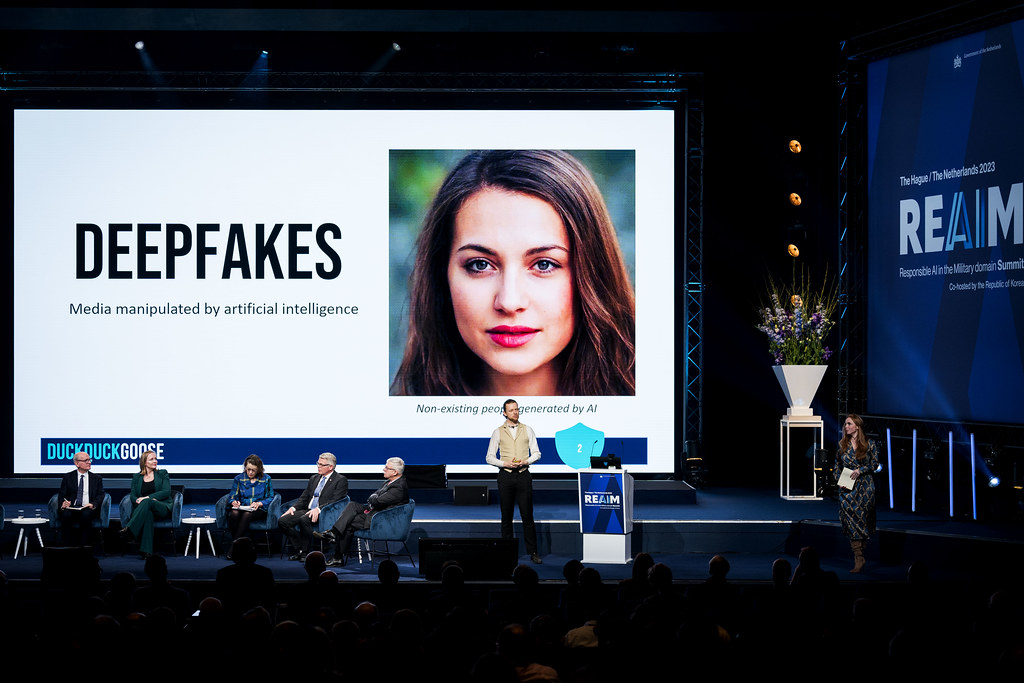
The landscape of cinema has been irrevocably reshaped by technology, with Computer-Generated Imagery, or CGI, standing as a testament to human ingenuity and artistic ambition. What began as rudimentary wireframe models in scientific applications has evolved into a sophisticated tool capable of conjuring entire universes, breathing life into fantastical creatures, and meticulously crafting historical backdrops. Yet, as this digital prowess expands, so too do the complex ethical and legal quandaries it presents, particularly when it touches upon the very essence of human identity: the face and likeness of an actor.
For decades, visual effects have pushed the boundaries of what is possible on screen, from the subtle enhancements that smooth out a period drama’s scenery to the sprawling, all-encompassing digital worlds of a science-fiction epic. However, a specific application of CGI has recently ignited fervent debate, moving beyond mere spectacle to challenge our understanding of presence, consent, and memory. This controversial technique involves the digital resurrection or alteration of actors, transforming their images in ways that can be both strikingly realistic and profoundly unsettling.
The conversation intensifies dramatically when the subjects are actors who are no longer with us, their performances digitally extended or entirely fabricated for new cinematic ventures. This practice, often hailed by some as a tribute and a means to complete narratives, is simultaneously criticized by others as an infringement on personal legacy, an ethical gray area, and even a “digital indignity.” As filmmakers increasingly wield the power to recreate human likenesses with startling fidelity, the industry finds itself at a pivotal juncture, grappling with questions that resonate far beyond the silver screen and into the very fabric of how we perceive and protect identity in the digital age.
1. **Understanding Computer-Generated Imagery (CGI): Definition and Scope**
The term “CGI” has become ubiquitous in modern filmmaking, often used as a catch-all for anything that appears digitally rendered on screen. At its core, CGI stands for “computer-generated imagery,” representing the use of computer graphics in art and media. This broad definition encompasses a vast array of visual effects, ranging from two-dimensional animations, objects, and backgrounds to intricate three-dimensional figures, spaces, and entire environments. Its versatility means CGI can manifest in a film ranging from a quiet intimate drama to a sprawling science fiction epic.
The application of CGI varies immensely across productions. In some instances, it might subtly enhance live-action footage, providing period-specific details for a historical setting or ensuring consistent background environments like bustling cityscapes. Conversely, in genres such as science-fiction blockbusters or fully animated films, CGI can comprise almost ninety percent of the visual experience, creating everything from characters and vehicles to entire alien worlds and the actions performed within them. This pervasive nature highlights its pivotal role in contemporary visual storytelling.
Distinguishing CGI from related terms like VFX (Visual Effects) and SFX (Special Effects) is crucial for a complete understanding. VFX is the broader umbrella, encompassing all digital and practical techniques that enhance live-action footage, blending real and artificial elements. CGI, then, is a *type* of VFX, specifically focused on creating digital images, be they 3D characters or entire digital environments. SFX, on the other hand, refers to practical, in-camera effects like explosions or prosthetics, achieved physically before digital post-production. This clarifies that while CGI is a powerful tool, it operates within a larger ecosystem of visual effects.
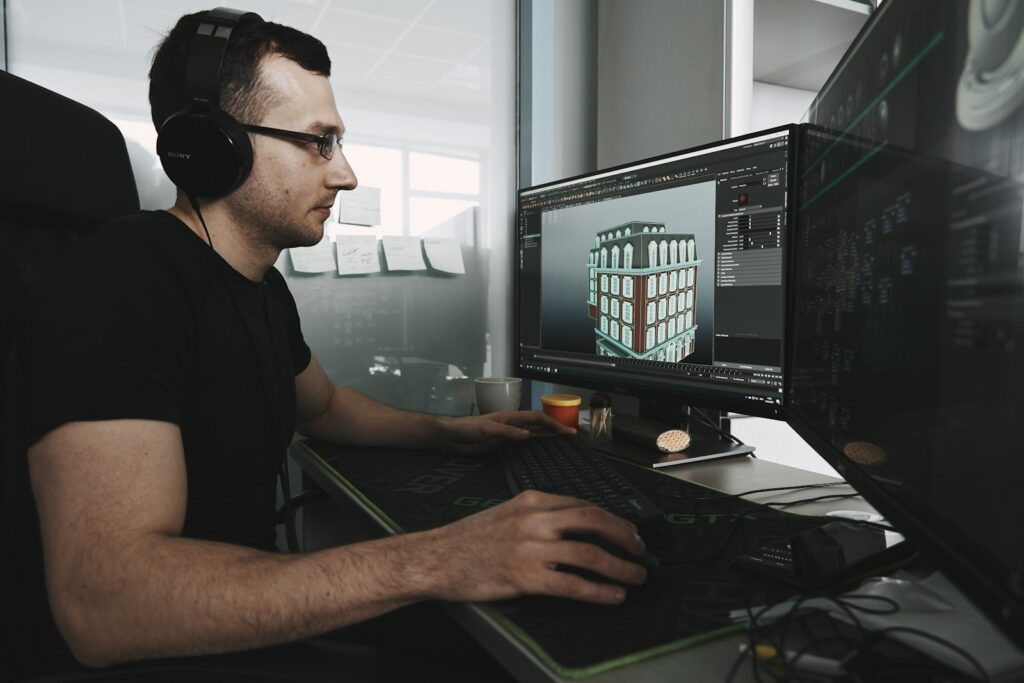
The creation of CGI involves a complex, multi-step process that merges artistic vision with advanced technology. It begins with concept art and storyboarding, moving into 3D modeling where digital assets are built, followed by texturing and shading to give them realistic appearances. Animation and motion capture bring these models to life, and finally, rendering and compositing integrate them seamlessly into the final footage. When executed well, this intricate process results in enhancements that are virtually invisible to the audience, fulfilling the director’s vision without drawing undue attention to the technology itself.
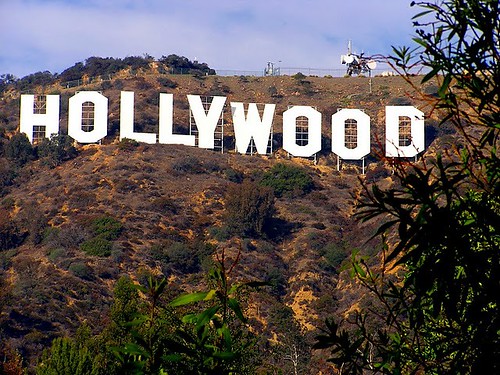
2. **A Brief History of CGI in Hollywood: From Wireframes to Hyper-realism**
The journey of computer-generated imagery is a testament to technological evolution, with its origins tracing back to the 1960s. Initially, this groundbreaking technology was not conceived for cinematic marvels but rather for scientific and engineering applications. It was a tool for analysis and visualization, far removed from the dazzling spectacles we associate with Hollywood today. This early historical context is vital for appreciating the monumental strides visual storytelling has made.
Hollywood, always keen to harness innovation, began its tentative adoption of CGI in the 1970s. Films like George Lucas’s *Star Wars* (1977) and Ridley Scott’s *Alien* (1979) incorporated early forms of the technology. At this stage, the definition of CGI in filmmaking was still nascent, largely limited to rudimentary wire-frame models and simple digital renderings. Directors like Alfred Hitchcock and George Lucas were early pioneers, pushing the boundaries of what was then possible, even if the results by today’s standards appear humble.
The 1980s marked a significant leap forward for CGI, moving beyond two-dimensional scope and simple models. Landmark films such as *Tron* (1982), *The Last Starfighter* (1984), and *Young Sherlock Holmes* (1985) showcased more ambitious uses. These productions leveraged the evolving technology to create full models of real-life objects and even increasingly lifelike characters. *Tron*, in particular, is often cited as one of the first movies to extensively use computer animation, signaling a clear shift in filmmaking capabilities.
The proliferation of CGI continued into the 1990s and beyond, fundamentally changing cinematic production. Innovations like motion capture and sophisticated 3D models became common tools for filmmakers. Combined with green screen technology, advanced generated imagery now allows for the creation of hyper-realistic sequences. This historical progression illustrates a relentless drive towards greater visual fidelity and creative freedom, laying the groundwork for the more controversial applications of digital likenesses that would emerge in later decades.
3. **The Spectrum of CGI Applications: Beyond Spectacle**
While CGI is frequently associated with the grand spectacles of blockbuster films, its utility extends far beyond creating roaring dragons or exploding cities. The true power of computer-generated imagery lies in its ability to facilitate scenes and elements that would be otherwise impossible or prohibitively expensive through traditional means. It’s a tool that can be wielded with both overt flourish and subtle precision, often serving storytelling in ways an audience might not even consciously register.
In period dramas, for example, CGI can be employed to meticulously fill out locations with historically accurate details. It can maintain consistent scenery, ensuring background environments are rich with period-specific buildings, people, and vehicles, seamlessly transporting viewers to another era. Such applications are often designed to be invisible, enhancing immersion without drawing attention to the digital intervention. This subtle integration is a hallmark of well-executed CGI, reinforcing the narrative rather than overshadowing it.
James Cameron’s filmography provides numerous examples of CGI pushing boundaries, from the liquid metal T-1000 in *Terminator 2* (1991) to the sprawling digital ecosystems of *Avatar* (2009). These films demonstrate how CGI, often in combination with practical effects and physical sets, can create unique and immersive experiences. Similarly, David Fincher’s *Zodiac* (2007) utilized extensive CGI not for fantastical elements, but for creating and manipulating environments, adding textures, characters, and objects to real-world shots, demonstrating its utility in grounded narratives.
The cost-effectiveness of CGI has also evolved, making it more accessible to a wider range of productions. While it was once the exclusive domain of films with massive budgets, independent filmmakers can now leverage CGI effectively with careful planning. This expanded accessibility means that directors across various genres, not just sci-fi or fantasy, are increasingly incorporating digital effects. This broader adoption means that CGI is no longer just about the impossible; it’s about making the improbable, or even the routine, more achievable and impactful on screen.

4. **Early Digital Recreations: The De-aging Phenomenon**
Before the more contentious digital resurrection of deceased actors, CGI had already begun to play a significant role in manipulating the appearance of living performers, most notably through “digital de-aging.” This technique allows filmmakers to make actors appear younger, enabling them to portray characters across different timelines within a single film or series. The striking results of this technology have become a staple in many high-profile productions.
Marvel films, for instance, have frequently utilized digital de-aging to depict characters like Captain America, Iron Man, or Nick Fury in earlier stages of their lives. This application allows beloved actors to maintain continuity in their roles, even when the narrative flashes back decades. For many viewers, the seamlessness of these effects can be quite impressive, allowing them to remain immersed in the story without being distracted by an actor’s natural aging process. It represents a less intrusive, and often less debated, form of digital manipulation.
The process behind digital de-aging typically involves advanced facial scanning, motion capture, and intricate visual effects artistry. Artists meticulously sculpt and animate digital overlays, blending them with the live-action performance of the actor. The goal is to achieve a believable and natural look, ensuring that the character’s appearance aligns with the specific age required by the script. This method highlights CGI’s capacity to subtly alter human form while maintaining the actor’s core performance.
While de-aging focuses on the alteration of a living actor’s appearance, it inherently touches upon the same underlying technology that enables more controversial digital recreations. It demonstrates the growing capability to mold, sculpt, and modify human likeness with high fidelity. The relative acceptance of de-aging often stems from the fact that the living actor is present, performing, and presumably consenting to the alteration, setting it apart from the profound ethical questions raised when an actor is entirely recreated post-mortem.
5. **The Ethical Minefield: Resurrecting Deceased Actors with CGI**
The true ethical quandary in the world of CGI emerges when the technology is deployed to bring back actors who have passed away, allowing them to “perform” in new films or even extend their roles posthumously. This practice of “digital reincarnation” stirs a potent mix of fascination and discomfort, pushing the boundaries of what is considered acceptable in cinematic storytelling. It transforms CGI from a tool for creating impossible worlds into a means of seemingly defying mortality itself.
This use of CGI challenges fundamental notions of consent and personal agency. When an actor is deceased, the ability to directly ascertain their wishes regarding the use of their likeness vanishes. Filmmakers are then left to navigate a complex landscape of family permissions, estate agreements, and sometimes, legal battles. This raises troubling questions: Is gaining permission from relatives sufficient to ethically use an actor’s image? How can we be assured that such post-mortem uses align with the actor’s presumed wishes or values they held in life?
The context also mentions the broader implications for “deepfakes” and falsified videos. While creating a deceased actor’s likeness for a fictional narrative might seem distinct from malicious deepfake technology, the underlying principle of digitally fabricating a human image without direct, current consent remains a common thread. This extension of worries from falsified media into fictional products highlights a growing anxiety about the authenticity and control of one’s digital persona in an increasingly virtual world.
The debate surrounding digital reincarnation often pits artistic freedom against personal rights. Filmmakers might argue that these techniques allow for the completion of narratives, the honor of an actor’s legacy, or the enhancement of a story’s aesthetic continuity. However, critics argue that such practices can be a “digital indignity,” stripping the deceased of their agency and potentially creating performances that the original artist “had bupkis to do with.” This tension is at the heart of the ethical minefield.

6. **Case Study: Paul Walker’s Posthumous Appearance in *Fast & Furious 7**
One of the earliest and most widely discussed instances of a deceased actor being digitally recreated for a film occurred with Paul Walker in *Fast & Furious 7*. Walker tragically died in a car accident in 2013, midway through the production of the film. His untimely passing presented the filmmakers with an immense challenge: how to complete the movie and provide a fitting send-off for his beloved character, Brian O’Conner. The decision was made to utilize CGI for his remaining scenes.
To achieve this, a combination of techniques was employed. Walker’s brothers, Cody and Caleb, stepped in as body doubles, providing physical forms for visual effects artists to work with. Advanced CGI was then used to digitally recreate Walker’s face and seamlessly integrate it onto his brothers’ performances and other stand-ins. The goal was to complete his character’s arc in a respectful manner, culminating in an emotional farewell sequence that resonated deeply with fans of the franchise.
The results of this digital recreation elicited mixed reactions from audiences. While many praised the effort as a heartfelt tribute and a necessary measure to conclude the film, some viewers found the experience “odd” or “unnerving” when seeing a digitally resurrected actor on screen. This visceral reaction speaks to the complex psychological impact of such technology, where a near-perfect simulacrum can sometimes fall into the “uncanny valley,” unsettling rather than convincing the human observer.
Despite the mixed reviews concerning the digital effect itself, the overall consensus for *Fast & Furious 7* leaned towards acceptance, largely due to the unique circumstances of Walker’s death and the perceived intention to honor his legacy. It set a precedent, demonstrating that audiences might be more forgiving when digital reincarnation is seen as a necessary solution to an unforeseen tragedy rather than an arbitrary creative choice. However, it also opened the door for subsequent, and arguably more controversial, uses of the technology.

7. **Case Study: Peter Cushing’s Digital Resurrection in *Rogue One: A Star Wars Story**
Building upon instances where CGI has been used to complete a deceased actor’s role, the case of Peter Cushing in *Rogue One: A Star Wars Story* presents a distinct and arguably more contentious application. Cushing, a celebrated actor, had famously portrayed Grand Moff Tarkin in the original 1977 film, *Star Wars: Episode IV — A New Hope*. When *Rogue One*, a prequel set weeks before *A New Hope*, required Tarkin’s presence as a key character, filmmakers were faced with a unique challenge: Cushing had passed away in 1994, over two decades prior to the film’s release.
The decision was made to digitally resurrect Cushing for approximately four minutes of screen time. This intricate process involved a combination of techniques, notably employing actor Guy Henry as a body double. Advanced CGI was then meticulously applied, drawing in part from a life-cast of Cushing’s face created in the 1980s for the film *Top Secret*. The aim was to create a seamless, believable recreation of his iconic character, maintaining continuity within the expanding *Star Wars* narrative universe.
However, this digital resurrection of Peter Cushing sent “shockwaves across the Star Wars fandom,” sparking a fervent debate. While some defended the choice, arguing that “actors don’t own characters” and that the aesthetic continuity of the character across the fictional timeline enhanced the movies, others expressed significant criticism. Catherine Shoard, for instance, condemned it as a “digital indignity,” questioning whether an actor would want to “turn in a performance I had bupkis to do with.” Rich Haridy of New Atlas echoed this sentiment, noting “there is something inherently unnerving about watching such a perfect simulacrum of someone you know cannot exist.” This particular case brought the ethical questions surrounding digital reincarnation to the forefront, highlighting the tension between creative vision and personal legacy.

8. **The Legal Battle: Peter Cushing’s Likeness Lawsuit**
The controversy surrounding Peter Cushing’s digital recreation in *Rogue One* escalated into a complex legal battle, underscoring the legal ambiguities inherent in using a deceased performer’s likeness. At the heart of this dispute is a lawsuit filed in England by film producer Kevin Francis, a friend of Cushing’s and director of Tyburn Film Productions, against Disney-owned Lucasfilm and Lunak Heavy Industries. Francis claims that Cushing had personally informed him that permission should not be granted to use his likeness without Francis’s authorization, a crucial point given their long professional relationship on multiple films.
Disney, in its defense, contended that permission was not required to recreate Cushing’s Tarkin character in 2016. Their argument rested on contractual terms from Cushing’s original appearance in the first *Star Wars* film nearly five decades ago. Furthermore, Disney stated it had agreed upon a payment of £28,000 to Cushing’s estate to clear the use of his likeness. This financial settlement, they argued, demonstrated a good faith effort to compensate for the digital recreation.
However, Francis’s lawsuit extended beyond Disney, bringing legal claims against the executors of Cushing’s estate, who have since passed away, and the agency that represented Cushing. This multi-faceted legal challenge illustrates the intricate web of personal relationships, professional agreements, and intellectual property rights that can become entangled when digital likenesses are employed posthumously. The complexity of these claims reflects the nascent legal framework surrounding such technological advancements.
The legal proceedings have seen significant developments, with Disney’s motion to dismiss the lawsuit being denied, followed by the rejection of their subsequent appeal by Judge Tom Mitcheson. While the judge acknowledged his skepticism about Francis’s ultimate success, he firmly believed the case should proceed to trial rather than be dismissed outright. This ruling underscores that, despite technological capabilities, the recreation of a person’s likeness after their death remains a demonstrably “legal gray area,” one that the courts are still actively working to define and navigate in the rapidly evolving digital landscape.

9. **Ethical Questions: Consent, Ownership, and Digital Identity**
The digital resurrection of deceased actors, as exemplified by Peter Cushing, compels a critical examination of profound ethical questions centered on consent, ownership, and the very nature of digital identity. At its core, the practice challenges the fundamental notion of personal agency, particularly when an individual can no longer provide or withhold consent. When an actor is deceased, the capacity to directly ascertain their wishes regarding the use of their likeness vanishes, leaving filmmakers to navigate a complex ethical and legal terrain that often falls short of genuine individual autonomy.
The question of whether permission from relatives or estate agreements is sufficient to ethically utilize an actor’s image is fraught with difficulty. While family members may hold legal rights to an estate, their decisions may not perfectly align with the actor’s presumed values or wishes during their lifetime. This divergence raises troubling questions about how one can truly honor an artist’s legacy when their image is digitally manipulated for new performances without their direct, contemporary input. The ability to control one’s image and body of work is a cornerstone of artistic integrity, and posthumous digital recreation complicates this significantly.
Moreover, this technological capability extends the broader societal anxieties surrounding AI-generated likenesses and ‘deepfakes’ into the realm of fictional entertainment. The principle of digitally fabricating a human image without direct, current consent forms a common thread between malicious deepfake technology and the creation of deceased actors for cinema. This confluence highlights a growing concern about the authenticity and control individuals have over their digital personas in an increasingly virtual world, where images can be generated and disseminated with startling fidelity.
The discussions around these ethical dilemmas are not merely theoretical; they are prompting concrete legislative responses. The state of California, for instance, has recognized the urgency of these concerns by passing a law that specifically requires explicit consent for the use of an AI-generated replica of a deceased performer. This legal precedent signals a societal movement towards establishing clear boundaries and protections, acknowledging that a person’s digital likeness is a valuable and personal asset that warrants careful regulation, even after their passing. These ethical frameworks are crucial to prevent the “unwilling figures” or even “extras” from being inserted into films without their prior agreement.

10. **Balancing Artistic Freedom and Performer Rights**
The ongoing debate surrounding digital likenesses in cinema invariably brings into sharp focus the complex tension between artistic freedom and the protection of individual performers’ rights. Filmmakers often argue that these advanced CGI techniques are vital for creative expression, allowing for the completion of narratives, the honoring of an actor’s legacy, or the enhancement of a story’s aesthetic continuity. In certain circumstances, such as the unforeseen tragedy of Paul Walker’s death, these techniques are presented as a necessary solution to deliver a cohesive and respectful narrative conclusion. This perspective champions the filmmaker’s prerogative to utilize all available tools to realize their artistic vision.
Conversely, critics staunchly argue that such practices can infringe upon the fundamental rights of performers, deeming it a “digital indignity.” Concerns are frequently raised that creating performances where the original artist “had bupkis to do with” effectively strips the deceased of their agency and diminishes the authenticity of their contributions. This viewpoint emphasizes that a performance is inherently tied to the individual actor’s physical and emotional presence, and that digital proxies, no matter how realistic, cannot replicate the genuine human element that defines an actor’s craft.
This ethical crossroads compels society to confront how to “balance concerns with an actor’s (or celebrity’s) public image with an artist’s need to be creative with the tools at their disposal.” The line between tribute and exploitation can become blurred, particularly when commercial interests are involved. The existence of legal battles, such as the one concerning Peter Cushing, underscores that this balance is neither self-evident nor easily achieved, requiring ongoing negotiation and definition within the legal and ethical spheres. It challenges the industry to establish clear guidelines that respect both creative innovation and human dignity.
Moreover, the conversation extends to the potential for digitally inserting “unwilling figures” or even background “extras” into a film without their explicit consent. While the use of “look-alike” actors has a historical precedent, the ability to create “exact versions” through CGI raises the stakes significantly, blurring the distinction between portrayal and fabrication. This necessitates a robust framework to safeguard individuals from having their images used in contexts they would not endorse, further complicating the notion of unlimited artistic license in an age of hyper-realistic digital manipulation.
Read more about: Jennifer Lawrence’s Indie Renaissance: Unpacking the Buzz, Star Power, and Premiere Impact of ‘Die, My Love’

11. **The Future of CGI: Emerging Technologies**
The trajectory of Computer-Generated Imagery continues its rapid ascent, constantly pushing the boundaries of what is visually achievable on screen. The future of CGI is already manifesting through a suite of emerging technologies, most notably AI-driven animation and real-time rendering. These innovations are not merely incremental improvements; they represent a paradigm shift in how digital content is created and integrated into filmmaking, promising even more seamless and immersive cinematic experiences.
One of the most transformative advancements is “Virtual Production,” a technique that fundamentally redefines the relationship between physical sets and digital environments. This method allows filmmakers to shoot within dynamic digital environments in real time, effectively eliminating the need for extensive post-production CGI additions. It expands the traditional understanding of VFX to include real-time, in-camera effects, integrating digital elements directly into the production pipeline during principal photography. This immediacy offers unprecedented creative control and efficiency.
A prime example of Virtual Production in action is Lucasfilm and Industrial Light & Magic’s (ILM) groundbreaking “StageCraft,” often referred to as “the Volume.” As pioneers in visual effects since the early days of *Star Wars*, Lucasfilm and ILM are once again at the forefront of innovation. StageCraft merges practical staging with computer-generated imagery by utilizing a 270-degree area constructed from high-resolution LED screens. These screens display the intended environment—whether a meticulously crafted desert landscape or an icy tundra—as the cameras roll, creating a living backdrop for the actors.
The genius of StageCraft, powered in part by Epic Games’ Unreal Engine, lies in its ability to immerse actors directly into their projected environment, offering a far more natural and engaging performance experience than traditional green or blue screens. This approach simplifies the job for virtually everyone on set, from directors who can visualize the final shot immediately, to lighting technicians who benefit from the realistic illumination cast by the LED walls. The result is a realistic-looking scene that is captured entirely in-camera, on set, and in real time, enhancing the visual fidelity and streamlining the production workflow significantly. While still in its early stages and not universally accessible, StageCraft is making profound waves, indicating a clear direction for the future of large-scale cinematic production.

12. **Navigating the Digital Frontier: Policy and Protection**
As the capabilities of CGI continue to expand, enabling the digital resurrection of deceased actors and the creation of increasingly lifelike simulacra, society finds itself at a critical juncture in navigating this digital frontier. The rapid advancement of technology necessitates a parallel evolution in policy and protection frameworks to address the complex ethical and legal questions that arise. The challenge lies in striking a delicate balance: fostering artistic innovation and creative freedom while rigorously upholding the rights, legacies, and personal agency of performers in an ever-more digital world.
The controversies surrounding cases like Paul Walker and Peter Cushing underscore the urgent need for clearer legal and ethical guidelines. Explicit consent, obtained while an actor is living, or a robust framework for posthumous permissions, is paramount. The development of laws, such as California’s requirement for explicit consent for AI-generated replicas of deceased performers, represents a vital step towards establishing concrete protections. These policies must grapple with the nuanced differences between a respectful tribute and a potential infringement on an individual’s digital identity, ensuring that technological marvels do not inadvertently lead to a “digital indignity.”
Further consideration must be given to the broader implications for the entertainment industry and beyond. The ability to digitally insert “extras” or even “unwilling figures” into films, even if not central characters, raises questions about individual privacy and the control over one’s image in any context. Society needs to actively engage in determining the limits it wishes to place on the use of CGI versions of deceased actors, considering not just the legal aspects of property and contracts, but also the ethical dimensions of memory, representation, and the authentic human experience.
Ultimately, the path forward requires collaborative efforts from filmmakers, legal scholars, policymakers, and performers’ rights organizations. It demands transparent conversations about ownership of digital identity, the scope of posthumous control, and the potential for misuse. By proactively addressing these challenges, the industry can harness the incredible power of CGI to create new worlds and narratives, while simultaneously safeguarding the invaluable contributions and inherent dignity of the human artists who bring those stories to life. The goal is not to stifle innovation, but to channel it responsibly, ensuring that the magic of cinema remains a force for wonder and respect.
The journey of CGI, from its humble scientific origins to its current breathtaking capabilities, reflects humanity’s relentless drive to innovate and tell stories. Yet, as with any powerful technology, its deployment demands careful consideration of its impact on individuals and society. The debates ignited by digital de-aging, and especially by the resurrection of deceased actors, are not mere Hollywood controversies; they are a microcosm of larger societal challenges in the digital age—challenges that call for a principled approach to technology, ethics, and the enduring value of human identity. The future of filmmaking, and indeed our digital selves, hinges on how we collectively navigate these complex and fascinating questions.


.jpg "From Road Warriors to Garage Royalty: 12 Incredible Cars Engineered to Last a Lifetime (and Then Some!)")