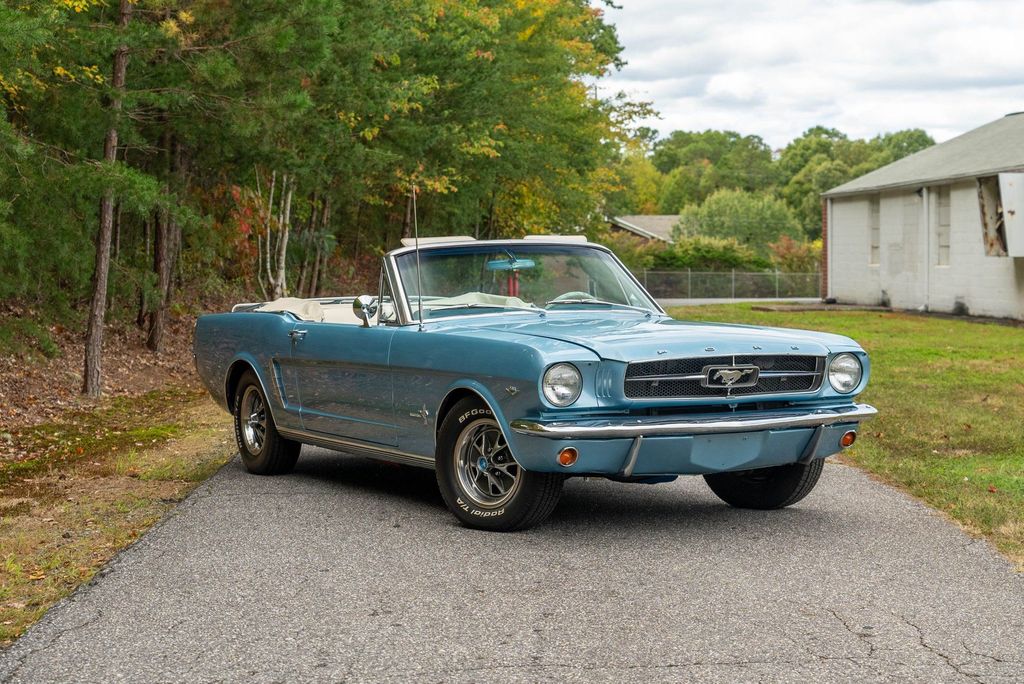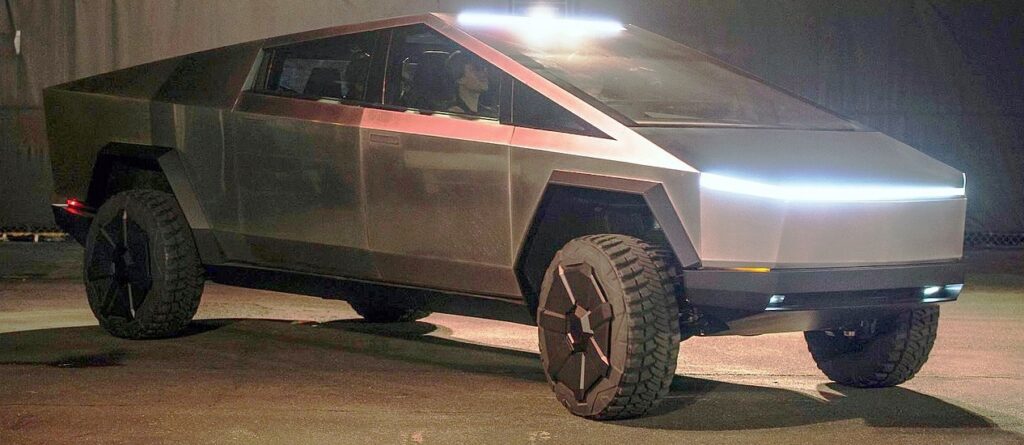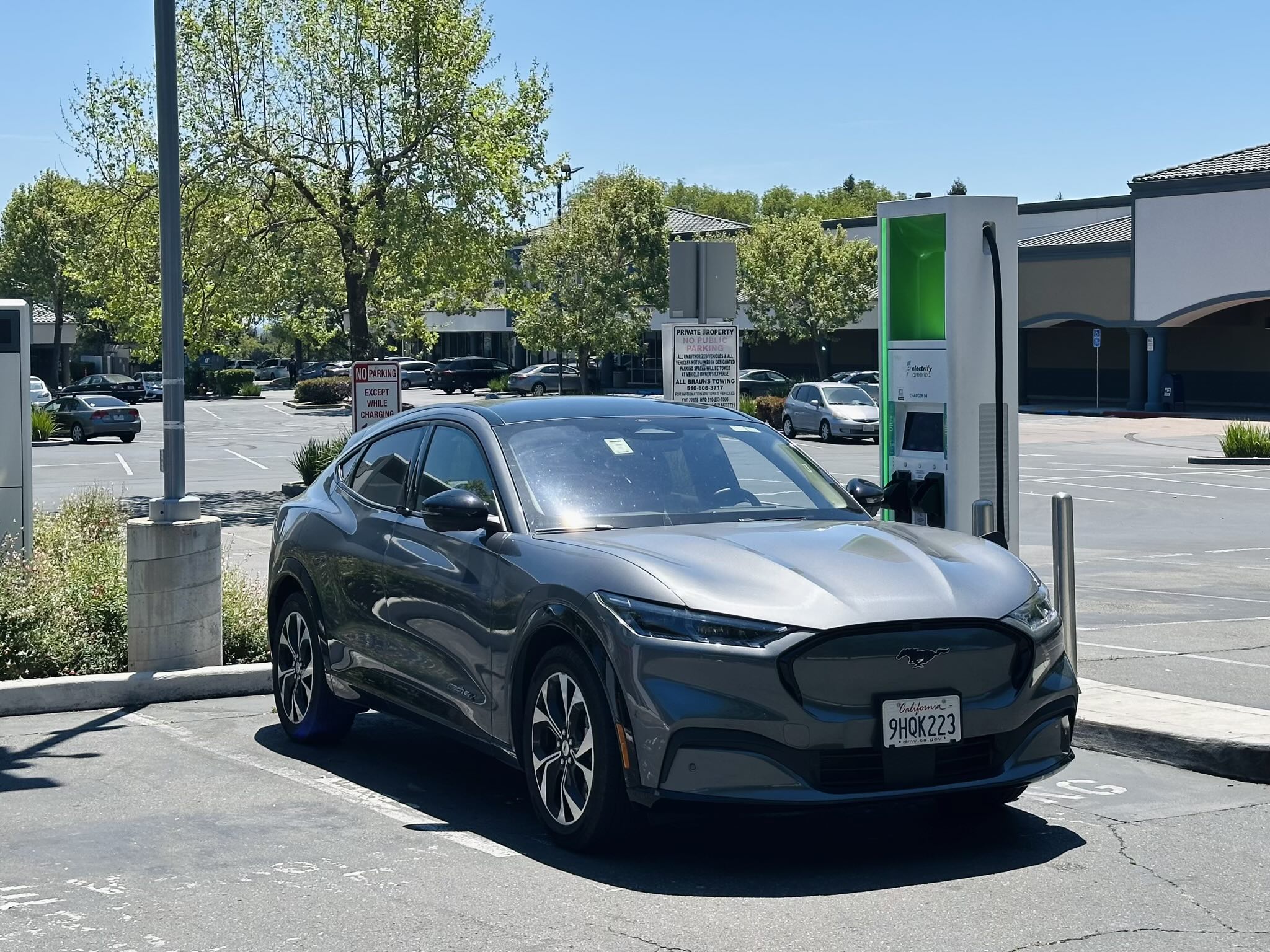
In a world increasingly driven by electric innovation, a fascinating alchemy is taking place in the sun-drenched workshops of California. Here, a new breed of automotive alchemists is not merely adapting to the future but actively forging it, taking the roaring, gas-guzzling titans of yesteryear – those iconic muscle cars and beloved vintage sports vehicles – and quietly, yet powerfully, electrifying their very souls. It’s a convergence of heritage and hyperspeed, a testament to ingenuity that speaks volumes about our evolving relationship with transportation.
This isn’t just about swapping out an engine; it’s a profound re-engineering, a delicate dance between preserving cherished history and embracing groundbreaking technology. These tiny, visionary companies are at the forefront of a movement that offers a compelling answer to a question many classic car enthusiasts grapple with: How do we keep these automotive legends on the road, thrilling drivers for generations to come, while also aligning with a cleaner, more sustainable future? The answer, it turns out, lies in a blend of bespoke craftsmanship, cutting-edge battery tech, and an unwavering respect for the original design.
From self-contained ‘crate motors’ to chassis-specific designs that meticulously retain every original detail, these innovators are proving that the heart of a classic car can indeed beat with an electric pulse. We’re about to embark on an exhilarating journey through the garages and philosophies of the trailblazers who are not just converting cars, but reimagining the very essence of classic driving, ensuring that the thrill of a vintage ride can continue, effortlessly and reliably, for the modern age.

1. **Electric GT: The Crate Motor Innovator**Electric GT stands as a pioneering force in the realm of EV conversions, particularly for their ingenious creation of what they term a “crate motor.” This isn’t your average off-the-shelf engine; it’s a self-contained, elegantly engineered unit designed to simplify the complex process of electrifying vintage internal combustion engine (ICE) vehicles. Its very existence opens up possibilities for a wider range of professional converters and even ambitious home mechanics to undertake what was once a highly specialized and daunting task.
The practical application of Electric GT’s innovation is strikingly demonstrated in their conversion of a vintage Fiat 124 Spider. This e-Spider is a testament to the performance gains possible, packing 120 horsepower and a robust 173 lb-ft of torque. Critically, it shaves three seconds off the original gas version’s best 0-60 mph time, achieving it in about 7 seconds. Powering this nimble machine is a 25 kWh battery pack, discreetly mounted in the trunk, providing a respectable 75-85 mile driving range – perfect for weekend cruises and spirited drives.
Co-founder Brock Winberg eloquently encapsulates their philosophy, stating, “The idea is to take something old and mix it with something new, with good design and engineering behind it.” His partner, Eric Hutchison, adds a crucial point about reliability for enthusiasts: “A lot of guys go out in a classic car that’s 40 or 50 years old, but it’s a one-way trip – they get a ride home with AAA.” Electric GT’s system offers a compelling solution for those who love their cars but seek a reliable, fuss-free experience for a weekend drive.
Their system is also designed with the driving enthusiast squarely in mind, specifically catering to manual-transmission cars – a nod to the purist experience. The self-contained “black box,” which houses both the motor and its control unit, is engineered for a seamless fit under the vehicle’s hood. And in a charming blend of homage and innovation, the system boasts a quaint aesthetic touch: it’s designed to visually resemble a vintage V-8 engine, complete with faux cylinder heads and vibrant orange sparkplug cables, ensuring that even with a silent heart, the car retains its classic visual integrity under the hood.
2. **E-Musclecar: Preserving Authenticity with Chassis-Specific Design**E-Musclecar, LLC emerged from the shared frustrations of two classic car and sportscar enthusiasts who yearned for a way to enjoy their older vehicles without the constant hassle. They recognized a common pain point: life gets busy, and chasing oil leaks, adjusting rough idles, cleaning carburetors, or hunting for leaded gas leaves little time to actually drive and savor dream cars. Their mission became clear: to eliminate these headaches while simultaneously enhancing the speed and driving pleasure of vintage muscle cars and sportscars.
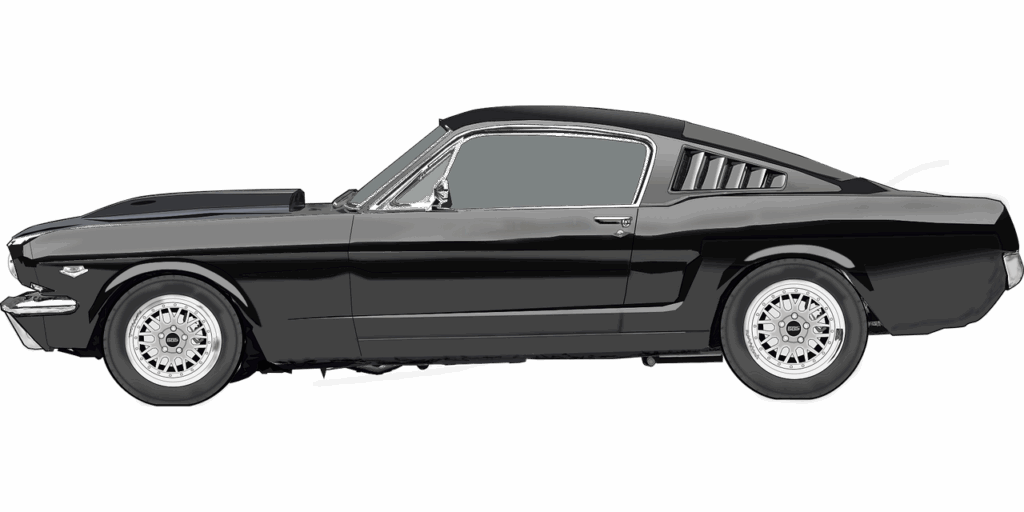
At the core of E-Musclecars’ philosophy is an unwavering commitment to maintaining the integrity and beauty of the original vehicle. They are not interested in compromises or significant modifications to the original chassis that might be required for, say, a Tesla subframe swap. Instead, they are focused on developing robust alternatives that respect the classic design. Their initial efforts are concentrated on chassis-specific EV conversions for three of the most popular vintage models: the first-generation Camaro, Mustang, and Corvette, with plans to expand to other models and offer turn-key conversion packages after perfecting these flagship projects.
The founders bring a formidable blend of expertise to this endeavor, with backgrounds in electro-mechanical product design for a Fortune 500 engineering company, extensive motorsports experience, and managing large electrical and power distribution equipment companies. This depth of knowledge ensures that their approach to conversions is rooted in doing things the right way, meticulously engineering every aspect from power and weight distribution to braking, handling, and, most importantly, safety, into each conversion. They are actively exploring and testing various motor packages from leading suppliers like Borg Warner, Cascadia, Stealth, Revolt, and Tesla, and are also developing their own battery module solutions to perfectly fit the unique space constraints of each classic vehicle.
Their dedication to authenticity extends deep into the driving experience, striving to retain a “100% all original, fully restored ‘classic’ experience.” This means a deliberate rejection of modern accoutrements such as LED buttons, contemporary digital dashes, or engine control panels awkwardly placed where a gear-shift once stood. To achieve this, E-Musclecars is engineering model-specific analog-to-digital gauge conversions and adding position sensors to existing gear selectors, allowing customers to retain the authentic tactile feel of their classic vehicle while seamlessly integrating modern functionality. The overarching goal is to craft vehicles that are indistinguishable from concours classic cars, displaying “absolutely NO signs that they are powered by the best modern electric motors available.”

3. **Zelectric: The High-Demand Porsche & VW Whisperer**Just a short drive from where classic car purists gather to celebrate gasoline engines, David Benardo’s hot rod business, Zelectric, is thriving. Catering to a different, yet equally passionate, segment of enthusiasts, Zelectric specializes in transforming iconic vintage vehicles, particularly Porsches and Volkswagen Beetles, into high-performance electric marvels. The demand for their bespoke services is so significant that they currently operate with a two-year waiting list, a clear indicator of the burgeoning interest in electrified classics.
Zelectric’s conversions come with a starting price of $68,000, and that’s if the customer provides the vehicle to be converted, highlighting the premium nature of such a specialized service. The investment, however, yields a truly unique driving experience, as demonstrated by Benardo hopping into a 1969 Porsche 912. The act of starting the car is deceptively familiar; he turns the key, just as in the original, but the ensuing silence, broken only by a “little beep,” marks a dramatic departure from the characteristic rumble of a gasoline engine. There’s no motor trying to turn over, no tailpipe exhaust, and no tell-tale smell of gasoline.
However, what it lacks in traditional auditory cues, it more than compensates for in performance. Once on the road, this electric Porsche 912 responds with an immediacy and agility that often surpasses its original factory specifications. Benardo himself attests to the exhilarating experience, noting, “I just can step on it and drive like a madman, or I can kind of go incognito and just cruise around in an old sports car.” This versatility speaks to the car’s enhanced capabilities, offering both thrilling acceleration and smooth, effortless cruising.
Intriguingly, the modern power driving these vintage machines often comes from unexpected sources. In the case of Benardo’s 1969 Porsche, the motor was ingeniously salvaged from a totaled Tesla. This practice of repurposing high-performance EV components from modern vehicles is a common thread among these conversion specialists, demonstrating a resourceful and innovative approach to powering the classics of tomorrow. It’s a testament to the fact that the ‘guts’ may be new, but the soul of the classic body remains vibrantly alive, imbued with a fresh, silent power.
Car Model Information: 1969 Volkswagen Beetle (Pre-1980) Base
Sp: uk
Name: Volkswagen Type 1,”Beetle”
Caption: 1965–1966 Volkswagen Käfer
Manufacturer: Volkswagen
Alt: A front-three quarters view of a pale-yellow Volkswagen Käfer. It features 165/80R15 tires, which shod 15×4. 5″ silver, circular wheels. The Käfer features a beetle-like body, and its window is open. The picture is taken with much greenery in the background, and the photo was edited to give it a more warmer tone.
Aka: List of names for the Volkswagen Type 1
Assembly: #Markets and assembly
Designer: Ferdinand Porsche
Class: Small family car
BodyStyle: Sedan (automobile),convertible
Production: 1938–2003,21,529,464 produced
Successor: Volkswagen Golf Mk1,Volkswagen Gol#First generation (Typ30, 1980),Volkswagen New Beetle
Layout: Rear-engine, rear-wheel-drive layout
Engine: Petrol,Volkswagen air-cooled engine,1192 cc H4,1285 cc H4,1493 cc H4,1584 cc H4
Transmission: manual transmission,Saxomat,Autostick
Wheelbase: convert
Length: convert
Width: convert
Height: 1500 mm
Abbr: on
Weight: convert
Categories: 1940s cars, 1950s cars, 1960s cars, 1970s cars, 1980s cars
Summary: The Volkswagen Beetle, officially the Volkswagen Type 1, is a small family car produced by the German company Volkswagen from 1938 to 2003. A global cultural icon known for its bug-like design, the Beetle is widely regarded as one of the most influential cars of the 20th century. Its production period of 65 years is the longest for any single generation of automobile, and its total production of 21.5 million units makes it the most produced car of a single platform in history and the second-highest of all nameplates manufactured in the 20th century.
The Beetle was conceived in the early 1930s. The leader of Nazi Germany, Adolf Hitler, decided there was a need for a people’s car—an inexpensive, simple, mass-produced car—to serve Germany’s new road network, the Reichsautobahn. The German engineer Ferdinand Porsche and his design team began developing and designing the car in the early 1930s, but the fundamental design concept can be attributed to Béla Barényi in 1925, predating Porsche’s claims by almost ten years. The result was the Volkswagen Type 1 and the introduction of the Volkswagen brand. Volkswagen initially slated production for the late 1930s, but the outbreak of war in 1939 meant that production was delayed until the war had ended. The car was originally called the Volkswagen Type 1 and marketed simply as the Volkswagen. It was not until 1968 that it was officially named the “Beetle”.
Volkswagen implemented designations for the Beetle in the 1960s, including 1200, 1300, 1500, 1600, 1302, and 1303. Volkswagen introduced a series of large luxury models throughout the 1960s and 1970s—comprising the Type 3, Type 4 and K70—to supplement the Beetle, but none of these models achieved the level of success that it did. In 1972, it became the best-selling car of all time, a position it retained for nearly three decades. Rapidly changing consumer preferences toward front-wheel drive compact hatchbacks in Europe prompted Volkswagen’s gradual shift away from rear-wheel drive, starting with the Golf in 1974. In the late 1970s and ’80s, Japanese automakers dominated some markets around the world, which contributed to the Beetle’s declining popularity.
The Beetle remains one of the best-selling cars of all time and is the first to sell over 20 million units. Over its lifespan, its design remained consistent, yet Volkswagen implemented over 78,000 incremental updates. These modifications were often subtle, involving minor alterations to its exterior, interior, colours, and lighting. Some more noteworthy changes included the introduction of new engines, models and systems, such as improved technology or comfort. The Beetle maintains a substantial cultural influence and is regarded as one of the most iconic vehicles in automotive history; its success largely influenced the way automobiles are designed and marketed, and propelled Volkswagen’s introduction of a Golf-based series of vehicles.
Get more information about: Volkswagen Beetle
Buying a high-performing used car >>>
Brand: Volkswagen Model: Beetle
Price: $30,950 Mileage: 43,823 mi.
4. **EV West: The Hub of Southern California’s EV Conversion Network**Another critical player in the burgeoning Southern California EV conversion scene is EV West, situated just a short drive north of Zelectric. More than just a conversion shop, EV West functions as a central hub, a vital nerve center for the entire network that is electrifying classic cars in the region. They are the go-to source for products, kits, and technical development, supporting not only businesses like David Benardo’s Zelectric but also empowering a broader community of enthusiasts and other conversion specialists.
Michael Bream, the founder and CEO of EV West, articulates their role clearly: “Really, what we try to do here is develop all the products and the kits and develop it for you know, guys like David and you know, all the other guys basically doing this.” Their offerings include comprehensive kits designed for basic EV conversions, allowing individuals to transform their own cars into electric vehicles for an approximate cost of $20,000. This democratization of conversion technology is a significant step, even if the process itself remains complex.
The complexity of these conversions cannot be overstated; it’s far from a simple engine swap. EV West’s process involves meticulous engineering, starting with laser cutting sample parts, followed by rigorous test fitting, and only then, if proven successful, ordering them from local manufacturers. This painstaking, iterative process means that the waiting period for a complete project can range anywhere from one to five years, depending on its inherent complexity. It underscores the artisanal, highly customized nature of this work, where precision and fit are paramount.
Currently, Bream acknowledges that their market predominantly consists of “celebrities and rich people.” However, he offers a crucial perspective on this demographic, framing it within the existing context of classic car ownership itself. As he explains, “We are talking about classic cars. So even if we left electrification out of it, classic cars, in general, is something that people with means get involved in, right? So we’re not really changing the formula. And we’re not even changing the demographic. We’re just changing the product that we’re selling.” This insight reframes the perceived exclusivity, suggesting that EV conversions are simply offering a modern iteration of an already luxury product, rather than fundamentally altering who can access it.
5. **The Engineering Feat: Seamless Integration, Modern Performance**The transformation of a classic car into an EV is a monumental engineering feat, far more intricate than merely replacing a gasoline engine with an electric motor. It demands an extraordinary blend of mechanical expertise, electrical savvy, and a profound understanding of automotive dynamics. These pioneering companies in California are not just building cars; they are meticulously re-engineering them from the ground up to ensure modern performance and reliability while honoring their vintage heritage.
One of the most compelling aspects of these conversions is the dramatic improvement in performance. The vintage Fiat 124 Spider, for example, receives a substantial boost, cutting its 0-60 mph acceleration time by three seconds with its electric powertrain. Similarly, the electric 1969 Porsche 912, as attested by Zelectric’s David Benardo, responds “even better than it would have when it came off the assembly line.” This isn’t just about going electric; it’s about delivering a superior, more engaging driving experience, offering instant torque and smooth power delivery unmatched by their original combustion counterparts.
The meticulous attention to detail extends to every component of the vehicle. E-Musclecars, for instance, emphasizes that power, weight, weight distribution, braking, handling, and safety are all rigorously engineered into each conversion. This holistic approach ensures that the vehicle doesn’t just accelerate faster but also handles predictably and stops safely, transforming the entire driving dynamic. It’s a testament to their founders’ backgrounds in electro-mechanical design and motorsports, ensuring a truly integrated and optimized system.
Achieving this seamless integration often involves highly specialized manufacturing processes. EV West, for example, employs laser cutting to create sample parts, which are then test-fitted with extreme precision before full-scale manufacturing. This iterative process is crucial for ensuring that new components fit perfectly within the existing classic chassis, maintaining the car’s structural integrity and aesthetic lines. It highlights the bespoke, hand-crafted nature of these conversions, where off-the-shelf solutions are rarely sufficient.
The ultimate triumph of this engineering prowess lies in its ability to remain largely invisible. Electric GT’s ingenious faux V-8 engine design with orange sparkplug cables, and E-Musclecars’ resolute commitment to eschewing modern digital dashes or LED buttons, exemplify this philosophy. The goal is to provide cutting-edge electric performance and reliability while preserving the visual and tactile authenticity of the classic vehicle. It’s an artful deception where modern technology operates silently and efficiently behind a façade of cherished automotive history.
6. **Beyond the Engine: Crafting the Full Classic EV Experience**While the engine swap is undoubtedly the mechanical heart of an EV conversion, the true artistry lies in extending that transformation to the entire driving experience. The goal for these innovators is not merely to create an electric car, but to craft an electric *classic car* that feels, looks, and even subtly sounds like its original counterpart, despite its fundamentally different powertrain. This dedication to authenticity goes far beyond what’s under the hood, delving into the very sensory and aesthetic nuances that define a vintage ride.
E-Musclecars epitomizes this philosophy with its commitment to delivering a “100% all original, fully restored ‘classic’ experience.” This means a deliberate and principled stand against introducing any elements that might detract from the vintage feel. There are no jarring LED buttons, no anachronistic modern digital dashes, and no engine control panels awkwardly replacing the iconic gear-shift. The integrity of the interior, the tactile feedback, and the visual harmony of the original design are paramount, treated with the utmost reverence.
To achieve this delicate balance, E-Musclecars employs ingenious solutions such as model-specific analog-to-digital gauge conversions. This allows the original gauges to function with the new electric powertrain, displaying relevant information without losing their classic aesthetic. Furthermore, they integrate position sensors into existing gear selectors, enabling drivers to engage ‘drive,’ ‘park,’ or ‘reverse’ using the familiar original lever. These subtle yet sophisticated modifications ensure that the authentic interaction with the vehicle remains intact, a cornerstone of the classic driving joy.
The shift in sensory experience is carefully managed. David Benardo’s electric Porsche, for instance, starts with a gentle “little beep” rather than a roaring engine. This quiet startup is a hallmark of the electric transition, yet it’s integrated in a way that feels natural and unobtrusive. The absence of a rumbling tailpipe or the distinct smell of gasoline is a profound change, but it’s presented as an evolution, offering a new kind of refined driving pleasure that is both modern and, in its own way, incredibly pure.
Ultimately, the vision, particularly articulated by E-Musclecars, is to “build vehicles that resemble concourse classic cars with absolutely NO signs that they are powered by the best modern electric motors available.” This ambitious goal speaks to a profound respect for automotive heritage, striving to offer all the benefits of electric propulsion – instant torque, quiet operation, zero emissions, and enhanced reliability – without compromising the visual and tactile soul of the classic. It’s about preserving an icon, not replacing it, ensuring these timeless designs continue to captivate in an electric future.
Read more about: The Resurgent Roar: Unearthing Eight Forgotten Luxury Car Brands Poised for a Modern Comeback
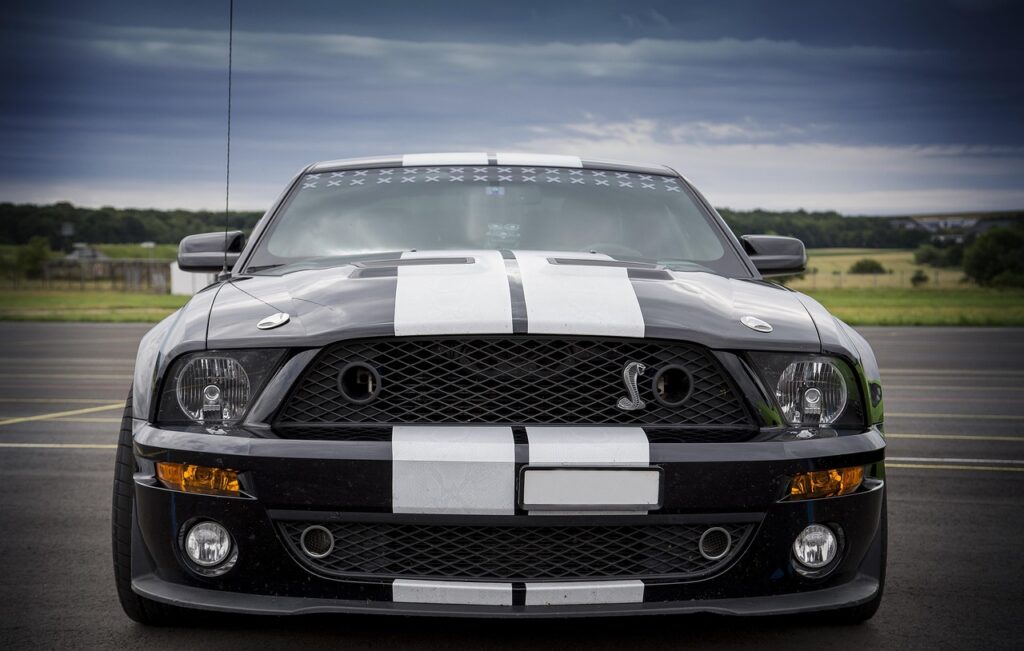
7. **The Purist’s Dilemma: Sound, Smell, and Sentiment**While the technical wizardry of EV conversion captivates many, the classic car world is a vibrant tapestry of diverse opinions. For some, the very essence of a vintage automobile is inextricably linked to the visceral experience of a roaring internal combustion engine. It’s a symphony of mechanical sounds, the distinct aroma of gasoline, and the tactile feedback of a powerful, rumbling machine that speaks to generations of automotive passion.
This sentiment is eloquently captured by enthusiasts like Paul Alvarado, who has cherished his 1940 Mercury since 1965, driving it since high school. After a decade-long, $70,000 restoration, his connection to the car is profound and sensory. “The sound, the smell, yeah,” he affirms, emphasizing the unique character of a modified gasoline engine. “A gasoline engine, especially one that has been modified like this, that, you know, it sounds different. You can hear it’s got more horsepower. To me, that’s kind of the attraction to it.”
Alvarado’s perspective highlights a significant divide within the classic car community. For him, and many like him, the idea of electrifying his beloved Mercury doesn’t compute. While acknowledging the future of electric cars, he states, “as far as converting a classic car like this, I just wouldn’t be interested.” This steadfast loyalty to the original powertrain underscores a deep-seated resistance to change, rooted in decades of tradition and personal connection.
Classic American cars are deeply embedded in California culture, from sun-drenched cruising to gatherings like the San Diego Association of Car Clubs. The rumble of a Chrysler Hemi or a Chevy big block engine is not just an auditory experience; it’s a cultural touchstone. Balancing this rich heritage with California’s equally strong commitment to environmental care, exemplified by solar panels and a growing EV presence, presents a fascinating challenge for the future of classic motoring.
8. **The Economic Reality: A Niche for the Affluent?**The bespoke nature and meticulous craftsmanship required for high-quality EV conversions naturally lead to a premium price point. These are not mass-market adaptations but highly customized re-engineering projects that demand specialized skills and top-tier components. Consequently, the initial investment for transforming a classic into an electric marvel can be substantial, placing it firmly within a specific economic bracket.
Michael Bream, the founder and CEO of EV West, candidly acknowledges this reality, stating that their market currently consists predominantly of “celebrities and rich people.” This highlights the current economic barrier to entry, where the cost of a full conversion, often starting in the tens of thousands of dollars, makes it an exclusive proposition. Even a basic conversion kit from EV West for a DIY project comes with an approximate $20,000 price tag, not including the vehicle itself or labor.
However, Bream offers a crucial contextualization for this demographic. He argues that the electrification of classic cars doesn’t fundamentally alter the existing landscape of classic car ownership. “We are talking about classic cars,” he explains. “So even if we left electrification out of it, classic cars, in general, is something that people with means get involved in, right? So we’re not really changing the formula. And we’re not even changing the demographic. We’re just changing the product that we’re selling.”
This perspective suggests that rather than creating a new exclusive market, EV conversions are simply offering a modern, sustainable iteration of an already luxury product. It’s a “green premium” market where enthusiasts with the financial capacity choose to invest in cutting-edge technology that aligns with contemporary environmental values, while preserving the aesthetic and historical appeal of their cherished vehicles. The challenge remains how to eventually broaden this access beyond the current affluent clientele.
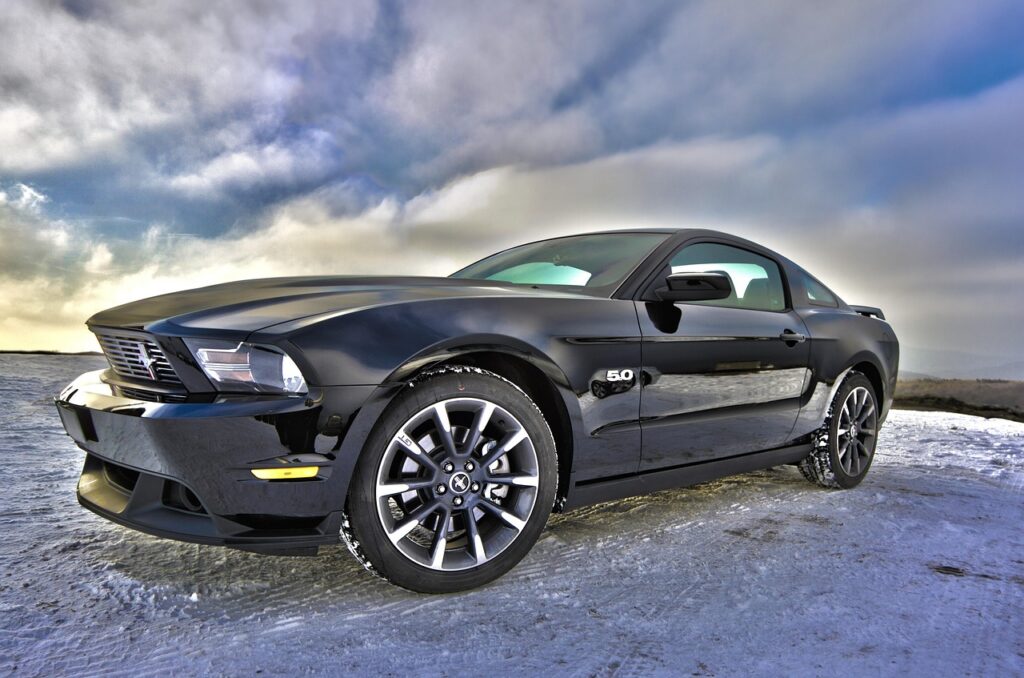
9. **Zero Labs: Expanding the Vision Beyond Classics**While many companies in the EV conversion space focus intensely on perfecting the classic car experience, one company, Zero Labs in South Los Angeles, is beginning with classics but has a far grander vision. They are currently electrifying iconic vehicles like Ford Broncos and Land Rovers, capitalizing on the passionate user base these vehicles command. Yet, their long-term ambition extends significantly beyond these beloved vintage models, aiming to address a much larger societal issue.
Adam Roe, CEO of Zero Labs, is driven by a profound concern for waste, stating that “about 20% of all cars eventually end up in landfills.” He sees EV conversion not just as a solution for cutting exhaust emissions, but as a powerful tool to combat this pervasive problem of automotive waste. By repurposing existing vehicles, regardless of their age or original powertrain, Zero Labs envisions a future where fewer cars contribute to the ever-growing mountains of global refuse.
Roe’s vision for the future is remarkably ambitious and far-reaching. He openly declares, “Because this is much bigger than just classics.” While starting with the “green premium market” of classic cars, he looks ahead just five years and states, “I want to be doing school buses and federal fleets and mail trucks and things like — there’s no reason why we can’t.” This perspective positions EV conversion as a cornerstone of a more circular economy, where existing assets are revitalized rather than discarded.
This expansive view transforms the narrative around EV conversions from a niche luxury service into a scalable solution for sustainable transportation infrastructure. It suggests that the same principles of meticulous engineering and creative repurposing currently applied to vintage Broncos could, with the right investment and industrial commitment, be applied to a vast array of vehicles, fundamentally altering how we perceive and manage the lifecycle of our transportation assets.
Car Model Information: 2023 Ford Bronco Black Diamond
Name: Ford Bronco
Caption: 2021 Ford Bronco Outer Banks (4-door)
Manufacturer: Ford Motor Company
Production: 1965–1996,2021–present
Class: Compact SUV
Layout: Front-engine, four-wheel-drive
BodyStyle: SUV
Successor: Ford Expedition
ModelYears: 1966–1996,2021–present
Categories: 1970s cars, 1980s cars, 1990s cars, 2020s cars, All-wheel-drive vehicles
Summary: The Ford Bronco is a model line of SUVs manufactured and marketed by Ford. The first SUV model developed by the company, five generations of the Bronco were sold from the 1966 to 1996 model years. A sixth generation of the model line was introduced for the 2021 model year. The nameplate has been used on other Ford SUVs, namely the 1984–1990 Bronco II compact SUV, the 2021 Bronco Sport compact crossover, and the China-only 2025 Bronco New Energy.
Originally developed as a compact off-road vehicle using its own chassis, the Bronco initially competed against the Jeep CJ-5 and International Scout. For 1978, Ford enlarged the Bronco, making it a short-wheelbase version of the F-Series pickup truck; the full-size Bronco now competed against the Chevrolet K5 Blazer and Dodge Ramcharger.
Following a decline in demand for large two-door SUVs, Ford discontinued the Bronco after the 1996 model year, replacing it with the four-door Ford Expedition; followed by the larger Ford Excursion. After a 25-year hiatus, the sixth-generation Bronco was reintroduced in 2021 as a mid-size two-door SUV. It is also offered as a full-size four-door SUV with a 16 in (41 cm) longer wheelbase. It competes directly with the Jeep Wrangler as both a two-door and a four-door (hardtop) convertible.
From 1965 to 1996, the Ford Bronco was manufactured by Ford at its Michigan Truck Plant in Wayne, Michigan, where it also manufactures the sixth-generation version.
Get more information about: Ford Bronco
Buying a high-performing used car >>>
Brand: Ford Model: Bronco
Price: $41,624 Mileage: 12,646 mi.
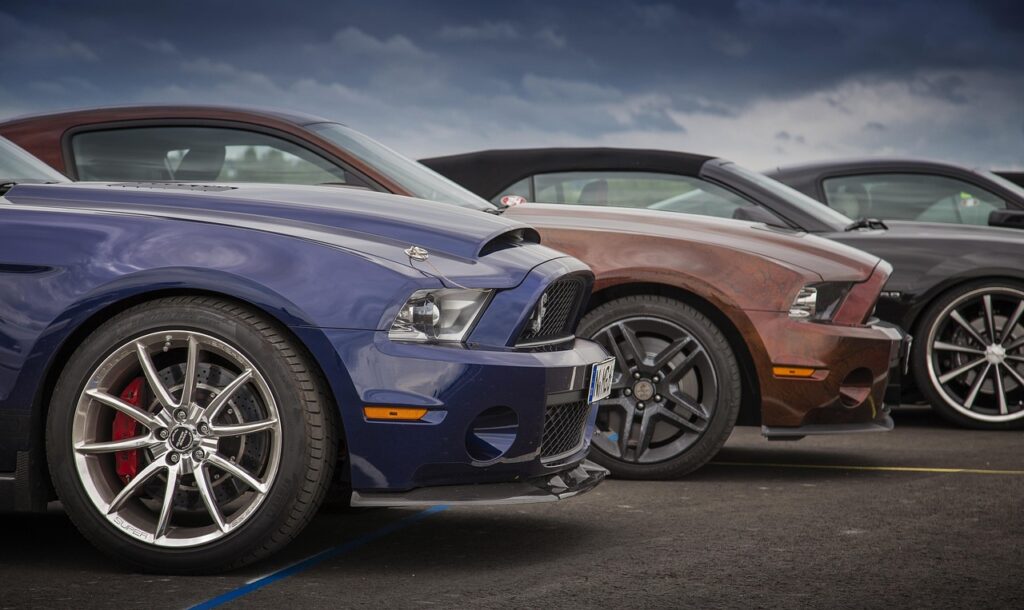
10. **Tackling Waste: A New Dimension of Sustainability**The environmental conversation surrounding electric vehicles often centers on reducing tailpipe emissions and combating climate change. While undeniably critical, Adam Roe of Zero Labs brings a powerful, complementary dimension to this discussion: the enormous problem of automotive waste. His revelation that “about 20% of all cars eventually end up in landfills” underscores a systemic issue that goes beyond just the fuel they consume, addressing their end-of-life impact.
For Zero Labs, therefore, EV conversions offer a dual environmental benefit. Not only do they eliminate operational exhaust emissions, but they also prevent perfectly good vehicle bodies and chassis from becoming landfill fodder. This approach champions the concept of ‘upcycling’ – taking an existing, often high-quality, product and giving it a new, extended, and environmentally friendly life. It’s a powerful statement against planned obsolescence in the automotive industry.
This focus on waste reduction aligns with broader principles of a circular economy, where resources are kept in use for as long as possible, extracting maximum value from them. Instead of manufacturing entirely new electric vehicles, which still consume resources and generate waste in their production, converting existing vehicles leverages embedded energy and materials. This strategy offers a more holistic and immediate impact on environmental sustainability, reducing both production and disposal burdens.
Roe’s vision is a compelling argument for viewing EV conversions not just as a luxury green upgrade, but as a critical component of a sustainable future for transportation. By extending the lifespan of vehicles that would otherwise be scrapped, the movement actively contributes to a significant reduction in waste streams, showcasing a practical pathway to minimize humanity’s environmental footprint beyond just the tailpipe. It’s a proactive step towards a cleaner, more resource-efficient automotive landscape.
11. **The Challenge of Scale: Handcrafting vs. Mass Production**Despite the burgeoning demand and the visionary aspirations for wider EV conversion, the industry currently faces a significant bottleneck: the inherently handcrafted nature of the work. As Zero Labs technician Garrett Green illustrates while welding a console, every element, from bespoke parts to intricate integrations, must often be created or adapted by hand. This level of artisanal detail, while ensuring perfection, dramatically limits output.
The consequence of this labor-intensive process is evident in Zero Labs’ current production numbers: “fewer than a half dozen Zero Labs vehicles on the road.” While each vehicle is a testament to extraordinary craftsmanship and engineering, such low volumes mean that the ambitious goals of converting school buses or federal fleets remain distant aspirations. The gap between individual bespoke projects and large-scale deployment is immense, driven by the realities of manual production.
Adam Roe acknowledges this challenge head-on, attributing it to the absence of “economies of scale.” Unlike traditional automotive manufacturing, where identical parts are stamped out by the thousands and assembly lines hum with efficiency, EV conversion currently operates more like a custom coachbuilder. Each project often presents unique challenges, requiring individual solutions and painstaking, one-off fabrication, driving up both time and cost.
For the EV conversion movement to truly transcend its niche status and deliver on its broader sustainability promises, Roe emphasizes the critical need for “substantial investment and a commitment from the automotive industry to stop thinking about EV conversions as a niche market.” Only through significant capital injection and a shift in industrial mindset can the necessary standardization, modularization, and production efficiencies be developed to scale these transformative services.

12. **Envisioning the Future: Electrified Heritage for All?**The journey from roaring gasoline engines to silent electric powertrains in classic cars is more than a technological shift; it’s a profound re-imagination of automotive heritage. From the pioneering efforts of Electric GT’s crate motors to Zelectric’s high-demand Porsche conversions, and the grander waste-reduction ambitions of Zero Labs, California’s tiny companies are painting a vivid picture of a possible future where cherished designs and modern sustainability coexist harmoniously.
This burgeoning movement forces a critical re-evaluation of what ‘classic’ means. Can the soul of a vintage machine truly reside in its aesthetic form and driving dynamics, even if its heart beats with an electric pulse? The innovators believe so, demonstrating that electric performance can not only match but often surpass the original, delivering reliability and a new kind of refined driving pleasure without sacrificing the iconic visual and tactile experience.
Yet, the path to widespread adoption is not without its challenges. The passionate resistance from purists, the current exclusivity of a “green premium market,” and the significant hurdles of scaling handcrafted processes demand creative solutions and substantial investment. Bridging these divides will require continued innovation, a willingness to adapt, and perhaps a gentle reshaping of what classic car enthusiasts come to expect and cherish.
Ultimately, the vision, as articulated by Adam Roe, points towards a future where EV conversions are no longer just for the wealthy or just for classics. It’s a future where any used vehicle, from a school bus to a mail truck, can be given a second life as an efficient, emission-free electric vehicle, significantly reducing both air pollution and landfill waste. This expansive outlook transforms the movement into a powerful force for a more sustainable, circular economy in transportation.
These California pioneers are not merely preserving automotive history; they are actively evolving it, ensuring that the beauty and thrill of vintage vehicles can continue to inspire and delight for generations to come, silently gliding into a greener, more electrified tomorrow. Their work is a compelling testament to ingenuity, demonstrating that the most innovative solutions often arise from blending deep respect for the past with an unwavering gaze towards the future.