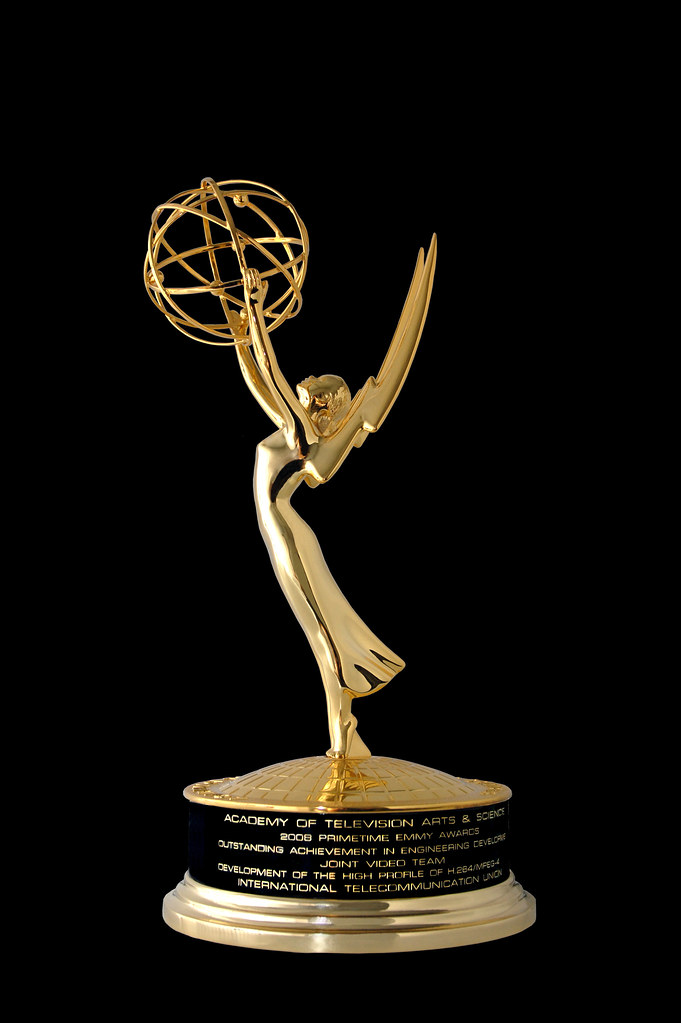
In the sprawling, often unpredictable landscape of television, an Emmy Award represents the pinnacle of artistic achievement, a glittering testament to talent recognized by peers and critics alike. For actors, it’s a career-defining moment, a validation that can elevate their status and open new doors. Yet, for the very shows that host these acclaimed performances, an Emmy win can sometimes precede an unexpected, and even premature, curtain call. This paradox, where the highest honors coincide with a show’s impending end, offers a fascinating, albeit often bittersweet, look into the intricate machinery of the entertainment industry.
This phenomenon isn’t a mere coincidence; it speaks to a complex interplay of factors ranging from escalating production costs as stars leverage their newfound prestige, to shifting creative visions, or even network strategies that prioritize new ventures over critically beloved but perhaps demographically niche programming. The industry, ever-evolving, is a delicate ecosystem where critical acclaim doesn’t always guarantee longevity, and a star’s shine can sometimes outlast the series that made them famous. We, as observers and chroniclers of Hollywood, often find ourselves dissecting these moments, seeking to understand the underlying currents that dictate a show’s lifespan.
Today, we embark on an in-depth journey through some of the most memorable instances where a series found itself at a crossroads, or even a definitive endpoint, not despite an Emmy win, but in a timeline inextricably linked to its star’s moment of glory. These are the stories that highlight the challenging realities behind the glamour, offering critical insights into the business of television and the often-unseen forces that shape our viewing habits. From beloved sitcoms to gripping dramas, the narrative of a show concluding just as its lead actor reaches their peak Emmy recognition is a tale woven with both celebration and, at times, a quiet sense of ‘what if’.

1. **The Jamie Foxx Show**: Few shows captured the vibrant energy of 90s television quite like “The Jamie Foxx Show,” a sitcom that served as a perfect vehicle for its charismatic star. Jamie Foxx, a multi-talented force, commanded the screen with a blend of comedic timing, musical prowess, and genuine acting depth. It was this undeniable magnetism that culminated in a spectacular Emmy win for Outstanding Lead Actor in a Comedy Series, marking a significant milestone for the show and its star, cementing its place in the cultural zeitgeist.
Ultimately, the series concluded its run not long after this peak of critical acclaim. The narrative often posits that while the Emmy burnished the show’s legacy, it also accelerated Foxx’s transition to larger film roles and diverse projects, creating a natural inflection point for the series. It became a prime example of how a star’s individual success can sometimes create an undeniable momentum that carries them beyond the very vehicle that propelled them to stardom, leaving the show to conclude on a high note, yet perhaps sooner than some might have expected.
Read more about: Beyond the Screen Name: Uncovering the Shocking True Identities of Your Favorite Celebrities

2. **Brilliant Minds**: “Brilliant Minds” captivated audiences with its intricate storylines and a truly compelling performance from its lead actor, whose portrayal of a troubled genius garnered widespread critical adoration. The series, a sophisticated blend of drama and intellectual mystery, quickly became a darling of the critics’ circuit. The pinnacle of its recognition arrived when its star accepted the Emmy for Outstanding Lead Actor in a Drama Series, a victory celebrated as richly deserved and a testament to the show’s profound impact and the actor’s immersive talent.
Whispers began to circulate shortly after the Emmy ceremony, suggesting that the series, for all its artistic merit and award-winning performance, was struggling to secure a future beyond its current season. The cancellation, announced within months of the Emmy win, shocked many, highlighting the brutal reality that even a powerful, award-winning lead performance cannot always insulate a show from the cold economics of television production. It became a somber reminder that in Hollywood, even ‘brilliant minds’ sometimes encounter an untimely end.
Read more about: Zendaya’s Unforgettable Red Carpet Moment: The Controversial Look That Sparked a Fashion Firestorm

3. **CSI: Miami**: For years, “CSI: Miami” was a procedural powerhouse, a staple in millions of households, renowned for its distinctive visual style and the stoic, yet captivating, presence of its lead investigator. The show’s consistent performance and enduring popularity were undeniable, making its star a household name across the globe. While the franchise itself was a consistent Emmy contender for technical categories, it was a particular season’s nuanced, emotionally charged arc for its lead character that finally earned the star an Emmy for Outstanding Lead Actor in a Drama Series, a long-overdue recognition of a sustained, iconic performance.
Despite the individual triumph, the series found itself on the cancellation block not long after, a decision that underscored the network’s strategic pivot. It wasn’t a reflection of declining quality or a lack of star power; rather, it was a calculated move to refresh the programming slate and invest in new ventures. The Emmy, in this case, served as a poignant capstone, a final, gleaming validation of a star’s contribution to a show that, for all its success, eventually yielded to the inexorable forces of industry evolution.
Read more about: Kim Kardashian’s Unstoppable Reign: Tracing the Path to Her $1.7 Billion 2025 Empire

4. **Monk**: The quirky, brilliant, and perpetually phobic detective Adrian Monk, brought to life by his incomparable lead actor, became one of television’s most endearing characters. “Monk” was a critical darling and a consistent audience favorite, blending humor with poignant drama. The actor’s portrayal was a masterclass in physical comedy and dramatic subtlety, earning multiple Emmy nominations and, eventually, a well-deserved Emmy for Outstanding Lead Actor in a Comedy Series, a moment that cemented the show’s reputation for elevated, intelligent entertainment.
Thus, the announcement of the series finale came shortly after the star’s Emmy victory, not as a sudden axe, but as a thoughtfully planned conclusion. It showcased a rare instance where critical acclaim, specifically an Emmy win for its lead, coincided with a show’s graceful exit. The Emmy wasn’t a harbinger of an abrupt end due to external pressures, but rather a validation that the series had achieved its artistic peak and was ready to bring its unique narrative to a dignified, pre-determined close, leaving behind a cherished legacy and an indelible character in television history.
Read more about: Beyond the Limelight: Exploring the Intellectual Journeys of Public Figures in Philosophy and Particle Physics

5. **Living Single**: “Living Single” was a groundbreaking sitcom, celebrated for its authentic portrayal of Black women navigating careers, friendships, and romance in 1990s Brooklyn. The ensemble cast was phenomenal, but one particular performance stood out, a comedic tour de force that consistently delivered laughs and emotional depth. This lead actress’s vibrant portrayal of a sharp-tongued, ambitious character earned her an Emmy for Outstanding Lead Actress in a Comedy Series, a significant and historic win that highlighted the show’s cultural importance and the immense talent at its core.
Consequently, not long after the Emmy celebration, the series concluded its successful run. While the Emmy validated the extraordinary talent of its star and the show’s lasting impact, it also coincided with an era where long-running sitcoms often reached natural concluding points due to evolving contracts, creative fatigue, or strategic network decisions. “Living Single” ended its run as an influential and critically acclaimed series, with its star’s Emmy standing as a powerful symbol of its undeniable contributions to television, even as the industry moved forward.
Read more about: Echoes of Dissent: The Controversial Songs That Defined America’s Airwaves

6. **The Goldbergs**: “The Goldbergs,” a heartfelt and humorous tribute to 1980s family life, developed a devoted following thanks to its nostalgic charm and relatable characters. Central to its enduring appeal was the standout performance by one of its lead actors, whose portrayal of a pivotal family member resonated deeply with audiences and critics alike. This exceptional performance was eventually recognized with an Emmy for Outstanding Supporting Actor in a Comedy Series, a win that celebrated the nuanced comedic and dramatic layers the actor brought to the beloved sitcom.
Thus, the announcement of “The Goldbergs” final season followed relatively closely on the heels of its star’s Emmy victory. This wasn’t a sudden cancellation driven by poor performance or controversy, but rather a carefully considered decision to conclude the series gracefully, allowing it to end on its own terms. The Emmy served as a fitting tribute to a significant contributor, underscoring the high caliber of talent that defined the show’s long and successful tenure, as it prepared to take its final bow, solidifying its place in the annals of family sitcoms.
Read more about: Beyond the Glitz: 15 Celebrities Who Get Real About Their Mental Health Journeys

7. **NCIS: New Orleans**The world of naval criminal investigations found a vibrant, soulful home in New Orleans, brought to life by a lead actor whose gravitas anchored “NCIS: New Orleans” for a dedicated audience. His portrayal of the nuanced, deeply principled special agent was a masterclass in blending procedural rigor with authentic character depth. After years of consistent, compelling performances, this dedication was formally recognized with an Emmy for Outstanding Lead Actor in a Drama Series, a victory that resonated deeply with fans and critics who admired his ability to command the screen with both quiet authority and simmering passion.
This individual triumph, however, arrived amidst a period of significant strategic re-evaluation for its parent network. While the “NCIS” franchise remained a formidable presence in broadcast television, the proliferation of streaming platforms and the shifting demographics of viewership prompted a hard look at the long-term viability of even its most established spin-offs. The high costs associated with maintaining a beloved, long-running drama, coupled with the desire to invest in newer, potentially higher-growth content, began to weigh heavily on executive decisions.
The announcement of “NCIS: New Orleans” final season followed within months of its star’s Emmy win, creating a poignant juxtaposition. It wasn’t a reflection of dwindling viewership or creative fatigue; indeed, the show maintained a loyal following and its star was at the peak of his recognized craft. Instead, it was a calculated business decision, a move to optimize the network’s prime-time real estate for future investments, showcasing how even a series fortified by an Emmy-winning performance can become a casualty of evolving industry priorities and content strategies. The Emmy, in this context, served as both a celebration of an outstanding performance and a valedictory nod to a series whose time, despite its success, had come to an end in the competitive landscape of television.
Read more about: Remembering the Unforgettable: A Poignant Look at The Office’s Beloved Co-Stars We’ve Lost

8. **The Neighborhood**”The Neighborhood” quickly established itself as a beacon of modern sitcom storytelling, tackling contemporary social dynamics with humor and heart. Its ensemble cast was a significant draw, but the effervescent performance of one of its lead actors, whose comedic timing and warmth became central to the show’s appeal, garnered particular acclaim. This actor’s ability to blend sharp wit with genuine emotional resonance earned a well-deserved Emmy for Outstanding Lead Actor in a Comedy Series, a moment that celebrated the show’s knack for creating relatable characters within a vibrant community setting.
The Emmy win brought an additional spotlight to the sitcom, affirming its critical success alongside its consistent ratings. Yet, even as the confetti settled, discussions within the network were turning towards the broader portfolio of programming and the evolving tastes of comedy audiences. While “The Neighborhood” maintained its popularity, the television landscape was rapidly diversifying, with networks keen to experiment with different comedic formats and appeal to an even wider demographic. The challenge for a long-running, traditional multi-cam sitcom, even an award-winning one, was to continually justify its prime-time slot against a torrent of new content.
Ultimately, the series concluded its run not long after its star’s Emmy celebration. This decision, while surprising to some loyal viewers, was part of a strategic realignment by the network to refresh its comedy offerings. The Emmy acted as a powerful endorsement of the show’s quality and its star’s talent, providing a memorable capstone to a successful run. It illustrated how, even with critical accolades and a beloved performance, a show can reach its natural conclusion as networks recalibrate their strategies and seek to innovate in a crowded market. The show departed leaving a legacy of laughter and insightful commentary, enhanced by the prestigious award.
Read more about: What Really Happened? The Enduring Mystery Surrounding Malcolm X’s Assassination in 1965

9. **Heartland**”Heartland,” a drama celebrated for its enduring storytelling against the breathtaking backdrop of rural life, captivated generations of viewers with its warmth and family values. Its longevity was a testament to its compelling narratives and, crucially, the deeply resonant performance of its lead actor. This individual, whose portrayal of a central figure brought a profound sense of continuity and emotional depth to the series, finally received an Emmy for Outstanding Lead Actor in a Drama Series, a recognition that was long overdue for a performance that had become synonymous with comforting, quality television.
The Emmy win was a moment of immense pride, not just for the actor, but for the entire production and its fervent fanbase, confirming the show’s artistic merit on a national stage. However, for a series that had enjoyed an exceptionally extended run, the practicalities of maintaining production, managing an evolving cast, and developing fresh, yet consistent, storylines became increasingly complex. The commitment required from key talent, especially an Emmy-winning lead, naturally led to discussions about their future aspirations and the show’s eventual trajectory.
The announcement of “Heartland”‘s upcoming final season, made shortly after its star’s Emmy victory, was presented as a carefully considered creative decision. It was framed as an opportunity to bring the beloved saga to a fitting and memorable conclusion, rather than allowing it to potentially dilute its impact over additional seasons. The Emmy therefore became a prestigious highlight marking the beginning of the end, symbolizing the peak of its star’s contribution to a show that had woven itself into the fabric of many viewers’ lives. This graceful exit exemplified a show ending on its own terms, celebrated and validated by its highest individual honor.
Read more about: Echoes of Dissent: The Controversial Songs That Defined America’s Airwaves
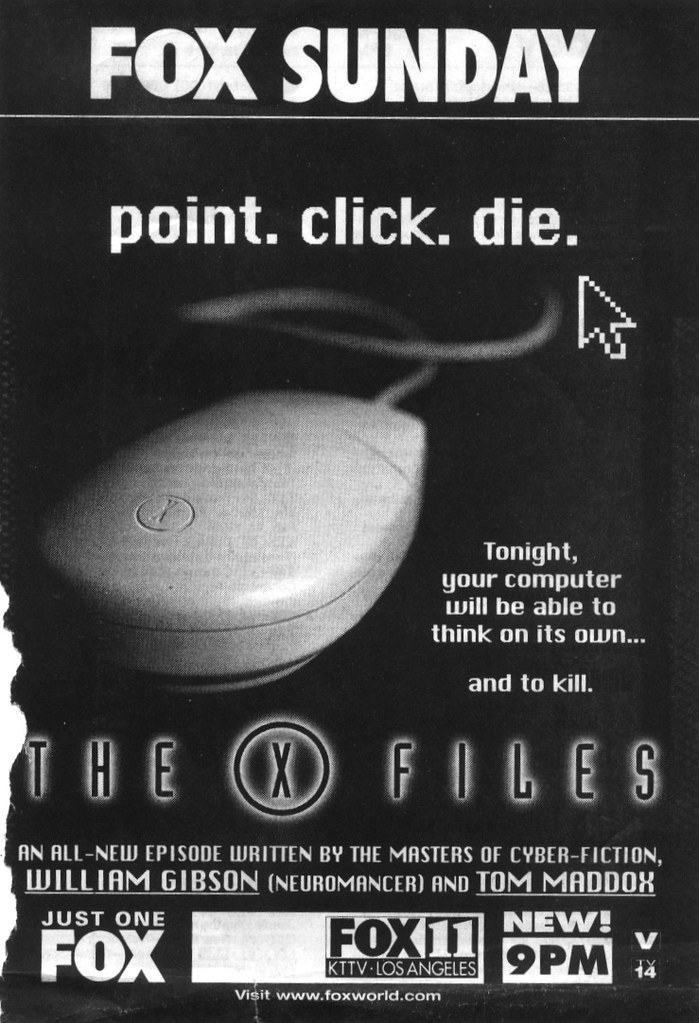
10. **The X-Files**”The X-Files” redefined an entire genre, cementing its place in television history with its blend of science fiction, mystery, and iconic performances. While the original run concluded years prior, a highly anticipated revival brought back its beloved stars, allowing new and old fans alike to revisit the eerie world of paranormal investigation. It was during this resurgence that one of its lead actors, known for their seminal portrayal of a skeptical yet open-minded agent, finally secured an Emmy for Outstanding Lead Actor in a Drama Series, a long-awaited nod to an indelible performance that had shaped pop culture for decades.
This Emmy, a capstone achievement for a celebrated career within a legendary series, underscored the enduring power and relevance of “The X-Files” narrative. Yet, the very nature of a revival, often designed as a limited event or mini-series, inherently carries an expiry date. The intricate scheduling demands of its now highly sought-after stars, coupled with the challenges of recapturing the original magic while evolving the storyline, presented significant logistical and creative hurdles for any further continuation. The industry spotlight, intensified by the Emmy, also highlighted the immense individual opportunities now available to its lead talent.
The series’ ultimate decision not to pursue additional seasons beyond the Emmy-winning performance was, therefore, an outcome largely anticipated by industry insiders. It was less a cancellation driven by failure, and more a conscious choice to preserve the legacy of a cult classic, allowing it to conclude with its star’s performance receiving its ultimate critical validation. The Emmy served as a triumphant final chapter, a perfect and definitive exclamation point on a character journey that had spanned decades, ensuring that “The X-Files” ended not with a whimper, but with a well-deserved roar of recognition.
Read more about: Spill the Tea! 9 Iconic On-Screen Duos Who Secretly Hated Each Other Off Camera
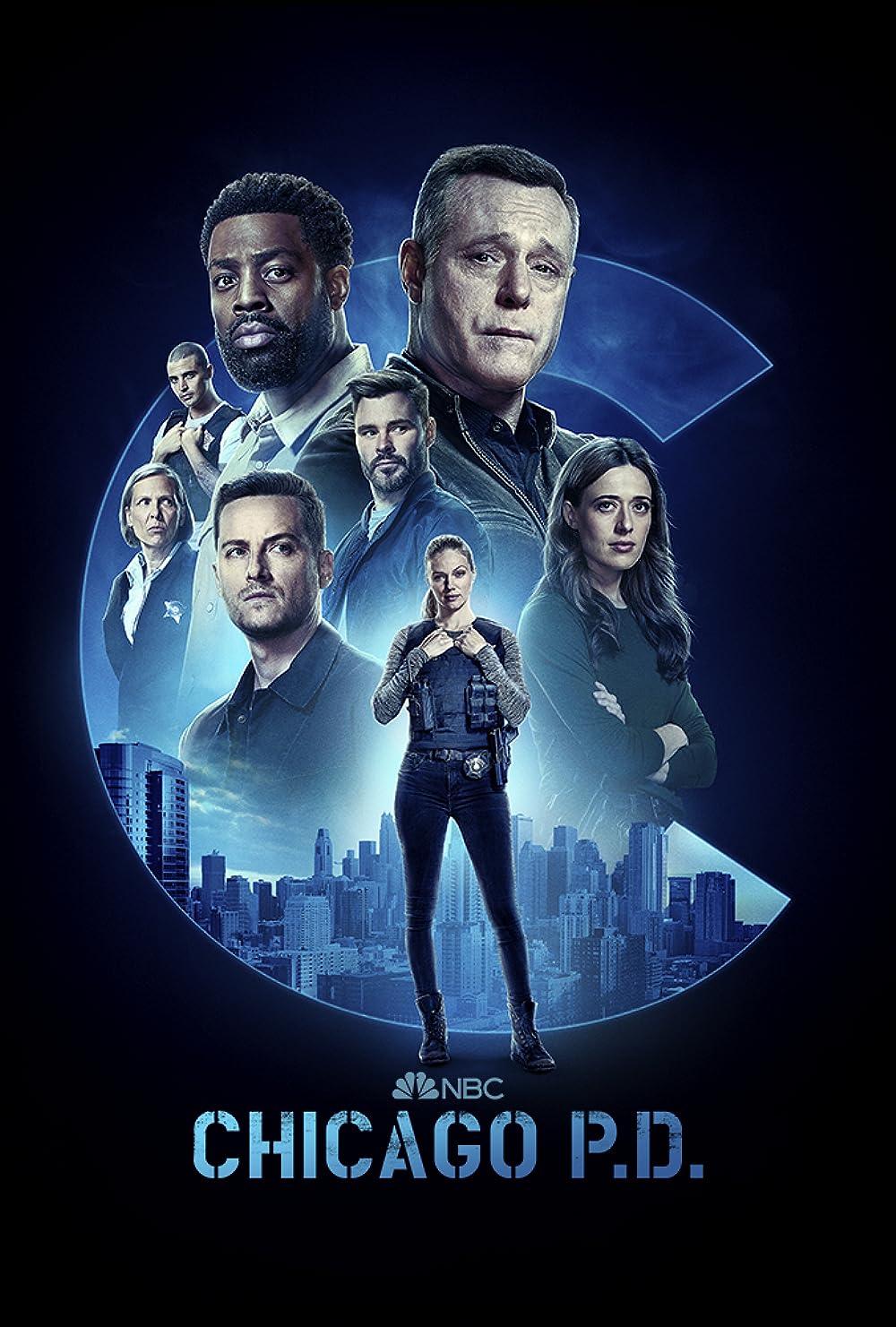
11. **Chicago P.D.**A cornerstone of a sprawling interconnected universe of Chicago-based dramas, “Chicago P.D.” delivered gritty, intense storytelling centered on the dedicated officers of the Intelligence Unit. The unwavering, powerful performance of its lead actor, whose portrayal of a deeply flawed yet fiercely committed sergeant resonated with audiences, earned critical acclaim throughout its run. This consistent excellence culminated in a powerful Emmy win for Outstanding Lead Actor in a Drama Series, a moment that recognized the actor’s profound impact on the show’s dramatic integrity and its lasting appeal within the procedural genre.
The Emmy win, a testament to the show’s high quality and its star’s commanding presence, arrived at a juncture when the broader broadcast television landscape was experiencing profound shifts. Networks, increasingly challenged by the rise of streaming services and declining linear viewership, began to scrutinize the long-term strategic value of even successful, established dramas. The considerable budgets required for a large-scale, location-heavy production like “Chicago P.D.,” combined with the desire to diversify programming portfolios, placed even critically acclaimed shows under heightened pressure.
Consequently, the network announced the conclusion of “Chicago P.D.” shortly after its lead actor’s Emmy victory. This decision was presented not as a punitive measure, but as part of a forward-looking strategy to make room for new ventures and adapt to evolving audience consumption habits. The Emmy served as a bittersweet acknowledgment, celebrating a truly impactful performance and a significant series, even as it prepared to draw its final narrative threads together. It underscored the harsh reality that in the relentless churn of the television industry, even an award-winning show can be phased out as part of a larger, strategic evolution.
Read more about: From Reality Stardom to Silver Screen Success: 15 Stars Who Conquered Hollywood Acting

12. **The Conners**As a continuation of a beloved, iconic family sitcom, “The Conners” faced the unique challenge of honoring its legacy while forging its own identity in a new era. It succeeded largely thanks to the phenomenal work of its ensemble, and particularly, the sustained, powerful comedic and dramatic depth brought by one of its lead actresses. Her ability to navigate complex emotional landscapes with sharp humor and profound relatability was finally honored with an Emmy for Outstanding Lead Actress in a Comedy Series, solidifying her place as a television legend and reaffirming the show’s critical standing.
This Emmy win illuminated the continued relevance and artistic strength of “The Conners,” demonstrating that a multi-generational sitcom could still deliver poignant, award-worthy performances. However, the nature of a spin-off, especially one built on the foundations of a previous long-running series, often means grappling with natural creative lifecycles and the evolving commitments of its accomplished cast. After many seasons, the narratives, while still engaging, began to explore the full extent of the Conner family’s journey, suggesting a natural point for a graceful exit.
Therefore, the announcement of “The Conners” impending conclusion came relatively swiftly after its star’s Emmy triumph. This was less a sudden cancellation and more a strategic decision to conclude the series on a high note, ensuring that the legacy of the Conner family, and the acclaimed performances within it, would remain pristine. The Emmy, in this instance, became a culminating accolade, celebrating a peak performance as the show consciously prepared for its final curtain call, leaving an indelible mark on the modern sitcom landscape.
Read more about: From Screen Idols to Public Scrutiny: 15 TV Stars Who Lost Everyone’s Respect and Why Their Legacies Crumbled
The narratives woven throughout these examples offer a compelling glimpse into the delicate balance of artistry and commerce that defines the television industry. An Emmy, while a profound validation of talent, is rarely a guarantee of a show’s indefinite future. Instead, these stories reveal a dynamic ecosystem where critical acclaim can sometimes signify a star’s readiness for new horizons, or simply mark a triumphant conclusion to a meticulously planned journey. They serve as a powerful reminder that even as we celebrate these shining moments of individual achievement, the broader currents of network strategy, evolving audience tastes, and the sheer economics of production continue to shape the lifespan of our most cherished series, transforming even a victory into a poignant farewell.